Skip to content
1-844-YO-PELEO•Available 24/7
Family Immigration5 min read

Consular Processing Lawyer Near Me: Green Card Help in Florida

How consular processing works, where cases get stuck and how Florida families can work with an Orlando immigration lawyer by video, phone or in person.
William J. VásquezPublished on October 8, 2026
0 views
Consular Processing Lawyer Near Me: Green Card Help… — immigration law guide for Florida

Consular processing is how a relative abroad becomes a permanent resident: the green card process is completed at a U.S. embassy or consulate rather than inside the United States. After a citizen, resident or employer files a petition and USCIS approves it, the case moves to the National Visa Center, where the applicant completes Form DS-260 and pays required fees. Many family categories have annual limits, so waits can be long, while immediate relatives of citizens are generally not subject to them. Our Orlando firm helps Florida families by video, phone and in person.

  • Consular processing finishes the green card process at a U.S. embassy or consulate abroad.
  • The approved petition moves to the National Visa Center for paperwork like Form DS-260.
  • Many family categories have annual limits and potentially long waits.
  • Immediate relatives of citizens are generally not subject to those limits.

If your spouse, parent, child or sibling is outside the United States and you want them to immigrate, the case will most likely go through consular processing. That means the green card process is completed at a U.S. embassy or consulate abroad, not inside the United States. Vasquez Law Firm, an immigration-only firm with one office in Orlando, helps families across Florida with this process by video, phone and in person.

What consular processing is, and when it applies

There are two main ways to become a permanent resident through a family or employment case. A person who is already in the United States and eligible may apply for adjustment of status with USCIS. A person who is living abroad, or who is not eligible to adjust, applies for an immigrant visa through the Department of State. That second route is consular processing. After the immigrant visa is issued and the person enters the United States as a permanent resident, the physical green card is produced and mailed.

Many people search for a consular processing lawyer near me after a petition is approved and the case is transferred to the consulate, because the next steps involve a different agency and a different set of forms and deadlines.

How the process generally works

  1. The petition. A U.S. citizen, permanent resident or employer files a petition with USCIS. Once approved, the case moves to the National Visa Center (NVC).
  2. Waiting for a visa number. Many family categories have annual limits, so a person may wait years for a priority date to become current. Immediate relatives of U.S. citizens, such as spouses and unmarried children under 21, are generally not subject to those limits.
  3. NVC paperwork. The applicant completes the online immigrant visa application, known as Form DS-260, pays any required fees, and uploads civil documents such as passports, birth certificates and police certificates.
  4. The affidavit of support. The sponsor submits Form I-864 and financial evidence to show that the immigrant will not need public benefits.
  5. Medical exam. A physician approved by the consulate performs the required medical examination.
  6. The consular interview. An officer reviews the case and may ask about the relationship, background and documents. The officer decides whether to issue the visa.
  7. Entry and the green card. After approval, the immigrant travels to the United States within the time the visa allows and is admitted as a permanent resident.

Where problems appear

Most consular cases move forward without drama when the documents are complete and consistent. When they don't, the cause is usually one of the following.

  • Inadmissibility. Certain past events, such as unlawful presence in the United States, a prior removal, a criminal record or a past immigration fraud finding, can make a person inadmissible. Some of these can be addressed with a waiver, and some cannot.
  • Public charge and the affidavit of support. If the sponsor's income is too low, a joint sponsor may be needed.
  • Missing or inconsistent civil documents. A name that differs between documents, or a missing certificate, can delay the case.
  • A request for more evidence. The consulate may issue a notice asking for additional documents before it decides.

When a waiver is needed, some applicants can ask for a provisional waiver before leaving for the interview, depending on who the qualifying relative is. Whether this applies depends on the person's history and relatives, and a lawyer should review it before anyone departs the United States, because leaving can trigger bars to returning.

Searching for a green card lawyer near me

When people type a green card application lawyer near me or lawyer for green card near me into a search engine, they usually compare offices on a map. For consular processing, the most useful comparison is different: the applicant is abroad, the sponsor is in Florida, and communication has to work across time zones. Consular cases are handled mostly through the NVC portal, secure uploads and scheduled calls, so geography matters less than responsiveness and careful preparation.

People who search for green card immigration lawyers near me often want to know whether the lawyer will explain the whole path, from the petition to the interview, and who will answer questions along the way. Those who ask for the best green card lawyer near me are usually really asking about trust and results. No lawyer can promise a result, and Florida Bar rules limit how lawyers may describe themselves. Instead, ask how the lawyer prepares cases, how deadlines are tracked, who will be your contact, and what happens if the consulate asks for more evidence.

How we work with Florida clients

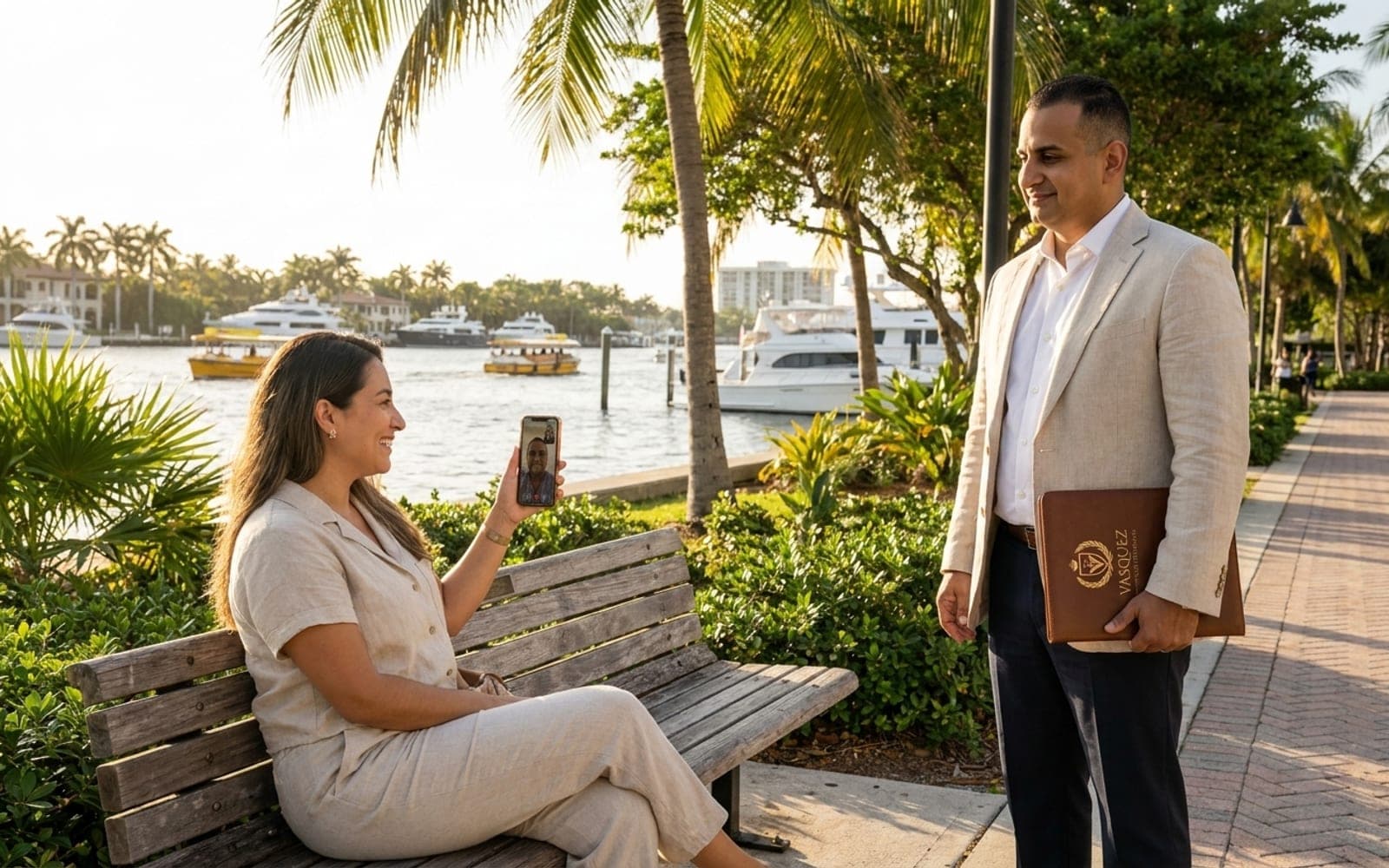
Our only office is at 1111 E Amelia Street in Orlando. We do not have offices elsewhere in Florida. Clients in Miami, Tampa, Jacksonville, Fort Myers and every other part of the state work with us through secure video, phone, document upload and, when they wish, in-person meetings in Orlando. We communicate in English and Spanish, and se habla español. We can also speak with the family member abroad when that helps.

To see how this fits in the broader process, read about green card applications, or about family petitions.

What to prepare before a consultation

  • Any approval notice or receipt number for the petition.
  • The beneficiary's passport and any past visa or immigration history, in any country.
  • Marriage, birth and divorce certificates for everyone in the case.
  • The sponsor's recent tax returns, pay records and proof of U.S. citizenship or permanent residence.
  • Records of any arrests or past immigration violations.

If you are ready to talk, contact our firm and tell us where the case stands and where the applicant lives.

Other ways people search for this

People look for this help under different names. Related searches include orlando green card law firm.

This article is general information, not legal advice. Every case is different; speak with an immigration lawyer about your situation.

Do Not Navigate This Process Alone

Our experienced immigration attorneys are ready to fight for you. Get a free, confidential case review today.

Se Habla Español

Or leave your details and we’ll call you:

Free Evaluation in 24 Hours

Or talk to us right now

William J. Vásquez — immigration lawyer Florida fighting for clients statewide

AI voice assistant — available 24/7

Free

Frequently Asked Questions

The lawyer can be anywhere, because the case is handled through USCIS, the National Visa Center and the consulate rather than in person. We serve all of Florida from our Orlando office by video and phone.
Consular processing is applying for an immigrant visa at a U.S. embassy or consulate abroad. Adjustment of status is applying for the green card from inside the United States, which is only available to some people. A lawyer can tell you which route applies to you.
Not necessarily. Responsiveness, clear explanations and careful preparation usually matter more than distance, since most steps are handled online and by phone.
Yes. We can review the petition, the NVC steps, the affidavit of support and the documents, and explain how to prepare for the interview.
Respond before the deadline in the notice. A lawyer can help you understand what is being asked and gather the right documents.
William J. Vásquez

William J. Vásquez

Founding Attorney · Vasquez Law Firm

U.S. Air Force veteran and immigration attorney with years of hands-on U.S. immigration experience. J.D., NCCU School of Law. AILA member. Admitted to the 4th, 5th, and 11th Circuit Courts.

Available 24/7 - Free Evaluations

Reviewed for legal accuracy by William J. Vásquez

Licensed in North Carolina; U.S. immigration is federal practice.

Related Legal Services

Our Florida immigration attorneys can help you with path to citizenship, marriage-based immigration and fiancé visa (K-1). Call today at 1-844-YO-PELEO for a free case review.

Related Topics

#consular processing#green card#immigrant visa#NVC#Florida

Free Legal Case Review

Discuss your case with our experienced attorneys. We're available 24/7.

Se Habla Español - Estamos aquí para ayudarle.

Related Articles

Immigration

Consular Processing for Florida Applicants in 2026

Consular processing is the path for individuals outside the U.S. to obtain an immigrant visa at a U.S. embassy or consulate. For Florida residents sponsoring family or employees abroad, understanding this multi-stage process is critical. This guide provides an in-depth look at the steps, required documents, timelines, and costs involved as of 2026. Learn about USCIS petitions, National Visa Center (NVC) processing, and the final embassy interview. We also highlight common mistakes to avoid and when legal assistance from Florida Immigration Lawyers can be invaluable, especially for applicants in Homestead and across Florida.

July 17, 202618 min read
Immigration

Consular Processing Florida: Your 2026 Immigrant Visa Guide

For those aspiring to move to Florida from abroad, consular processing is the essential path to obtaining an immigrant visa. This guide provides a comprehensive overview for 2026 applicants, detailing the step-by-step process from filing the initial petition with USCIS to the final embassy interview. We cover crucial stages like NVC processing, required documentation, estimated timelines, and associated costs. Learn how to avoid common mistakes that could delay your application and understand when professional legal assistance is indispensable. Florida Immigration Lawyers offers guidance to help you navigate this complex journey, ensuring your application for a Florida immigrant visa is handled with precision and care.

March 30, 202621 min read
Immigration

CR-1 IR-1 Spouse Visa Consular Processing Florida | VLF Florida

For U.S. citizens and green card holders in Florida, sponsoring a foreign national spouse for a CR-1 or IR-1 immigrant visa is a significant step towards family reunification. This comprehensive guide details the entire consular processing journey, from filing the initial I-130 petition with USCIS to navigating the National Visa Center (NVC) and attending the consular interview abroad. We break down the differences between conditional (CR-1) and immediate (IR-1) residency, provide crucial insights into current processing timelines and associated costs as of 2026, and highlight common mistakes to avoid. Florida Immigration Lawyers offers guidance to ensure a smooth and successful application process for families across the state, including St. Petersburg, Tampa, and Miami.

July 8, 202623 min read
