Florida H1B Visa Lawyer — H-1B Specialty Occupation Petitions
Experienced legal representation for H-1B visa applications, extensions, and amendments
*With premium processing
H-1B Visa Categories
The H-1B visa allows U.S. employers to temporarily employ foreign workers in specialty occupations that require theoretical or technical expertise. With only 85,000 visas available annually, experienced legal guidance is crucial for success.
Understanding H-1B Specialty Occupation Visas
The H-1B visa program is one of the most sought-after work visa categories in the United States, allowing U.S. companies to hire foreign professionals in specialty occupations that require highly specialized knowledge and at least a bachelor's degree or its equivalent. Since the program's inception, it has become the primary pathway for skilled foreign workers to contribute their expertise to the American economy while building their careers in the United States. Industries such as technology, engineering, healthcare, finance, education, and scientific research heavily rely on H-1B visa holders to fill critical positions that require advanced technical skills and specialized knowledge.
However, the H-1B visa program is highly competitive and complex. Each year, USCIS receives hundreds of thousands of H-1B petitions but can only approve 85,000 of them—65,000 under the regular cap and an additional 20,000 for foreign nationals holding U.S. master's degrees or higher. This creates an extremely competitive lottery system where even well-qualified candidates may not receive an H-1B visa simply due to the numerical limitations. Additionally, USCIS has intensified its scrutiny of H-1B petitions in recent years, issuing Requests for Evidence (RFEs) at much higher rates than in the past. Common areas of scrutiny include whether the position truly qualifies as a specialty occupation, whether the beneficiary has the required qualifications, whether the employer-employee relationship is valid, and whether the wage being offered meets prevailing wage requirements. These challenges make it essential to work with experienced immigration attorneys who understand the intricacies of H-1B law and can prepare strong, comprehensive petitions that withstand USCIS scrutiny.
At Vasquez Law Firm, we handle H-1B cases across a wide range of industries. Our immigration attorneys work through all aspects of the H-1B process, from initial eligibility assessments and Labor Condition Application (LCA) filing to preparing detailed legal briefs that establish specialty occupation qualifications and responding to complex RFEs. We work closely with both employers and foreign workers to ensure compliance with all Department of Labor and USCIS requirements. Whether you are filing an initial H-1B cap-subject petition, seeking an H-1B extension beyond the initial three-year period, amending an H-1B petition due to changes in employment conditions, or pursuing a cap-exempt H-1B position at a university or nonprofit research institution, we provide strategic legal counsel tailored to your specific situation. Our firm also assists with H-1B transfers when changing employers, H-1B portability issues, and transitioning from H-1B status to permanent residence through employment-based green card processes. With our comprehensive understanding of immigration law and our commitment to meticulous case preparation, we maximize your chances of H-1B approval in an increasingly difficult regulatory environment.
The H-1B visa also offers significant advantages for foreign professionals seeking long-term opportunities in the United States. Unlike many other nonimmigrant visa categories, the H-1B is a "dual intent" visa, meaning H-1B holders can simultaneously maintain their temporary work status while pursuing permanent residence through the green card process. This flexibility allows H-1B visa holders to put down roots in the United States, bring their spouses and children (who receive H-4 dependent status), and in many cases, allow their spouses to obtain work authorization. The H-1B visa is initially granted for up to three years and can be extended for an additional three years, totaling a maximum of six years. However, H-1B holders who have begun the green card process may be eligible for extensions beyond the six-year limit in certain circumstances, particularly if they are in advanced stages of the labor certification or adjustment of status process. Understanding these options and planning strategically for long-term immigration goals is critical for H-1B visa holders who wish to make the United States their permanent home.
New H-1B (Cap-Subject)
First-time H-1B applications subject to annual cap of 85,000
Requirements:
- Bachelor's degree
- Specialty occupation
- LCA approval
- Lottery selection
Challenges:
- Annual lottery system
- Limited to 85,000 visas
- High competition
Cap-Exempt H-1B
H-1B positions not subject to annual numerical limitations
Requirements:
- University/research institution
- Nonprofit research org
- Government research
Challenges:
- Limited employer types
- Must qualify for exemption
H-1B Extensions
Extending existing H-1B status beyond initial 3-year period
Requirements:
- Valid H-1B status
- Continuing employment
- Same or similar duties
Challenges:
- 6-year maximum (with exceptions)
- I-94 gap issues
H-1B Amendments
Changes to existing H-1B petitions (location, duties, salary)
Requirements:
- Material change in employment
- Updated LCA if needed
- Supporting documentation
Challenges:
- Determining when amendment needed
- Timing of changes
H-1B Eligibility Requirements
Education
- Bachelor's degree or higher (US or foreign equivalent)
- Degree must be in specialty occupation field
- Combination of education and experience may qualify
- Professional credentials may substitute
Specialty Occupation
- Position requires theoretical and practical application of specialized knowledge
- Bachelor's degree normally required for the position
- Employer normally requires degree for similar positions
- Nature of duties is specialized and complex
Employer Requirements
- Valid job offer from qualifying US employer
- Employer must file Labor Condition Application (LCA)
- Prevailing wage requirements must be met
- Employer must maintain compliance records
H-1B Application Process
LCA Filing
7-10 daysDepartment of Labor certification for wage and working conditions
- Prevailing wage determination
- Public posting requirements
- DOL filing and approval
I-129 Preparation
2-3 weeksPrepare and compile comprehensive H-1B petition package
- Document collection
- Legal brief preparation
- Form completion and review
USCIS Filing
1-2 daysFile petition with USCIS with premium processing option
- Priority filing
- Premium processing election
- Receipt notice tracking
Adjudication
15 days (premium) or 2-4 months (regular)USCIS review and decision on H-1B petition
- Initial review
- RFE response if needed
- Final approval/denial
Common H-1B Challenges & Solutions
H-1B Lottery System
Only 85,000 H-1B visas available annually with random selection process
Our Solution
Strategic filing for maximum lottery chances
Specialty Occupation Proof
USCIS scrutinizes whether position qualifies as specialty occupation
Our Solution
Comprehensive documentation and detailed legal briefs
Prevailing Wage Issues
Must pay at least prevailing wage for position and location
Our Solution
Accurate wage surveys and DOL compliance
RFE Responses
Requests for Evidence require detailed legal and factual responses
Our Solution
In-depth legal analysis and comprehensive responses
H-1B Quick Facts
Related Visa Services

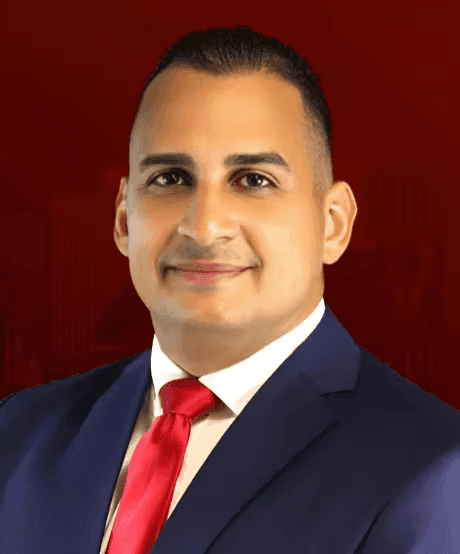
William J. Vásquez
Founding Attorney · Vasquez Law Firm
U.S. Air Force veteran and immigration attorney with years of hands-on U.S. immigration experience. J.D., NCCU School of Law. AILA member. Admitted to the 4th, 5th, and 11th Circuit Courts.
Available 24/7 - Free Evaluations
Reviewed for legal accuracy by William J. Vásquez
Licensed in North Carolina; U.S. immigration is federal practice.
Latest work visa and employment articles
Your path, step by step
We keep it simple and keep you informed the whole way.
- 01
Free case review
Tell us your situation. We listen and explain your options — in English or Español.
- 02
Your case plan
We map the right strategy and the documents you will need, with clear pricing.
- 03
We file & advocate
We prepare, file, and represent you at every stage — you always know the status.
- 04
Approval & next steps
We fight for the outcome that keeps your family and future secure.
Start Your Free Evaluation
Tell us about your case and a bilingual team member will follow up — free & confidential, se habla español.
Free Evaluation in 24 Hours
Or talk to us right now
AI voice assistant — available 24/7
FreeDon't Leave Your H-1B to Chance
With only 85,000 H-1B visas available annually, you need experienced legal guidance. YO PELEO® for your success.