Immigration Scams Protection: Florida Legal Guide 2026
Immigration scams and notario fraud pose significant threats to individuals seeking legal status in Florida. These deceptive practices can lead to financial loss, legal complications, and even deportation. This comprehensive guide from Florida Immigration Lawyers provides crucial information on identifying common scams, understanding the dangers of unauthorized legal practitioners, and taking proactive steps to protect yourself. Learn how to verify credentials, demand written contracts, and report fraudulent activities to relevant authorities. We also outline the indispensable role of a qualified immigration lawyer in safeguarding your journey and ensuring compliance with federal and state laws. Empower yourself with knowledge and secure your future in Florida by recognizing red flags and seeking legitimate legal assistance.
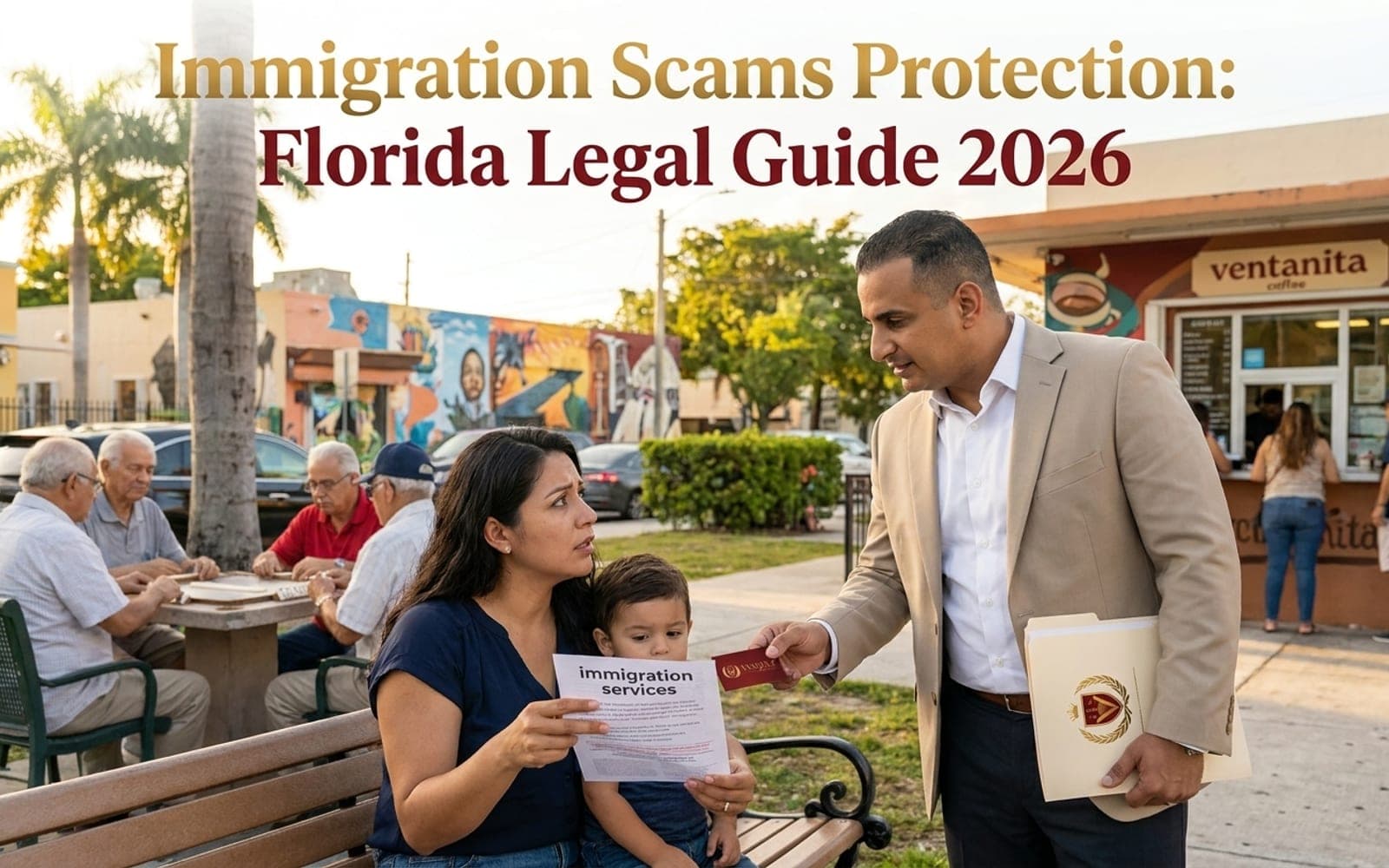
Protecting yourself from immigration scams in Florida requires vigilance and knowledge. As of 2026, scammers often impersonate government officials, offer fake legal services, or promise quick immigration benefits for a fee. These schemes, including pervasive notario fraud, target vulnerable individuals. It is crucial to verify credentials, never pay cash without a receipt, and always seek advice from licensed attorneys. Reporting suspicious activity to authorities and consulting with a reputable immigration lawyer are your best defenses against fraud.
- Always verify the credentials of anyone offering immigration advice.
- Never pay in cash without receiving a detailed, signed receipt.
- Be wary of promises for guaranteed or expedited immigration benefits.
- Only trust licensed attorneys or accredited representatives.
- Report suspected fraud to the proper authorities promptly.
Navigating the complex landscape of U.S. immigration law can be daunting, especially for those seeking a new life in Florida. The promise of a brighter future can, unfortunately, attract unscrupulous individuals and organizations looking to exploit hope and vulnerability. Immigration scams are a pervasive threat, ranging from fraudulent legal advice to outright identity theft, and they can have devastating consequences for individuals and families. In a diverse state like Florida, with its significant immigrant population, understanding these risks and knowing how to protect yourself is more critical than ever.
This comprehensive guide from Florida Immigration Lawyers aims to equip you with the knowledge and tools to identify, avoid, and report immigration fraud. We will delve into common scam tactics, highlight the dangers of unauthorized legal practitioners, and provide actionable steps for safeguarding your immigration journey in 2026 and beyond. Our goal is to empower you to make informed decisions and ensure your path to legal status is legitimate and secure. Do not let fear or misinformation jeopardize your dreams. For trusted guidance, call Florida Immigration Lawyers at 1-844-YO-PELEO for a free consultation today.
What Are Common Immigration Scams in Florida?
As of 2026, common immigration scams in Florida typically involve individuals or entities misrepresenting themselves as qualified legal professionals or government officials to extract money and personal information from immigrants. These schemes often prey on a lack of familiarity with U.S. law and procedures, promising expedited or guaranteed results that are simply not possible through legitimate channels. Awareness of these prevalent tactics is your first line of defense.
One of the most insidious forms of fraud is notario fraud. In many Latin American countries, a "notario público" is a highly trained legal professional, similar to an attorney. However, in the United States, a "notary public" is only authorized to witness signatures on documents. Unscrupulous individuals exploit this linguistic difference, holding themselves out as "notarios" and offering legal advice or services they are not qualified or legally permitted to provide. This unauthorized practice of law can lead to incorrectly filed applications, missed deadlines, and even deportation. Victims often lose significant amounts of money and, more tragically, their opportunity to gain legal status.
Another prevalent scam involves fake government officials. Scammers might call or email, impersonating agents from USCIS, ICE, or the Department of Homeland Security. They often demand immediate payment for alleged fines, fees, or to prevent deportation, threatening arrest or dire consequences if demands are not met. They may use sophisticated tactics like spoofing phone numbers to appear legitimate. Remember, government agencies typically communicate through official mail and will never demand immediate payment over the phone with gift cards or wire transfers. Other scams include fraudulent job offers that require upfront fees, promises of marriage for a fee, and websites that mimic official government sites to collect personal data and money.
How Can Immigrants in Florida Protect Themselves from Fraud?
Protecting yourself from immigration scams in Florida requires a proactive and informed approach. The best defense against fraudulent schemes is to be educated, cautious, and to always verify information and credentials before proceeding with any immigration-related service. Your vigilance can safeguard your future and your financial well-being.
-
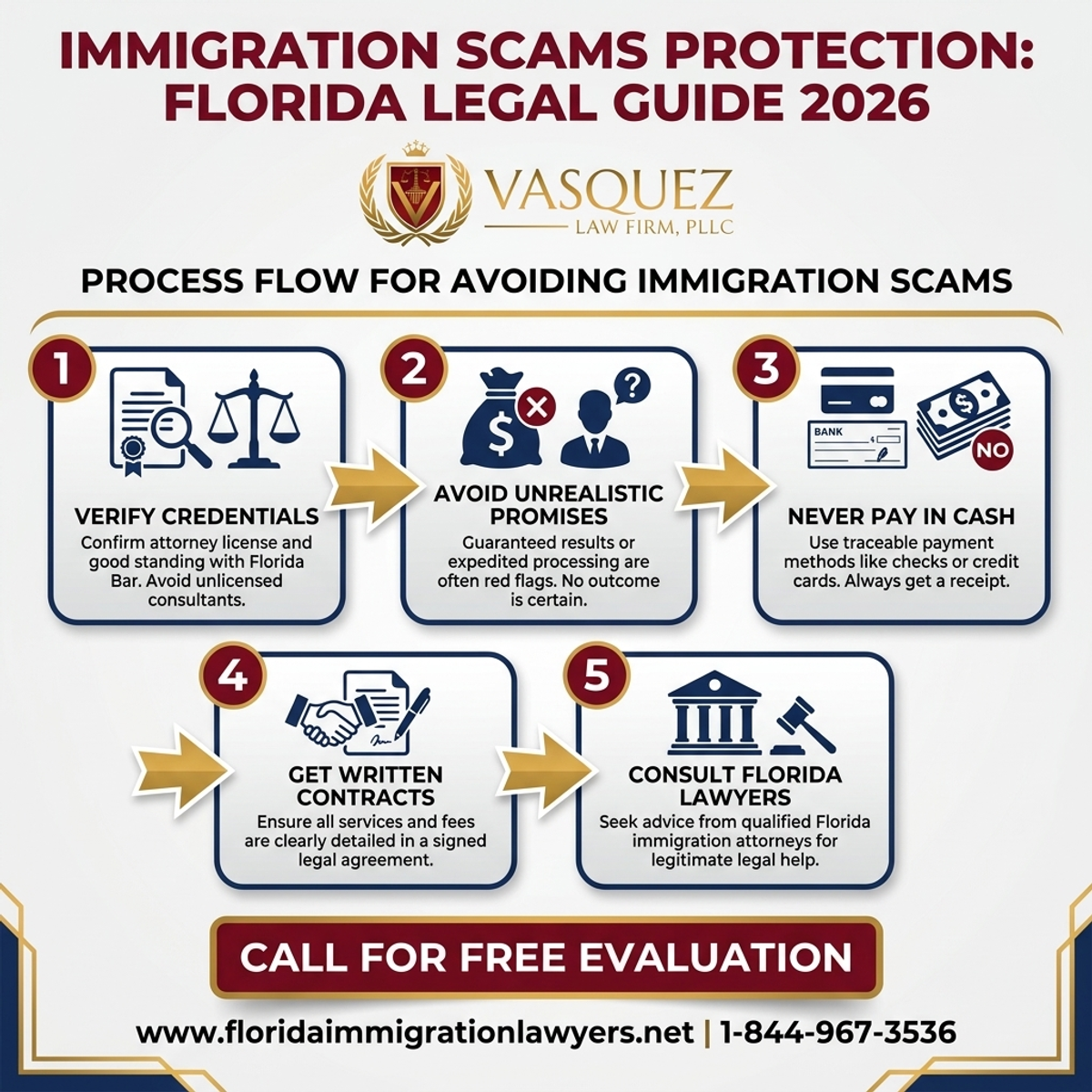
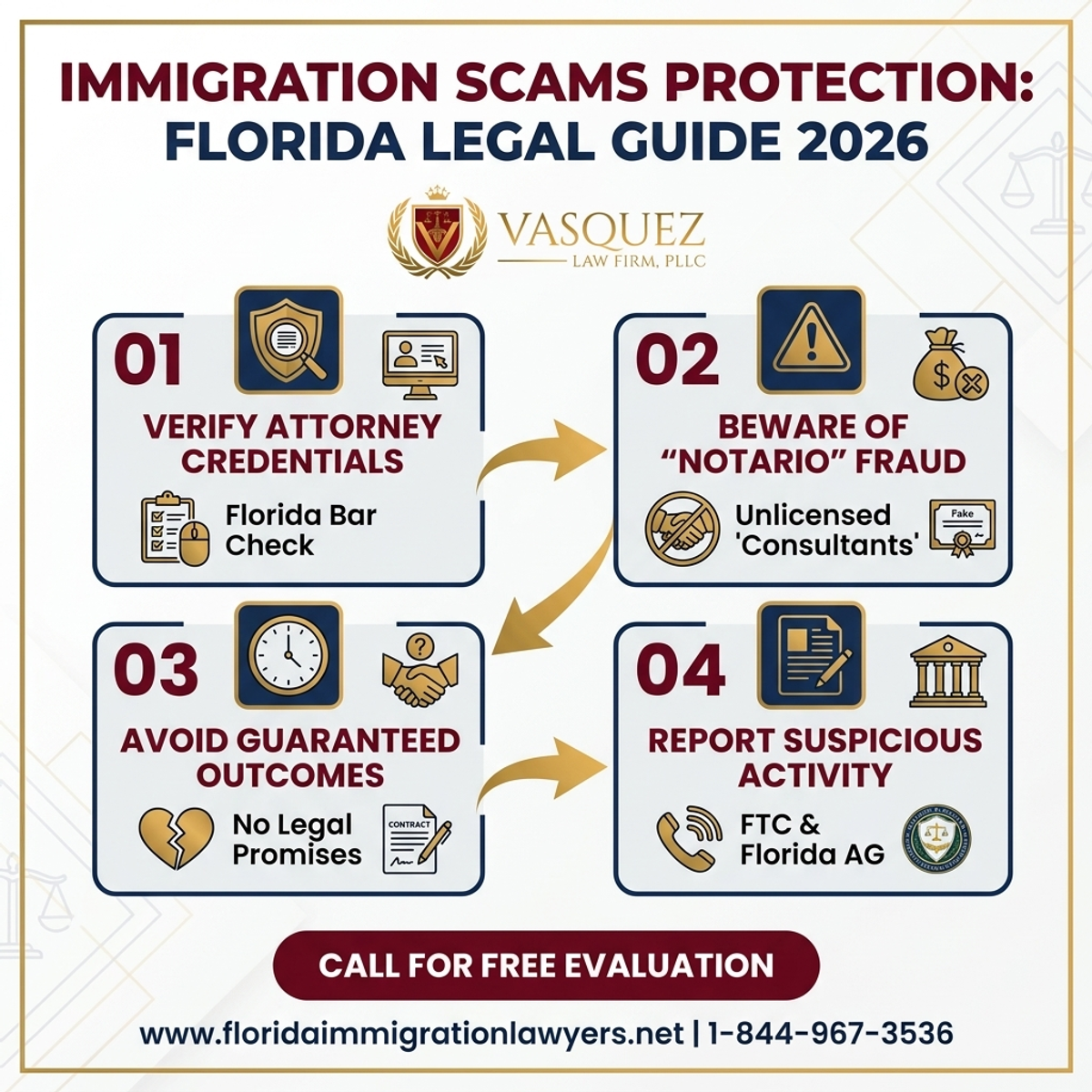
Verify Credentials: Always confirm that anyone offering legal advice or services is a licensed attorney or an accredited representative recognized by the Board of Immigration Appeals (BIA). You can verify an attorney's license with the Florida Bar Association. For BIA-accredited representatives, check the Executive Office for Immigration Review (EOIR) website. Never rely on someone who claims to be a "notario" in the U.S. for legal advice.
-
Demand Written Contracts and Receipts: Insist on a written contract detailing the services to be provided, the fees, and payment schedules. Never pay in cash without receiving a detailed, signed receipt that clearly outlines the amount paid and for what service. Keep all receipts and contracts in a safe place.
-
Beware of Guaranteed Outcomes: No legitimate attorney or government agency can guarantee the outcome or speed of an immigration case. Promises of expedited visas, green cards, or citizenship are major red flags. Immigration processes are complex and depend on individual circumstances and government processing times.
-
Understand What You Sign: Never sign blank forms or documents you do not fully understand. If you do not speak English, ensure that all documents are explained to you in your native language by a trusted, independent translator. Always keep copies of everything you submit.
-
Protect Personal Information: Be extremely cautious about sharing sensitive personal information, such as your Alien Registration Number (A-Number), Social Security Number, or financial details. Only provide this information to verified, legitimate authorities or your trusted legal counsel. Be wary of unsolicited calls or emails asking for this data.
-
Consult a Qualified Attorney: The safest way to navigate immigration processes is to consult with a licensed and experienced immigration attorney in Florida. They can provide accurate advice, prepare and file documents correctly, and represent your interests before USCIS or immigration courts. This preventative step can save you from costly mistakes and fraud.
Identifying Notario Fraud and Unauthorized Practice of Law
Recognizing the difference between legitimate legal assistance and fraudulent schemes, particularly notario fraud, is paramount for anyone seeking immigration services in Florida. The unauthorized practice of law by individuals posing as experts can have severe, often irreversible, negative impacts on an immigrant's case. Understanding the warning signs is crucial for your protection.
Distinguishing Legitimate vs. Illegitimate Services
Legitimate immigration services are provided by licensed attorneys or BIA-accredited representatives. Attorneys are members of a state bar (like the Florida Bar) and are bound by ethical rules. Accredited representatives work for non-profit organizations recognized by the EOIR. Both groups are legally authorized to provide immigration advice and representation. Unlicensed individuals, often calling themselves "notarios," "immigration consultants," or "visa specialists," are not. They may only fill out forms, often incorrectly, and cannot offer legal advice or represent you in court. Their services are limited, and any attempt to go beyond these limits constitutes the unauthorized practice of law, which is illegal and dangerous.
Red Flags of Fraudulent Schemes
Watch out for these common red flags: individuals who advertise in foreign languages using terms like "notario público"; those who claim to have special connections with immigration officials; anyone who charges exorbitant fees for simple services or demands cash payments without providing receipts; and those who pressure you to sign documents you don't understand or advise you to lie on applications. A legitimate attorney will always be transparent about fees, provide a written agreement, and clearly explain the legal process and potential outcomes, including risks. They will never guarantee a specific result or pressure you into actions that could jeopardize your case. For more information on authorized practitioners, visit the USCIS website.
Step-by-Step Process — Immigration Scams Protection: Florida Legal Guide 2026
Document Checklist for Legitimate Immigration Processes
When working with a legitimate attorney or accredited representative, you will typically need to provide a range of documents. Be cautious if someone asks for documents that seem irrelevant or if they discourage you from keeping copies. Here's a general list:
- Passports and birth certificates
- Marriage certificates or divorce decrees
- Prior immigration documents (visas, I-94 records, previous applications)
- Proof of relationship (for family-based petitions)
- Financial documents (tax returns, employment letters)
- Police clearance certificates
- Medical examination results
- Photographs meeting USCIS specifications
- Any correspondence from USCIS or immigration court
Reporting Immigration Scams in Florida: What Steps Should You Take?
If you suspect you have been a victim of immigration scams or notario fraud in Florida, it is crucial to take immediate action to report the incident. Reporting not only helps your own case but also protects other vulnerable immigrants from falling prey to the same schemes. Do not hesitate out of fear; legitimate authorities are there to help you.
The first step is to gather all available evidence. This includes any contracts, receipts, emails, text messages, phone records, or documents you signed or submitted. Note down names, addresses, phone numbers, and any identifying information of the individuals or organizations involved. Document specific dates, times, and details of interactions. This evidence will be vital for any investigation.
You can report immigration fraud to several agencies. The Federal Trade Commission (FTC) accepts complaints about fraudulent business practices. The Florida Attorney General's Office also handles consumer complaints and fraud. For issues specifically related to unauthorized practice of law by non-attorneys, you can contact the Florida Bar's Unlicensed Practice of Law (UPL) Department. If the fraud involves an attorney, report it to the Florida Bar. For scams impersonating government officials, you can report to the USCIS Tip Form. In severe cases involving criminal activity, you may need to contact your local police department, especially if you fear for your safety or have been extorted.
Reporting Immigration Scams: What to Expect
Reporting fraud is an important step, but the process can take time. Here’s a general overview of what you might expect:
| Stage | Typical Timeframe | Notes |
|---|---|---|
| Initial Report | Immediate | File a complaint with relevant agencies (FTC, FL AG, USCIS, FL Bar). |
| Case Review/Assignment | Days to Weeks | Agency reviews your complaint and assigns it to an investigator. |
| Investigation | Weeks to Months | Investigator gathers more evidence, interviews parties. May contact you for more details. |
| Action/Resolution | Months to Years | Depending on severity, may lead to cease and desist, fines, legal action, or criminal charges. Restitution is possible but not guaranteed. |
| Immigration Case Impact | Ongoing | A lawyer can help mitigate negative impacts on your immigration case due to fraud. |
Do not navigate this complex process alone. Contact Florida Immigration Lawyers today for assistance in reporting fraud and protecting your immigration status.
Understanding the Costs of Legitimate Legal Immigration Services
When considering immigration services, understanding the financial commitment involved with legitimate legal representation is vital. While fraudulent schemes often demand hidden fees or upfront cash with no accountability, a qualified Florida immigration lawyer will provide transparent and reasonable fee structures. These costs reflect the expertise, time, and resources dedicated to your complex case, offering true protection against immigration scams.
The cost of legal services can vary widely depending on the complexity of your case, the type of immigration benefit sought, and the attorney's experience. It's important to differentiate between attorney fees and government filing fees. Government fees are paid directly to agencies like USCIS or the Department of State and are separate from what you pay your lawyer. Your attorney will help you understand these fees, which can be found on the USCIS website. As of 2026, these fees are subject to change, so always consult current official sources.
A reputable attorney will typically offer an initial consultation, which may be free or have a minimal fee. This consultation is an opportunity to discuss your case, understand the legal options, and get an estimate of potential costs. Following the consultation, if you choose to proceed, you will enter into a written retainer agreement. This agreement will clearly outline the scope of services, the attorney's fees (often a flat fee for specific services or an hourly rate for more complex cases), and how and when payments are expected. This transparency is a hallmark of ethical legal practice and a stark contrast to the opaque demands of scammers.
Key Statistics — Immigration Scams Protection: Florida Legal Guide 2026
Typical Fee Breakdown for Immigration Services
Here’s a general overview of costs associated with legitimate immigration services. Please note these are typical ranges and not specific amounts, as fees can vary significantly:
| Item | Typical Fee | Notes |
|---|---|---|
| Initial Consultation | Free to Moderate | Often free with Florida Immigration Lawyers; crucial for case assessment. |
| Attorney Fee (Flat Fee) | Varies by Case Complexity | Common for Green Card applications, citizenship, or specific visa types. Covers legal work. |
| Attorney Fee (Hourly) | Moderate to High | Used for complex cases, appeals, or deportation defense. Billed for time spent. |
| Government Filing Fees | Set by USCIS/DOS | Separate from attorney fees; paid directly to the government. Varies by form. |
| Ancillary Costs | Low to Moderate | Includes translation services, postage, courier fees, medical exams, photos. |
The Indispensable Role of a Qualified Florida Immigration Lawyer
In the intricate world of immigration law, the expertise of a qualified Florida immigration lawyer is not just beneficial; it is often indispensable for ensuring a successful and secure path to legal status. While the desire to save money might tempt some to use unauthorized services, the risks associated with notario fraud and other immigration scams far outweigh any perceived savings. A legitimate attorney provides protection, peace of mind, and professional guidance that non-lawyers simply cannot.
An experienced immigration attorney, like those at Florida Immigration Lawyers, understands the nuances of U.S. immigration law, including federal statutes such as the Immigration and Nationality Act (INA) (e.g., 8 U.S.C. Chapter 12) and relevant regulations (e.g., 8 CFR). They stay updated on policy changes, judicial decisions, and processing trends that can impact your case. This knowledge allows them to accurately assess your eligibility for various benefits, identify potential challenges, and develop a robust legal strategy tailored to your unique circumstances. They can explain complex legal terms in plain language, ensuring you fully understand every step of the process.
Beyond providing legal advice, an attorney will meticulously prepare and submit all necessary forms and supporting documentation. They will ensure that your application is complete, accurate, and submitted on time, significantly reducing the risk of delays or denials due to errors. If an interview is required, your lawyer can prepare you thoroughly, and in many cases, attend with you. Should your case face complications, such as a Request for Evidence (RFE), Notice of Intent to Deny (NOID), or even deportation proceedings, your attorney will be your strongest advocate, representing your interests before USCIS, the Executive Office for Immigration Review (EOIR), or other agencies. This level of professional representation is something no "notario" or consultant can provide, making the investment in legal counsel a critical safeguard against fraud and failure.
Florida's Legal Framework Against Immigration Fraud
Florida, with its significant immigrant population and proximity to international borders, has unfortunately become a target for various forms of immigration fraud. In response, both state and federal authorities actively work to combat these deceptive practices, offering some level of protection against immigration scams and unauthorized legal services. Understanding this legal framework can empower victims and deter perpetrators.
At the federal level, laws such as 8 U.S.C. § 1324c (INA 274C), which addresses penalties for document fraud, are enforced by agencies like USCIS and ICE. These laws target individuals who knowingly prepare, file, or assist in presenting fraudulent documents or make false statements on immigration applications. Violations can lead to severe civil and criminal penalties, including fines and imprisonment. The Department of Justice, through the Executive Office for Immigration Review (EOIR), also regulates accredited representatives and organizations, actively investigating and sanctioning those who engage in misconduct. For those seeking citizenship, any fraudulent activity can permanently bar them from naturalization.
In Florida, state laws complement federal efforts by prosecuting individuals engaged in the unauthorized practice of law. The Florida Bar, through its Unlicensed Practice of Law (UPL) Department, investigates complaints against non-attorneys who provide legal advice or services. Engaging in UPL is a third-degree felony in Florida, punishable by imprisonment and substantial fines. Additionally, general consumer protection statutes and fraud laws can be invoked to prosecute individuals who defraud immigrants. These state-level protections are crucial because many instances of notario fraud fall under the purview of state regulatory bodies. Victims of fraud in Tallahassee or other Florida cities can seek recourse through these channels, often with the assistance of local law enforcement or the State Attorney's Office. For those affected by fraud, seeking an experienced attorney is key to understanding their rights and options.
Common Mistakes to Avoid in Your Immigration Journey
Navigating the immigration system is complex, and even small errors can have significant consequences. Avoiding these common mistakes is crucial for a smooth and successful process, especially when protecting yourself from immigration scams.
-
Trusting Unauthorized "Notarios" or Consultants: This is perhaps the most dangerous mistake. Relying on anyone who is not a licensed attorney or BIA-accredited representative for legal advice can lead to incorrect filings, missed deadlines, and even deportation. Always verify credentials.
-
Providing False Information on Applications: Never lie or provide false information on any immigration form, even if advised to do so by a fraudulent consultant. This is considered immigration fraud (INA 274C) and can lead to permanent bars from receiving immigration benefits and criminal charges.
-
Paying Cash Without Receipts: Always demand a detailed, signed receipt for any payment made for immigration services. Scammers often insist on cash payments to avoid leaving a paper trail, making it difficult to prove fraud later.
-
Signing Documents You Don't Understand: Never sign blank forms or documents written in a language you don't comprehend. Ensure you have a trusted, independent translator explain everything thoroughly, and always keep copies.
-
Missing Deadlines or Ignoring Official Correspondence: Immigration processes are time-sensitive. Failing to respond to Requests for Evidence (RFEs) or appear for interviews can lead to denial or even deportation. Always open and respond to mail from USCIS or immigration court promptly.
-
Believing Promises of Guaranteed or Expedited Outcomes: No one can guarantee a specific immigration outcome or timeline. Promises of quick approvals or special connections are classic signs of a scam. The process depends on many factors and is subject to government discretion.
-
Not Keeping Copies of All Submitted Documents: Always retain copies of every form, document, and piece of correspondence you submit to or receive from immigration authorities. This creates a personal record and is essential if issues arise.
-
Ignoring Red Flags: Dismissing suspicious behavior, such as a refusal to provide a written contract, vague answers about fees, or pressure tactics, can lead to becoming a victim. Trust your instincts.
-
Failing to Seek Legal Advice Early: Waiting until a problem arises to consult an attorney can make the situation much harder and more expensive to resolve. Early legal counsel can prevent many issues.
When to Call a Florida Immigration Lawyer
Knowing when to seek professional legal help is critical, especially when navigating the complexities of immigration law in Florida. While some basic forms might seem straightforward, the risks associated with errors or fraudulent advice are too high to take chances. You should call Florida Immigration Lawyers immediately if you encounter any of the following scenarios:
- You suspect you have been a victim of immigration scams or notario fraud. An attorney can help you understand your rights, report the fraud, and mitigate any negative impact on your immigration case.
- You have received a Notice to Appear (NTA) for deportation proceedings. This is a serious matter requiring immediate legal representation.
- You are applying for a complex immigration benefit, such as asylum, a waiver, or a specialized visa. These cases often have intricate requirements and require detailed legal arguments.
- You have a criminal record, even a minor one, which could affect your eligibility for immigration benefits. Criminal history can have severe immigration consequences.
- You have been asked to attend an interview with USCIS or an immigration judge. An attorney can prepare you for the interview and represent you during the process.
- You received a Request for Evidence (RFE) or a Notice of Intent to Deny (NOID) from USCIS. These indicate issues with your application that require a precise and timely response.
- You need assistance with family-based immigration or business immigration, which involve detailed documentation and specific eligibility criteria.
- You simply want peace of mind that your application is being handled correctly and efficiently, minimizing the risk of errors or fraud.
About Florida Immigration Lawyers
Florida Immigration Lawyers is a leading law firm dedicated to providing exceptional immigration legal services across the entire state of Florida. With a deep understanding of U.S. immigration law and a compassionate approach, our experienced attorneys are committed to helping individuals and families achieve their immigration goals. We pride ourselves on offering personalized, strategic, and effective legal representation, whether you are seeking a visa, green card, citizenship, or fighting deportation. Our firm is available 24/7 to address your urgent needs, and we offer free consultations to discuss your case and outline your best path forward. We understand the challenges and anxieties that come with immigration processes, and we are here to provide clarity, support, and advocacy every step of the way. Serving all of Florida, including Tallahassee, we are your trusted partners in immigration law.
Sources and References
- U.S. Citizenship and Immigration Services (USCIS)
- Executive Office for Immigration Review (EOIR)
- U.S. Department of State (Travel.State.Gov)
- 8 U.S.C. Chapter 12 - Immigration and Nationality Act (INA)
- 8 U.S.C. § 1324c - Penalties for document fraud (INA 274C)
- 8 CFR § 1.2 - Definitions (Attorney, Accredited Representative)
- Florida Bar Association - Rules Regulating The Florida Bar, Chapter 10 (Regulation of the Florida Bar)
- Florida Statutes (General Consumer Protection and Fraud Laws)
Related services: immigration practice areas, free immigration consultation.
This article provides general legal information and is not intended as legal advice. Every case is unique, and outcomes depend on specific facts and circumstances. Contact an attorney for advice about your particular situation.
Do not let fear or misinformation dictate your immigration journey. Protect yourself and your family by seeking legitimate legal assistance. Florida Immigration Lawyers is here to provide the guidance you need. Contact us today for a free consultation at 1-844-YO-PELEO. Se Habla Espanol - Estamos aqui para ayudarle.
If you need legal assistance, learn more about speak with an immigration lawyer, or call us at 1-844-YO-PELEO for a free consultation.
Do Not Navigate This Process Alone
Our experienced immigration attorneys are ready to fight for you. Get a free, confidential case review today.
Se Habla Español
Or leave your details and we’ll call you:
Free Evaluation in 24 Hours
Or talk to us right now

AI voice assistant — available 24/7
FreeFrequently Asked Questions

William J. Vásquez
Founding Attorney · Vasquez Law Firm
U.S. Air Force veteran and immigration attorney with years of hands-on U.S. immigration experience. J.D., NCCU School of Law. AILA member. Admitted to the 4th, 5th, and 11th Circuit Courts.
Available 24/7 - Free Evaluations
Reviewed for legal accuracy by William J. Vásquez
Licensed in North Carolina; U.S. immigration is federal practice.
Related Legal Services
Our Florida immigration attorneys can help you with family immigration services, immigration lawyer cost in Florida and experienced immigration attorneys. Call today at 1-844-YO-PELEO for a free case review.
Related Links
Related Topics
Free Legal Case Review
Discuss your case with our experienced attorneys. We're available 24/7.
Se Habla Español - Estamos aquí para ayudarle.
Related Articles
DUI Immigration Consequences in Florida 2026
A DUI conviction in Florida can have severe immigration consequences, potentially leading to inadmissibility, deportation, or denial of immigration benefits. For non-citizens, a DUI is not just a traffic offense but a serious criminal matter that federal immigration law scrutinizes closely. Factors like multiple offenses, injury, or property damage can escalate a simple DUI to a Crime Involving Moral Turpitude (CIMT) or even an aggravated felony, triggering mandatory detention and removal proceedings. Understanding the specific nature of your Florida conviction and its interpretation under the Immigration and Nationality Act (INA) is crucial. This article outlines how DUIs impact immigration status, the grounds for inadmissibility and deportation, a step-by-step guide to navigating the process, essential documentation, and expected timelines for 2026. We also highlight common mistakes to avoid and when to seek legal counsel from an experienced immigration attorney. Florida Immigration Lawyers offers comprehensive support for individuals facing these challenging situations, providing expert guidance through complex legal landscapes.
PERM Labor Certification in Florida: A 2026 Guide
Learn all about the PERM labor certification process in Florida, essential for employers sponsoring green card applicants. Understand the steps, document requirements, and common mistakes to avoid in this 2026 guide.
Immigration Lawyer Orlando Free Consultation in Florida
For individuals and families in Orlando, Florida, navigating the complexities of U.S. immigration law requires expert guidance. An immigration lawyer in Orlando offers crucial support for everything from visa applications and green card processes to naturalization and deportation defense. This comprehensive guide details what a free consultation covers, providing a step-by-step overview of immigration pathways, essential document checklists, and expected timelines in 2026. We also highlight common mistakes to avoid, discuss the critical role of legal counsel in deportation and asylum cases, and explain why choosing a local Orlando immigration attorney is beneficial. Florida Immigration Lawyers is dedicated to serving the diverse community of Orlando with compassionate, effective legal solutions, ensuring you receive personalized advice and robust representation for a successful immigration journey.
EAD Advance Parole Combo Card in Florida: What You Need
An EAD advance parole combo card allows individuals with pending adjustment applications to both work and travel abroad without jeopardizing their green card application. Learn how to apply in Florida, what documents you need, and common mistakes to avoid.