Immigration Reform Dignity Act: What Florida Residents
Explore the potential impact of the immigration reform Dignity Act on Florida residents. Learn about eligibility, proposed pathways, and how a Florida immigration lawyer can help. Contact us today.
Immigration Reform Dignity Act: What Florida Residents Need to Know
The landscape of U.S. immigration policy is constantly evolving, with legislative proposals frequently emerging to address complex challenges. Among these, the Immigration Reform Dignity Act has garnered significant attention, proposing comprehensive changes that could profoundly impact individuals and communities across the nation, especially in states like Florida. For the Sunshine State's diverse population, understanding the nuances of this potential legislation is crucial. This act aims to balance enhanced border security with pathways to legal status for certain undocumented immigrants, along with reforms for agricultural workers. As a critical hub for immigration, Florida residents, employers, and families need to be well-informed about the Dignity Act's provisions, eligibility requirements, and the potential implications for their lives and livelihoods. This guide will delve into the core tenets of the Act, its specific relevance to Florida, and how legal counsel can help navigate its complexities.
A Comprehensive Look at the Dignity Act's Vision
The Dignity Act represents a bipartisan effort to overhaul the nation's immigration system, seeking a middle ground between stricter enforcement and more humane pathways to legal residency. At its heart, the Act proposes a multi-pronged approach designed to modernize immigration laws that many consider outdated. Its proponents argue that it would bring millions of undocumented individuals out of the shadows, integrate them more fully into the economy, and simultaneously bolster national security. The vision includes creating a structured process for individuals to earn legal status, investing in border infrastructure and technology, and addressing critical labor shortages in key sectors like agriculture. This comprehensive framework aims to provide stability for families, clarity for employers, and a more orderly system for managing immigration flows, all while upholding the rule of law. Understanding this overarching vision is key to appreciating the specific provisions that follow.
Deconstructing the Key Provisions of the Dignity Act
The Dignity Act is composed of several significant components, each designed to address a different facet of immigration reform. These provisions aim to create a more efficient, secure, and equitable system for both current residents and prospective immigrants. For Florida residents, these details are particularly important, as they could directly affect their families, communities, and economic opportunities.
The Dignity Program: A Path to Legal Status
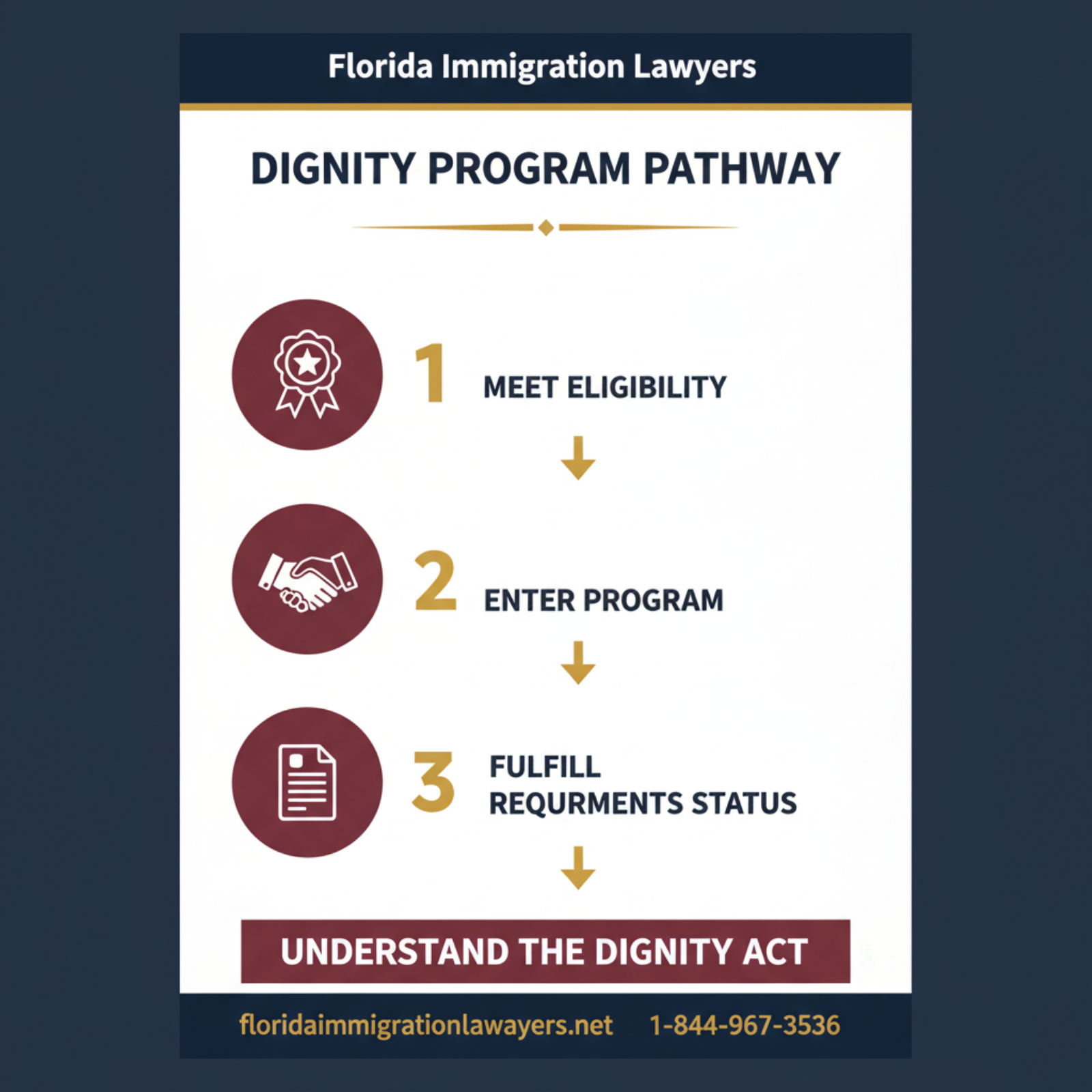
One of the most talked-about aspects of the Dignity Act is the creation of the "Dignity Program." This program would offer a pathway to legal status for certain undocumented immigrants who have resided in the U.S. for a specified period. Participants would be required to pass a criminal background check, pay a fee, and demonstrate continuous employment. Upon acceptance, they would receive a conditional legal status for a period, typically seven years, during which they could work legally and travel. After this initial period, and if they continue to meet certain criteria, they could apply for lawful permanent residency (a green card). This provision is designed to provide stability and a sense of belonging for long-term residents who have contributed to American society. Details regarding specific eligibility criteria and application processes would be managed by agencies like USCIS.gov.
Strengthening Border Security and Enforcement
Beyond pathways to legal status, the Dignity Act also places a strong emphasis on enhancing border security. This includes significant investments in advanced surveillance technology, increased personnel for border patrol, and improvements to physical infrastructure along the U.S. borders. The goal is to deter illegal crossings, combat drug trafficking, and ensure national security. Furthermore, the Act proposes reforms to the asylum process to address the growing number of asylum seekers at the border, aiming for more efficient and fair adjudication of claims. These measures are intended to create a more controlled and secure border environment, reducing irregular migration and streamlining legal entry processes. Information on enforcement policies can often be found on the Justice.gov website.
The AGRI Program for Agricultural Workers
Recognizing the vital role of agricultural workers in the U.S. economy, particularly in states like Florida, the Dignity Act includes the "Agricultural Guestworker and Reform Initiative" (AGRI) Program. This program aims to modernize the existing H-2A agricultural guest worker program, making it more efficient and responsive to the needs of both employers and workers. Crucially, it also proposes a pathway to legal status for current undocumented agricultural workers who have a demonstrated history of employment in the sector. This would provide stability for a critical workforce, address labor shortages, and ensure fair working conditions. For Florida's robust agricultural industry, this provision could be transformative, offering a stable and legal workforce while providing long-term security for families who have been integral to the state's economy for years.
Addressing Asylum and Humanitarian Concerns
The Act also seeks to refine the process for individuals seeking asylum and other humanitarian protections. It aims to create a more orderly and efficient system for processing asylum claims, reducing backlogs, and ensuring that legitimate claims are adjudicated fairly and promptly. While specific details may vary, the intent is to uphold international and domestic obligations to protect vulnerable populations while also deterring fraudulent claims. This includes potential investments in resources for immigration courts and legal aid for asylum seekers, ensuring due process. For those fleeing persecution, understanding these provisions is critical to seeking protection in the U.S.
The Unique Implications for Florida's Diverse Population
Florida, with its extensive coastline, robust tourism industry, and significant agricultural sector, is profoundly affected by immigration policy. The Dignity Act's potential passage carries unique implications for the state's economy, social fabric, and diverse communities.
Economic Contributions and Workforce Needs
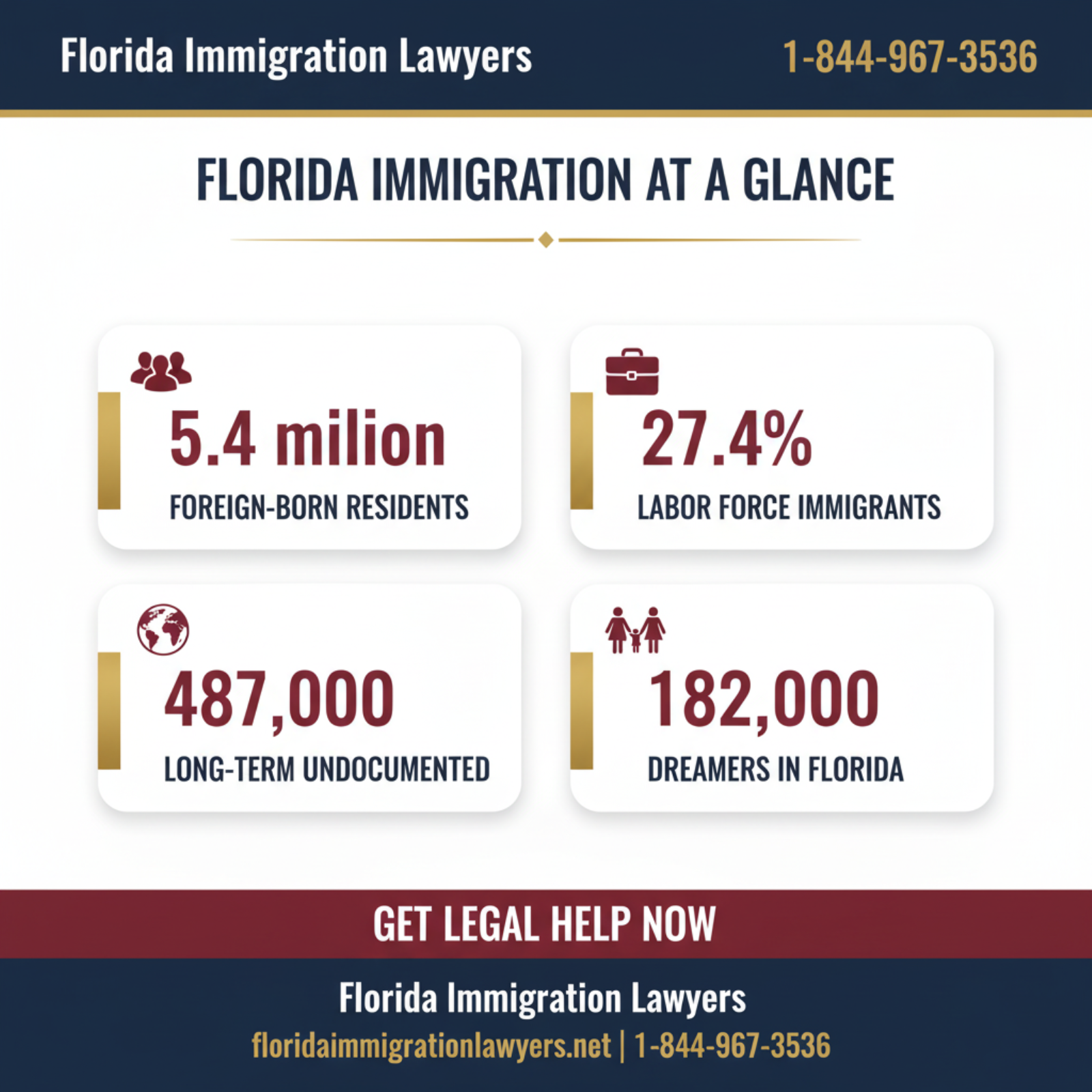
Florida's economy heavily relies on immigrant labor, particularly in agriculture, construction, hospitality, and healthcare. The Dignity Act, through its pathways to legal status and the AGRI program, could stabilize and legalize a substantial portion of this workforce. This stability could lead to increased tax revenues, higher wages, and greater consumer spending, benefiting local economies across the state. Employers would gain access to a more reliable and secure labor pool, reducing turnover and improving productivity. For example, the citrus and vegetable industries, which are cornerstones of Florida's agriculture, would likely see significant positive impacts from a more formalized and stable workforce, ensuring the continuity of operations and competitiveness in global markets.
Social Integration and Community Well-being
Beyond economics, the Dignity Act could foster greater social integration and improve the well-being of Florida's communities. Providing legal status to long-term residents could reduce the fear of deportation, allowing families to live without constant anxiety. This stability can lead to better educational outcomes for children, improved access to healthcare, and increased civic participation. Communities could become stronger and more cohesive as residents feel more secure and empowered to contribute openly. For Florida, a state known for its vibrant multiculturalism, such integration could further enrich its social fabric, promoting a more inclusive and harmonious society.
Navigating the Complexities: Your Florida Immigration Lawyer's Role
The potential implementation of the Dignity Act, or any significant immigration reform, introduces a complex web of new laws, regulations, and application processes. For Florida residents, understanding and navigating these changes without guidance can be daunting, if not impossible. This is where the invaluable role of a dedicated Florida immigration lawyer becomes paramount. Our legal team is committed to providing clarity, support, and robust representation through every step of your immigration journey, ensuring your rights are protected and your applications are meticulously prepared. We understand that each individual's situation is unique, and a one-size-fits-all approach simply won't suffice when dealing with matters of such profound personal importance.
Guidance on Eligibility and Application
One of the primary challenges with new immigration legislation is deciphering who qualifies for which programs and what specific requirements must be met. The Dignity Act, with its proposed Dignity Program and AGRI Program, will undoubtedly have intricate eligibility criteria, including residency requirements, employment history, and criminal background checks. A skilled immigration lawyer can meticulously review your personal circumstances, assess your eligibility for any new pathways, and provide clear, actionable advice. We can help you gather the necessary documentation, complete complex forms accurately, and avoid common pitfalls that could lead to delays or denials. Our goal is to streamline the application process for you, ensuring that your case is presented in the strongest possible light. For official forms and instructions, applicants often refer to resources on USCIS.gov.
Protecting Rights and Providing Deportation Defense
Even with new pathways to legal status, the immigration system remains fraught with potential challenges, including the risk of deportation. For individuals who may not qualify for the Dignity Act's provisions or who face other legal hurdles, the threat of deportation defense is a serious concern. A Florida immigration lawyer can act as your staunch advocate, representing you in immigration court, challenging removal proceedings, and exploring all available avenues for relief. Whether it's arguing for cancellation of removal, seeking waivers, or appealing adverse decisions, our attorneys are equipped to defend your rights vigorously. We understand the profound impact that deportation can have on families and are dedicated to fighting for your ability to remain in the U.S. with your loved ones.
Staying Ahead of Legislative Changes
Immigration law is not static; it is a dynamic field constantly influenced by legislative efforts, executive actions, and judicial rulings. The Dignity Act itself is a testament to this ongoing evolution. An experienced immigration attorney stays abreast of all legislative developments, proposed changes, and their potential impact on clients. This proactive approach means that we can advise you on how best to prepare for impending reforms, adjust strategies as new laws are enacted, and inform you about any windows of opportunity that may arise. Our attorneys are committed to providing timely and accurate information, ensuring you are always informed about the latest developments that could affect your immigration status. This foresight is crucial in a legal landscape that can shift rapidly.
Preparing for Potential Changes and Staying Informed
While the Dignity Act's future remains subject to the legislative process, its potential passage underscores the importance of preparation for Florida residents. Proactive steps can make a significant difference in navigating any new immigration landscape. It is advisable to begin gathering important documents such as birth certificates, marriage certificates, employment records, tax returns, and proof of continuous residence in the U.S. These documents will be crucial for establishing eligibility for any new programs. Additionally, staying informed about the legislative progress of the Dignity Act and other immigration reforms is essential. Reliable sources include official government websites like USCIS.gov and reputable legal news outlets. Consulting with an immigration attorney early on can provide personalized advice on how to best prepare for potential changes, ensuring you are ready to act swiftly should new opportunities arise. For general travel and visa information, the travel.state.gov website is a valuable resource.
The Immigration Reform Dignity Act represents a significant legislative endeavor with the potential to reshape immigration in the United States, particularly for a state as diverse and economically reliant on immigrant communities as Florida. Understanding its provisions, from pathways to legal status to border security enhancements and agricultural worker reforms, is vital for all residents. As the legislative process unfolds, the complexities of immigration law will undoubtedly require guidance. A knowledgeable Florida immigration lawyer can provide the essential support needed to navigate these changes, protect your rights, and pursue the strongest possible outcome for your future. Don't wait for legislation to pass; begin your preparation now by seeking professional legal advice.
Frequently Asked Questions About the Dignity Act
Do Not Navigate This Process Alone
Our experienced immigration attorneys are ready to fight for you. Get a free, confidential case review today.
Se Habla Español
Or leave your details and we’ll call you:
Free Evaluation in 24 Hours
Or talk to us right now

AI voice assistant — available 24/7
FreeFrequently Asked Questions

William J. Vásquez
Founding Attorney · Vasquez Law Firm
U.S. Air Force veteran and immigration attorney with years of hands-on U.S. immigration experience. J.D., NCCU School of Law. AILA member. Admitted to the 4th, 5th, and 11th Circuit Courts.
Available 24/7 - Free Evaluations
Reviewed for legal accuracy by William J. Vásquez
Licensed in North Carolina; U.S. immigration is federal practice.
Related Legal Services
Our Florida immigration attorneys can help you with free immigration consultation, business immigration and deportation defense. Call today at 1-844-YO-PELEO for a free case review.
Related Links
Related Topics
Free Legal Case Review
Discuss your case with our experienced attorneys. We're available 24/7.
Se Habla Español - Estamos aquí para ayudarle.
Related Articles
DUI Immigration Consequences in Florida 2026
A DUI conviction in Florida can have severe immigration consequences, potentially leading to inadmissibility, deportation, or denial of immigration benefits. For non-citizens, a DUI is not just a traffic offense but a serious criminal matter that federal immigration law scrutinizes closely. Factors like multiple offenses, injury, or property damage can escalate a simple DUI to a Crime Involving Moral Turpitude (CIMT) or even an aggravated felony, triggering mandatory detention and removal proceedings. Understanding the specific nature of your Florida conviction and its interpretation under the Immigration and Nationality Act (INA) is crucial. This article outlines how DUIs impact immigration status, the grounds for inadmissibility and deportation, a step-by-step guide to navigating the process, essential documentation, and expected timelines for 2026. We also highlight common mistakes to avoid and when to seek legal counsel from an experienced immigration attorney. Florida Immigration Lawyers offers comprehensive support for individuals facing these challenging situations, providing expert guidance through complex legal landscapes.
PERM Labor Certification in Florida: A 2026 Guide
Learn all about the PERM labor certification process in Florida, essential for employers sponsoring green card applicants. Understand the steps, document requirements, and common mistakes to avoid in this 2026 guide.
Dual Citizenship Lawyer in Florida: What You Need to Know
For Florida residents, the concept of dual citizenship, or holding two passports, offers a compelling blend of opportunities and challenges. While the U.S. generally permits dual nationality, the path to achieving this status requires a meticulous understanding of both U.S. immigration laws and the citizenship policies of your country of origin. This guide explores the definition of dual citizenship, the detailed step-by-step process for U.S. naturalization, and the significant benefits and potential pitfalls involved. We cover essential documentation, typical timelines, and cost considerations for 2026, providing crucial insights for anyone in Orlando, Miami, or across Florida considering this important legal step. Learn about common mistakes to avoid and understand when to seek professional legal counsel to navigate this complex process successfully. Florida Immigration Lawyers is here to provide expert, bilingual support for your dual citizenship journey.
Immigration Lawyer Orlando Free Consultation in Florida
For individuals and families in Orlando, Florida, navigating the complexities of U.S. immigration law requires expert guidance. An immigration lawyer in Orlando offers crucial support for everything from visa applications and green card processes to naturalization and deportation defense. This comprehensive guide details what a free consultation covers, providing a step-by-step overview of immigration pathways, essential document checklists, and expected timelines in 2026. We also highlight common mistakes to avoid, discuss the critical role of legal counsel in deportation and asylum cases, and explain why choosing a local Orlando immigration attorney is beneficial. Florida Immigration Lawyers is dedicated to serving the diverse community of Orlando with compassionate, effective legal solutions, ensuring you receive personalized advice and robust representation for a successful immigration journey.