Ley de Reforma de Inmigración Dignidad: Qué Residentes de Florida
Explora el impacto potencial de la ley de reforma de inmigración Dignidad en los residentes de Florida. Infórmate sobre la elegibilidad, los caminos propuestos y cómo un abogado de inmigración en Florida puede ayudar. Contáctanos hoy.
La Ley de Reforma Migratoria por la Dignidad: Lo que los Residentes de Florida Necesitan Saber
El paisaje de la política migratoria en EE. UU. está en constante evolución, con propuestas legislativas que emergen frecuentemente para abordar desafíos complejos. Entre estas, la Ley de Reforma Migratoria por la Dignidad ha atraído una atención significativa, proponiendo cambios integrales que podrían impactar profundamente a individuos y comunidades en todo el país, especialmente en estados como Florida. Para la diversa población del Estado del Sol, entender los matices de esta posible legislación es crucial. Esta ley tiene como objetivo equilibrar la seguridad fronteriza mejorada con caminos hacia el estatus legal para ciertos inmigrantes indocumentados, junto con reformas para los trabajadores agrícolas. Como un punto crítico para la inmigración, los residentes de Florida, empleadores y familias necesitan estar bien informados sobre las disposiciones de la Ley de Dignidad, los requisitos de elegibilidad y las posibles implicaciones para sus vidas y medios de vida. Esta guía profundizará en los principios fundamentales de la Ley, su relevancia específica para Florida, y cómo la orientación legal puede ayudar a navegar sus complejidades.
Una Visión Integral de la Ley de Dignidad
La Ley de Dignidad representa un esfuerzo bipartidista para reformar el sistema migratorio del país, buscando un punto medio entre una aplicación más estricta y caminos más humanos hacia la residencia legal. En su esencia, la Ley propone un enfoque multifacético diseñado para modernizar las leyes migratorias que muchos consideran desactualizadas. Sus defensores argumentan que traerá a millones de individuos indocumentados a la luz, integrándolos más plenamente en la economía y al mismo tiempo fortaleciendo la seguridad nacional. La visión incluye crear un proceso estructurado para que los individuos obtengan estatus legal, invertir en infraestructura y tecnología fronteriza, y abordar la escasez crítica de mano de obra en sectores clave como la agricultura. Este marco integral tiene como objetivo proporcionar estabilidad para las familias, claridad para los empleadores y un sistema más ordenado para gestionar los flujos migratorios, todo mientras se mantiene el estado de derecho. Entender esta visión general es clave para apreciar las disposiciones específicas que siguen.
Deconstruyendo las Disposiciones Clave de la Ley de Dignidad
La Ley de Dignidad está compuesta por varios componentes significativos, cada uno diseñado para abordar un aspecto diferente de la reforma migratoria. Estas disposiciones tienen como objetivo crear un sistema más eficiente, seguro y equitativo tanto para los residentes actuales como para los inmigrantes prospectivos. Para los residentes de Florida, estos detalles son particularmente importantes, ya que podrían afectar directamente a sus familias, comunidades y oportunidades económicas.
El Programa de Dignidad: Un Camino hacia el Estatus Legal
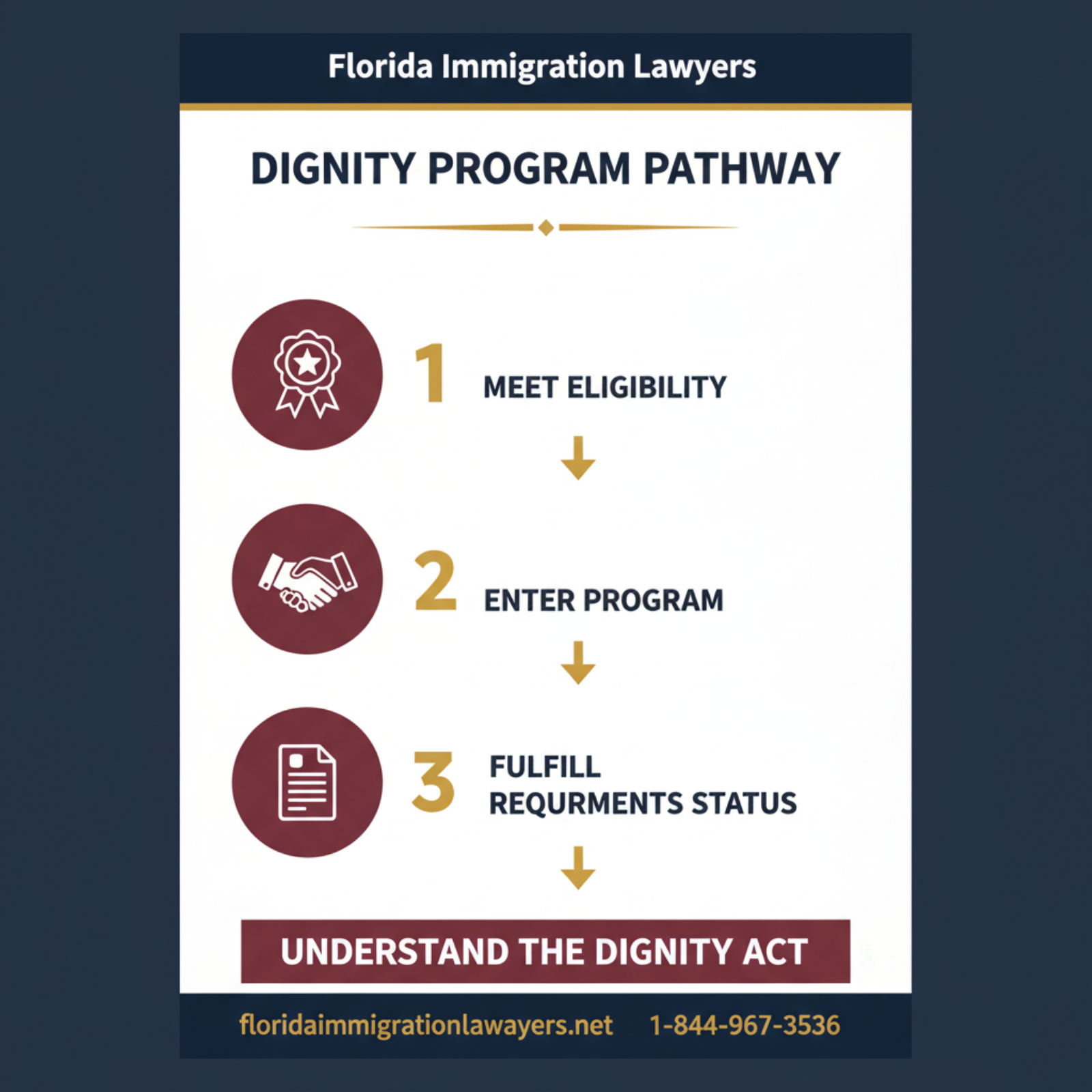
Uno de los aspectos más comentados de la Ley de Dignidad es la creación del "Programa de Dignidad." Este programa ofrecería un camino hacia el estatus legal para ciertos inmigrantes indocumentados que han residido en EE. UU. por un período específico. Los participantes tendrían que aprobar una verificación de antecedentes penales, pagar una tarifa, y demostrar empleo continuo. Una vez aceptados, recibirían un estatus legal condicional por un período, típicamente de siete años, durante el cual podrían trabajar legalmente y viajar. Después de este período inicial, y si continúan cumpliendo con ciertos criterios, podrían solicitar la residencia permanente legal (una tarjeta verde). Esta disposición está diseñada para proporcionar estabilidad y un sentido de pertenencia a los residentes a largo plazo que han contribuido a la sociedad estadounidense. Los detalles sobre los criterios específicos de elegibilidad y los procesos de solicitud serían gestionados por agencias como USCIS.gov.
Fortalecimiento de la Seguridad Fronteriza y la Aplicación de la Ley
Más allá de los caminos hacia el estatus legal, la Ley de Dignidad también enfatiza la mejora de la seguridad fronteriza. Esto incluye inversiones significativas en tecnología de vigilancia avanzada, aumento del personal para la patrulla fronteriza, y mejoras en la infraestructura física a lo largo de las fronteras de EE. UU. El objetivo es disuadir los cruces ilegales, combatir el tráfico de drogas y asegurar la seguridad nacional. Además, la Ley propone reformas al proceso de asilo para abordar el creciente número de solicitantes de asilo en la frontera, buscando una adjudicación de reclamaciones más eficiente y justa. Estas medidas están destinadas a crear un entorno fronterizo más controlado y seguro, reduciendo la migración irregular y agilizando los procesos de entrada legal. La información sobre las políticas de aplicación a menudo se puede encontrar en el sitio web de Justice.gov.
El Programa AGRI para Trabajadores Agrícolas
Reconociendo el papel vital de los trabajadores agrícolas en la economía de EE. UU., particularmente en estados como Florida, la Ley de Dignidad incluye la iniciativa "Programa de Trabajadores Agrícolas Invitados y Reforma" (AGRI). Este programa tiene como objetivo modernizar el actual programa de trabajadores agrícolas invitados H-2A, haciéndolo más eficiente y adaptable a las necesidades de empleadores y trabajadores. Lo más importante es que también propone un camino hacia el estatus legal para los trabajadores agrícolas indocumentados actuales que tienen un historial comprobado de empleo en el sector. Esto proporcionaría estabilidad a una fuerza laboral crítica, abordaría la escasez de mano de obra y garantizaría condiciones laborales justas. Para la robusta industria agrícola de Florida, esta disposición podría ser transformadora, ofreciendo una fuerza laboral estable y legal, al mismo tiempo que brindaría seguridad a largo plazo para familias que han sido fundamentales para la economía del estado durante años.
Abordando las preocupaciones de asilo y humanitarias
La Ley también busca refinar el proceso para las personas que buscan asilo y otras protecciones humanitarias. Su objetivo es crear un sistema más ordenado y eficiente para procesar las solicitudes de asilo, reduciendo los atrasos y asegurando que las solicitudes legítimas sean adjudicadas de manera justa y rápida. Aunque los detalles específicos pueden variar, la intención es cumplir con las obligaciones internacionales y nacionales de proteger a las poblaciones vulnerables mientras se disuaden las solicitudes fraudulentas. Esto incluye posibles inversiones en recursos para los tribunales de inmigración y asistencia legal para los solicitantes de asilo, asegurando el debido proceso. Para aquellos que huyen de la persecución, entender estas disposiciones es fundamental para buscar protección en EE. UU.
Las implicaciones únicas para la diversa población de Florida
Florida, con su extensa costa, robusta industria turística y significativo sector agrícola, se ve profundamente afectada por la política migratoria. La posible aprobación de la Ley de Dignidad conlleva implicaciones únicas para la economía del estado, su tejido social y sus diversas comunidades.
Contribuciones económicas y necesidades de mano de obra
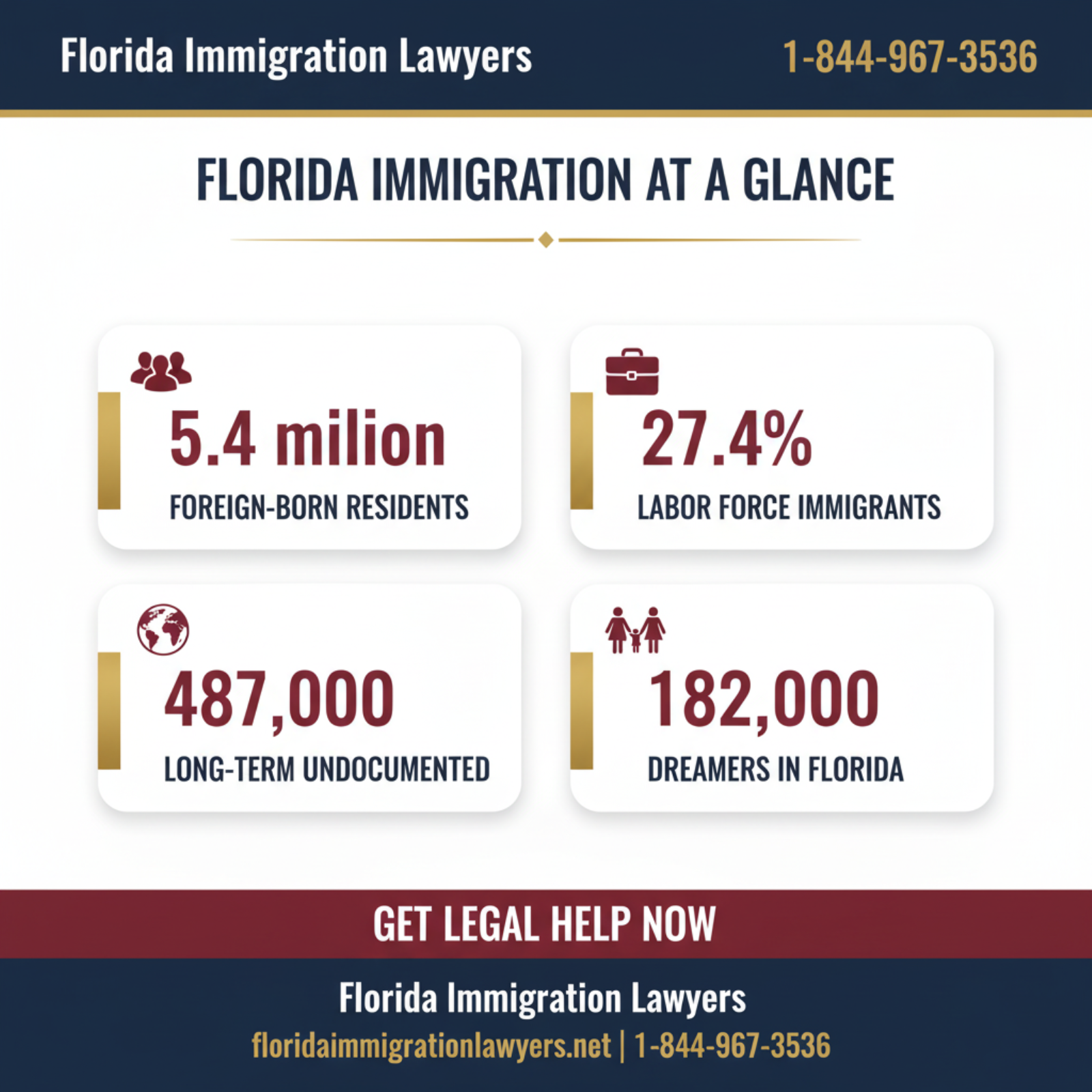
La economía de Florida depende en gran medida de la mano de obra inmigrante, especialmente en agricultura, construcción, hospitalidad y atención médica. La Ley de Dignidad, a través de sus vías hacia el estatus legal y el programa AGRI, podría estabilizar y legalizar una parte sustancial de esta fuerza laboral. Esta estabilidad podría conducir a un aumento en los ingresos fiscales, mayores salarios y un mayor gasto del consumidor, beneficiando a las economías locales en todo el estado. Los empleadores tendrían acceso a una mano de obra más confiable y segura, reduciendo la rotación y mejorando la productividad. Por ejemplo, las industrias de cítricos y vegetales, que son pilares de la agricultura de Florida, probablemente verían impactos positivos significativos de una fuerza laboral más formalizada y estable, asegurando la continuidad de las operaciones y la competitividad en los mercados globales.
Integración social y bienestar comunitario
Más allá de la economía, la Ley de Dignidad podría fomentar una mayor integración social y mejorar el bienestar de las comunidades de Florida. Proporcionar estatus legal a los residentes a largo plazo podría reducir el miedo a la deportación, permitiendo que las familias vivan sin ansiedad constante. Esta estabilidad puede llevar a mejores resultados educativos para los niños, un mejor acceso a la atención médica y una mayor participación cívica. Las comunidades podrían volverse más fuertes y cohesivas a medida que los residentes se sientan más seguros y empoderados para contribuir abiertamente. Para Florida, un estado conocido por su vibrante multiculturalismo, tal integración podría enriquecer aún más su tejido social, promoviendo una sociedad más inclusiva y armoniosa.
Navegando por las complejidades: El papel de su abogado de inmigración en Florida
La posible implementación de la Ley de Dignidad, o cualquier reforma migratoria significativa, introduce una compleja red de nuevas leyes, regulaciones y procesos de solicitud. Para los residentes de Florida, entender y navegar por estos cambios sin la orientación legal adecuada puede ser desalentador, si no imposible. Aquí es donde el invaluable papel de un abogado de inmigración dedicado en Florida se vuelve fundamental. Nuestro equipo legal se compromete a proporcionar claridad, apoyo y representación sólida en cada paso de su proceso migratorio, asegurando que sus derechos sean protegidos y que sus solicitudes estén meticulosamente preparadas. Entendemos que la situación de cada individuo es única, y un enfoque de talla única simplemente no será suficiente cuando se trata de asuntos de tan profunda importancia personal.
Orientación legal sobre elegibilidad y solicitud
Uno de los principales desafíos con la nueva legislación de inmigración es descifrar quién califica para qué programas y cuáles son los requisitos específicos que deben cumplirse. La Ley de Dignidad, con su propuesto Programa de Dignidad y Programa AGRI, sin duda tendrá criterios de elegibilidad complejos, que incluyen requisitos de residencia, historial laboral y verificación de antecedentes penales. Un abogado de inmigración en Florida puede revisar meticulosamente sus circunstancias personales, evaluar su elegibilidad para cualquier nueva opción y proporcionar asesoramiento claro y práctico. Podemos ayudarle a reunir la documentación necesaria, completar formularios complejos con precisión y evitar errores comunes que puedan causar retrasos o denegaciones. Nuestro objetivo es simplificar el proceso de solicitud para usted, asegurando que su caso se presente en la mejor luz posible. Para formularios oficiales e instrucciones, los solicitantes a menudo consultan recursos en USCIS.gov.
Protegiendo derechos y proporcionando defensa contra la deportación
Aun con nuevas opciones para la obtención de estatus legal, el sistema de inmigración sigue estando lleno de desafíos potenciales, incluido el riesgo de deportación. Para las personas que pueden no calificar para las disposiciones de la Ley de Dignidad o que enfrentan otros obstáculos legales, la amenaza de defensa contra la deportación es una preocupación seria. Un abogado de inmigración en Florida puede actuar como su firme defensor, representándolo en la corte de inmigración, impugnando los procedimientos de deportación y explorando todas las vías disponibles para el alivio. Ya sea argumentando a favor de la cancelación de la deportación, solicitando exenciones o apelando decisiones desfavorables, nuestros abogados están preparados para defender sus derechos con vigor. Entendemos el profundo impacto que la deportación puede tener en las familias y estamos dedicados a luchar por su capacidad de permanecer en EE. UU. con sus seres queridos.
Manteniéndose al tanto de los cambios legislativos
La ley de inmigración no es estática; es un campo dinámico constantemente influenciado por esfuerzos legislativos, acciones ejecutivas y fallos judiciales. La Ley de Dignidad en sí misma es un testimonio de esta evolución continua. Un abogado de inmigración con experiencia se mantiene al tanto de todos los desarrollos legislativos, cambios propuestos y su impacto potencial en los clientes. Este enfoque proactivo significa que podemos asesorarlo sobre la mejor manera de prepararse para las reformas inminentes, ajustar estrategias a medida que se promulgan nuevas leyes e informarle sobre cualquier ventana de oportunidad que pueda surgir. Nuestros abogados están comprometidos a proporcionar información oportuna y precisa, asegurando que siempre esté al tanto de los últimos desarrollos que puedan afectar su estatus de inmigración. Esta previsión es crucial en un panorama legal que puede cambiar rápidamente.
Preparándose para posibles cambios y manteniéndose informado
Aunque el futuro de la Ley de Dignidad sigue siendo objeto del proceso legislativo, su posible aprobación subraya la importancia de la preparación para los residentes de Florida. Pasos proactivos pueden hacer una diferencia significativa al navegar por cualquier nuevo panorama de inmigración. Se aconseja comenzar a reunir documentos importantes como certificados de nacimiento, certificados de matrimonio, registros laborales, declaraciones de impuestos y prueba de residencia continua en EE. UU. Estos documentos serán cruciales para establecer la elegibilidad para cualquier nuevo programa. Además, mantenerse informado sobre el progreso legislativo de la Ley de Dignidad y otras reformas de inmigración es esencial. Fuentes confiables incluyen sitios web oficiales del gobierno como USCIS.gov y medios de comunicación legales de renombre. Consultar con un abogado de inmigración desde el principio puede proporcionar asesoramiento personalizado sobre cómo prepararse mejor para posibles cambios, asegurando que esté listo para actuar rápidamente si surgen nuevas oportunidades. Para información general sobre viajes y visas, el sitio web travel.state.gov es un recurso valioso.
La Ley de Reforma de Inmigración Dignidad representa un esfuerzo legislativo significativo con el potencial de redefinir la inmigración en los Estados Unidos, particularmente para un estado tan diverso y económicamente dependiente de las comunidades inmigrantes como Florida. Comprender sus disposiciones, desde opciones para el estatus legal hasta mejoras en seguridad fronteriza y reformas para trabajadores agrícolas, es vital para todos los residentes. A medida que el proceso legislativo avanza, las complejidades de la ley de inmigración sin duda requerirán orientación legal. Un abogado de inmigración en Florida puede proporcionar el apoyo esencial necesario para navegar estos cambios, proteger sus derechos y buscar el mejor resultado posible para su futuro. No espere a que la legislación sea aprobada; comience su preparación ahora buscando asesoría legal profesional.
Preguntas Frecuentes sobre la Ley de Dignidad
No Navegue Este Proceso Solo
Nuestros abogados de inmigración con experiencia están listos para luchar por usted. Obtenga una evaluación gratis de su caso y confidencial hoy.
We Speak English
O deje sus datos y le llamamos:
Evaluación Gratis en 24 Horas
O hable con nosotros ahora

Asistente de voz IA — disponible 24/7
GratisPreguntas Frecuentes

William J. Vásquez
Abogado Fundador · Vasquez Law Firm
Veterano de la Fuerza Aérea de EE.UU. y abogado de inmigración con años de experiencia práctica en inmigración de EE.UU. J.D., NCCU School of Law. Miembro de AILA. Admitido en los Circuitos 4.º, 5.º y 11.º.
Disponible 24/7 - Evaluaciones Gratis de su Caso
Revisado para exactitud legal por William J. Vásquez
Con licencia en Carolina del Norte; la inmigración a EE.UU. es una práctica federal.
Servicios legales relacionados
Nuestros abogados de inmigración en Florida pueden ayudarle con consulta gratis de inmigración, costo de un abogado de inmigración y áreas de práctica de inmigración. Llame hoy al 1-844-YO-PELEO para una evaluación gratis de su caso.
Enlaces Relacionados
Temas Relacionados
Evaluación Legal Gratis de su Caso
Discuta su caso con nuestros abogados experimentados. Estamos disponibles 24/7.
Artículos Relacionados
Consecuencias de DUI en Inmigración en Florida 2026
Una condena por DUI en Florida puede tener graves consecuencias migratorias, que potencialmente conducen a la inadmisibilidad, la deportación o la denegación de beneficios migratorios. Para los no ciudadanos, un DUI no es solo una infracción de tráfico, sino un asunto penal grave que la ley federal de inmigración examina de cerca. Factores como múltiples delitos, lesiones o daños a la propiedad pueden escalar un DUI simple a un Delito que Involucra Depravación Moral (CIMT) o incluso a un delito grave agravado, lo que desencadena la detención obligatoria y los procedimientos de expulsión. Comprender la naturaleza específica de su condena en Florida y su interpretación bajo la Ley de Inmigración y Nacionalidad (INA) es crucial. Este artículo describe cómo los DUIs impactan el estatus migratorio, los motivos de inadmisibilidad y deportación, una guía paso a paso para navegar el proceso, la documentación esencial y los plazos esperados para 2026. También destacamos los errores comunes a evitar y cuándo buscar asesoramiento legal de un abogado de inmigración experimentado. Florida Immigration Lawyers ofrece apoyo integral para personas que enfrentan estas situaciones desafiantes, brindando orientación experta a través de complejos paisajes legales.
Certificación Laboral PERM en Florida: Guía 2026
Descubra todo sobre el proceso de certificación laboral PERM en Florida, esencial para empleadores que patrocinan solicitantes de tarjeta verde. Entienda los pasos, requisitos de documentos y errores comunes a evitar en esta guía de 2026.
Abogado de Doble Ciudadanía en Florida: Su Guía 2026
Para los residentes de Florida, el concepto de doble ciudadanía, o poseer dos pasaportes, ofrece una convincente combinación de oportunidades y desafíos. Si bien Estados Unidos generalmente permite la doble nacionalidad, el camino para lograr este estatus requiere una comprensión meticulosa tanto de las leyes de inmigración de EE. UU. como de las políticas de ciudadanía de su país de origen. Esta guía explora la definición de doble ciudadanía, el proceso detallado paso a paso para la naturalización en EE. UU. y los importantes beneficios y posibles escollos involucrados. Cubrimos la documentación esencial, los plazos típicos y las consideraciones de costos para 2026, proporcionando información crucial para cualquier persona en Orlando, Miami o en toda Florida que esté considerando este importante paso legal. Conozca los errores comunes a evitar y comprenda cuándo buscar asesoramiento legal profesional para navegar este complejo proceso con éxito. Florida Immigration Lawyers está aquí para brindar apoyo experto y bilingüe en su viaje hacia la doble ciudadanía.