Know Your Immigration Rights in Florida: A 2026 Legal Guide
For immigrants in Florida, understanding your legal rights, especially when interacting with immigration enforcement (ICE), is paramount. This guide from Florida Immigration Lawyers provides essential information on your constitutional protections, a step-by-step approach to ICE encounters at home, in public, or at work, and a crucial document checklist. Learn how to assert your right to remain silent, the importance of warrants, and common mistakes to avoid. We also detail when to seek legal counsel, processing timelines, and cost factors in immigration cases. Empower yourself with the knowledge to protect your future in Florida.

Knowing your immigration rights in Florida is crucial for protecting yourself and your family. All individuals in the U.S., regardless of immigration status, have certain constitutional protections. This includes the right to remain silent and the right to an attorney. Understanding these rights, especially during interactions with immigration enforcement (ICE), can significantly impact your situation.
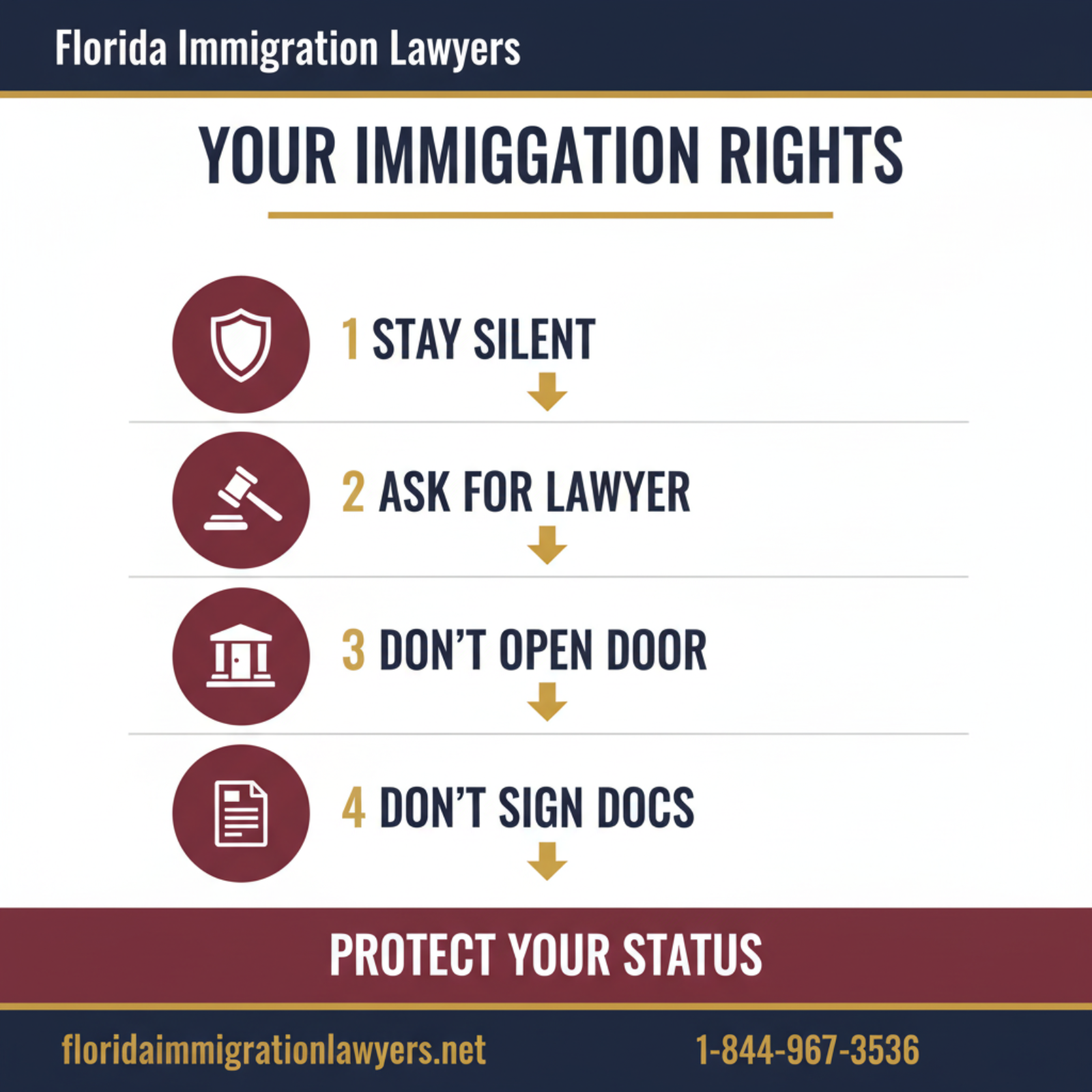
- You have the right to remain silent.
- Do not open your door to ICE without a warrant signed by a judge.
- Always carry a “Know Your Rights” card with legal counsel information.
- Do not sign any documents you do not understand.
- Consult with an experienced immigration attorney immediately if detained or questioned.
Imagine a knock on your door, or an unexpected encounter with immigration officials. For many immigrants and their families across Florida, from the vibrant communities of Miami to the state capital in Tallahassee, such situations can be incredibly stressful and confusing. In 2026, understanding your immigration rights remains more important than ever, given the evolving legal landscape and enforcement priorities.
This comprehensive guide from Florida Immigration Lawyers is designed to empower you with the essential knowledge needed to protect yourself, your family, and your legal standing. We will walk you through critical information, provide actionable steps for various scenarios, and highlight when professional legal guidance is indispensable. Call Florida Immigration Lawyers at 1-844-967-3536 for a free consultation to discuss your specific concerns.
Understanding Your Immigration Rights in Florida
In the United States, certain fundamental rights are guaranteed to all persons under the Constitution, regardless of their immigration status. These rights extend to individuals living in Florida and are vital to remember during any interaction with law enforcement or immigration officials. Knowing these protections can help prevent misunderstandings and safeguard your interests.
The Immigration and Nationality Act (INA) and various sections of the U.S. Code (USC) outline the powers of immigration officers and the rights of individuals. For instance, 8 U.S.C. § 1357, which corresponds to INA § 287, details the authority of immigration officers. However, this authority is not limitless. You retain rights that must be respected.
Florida's unique position as a gateway state means its immigrant communities often face complex legal challenges. Local policies and state laws can sometimes interact with federal immigration enforcement in ways that require careful navigation. Staying informed about the general framework of your rights is the first step toward effective self-advocacy.
Our firm, Florida Immigration Lawyers, specializes in protecting these rights. We understand the specific nuances of Florida immigration law and how it impacts residents in Tallahassee, Orlando, and across the state. Whether you are seeking to adjust your status or are facing enforcement actions, we are here to help.
Understanding your basic rights, such as the right to due process and protection against unreasonable searches and seizures, is foundational. These rights are not just abstract legal concepts; they are practical tools you can use to navigate challenging situations effectively. For more information on navigating the broader immigration system, visit our immigration practice area page.
Navigating an Encounter with ICE: A Step-by-Step Guide
Interactions with U.S. Immigration and Customs Enforcement (ICE) can be intimidating. Knowing exactly what to do and say, or not say, can make a significant difference in the outcome. Here's a step-by-step guide to help you protect your legal rights during an ICE encounter in Florida.
If ICE Comes to Your Home
- Do Not Open Your Door Without a Warrant: ICE agents generally need a warrant signed by a judge to enter your home. A warrant for arrest (Form I-200) or a warrant for administrative removal (Form I-205) is not sufficient for entry unless it is signed by a criminal court judge. You are not required to open your door if they do not have such a judicial warrant.
- Ask for a Warrant: If agents claim to have a warrant, ask them to slide it under the door or hold it up to a window. Inspect it carefully. Confirm it is signed by a judge and specifically authorizes entry to your address.
- Remain Silent: You have the right to remain silent. Do not answer any questions, even if you are a U.S. citizen or legal permanent resident. State clearly, "I do not wish to speak with you without my attorney present."
- Do Not Lie or Present False Documents: Providing false information or documents can lead to severe legal consequences. If you choose to speak, always tell the truth, but remember your right to remain silent.
- Document the Encounter: If safe to do so, write down or record details of the encounter, including agent badge numbers, vehicle descriptions, and time/date.
If ICE Stops You in Public or at Work
- Remain Calm and Silent: If ICE agents stop you, stay calm. You have the right to remain silent. Do not answer questions about your immigration status, birthplace, or how you entered the U.S.
- Do Not Show Foreign Identification: You are not required to carry or show foreign identification documents. If asked for ID, you can show a state-issued driver's license or ID card, but you are not obligated to discuss your immigration status. Florida law (e.g., related to traffic stops) may require you to show a driver's license if operating a vehicle, but this does not extend to immigration inquiries.
- Ask If You Are Free to Leave: Clearly ask, "Am I free to leave?" If the answer is yes, you may walk away calmly. If they say no, you are being detained.
- Do Not Resist Arrest: If agents attempt to arrest you, do not resist physically. State clearly that you do not consent to a search and wish to speak with an attorney.
- Do Not Sign Anything: Do not sign any documents without first consulting with an attorney. You may be signing away your rights or agreeing to voluntary departure.
What to Do If Arrested
- Demand to Speak with an Attorney: Immediately state, "I want to speak with my attorney." Repeat this demand. You have a right to legal counsel.
- Contact Your Lawyer/Family: As soon as possible, contact your immigration attorney or have a trusted family member do so. Provide them with details of your arrest.
- Do Not Discuss Your Case: Do not discuss your case with anyone other than your attorney. This includes other detainees, jail staff, or ICE agents.
For more specific guidance on defending against removal proceedings, please visit our deportation defense page. Understanding these steps is critical for protecting your know your rights Florida during an encounter with ICE.
For official information on immigration enforcement, you can visit the Executive Office for Immigration Review (EOIR) website.
Essential Documents Checklist for Immigrants in Florida
Being prepared with the right documents can significantly ease interactions with authorities and facilitate legal processes. It is vital to organize and secure your important papers. This checklist outlines documents you should consider having readily accessible and others you should keep in a safe place.
Documents to Carry (Optional, but Recommended):
- A "Know Your Rights" card with your attorney's contact information.
- The contact information for your attorney and a trusted family member.
- Proof of your current address in Florida.
Documents to Keep in a Safe, Secure Place (Do NOT carry these with you unless necessary):
- Passport and visa.
- Birth certificate.
- Marriage certificate (if applicable).
- Children's birth certificates.
- Employment authorization document (EAD) or Green Card.
- Notices of Appearance (Form I-862) or other court documents.
- Any correspondence from USCIS or immigration court.
- Proof of continuous residence in the U.S. (utility bills, rent receipts, school records).
- Medical records.
- Tax returns.
- Any documents proving eligibility for immigration benefits (e.g., I-130 petition approvals).
Having these documents organized and accessible to a trusted person can be invaluable in an emergency. It ensures that your legal team, like Florida Immigration Lawyers, can quickly access the information needed to assist you.
Timeline and Processing Expectations for Immigration Cases
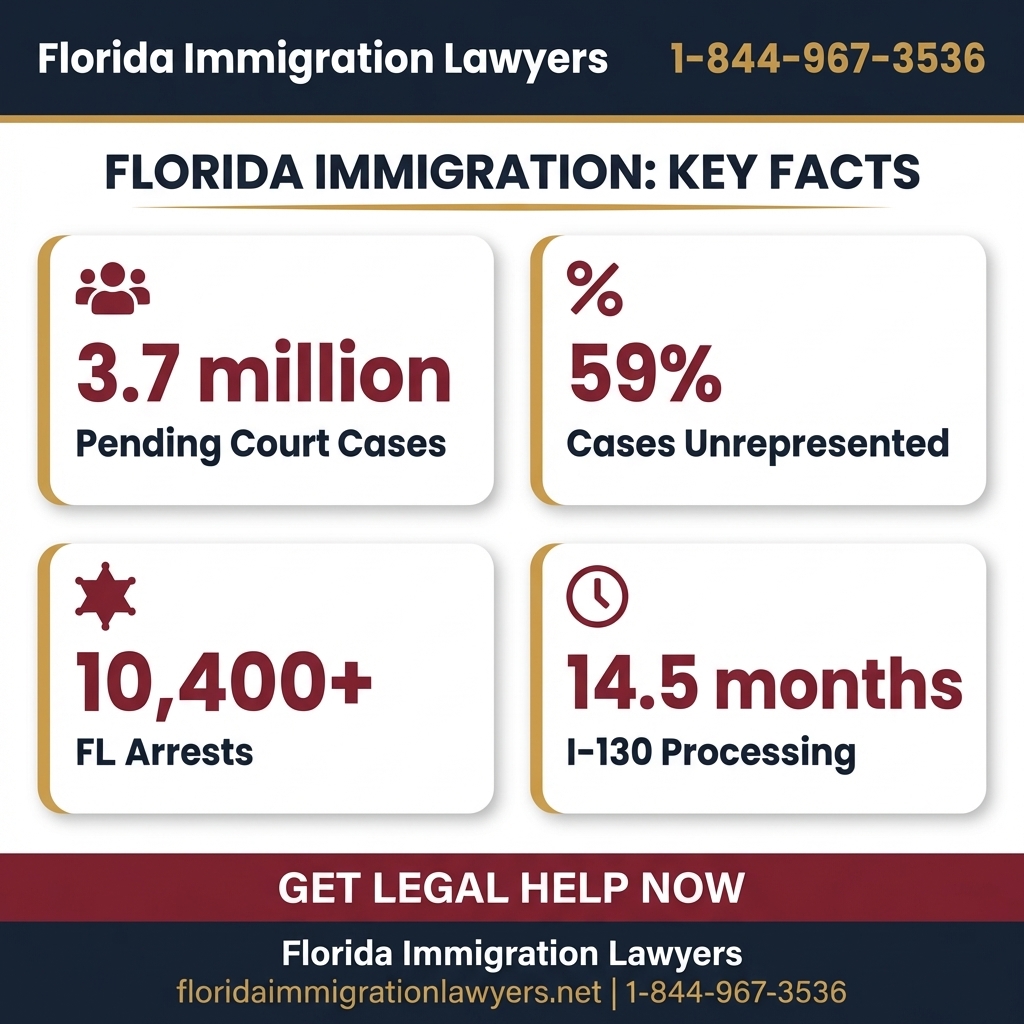
The processing times for immigration cases in Florida and across the U.S. can vary significantly. Several factors influence how long it takes for an application or petition to be adjudicated. These include the type of application, the specific USCIS service center or field office handling the case, and current caseloads.
For example, a family-based petition (Form I-130) can take many months, or even years, depending on the relationship and country of origin. Adjustment of Status applications (Form I-485) often depend on visa availability and can also be lengthy. Naturalization applications (Form N-400) typically have a more predictable, though still substantial, timeline.
It is important to remember that published processing times on the USCIS website are estimates. Your individual case may take more or less time. Factors like requests for evidence (RFEs) or interviews can extend the overall timeline. Patience and meticulous preparation are key throughout the process.
Florida Immigration Lawyers helps clients manage these expectations and prepare for potential delays. We monitor case statuses and provide updates, ensuring you are informed every step of the way. Understanding these timelines is part of mastering your Florida immigration law update knowledge.
Cost Factors and Fee Breakdown in Immigration Cases
Navigating the immigration system involves various costs, which can include government filing fees and legal representation fees. Being aware of these financial aspects upfront can help you plan effectively. Florida Immigration Lawyers believes in transparency regarding all potential expenses.
Government Filing Fees:
- USCIS Fees: Most immigration applications and petitions require a filing fee payable to USCIS. These fees vary widely depending on the form (e.g., I-130, I-485, N-400, I-765). It is crucial to check the most current fee schedule on the USCIS website, as fees are subject to change.
- Biometrics Fees: Many applications require a biometrics appointment, which often incurs a separate fee for fingerprinting and background checks.
- Medical Exam Fees: For adjustment of status cases, a medical examination by a USCIS-approved civil surgeon is mandatory, and the cost is paid directly to the doctor.
Legal Representation Fees:
- Consultation Fees: Florida Immigration Lawyers offers free consultations to discuss your case.
- Attorney Fees: Legal fees vary based on the complexity of the case, the attorney's experience, and the services required. Our firm typically offers flat fees for many common immigration processes, providing predictability for our clients.
- Additional Costs: These may include costs for document translation, expert witness fees, travel expenses, or postage.
We work with our clients to provide a clear breakdown of all anticipated costs. Our goal is to ensure you understand your financial obligations without hidden surprises. Do not let concerns about fees deter you from seeking the legal help you need.
Do not navigate this process alone. Contact Florida Immigration Lawyers today to ensure your rights are protected and your case is handled with expertise.
Common Mistakes to Avoid
Making a mistake in an immigration case can have serious, long-lasting consequences, including delays, denials, or even deportation. Being aware of these common pitfalls can help you avoid them.
- Failing to Consult an Attorney: Many believe they can handle their case alone to save money. However, immigration law is incredibly complex. A small error can lead to significant problems, often costing more in the long run. An attorney ensures proper forms, evidence, and procedures are followed.
- Lying or Providing False Information: Any misrepresentation or fraudulent statement to immigration officials can lead to a permanent bar from receiving immigration benefits, regardless of how minor it seems. Honesty is always the best policy, even if it means disclosing unfavorable information with legal guidance.
- Missing Deadlines or Court Dates: Ignoring a deadline for a Request for Evidence (RFE) or missing an immigration court hearing can result in automatic denial of your application or an order of removal (deportation) in absentia. Always keep track of all dates and respond promptly.
- Voluntarily Signing Documents You Don't Understand: Never sign any document presented by an immigration officer without fully understanding its content and implications. You could inadvertently waive your rights, agree to voluntary departure, or admit to something that harms your case.
- Not Updating Your Address with USCIS: If you move, you are legally required to notify USCIS of your new address within 10 days using Form AR-11. Failure to do so can result in missed notices, leading to application denials or even deportation orders without your knowledge.
- Carrying Foreign Identification That Identifies You as a Non-Citizen: While not illegal, carrying certain foreign IDs can make it easier for ICE to identify your immigration status during an encounter. Consider carrying a "Know Your Rights" card instead.
- Not Preparing for Interviews: Immigration interviews, whether for a green card or naturalization, require thorough preparation. Failing to organize documents, practice answers, or understand the process can lead to delays or denials.
- Traveling Without Proper Documentation or Advice: Traveling internationally or even domestically within the U.S. without understanding potential risks, especially if you have an pending immigration case or certain immigration statuses, can lead to issues at ports of entry or internal checkpoints. Always seek advice from an attorney before traveling.
- Ignoring a Notice to Appear (NTA): An NTA (Form I-862) is a formal document initiating removal proceedings in immigration court. Ignoring it is a grave error that will lead to an in absentia deportation order. If you receive an NTA, contact an attorney immediately.
- Assuming All Police Officers are Immigration Officers: While some local law enforcement agencies cooperate with ICE, local police generally do not have the authority to enforce federal immigration law. Knowing the distinction helps you understand your rights during different types of encounters.
When to Call a Florida Immigration Lawyer
While this guide provides valuable general information, every immigration case is unique. There are specific scenarios where the expertise of a qualified immigration attorney is not just helpful, but absolutely essential. Florida Immigration Lawyers is here to provide the dedicated support you need.
You should contact an attorney immediately if:
- You or a loved one is detained by ICE: This is a critical moment where legal intervention can prevent deportation. We can help with deportation defense and bond hearings.
- You receive a Notice to Appear (NTA) in Immigration Court: An NTA signals the start of removal proceedings. You need an attorney to represent you in court.
- You are facing an interview with USCIS or ICE: An attorney can prepare you for the interview, accompany you, and ensure your rights are protected.
- Your application or petition is denied: A denial does not always mean the end of your immigration journey. An attorney can help you understand the reasons for denial and explore options for appeal or refiling.
- You have a criminal record: Even minor offenses can have severe immigration consequences. An attorney can assess the impact of your record on your immigration status.
- You are seeking asylum or refugee status: These cases are highly complex and require strong legal arguments and evidence.
- You are confused about eligibility for a visa or green card: Immigration law is intricate. An attorney can determine your eligibility and guide you through the correct process, whether it's family immigration or business immigration.
- You are applying for citizenship and have concerns: Naturalization can be complicated, especially with past issues.
Do not wait for a crisis to seek legal counsel. Proactive legal advice can often prevent problems before they arise. Our experienced attorneys are ready to provide the guidance and representation you deserve. Learn more about our team on our attorneys page or contact us directly.
About Florida Immigration Lawyers
Florida Immigration Lawyers is a leading law firm dedicated to providing exceptional legal services to immigrants and their families throughout Florida. We understand the challenges and complexities of U.S. immigration law and are committed to offering compassionate, effective, and results-driven representation.
Our team of highly skilled attorneys brings extensive experience to a wide range of immigration matters, including family-based visas, employment visas, deportation defense, asylum, naturalization, and more. We pride ourselves on our client-focused approach, ensuring that each individual receives personalized attention and strategic counsel tailored to their unique circumstances.
Why choose Florida Immigration Lawyers? We are available 24/7 to address your urgent needs, offer free consultations to get you started, and serve clients across all of Florida, from Tallahassee to the Florida Keys. We are passionate about protecting your rights and helping you achieve your immigration goals.
Your journey through the immigration system does not have to be isolating. Let our dedicated team be your advocate. Call us today at 1-844-967-3536 or visit our website at https://www.floridaimmigrationlawyers.net to schedule your free consultation. We are here to help you navigate every step.
Sources and References
- U.S. Citizenship and Immigration Services (USCIS)
- Executive Office for Immigration Review (EOIR)
- 8 U.S.C. Chapter 12 - Immigration and Nationality Act (INA)
- 8 U.S.C. § 1357 - Powers of immigration officers and employees
- INA § 287 - Powers of immigration officers
- 8 CFR Part 287 - Field operations; powers and duties of officers; detention and removal of aliens; transportation for illegal aliens
This article provides general legal information and is not intended as legal advice. Every case is unique, and outcomes depend on specific facts and circumstances. Contact an attorney for advice about your particular situation.
Protecting your immigration rights is a continuous commitment. Empower yourself with knowledge and ensure you have experienced legal advocates by your side. For a free, confidential consultation, call Florida Immigration Lawyers at 1-844-967-3536 today. Se Habla Español - Estamos aquí para ayudarle.
Do Not Navigate This Process Alone
Our experienced immigration attorneys are ready to fight for you. Get a free, confidential consultation today.
Se Habla Español
Or leave your details and we’ll call you:
Free Evaluation in 24 Hours
Or talk to us right now

AI voice assistant — available 24/7
FreeFrequently Asked Questions

William J. Vásquez
Founding Attorney · Vasquez Law Firm
U.S. Air Force veteran and immigration attorney with years of hands-on U.S. immigration experience. J.D., NCCU School of Law. AILA member. Admitted to the 4th, 5th, and 11th Circuit Courts.
Available 24/7 - Free Evaluations
Reviewed for legal accuracy by William J. Vásquez
Licensed in North Carolina; U.S. immigration is federal practice.
Related Legal Services
Our Florida immigration attorneys can help you with immigration practice areas, free immigration consultation and experienced immigration attorneys. Call today at 1-844-967-3536 for a free consultation.
Related Links
Related Topics
Free Legal Consultation
Discuss your case with our experienced attorneys. We're available 24/7.
Se Habla Español - Estamos aquí para ayudarle.
Related Articles
U Visa Certification in Florida: Law Enforcement Guide 2026
For non-citizen crime victims in Florida, the U visa offers a vital path to protection and legal status. This comprehensive guide details the crucial process of obtaining U visa certification from law enforcement, a mandatory step for victims who have suffered substantial abuse and are willing to assist in criminal investigations. Learn about eligibility criteria, the role of agencies like the Orlando Police Department, the step-by-step application process, and expected timelines for 2026. We also cover cost factors and common pitfalls to avoid. Florida Immigration Lawyers provides expert assistance for victims across Florida, ensuring they can navigate these complex legal challenges with confidence and compassion. Discover how our dedicated team can help you pursue justice and secure your future.
Family Petitions for Citizenship Through Father's Family
For individuals in Florida seeking U.S. citizenship through their father's family, understanding the legal pathways is crucial. This comprehensive guide from Florida Immigration Lawyers explains the process, from filing a family petition (Form I-130) to naturalization. We cover derivative and acquired citizenship, step-by-step procedures, required documents, and typical timelines as of 2026. Learn about the cost factors, common mistakes to avoid, and when to seek professional legal assistance from an immigration lawyer in Orlando or anywhere in Florida. Our firm provides expert guidance for complex cases involving paternity, criminal records, or USCIS appeals, ensuring your application for citizenship through a father's family is meticulously prepared. Contact Florida Immigration Lawyers for a free case review.
Immigration Lawyer Orlando Free Consultation: What to Know
Explore the benefits of free immigration consultations in Orlando. Learn how to prepare and what to expect from these initial meetings with a qualified immigration lawyer.
Consular Processing for Florida Applicants: 2026 Guide
Consular processing is essential for Florida residents seeking an immigrant visa. Learn about the steps, timelines, and documents required for a successful application through U.S. embassies and consulates.