Dual Citizenship in Florida: Key Insights
Explore the complexities of dual citizenship in Florida, focusing on Kissimmee and surrounding areas. Learn about eligibility, the naturalization process, and the benefits of holding two passports. Contact Florida Immigration Lawyers for guidance.
In an increasingly globalized world, the concept of dual citizenship has become more relevant than ever. For many residents of Florida, holding two passports offers a wealth of opportunities, from enhanced travel freedom to expanded economic prospects. However, navigating the complexities of dual nationality requires a clear understanding of both U.S. law and the laws of the other country involved. At VLF Florida, our experienced immigration lawyers are dedicated to guiding individuals through every step of this intricate process.
What is Dual Citizenship?
Dual citizenship, or dual nationality, is the legal status of a person who is a citizen of two countries simultaneously. The United States generally permits dual nationality, meaning that a U.S. citizen may also be a citizen of another country. This status can arise in several ways: by birth in a foreign country to U.S. citizen parents, by naturalization in a foreign country, or by birth in the U.S. to foreign citizen parents. It's crucial to understand that while the U.S. allows it, not all countries do. Some nations require you to renounce your previous citizenship upon naturalization, while others have more flexible policies. Understanding these nuances is a critical first step for anyone considering or already possessing dual nationality. Our team at VLF Florida focuses on immigration law, providing comprehensive advice on these international legal intersections.
Benefits of Dual Citizenship
The advantages of holding dual citizenship are numerous and can significantly impact an individual's life. These benefits often include:
- Increased Travel Freedom: With two passports, individuals can often travel more easily between countries, bypassing visa requirements and enjoying extended stays. This can be particularly advantageous for business travelers, international families, or those with strong ties to two nations.
- Property Ownership and Investment Opportunities: Dual citizens may have the right to own property, invest, and conduct business in both countries without the restrictions often imposed on foreign nationals. This opens up new avenues for financial growth and stability.
- Political and Social Rights: Enjoy the full rights and privileges of citizenship in both nations, including the right to vote, hold public office (subject to specific country laws), and access social services like healthcare and education.
- Family Reunification: It can simplify the process of living and working in either country, making it easier to be closer to family members who reside in different parts of the world.
- Cultural Connection: For many, dual citizenship is a way to maintain a deep connection to their heritage and culture, fostering a sense of belonging in two distinct societies.
Challenges and Considerations
While the benefits are compelling, dual citizenship also comes with its own set of challenges and responsibilities. It's important to be aware of these before pursuing or exercising dual nationality:
- Tax Obligations: U.S. citizens, including dual nationals, are generally subject to U.S. taxation on their worldwide income, regardless of where they reside. This can lead to complex tax reporting requirements with both countries.
- Military Service: Some countries may require dual citizens to perform military service. It's essential to understand the obligations of both nations.
- Conflicting Laws: In rare cases, the laws of the two countries might conflict, creating legal dilemmas regarding issues like child custody, inheritance, or property rights.
- Renunciation Requirements: As mentioned, some countries require renunciation of prior citizenship upon naturalization. Failing to understand this can lead to unexpected legal issues.
- Political Allegiance: While the U.S. permits dual nationality, it expects primary allegiance to the United States. In times of conflict or political tension between the two nations, this can present a delicate situation.
Eligibility Requirements for Dual Citizenship
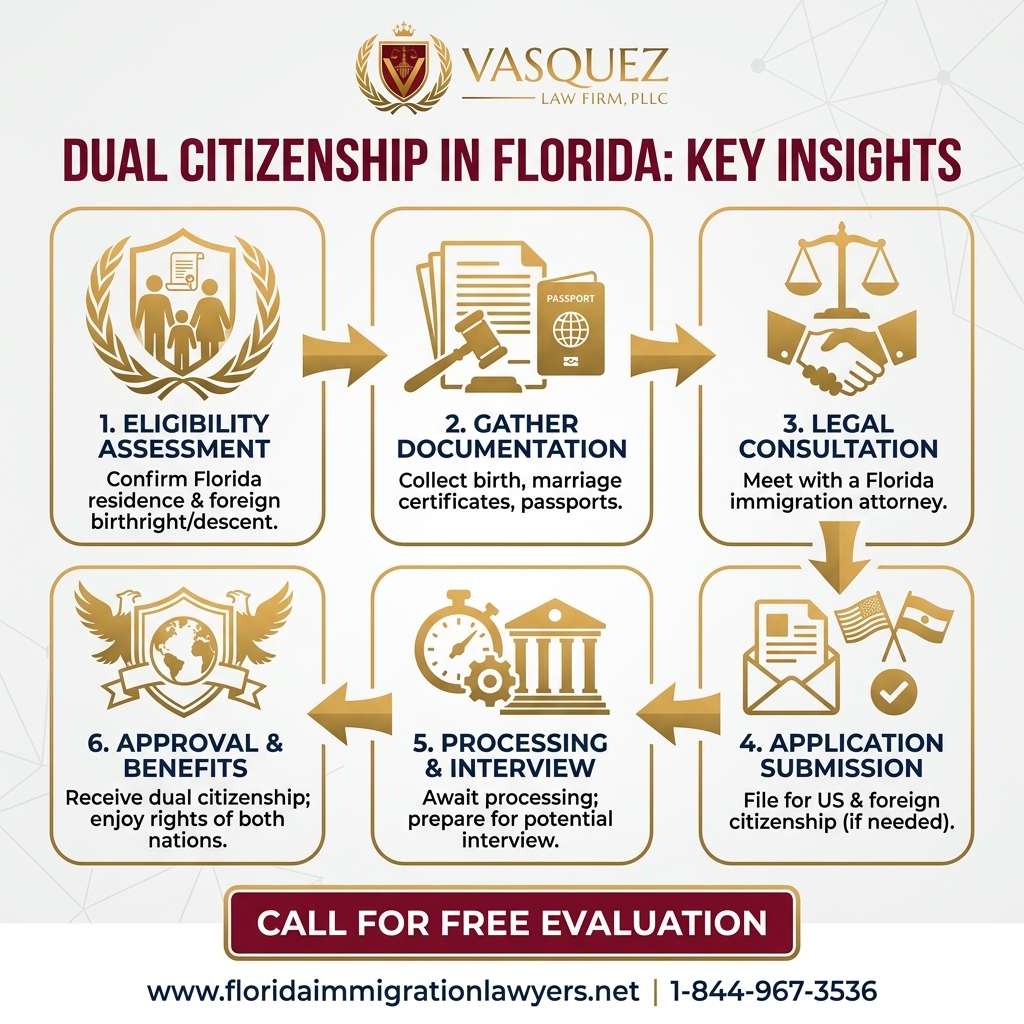
There isn't a single "application" for dual citizenship, as it typically arises from specific circumstances or processes. Common pathways include:
- Birthright Citizenship: If you were born in the U.S., you are a U.S. citizen. If your parents are citizens of another country, you may also be a citizen of that country by descent, depending on their laws. Conversely, if you were born outside the U.S. to at least one U.S. citizen parent, you might acquire U.S. citizenship at birth.
- Naturalization: When a foreign national becomes a citizen of the U.S. through the naturalization process, they may retain their original citizenship if their home country's laws permit it. Similarly, a U.S. citizen who naturalizes in another country may retain U.S. citizenship.
- Marriage: Marrying a citizen of another country does not automatically grant you citizenship in that country, nor does it revoke your U.S. citizenship. However, it can often be a pathway to naturalization in that country, which might then lead to dual citizenship.
- Descent: Many countries grant citizenship to individuals whose parents or grandparents were citizens of that country, even if the individual was born elsewhere.
Understanding the specific requirements for each pathway and how they interact with U.S. law is paramount. Our attorneys can help you assess your eligibility and navigate the necessary procedures.
The Naturalization Process and Dual Citizenship
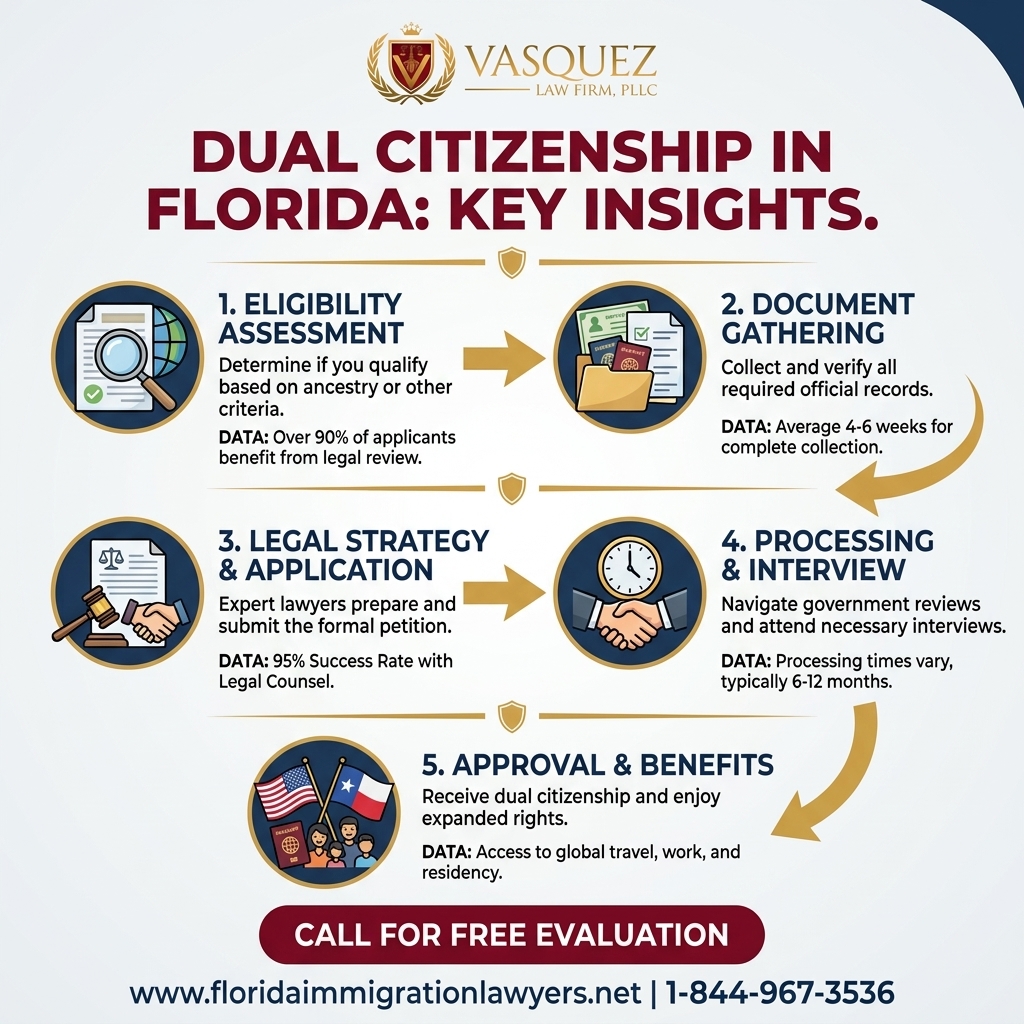
For many, dual citizenship is achieved through the naturalization process in one of the countries. The U.S. naturalization process is a rigorous journey that typically involves:
- Meeting residency requirements (e.g., being a lawful permanent resident for at least five years, or three years if married to a U.S. citizen).
- Demonstrating continuous residence and physical presence in the U.S.
- Passing English and civics tests.
- Demonstrating good moral character.
- Taking an Oath of Allegiance to the United States.
Throughout this process, it's essential to be aware of how your actions might impact your existing or potential foreign citizenship. For instance, while the Oath of Allegiance includes a clause to "renounce and abjure all allegiance and fidelity to any foreign prince, potentate, state, or sovereignty," the U.S. Supreme Court has interpreted this to mean renouncing political allegiance, not necessarily legal citizenship. The U.S. Department of State's policy is that a person who is a U.S. citizen and also a citizen of another country is still considered a U.S. citizen by the U.S. government. However, it's vital to confirm the stance of the other country involved. Our immigration attorneys can provide clarity on these complex legal interpretations.
The Indispensable Role of an Immigration Attorney in Dual Citizenship Cases
Navigating the intricacies of dual citizenship, particularly when it involves U.S. immigration law and the laws of another nation, is rarely straightforward. This is where the expertise of a seasoned immigration lawyer becomes invaluable. An attorney can provide comprehensive guidance, ensuring that you understand all legal implications and fulfill all requirements without error. They can help you:
- Assess Eligibility: Determine if you meet the criteria for dual nationality under both U.S. law and the laws of the other country. This involves reviewing your birth records, parental citizenship, residency history, and any prior immigration statuses.
- Interpret Complex Laws: Laws regarding citizenship can be highly nuanced and subject to change. An attorney stays abreast of the latest legal developments and can interpret how these apply to your unique situation, preventing potential pitfalls.
- Prepare and File Documentation: The application processes for naturalization or proving citizenship by descent often involve extensive paperwork. An attorney ensures all forms are correctly completed, all necessary supporting documents are gathered, and deadlines are met.
- Address Potential Challenges: If you have a complex immigration history, criminal record, or other issues that might affect your eligibility, an attorney can help strategize the best approach, potentially mitigating negative outcomes. This can be particularly crucial in cases that might otherwise lead to deportation defense issues if not handled correctly.
- Represent You in Interviews: For naturalization or other citizenship-related interviews, having legal representation can provide peace of mind and ensure your rights are protected.
- Provide Strategic Advice: Beyond just processing applications, an attorney offers strategic advice on the best path forward, considering your long-term goals, whether they involve travel, business, or family reunification.
At VLF Florida, our dedicated attorneys possess the profound knowledge and experience necessary to handle even the most challenging dual citizenship cases. We are committed to providing personalized and effective legal solutions. Don't navigate these complex waters alone; secure legal counsel to protect your future. Contact us today for a consultation.
Common Misconceptions About Dual Citizenship
There are several myths surrounding dual nationality that can lead to confusion. Dispelling these can help individuals make informed decisions:
- Myth: Dual citizens are less loyal to the U.S. Fact: The U.S. government does not view dual citizens as inherently disloyal. While the Oath of Allegiance requires renunciation of foreign allegiance, this is interpreted as political allegiance, not legal citizenship.
- Myth: Dual citizenship is a secret. Fact: Dual nationality is a recognized legal status. While you may not always need to declare it, it's not a secret status that must be hidden.
- Myth: You automatically lose U.S. citizenship if you become a citizen of another country. Fact: This is generally false. The U.S. government presumes that U.S. citizens intend to retain their citizenship unless they explicitly state otherwise or perform an expatriating act with the intent to relinquish U.S. citizenship.
- Myth: Dual citizens don't have to pay U.S. taxes if they live abroad. Fact: U.S. citizens, including dual nationals, are subject to U.S. taxation on their worldwide income, regardless of residence. There are mechanisms like the Foreign Earned Income Exclusion and foreign tax credits to prevent double taxation, but reporting is still required.
Florida-Specific Considerations for Dual Citizenship
While dual citizenship is governed by federal and international law, living in Florida presents unique opportunities and considerations. Florida is a hub for international business and tourism, attracting a diverse population with ties to various countries. Our firm, based in Florida, is uniquely positioned to assist individuals in this dynamic environment. We understand the local context and how it interacts with federal immigration policies. Whether you're a long-time resident, a new arrival, or someone considering a move to our state, our local presence ensures accessible and personalized legal support for your dual citizenship journey.
How VLF Florida Can Help
At VLF Florida, our mission is to provide unparalleled legal representation for all your immigration needs. Our experience extends far beyond basic applications, encompassing complex dual citizenship cases, naturalization, and protecting your rights. We offer:
- Personalized Consultations: We take the time to understand your unique situation and provide tailored advice.
- Guidance: Our attorneys are well-versed in U.S. immigration law and its interplay with international citizenship laws.
- Comprehensive Case Management: From initial assessment to final approval, we manage every detail of your case.
- Defense Against Complications: Should any issues arise, such as questions about your eligibility or potential deportation defense concerns, we are prepared to advocate fiercely on your behalf. We also assist those seeking asylum, understanding that their path to citizenship may be more complex.
Don't leave your dual citizenship aspirations to chance. Secure the peace of mind that comes with legal counsel. Call Florida Immigration Lawyers at 1-844-YO-PELEO for a free consultation!
Conclusion
Dual citizenship offers a world of opportunities, but it also demands a thorough understanding of complex legal frameworks. For those in Florida considering or navigating dual nationality, the guidance of an experienced immigration attorney is indispensable. At VLF Florida, we are committed to helping you achieve your goals with clarity and confidence. Our team is ready to provide the support you need to make informed decisions and successfully manage your dual citizenship journey. Contact us today to schedule your free consultation and take the first step towards securing your future with dual nationality.
Sources and References
- U.S. Citizenship and Immigration Services (USCIS)
- Executive Office for Immigration Review (EOIR)
- U.S. Department of State - Bureau of Consular Affairs
- Immigration and Nationality Act (INA), 8 U.S.C. Chapter 12
Do Not Navigate This Process Alone
Our experienced immigration attorneys are ready to fight for you. Get a free, confidential case review today.
Se Habla Español
Or leave your details and we’ll call you:
Free Evaluation in 24 Hours
Or talk to us right now

AI voice assistant — available 24/7
FreeFrequently Asked Questions

William J. Vásquez
Founding Attorney · Vasquez Law Firm
U.S. Air Force veteran and immigration attorney with years of hands-on U.S. immigration experience. J.D., NCCU School of Law. AILA member. Admitted to the 4th, 5th, and 11th Circuit Courts.
Available 24/7 - Free Evaluations
Reviewed for legal accuracy by William J. Vásquez
Licensed in North Carolina; U.S. immigration is federal practice.
Related Legal Services
Our Florida immigration attorneys can help you with business immigration, deportation defense and family immigration services. Call today at 1-844-YO-PELEO for a free case review.
Related Links
Related Topics
Free Legal Case Review
Discuss your case with our experienced attorneys. We're available 24/7.
Se Habla Español - Estamos aquí para ayudarle.
Related Articles
EAD Advance Parole Combo Card in Florida: What You Need
An EAD advance parole combo card allows individuals with pending adjustment applications to both work and travel abroad without jeopardizing their green card application. Learn how to apply in Florida, what documents you need, and common mistakes to avoid.
PERM Labor Certification in Florida: A 2026 Guide
Learn all about the PERM labor certification process in Florida, essential for employers sponsoring green card applicants. Understand the steps, document requirements, and common mistakes to avoid in this 2026 guide.
Dual Citizenship Lawyer in Florida: What You Need to Know
For Florida residents, the concept of dual citizenship, or holding two passports, offers a compelling blend of opportunities and challenges. While the U.S. generally permits dual nationality, the path to achieving this status requires a meticulous understanding of both U.S. immigration laws and the citizenship policies of your country of origin. This guide explores the definition of dual citizenship, the detailed step-by-step process for U.S. naturalization, and the significant benefits and potential pitfalls involved. We cover essential documentation, typical timelines, and cost considerations for 2026, providing crucial insights for anyone in Orlando, Miami, or across Florida considering this important legal step. Learn about common mistakes to avoid and understand when to seek professional legal counsel to navigate this complex process successfully. Florida Immigration Lawyers is here to provide expert, bilingual support for your dual citizenship journey.
Immigration Lawyer Orlando Free Consultation in Florida
For individuals and families in Orlando, Florida, navigating the complexities of U.S. immigration law requires expert guidance. An immigration lawyer in Orlando offers crucial support for everything from visa applications and green card processes to naturalization and deportation defense. This comprehensive guide details what a free consultation covers, providing a step-by-step overview of immigration pathways, essential document checklists, and expected timelines in 2026. We also highlight common mistakes to avoid, discuss the critical role of legal counsel in deportation and asylum cases, and explain why choosing a local Orlando immigration attorney is beneficial. Florida Immigration Lawyers is dedicated to serving the diverse community of Orlando with compassionate, effective legal solutions, ensuring you receive personalized advice and robust representation for a successful immigration journey.