Visa Bulletin Predictions 2026: Florida Priority Dates &...
The Visa Bulletin is crucial for Florida immigrants tracking green card availability. Our 2026 predictions guide you through priority dates, wait times, and how to navigate the complex process. Learn about essential documents, processing expectations, and common mistakes to avoid. Florida Immigration Lawyers offers expert guidance for family-sponsored and employment-based categories, ensuring you understand your path to permanent residency in St. Petersburg and across Florida. Contact us for a free consultation to discuss your specific immigration needs and how the Visa Bulletin impacts your case.

The Visa Bulletin is a monthly publication by the U.S. Department of State that indicates when immigrant visas are available for specific preference categories and countries of chargeability. For Florida residents in 2026, understanding these announcements is crucial for predicting priority dates and potential wait times for green card processing. These predictions help applicants and their attorneys plan for the next steps in their immigration journey.
- The Visa Bulletin dictates green card availability based on demand and annual limits.
- Applicants must monitor their priority dates against the monthly bulletin.
- Wait times vary significantly by preference category and country of origin.
- Expert legal guidance is essential for navigating these complex predictions.
Are you an immigrant in Florida anxiously awaiting your green card, or planning your future in the Sunshine State? The process can feel like a long journey, often marked by uncertainty. One of the most critical tools for understanding your progress is the monthly Visa Bulletin.
For individuals and families across Florida, from St. Petersburg to Miami, the Visa Bulletin determines when you can move forward with your immigration application. This comprehensive guide will delve into Visa Bulletin predictions for 2026, helping you understand priority dates, potential wait times, and what these mean for your path to permanent residency in Florida.
Navigating these complex regulations requires precision and a deep understanding of immigration law. Do not leave your future to chance. Call Florida Immigration Lawyers at 1-844-967-3536 today for a free consultation to discuss your specific situation and how the upcoming Visa Bulletin movements may impact your case.
Understanding the Visa Bulletin for Florida Residents
The Visa Bulletin is a vital publication issued by the U.S. Department of State each month. It provides crucial information on the availability of immigrant visas for both family-sponsored and employment-based categories. For thousands of immigrants in Florida, this bulletin is the key to understanding when their green card application can proceed.
Essentially, the Visa Bulletin operates on a system of supply and demand. Congress sets annual limits on the number of immigrant visas issued globally and per country. When the demand for visas in a particular category or country exceeds the supply, a backlog forms, leading to longer wait times and the establishment of cutoff dates.
There are two main charts in the Visa Bulletin: "Final Action Dates" and "Dates for Filing Applications." The Final Action Dates chart indicates when USCIS or a U.S. consulate can make a final decision on your green card application. The Dates for Filing chart, on the other hand, often allows certain applicants to submit their adjustment of status application (Form I-485) earlier, even if a final visa is not yet available.
For Florida residents, understanding these distinctions is particularly important due to our state's large and diverse immigrant population. Whether you are applying through a family member or an employer, your priority date-the date your petition was properly filed-will be matched against these cutoff dates. If your priority date is earlier than the cutoff date, a visa number is considered available for you.
The various preference categories, such as F1, F2A, F2B, F3, F4 for family-sponsored visas, and EB-1, EB-2, EB-3, EB-4, EB-5 for employment-based visas, each have their own set of cutoff dates. These categories are defined under the Immigration and Nationality Act (INA), specifically 8 U.S.C. § 1153. Each category reflects different levels of family relationships or employment skills, influencing their respective demand and wait times.
Monitoring the Visa Bulletin for 2026 will be essential for those with pending applications. Florida Immigration Lawyers regularly analyze these trends to provide our clients with the most accurate information possible. We help you interpret the bulletin's complex charts and understand their direct impact on your immigration journey in St. Petersburg and across Florida.
Navigating Visa Bulletin Predictions 2026: A Step-by-Step Guide
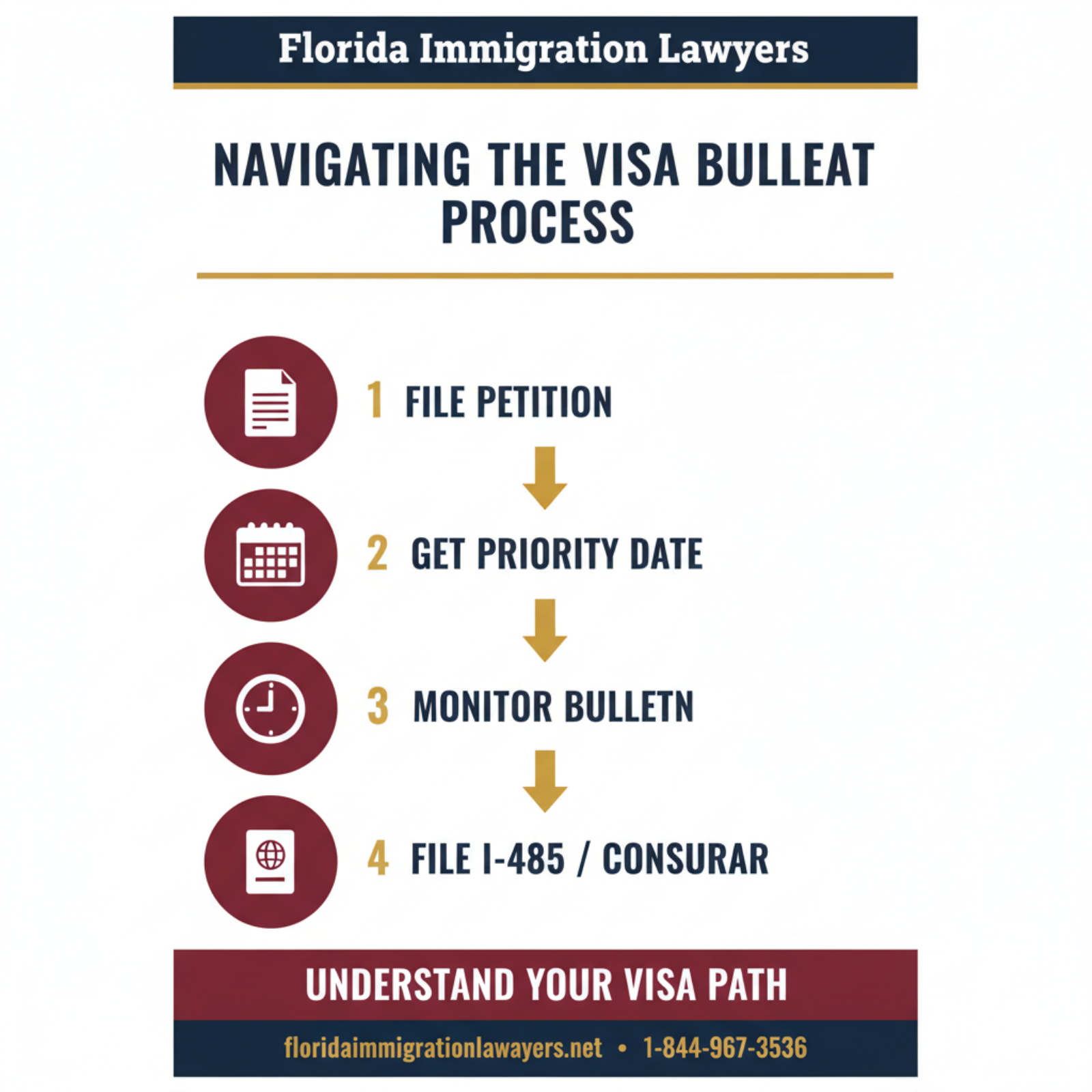
Understanding the Visa Bulletin can be challenging, but a structured approach can simplify the process. Here's a step-by-step guide for Florida applicants looking at the 2026 Visa Bulletin predictions:
-
Determine Your Preference Category and Country of Chargeability: Your immigration petition (Form I-130 for family, Form I-140 for employment) will specify your preference category. Your country of chargeability is generally your country of birth. These two factors are critical for finding your place on the Visa Bulletin charts.
For example, if you are a U.S. citizen's married son or daughter, you fall under the F3 category. If you are a professional with an advanced degree, you might be in the EB-2 category. Knowing this is the first step to tracking your priority dates.
-
Establish Your Priority Date: Your priority date is the date your immigrant visa petition (e.g., Form I-130 or Form I-140) was properly filed with USCIS. This date is usually found on the approval notice (Form I-797) for your petition. This is the date that determines your place in the queue for a visa number.
It is crucial to keep this date secure and easily accessible, as it is the benchmark against which the Visa Bulletin's cutoff dates are compared. Your priority date is the most important factor in determining your eligibility.
-
Monitor the Monthly Visa Bulletin: The U.S. Department of State publishes the Visa Bulletin around the second week of each month. You can find it on the official Travel.State.Gov website. You need to consistently check both the Final Action Dates and Dates for Filing charts for your specific category and country.
Regular monitoring helps you anticipate when your priority date might become current. This proactive approach is vital for planning your next steps in Florida.
-
Understand "Dates for Filing" vs. "Final Action Dates": USCIS determines monthly whether applicants can use the "Dates for Filing" chart or must use the "Final Action Dates" chart for filing an Adjustment of Status (Form I-485) application. This decision is typically announced on the USCIS website here shortly after the Visa Bulletin is released.
Knowing which chart to use impacts when you can submit your application for permanent residency. This can significantly reduce your overall wait times.
-
Prepare Your Application: Once your priority date is current under the appropriate chart, you can proceed with either filing Form I-485 for adjustment of status if you are in the U.S., or consular processing if you are abroad. This involves submitting a comprehensive package of documents and attending interviews.
Timely and accurate preparation is essential to avoid delays. Florida Immigration Lawyers can assist you in preparing a robust application to ensure compliance with all requirements.
-
Consult with an Immigration Attorney: The complexities of the Visa Bulletin and immigration law make professional legal guidance invaluable. An experienced attorney can help you accurately determine your category, understand Visa Bulletin predictions for 2026, and strategize the best course of action for your specific case.
Especially for applicants in Florida facing long wait times or unique circumstances, legal counsel can provide peace of mind and improve your chances of a successful outcome.
Essential Documents for Your Green Card Application
A successful green card application hinges on submitting a complete and accurate set of documents. Missing or incorrect paperwork can lead to significant delays or even denial of your application. Here is a general checklist of documents typically required, which you will need once your priority date becomes current:
- Passport and Travel Documents: Valid passports for all applicants, along with copies of all previous visas and entry/exit stamps.
- Birth Certificates: Original or certified copies of birth certificates for all applicants. These must be translated into English if the originals are in another language.
- Marriage Certificates: If applicable, original or certified copies of marriage certificates, especially for family-sponsored categories like F2A for spouses of permanent residents.
- Divorce Decrees or Death Certificates: If applicable, proof of termination of any prior marriages.
- Approval Notices: The original Form I-797 approval notice for your underlying immigrant petition (Form I-130 or I-140).
- Medical Examination Results: A sealed envelope containing the results of your immigration medical examination, performed by a USCIS-approved civil surgeon in Florida.
- Affidavits of Support (Form I-864): Completed by the petitioner and any joint sponsors, demonstrating sufficient financial resources to support the intending immigrant.
- Financial Documents: Tax returns, W-2s, and employment verification letters for the petitioner and any joint sponsors.
- Police Certificates: From all countries where you have lived for six months or more since age 16.
- Photographs: Recent passport-style photographs meeting USCIS specifications.
- Form I-94, Arrival/Departure Record: If you are adjusting status from within the U.S.
- Proof of Lawful Status: Documents showing your lawful entry and maintenance of status in the U.S.
This list is not exhaustive, and specific requirements can vary based on your individual case, preference category, and country of chargeability. Working with an experienced immigration attorney in St. Petersburg, Florida, can help ensure that your documentation is perfectly prepared, avoiding unnecessary delays due to the Visa Bulletin and processing queues.
Timeline and Processing Expectations for Florida Applicants
Predicting exact timelines for green card processing is challenging due to numerous variables. The Visa Bulletin predictions for 2026 offer insights, but actual processing times depend on several factors, including the specific visa category, country of chargeability, USCIS workload, and policy changes.
Will USCIS speed up in 2026? While USCIS continuously works to improve efficiency, significant speed-ups are difficult to predict. Factors like staffing levels, technological advancements, and the volume of incoming petitions all play a role. Applicants should anticipate that processing times will remain substantial for many categories, especially those with long backlogs.
For family-sponsored visas, categories like F1 (unmarried adult children of U.S. citizens) and F4 (siblings of U.S. citizens) typically experience the longest wait times. Even the F2A category (spouses and minor children of Green Card holders) can have a waiting period, though it is often shorter. How long does it take to get a spouse visa in the US in 2026? For F2A, if your priority date is current, the adjustment of status or consular processing itself can take anywhere from 12 to 24 months, separate from any wait for a visa number to become available.
Employment-based categories (EB-1, EB-2, EB-3) also vary. EB-1 is generally current for most countries, indicating shorter wait times. However, EB-2 and EB-3 for high-demand countries like India and China often face significant backlogs. The Visa Bulletin movements for these categories are closely watched for any forward movement.
What is the processing time for I-130 in 2026? The I-130 petition (Petition for Alien Relative) is the initial step and its processing time depends on the relationship and the specific USCIS service center. These times are independent of the Visa Bulletin and can range from a few months to several years. Once approved, the priority date from the I-130 is used to consult the Visa Bulletin.
Florida-based applicants will have their cases processed by various USCIS Field Offices, such as those in Tampa, Orlando, and Miami, depending on their residence. While these offices strive for efficiency, individual case complexities can always influence timelines. USCIS provides an online processing times tool that offers general estimates, but it is important to remember these are just averages.
Staying informed and prepared is your best strategy. Florida Immigration Lawyers can help you understand the current trends for Visa Bulletin predictions 2026 and provide realistic expectations for your specific case, whether you are in St. Petersburg or elsewhere in Florida.
Cost Factors and Immigration Fee Breakdown
The immigration process involves various costs that applicants should be prepared for. These fees are subject to change, so it's always best to check the official USCIS website for the most current amounts. Understanding these expenses is a crucial part of planning your green card journey, especially when considering the potential wait times dictated by the Visa Bulletin.
The primary costs typically include:
- USCIS Filing Fees: These are fees for various forms, such as the I-130 Petition for Alien Relative, I-140 Immigrant Petition for Alien Worker, and the I-485 Application to Register Permanent Residence or Adjust Status. There are also fees for biometrics services, which are mandatory for most applicants.
- Medical Examination Fees: All green card applicants must undergo a medical examination by a USCIS-approved civil surgeon. The cost of this exam is paid directly to the doctor and can vary.
- Attorney Fees: Retaining an experienced immigration attorney, like those at Florida Immigration Lawyers, is a significant investment that can save you time, stress, and potential pitfalls. Legal fees vary based on the complexity of your case and the services required.
- Translation and Document Procurement Fees: If any of your supporting documents are not in English, they must be translated by a certified translator. Obtaining original or certified copies of birth certificates, marriage licenses, or police records may also incur costs.
- Travel Expenses: For those undergoing consular processing abroad, travel to and from the U.S. consulate for interviews will be an additional expense. Even for adjustment of status within Florida, travel to USCIS offices for biometrics or interviews may be necessary.
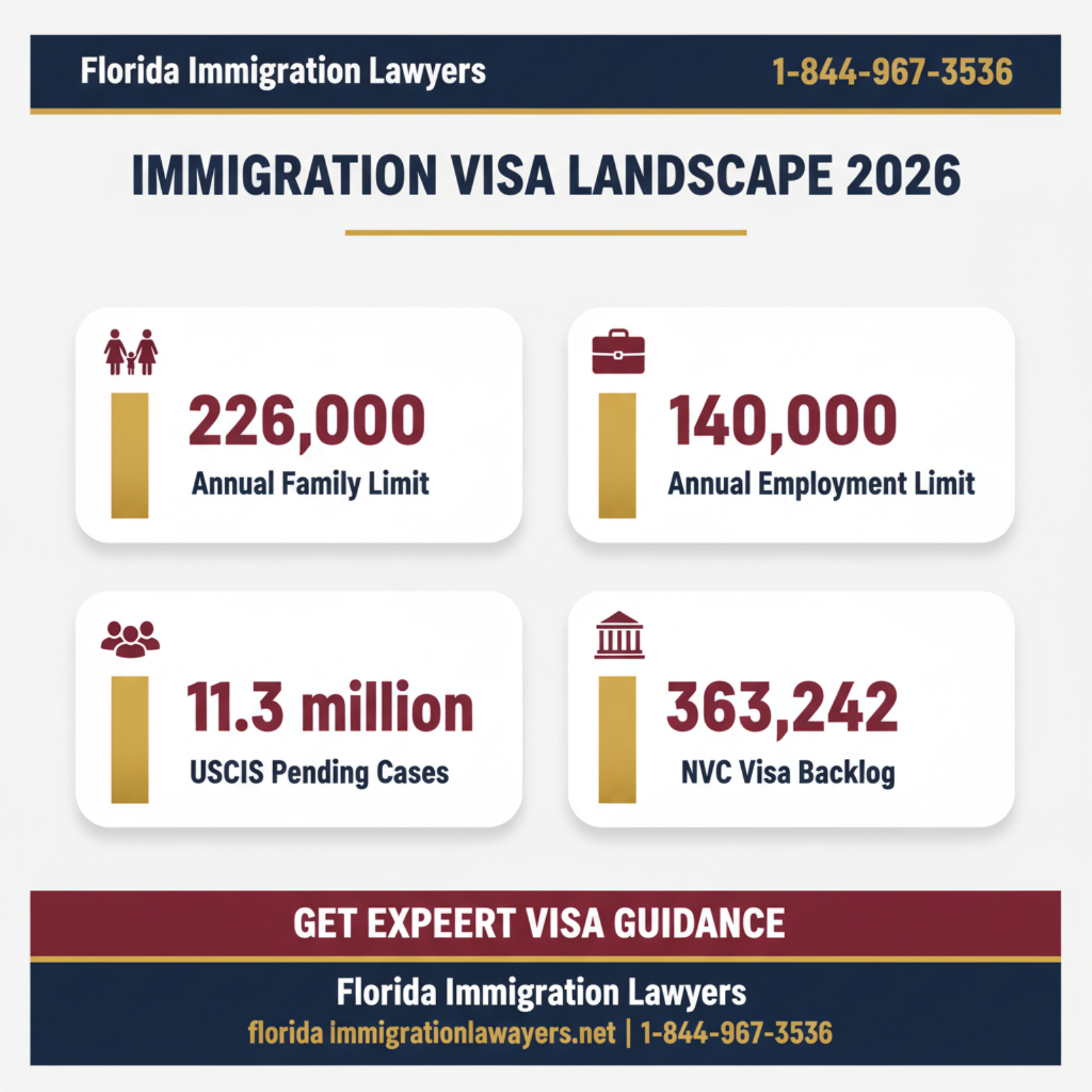
These costs can add up, and it's important to budget accordingly. While Visa Bulletin predictions 2026 do not directly influence fees, they dictate when you will actually incur these costs. A well-planned financial strategy, alongside a clear understanding of your priority date and expected wait times, is essential for a smooth immigration process in Florida.
Do not navigate this process alone. The complexities of immigration law, combined with the fluctuating nature of the Visa Bulletin, demand expert guidance. Contact Florida Immigration Lawyers today for comprehensive support tailored to your unique situation. We are here to help you every step of the way.
Common Mistakes to Avoid in Your Immigration Journey
The immigration process is intricate, and even small errors can lead to significant delays or even denial. For those tracking the Visa Bulletin predictions for 2026 and preparing their applications in Florida, avoiding these common mistakes is crucial:
-
Ignoring the Visa Bulletin: Failing to regularly check the monthly Visa Bulletin can cause you to miss when your priority date becomes current. Missing this window means delays, as you must wait for it to become current again, potentially extending your overall wait times.
-
Incorrectly Determining Your Preference Category or Priority Date: Misidentifying your visa category or miscalculating your priority date can lead to filing under the wrong section or submitting your application too early or too late. This directly impacts your eligibility and can result in rejection.
-
Failing to Maintain Lawful Status in the U.S.: If you are applying for adjustment of status from within Florida, it is critical to maintain a valid nonimmigrant status until your green card is approved. Any lapse in status can render you ineligible for adjustment and potentially lead to deportation proceedings.
-
Submitting Incomplete or Inaccurate Documentation: USCIS requires precise and thorough documentation. Missing forms, unsigned applications, insufficient evidence, or errors in your personal information will result in a Request for Evidence (RFE) or outright denial, significantly prolonging your wait times.
-
Not Updating Contact Information: Moving without notifying USCIS of your new address can lead to missed notices, interview appointments, or RFEs. This can cause your case to be abandoned or denied without your knowledge.
-
Filing Without Legal Advice: Attempting to navigate the complex immigration system, including interpreting the Visa Bulletin, without professional legal guidance is a common and risky mistake. The nuances of law, policy, and procedure are best handled by experienced attorneys.
-
Falling for "Notario" Scams: In Florida and elsewhere, unauthorized individuals (often called "notarios" who are not licensed attorneys) offer legal advice. This is illegal and can have devastating consequences for your case, including fraud accusations and deportation. Always consult with a licensed immigration attorney.
When to Call a Florida Immigration Lawyer
While the Visa Bulletin provides a roadmap, the immigration journey itself is full of potential detours and roadblocks. Knowing when to seek professional legal assistance can be the difference between success and prolonged uncertainty. Florida Immigration Lawyers are here to provide the expert guidance you need, especially for those in St. Petersburg and across Florida.
You should consider contacting us if:
- Your Priority Date is Approaching: As your priority date nears the cutoff date on the Visa Bulletin predictions for 2026, it's time to prepare your application meticulously. We can help ensure all documents are ready and filed correctly and promptly.
- You Have a Complex Case History: If you have previous denials, a history of overstays, criminal records, or other complications, navigating the process alone is extremely risky. Our attorneys specialize in deportation defense and complex immigration matters.
- You Are Confused by the Visa Bulletin or Processing Times: The charts and categories can be overwhelming. We can clarify how the Visa Bulletin applies to your unique situation and provide realistic expectations for your family-based or employment-based case.
- You Face Risk of "Aging Out": If your child is approaching 21 and their immigration eligibility depends on their age, strategic planning is critical to protect their status. The Child Status Protection Act (CSPA) is complex, and legal advice is essential.
- You Need Help with Document Preparation: Ensuring all forms are filled out correctly and all supporting documents are accurate and complete is paramount. We meticulously review and prepare your entire application package.
- You Require Representation at Interviews: Whether at a USCIS field office in Tampa or Orlando, or a U.S. consulate abroad, having an attorney by your side can provide confidence and ensure your rights are protected during interviews.
At Florida Immigration Lawyers, we are committed to providing compassionate and effective legal representation. Our attorneys are well-versed in the latest immigration laws and policies, including the nuances of the Visa Bulletin and its implications for Florida residents. Do not hesitate to secure your future. Contact us for a free consultation.
About Florida Immigration Lawyers
Florida Immigration Lawyers is a leading law firm dedicated to serving the diverse immigration needs of individuals and families throughout Florida. With a deep understanding of U.S. immigration law and a commitment to our clients, we strive to provide exceptional legal representation and compassionate support.
Our experienced attorneys assist clients with a wide range of immigration matters, including family-based visas, employment-based visas, asylum, deportation defense, citizenship, and more. We understand the profound impact immigration decisions have on your life and future.
Why choose Florida Immigration Lawyers? We offer personalized attention, strategic legal advice, and unwavering advocacy. Our team is dedicated to navigating the complexities of the immigration system on your behalf, providing clear communication and transparent processes. We are available 24/7 to answer your questions and offer free consultations to help you understand your options.
Your journey to a new life in Florida is important to us. Let us be your trusted legal partners. Visit our website at https://www.floridaimmigrationlawyers.net or call us anytime at 1-844-967-3536.
Sources and References
- U.S. Department of State - Visa Bulletin
- U.S. Citizenship and Immigration Services (USCIS) - Visa Bulletin Info
- USCIS - Check Case Processing Times
- 8 U.S.C. Chapter 12 - Immigration and Nationality Act (INA)
- 8 U.S.C. § 1153 - Allocation of immigrant visas
- 8 CFR Part 204 - Immigrant Petitions
- 8 CFR Part 245 - Adjustment of Status
This article provides general legal information and is not intended as legal advice. Every case is unique, and outcomes depend on specific facts and circumstances. Contact an attorney for advice about your particular situation.
Understanding the Visa Bulletin predictions for 2026 is a critical step for anyone pursuing a green card in Florida. While the process can be complex and the wait times lengthy, you do not have to face it alone. Our dedicated team at Florida Immigration Lawyers is here to guide you through every stage, offering expert advice and unwavering support.
We are committed to helping you achieve your immigration goals, from interpreting your priority dates to preparing a flawless application. Your journey to permanent residency in Florida begins with informed decisions and strong legal representation. Call Florida Immigration Lawyers today at 1-844-967-3536 for a free consultation. Se Habla Español - Estamos aquí para ayudarle.
Do Not Navigate This Process Alone
Our experienced immigration attorneys are ready to fight for you. Get a free, confidential consultation today.
Se Habla Español
Frequently Asked Questions
Florida Immigration Lawyers
Immigration Attorney | Founder, Vasquez Law Firm
U.S. Air Force veteran and immigration attorney with thousands of cases resolved. J.D., NCCU School of Law. AILA member. Admitted to the 4th, 5th, and 11th Circuit Courts.
Available 24/7 - Free Evaluations
Related Legal Services
Our Florida immigration attorneys can help you with family immigration services, immigration practice areas and free immigration consultation. Call today at 1-844-967-3536 for a free consultation.
Related Links
Related Topics
Free Legal Consultation
Discuss your case with our experienced attorneys. We're available 24/7.
Se Habla Español - Estamos aquí para ayudarle.
Related Articles
Unlawful Presence Waiver: Florida Guide | VLF Florida
Explore the unlawful presence waiver process in Florida, focusing on the I-601A provisional waiver. This guide helps immigrants in Tampa navigate their path to lawful status. For personalized assistance, contact Florida Immigration Lawyers today.
How to Choose an Immigration Lawyer Florida | VLF Florida
Choosing the right immigration lawyer in Florida is crucial for navigating complex immigration laws and procedures. Learn how to select the best lawyer for your needs with our comprehensive guide. Call Florida Immigration Lawyers at 1-844-967-3536 for a free consultation.
2026 Immigration Policy Changes in Florida | VLF Florida
Explore the 2026 immigration policy changes in Florida, focusing on Miami's unique challenges and opportunities. Learn how to navigate the new rules with expert guidance from Florida Immigration Lawyers.
Immigration Rights: Know Your Rights in Florida 2026
Understanding your immigration rights in Florida is essential for all non-citizens. This guide from Florida Immigration Lawyers provides crucial information on what to do during ICE encounters, how to assert your legal rights, and proactive steps to protect your family and future. Learn about your constitutional protections, the importance of legal representation in deportation proceedings, and common mistakes to avoid. Whether you're in Coral Springs or elsewhere in Florida, empower yourself with knowledge. We offer free consultations to help you navigate complex immigration challenges and secure your peace of mind. Contact us today for expert legal guidance.
