Section 221(g) Visa Denial in Florida: What to Know
Facing a Section 221(g) visa denial in Florida can be challenging. This guide explores what this denial means, how to address it, and the steps to take for consular processing. Learn more about overcoming visa challenges in Jacksonville and beyond.
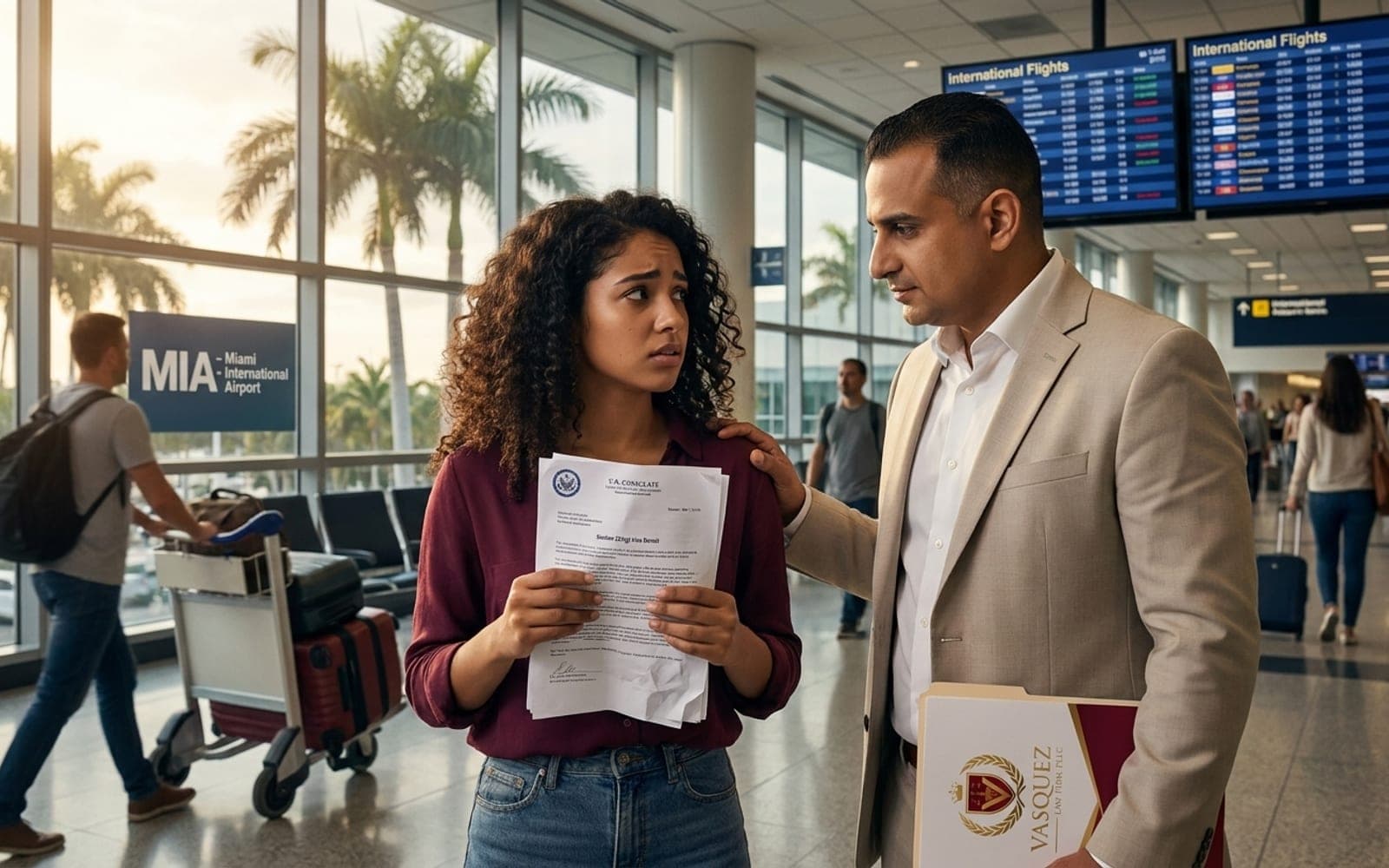
Section 221(g) of the Immigration and Nationality Act is often cited in visa denials due to insufficient documentation or administrative processing needs. If you encounter this in Florida, it means your visa application is on hold until you provide additional documentation or your case undergoes further review. Key takeaways include:
- Visa denial under 221(g) is not final—additional actions are often required.
- Applicants may need to provide more evidence or information.
- Consulting with an immigration attorney can help navigate the process.
Introduction
Visa denials can be a daunting experience, especially when faced with a notice under Section 221(g) of the Immigration and Nationality Act. This often means your application is incomplete or requires further review. For many in Jacksonville, Florida, understanding what this section entails and how to proceed is crucial. This article will guide you through the 221(g) process, consular processing, and practical steps you can take to address a visa denial in Florida.
The uncertainty surrounding a 221(g) notice can be incredibly stressful, impacting travel plans, employment opportunities, and family reunification efforts. It's essential to recognize that while it's a setback, it's rarely a definitive end to your immigration aspirations. Instead, it signals a need for meticulous attention to detail and a strategic approach to providing the consular officer with the information they require.
Navigating the intricacies of U.S. immigration law, particularly when dealing with consular processing, demands a clear understanding of the requirements and potential pitfalls. Whether you are applying for a non-immigrant visa like a tourist or student visa, or an immigrant visa for family-based or employment-based purposes, a 221(g) can arise. This guide aims to demystify the process for Florida residents, offering actionable advice and highlighting when professional legal assistance from Florida Immigration Lawyers can make a significant difference.
Call Florida Immigration Lawyers at 1-844-YO-PELEO for a free consultation.
What is Section 221(g) of the Immigration and Nationality Act?
Section 221(g) of the Immigration and Nationality Act is a common reason for visa denials. It indicates that the consular officer found issues with your application that need resolution before a visa can be issued. This may involve missing documentation or further administrative processing.
As of 2026, understanding the specifics of 221(g) is vital since the denial is not necessarily permanent. It often requires additional steps to resolve the issues presented.
Applicants in Florida, particularly in Jacksonville, should be aware of the common reasons for receiving a 221(g) notice, such as insufficient evidence of intent to return to your home country, incomplete forms, or needing additional administrative checks.
Essentially, a 221(g) notice serves as a request for more information or a notification that your case requires further internal review by the U.S. Department of State or other government agencies. Consular officers are tasked with ensuring that all visa applicants meet the strict eligibility criteria for the visa category they are seeking and that they do not pose any security risks. This provision empowers them to put an application on hold until these concerns are fully addressed.
Administrative processing, often a component of a 221(g) denial, involves various background checks and inter-agency consultations that are beyond the scope of a standard visa interview. For instance, a visa applicant with a common name might trigger additional identity verification, or an applicant from certain sensitive fields of study or employment might undergo technology alerts or security advisory opinions. These processes are critical for national security and can significantly extend the overall processing time.
Common Scenarios Leading to 221(g) Notices
- Missing documents or incomplete information on forms.
- Additional evidence required to prove eligibility for the visa category.
- Concerns about the applicant's ties to their home country.
Understanding these scenarios can help you prepare better for your visa application interview.
Steps to Take After Receiving a 221(g) Notice
If you receive a 221(g) notice, your visa is not outright denied but pending further action. Here are steps you should take:
- Review the Notice: Carefully read the notice to understand what specific documents or actions are required.
- Gather Required Documents: Collect any missing documents or additional evidence requested by the consulate.
- Submit Documents Promptly: Submit the required documents as soon as possible to avoid delays.
- Follow Up: Regularly check the status of your application through the consulate’s channels.
- Consult with an Attorney: If you're unsure about the requirements, consult with an immigration attorney for guidance.
When reviewing the notice, pay close attention to any specific instructions regarding document format, translation requirements, and submission methods. Some consulates prefer electronic submissions through a dedicated portal, while others might require physical mail or even an in-person drop-off. Misinterpreting these instructions can lead to further delays, so clarity is paramount. If the notice is unclear, seeking immediate clarification is advisable.
Gathering documents can be a meticulous process. For example, if the consulate requests proof of strong ties to your home country, you might need to provide property deeds, employment verification letters, bank statements, and affidavits from family members. Each document must be authentic and present a consistent narrative supporting your application. Ensure all foreign language documents are accompanied by certified English translations, as specified by the consulate.
Prompt submission is critical. Most 221(g) notices come with a deadline, often within a year, after which your application may be considered abandoned. Submitting documents well before this deadline demonstrates diligence and can expedite processing. After submission, keep detailed records of what you sent, when, and how. Regular follow-ups through the consulate's online status checker or designated inquiry channels are important, but avoid excessive contact which can sometimes be counterproductive. If the process becomes overwhelming or confusing, don't hesitate to reach out to Florida Immigration Lawyers at 1-844-YO-PELEO for assistance.
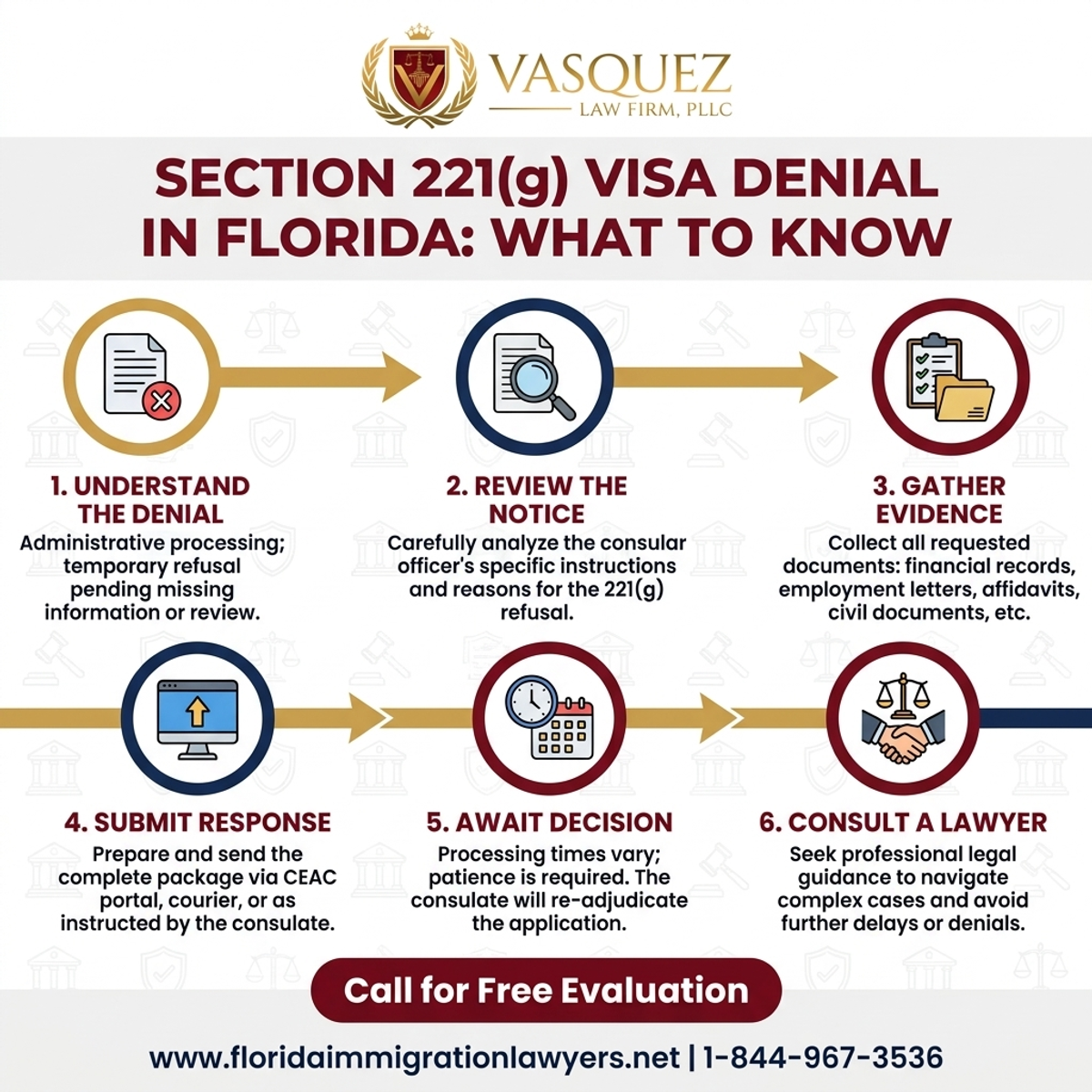
Step-by-Step Process — Section 221(g) Visa Denial in Florida: What to Know
Addressing a 221(g) notice efficiently can significantly impact the outcome and timing of your visa application.
Document Checklist for Overcoming 221(g) Denials
- Passport and previous visa copies
- Original and translated documents as required
- Proof of ties to your home country
- Financial records or affidavits
Make sure all documents are updated and meet consulate requirements. This may include notarizations or certified translations.
When providing proof of ties to your home country, consider a comprehensive approach. This could include property deeds, lease agreements, marriage certificates, birth certificates of dependents, letters from employers confirming your job security upon return, enrollment verification from educational institutions, and even letters from community or religious organizations attesting to your involvement. The goal is to paint a clear picture of your strong roots outside the U.S., demonstrating your intent to return after your temporary visit or stay.
For financial records, consistency and clarity are key. This might involve recent bank statements, tax returns, pay stubs, and investment portfolio summaries. If a sponsor is supporting your application, their financial documents, along with an Affidavit of Support (Form I-134 or I-864, depending on the visa type), will be crucial. Ensure that the funds shown are sufficient to cover your expenses during your stay and that the source of funds is clearly legitimate.
Beyond the specific documents requested, always double-check the consulate's website for any country-specific or visa-specific requirements regarding document presentation. This includes whether documents need to be original or copies, if they must be apostilled or notarized, and the exact format for translations. A minor oversight in document preparation can lead to further delays, so meticulous attention to detail is paramount. When in doubt, consulting with Florida Immigration Lawyers can ensure your submission is complete and compliant.
Timeline for Processing a 221(g) Case
| Stage | Typical Timeframe | Notes |
|---|---|---|
| Document Submission | 1-2 weeks | Varies by consulate and case complexity |
| Administrative Processing | 60-120 days | Depends on the nature of required checks |
| Final Decision | 1-2 weeks after completion | Notification via email or mail |
Processing times can vary significantly. It is crucial to respond quickly to any requests from the consulate to avoid unnecessary delays.
The "Administrative Processing" stage is often the most unpredictable and can be a source of considerable anxiety. This period involves various inter-agency checks, security clearances, and sometimes even consultations with other U.S. government departments. Factors such as the applicant's nationality, field of study or employment, travel history, and any past interactions with law enforcement can all influence how long these checks take. While 60-120 days is a typical range, some complex cases, particularly those involving sensitive technologies or specific countries, can extend to several months or even over a year.
Managing expectations during this waiting period is vital. It's generally not advisable to make irreversible travel plans until your visa is issued. While regular status checks are recommended, excessive inquiries to the consulate may not expedite the process and can sometimes be counterproductive. Patience, coupled with proactive engagement if new information is requested, is the best approach. If your case remains in administrative processing for an unusually long time without clear communication, engaging an experienced attorney from Florida Immigration Lawyers can help you explore options for inquiry or intervention.
A key factor impacting the timeline is the efficiency of your initial response. Any delay in submitting requested documents, or if the submitted documents are still incomplete or incorrect, will reset or prolong the processing clock. Therefore, dedicating ample time and resources to ensure your supplementary submission is flawless is a wise investment. Remember, the goal is to provide the consular officer with all necessary information to make a positive decision without further queries.
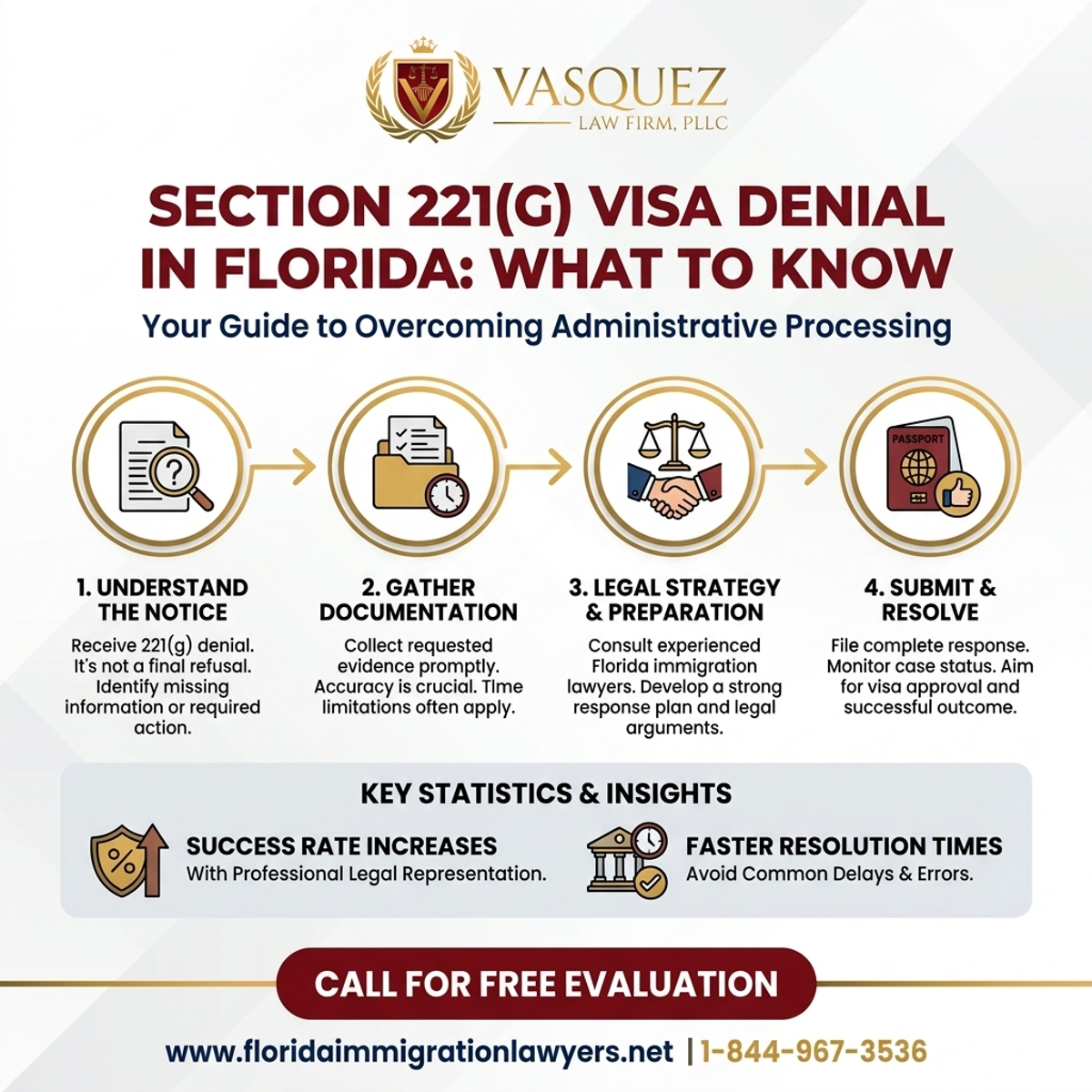
Key Statistics — Section 221(g) Visa Denial in Florida: What to Know
Cost Factors and Fee Breakdown for Visa Applications
| Item | Typical Fee | Notes |
|---|---|---|
| Application Fee | Variable | Depends on the visa type |
| Document Translation | Variable | Depends on document length and complexity |
| Attorney Fees | Variable | Depends on case complexity and services required |
Visa application costs can accumulate, especially if additional documentation or legal assistance is required.
The visa application fee, often referred to as the Machine Readable Visa (MRV) fee, is generally non-refundable, even if your visa is ultimately denied. This fee varies by visa category and is paid directly to the U.S. Department of State. It covers the administrative costs of processing your application. Be sure to check the exact fee for your specific visa type on the U.S. embassy or consulate website where you are applying, as fees can change and are often country-specific.
Document translation costs can become significant, particularly if you have many documents in a foreign language. Certified translations are usually required, meaning they must be performed by a professional translator and accompanied by a statement attesting to the accuracy of the translation and the translator's competency. The cost is typically calculated per page or per word and can range widely depending on the language pair and the urgency of the service. Always budget for these essential services to ensure compliance.
Attorney fees for navigating a 221(g) denial can vary based on the complexity of your case, the amount of time required, and the specific services provided. Some attorneys offer flat fees for certain services, such as reviewing the 221(g) notice and advising on document submission, while others charge hourly rates for more extensive representation, including drafting legal arguments or communicating with the consulate on your behalf. While an added expense, the expertise of Florida Immigration Lawyers can often prevent costly mistakes and expedite a favorable outcome, making it a valuable investment in your immigration journey.
Do not navigate this process alone. Contact Florida Immigration Lawyers today.
Common Mistakes to Avoid
- Ignoring the 221(g) Notice: Failure to act promptly can lead to delays or denials.
- Submitting Incomplete Documents: Incomplete submissions can prolong processing times.
- Not Consulting an Attorney: Legal advice can be crucial in understanding complex immigration requirements.
- Missing Deadlines: Late submissions can negatively impact your case.
- Providing Inconsistent Information: Inconsistencies can raise red flags and lead to further scrutiny.
- Failing to Follow Up: Regular follow-ups with the consulate can prevent miscommunication.
- Overlooking Local Immigration Guidelines: Specific Florida guidelines may affect your application process.
Ignoring a 221(g) notice is perhaps the most critical error. These notices almost always come with a deadline, often one year, to submit the requested information. Failing to respond within this timeframe can lead to your application being considered abandoned and subsequently denied, requiring you to start the entire process over and pay new fees. Always treat a 221(g) notice as an urgent request for action.
Submitting incomplete or incorrect documents, even after receiving a 221(g), is another common pitfall. This often results in further requests for information, extending the administrative processing period unnecessarily. Before submitting, meticulously cross-reference every item on the request list and ensure each document is accurate, properly translated, and formatted according to consular guidelines. A second pair of eyes, especially from a legal professional, can be invaluable here.
Furthermore, providing inconsistent information, whether intentionally or unintentionally, across different forms or during interviews can severely jeopardize your application. Any discrepancies can lead consular officers to doubt your credibility or intent, potentially resulting in a more serious refusal under Section 212(a)(6)(C)(i) for misrepresentation, which carries long-term bars to future immigration. Always be truthful and ensure all information presented is consistent. If you encounter any challenges in ensuring consistency or understanding complex legal requirements, Florida Immigration Lawyers are ready to assist you at 1-844-YO-PELEO.
When to Call a Lawyer
Consider consulting with an immigration lawyer if you receive a 221(g) notice and are unsure about the required documents or procedures. Legal assistance is recommended in the following scenarios:
- You face complex document requirements.
- You have previously been denied a visa under Section 221(g).
- Your case involves sensitive or complex matters requiring specialized knowledge.
Complex document requirements often involve proving eligibility for specialized visa categories, demonstrating extraordinary ability, or navigating intricate financial structures. An attorney can help you understand exactly what evidence is needed, how to present it effectively, and ensure all submissions meet the strict legal standards. For instance, if you're asked to prove non-immigrant intent for a business visa, an attorney can guide you on compiling compelling evidence of ties to Florida and your home country.
If you've previously faced a 221(g) denial, or any visa denial, a lawyer can review your past application, identify the underlying issues, and strategize a more robust approach for your current submission. They can help address any lingering concerns the consulate might have and present your case in the most favorable light. This is particularly crucial if the previous denial involved questions about your eligibility, intent, or past immigration history.
Moreover, cases involving sensitive matters such as prior criminal history, past immigration violations, or security concerns absolutely warrant legal intervention. An experienced immigration attorney understands the nuances of these situations and can advise on potential waivers, prepare detailed legal arguments, and communicate directly with the consulate on your behalf. Proactive legal counsel from Florida Immigration Lawyers can significantly improve your chances of overcoming these challenges and securing your visa.
Florida Immigration Lawyers can provide guidance and representation to help you navigate these challenges effectively.
About Florida Immigration Lawyers
Florida Immigration Lawyers is a dedicated law firm serving clients throughout Florida. Our experienced attorneys focus on all aspects of immigration law, including consular processing, deportation defense, and family immigration. We offer personalized legal services to ensure the strongest possible outcomes for our clients.
Phone: 1-844-YO-PELEO
Website: Vasquez Law Firm
Available 24/7, free consultations, serving all of Florida.
Sources and References
- U.S. Citizenship and Immigration Services (USCIS)
- Executive Office for Immigration Review (EOIR)
- U.S. Department of State - Bureau of Consular Affairs
- Immigration and Nationality Act (INA), 8 U.S.C. Chapter 12
Do Not Navigate This Process Alone
Our experienced immigration attorneys are ready to fight for you. Get a free, confidential case review today.
Se Habla Español
Or leave your details and we’ll call you:
Free Evaluation in 24 Hours
Or talk to us right now

AI voice assistant — available 24/7
FreeFrequently Asked Questions

William J. Vásquez
Founding Attorney · Vasquez Law Firm
U.S. Air Force veteran and immigration attorney with years of hands-on U.S. immigration experience. J.D., NCCU School of Law. AILA member. Admitted to the 4th, 5th, and 11th Circuit Courts.
Available 24/7 - Free Evaluations
Reviewed for legal accuracy by William J. Vásquez
Licensed in North Carolina; U.S. immigration is federal practice.
Related Legal Services
Our Florida immigration attorneys can help you with family immigration services, immigration lawyer cost in Florida and experienced immigration attorneys. Call today at 1-844-YO-PELEO for a free case review.
Related Links
Related Topics
Free Legal Case Review
Discuss your case with our experienced attorneys. We're available 24/7.
Se Habla Español - Estamos aquí para ayudarle.
Related Articles
Certificate of Eligibility for Expungement in Florida 2026
For non-U.S. citizens in Florida, understanding how a state expungement impacts immigration status is critical. A certificate of eligibility for expungement in Florida allows a criminal record to be sealed or expunged under state law. However, federal immigration agencies often disregard such state-level relief, still considering the original criminal offense as a conviction for immigration purposes. This can have severe implications for visa applications, green card eligibility, naturalization, and even lead to deportation. This guide clarifies the Florida expungement process, its limited effect on federal immigration law, and key steps to protect your status in 2026. Learn about common mistakes, required documents, timelines, and when to seek expert legal counsel from Florida Immigration Lawyers to navigate these complex issues effectively.
Immigration Lawyer Orlando Free Consultation in Florida
For individuals and families in Orlando, Florida, navigating the complexities of U.S. immigration law requires expert guidance. An immigration lawyer in Orlando offers crucial support for everything from visa applications and green card processes to naturalization and deportation defense. This comprehensive guide details what a free consultation covers, providing a step-by-step overview of immigration pathways, essential document checklists, and expected timelines in 2026. We also highlight common mistakes to avoid, discuss the critical role of legal counsel in deportation and asylum cases, and explain why choosing a local Orlando immigration attorney is beneficial. Florida Immigration Lawyers is dedicated to serving the diverse community of Orlando with compassionate, effective legal solutions, ensuring you receive personalized advice and robust representation for a successful immigration journey.
Naturalization Ceremony Locations and Schedule 2026 Florida
For those in Florida aspiring to U.S. citizenship, understanding the naturalization process, including ceremony locations and schedules for 2026, is essential. This guide from Florida Immigration Lawyers details the N-400 application, eligibility requirements, and typical timelines. We cover the step-by-step journey, from initial filing and biometrics to the naturalization interview and the final Oath of Allegiance ceremony held across Florida's USCIS field offices, including Orlando, Miami, Tampa, and Jacksonville. Learn about critical documents, potential costs, and common mistakes to avoid. Our firm emphasizes the importance of accurate applications and offers expert legal assistance for complex cases, ensuring a smoother path to becoming a U.S. citizen. Get a free case review today.
Green Card Renewal Process in Florida: 2026 Guide
Renewing your green card in Florida is a vital process for maintaining your lawful permanent resident status. This comprehensive 2026 guide from Florida Immigration Lawyers breaks down the Form I-90 application, covering eligibility, step-by-step instructions, necessary documents, typical costs, and current processing timelines. We explain who needs to renew, what to expect at your biometrics appointment, and Florida-specific considerations for permanent residents. Learn how to avoid common mistakes that can delay your application and understand when professional legal assistance is crucial. Our expert attorneys are here to provide free case reviews and guide you through every stage, ensuring a smooth and secure renewal of your permanent resident card.