Immigration Scams Protection Florida: Your 2026 Guide
Protecting yourself from immigration scams and notario fraud in Florida is essential for a safe immigration journey. This guide details common scam tactics, from fake "notarios" to government impersonation, and offers a step-by-step plan to verify credentials, avoid signing blank forms, and secure legitimate legal help. Learn how to identify red flags and understand the critical difference between legal fees and fraudulent charges. We cover essential document checklists and the various channels for reporting fraud to authorities like USCIS and the Florida Attorney General's Office. Discover common mistakes to avoid and when to seek the indispensable expertise of a qualified immigration lawyer, especially in complex cases or if you suspect you've been a victim. Florida Immigration Lawyers serves all of Florida, including Kissimmee, offering free consultations to protect your rights and guide you through the process.

Immigration scams in Florida frequently target individuals seeking legal status. These schemes, including "notario fraud," involve unauthorized individuals offering fraudulent services for a fee. Protection requires verifying credentials, knowing your rights, and reporting suspicious activities. Legitimate legal help from qualified attorneys is crucial for navigating the complex immigration system safely.
- Verify credentials of anyone offering immigration advice.
- Never sign blank forms or pay cash without receipts.
- Understand the difference between a lawyer and a "notario."
- Report suspected immigration scams to authorities.
- Consult Florida Immigration Lawyers for trusted legal guidance.
Imagine receiving a call or an email promising a fast-track to a green card or citizenship. Such offers often sound too good to be true, and unfortunately, they typically are. Immigration scams are a pervasive threat, preying on the hopes of individuals and families across Florida, including our vibrant community in Kissimmee.
These fraudulent schemes can cost victims not only their hard-earned money but also jeopardize their immigration future. Understanding how to identify, avoid, and report these scams is vital for your safety and success. This comprehensive guide will equip you with the knowledge needed to protect yourself and your loved ones from notario fraud and other deceptive practices in 2026.
We will delve into common scam tactics, provide a step-by-step protection plan, and explain when to seek professional legal assistance. Do not let fear or misinformation jeopardize your immigration journey. Call Florida Immigration Lawyers at 1-844-967-3536 for a free consultation and ensure you receive trustworthy guidance.
Understanding Immigration Scams and Notario Fraud in Florida
Florida's diverse population, including many new arrivals and long-term residents, unfortunately makes it a prime target for immigration scams. These deceptive practices exploit the complexities of immigration law and the vulnerability of individuals seeking to build a better life. Scammers often pose as legitimate legal professionals, offering services they are not qualified to provide.
A particularly insidious form of fraud is notario fraud. In many Latin American countries, a "notario público" is a highly trained legal professional, similar to an attorney. However, in the United States, a "notary public" is simply someone authorized to witness signatures, with no legal authority to provide immigration advice or services.
Scammers exploit this cultural misunderstanding to defraud immigrants in areas like Kissimmee and beyond. They may charge exorbitant fees for simple tasks or submit incorrect applications, leading to delays, denials, or even deportation. Florida has strengthened laws to combat this, aiming to protect residents from such exploitation.
It is crucial to understand that only licensed attorneys or accredited representatives can provide legal immigration advice. Protecting yourself from immigration scams starts with knowing who you can trust. For trusted advice on any immigration matter, explore our comprehensive services at Florida Immigration Lawyers.
Identifying Common Immigration Scams: What to Watch For in 2026
Staying informed about prevalent scam tactics is your first line of defense against immigration scams. Scammers constantly evolve their methods, but certain red flags remain consistent. Be vigilant for any offer that seems too good to be true or pressures you into quick decisions.
Here are some common types of immigration scams you might encounter in Florida:
- "Notario" or Immigration Consultant Fraud: Individuals posing as "notarios" or "immigration consultants" without being licensed attorneys. They may offer cheap or fast immigration services, preying on cultural misunderstandings.
- Guaranteed Results: No legitimate attorney can guarantee the outcome of an immigration case. The process involves government agencies and legal standards that are beyond anyone's absolute control. Be wary of anyone promising a guaranteed visa or green card.
- Government Impersonation Scams: Scammers pose as USCIS, ICE, or other government officials. They demand immediate payment via wire transfer, gift cards, or cryptocurrency, often threatening arrest or deportation. Legitimate agencies never demand payment in these forms or threaten you over the phone.
- Fake Websites and Phishing: Fraudulent websites mimic official government sites (like USCIS.gov) to steal personal information. Emails designed to phish for data are also common. Always double-check URLs and be cautious about clicking suspicious links.
- Marriage or Employment Fraud: Schemes promising a green card through a fake marriage or a non-existent job. Participating in such fraud can lead to severe legal consequences, including deportation and criminal charges, as outlined in 8 U.S.C. § 1325.
- Exploitation of Asylum Seekers: Individuals or groups prey on asylum seekers, charging exorbitant fees for basic forms or promising expedited asylum without any legal basis. This is a cruel form of immigration scams targeting extremely vulnerable populations. Learn more about protecting your rights by visiting our page on Asylum Law.
Recognizing these warning signs can help you avoid becoming a victim. Always verify information with official sources and consult with a trusted legal professional.
Step-by-Step Guide to Protecting Yourself from Immigration Scams
Protecting yourself from immigration scams requires diligence and informed action. By following these steps, you can significantly reduce your risk of falling victim to fraud in Florida.
- Verify Credentials: Always ask for proof of licensure. In the U.S., only licensed attorneys or accredited representatives recognized by the Department of Justice can provide legal immigration advice. Verify an attorney's license with the Florida Bar or check accredited representatives on the Department of Justice website.
- Do Not Sign Blank Forms: Never sign any immigration forms that are blank or incomplete. You must understand everything you are signing. Always request a copy of all documents you sign and submit.
- Get Everything in Writing: Insist on a written contract or retainer agreement clearly outlining services, fees, and payment terms. Avoid cash-only transactions without a detailed receipt.
- Keep Original Documents Safe: Never give original documents (passports, birth certificates) to anyone. Provide copies only. Legitimate attorneys will only need to review your originals, not keep them.
- Seek Second Opinions: If something feels off, or you have doubts about the advice you are receiving, seek a second opinion. Another qualified immigration attorney can provide crucial peace of mind and confirm legitimacy.
- Understand the Process: Educate yourself about the general immigration process relevant to your case. While complex, a basic understanding helps you spot inconsistencies or unrealistic promises.
- Report Suspicious Activity: If you suspect fraud, report it immediately to the appropriate authorities. Your report can protect others from falling victim to the same scam. We will cover reporting channels in detail later.
- Consult a Qualified Attorney: The safest way to navigate the immigration system is with an experienced attorney. They provide accurate advice, prepare applications correctly, and represent you effectively. Consider contacting Florida Immigration Lawyers for the legal help you need.
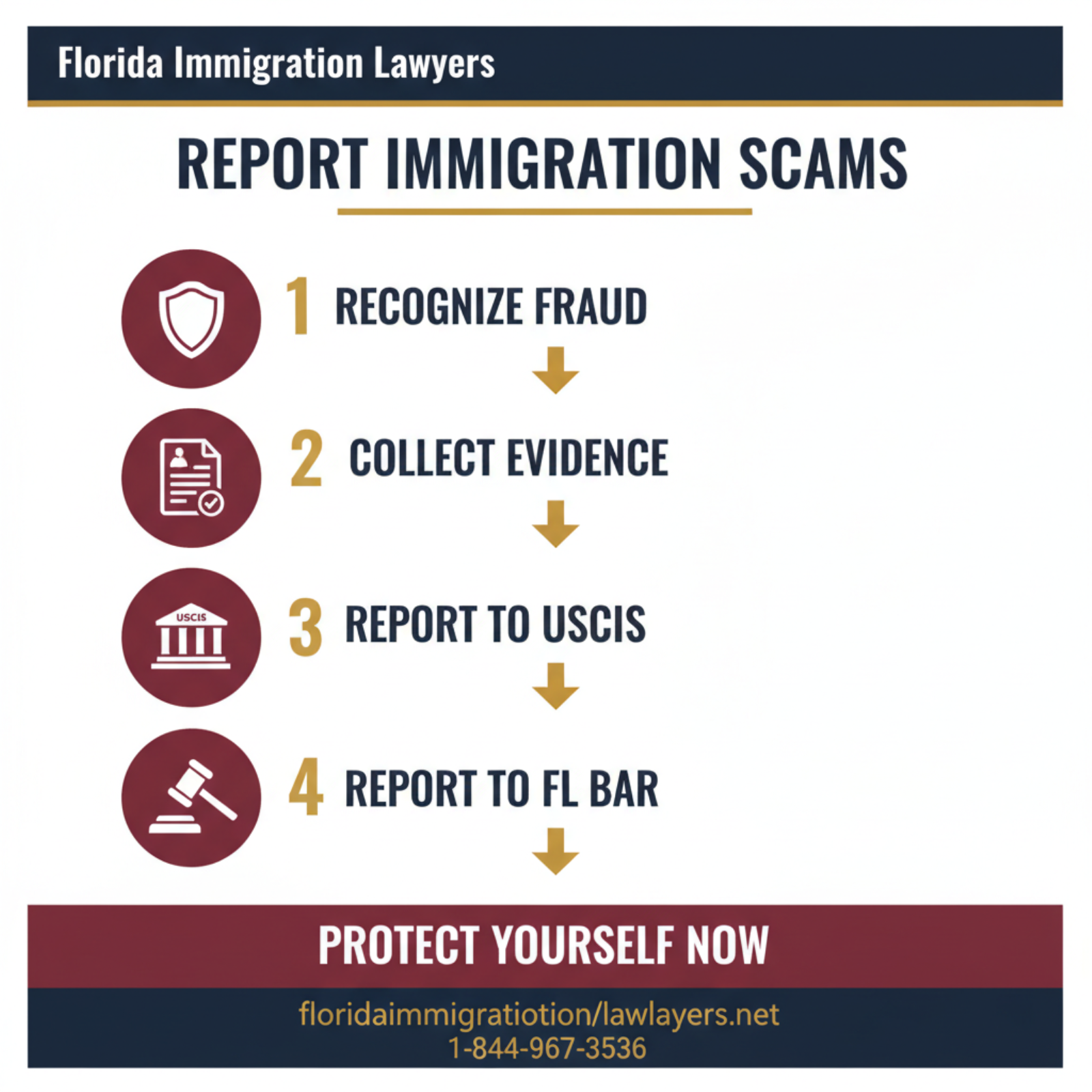
Taking these proactive measures is essential for a secure and successful immigration journey.
Essential Document Checklist for Legitimate Immigration Processes
Engaging in any legitimate immigration process requires a precise set of documents. Scammers often ask for unusual or unnecessary paperwork, or they might mishandle your crucial records. Understanding typical document requirements helps distinguish legitimate requests from fraudulent ones.
While specific document lists vary based on the type of visa or immigration benefit, here is a general checklist. Always consult with your attorney for a list tailored to your specific case.
- Proof of Identity and Nationality: Valid passport, birth certificate, national ID card.
- Marriage and Family Documents: Marriage certificates, divorce decrees, birth certificates of children, adoption papers (if applicable).
- Financial Documents: Bank statements, tax returns, employment letters, affidavits of support (Form I-864).
- Educational and Professional Records: Diplomas, transcripts, professional licenses, employment history.
- Police and Court Records: Criminal history checks, arrest records, court dispositions (even for minor offenses).
- Medical Records: Results of required medical examinations, vaccination records.
- Photographs: Passport-style photographs meeting USCIS specifications.
- Application Forms: Correctly filled-out USCIS forms (e.g., I-130, I-485, N-400).
- Translations: Any document not in English must be accompanied by a certified English translation.
Always provide copies of these documents unless USCIS specifically requests originals for review. A reputable attorney will guide you through gathering and organizing these materials, ensuring your application is complete and accurate. They will never ask you to surrender your original vital records permanently.
Navigating Reporting Channels: When and How to Report Immigration Fraud
If you suspect or have been a victim of immigration scams or notario fraud in Florida, reporting it is a critical step. Your action can prevent others from being harmed and help bring fraudsters to justice. There are several avenues for reporting, depending on the nature of the scam.
Knowing where and how to report can be confusing, but it is essential for effective action. Here are the primary channels to consider:
- U.S. Citizenship and Immigration Services (USCIS): USCIS encourages the public to report fraud via their online tip form or by mail. They investigate fraud related to immigration benefits. For more information, visit the official USCIS website.
- Federal Bureau of Investigation (FBI): For serious criminal fraud, including identity theft or large-scale schemes, contact your local FBI field office. You can also submit a tip online.
- Federal Trade Commission (FTC): The FTC collects complaints about various scams, including those targeting immigrants. You can file a complaint at reportfraud.ftc.gov.
- Executive Office for Immigration Review (EOIR) Fraud and Abuse Prevention Program: This program addresses fraud committed by immigration attorneys or accredited representatives. Contact them if you believe an authorized legal professional has engaged in misconduct. Find details on the Department of Justice website.
- Florida Attorney General's Office: For consumer fraud within Florida, including deceptive practices by "notarios," file a complaint with the Florida Attorney General.
- Local Law Enforcement: If you feel immediate danger or have been a victim of a crime, contact your local police department in Kissimmee or your specific Florida locality.
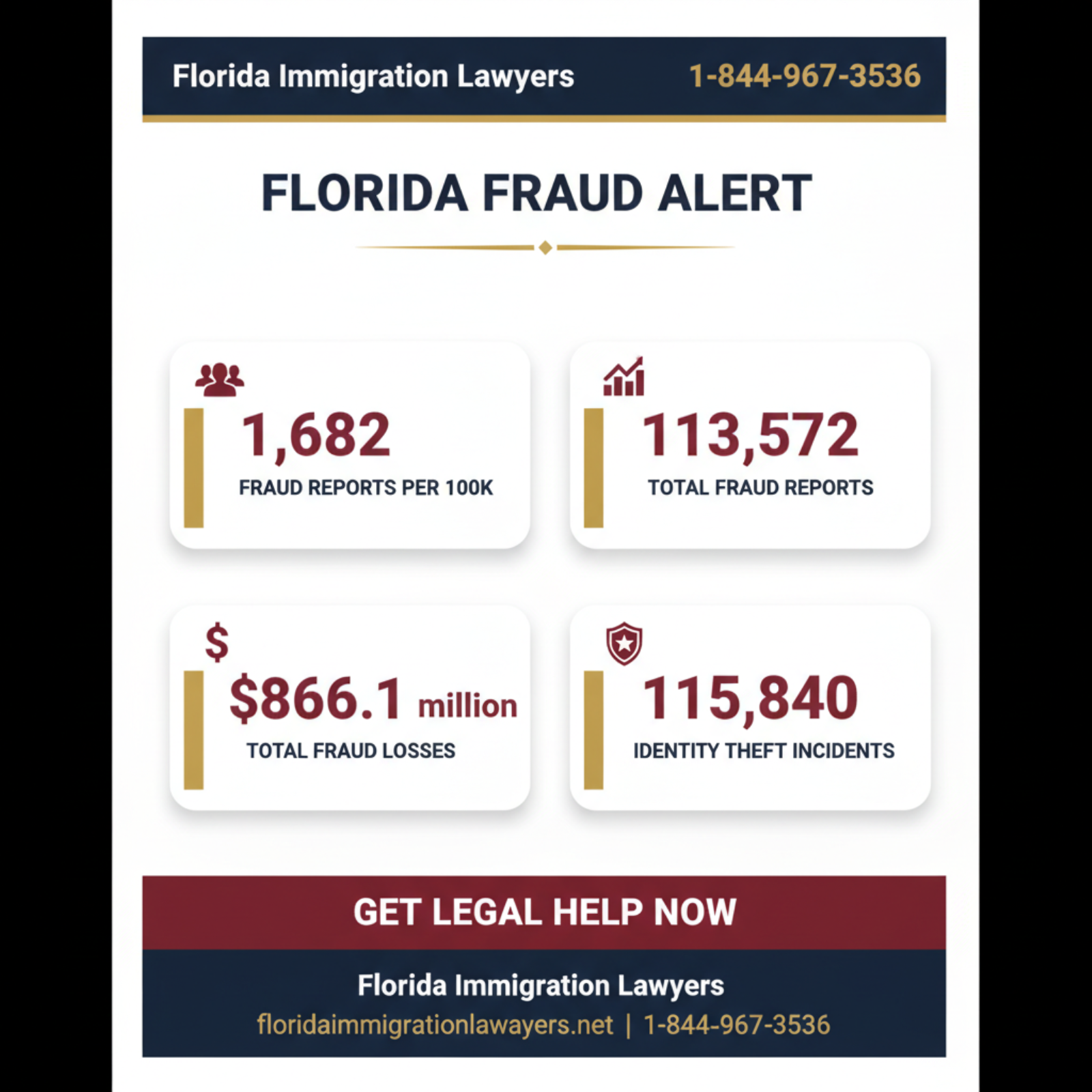
When reporting, provide as much detail as possible, including names, dates, locations, and copies of any documents or communications. While investigations can take time, your report contributes to a safer environment for all immigrants.
Understanding the Costs: Legal Fees vs. Scam Pitfalls
Navigating the financial aspects of immigration can be daunting, and this is an area where immigration scams often thrive. Scammers promise cheap, fast solutions, but these ultimately lead to greater financial loss and potential legal jeopardy. Understanding the typical cost factors for legitimate legal services is crucial.
Legitimate legal fees for immigration services vary widely depending on case complexity, attorney's experience, and services required. These fees are transparent and typically outlined in a written retainer agreement.
- Consultation Fees: Many attorneys charge an initial consultation fee, though Florida Immigration Lawyers offers a free consultation.
- Flat Fees: Common for specific immigration applications (e.g., visa petitions, green card applications, citizenship applications). This fixed fee covers all legal work for that particular service.
- Hourly Rates: Often used for more complex cases, such as deportation defense, appeals, or cases requiring extensive legal research and court appearances.
- Retainer Agreements: An upfront payment held in a trust account, from which attorneys bill against their hourly rate.
It is important to remember that legal fees are separate from government filing fees. USCIS and other agencies charge fees for processing applications and petitions. Your attorney should clearly distinguish between their legal fees and these government fees. Investing in legitimate legal representation is an investment in your future and protection against financial ruin from fraud.
Do not navigate this complex and critical process alone. The stakes are too high to risk falling victim to immigration scams or making costly mistakes. Contact Florida Immigration Lawyers today to ensure your immigration journey is handled with professionalism, integrity, and expert legal guidance. We are here to protect your rights and help you achieve your goals.
Common Mistakes to Avoid When Dealing with Immigration Matters
Avoiding critical missteps is as important as taking the right actions when dealing with immigration matters in Florida. Many of these mistakes are directly exploited by those running immigration scams.
- Trusting Unauthorized "Notarios" or Consultants: This is perhaps the most dangerous mistake. Only licensed attorneys or accredited representatives can provide legal advice. "Notarios" in the U.S. are not lawyers and can severely damage your case.
- Signing Blank or Incomplete Forms: Never sign anything you haven't thoroughly reviewed and understood. Scammers often use this tactic to submit false information without your knowledge.
- Paying Cash Without a Receipt: Always demand a detailed, written receipt for any payment made. Lack of documentation makes it impossible to prove payments or services rendered if a dispute arises.
- Lying or Providing False Information on Applications: Any misrepresentation on immigration forms can lead to severe penalties, including denial of benefits, deportation, and even criminal charges, under statutes like 8 U.S.C. § 1325 (False Statements).
- Ignoring Deadlines or Requests for Evidence (RFEs): Missing deadlines or failing to respond to USCIS requests can result in automatic denials or delays. Scammers might intentionally miss these to prolong their fraudulent scheme.
- Failing to Keep Copies of All Documents: Maintain a complete file of every document submitted and received, including applications, receipts, and correspondence. This record is invaluable for your case.
- Falling for "Guaranteed" Approvals or Expedited Processing: No one can guarantee an immigration outcome or promise significantly faster processing outside of official channels. These are classic red flags of immigration scams.
- Not Disclosing Past Criminal History: Even minor offenses can have significant immigration consequences. Always be honest with your attorney, who can advise you on how to properly address these issues.
- Attempting to Navigate Complex Cases Alone: While some simple applications might be manageable, complex cases like deportation defense or asylum claims require expert legal knowledge. Trying to handle these without an attorney can lead to irreversible negative outcomes. For critical situations, specialized legal help in deportation defense is essential.
- Assuming Immigration Laws Are Static: Immigration laws and policies are constantly changing. Relying on outdated information or advice from non-experts can lead to serious errors.
By being aware of these common pitfalls, you can better protect your immigration future and avoid becoming a victim of notario fraud or other deceptive practices.
When to Call a Florida Immigration Lawyer
While this guide provides valuable information for protecting yourself from immigration scams, the expertise of a qualified Florida immigration lawyer is often indispensable. Knowing when to seek professional legal help can be the difference between success and failure in your immigration journey.
You should strongly consider contacting Florida Immigration Lawyers if:
- You Suspect Fraud or Have Been Scammed: If you believe you have encountered an immigration scam or have been a victim of notario fraud, an attorney can help you understand your options, report the incident, and assess any damage to your immigration case.
- Your Case is Complex: This includes situations involving previous deportations, criminal history, complex family relationships, or unique visa categories. An attorney can navigate these intricacies effectively.
- You Are Facing Deportation or Removal Proceedings: This is a critical situation where immediate legal representation is vital. An attorney can build a strong defense and fight for your right to remain in the U.S.
- You Need Assistance with Asylum or Refugee Claims: These cases are highly sensitive and require thorough documentation and persuasive arguments, which an experienced lawyer can provide.
- You Are Applying for Family-Based Visas: While seemingly straightforward, family immigration can involve many hurdles. An attorney ensures proper petitioning and documentation. Explore our dedicated services for family immigration.
- You Have Received a Request for Evidence (RFE) or Notice of Intent to Deny (NOID): These indicate that USCIS requires more information or intends to deny your application. An attorney can help you respond effectively, preventing potential denials.
- You Are Applying for U.S. Citizenship: The naturalization process, while common, still benefits from legal review to ensure eligibility and proper application. Learn more about citizenship requirements.
Do not wait until a problem escalates. Proactive legal consultation can save you time, money, and stress. Our firm serves clients throughout Florida, including Kissimmee, offering the dedicated legal help you deserve. Contact us today to discuss your specific needs.
About Florida Immigration Lawyers
Florida Immigration Lawyers is a leading law firm dedicated to providing exceptional legal representation to immigrants across Florida. With offices serving Kissimmee and surrounding communities, our experienced attorneys understand the unique challenges and opportunities within the state's diverse immigrant population. We are committed to protecting your rights and helping you achieve your American dream.
Our comprehensive range of services includes family-based immigration, business immigration, deportation defense, asylum, citizenship, and protection against immigration scams and notario fraud. We pride ourselves on offering compassionate, client-focused legal solutions tailored to your individual circumstances.
When you choose Florida Immigration Lawyers, you gain a partner committed to integrity, professionalism, and favorable outcomes. We are available 24/7 to address your urgent concerns and offer free consultations to discuss your case. Call us at 1-844-967-3536 or visit our website at https://www.floridaimmigrationlawyers.net to learn how we can help you.
Frequently Asked Questions (FAQ) about Immigration Scams
Navigating the immigration system can raise many questions, especially concerning potential fraud. Here are answers to some common questions about immigration scams and how to respond.
What do you do when an immigration agent scams you?
If you suspect an individual posing as an immigration agent has scammed you, immediately gather all documentation related to the interaction. This includes receipts, communications, and forms. Report the incident to USCIS, the FBI, and the Florida Attorney General's Office. Crucially, consult a legitimate immigration attorney. They can assess the damage to your case, advise on corrective actions, and help you report the fraud effectively. Do not attempt to fix the situation yourself, as you could inadvertently cause further harm.
Who do you report scams to in Florida?
In Florida, you can report immigration scams to several entities. For fraud related to immigration benefits, contact USCIS directly through their online tip form. For broader consumer fraud, including "notario" scams, file a complaint with the Florida Attorney General's Office and the Federal Trade Commission (FTC). If you believe a licensed attorney or accredited representative has committed misconduct, report it to the Executive Office for Immigration Review (EOIR) Fraud and Abuse Prevention Program. For criminal fraud, contact the FBI or local law enforcement in Kissimmee or your area.
Can you anonymously report someone to immigration online?
Yes, most federal agencies, including USCIS, allow for anonymous reporting of fraud and abuse through their online tip forms. While providing your contact information can sometimes aid in investigations, it is not always required. However, be aware that anonymous reports may be harder to investigate fully without additional details or follow-up. Always prioritize your safety and consult with an attorney about the best way to proceed.
What is "immigration telefraud"?
Immigration telefraud refers to scams conducted over the phone. These typically involve fraudsters impersonating government officials (like USCIS or ICE agents) and threatening immediate arrest, deportation, or other severe penalties if the victim doesn't make an immediate payment via gift cards, wire transfers, or cryptocurrency. Legitimate government agencies will never demand payment in this manner or threaten you over the phone. Hang up immediately and report the call.
Sources and References
- U.S. Citizenship and Immigration Services (USCIS)
- Executive Office for Immigration Review (EOIR)
- Federal Trade Commission (FTC) - Report Fraud
- 8 U.S.C. Chapter 12 - Immigration and Nationality Act (INA)
- 8 U.S.C. § 1325 - Improper Entry by Alien
- 8 CFR - Code of Federal Regulations, Title 8 (Aliens and Nationality)
This article provides general legal information and is not intended as legal advice. Every case is unique, and outcomes depend on specific facts and circumstances. Contact an attorney for advice about your particular situation.
Do not let the fear of immigration scams or the complexity of the law deter you from pursuing your immigration goals. Florida Immigration Lawyers is here to provide the expert legal guidance and unwavering support you need. Protect your future, your family, and your peace of mind. Call us today for a free consultation at 1-844-967-3536. Se Habla Español - Estamos aquí para ayudarle.
Do Not Navigate This Process Alone
Our experienced immigration attorneys are ready to fight for you. Get a free, confidential consultation today.
Se Habla Español
Frequently Asked Questions
Florida Immigration Lawyers
Immigration Attorney | Founder, Vasquez Law Firm
U.S. Air Force veteran and immigration attorney with thousands of cases resolved. J.D., NCCU School of Law. AILA member. Admitted to the 4th, 5th, and 11th Circuit Courts.
Available 24/7 - Free Evaluations
Related Legal Services
Our Florida immigration attorneys can help you with asylum protection, deportation defense and citizenship and naturalization. Call today at 1-844-967-3536 for a free consultation.
Related Links
Related Topics
Free Legal Consultation
Discuss your case with our experienced attorneys. We're available 24/7.
Se Habla Español - Estamos aquí para ayudarle.
Related Articles
Stokes Interview: Navigating Marriage Fraud in Florida
A Stokes interview is a specialized, separate interview conducted by USCIS when there are suspicions of marriage fraud in a green card application. This rigorous process involves individual questioning of spouses, focusing on inconsistencies in their testimonies to determine the authenticity of their marital bond. For couples in Florida, navigating this high-stakes interview requires meticulous preparation, extensive documentation, and often the strategic guidance of an experienced immigration lawyer. Understanding the process, preparing for detailed questions, and presenting a strong case are crucial for overcoming marriage fraud allegations and securing your immigration future. Florida Immigration Lawyers stands ready to assist you.
Immigration Attorney Gainesville: North Florida Legal Help
For those in Gainesville, Alachua County, and throughout North Florida, navigating U.S. immigration law requires expert guidance. An experienced immigration attorney can simplify complex processes, from family-based petitions and employment visas to critical asylum claims and deportation defense. This comprehensive guide outlines the essential services provided by an immigration attorney, details necessary documentation, clarifies processing timelines, and discusses associated costs. We also highlight common mistakes to avoid and crucial scenarios where legal counsel is indispensable. Florida Immigration Lawyers serves all of Florida, including Gainesville and St. Petersburg, providing dedicated legal support to help you achieve your immigration goals. Contact us for a free consultation to discuss your specific needs.
Military Naturalization Expedited at Florida Bases
Explore expedited military naturalization processes for service members at Florida bases like MacDill. Learn about eligibility, steps, and common mistakes. Contact Florida Immigration Lawyers for a free consultation.
Protect Yourself from Immigration Scams in Florida
Learn how to protect against immigration scams in Florida, focusing on St. Petersburg. This guide covers identifying scams, verifying credentials, and getting legal help. Call Florida Immigration Lawyers at 1-844-967-3536 for assistance.
