Florida Immigration News 2026: Comprehensive Guide
Navigate Florida's evolving immigration landscape in 2026 with our comprehensive guide. Get updates on policy changes, USCIS procedures, visa pathways, and how experienced Florida Immigration Lawyers can assist you. For legal support, contact Florida Immigration Lawyers at 1-844-YO-PELEO.
Florida Immigration News 2026: Comprehensive Guide for Immigrants & Families
As 2026 approaches, the immigration landscape in Florida continues to evolve, presenting both opportunities and challenges for individuals and families seeking to live, work, or find refuge in the Sunshine State. Staying informed about the latest policy changes, USCIS updates, and legal pathways is paramount for anyone navigating the complex U.S. immigration system. This comprehensive guide aims to provide essential insights into what immigrants need to know about Florida immigration in 2026, offering clarity and highlighting the critical role of experienced legal counsel.
Florida, with its diverse population and strategic geographic location, is often at the forefront of immigration discussions. Federal and state policies can significantly impact daily lives, application processes, and the rights of immigrants. Understanding these shifts is not just about compliance; it's about securing your future and making informed decisions. From family-based petitions to employment visas, and from asylum claims to deportation defense, every aspect requires careful attention and often, professional guidance. Our goal is to empower you with the knowledge to confidently approach your immigration journey in 2026.
Key Immigration Policy Changes Expected in Florida 2026
The year 2026 is anticipated to bring a series of significant policy discussions and potential changes that could profoundly affect immigrants in Florida. These changes often stem from a combination of federal legislative efforts, executive actions, and state-level initiatives. Keeping abreast of these developments is crucial for planning your immigration strategy.
State-Level Immigration Initiatives and Enforcement
Florida has historically been active in enacting its own immigration-related legislation, and 2026 may see further state-level initiatives. These could include stricter enforcement measures, changes to state-provided services for undocumented immigrants, or new requirements for businesses regarding employee verification. For instance, discussions around E-Verify mandates or restrictions on certain licenses for non-citizens could gain traction. It's vital to remember that state laws operate within the framework of federal immigration law, but they can still create a challenging environment for certain populations. Understanding the nuances of Florida's specific legislative landscape is a key component of navigating your status effectively. Consulting with a Florida immigration attorney can help you understand how these state-specific laws might impact your particular situation.
Federal Immigration Policy Shifts and Their Impact on Florida
Beyond state actions, federal immigration policy will undoubtedly continue to evolve. Potential changes could arise from new presidential administrations, congressional legislative pushes, or judicial rulings. Areas to watch include border security measures, reforms to the asylum system, adjustments to visa programs, and potential shifts in enforcement priorities by agencies like Immigration and Customs Enforcement (ICE) and Customs and Border Protection (CBP). These federal changes directly influence who can enter the U.S., how long they can stay, and the pathways available for legal residency. For instance, any changes to the Public Charge rule or expansions/contractions of humanitarian parole programs will have direct implications for Florida's diverse immigrant communities. Official updates are typically found on uscis.gov, which serves as the primary source for federal immigration policy announcements.
USCIS Updates and Processing Times Affecting Florida Residents
The U.S. Citizenship and Immigration Services (USCIS) is the federal agency responsible for processing most immigration benefits. Updates from USCIS, particularly regarding processing times and application backlogs, are critical for anyone with an pending case. Florida residents, like immigrants nationwide, are directly impacted by these operational realities.
Navigating Visa Bulletin Projections and Priority Dates
For many family-sponsored and employment-based immigration categories, the Visa Bulletin published by the U.S. Department of State dictates when an immigrant visa becomes available. In 2026, projections for various categories could shift, impacting priority dates and the waiting times for green cards. Understanding the Visa Bulletin is essential for applicants whose petitions are subject to numerical limitations. It provides a monthly update on cutoff dates, indicating when beneficiaries can move forward with their applications. Monitoring these projections on travel.state.gov is crucial for strategic planning, especially for those in oversubscribed categories. An experienced attorney can help interpret the bulletin and advise on the best course of action based on current trends.
Addressing Application Backlogs and Expedited Processing
USCIS continues to face significant application backlogs across various forms, including I-485 (Adjustment of Status), I-130 (Petition for Alien Relative), and N-400 (Application for Naturalization). These backlogs can lead to extended waiting periods, causing anxiety and uncertainty for applicants. USCIS provides tools on its website to check average processing times for different forms and service centers, which can be found at uscis.gov/processing-times. While most cases must await their turn, certain circumstances may qualify for expedited processing. These typically involve severe financial loss, urgent humanitarian reasons, or compelling U.S. government interests. Presenting a strong case for expedition requires careful documentation and adherence to specific guidelines, often necessitating legal assistance.
Navigating Specific Immigration Pathways in Florida
Florida's diverse economy and vibrant communities attract immigrants through various legal pathways. Understanding the requirements and challenges of each path is crucial for a successful immigration journey in 2026. Whether you are reuniting with family, seeking employment, or fleeing persecution, specific legal avenues are available, each with its own complexities.
Family-Based Immigration: Sponsoring Relatives in Florida
Family reunification remains a cornerstone of U.S. immigration policy. U.S. citizens and lawful permanent residents (green card holders) can petition for certain eligible relatives to come to or remain in the United States. This pathway is divided into immediate relatives (spouses, unmarried children under 21, and parents of U.S. citizens) who do not have to wait for a visa number, and preference categories (other family members) who are subject to annual numerical limits and often long waiting lists. The process typically involves filing Form I-130, Petition for Alien Relative, followed by either adjustment of status within the U.S. or consular processing abroad. The requirements for petitioners and beneficiaries, including financial sponsorship and proof of relationship, are stringent. For detailed guidance on navigating this critical process, visit our immigration practice area page.
Employment-Based Visas and Opportunities in the Sunshine State
Florida's robust economy, particularly in tourism, agriculture, healthcare, and technology, offers numerous opportunities for foreign workers. Employment-based visas are categorized into several preferences (EB-1, EB-2, EB-3, etc.), each with specific requirements regarding skills, education, and employer sponsorship. Common non-immigrant work visas include H-1B for specialty occupations, L-1 for intracompany transferees, and O-1 for individuals with extraordinary ability. Many employment-based green card categories require a PERM labor certification, a complex process designed to protect U.S. workers. Securing an employment-based visa or green card often involves extensive documentation and a close collaboration between the foreign national, the sponsoring employer, and an immigration attorney. Discover more about how we can assist with your employment-based immigration needs on our immigration services page.
Seeking Asylum and Refugee Status in Florida
Florida has historically been a destination for individuals seeking protection from persecution. Asylum is available to those already in the U.S. or at a port of entry who fear persecution in their home country based on race, religion, nationality, political opinion, or membership in a particular social group. Refugee status is for individuals outside the U.S. who meet similar criteria. The asylum process can be complex, involving either an affirmative application with USCIS or a defensive application before an immigration judge if already in removal proceedings. Demonstrating a well-founded fear of persecution requires compelling evidence and often powerful testimony. Due to the high stakes and intricate legal standards, professional legal representation is highly recommended for asylum seekers. Learn more about how we can help with asylum claims by visiting our asylum practice area page.
Deportation Defense and Immigration Court Proceedings
Facing deportation (removal) proceedings can be one of the most stressful experiences for an immigrant. Common reasons for deportation include visa overstays, criminal convictions, or violations of immigration law. If you receive a Notice to Appear (NTA), it is critical to seek legal counsel immediately. Immigration court proceedings are adversarial, and navigating them without an attorney significantly reduces your chances of a favorable outcome. Various forms of relief from removal may be available, such as cancellation of removal, waivers of inadmissibility, or asylum. Understanding your rights and the available defenses is paramount. The Executive Office for Immigration Review (EOIR), part of the U.S. Department of Justice, oversees immigration courts; information can be found at justice.gov/eoir. Our firm focuses on protecting the rights of individuals in removal proceedings. Explore our dedicated deportation defense practice area for more information.
The Role of Florida Immigration Lawyers in 2026
Given the dynamic and often unpredictable nature of immigration law, the expertise of a qualified Florida immigration lawyer is more critical than ever in 2026. An attorney can provide invaluable guidance, ensuring compliance with evolving regulations and protecting your rights throughout the process.
Immigration lawyers offer a range of services, from initial consultations to full representation in complex cases. They can help you understand your eligibility for various visas and benefits, prepare and file accurate applications, respond to Requests for Evidence (RFEs) from USCIS, and represent you in interviews or court proceedings. In a landscape where a single mistake can lead to significant delays or even denial, having an advocate who understands the intricacies of both federal and state immigration laws is indispensable. They can help you avoid common pitfalls, navigate bureaucratic hurdles, and present the strongest possible case. Our team of dedicated attorneys is committed to providing compassionate and effective legal solutions for immigrants in Florida.
Furthermore, an attorney acts as a crucial buffer against misinformation and scams. Unfortunately, many individuals fall victim to unauthorized practitioners or fraudulent services. A licensed attorney provides reliable, ethical advice based on current law. We encourage anyone with immigration questions to seek a professional legal opinion. You can easily contact us for a consultation to discuss your specific needs and how we can assist you in 2026.
Preparing for Your Immigration Journey: Essential Steps
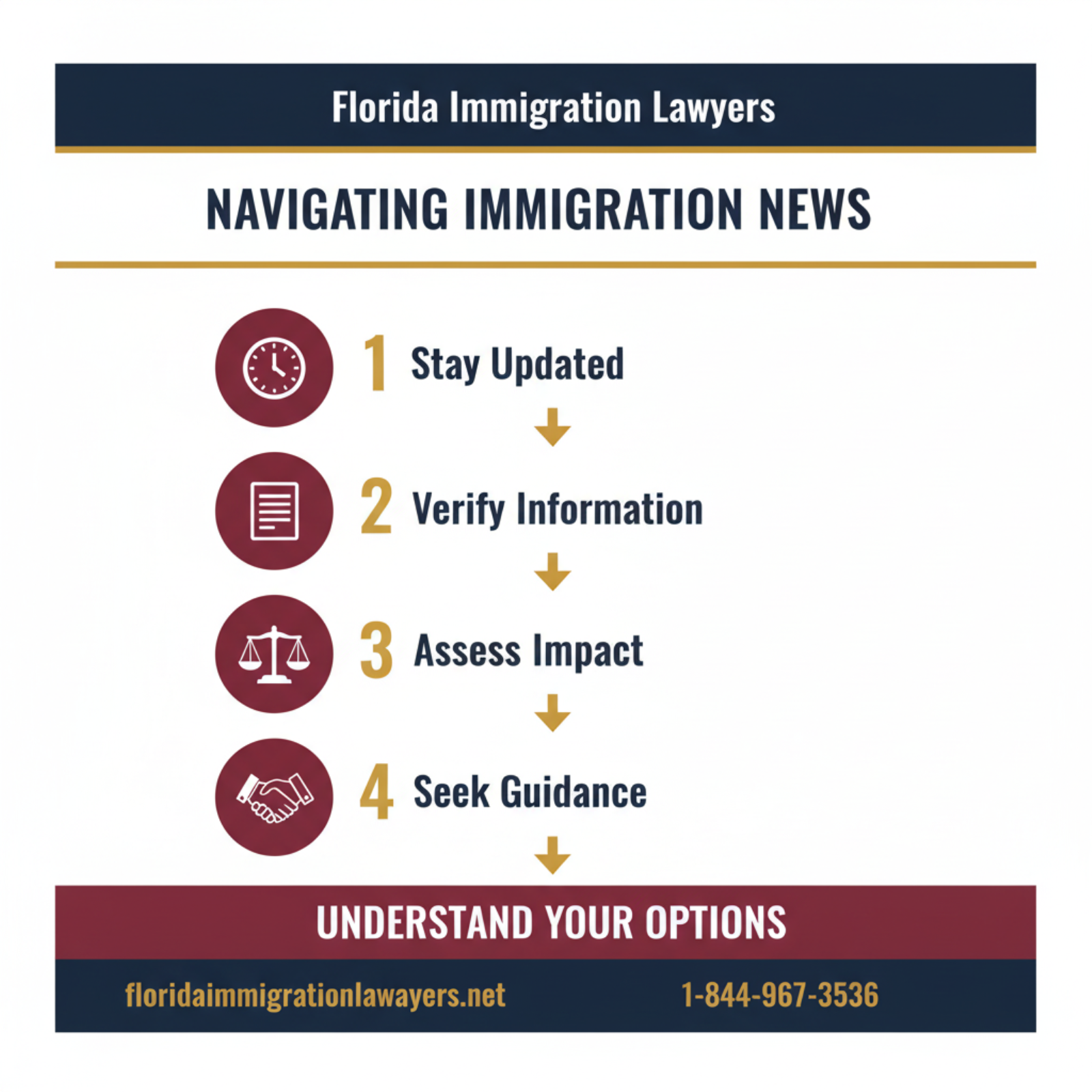
Proactive preparation is key to a smoother immigration process. Regardless of your specific pathway, taking certain foundational steps can significantly improve your chances of success and reduce stress.
Gathering Essential Documentation
Immigration applications are heavily reliant on comprehensive and accurate documentation. Begin by gathering all vital records, including birth certificates, marriage certificates, divorce decrees, passports, national identity cards, educational transcripts, employment records, and financial statements. Ensure all foreign documents are accompanied by certified English translations. It's also wise to collect any evidence supporting your claims, such as photos for family petitions, letters of recommendation for employment visas, or detailed declarations for asylum cases. Organizing these documents early can save considerable time and prevent delays down the line. Keep originals safe and provide copies unless specifically requested otherwise by USCIS or the court.
Seeking Professional Legal Consultation
One of the most critical steps you can take is to consult with an experienced immigration attorney early in your process. A lawyer can assess your unique situation, identify potential challenges, and recommend the most suitable immigration pathway. They can also help you understand the legal requirements, potential timelines, and costs involved. An initial consultation provides an opportunity to ask questions, clarify doubts, and develop a strategic plan tailored to your goals. This proactive engagement ensures that you are well-informed and well-prepared before submitting any applications or making significant decisions. Don't hesitate to reach out to our firm for legal advice.
Resources and Support for Immigrants in Florida
Beyond legal representation, a network of resources and support systems is available to immigrants in Florida. These resources can provide assistance with integration, language acquisition, employment services, and community engagement, helping new arrivals and long-term residents thrive.
Community organizations across Florida offer various services, from legal aid clinics to cultural integration programs. While we recommend professional legal counsel for complex cases, these organizations can provide valuable initial guidance and support. Additionally, official government websites like uscis.gov and travel.state.gov offer a wealth of information, forms, and updates directly from the source. It's also important to seek mental health support if the immigration process becomes overwhelming. Many non-profits and community centers offer culturally sensitive counseling services. Leveraging these resources can significantly ease the transition and settlement process for immigrants and their families in Florida.
Conclusion
Navigating the complexities of immigration in Florida for 2026 requires diligence, accurate information, and often, legal guidance. By staying informed about policy changes, understanding USCIS procedures, and seeking professional assistance, immigrants can confidently pursue their goals. Remember, you don't have to face this journey alone. Our dedicated team is here to support you every step of the way.
Do Not Navigate This Process Alone
Our experienced immigration attorneys are ready to fight for you. Get a free, confidential case review today.
Se Habla Español
Or leave your details and we’ll call you:
Free Evaluation in 24 Hours
Or talk to us right now

AI voice assistant — available 24/7
FreeFrequently Asked Questions

William J. Vásquez
Founding Attorney · Vasquez Law Firm
U.S. Air Force veteran and immigration attorney with years of hands-on U.S. immigration experience. J.D., NCCU School of Law. AILA member. Admitted to the 4th, 5th, and 11th Circuit Courts.
Available 24/7 - Free Evaluations
Reviewed for legal accuracy by William J. Vásquez
Licensed in North Carolina; U.S. immigration is federal practice.
Related Legal Services
Our Florida immigration attorneys can help you with business immigration, deportation defense and family immigration services. Call today at 1-844-YO-PELEO for a free case review.
Related Links
Related Topics
Free Legal Case Review
Discuss your case with our experienced attorneys. We're available 24/7.
Se Habla Español - Estamos aquí para ayudarle.
Related Articles
EB-5 Investor Green Card in Florida: A 2026 Guide
Explore how to obtain an EB-5 investor green card in Florida. Learn about the investment requirements, processes, and benefits of participating in this program. Discover how Florida's economic landscape can be an ideal setting for your investment. Contact Florida Immigration Lawyers for a free case review.
Certificate of Eligibility for Expungement in Florida 2026
For non-U.S. citizens in Florida, understanding how a state expungement impacts immigration status is critical. A certificate of eligibility for expungement in Florida allows a criminal record to be sealed or expunged under state law. However, federal immigration agencies often disregard such state-level relief, still considering the original criminal offense as a conviction for immigration purposes. This can have severe implications for visa applications, green card eligibility, naturalization, and even lead to deportation. This guide clarifies the Florida expungement process, its limited effect on federal immigration law, and key steps to protect your status in 2026. Learn about common mistakes, required documents, timelines, and when to seek expert legal counsel from Florida Immigration Lawyers to navigate these complex issues effectively.
Immigration Lawyer Orlando Free Consultation in Florida
For individuals and families in Orlando, Florida, navigating the complexities of U.S. immigration law requires expert guidance. An immigration lawyer in Orlando offers crucial support for everything from visa applications and green card processes to naturalization and deportation defense. This comprehensive guide details what a free consultation covers, providing a step-by-step overview of immigration pathways, essential document checklists, and expected timelines in 2026. We also highlight common mistakes to avoid, discuss the critical role of legal counsel in deportation and asylum cases, and explain why choosing a local Orlando immigration attorney is beneficial. Florida Immigration Lawyers is dedicated to serving the diverse community of Orlando with compassionate, effective legal solutions, ensuring you receive personalized advice and robust representation for a successful immigration journey.
Immigration Interview Preparation Florida 2026 Guide
Facing an immigration interview in Florida? This comprehensive guide offers essential 2026 USCIS interview tips for green card and naturalization applicants. Learn how to meticulously prepare your documents, understand the typical timelines, and avoid common mistakes that could jeopardize your case. We cover what to expect at the Orlando USCIS Field Office, provide a detailed document checklist, and explain the various costs involved in the process. With insights into naturalization specifics and when to seek legal counsel, Florida Immigration Lawyers helps you approach your interview with confidence. Our firm is dedicated to empowering immigrants across Florida with the knowledge and support needed for a successful outcome. Get a free case review today.