Noticias de Inmigración en Florida 2026: Guía Completa
Navega por el cambiante panorama de la inmigración en Florida en 2026 con nuestra guía completa. Obtén actualizaciones sobre cambios en políticas, procedimientos de USCIS, rutas de visas y cómo los abogados de inmigración en Florida pueden asistirte. Para apoyo legal, contacta a los abogados de inmigración en Florida al 1-844-YO-PELEO.
Noticias de Inmigración de Florida 2026: Guía Completa para Inmigrantes y Familias
Con la llegada del 2026, el panorama de la inmigración en Florida sigue evolucionando, presentando tanto oportunidades como desafíos para individuos y familias que buscan vivir, trabajar o encontrar refugio en el Estado del Sol. Mantenerse informado sobre los últimos cambios en políticas, actualizaciones del USCIS y vías legales es fundamental para cualquiera que navegue por el complejo sistema de inmigración de EE. UU. Esta guía completa tiene como objetivo proporcionar información esencial sobre lo que los inmigrantes necesitan saber acerca de la inmigración en Florida en 2026, ofreciendo claridad y destacando el papel crítico de la orientación legal.
Florida, con su población diversa y ubicación geográfica estratégica, a menudo se encuentra en la vanguardia de las discusiones sobre inmigración. Las políticas federales y estatales pueden impactar significativamente la vida cotidiana, los procesos de solicitud y los derechos de los inmigrantes. Comprender estos cambios no se trata solo de cumplimiento; se trata de asegurar tu futuro y tomar decisiones informadas. Desde peticiones familiares hasta visas de trabajo, y desde solicitudes de asilo hasta defensa contra la deportación, cada aspecto requiere atención cuidadosa y, a menudo, orientación profesional. Nuestro objetivo es empoderarte con el conocimiento para que enfrentes tu viaje de inmigración en 2026 con confianza.
Cambios Clave en Políticas de Inmigración Esperados en Florida 2026
Se anticipa que el año 2026 traerá una serie de discusiones y cambios de políticas significativas que podrían afectar profundamente a los inmigrantes en Florida. Estos cambios a menudo provienen de una combinación de esfuerzos legislativos federales, acciones ejecutivas e iniciativas a nivel estatal. Estar al tanto de estos desarrollos es crucial para planificar tu estrategia de inmigración.
Iniciativas de Inmigración a Nivel Estatal y Aplicación de la Ley
Florida históricamente ha sido activa en la promulgación de su propia legislación relacionada con la inmigración, y es posible que en 2026 veamos más iniciativas a nivel estatal. Estas podrían incluir medidas de aplicación más estrictas, cambios en los servicios estatales proporcionados a inmigrantes indocumentados, o nuevos requisitos para las empresas en cuanto a la verificación de empleados. Por ejemplo, las discusiones en torno a los mandatos de E-Verify o restricciones sobre ciertas licencias para no ciudadanos podrían ganar impulso. Es vital recordar que las leyes estatales operan dentro del marco de la ley de inmigración federal, pero aún pueden crear un entorno desafiante para ciertas poblaciones. Comprender las particularidades del paisaje legislativo específico de Florida es un componente clave para navegar tu estatus de manera efectiva. Consultar con un abogado de inmigración en Florida puede ayudarte a entender cómo estas leyes específicas del estado podrían afectar tu situación particular.
Cambios en Política de Inmigración Federal y su Impacto en Florida
Más allá de las acciones estatales, la política de inmigración federal seguramente continuará evolucionando. Los cambios potenciales podrían surgir de nuevas administraciones presidenciales, impulsos legislativos del congreso, o decisiones judiciales. Las áreas a observar incluyen medidas de seguridad en la frontera, reformas al sistema de asilo, ajustes a los programas de visas, y posibles cambios en las prioridades de aplicación por parte de agencias como Inmigración y Control de Aduanas (ICE) y Protección de Aduanas y Fronteras (CBP). Estos cambios federales influyen directamente en quién puede ingresar a EE. UU., cuánto tiempo pueden quedarse, y las vías disponibles para la residencia legal. Por ejemplo, cualquier cambio en la regla de Carga Pública o expansiones/reducciones de programas de parole humanitario tendrá implicaciones directas para las diversas comunidades inmigrantes de Florida. Las actualizaciones oficiales se encuentran típicamente en uscis.gov, que sirve como la fuente principal para los anuncios de políticas de inmigración federal.
Actualizaciones del USCIS y Tiempos de Procesamiento que Afectan a Residentes de Florida
Los Servicios de Ciudadanía e Inmigración de EE. UU. (USCIS) son la agencia federal responsable de procesar la mayoría de los beneficios de inmigración. Las actualizaciones del USCIS, particularmente en lo que respecta a los tiempos de procesamiento y los retrasos en las solicitudes, son críticas para cualquiera que tenga un caso pendiente. Los residentes de Florida, al igual que los inmigrantes en todo el país, son impactados directamente por estas realidades operativas.
Navegando Proyecciones del Boletín de Visas y Fechas de Prioridad
Para muchas categorías de inmigración patrocinadas por familiares y basadas en empleo, el Boletín de Visas publicado por el Departamento de Estado de EE. UU. dicta cuándo se dispone de una visa de inmigrante. En 2026, las proyecciones para varias categorías podrían cambiar, afectando las fechas de prioridad y los tiempos de espera para las tarjetas verdes. Comprender el Boletín de Visas es esencial para los solicitantes cuyas peticiones están sujetas a limitaciones numéricas. Proporciona una actualización mensual sobre las fechas límite, indicando cuándo los beneficiarios pueden avanzar con sus solicitudes. Monitorear estas proyecciones en travel.state.gov es crucial para la planificación estratégica, especialmente para aquellos en categorías sobresuscritas. Un abogado con experiencia puede ayudar a interpretar el boletín y aconsejar sobre la mejor estrategia a seguir en base a las tendencias actuales.
Abordando los Retrasos en las Solicitudes y el Procesamiento Acelerado
USCIS sigue enfrentando importantes retrasos en las solicitudes en varios formularios, incluyendo el I-485 (Solicitud de Ajuste de Estatus), I-130 (Petición para Familiar Extranjero) y N-400 (Solicitud de Naturalización). Estos retrasos pueden conducir a períodos de espera prolongados, causando ansiedad e incertidumbre a los solicitantes. USCIS proporciona herramientas en su sitio web para verificar los tiempos de procesamiento promedio para diferentes formularios y centros de servicio, que se pueden encontrar en uscis.gov/processing-times. Mientras que la mayoría de los casos deben esperar su turno, ciertas circunstancias pueden calificar para un procesamiento acelerado. Estos generalmente involucran pérdidas financieras severas, razones humanitarias urgentes o intereses apremiantes del gobierno de EE. UU. Presentar un caso sólido para la aceleración requiere una cuidadosa documentación y adherencia a guías específicas, a menudo necesitando asistencia legal.
Navegando por Caminos Específicos de Inmigración en Florida
La economía diversa de Florida y sus comunidades vibrantes atraen inmigrantes a través de varios caminos legales. Comprender los requisitos y desafíos de cada camino es crucial para un viaje migratorio exitoso en 2026. Ya sea que estés reuniéndote con familiares, buscando empleo o huyendo de la persecución, hay avenidas legales específicas disponibles, cada una con sus propias complejidades.
Inmigración Basada en Familia: Patrocinando a Familiares en Florida
La reunificación familiar sigue siendo un pilar de la política de inmigración de EE. UU. Los ciudadanos estadounidenses y residentes permanentes legales (titulares de tarjeta verde) pueden presentar peticiones para que ciertos familiares elegibles vengan a o permanezcan en los Estados Unidos. Este camino se divide en familiares inmediatos (cónyuges, hijos solteros menores de 21 años y padres de ciudadanos estadounidenses) que no tienen que esperar por un número de visa, y categorías de preferencia (otros miembros familiares) que están sujetas a límites numéricos anuales y a menudo largas listas de espera. El proceso generalmente implica presentar el Formulario I-130, Petición para Familiar Extranjero, seguido por un ajuste de estatus dentro de EE. UU. o procesamiento consular en el extranjero. Los requisitos para peticionarios y beneficiarios, incluyendo el patrocinio financiero y la prueba de relación, son estrictos. Para obtener orientación detallada sobre cómo navegar este proceso crítico, visita nuestra página de área de práctica de inmigración.
Visas de Trabajo Basadas en Empleo y Oportunidades en el Estado del Sol
La robusta economía de Florida, particularmente en turismo, agricultura, atención médica y tecnología, ofrece numerosas oportunidades para trabajadores extranjeros. Las visas basadas en empleo están categorizadas en varias preferencias (EB-1, EB-2, EB-3, etc.), cada una con requisitos específicos sobre habilidades, educación y patrocinio del empleador. Las visas de trabajo no inmigrante comunes incluyen la H-1B para ocupaciones especializadas, L-1 para transferidos dentro de la misma empresa, y O-1 para individuos con habilidades extraordinarias. Muchas categorías de tarjetas verdes basadas en empleo requieren una certificación laboral PERM, un proceso complejo diseñado para proteger a los trabajadores estadounidenses. Asegurar una visa o tarjeta verde basada en empleo a menudo implica una extensa documentación y una estrecha colaboración entre el nacional extranjero, el empleador patrocinador y un abogado de inmigración. Descubre más sobre cómo podemos ayudarte con tus necesidades de inmigración basadas en empleo en nuestra página de servicios de inmigración.
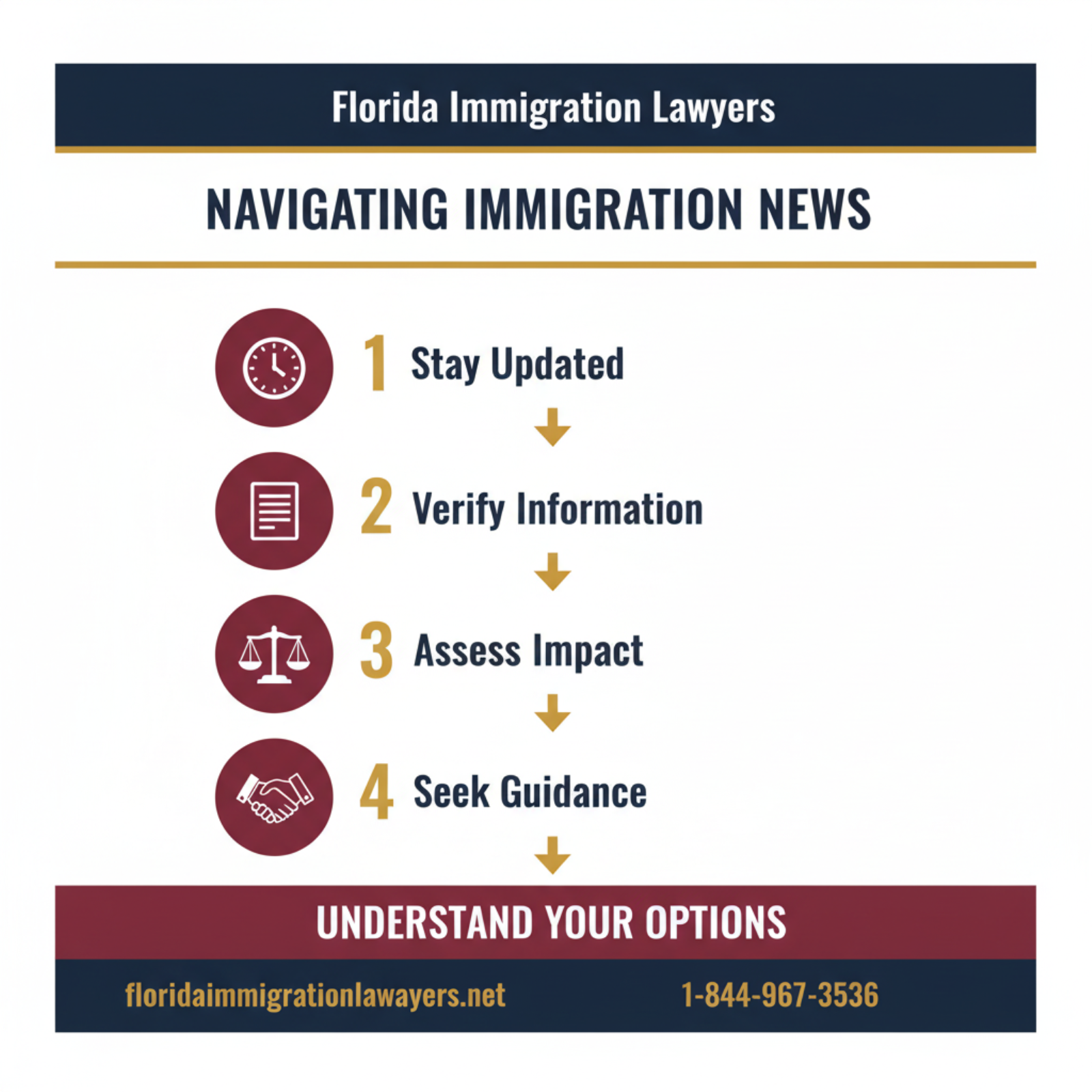
Buscando Asilo y Estatus de Refugiado en Florida
Florida ha sido históricamente un destino para personas que buscan protección contra la persecución. El asilo está disponible para aquellos que ya están en EE. UU. o en un puerto de entrada que temen persecución en su país de origen basada en raza, religión, nacionalidad, opinión política o pertenencia a un grupo social particular. El estatus de refugiado es para individuos fuera de EE. UU. que cumplen criterios similares. El proceso de asilo puede ser complejo, involucrando ya sea una solicitud afirmativa con USCIS o una solicitud defensiva ante un juez de inmigración si ya se encuentra en un proceso de expulsión. Demostrar un temor bien fundado de persecución requiere evidencia contundente y a menudo testimonio poderoso. Debido a la alta implicación y los intrincados estándares legales, se recomienda encarecidamente la representación legal profesional para quienes buscan asilo. Aprende más sobre cómo podemos ayudar con reclamaciones de asilo visitando nuestra página de área de práctica de asilo.
Defensa de Deportación y Procedimientos en la Corte de Inmigración
Enfrentar procedimientos de deportación (remoción) puede ser una de las experiencias más estresantes para un inmigrante. Las razones comunes para la deportación incluyen sobreestadía de visa, condenas penales o violaciones de la ley de inmigración. Si recibes un Aviso de Comparecencia (NTA), es fundamental buscar orientación legal de inmediato. Los procedimientos en la corte de inmigración son adversariales, y navegar a través de ellos sin un abogado reduce significativamente tus posibilidades de un resultado favorable. Pueden estar disponibles varias formas de alivio de la remoción, como la cancelación de remoción, exenciones de inadmisibilidad o asilo. Comprender tus derechos y las defensas disponibles es fundamental. La Oficina Ejecutiva de Revisión de Inmigración (EOIR), parte del Departamento de Justicia de EE. UU., supervisa las cortes de inmigración; la información se puede encontrar en justice.gov/eoir. Nuestro bufete se dedica a proteger los derechos de individuos en procedimientos de remoción. Explora nuestro área de práctica de defensa contra deportación para más información.
El Papel de los Abogados de Inmigración de Florida en 2026
Dada la naturaleza dinámica y a menudo impredecible de la ley de inmigración, la orientación de un abogado calificado de inmigración en Florida es más crítica que nunca en 2026. Un abogado puede proporcionar orientación invaluable, asegurando el cumplimiento de las regulaciones en evolución y protegiendo tus derechos a lo largo del proceso.
Los abogados de inmigración ofrecen una gama de servicios, desde consultas iniciales hasta representación completa en casos complejos. Pueden ayudarte a entender tu elegibilidad para diversas visas y beneficios, preparar y presentar solicitudes precisas, responder a Solicitudes de Evidencia (RFE) de USCIS y representarte en entrevistas o procedimientos judiciales. En un entorno donde un solo error puede llevar a retrasos significativos o incluso a la denegación, contar con un defensor que comprenda las complejidades de las leyes de inmigración tanto federales como estatales es indispensable. Pueden ayudarte a evitar errores comunes, navegar por obstáculos burocráticos y presentar el caso más sólido posible. Nuestro equipo de abogados está comprometido a proporcionar soluciones legales compasivas y efectivas para inmigrantes en Florida.
Además, un abogado actúa como un importante filtro contra la desinformación y las estafas. Desafortunadamente, muchas personas se convierten en víctimas de practicantes no autorizados o servicios fraudulentos. Un abogado con licencia ofrece asesoría confiable y ética basada en la ley vigente. Animamos a cualquier persona con preguntas de inmigración a buscar una opinión legal profesional. Puedes contactarnos fácilmente para una consulta y discutir tus necesidades específicas y cómo podemos asistirte en 2026.
Preparando Tu Viaje de Inmigración: Pasos Esenciales
La preparación proactiva es clave para un proceso de inmigración más fluido. Independientemente de tu camino específico, tomar ciertos pasos fundamentales puede mejorar significativamente tus posibilidades de éxito y reducir el estrés.
Reuniendo Documentación Esencial
Las solicitudes de inmigración dependen en gran medida de una documentación completa y precisa. Comienza por reunir todos los registros vitales, incluidos certificados de nacimiento, certificados de matrimonio, decretos de divorcio, pasaportes, tarjetas de identidad nacional, transcripciones educativas, registros de empleo y estados financieros. Asegúrate de que todos los documentos extranjeros vengan acompañados de traducciones certificadas al inglés. También es recomendable recopilar cualquier evidencia que respalde tus afirmaciones, como fotos para peticiones familiares, cartas de recomendación para visas de empleo, o declaraciones detalladas para casos de asilo. Organizar estos documentos con antelación puede ahorrar un tiempo considerable y prevenir retrasos posteriormente. Mantén los originales seguros y proporciona copias a menos que USCIS o la corte soliciten lo contrario.
Buscando Consulta Legal Profesional
Uno de los pasos más críticos que puedes dar es consultar con un abogado de inmigración al inicio de tu proceso. Un abogado puede evaluar tu situación única, identificar desafíos potenciales y recomendar el camino de inmigración más adecuado. Ellos también pueden ayudarte a entender los requisitos legales, los tiempos potenciales y los costos involucrados. Una consulta inicial ofrece la oportunidad de hacer preguntas, aclarar dudas y desarrollar un plan estratégico adaptado a tus objetivos. Este compromiso proactivo asegura que estés bien informado y preparado antes de presentar cualquier solicitud o tomar decisiones significativas. No dudes en contactar a nuestro bufete para recibir asesoría legal.
Recursos y Apoyo para Inmigrantes en Florida
Más allá de la representación legal, hay una red de recursos y sistemas de apoyo disponibles para inmigrantes en Florida. Estos recursos pueden proporcionar asistencia con la integración, adquisición del idioma, servicios de empleo y participación comunitaria, ayudando a los nuevos llegados y a los residentes de largo plazo a prosperar.
Las organizaciones comunitarias en toda Florida ofrecen diversos servicios, desde clínicas de asistencia legal hasta programas de integración cultural. Si bien recomendamos la orientación legal profesional para casos complejos, estas organizaciones pueden proporcionar una valiosa guía y apoyo inicial. Además, los sitios web oficiales del gobierno como uscis.gov y travel.state.gov ofrecen una gran cantidad de información, formularios y actualizaciones directamente de la fuente. También es importante buscar apoyo en salud mental si el proceso de inmigración se vuelve abrumador. Muchas organizaciones sin fines de lucro y centros comunitarios ofrecen servicios de consejería culturalmente sensibles. Aprovechar estos recursos puede facilitar significativamente el proceso de transición y asentamiento para los inmigrantes y sus familias en Florida.
No Navegue Este Proceso Solo
Nuestros abogados de inmigración con experiencia están listos para luchar por usted. Obtenga una evaluación gratis de su caso y confidencial hoy.
We Speak English
O deje sus datos y le llamamos:
Evaluación Gratis en 24 Horas
O hable con nosotros ahora

Asistente de voz IA — disponible 24/7
GratisPreguntas Frecuentes

William J. Vásquez
Abogado Fundador · Vasquez Law Firm
Veterano de la Fuerza Aérea de EE.UU. y abogado de inmigración con años de experiencia práctica en inmigración de EE.UU. J.D., NCCU School of Law. Miembro de AILA. Admitido en los Circuitos 4.º, 5.º y 11.º.
Disponible 24/7 - Evaluaciones Gratis de su Caso
Revisado para exactitud legal por William J. Vásquez
Con licencia en Carolina del Norte; la inmigración a EE.UU. es una práctica federal.
Servicios legales relacionados
Nuestros abogados de inmigración en Florida pueden ayudarle con protección de asilo, consulta gratis de inmigración y costo de un abogado de inmigración. Llame hoy al 1-844-YO-PELEO para una evaluación gratis de su caso.
Enlaces Relacionados
Temas Relacionados
Evaluación Legal Gratis de su Caso
Discuta su caso con nuestros abogados experimentados. Estamos disponibles 24/7.
Artículos Relacionados
Tarjeta Verde EB-5 para Inversores en Florida: Guía 2026
Explore cómo obtener una tarjeta verde EB-5 para inversores en Florida. Aprenda sobre los requisitos de inversión, procesos y beneficios de participar en este programa. Descubra cómo el paisaje económico de Florida puede ser un escenario ideal para su inversión. Contacte a Florida Immigration Lawyers para una revisión gratuita de su caso.
Impacto del Expungement en Inmigración en Florida 2026
Para los no ciudadanos estadounidenses en Florida, comprender cómo un expungement estatal impacta el estatus migratorio es fundamental. Un certificado de elegibilidad para expungement en Florida permite que un registro penal sea sellado o expurgado bajo la ley estatal. Sin embargo, las agencias federales de inmigración a menudo ignoran dicho alivio a nivel estatal, aún considerando el delito penal original como una condena para fines de inmigración. Esto puede tener graves implicaciones para las solicitudes de visa, la elegibilidad para la tarjeta verde, la naturalización e incluso conducir a la deportación. Esta guía aclara el proceso de expungement en Florida, su efecto limitado en la ley federal de inmigración y los pasos clave para proteger su estatus en 2026. Aprenda sobre errores comunes, documentos requeridos, plazos y cuándo buscar asesoramiento legal experto de Florida Immigration Lawyers para navegar estos problemas complejos de manera efectiva.
Tarjeta Combo EAD y Advance Parole en Florida 2026
Para las personas con un Formulario I-485, Solicitud para Registrar Residencia Permanente o Ajustar Estatus, pendiente, la Tarjeta Combo EAD y Advance Parole es un documento esencial. Esta tarjeta única combina la autorización para trabajar legalmente en EE. UU. (Documento de Autorización de Empleo - EAD) con el permiso para viajar internacionalmente y reingresar sin abandonar su solicitud de tarjeta verde (Advance Parole). Esta guía de Florida Immigration Lawyers proporciona una visión general completa para los solicitantes en Florida en 2026, cubriendo la elegibilidad, el proceso de solicitud paso a paso, los documentos requeridos, los tiempos de procesamiento esperados y los costos asociados. También destacamos los errores comunes a evitar y cuándo buscar asesoramiento legal para asegurar un viaje de inmigración sin problemas y exitoso.