Ice Locator: Understanding ICE Check-Ins in Florida 2026
For non-citizens in Florida, understanding ICE check-ins is paramount. These mandatory appointments, often part of the Intensive Supervision Appearance Program (ISAP), are crucial for individuals released from detention or awaiting immigration court. This guide explains what to expect at an ICE check-in, the documents required, typical timelines, and the vital role of attorney representation. We cover common mistakes to avoid and when to seek legal counsel, emphasizing Florida-specific contexts for Miami and other areas. With strict compliance and legal support, you can navigate these complex requirements. Florida Immigration Lawyers offers comprehensive assistance, ensuring your rights are protected throughout the process. Learn how to manage your ICE supervision effectively and secure your future in the U.S.
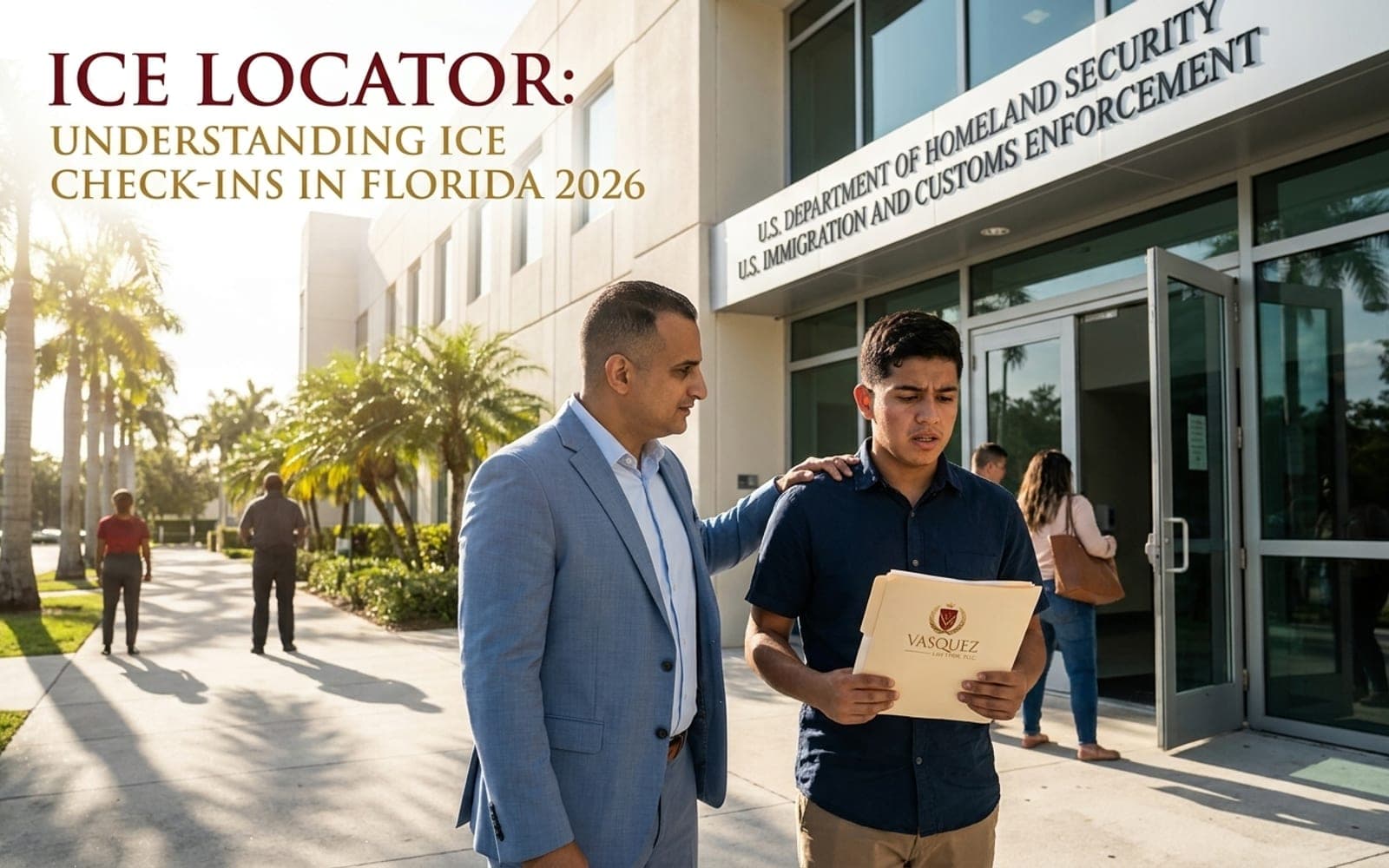
An ICE check-in, often facilitated by an ice locator, is a mandatory reporting appointment for non-citizens released from immigration custody or those under a supervision order. As of 2026, these check-ins are a critical component of the U.S. Immigration and Customs Enforcement's (ICE) Intensive Supervision Appearance Program (ISAP) in Florida, designed to monitor individuals awaiting immigration court proceedings or deportation. Failing to appear can lead to severe consequences, including detention or expedited removal. Seeking attorney representation from Florida Immigration Lawyers is highly advisable to navigate these complex requirements effectively, ensuring compliance and protecting your rights throughout the process.
- ICE check-ins are mandatory reporting appointments for supervised non-citizens.
- They are part of programs like ISAP, monitoring individuals awaiting court.
- Failure to appear can result in detention or expedited removal.
- Attorney representation is crucial for compliance and protecting rights.
- These appointments are a regular part of immigration enforcement in Florida.
Navigating the complexities of immigration enforcement in the United States can be a daunting experience, particularly when you are required to attend regular check-ins with U.S. Immigration and Customs Enforcement (ICE). For many non-citizens in Florida, these appointments are a critical part of their immigration journey, impacting their ability to remain in the country and pursue their cases. Whether you are searching for an ice locator to find an office or trying to understand the implications of an ICE check-in, the process is filled with potential pitfalls and legal nuances that demand careful attention.
This comprehensive guide from Florida Immigration Lawyers aims to demystify the ICE check-in process in Florida for 2026, offering crucial insights into what these appointments entail, the various supervision programs like ISAP, and the vital role of skilled attorney representation. We will cover everything from required documentation to common mistakes and what to expect, providing actionable information to help you protect your future. Understanding your obligations and rights is paramount, and having experienced legal counsel by your side can make all the difference in achieving a positive outcome for your immigration case.
Do not face this challenging process alone. Many individuals in Miami and across Florida benefit from professional legal guidance during their immigration proceedings. For a free consultation and personalized advice on your ICE check-in or supervision requirements, call Florida Immigration Lawyers at 1-844-YO-PELEO today. Our dedicated team is ready to assist you.
What is an ICE Check-In and Why is it Required in Florida?
An ICE check-in is a mandatory appointment where a non-citizen reports to an Immigration and Customs Enforcement office. These appointments are required for individuals who have been released from immigration detention under supervision, are awaiting immigration court hearings, or have received an order of supervision as an alternative to detention. The primary purpose is to monitor the individual's whereabouts and compliance with immigration laws while their case progresses.
In Florida, ICE check-ins are a routine aspect of immigration enforcement, particularly in areas with large immigrant populations like Miami, Orlando, and Tampa. They serve several critical functions for the government, including tracking individuals, verifying their addresses, and ensuring they attend scheduled court dates. For the individual, these check-ins are a direct interaction with immigration authorities, and how they are handled can significantly impact their immigration case. Non-compliance, even unintentional, can lead to serious consequences, such as re-detention or the issuance of a final order of removal. This makes understanding the requirements and having proper guidance incredibly important for anyone subject to these reporting obligations. Individuals under supervision typically fall under INA sections related to release on bond or parole, such as 8 U.S.C. § 1226.
The frequency of check-ins varies depending on the specific supervision program and the individual's perceived flight risk or danger to the community. Some individuals may report weekly, while others may be required to check in monthly or even annually. These requirements are determined by ICE officers, often in consultation with the Executive Office for Immigration Review (EOIR) courts, and can be adjusted based on new information or changes in circumstances. It is essential to remain vigilant and adhere strictly to all reporting instructions.
How Does the ICE Supervision Program (ISAP) Work in Florida?
The Intensive Supervision Appearance Program (ISAP) is one of the primary alternatives to detention utilized by ICE, particularly prevalent in Florida. ISAP aims to ensure non-citizens appear for their immigration court hearings and comply with orders of removal, while allowing them to remain in the community rather than in detention facilities. As of 2026, ISAP leverages a combination of reporting requirements and technology to monitor participants.
Under ISAP, individuals are typically assigned to a private contractor, often BI Incorporated, which manages their supervision. The program in Florida might involve various monitoring components, including regular in-person check-ins at an ICE office or a BI field office, electronic monitoring devices such as ankle bracelets (GPS tracking), telephonic reporting, and home visits. The specific combination of these tools is tailored to each individual's case, considering factors like criminal history, flight risk, and family ties. For example, a person deemed a higher flight risk might have more frequent check-ins and GPS monitoring.
Participation in ISAP is not voluntary; it is a condition of release from detention or an alternative to detention ordered by an immigration judge or ICE. Non-compliance with any aspect of the ISAP program can result in severe repercussions, including revocation of release, re-detention, and potential negative impacts on ongoing immigration cases, such as asylum or deportation defense. Individuals in Florida's ISAP program, particularly those in Miami, often benefit from legal counsel to understand and fulfill all requirements, ensuring they do not inadvertently violate their supervision terms. Understanding the nuances of 8 CFR § 236.1 and related regulations is key.
What Documents Do I Need for an ICE Check-In in Miami?
For an ICE check-in in Miami, you will typically need to bring several key documents to verify your identity, address, and immigration status. Having all necessary paperwork organized and ready can help ensure a smooth and efficient appointment, preventing delays or complications. As of 2026, these requirements remain consistent across ICE field offices in Florida.
Here is a general checklist of documents you should prepare for your ICE check-in:
- Identification: Your foreign passport and any other government-issued photo identification.
- Immigration Documents: Your I-94 Arrival/Departure Record, Notice to Appear (NTA, Form I-862), any bond documents (Form I-305), and any orders of supervision.
- Proof of Address: Recent utility bills, rental agreements, or mail showing your current Florida address.
- Proof of Employment (if applicable): Recent pay stubs or an employment verification letter.
- Proof of School Enrollment (if applicable): Current student ID or enrollment verification letter.
- Court Documents: Any notices for upcoming immigration court hearings, or documents from previous hearings.
- Legal Counsel Information: Contact details for your immigration attorney, if you have one.
- Medical Documentation (if applicable): Records related to any medical conditions that might affect your supervision.
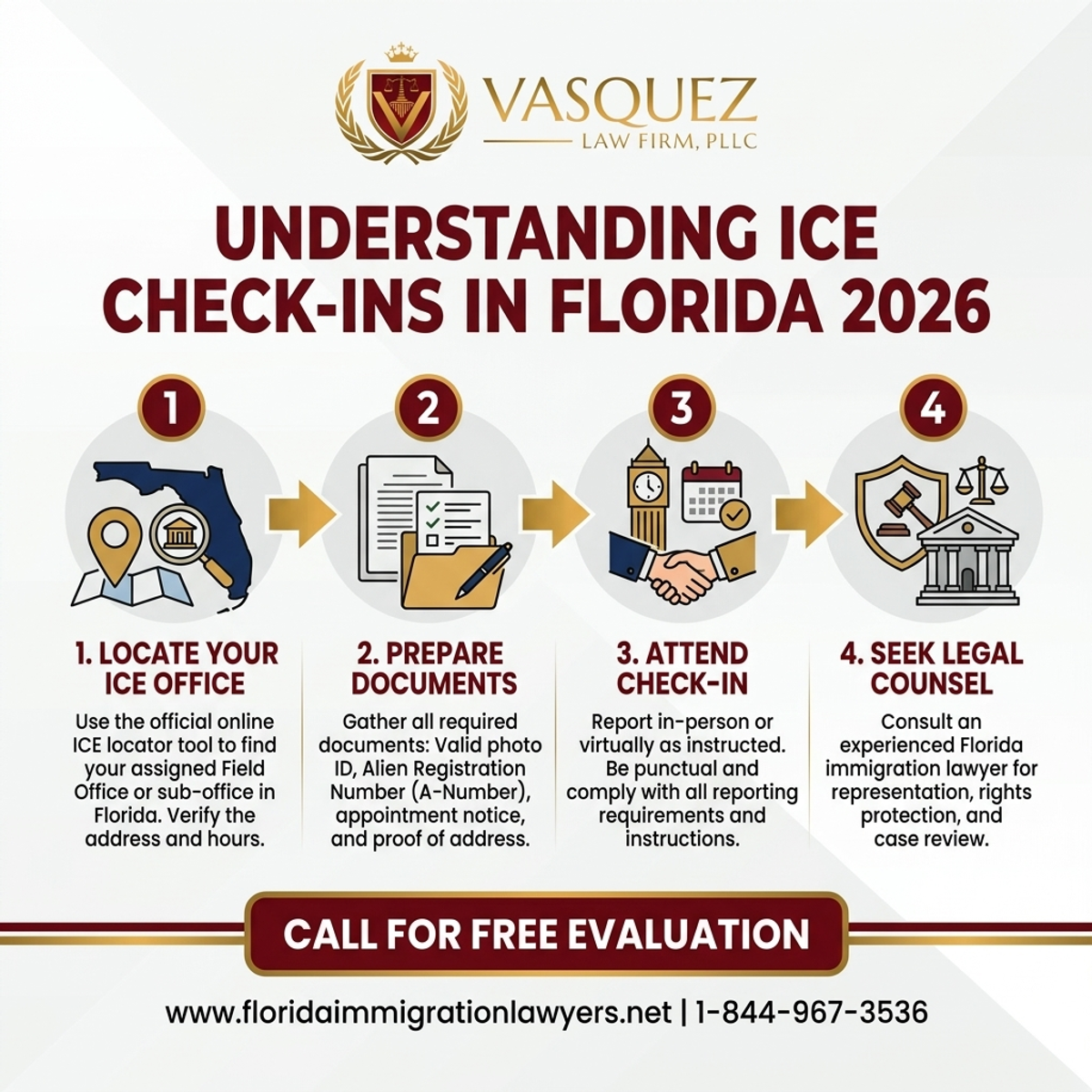
Step-by-Step Process — Ice Locator: Understanding ICE Check-Ins in Florida 2026
It is always advisable to bring copies of all documents and keep the originals safe. Your attorney can help you compile a complete and accurate set of documents relevant to your specific case, ensuring you are fully prepared for your appointment. Always check your specific reporting instructions for any additional or unique document requests.
What to Expect at Your ICE Check-In Appointment: A Step-by-Step Guide
Attending an ICE check-in can be anxiety-inducing, but understanding the typical process can help alleviate some stress. These appointments are generally straightforward, focusing on verifying compliance with supervision terms. As of 2026, the procedures at ICE field offices in Florida, such as the one in Miramar or downtown Miami, largely follow a standard protocol.
Here is a step-by-step guide to what you can generally expect:
- Arrival: Arrive at the designated ICE office or BI field office at least 15-30 minutes before your scheduled appointment. Be prepared for security screening, similar to airport security. Ensure you have your appointment notice and identification ready.
- Check-In and Waiting: You will typically check in at the front desk, present your appointment notice and ID, and then wait for an officer or case manager to call your name. Waiting times can vary significantly, so bring something to occupy yourself.
- Meeting with Officer/Case Manager: Once called, you will meet with an ICE officer or a BI case manager. They will verify your identity and review your immigration file. This is when you will present your required documents.
- Verification and Questions: The officer will confirm your current address, contact information, and sometimes ask about your employment or other activities. They may inquire about your immigration court status or any changes in your case. Answer all questions truthfully and concisely.
- Electronic Monitoring (if applicable): If you are part of an electronic monitoring program (e.g., ankle bracelet), the officer or case manager will check the device's functionality and may replace batteries or adjust settings.
- Next Steps and Rescheduling: The officer will inform you of your next check-in date, any new reporting requirements, or changes to your supervision conditions. Make sure you understand these instructions clearly. You may receive a new appointment notice.
- Departure: Once the meeting concludes, you will be free to leave. Ensure you have all your original documents and the new appointment notice before departing the office.
Throughout this process, maintaining a calm and respectful demeanor is important. Your immigration attorney can prepare you for specific questions and even accompany you to the check-in, depending on the circumstances, providing an additional layer of support and legal protection.
How Long Does the ICE Check-In Process Take in Florida?
The duration of the ICE check-in process in Florida can vary significantly, both for the individual appointment itself and the overall period of supervision. As of 2026, there are no fixed timelines, as each case is unique and depends on various factors, including the individual's immigration status, court proceedings, and ICE's discretion.
Here is a general overview of typical timeframes:
| Stage | Typical Timeframe | Notes |
|---|---|---|
| Individual Check-In Appointment | 15 minutes - 2 hours | This includes waiting time, which can be substantial. The actual meeting with an officer is often brief (5-15 minutes). |
| Frequency of Check-Ins | Weekly, Bi-weekly, Monthly, Quarterly, or Annually | Determined by ICE based on flight risk, compliance history, and other factors. Can change over time. |
| Overall Supervision Period | Until case resolution or removal order | Supervision typically continues until an immigration judge makes a final decision on your case, or until you are removed from the U.S. This can range from months to several years. |
| Modification of Supervision | Varies | ICE may modify supervision conditions or frequency based on compliance, new information, or changes in your case status. Your attorney can help request modifications. |
| Termination of Supervision | Upon final case resolution | Supervision generally ends when your immigration case is resolved (e.g., granted asylum, adjustment of status, or removal from the U.S.). |
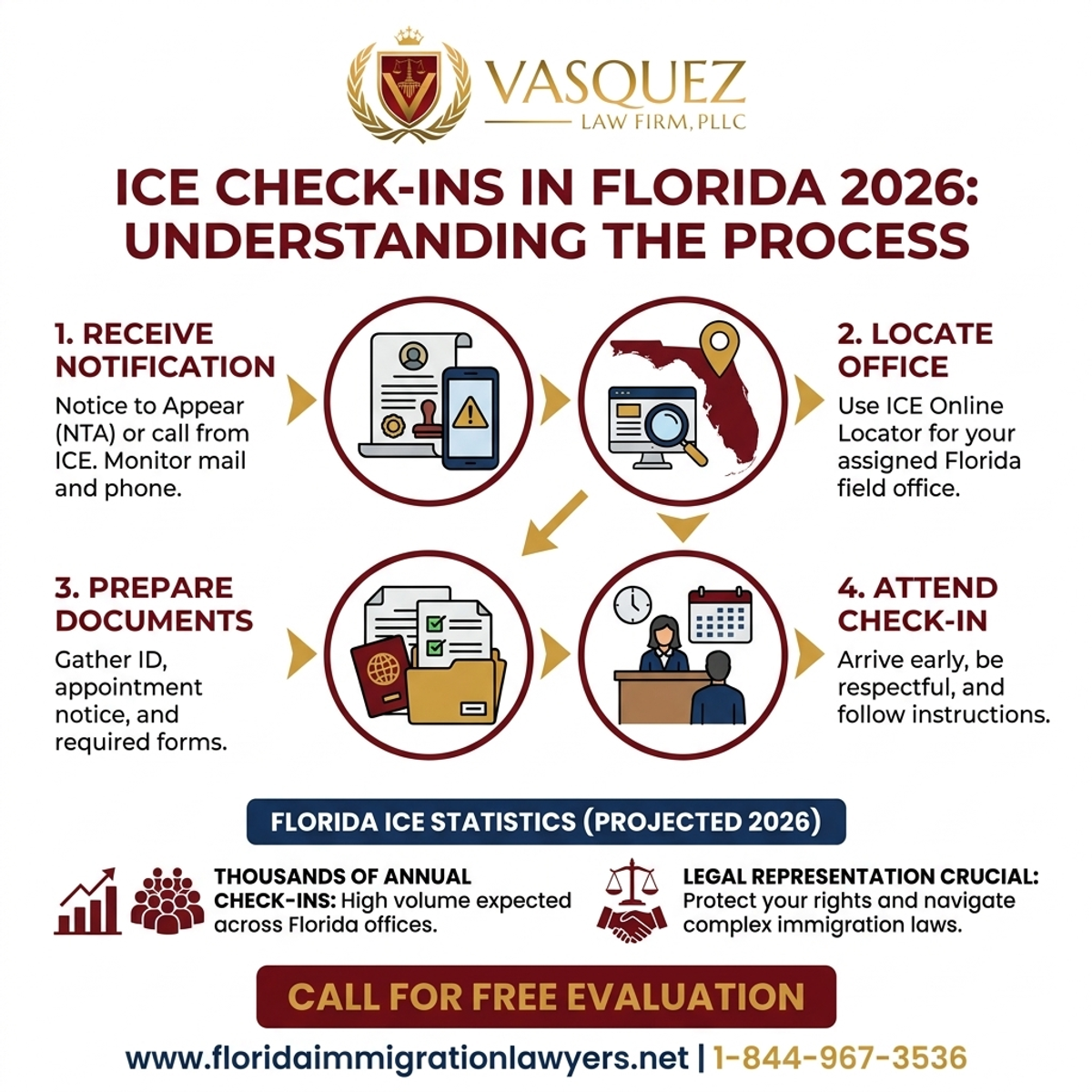
Key Statistics — Ice Locator: Understanding ICE Check-Ins in Florida 2026
It is crucial to understand that ICE supervision, including check-ins, is not a permanent state but rather a temporary measure pending the outcome of your immigration proceedings. However, these proceedings can be lengthy, especially with current court backlogs. Consistent compliance is key to avoiding complications. An attorney can help you understand the potential duration of your supervision and advocate for its modification or termination when appropriate. This falls under the general authority of 8 U.S.C. § 1231 and related regulations concerning detention and removal.
What Are the Costs Associated with ICE Check-Ins and Legal Representation?
While there are no direct fees charged by ICE for attending a check-in appointment, there are several indirect costs and, more significantly, the costs associated with securing legal representation. Understanding these financial aspects is crucial for budgeting and planning your immigration journey in Florida. As of 2026, these cost structures remain largely consistent.
Here is a breakdown of potential costs:
| Item | Typical Fee | Notes |
|---|---|---|
| ICE Check-In (Direct) | $0 | ICE does not charge a fee for the appointment itself. |
| Transportation to ICE Office | Varies (Gas, Public Transit, Ride Share) | Costs depend on your location in Florida (e.g., Miami, Orlando, Tampa) and distance to the ICE field office. |
| Lost Wages/Time Off Work | Varies | You may lose income for the time spent traveling to and attending the check-in. |
| Electronic Monitoring Device (ISAP) | Typically covered by government; sometimes a daily fee | While often paid by the government, some programs or specific circumstances might require a daily fee. Your attorney can clarify. |
| Immigration Bond (if applicable) | Often thousands of dollars | If you were released on bond, this is a separate cost, typically ranging from $1,500 to $25,000 or more, paid to the Department of Homeland Security. |
| Attorney Consultation | Often Free (e.g., Florida Immigration Lawyers) | Many firms offer a free initial consultation to discuss your case. |
| Attorney Representation for Check-Ins | Hourly or Flat Fee (Varies Widely) | Costs depend on the complexity of your case, the attorney's experience, and the scope of representation (e.g., preparing documents, accompanying to check-ins, advocating for changes in supervision). |
Investing in qualified legal representation, while an upfront cost, can save you significant time, stress, and potential financial penalties in the long run. An attorney can help avoid mistakes that lead to re-detention, advocate for reduced supervision, and ensure your overall immigration case progresses smoothly. They can also advise on bond matters, as outlined in 8 U.S.C. § 1226(a).
Why is Attorney Representation Crucial for ICE Check-Ins in Florida?
Having skilled attorney representation for your ICE check-ins in Florida is not merely a convenience; it is a critical safeguard for your immigration future. The immigration system is notoriously complex, and even seemingly routine appointments can carry significant legal weight and potential risks. An experienced immigration lawyer from Florida Immigration Lawyers provides invaluable support and experience, protecting your rights and interests at every turn.
Firstly, an attorney ensures you are fully prepared. They will help you gather all necessary documents, explain what to expect during the check-in, and prepare you for potential questions from ICE officers. This preparation minimizes the risk of inadvertently providing information that could harm your case or failing to present crucial evidence. They can review your entire immigration history, identify potential issues, and strategize ways to address them proactively, often before they become problems during an interview. This proactive approach is essential in a system that often assumes guilt until proven innocent.
Secondly, your attorney can act as your advocate. While not always accompanying you into the interview room, they can be present at the ICE office, ready to intervene if issues arise. They can communicate directly with ICE officers on your behalf, clarify misunderstandings, and challenge any unfair or incorrect demands. For individuals facing deportation proceedings, an attorney's presence signals to ICE that you are taking your case seriously and are legally represented, which can sometimes influence the tone and outcome of the interaction. They understand the legal framework under 8 CFR, which governs these interactions.
Finally, legal representation provides peace of mind. Knowing that you have a knowledgeable professional guiding you through a high-stakes process can reduce stress and allow you to focus on other aspects of your life. Your attorney will monitor your case developments, advise you on changes in immigration law or policy, and help you navigate any unforeseen challenges. This comprehensive support is particularly vital in a dynamic legal landscape, ensuring that your compliance with ICE supervision also aligns with your broader immigration goals, whether that involves seeking asylum, adjusting status, or defending against removal. In Florida, where immigration enforcement is robust, this support is indispensable.
Do not navigate this process alone. The stakes are too high. Contact Florida Immigration Lawyers today at 1-844-YO-PELEO for a free consultation to discuss your ICE check-in and how our experienced attorneys can assist you.
Common Mistakes to Avoid During ICE Check-Ins
Making mistakes during an ICE check-in can have severe and lasting consequences for your immigration case. Avoiding these common pitfalls is crucial for anyone under ICE supervision in Florida.
- Missing an Appointment: Failing to appear for a scheduled ICE check-in is one of the most serious mistakes. It can lead to an immediate warrant for your arrest, re-detention, and may negatively impact your eligibility for future immigration relief. Always keep track of your dates and times.
- Providing False Information: Lying or providing misleading information to an ICE officer, even about seemingly minor details, can result in serious legal penalties, including criminal charges and a permanent bar from future immigration benefits. Always be truthful.
- Failing to Update Address: If you move, you are legally required to notify ICE and USCIS of your new address within 10 days. Failure to do so can lead to your case being processed without you, potentially resulting in an order of removal in absentia. Keep all agencies updated.
- Not Bringing Required Documents: Arriving at your check-in without all the requested documents can cause delays, require rescheduling, or raise red flags with the officer. Always double-check your appointment notice and prepare thoroughly.
- Volunteering Unnecessary Information: While you must answer all questions truthfully, you are not obligated to volunteer information beyond what is asked. Stick to direct answers and avoid lengthy explanations that could introduce new issues. Your attorney can advise on what to say.
- Signing Documents Without Understanding: Never sign any document presented by an ICE officer without fully understanding its contents and implications. If you are unsure, politely state that you need to consult with your attorney first. This is a critical right.
- Not Seeking Legal Counsel: Attempting to navigate ICE check-ins and supervision programs without an attorney is a significant risk. An attorney can prepare you, advocate for you, and protect your rights, significantly reducing the chance of adverse outcomes.
- Ignoring Electronic Monitoring Device Issues: If you have an ankle bracelet or other monitoring device, immediately report any issues (e.g., battery low, device malfunction) to your case manager. Ignoring these can be considered non-compliance.
- Violating Terms of Supervision: Any violation of your specific supervision terms, such as travel restrictions or curfews, can lead to your release being revoked and re-detention. Understand and adhere to all conditions.
- Failing to Understand Your Rights: Many individuals are unaware of their rights during interactions with ICE. Knowing your rights, such as the right to remain silent or the right to an attorney, is crucial for protecting yourself. An attorney can explain these rights in detail.
When to Call a Lawyer for ICE Check-Ins and Supervision
Knowing when to seek legal counsel for ICE check-ins and supervision matters is crucial for protecting your rights and ensuring a favorable outcome. While some check-ins may seem routine, the underlying legal implications can be profound. You should contact Florida Immigration Lawyers immediately if you encounter any of the following scenarios:
- You have just been released from detention and are required to report to ICE or enroll in ISAP. An attorney can explain your supervision conditions and prepare you for your first check-in.
- You have received a Notice to Appear (NTA) and are facing deportation proceedings. Your check-ins are directly tied to your court case, and legal guidance is essential.
- You are unsure about your supervision requirements or believe there has been a mistake in your reporting schedule or conditions.
- You have missed an ICE check-in or are at risk of missing one. Immediate legal intervention may help mitigate the consequences.
- ICE officers are asking you questions beyond routine verification, especially if they delve into your criminal history, family, or other sensitive matters.
- You are being asked to sign documents that you do not fully understand or agree with.
- Your electronic monitoring device (e.g., ankle bracelet) has malfunctioned, or you are experiencing issues with it.
- You wish to request a modification of your supervision conditions, such as less frequent check-ins or permission to travel.
- You believe your rights are being violated during an ICE interaction.
- You are seeking to adjust your immigration status (e.g., through asylum, family petition, or U visa) while under ICE supervision.
Florida Immigration Lawyers has extensive experience in handling complex immigration cases, including those involving ICE supervision in Miami, Orlando, and across Florida. Our attorneys can provide the guidance you need to navigate these challenging situations effectively, ensuring your compliance while vigorously defending your rights.
About Florida Immigration Lawyers
Florida Immigration Lawyers is an immigration law firm dedicated to serving individuals and families across the entire state of Florida. With a deep understanding of U.S. immigration law and its impact on our clients, we provide compassionate yet aggressive legal representation. Our mission is to help immigrants achieve their American dreams, offering comprehensive legal services that span family immigration, business immigration, asylum, deportation defense, and naturalization.
Our experienced attorneys are committed to delivering personalized attention to each case, recognizing that every client's situation is unique. We pride ourselves on clear communication, strategic advocacy, and a steadfast commitment to justice. Available 24/7, we offer free consultations to discuss your specific immigration needs and outline the best path forward. Whether you are in Orlando, or any other part of Florida, our team is here to provide accessible, high-quality legal support. Trust Florida Immigration Lawyers to be your dedicated advocate in the complex world of immigration law. Call us at 1-844-YO-PELEO or visit www.floridaimmigrationlawyers.net.
Sources and References
- U.S. Citizenship and Immigration Services (USCIS)
- Executive Office for Immigration Review (EOIR)
- 8 U.S.C. Chapter 12 - Immigration and Nationality Act (INA) - Relevant Sections
- 8 CFR (Code of Federal Regulations) - Parts 236, 241
- Immigration and Nationality Act Section 235(b) - Inspection of Applicants for Admission; Expedited Removal
- Immigration and Nationality Act Section 236 - Apprehension and Detention of Aliens
- Immigration and Nationality Act Section 241 - Detention and Removal of Aliens Subject to Order of Removal
Related services: asylum and refugee protection, immigration waivers, humanitarian protection programs, DACA renewal and applications.
This article provides general legal information and is not intended as legal advice. Every case is unique, and outcomes depend on specific facts and circumstances. Contact an attorney for advice about your particular situation.
Your immigration journey is too important to face without guidance. If you or a loved one requires assistance with an ICE check-in, ISAP supervision, or any other immigration matter in Florida, do not hesitate to reach out. Florida Immigration Lawyers offers free, confidential consultations to help you understand your options and develop a strong legal strategy. Call us today at 1-844-YO-PELEO. Se Habla Español - Estamos aqui para ayudarle.
If you need legal assistance, learn more about get deportation defense help today, or call us at 1-844-YO-PELEO for a free consultation.
Do Not Navigate This Process Alone
Our experienced immigration attorneys are ready to fight for you. Get a free, confidential case review today.
Se Habla Español
Or leave your details and we’ll call you:
Free Evaluation in 24 Hours
Or talk to us right now
AI voice assistant — available 24/7
FreeFrequently Asked Questions

William J. Vásquez
Founding Attorney · Vasquez Law Firm
U.S. Air Force veteran and immigration attorney with years of hands-on U.S. immigration experience. J.D., NCCU School of Law. AILA member. Admitted to the 4th, 5th, and 11th Circuit Courts.
Available 24/7 - Free Evaluations
Reviewed for legal accuracy by William J. Vásquez
Licensed in North Carolina; U.S. immigration is federal practice.
Related Legal Services
Our Florida immigration attorneys can help you with immigration lawyer cost in Florida, experienced immigration attorneys and asylum protection. Call today at 1-844-YO-PELEO for a free case review.
Related Links
Related Topics
Free Legal Case Review
Discuss your case with our experienced attorneys. We're available 24/7.
Se Habla Español - Estamos aquí para ayudarle.
Related Articles
Certificate of Eligibility for Expungement in Florida 2026
For non-U.S. citizens in Florida, understanding how a state expungement impacts immigration status is critical. A certificate of eligibility for expungement in Florida allows a criminal record to be sealed or expunged under state law. However, federal immigration agencies often disregard such state-level relief, still considering the original criminal offense as a conviction for immigration purposes. This can have severe implications for visa applications, green card eligibility, naturalization, and even lead to deportation. This guide clarifies the Florida expungement process, its limited effect on federal immigration law, and key steps to protect your status in 2026. Learn about common mistakes, required documents, timelines, and when to seek expert legal counsel from Florida Immigration Lawyers to navigate these complex issues effectively.
Immigration Lawyer Orlando Free Consultation in Florida
For individuals and families in Orlando, Florida, navigating the complexities of U.S. immigration law requires expert guidance. An immigration lawyer in Orlando offers crucial support for everything from visa applications and green card processes to naturalization and deportation defense. This comprehensive guide details what a free consultation covers, providing a step-by-step overview of immigration pathways, essential document checklists, and expected timelines in 2026. We also highlight common mistakes to avoid, discuss the critical role of legal counsel in deportation and asylum cases, and explain why choosing a local Orlando immigration attorney is beneficial. Florida Immigration Lawyers is dedicated to serving the diverse community of Orlando with compassionate, effective legal solutions, ensuring you receive personalized advice and robust representation for a successful immigration journey.
Naturalization Ceremony Locations and Schedule 2026 Florida
For those in Florida aspiring to U.S. citizenship, understanding the naturalization process, including ceremony locations and schedules for 2026, is essential. This guide from Florida Immigration Lawyers details the N-400 application, eligibility requirements, and typical timelines. We cover the step-by-step journey, from initial filing and biometrics to the naturalization interview and the final Oath of Allegiance ceremony held across Florida's USCIS field offices, including Orlando, Miami, Tampa, and Jacksonville. Learn about critical documents, potential costs, and common mistakes to avoid. Our firm emphasizes the importance of accurate applications and offers expert legal assistance for complex cases, ensuring a smoother path to becoming a U.S. citizen. Get a free case review today.
Green Card Renewal Process in Florida: 2026 Guide
Renewing your green card in Florida is a vital process for maintaining your lawful permanent resident status. This comprehensive 2026 guide from Florida Immigration Lawyers breaks down the Form I-90 application, covering eligibility, step-by-step instructions, necessary documents, typical costs, and current processing timelines. We explain who needs to renew, what to expect at your biometrics appointment, and Florida-specific considerations for permanent residents. Learn how to avoid common mistakes that can delay your application and understand when professional legal assistance is crucial. Our expert attorneys are here to provide free case reviews and guide you through every stage, ensuring a smooth and secure renewal of your permanent resident card.