Immigration Policy News Florida: What You Need to Know...
Stay current on immigration policy news in Florida for 2026. This comprehensive guide from Florida Immigration Lawyers breaks down evolving state and federal regulations, offering crucial insights for individuals and families. Learn about impacts on visa processing, employment, and family unity. Discover essential steps to protect your status, including document organization and avoiding common mistakes. We emphasize the importance of consulting an experienced immigration lawyer to navigate complex changes and ensure compliance. Our firm provides expert guidance across Florida, from Miami to Tampa, ensuring you have reliable information and support.

Navigating immigration policy news in Florida for 2026 requires vigilance due to ongoing state and federal changes. These policies can significantly impact your legal status, employment, and family unity. Staying informed through official sources and consulting experienced legal counsel is crucial to protect your rights and plan effectively.
- Florida's state laws continue to evolve, affecting various aspects of immigrant life.
- Federal policies from USCIS and other agencies also see frequent updates.
- Proactive legal consultation is essential to understand your specific situation.
- Accurate documentation and timely application submissions are more critical than ever.
- Misinformation is prevalent; rely only on verified government and legal sources.
The landscape of immigration law is constantly shifting, and nowhere is this more apparent than in Florida. For individuals, families, and businesses across our vibrant state, staying abreast of the latest immigration policy news is not just helpful-it's essential for planning your future. From new state-level legislation impacting daily life to federal changes affecting visas and green cards, the year 2026 brings its own set of challenges and opportunities.
At Florida Immigration Lawyers, we understand the anxieties and uncertainties that come with these changes. Our mission is to provide clear, actionable insights into the complex world of immigration law, helping you navigate these waters with confidence. We are dedicated to serving the diverse communities of Miami, Orlando, Tampa, and throughout Florida, ensuring you have the most current and reliable information.
This comprehensive guide will break down the crucial immigration policy news you need to know for 2026, offering practical advice and highlighting the importance of legal support. Do not face these changes alone. Call Florida Immigration Lawyers at 1-844-967-3536 for a free consultation and let our experienced team assist you.
Understanding Florida's Evolving Immigration Policy Landscape in 2026
Florida, a state with a significant immigrant population, has been at the forefront of implementing its own immigration-related policies. These state-level actions often complement or diverge from federal laws, creating a unique and sometimes challenging environment for non-citizens and even U.S. citizens interacting with immigrant communities. Understanding this dual legal framework is paramount for anyone living in or considering moving to Florida.
One of the most impactful pieces of recent legislation, such as Florida Senate Bill 1718, continues to shape the state's approach to immigration. While federal law primarily governs who can enter and remain in the U.S., state laws can affect aspects like employment, healthcare access, and even travel within Florida. These policies are often debated and revised, making it critical to monitor the latest immigration policy news closely.
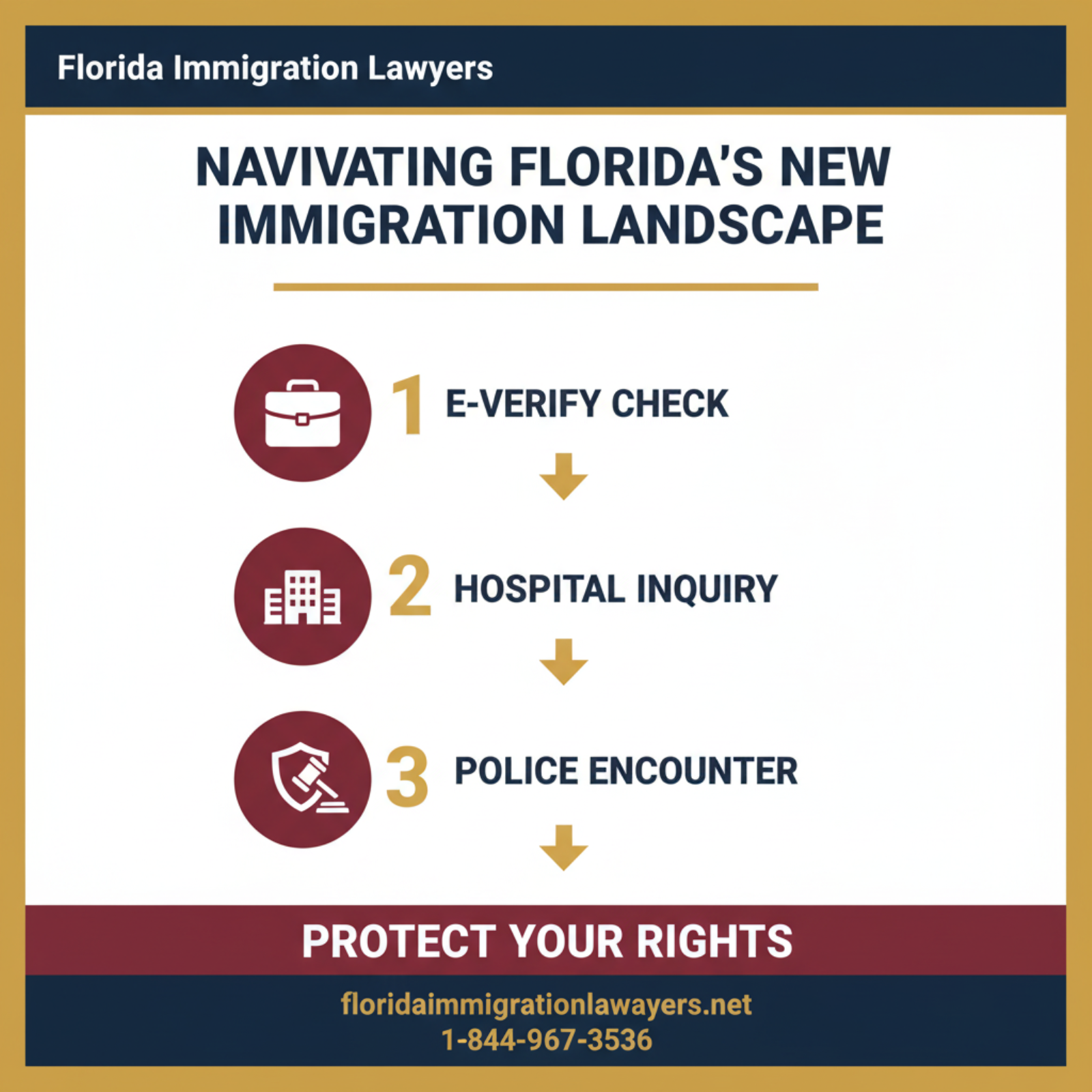
For example, state laws may impose penalties on businesses employing undocumented workers or require hospitals to collect data on a patient's immigration status. These measures can create an atmosphere of fear and uncertainty, particularly in communities like Miami, which thrive on their diverse immigrant populations. It is important to distinguish between federal and state authority and understand your rights under both.
Federal vs. State Authority in Immigration Matters
Immigration is predominantly a federal domain, governed by the Immigration and Nationality Act (INA) (8 U.S.C. Chapter 12). This means that decisions regarding visas, green cards, and citizenship are made by federal agencies like USCIS, CBP, and ICE. However, states can pass laws that indirectly affect immigrants, such as those related to public benefits, driver's licenses, or law enforcement cooperation.
In Florida, state and local law enforcement agencies may also engage in partnerships with federal authorities, like the 287(g) program, which allows trained local officers to perform certain immigration enforcement functions. This can lead to increased interaction between immigrants and law enforcement, even for minor infractions. Knowing what ICE is legally allowed to do and understanding your constitutional rights is vital. Generally, ICE requires a warrant signed by a judge to enter a private residence without consent.
Impacts on Florida's Immigrant Communities, Especially in Miami
The interplay of state and federal immigration policy news has profound effects on Florida's immigrant communities. In cities like Miami, a global hub with a rich tapestry of cultures, policy changes can lead to economic shifts, social challenges, and increased demand for legal services. Families may face difficult decisions regarding work, education, and even residency due to evolving regulations.
We see firsthand how these policies impact daily life, from parents fearing to send their children to school to workers facing uncertainty about their employment. Florida Immigration Lawyers is here to help you understand these specific impacts and develop strategies to protect your interests. For more information on your rights and how to navigate state-level enforcement, consider reviewing resources on justice.gov/eoir.
Navigating the Latest Federal Immigration Policy Updates
Beyond state laws, federal immigration policy news from agencies like U.S. Citizenship and Immigration Services (USCIS), the Department of State, and Immigration and Customs Enforcement (ICE) plays a critical role. These federal updates can dictate everything from visa availability to application processing times and eligibility requirements for various immigration benefits.
In 2026, we anticipate continued adjustments to federal immigration policies, potentially affecting family-based petitions, employment visas, and humanitarian relief programs like asylum. Monitoring the official websites of these agencies is crucial, but interpreting the nuances of new regulations often requires expert legal insight.
One common concern is whether the U.S. is suspending immigrant visas. While there have been temporary suspensions or restrictions in the past, particularly during public health crises, a blanket suspension of all immigrant visas is rare. However, specific visa categories can face backlogs or temporary pauses due to annual numerical limits or presidential proclamations. Always check the latest Visa Bulletin published by the Department of State for current availability (travel.state.gov).
Changes to Family-Based Immigration Categories
Family unity is a cornerstone of U.S. immigration law, yet family-based categories are frequently impacted by policy adjustments. This can include changes to immediate relative processing or preference categories, affecting spouses, children, and siblings of U.S. citizens and green card holders. Understanding these potential shifts is vital for those with pending petitions or considering filing new ones.
Our firm specializes in family immigration matters, helping Florida residents navigate complex petitions like Form I-130 and adjustment of status applications. We stay informed on all relevant immigration policy news to provide accurate guidance.
Updates on Employment-Based Visas and Business Immigration
For businesses and professionals in Florida, particularly in bustling economic centers like Miami and Orlando, changes to employment-based immigration policies are a constant concern. H-1B visas, L-1 visas, and other work permit categories can see modifications in application procedures, lottery systems, or eligibility criteria. These updates can profoundly impact workforce planning and talent acquisition.
Florida Immigration Lawyers assists businesses and skilled workers with business immigration strategies, ensuring compliance with the latest federal regulations. We help you prepare for anticipated changes and maintain your ability to work legally in the U.S.
Step-by-Step Guide to Staying Informed and Protecting Your Status
Amidst ongoing immigration policy news, being proactive is your best defense. Here's a step-by-step guide to help you stay informed and protect your immigration status in Florida:
- Monitor Official Government Sources Regularly: Make it a habit to check the official websites of USCIS (uscis.gov), the Department of State, and ICE. These are the primary sources for accurate policy updates, forms, and processing times. Be wary of unofficial news outlets or social media for critical information.
- Consult with an Experienced Immigration Lawyer: The most reliable way to understand how policy changes affect your specific case is to speak with a qualified lawyer. An attorney can interpret complex legal language, explain your options, and advise on the best course of action.
- Keep Meticulous Records of All Documents: Organize all your immigration documents, including passports, visas, I-94 records, application receipts, and correspondence from immigration agencies. Having these readily accessible can save significant time and stress if you need to respond to an RFE (Request for Evidence) or prove your status.
- Understand Your Rights: Familiarize yourself with your rights, especially if you encounter immigration enforcement officials. Knowing what to say and what not to say, and when to ask for a lawyer, is crucial.
- Prepare for Potential Changes: Discuss potential future scenarios with your attorney. This might involve exploring alternative immigration pathways or preparing for contingencies based on anticipated policy shifts.
Key Resources for Reliable Immigration Information
Beyond government websites, reputable legal aid organizations and established immigration law firms like Florida Immigration Lawyers offer valuable resources. We provide regular updates on immigration policy news through our blog and client alerts, ensuring our community stays informed.
Proactive Steps for Florida Residents
If you reside in Florida, especially in areas with high immigrant populations like Miami-Dade, Broward, and Palm Beach counties, consider joining local community organizations that advocate for immigrant rights. These groups often provide support, share localized information, and organize workshops to educate residents on their rights and available resources.
Essential Documents and Information to Have Ready
Regardless of the latest immigration policy news, having your essential documents organized and readily accessible is always a smart strategy. This preparedness can be invaluable during application processes, interviews, or unexpected interactions with authorities. Here is a general checklist of documents you should always strive to keep current and secure:
- Valid Passport and Visa (if applicable)
- Birth Certificates (for yourself and family members)
- Marriage Certificate (if applicable)
- Previous Immigration Petitions, Applications, and Approval Notices (e.g., I-797)
- Form I-94 Arrival/Departure Record
- Employment Authorization Document (EAD) or Green Card (Form I-551)
- Proof of Residence in Florida (e.g., utility bills, lease agreements, property deeds)
- Financial Records (e.g., tax returns, bank statements, pay stubs)
- Educational Records and Diplomas
- Medical Records, including vaccination history
- Any court or police records (if applicable)
- Contact information for your immigration lawyer
It is advisable to keep both original documents and copies in a secure, fireproof location. Digital copies stored securely in the cloud or on an encrypted drive can also provide an important backup. Never carry original sensitive documents with you unless absolutely necessary.
Understanding Timelines and Anticipated Processing Delays
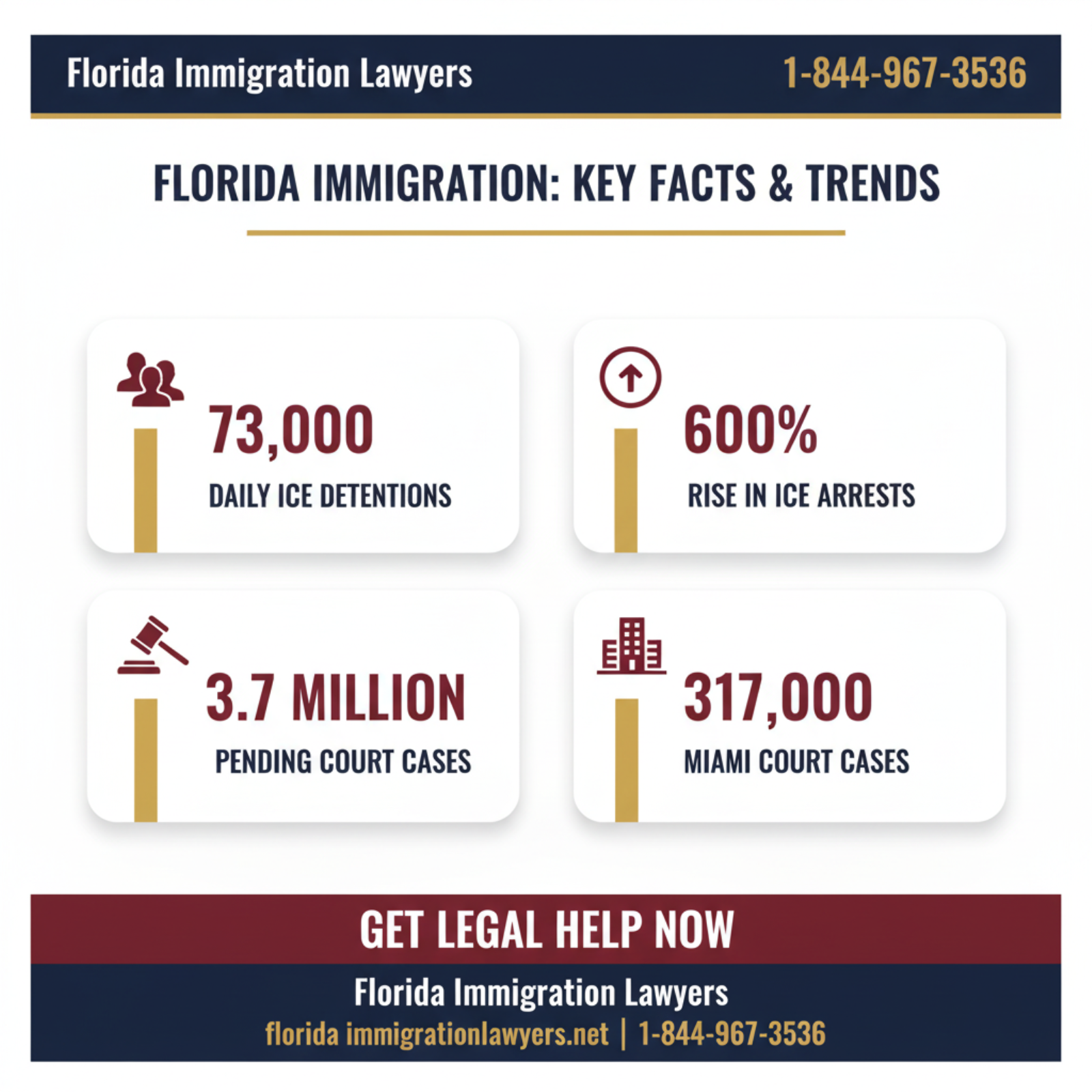
One of the most common questions we receive at Florida Immigration Lawyers concerns processing times. The latest immigration policy news can significantly influence how quickly USCIS and other agencies process applications. Policy shifts, budget allocations, and changes in staffing can all contribute to unpredictable delays.
For example, new security measures or changes in interview protocols can extend the processing of green card applications or citizenship petitions. USCIS provides estimated processing times on its website for various forms and field offices, including those in Florida such such as the Miami Field Office, Hialeah Field Office, Orlando Field Office, and Tampa Field Office. However, these are estimates and can fluctuate.
It is important to manage your expectations and plan accordingly. If you have a pending application, continue to check your case status online and respond promptly to any Requests for Evidence (RFEs) or interview notices. Our firm can help you monitor your case and intervene if there are unusual delays or issues.
Cost Factors and Anticipated Fee Adjustments
Applying for immigration benefits involves various costs, including government filing fees and legal fees for representation. The latest immigration policy news often includes announcements regarding fee adjustments by USCIS, which can impact your financial planning.
USCIS fees are subject to change, typically every few years, to cover the operational costs of processing applications. These fees can vary significantly depending on the type of application (e.g., Form I-485 for adjustment of status, Form N-400 for naturalization). It is crucial to always use the most current fee schedule published on the USCIS website.
Beyond government fees, legal representation by an experienced immigration lawyer is an investment in the success of your case. While our firm offers flexible payment options, we encourage clients to discuss all potential costs upfront during their free consultation. We believe in transparency and ensuring you understand the financial aspects of your immigration journey.
Do not navigate this process alone. The complexities of constantly changing immigration policy news demand expert guidance. Contact Florida Immigration Lawyers today to schedule your consultation.
Common Mistakes to Avoid Amidst Policy Changes
The dynamic nature of immigration policy news means that what was true yesterday might not be true tomorrow. Making even small errors can have significant, long-lasting consequences for your immigration status. Here are common mistakes to avoid:
- Relying on Outdated Information or Misinformation: Social media and informal networks can be rife with inaccurate advice. Always verify information with official sources or a qualified lawyer.
- Delaying Action on Your Case: Procrastination can be costly. Deadlines for applications, responses to RFEs, or appeals are strict. Missing them can lead to denial or even deportation proceedings.
- Attempting Self-Representation in Complex Cases: While some simple forms might seem manageable, complex cases, especially those involving waivers or previous immigration violations, require legal expertise. Self-representation often leads to errors and denials.
- Submitting Incomplete or Incorrect Applications: Even a minor omission or error on a form can result in delays, RFEs, or outright rejection. Ensure all questions are answered accurately and all required evidence is included.
- Ignoring Deadlines and Notices: Always open and review all mail from USCIS, ICE, or the immigration court promptly. Failure to respond to notices of intent to deny, interview notices, or court dates can have severe consequences.
- Failing to Update Your Address with USCIS: If you move, you are legally required to update your address with USCIS within 10 days. Failure to do so can result in missed notices and potentially negative outcomes for your case.
- Assuming Past Rules or Experiences Still Apply: Immigration law is not static. A policy that applied to a friend's case years ago, or even months ago, may no longer be in effect. Each case is unique and subject to current regulations.
When to Call an Immigration Lawyer in Florida
While staying informed about immigration policy news is important, there are specific situations where the guidance of an experienced immigration lawyer is not just helpful, but absolutely critical. The complexities of U.S. and Florida immigration laws mean that navigating certain challenges without legal representation can be risky.
You should contact Florida Immigration Lawyers if you are facing any of the following scenarios:
- Facing Deportation or Removal Proceedings: If you or a loved one has received a Notice to Appear (NTA) in immigration court, immediate legal action is required. We specialize in deportation defense and can represent you in courts like the Miami Immigration Court or Orlando Immigration Court. Concerns like "Is ICE deporting green card holders?" are serious and require immediate legal counsel. While green card holders have more rights than undocumented individuals, they can still be deported for certain criminal convictions or immigration violations.
- Denied an Application or Petition: If your visa, green card, or citizenship application has been denied, an attorney can help you understand the reasons for denial and explore options for appeal or refiling.
- Complex Family Immigration Cases: Cases involving waivers, past immigration violations, or specific country conditions often require detailed legal strategies. Our family immigration team can guide you.
- Seeking Asylum or Humanitarian Relief: Applying for asylum or other forms of humanitarian protection is a highly complex process with strict deadlines. Expert legal help is essential.
- Business Immigration Challenges: Businesses seeking to hire foreign workers or individuals pursuing employment-based visas often encounter intricate regulations. Our business immigration attorneys can provide strategic advice.
- Questions About Citizenship or Naturalization: If you have questions about eligibility for citizenship or are preparing for the naturalization interview, a lawyer can ensure you are fully prepared.
- Any Interaction with ICE or Border Patrol: If you or a family member is detained or questioned by immigration authorities, contact an attorney immediately. Knowing your rights is paramount.
At Florida Immigration Lawyers, our attorneys are well-versed in both federal and state immigration laws, including the latest immigration policy news impacting Florida residents. We offer personalized legal strategies tailored to your unique situation. Do not hesitate to contact us for a free consultation to discuss your specific needs.
About Florida Immigration Lawyers
Florida Immigration Lawyers is a leading immigration law firm dedicated to serving individuals, families, and businesses across the entire state of Florida. With a deep understanding of the complexities of U.S. immigration law and the unique challenges faced by our diverse communities, we provide comprehensive legal services with compassion and expertise.
Our experienced team of attorneys is committed to delivering exceptional client service, guiding you through every step of your immigration journey. We pride ourselves on staying abreast of the latest immigration policy news, ensuring our advice is always current and effective.
Why Choose Florida Immigration Lawyers?
- Expertise: Our lawyers possess extensive knowledge in all areas of immigration law, from family-based petitions to deportation defense.
- Client-Centered Approach: We understand the personal impact of immigration matters and provide empathetic, personalized legal solutions.
- Statewide Reach: Serving all of Florida, including Miami, Orlando, Tampa, and beyond, we are accessible wherever you are.
- Bilingual Services: Our team offers services in English and Spanish, ensuring clear communication and understanding.
- Free Consultations: We offer free, no-obligation consultations to discuss your case and outline your options.
- Available 24/7: We understand that immigration issues can arise at any time, which is why we are available to assist you around the clock.
For trusted legal advice on any immigration matter, contact us today. Our dedicated team is ready to help you achieve your immigration goals. Visit our website at https://www.floridaimmigrationlawyers.net or call us at 1-844-967-3536.
Sources and References
- U.S. Citizenship and Immigration Services (USCIS)
- U.S. Department of State - Visa Bulletin
- Executive Office for Immigration Review (EOIR)
- U.S. Immigration and Customs Enforcement (ICE)
- 8 U.S.C. Chapter 12 - Immigration and Nationality Act (INA)
- 8 CFR - Code of Federal Regulations, Title 8 (Aliens and Nationality)
- INA § 212 (8 U.S.C. § 1182) - General Classes of Aliens Ineligible for Visas and Admission; Waivers of Inadmissibility
- INA § 237 (8 U.S.C. § 1227) - Deportable Aliens
This article provides general legal information and is not intended as legal advice. Every case is unique, and outcomes depend on specific facts and circumstances. Contact an attorney for advice about your particular situation.
The path through U.S. immigration can be complex and intimidating, especially with constantly changing immigration policy news. Do not risk your future by attempting to navigate these waters alone. The experienced attorneys at Florida Immigration Lawyers are here to provide the expert guidance and robust representation you deserve. We are committed to protecting your rights and helping you achieve your immigration goals.
Call us today for a free consultation at 1-844-967-3536. Se Habla Español - Estamos aquí para ayudarle.
Do Not Navigate This Process Alone
Our experienced immigration attorneys are ready to fight for you. Get a free, confidential consultation today.
Se Habla Español
Frequently Asked Questions
Florida Immigration Lawyers
Immigration Attorney | Founder, Vasquez Law Firm
U.S. Air Force veteran and immigration attorney with thousands of cases resolved. J.D., NCCU School of Law. AILA member. Admitted to the 4th, 5th, and 11th Circuit Courts.
Available 24/7 - Free Evaluations
Related Legal Services
Our Florida immigration attorneys can help you with business immigration, asylum protection and deportation defense. Call today at 1-844-967-3536 for a free consultation.
Related Links
Related Topics
Free Legal Consultation
Discuss your case with our experienced attorneys. We're available 24/7.
Se Habla Español - Estamos aquí para ayudarle.
Related Articles
F-1 Reinstatement Process for Students in Florida | VLF Florida
Learn about the F-1 reinstatement process for students in Florida who have fallen out of status. Discover necessary steps, common pitfalls, and when to seek legal help. Call Florida Immigration Lawyers for a free consultation.
Immigration Lawyer in Hialeah: Your Guide | VLF Florida
Looking for an immigration lawyer in Hialeah, Florida? Discover how to choose the right legal expert to navigate your immigration journey. Call Florida Immigration Lawyers at 1-844-967-3536 for a free consultation.
Credible Fear Interview Preparation in Florida | VLF Florida
Prepare for your credible fear interview in Florida with expert guidance. Learn what to expect and how to enhance your chances of success. Call Florida Immigration Lawyers for a free consultation today.
DACA Renewal Guide for Florida Dreamers 2026 | VLF Florida
Learn how to renew your DACA in Florida for 2026. This comprehensive guide covers eligibility, document preparation, and processing timelines. Contact Florida Immigration Lawyers for assistance.