Fiance Visa K-1 Process in Florida | FL Immigration Lawyers
Learn how to bring your fiancé to Florida with a K-1 visa. Understand the process, requirements, and common pitfalls. Contact us for a free consultation.

Navigating the complex world of U.S. immigration law can be daunting, especially when your heart is across borders. For U.S. citizens in Florida hoping to bring their foreign fiancé(e) to the United States, the K-1 visa offers a direct pathway to marriage and a new life together. This guide will walk you through the intricacies of the K-1 fiance visa process in Florida, detailing each step, common challenges, and how experienced legal counsel can make a significant difference. Our firm specializes in various immigration law matters, ensuring comprehensive support for your journey.
Understanding the K-1 Fiance Visa
The K-1 visa, often referred to as the "fiance visa," is a non-immigrant visa specifically designed for the foreign-citizen fiancé(e) of a U.S. citizen. Its primary purpose is to allow the foreign fiancé(e) to enter the U.S. for the sole intention of marrying the U.S. citizen petitioner within 90 days of arrival. Once married, the foreign spouse can then apply for Adjustment of Status to become a lawful permanent resident (green card holder).
Eligibility Requirements for the K-1 Visa
To qualify for a K-1 visa, both the U.S. citizen petitioner and the foreign fiancé(e) beneficiary must meet specific criteria:
- U.S. Citizen Petitioner: Must be a U.S. citizen. Lawful Permanent Residents (green card holders) are not eligible to petition for a K-1 visa.
- Intent to Marry: Both parties must have a genuine intent to marry each other within 90 days of the foreign fiancé(e)'s entry into the U.S.
- Prior Meeting: The couple must have met in person at least once within the two years immediately preceding the filing of the K-1 petition. There are very limited waivers for this requirement, typically involving extreme hardship or cultural/religious customs.
- Legal Capacity to Marry: Both parties must be legally free to marry. This means any previous marriages must have been legally terminated through divorce, annulment, or death.
- Financial Support: The U.S. citizen petitioner must demonstrate the financial ability to support their fiancé(e) at 125% above the federal poverty guidelines, ensuring the foreign fiancé(e) will not become a public charge. This is typically shown through Form I-134, Affidavit of Support.
Understanding these foundational requirements is crucial before embarking on the application process. Any misstep here can lead to significant delays or even denial.
The K-1 Visa Application Process: Step-by-Step
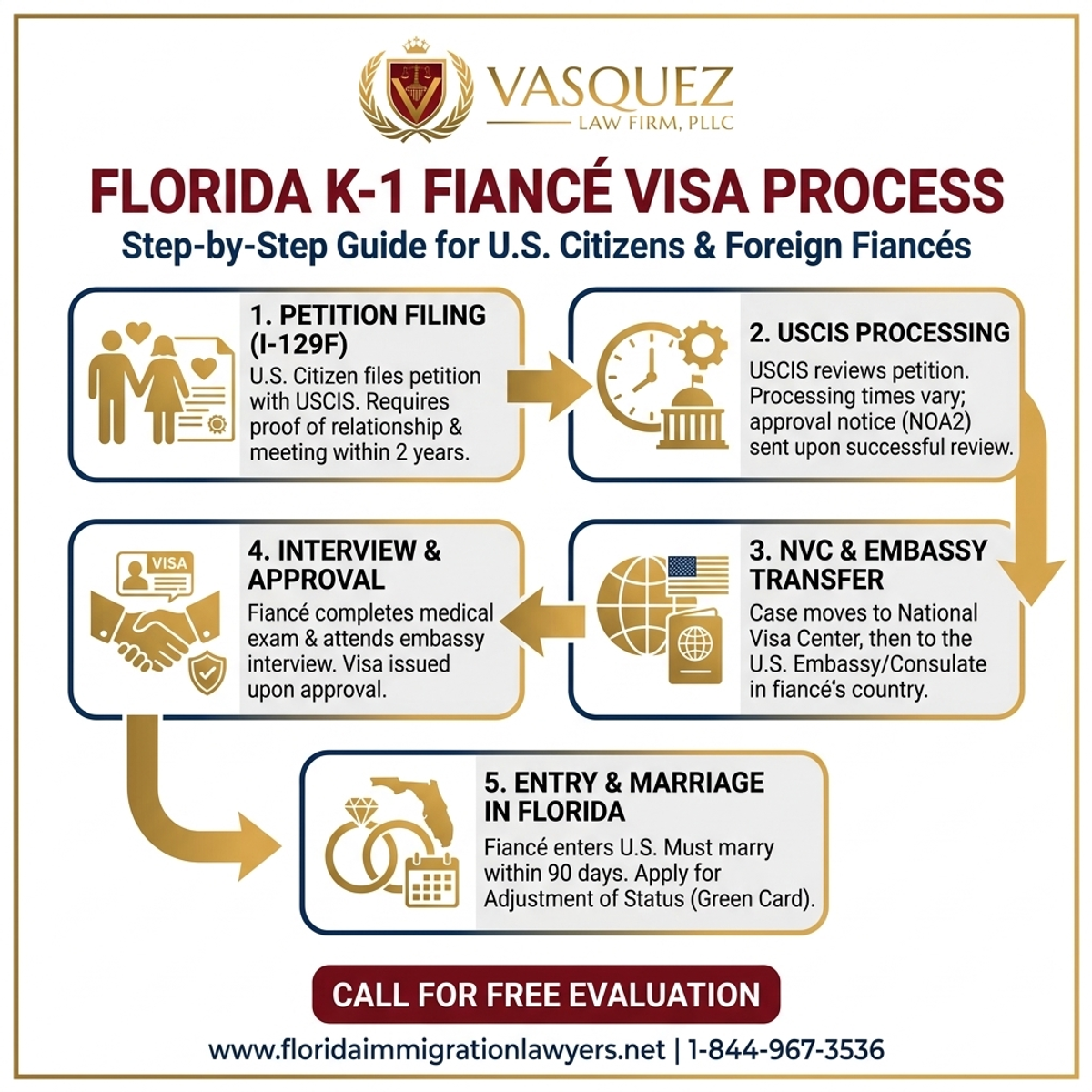
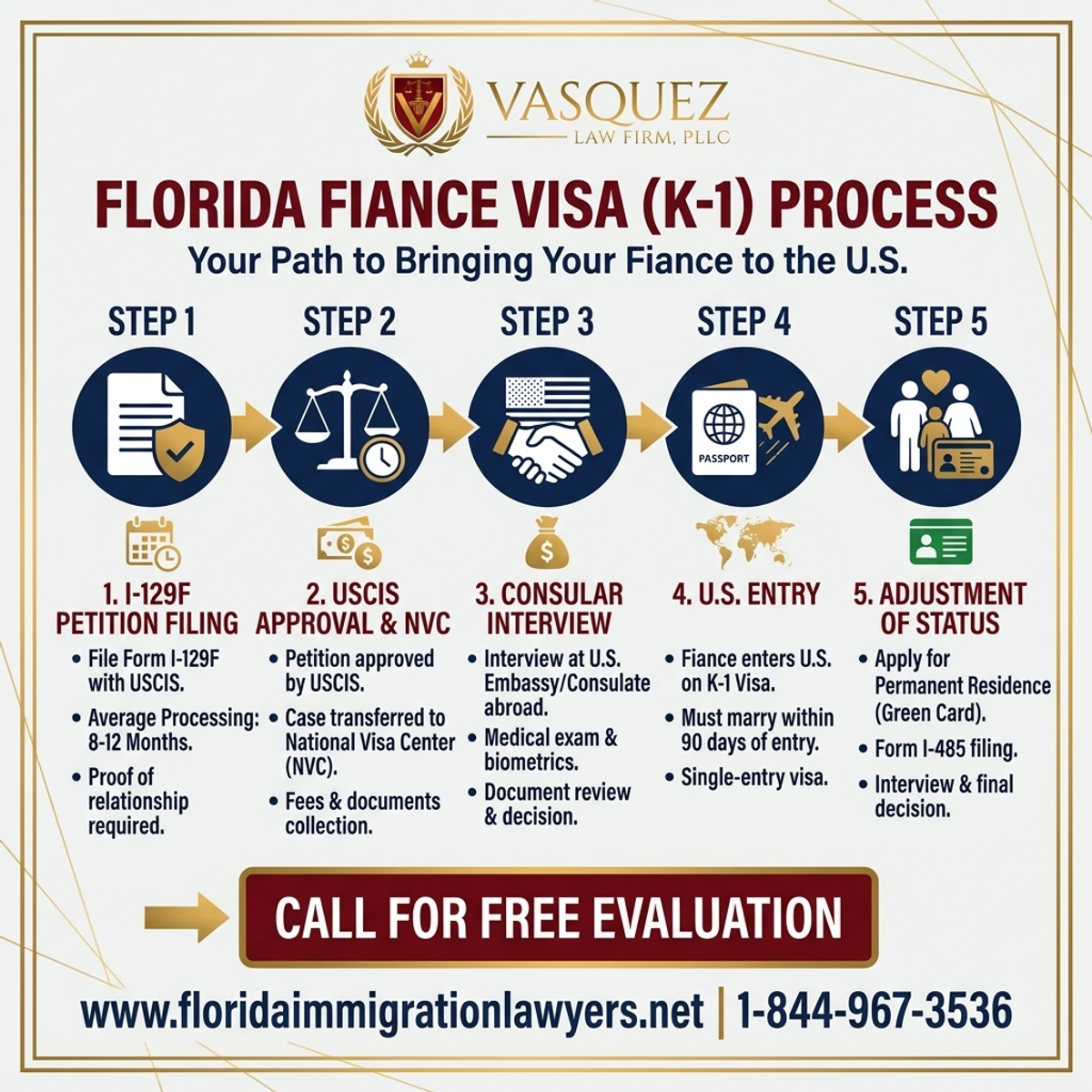
The K-1 visa process involves multiple stages, starting with U.S. Citizenship and Immigration Services (USCIS) and culminating in an interview at a U.S. embassy or consulate abroad. Here's a detailed breakdown:
Step 1: Filing Form I-129F, Petition for Alien Fiance(e)
The U.S. citizen petitioner initiates the process by filing Form I-129F, Petition for Alien Fiance(e), with USCIS. This petition establishes the bona fide nature of the relationship and the eligibility of both parties. Required documentation includes:
- Proof of U.S. citizenship (e.g., birth certificate, passport).
- Evidence of a bona fide relationship (e.g., photos together, communication records, travel itineraries, affidavits from friends/family).
- Proof of meeting in person within two years.
- Evidence of legal termination of any prior marriages.
- Passport-style photos of both petitioner and beneficiary.
After filing, USCIS will send a receipt notice (Form I-797C). The processing times for I-129F petitions can vary significantly, often taking several months to over a year. Once approved, USCIS sends an approval notice (Form I-797). If USCIS issues a Request for Evidence (RFE), it means they require additional information or clarification, which must be responded to promptly and thoroughly.
Step 2: National Visa Center (NVC) Processing
Upon approval of Form I-129F, the petition is forwarded to the National Visa Center (NVC). The NVC assigns a case number and sends the approved petition to the U.S. embassy or consulate in the foreign fiancé(e)'s country of residence. During this stage, the NVC will typically send instructions to the foreign fiancé(e) regarding the next steps, including paying fees and submitting required documents.
Step 3: Embassy/Consulate Interview and Medical Examination
The foreign fiancé(e) will receive an appointment for an interview at the designated U.S. embassy or consulate. Before the interview, they must undergo a medical examination by an authorized physician. The medical exam checks for certain communicable diseases, drug abuse, and verifies vaccinations. During the interview, a consular officer will review all submitted documents and ask questions to confirm the authenticity of the relationship and ensure all eligibility criteria are met. Required documents for the interview typically include:
- Valid passport.
- Birth certificate.
- Police certificates from all countries lived in for more than six months since age 16.
- Evidence of termination of prior marriages.
- Medical examination results.
- Financial support documents (Form I-134 and supporting evidence).
- Additional evidence of the relationship.
It is crucial to be well-prepared for this interview, as it is a critical step in the K-1 visa process. Our experienced attorneys can help prepare you and your fiancé(e) for this crucial stage.
Step 4: Entry into the U.S. and Marriage
If the interview is successful, the foreign fiancé(e) will be issued a K-1 visa. They must enter the U.S. within the validity period of the visa, typically six months. Upon entry, the couple has 90 days to get married. This 90-day period is strict, and failure to marry within this timeframe can lead to serious immigration consequences, including potential removal from the U.S.
Life After the K-1 Visa: Adjustment of Status and Green Card
The K-1 visa is just the first step towards permanent residency. Once married within the 90-day window, the foreign spouse must apply for Adjustment of Status (AOS) to become a Lawful Permanent Resident (LPR) and obtain a green card. This process is complex and requires careful attention to detail.
Filing Form I-485, Application to Register Permanent Residence or Adjust Status
After marriage, the foreign spouse files Form I-485 with USCIS. This application is accompanied by numerous supporting documents, including:
- Proof of marriage (marriage certificate).
- Proof of entry on a K-1 visa.
- Form I-864, Affidavit of Support, from the U.S. citizen spouse.
- Medical examination results (if not already submitted or if expired).
- Birth certificate, passport photos, and other biographical documents.
- Applications for work authorization (Form I-765) and travel document (Form I-131), which can be filed concurrently.
USCIS will issue receipt notices and often schedule a biometrics appointment. An interview with a USCIS officer may also be required to verify the marriage's authenticity and the applicant's eligibility for permanent residency. During this interview, the officer will assess whether the marriage is bona fide and not entered into solely for immigration purposes. They may ask detailed questions about your relationship, shared life, and future plans.
Step-by-Step Process — Fiance Visa K-1 Process in Florida | FL Immigration Lawyers
Conditional vs. Permanent Green Card
If the marriage is less than two years old at the time the green card is approved, the foreign spouse will receive a conditional green card, valid for two years. This condition is imposed to prevent marriage fraud. To remove the conditions and obtain a 10-year permanent green card, the couple must file Form I-751, Petition to Remove Conditions on Residence, within the 90-day period before the conditional green card expires. This petition requires substantial evidence demonstrating that the marriage was entered into in good faith and remains ongoing. If the marriage ends in divorce or the U.S. citizen spouse is unwilling to cooperate, waivers may be available, but these situations are highly complex and require expert legal guidance.
Should you find yourself facing complex immigration challenges, such as potential removal proceedings or needing to explore other forms of relief, our firm also provides robust deportation defense and assistance with asylum claims, ensuring a comprehensive approach to your immigration needs.
Common Challenges and How an Attorney Can Help
While the K-1 visa process seems straightforward on paper, numerous challenges can arise, leading to delays, Requests for Evidence (RFEs), or even denials. Some common pitfalls include:
- Insufficient Relationship Evidence: Failing to provide compelling evidence that the relationship is genuine and not solely for immigration purposes.
- Financial Ineligibility: The U.S. petitioner not meeting the income requirements or failing to provide adequate documentation for the Affidavit of Support.
- Criminal History: Either party having a criminal record can complicate the process, potentially requiring waivers of inadmissibility.
- Previous Immigration Violations: Past overstays, illegal entries, or other immigration infractions by the foreign fiancé(e) can be significant hurdles.
- Errors in Forms: Simple mistakes or omissions on forms can lead to RFEs and significant processing delays.
- Interview Anxiety: Inadequate preparation for the consular or USCIS interview can lead to misunderstandings or misinterpretations.
An experienced immigration attorney can be invaluable in navigating these complexities. They can help you gather and organize robust evidence, accurately complete all forms, prepare you for interviews, and address any potential issues proactively. Having legal representation significantly increases the likelihood of a smooth and successful K-1 visa process.
Why Choose Our Florida Immigration Lawyers?
Our firm understands the emotional and logistical challenges involved in bringing your loved one to the U.S. We are dedicated to providing personalized, compassionate, and effective legal representation to families throughout Florida. Our expertise in K-1 visas and subsequent Adjustment of Status applications ensures that your case is handled with the utmost care and precision.
- Local Expertise: We are intimately familiar with the nuances of immigration processes affecting Florida residents.
- Comprehensive Guidance: From the initial petition to the final green card interview, we guide you through every step.
- Proactive Problem Solving: We anticipate potential issues and develop strategies to overcome them, minimizing delays and stress.
- Client-Centered Approach: Your peace of mind is our priority. We keep you informed and answer your questions throughout the journey.
Key Statistics — Fiance Visa K-1 Process in Florida | FL Immigration Lawyers
Don't let the complexities of immigration law stand in the way of your future together. Contact our Florida immigration lawyers today for a free consultation. Let us help you unite with your fiancé(e) and build your life in the United States. Call us at (844) 967-3536 or reach out online to schedule your free consultation.
Sources and References
- U.S. Citizenship and Immigration Services (USCIS)
- Executive Office for Immigration Review (EOIR)
- U.S. Department of State - Bureau of Consular Affairs
- Immigration and Nationality Act (INA), 8 U.S.C. Chapter 12
Do Not Navigate This Process Alone
Our experienced immigration attorneys are ready to fight for you. Get a free, confidential consultation today.
Se Habla Español
Frequently Asked Questions
Florida Immigration Lawyers
Immigration Attorney | Founder, Vasquez Law Firm
U.S. Air Force veteran and immigration attorney with thousands of cases resolved. J.D., NCCU School of Law. AILA member. Admitted to the 4th, 5th, and 11th Circuit Courts.
Available 24/7 - Free Evaluations
Related Legal Services
Our Florida immigration attorneys can help you with experienced immigration attorneys, business immigration and asylum protection. Call today at 1-844-967-3536 for a free consultation.
Related Links
Related Topics
Free Legal Consultation
Discuss your case with our experienced attorneys. We're available 24/7.
Se Habla Español - Estamos aquí para ayudarle.
Related Articles
I-601 Waiver Guide for Florida Immigrants | VLF Florida
Facing inadmissibility issues in Florida? Discover how the I-601 waiver can help you stay in the U.S. by demonstrating extreme hardship to a qualifying relative. Learn about eligibility, process, and common mistakes to avoid. Contact Florida Immigration Lawyers for expert guidance.
I-601 Waiver Guide for Florida Immigrants | VLF Florida
The I-601 waiver is essential for immigrants in Coral Springs, Florida, facing inadmissibility. Learn about eligibility, documentation, and common mistakes to avoid. Contact Florida Immigration Lawyers for a free consultation.
Understanding U Visa Certification in Florida | VLF Florida
Explore the process of U visa certification in Florida, focusing on law enforcement's role and how it aids crime victims. Contact Florida Immigration Lawyers for guidance.
Immigration Services in Jacksonville, Florida | VLF Florida
Navigating immigration services in Jacksonville, Florida, requires understanding visa processes and legal guidance. Explore our comprehensive guide for expert insights.
