Understanding Citizenship Delay in Florida Applications
Facing delays with your citizenship application in Florida? Learn about the N-400 processing, USCIS backlogs, and steps to mitigate issues. Call Florida Immigration Lawyers at 1-844-967-3536 for a free consultation.

Understanding Citizenship Delay in Florida Applications
The journey to U.S. citizenship is a profound aspiration for many immigrants living in Florida, symbolizing the culmination of years of dedication and a deep desire to fully integrate into American society. The N-400 application for naturalization is a critical step in this process. However, for many applicants in the Sunshine State, this journey is often marred by unexpected and frustrating delays. What should ideally be a straightforward process can become a prolonged period of uncertainty, leaving individuals anxious about their future. Understanding the root causes of these citizenship delays, particularly in Florida, and knowing the proactive steps you can take is crucial for navigating this complex landscape. This comprehensive guide aims to shed light on the factors contributing to these hold-ups and provide actionable advice for applicants facing such challenges.
Understanding the N-400 Naturalization Process in Florida
The N-400, Application for Naturalization, is the standard form used by lawful permanent residents (green card holders) to apply for U.S. citizenship. The process, while seemingly straightforward on paper, involves several distinct stages, each with its own potential for delays. In Florida, like other states, applicants must meet specific eligibility criteria, including continuous residence, physical presence, good moral character, and an ability to read, write, and speak English, along with a knowledge of U.S. history and government.
The typical steps involved include:
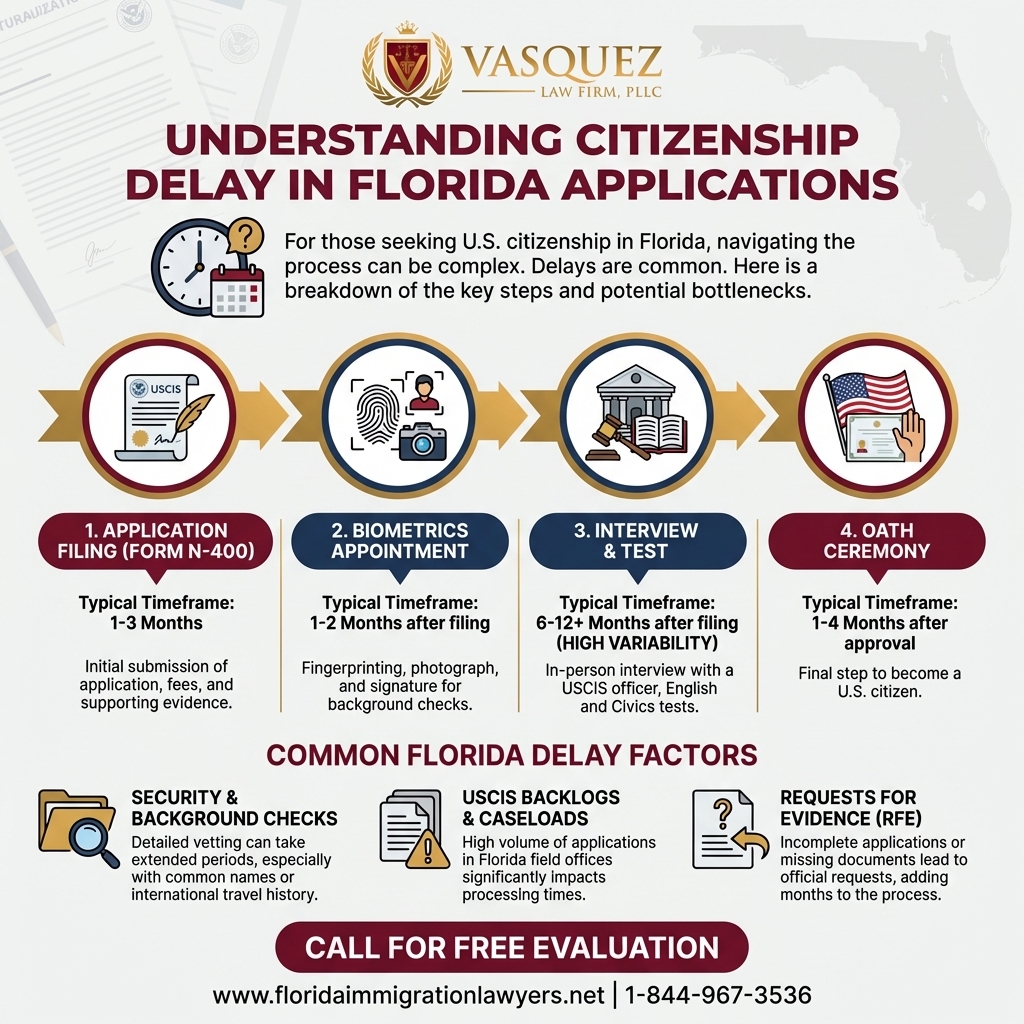
- Filing the N-400 Application: Submitting the complete application package with all required documents and fees to U.S. Citizenship and Immigration Services (USCIS).
- Biometrics Appointment: Attending an appointment at a USCIS Application Support Center (ASC) to provide fingerprints, photographs, and a signature for background checks.
- Interview: A personal interview with a USCIS officer to review the application, test English proficiency, and assess knowledge of civics.
- Decision: USCIS makes a decision on the application.
- Oath of Allegiance Ceremony: If approved, attending a ceremony to take the Oath of Allegiance and officially become a U.S. citizen.
While USCIS provides estimated processing times, these are often just guidelines. Real-world experiences, especially in high-volume areas like Florida, frequently deviate from these estimates. Factors such as the specific USCIS field office (e.g., Miami, Orlando, Tampa), the complexity of an individual's case, and broader systemic issues can all influence how long your application takes. A seemingly minor detail or an unexpected request for evidence can add months, if not years, to the process, transforming the dream of citizenship into a test of patience and resilience.
Common Causes of Citizenship Delays in Florida
When an N-400 application experiences a citizenship delay, it's rarely due to a single factor. More often, it's a confluence of systemic issues, administrative hurdles, and sometimes, applicant-related missteps. Understanding these common causes can help you anticipate potential problems and take proactive measures.
USCIS Backlog and Resource Constraints
One of the most significant contributors to N-400 processing delays across the nation, including Florida, is the pervasive USCIS backlog. Over the past few years, USCIS has faced an unprecedented surge in applications across various categories, coupled with fluctuating funding and staffing levels. This imbalance creates a bottleneck, extending processing times for all applications, including naturalization. Florida, being a state with a large immigrant population, often experiences the brunt of these backlogs, leading to longer waits at local field offices.
Requests for Evidence (RFEs) and Notices of Intent to Deny (NOIDs)
If your application is incomplete or if USCIS requires additional information to make a decision, they will issue a Request for Evidence (RFE). While RFEs are common, they significantly prolong the process. Similarly, a Notice of Intent to Deny (NOID) indicates that USCIS intends to deny your application unless you provide compelling evidence to overcome their concerns. Both RFEs and NOIDs require careful and timely responses, and any misstep can lead to further delays or even denial.
Interview Delays and Rescheduling
Scheduling the naturalization interview can be a major source of delay. USCIS field offices may have limited capacity, leading to long waits for an interview slot. Furthermore, interviews can be rescheduled by either USCIS or the applicant, adding weeks or months to the timeline. Sometimes, an interview might be 'continued' if the officer needs more information or time to review the case, requiring a second interview.
Extensive Background Checks and Administrative Processing
All naturalization applicants undergo rigorous background and security checks. These checks involve multiple government agencies and can sometimes take an extended period, especially if there are complexities in an applicant's history, such as prior arrests, extensive travel, or past asylum applications. If an applicant's background check flags any issues, or if there's a need for inter-agency coordination, the case can enter a phase known as 'administrative processing,' which is notoriously opaque and can last for an unpredictable duration. This is a critical stage where any past legal issues, even minor ones, can be scrutinized, potentially leading to further complications or even deportation defense issues if not handled correctly.
Errors or Incomplete Applications
While many delays stem from USCIS, applicants can inadvertently contribute to the problem by submitting incomplete or inaccurate applications. Missing documents, incorrect information, or failure to disclose relevant details can trigger RFEs, NOIDs, or even outright denials, necessitating a restart of the process or a lengthy appeals period. This underscores the importance of meticulous preparation and, often, professional legal guidance.
Navigating the USCIS Backlog: Proactive Strategies for Applicants
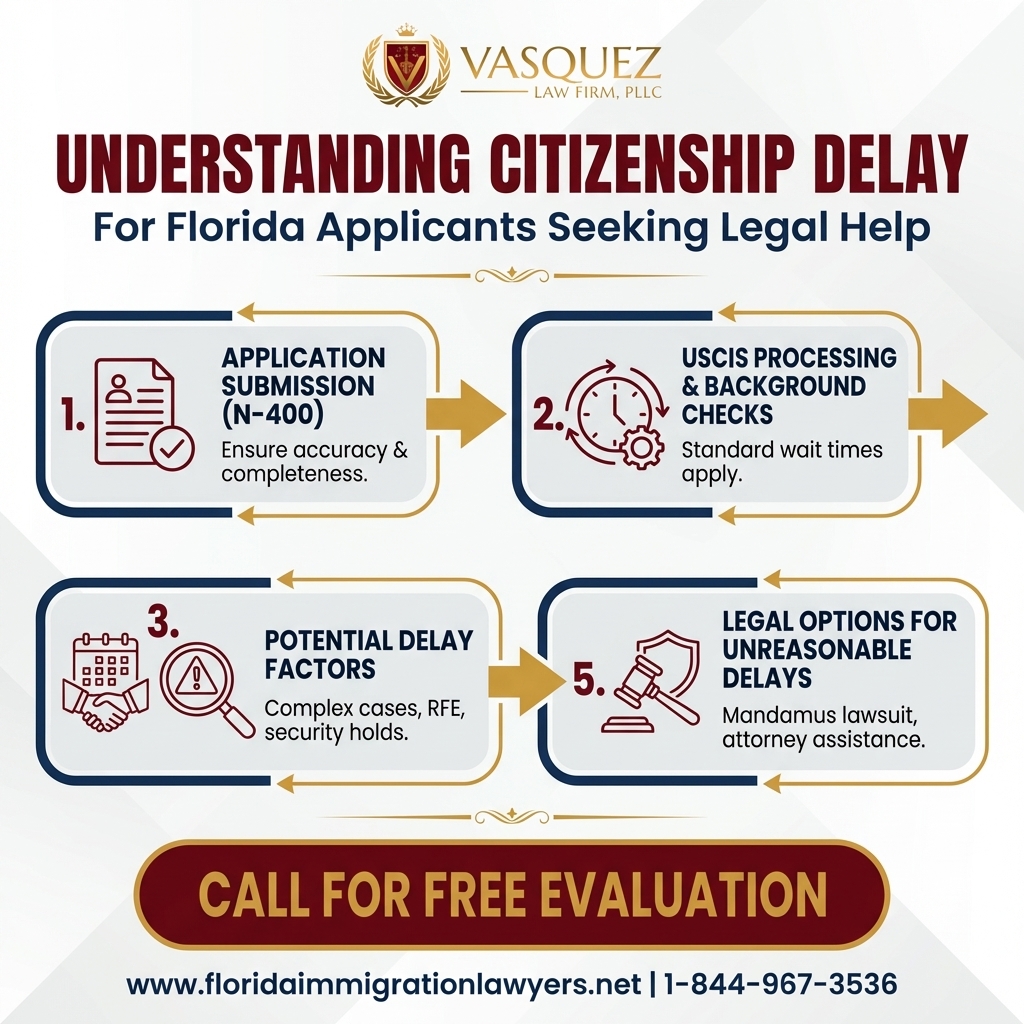
Facing a prolonged citizenship delay can be incredibly frustrating, but there are several proactive steps you can take to monitor your case and potentially expedite the process. While no strategy guarantees immediate results, these actions can help you stay informed and demonstrate diligence to USCIS.
Checking Your Case Status Online
The first and most fundamental step is to regularly check your case status using the receipt number provided by USCIS. The USCIS online case status tool provides real-time updates on the progress of your N-400 application. While it may not always explain the reason for a delay, it will indicate if your case is actively being reviewed, if an RFE has been issued, or if an interview has been scheduled. Setting up email and text notifications can also ensure you receive immediate alerts.
Contacting USCIS Directly
If your case is outside the normal processing times listed on the USCIS website for your specific field office, you can contact the USCIS National Customer Service Center (NCSC) at 1-800-375-5283. Be prepared to provide your receipt number and personal information. While NCSC representatives can offer general information and sometimes submit an inquiry on your behalf, their ability to influence case processing is often limited. For more complex issues, you might need to schedule an InfoPass appointment (though these have largely been replaced by online scheduling for specific services) or visit a local field office in Florida, if permitted, to speak with an officer directly.
Submitting an Expedite Request
In certain urgent circumstances, you may be eligible to request an expedite for your N-400 application. USCIS considers expedite requests on a case-by-case basis and typically requires compelling evidence of extreme urgency. Valid reasons for an expedite request often include severe financial loss to a company or individual, urgent humanitarian reasons, or national interest. You will need to provide documentation to support your claim. While not commonly granted for naturalization, it is an option worth exploring if your situation meets the strict criteria. An experienced immigration attorney can help you determine if you qualify and assist in preparing a strong request.
Seeking Assistance from a Congressional Office
If your application is significantly delayed and you've exhausted other avenues, contacting your local U.S. Representative or Senator's office can be an effective strategy. Congressional offices have liaisons who can make inquiries with USCIS on behalf of their constituents. While they cannot force USCIS to approve your application, they can often get more detailed information about the reason for the delay and sometimes help to move the case forward. This approach is particularly useful when administrative processing or background checks seem to be the bottleneck. Our attorneys can guide you through this process.
The Role of an Immigration Attorney in Navigating Delays
Perhaps the most impactful proactive strategy is to engage an experienced immigration attorney. An attorney can not only help you understand the specific reasons for your delay but also advise on the most effective course of action. They can communicate directly with USCIS, submit formal inquiries, prepare and submit expedite requests with strong supporting evidence, and even escalate your case to higher levels within the agency. Their expertise in immigration law and familiarity with USCIS procedures can be invaluable in cutting through bureaucratic red tape and advocating for your case. This proactive legal support can make a significant difference in resolving prolonged delays.
Legal Avenues to Address Unreasonable Delays
When all administrative remedies have been exhausted and your N-400 processing delay becomes unreasonable, applicants may have recourse through the federal court system. This is a serious step that should only be considered after careful consultation with an experienced immigration attorney.
Understanding a Writ of Mandamus
A Writ of Mandamus is a legal action filed in federal court that asks a judge to compel a government agency (in this case, USCIS) to perform a duty it is legally obligated to do. In the context of citizenship applications, a Writ of Mandamus is typically filed when USCIS has failed to make a decision on an N-400 application within a reasonable timeframe, without a clear, justifiable reason. The lawsuit doesn't ask the court to approve the application, but rather to order USCIS to make a decision – either an approval or a denial.
When to Consider Legal Action
Filing a Writ of Mandamus is a significant step and is usually considered a last resort. It's generally pursued when:
- Your application has been pending significantly beyond the published processing times.
- You have made multiple inquiries with USCIS and received no substantive updates or explanations for the delay.
- You have attempted congressional inquiries without success.
- The delay is causing significant hardship or prejudice.
The definition of an "unreasonable delay" can vary, but often, if an N-400 has been pending for two years or more, especially after the interview, a Writ of Mandamus might be a viable option. It's crucial to understand that filing such a lawsuit can be complex and requires a thorough understanding of federal court procedures and immigration law. This is where the expertise of a seasoned immigration attorney becomes indispensable.
The Role of an Immigration Attorney in Federal Litigation
An immigration attorney specializing in federal litigation can:
- Assess Your Case: Determine if your delay meets the criteria for a Writ of Mandamus and advise on the likelihood of success.
- Prepare and File the Lawsuit: Draft the complaint, gather necessary evidence, and file the case in the appropriate federal district court.
- Negotiate with Government Counsel: Often, the mere act of filing a Writ of Mandamus prompts USCIS to review the case more quickly, sometimes leading to a decision before the case even goes to trial.
- Represent You in Court: If necessary, represent your interests in court proceedings.
While a Writ of Mandamus can be an effective tool for resolving egregious delays, it's a serious legal undertaking. It's not a step to be taken lightly and always requires professional legal guidance to navigate successfully. For individuals facing the risk of deportation defense due to their immigration status uncertainty, resolving these delays becomes even more critical.
The Indispensable Role of an Immigration Attorney in Naturalization
While the N-400 application might appear straightforward, the complexities of immigration law, coupled with the potential for citizenship delay, underscore the critical importance of retaining an experienced immigration attorney. Especially in a bustling state like Florida, where USCIS field offices handle a high volume of cases, legal counsel can be the difference between a smooth process and prolonged uncertainty.
Expert Guidance Through Complex Regulations
Immigration law is constantly evolving, with new policies and interpretations emerging regularly. An experienced attorney stays abreast of these changes, ensuring your application is compliant with the latest regulations. They can accurately assess your eligibility, identify potential red flags in your background (such as past criminal history or complex travel patterns that might trigger extensive background checks), and advise on how to best present your case to USCIS. This expertise minimizes the risk of errors or omissions that could lead to RFEs or denials.
Proactive Issue Resolution and Prevention
One of the most significant benefits of legal representation is the ability to proactively address potential issues. An attorney can help you gather all necessary documentation, review your application for accuracy, and prepare you thoroughly for your naturalization interview. If an RFE or NOID is issued, your attorney can craft a comprehensive and persuasive response, ensuring all concerns raised by USCIS are adequately addressed. This proactive approach can significantly reduce the likelihood of delays and increase the chances of a favorable outcome.
Effective Communication and Advocacy with USCIS
Navigating communication with USCIS can be challenging. An attorney can act as your representative, communicating directly with USCIS on your behalf. They understand the proper channels for inquiries, can escalate issues when necessary, and are skilled in advocating for your case. This includes submitting formal inquiries about delays, following up on background checks, and even engaging with congressional offices if administrative delays become unreasonable. Their professional correspondence can often lead to quicker and more substantive responses from the agency.
Representation at Interviews and Hearings
While not always required, having an attorney present at your naturalization interview can provide immense peace of mind. Your attorney can clarify questions, address any misunderstandings, and ensure that your rights are protected throughout the process. In cases where an application leads to a hearing or a need for deportation defense, an attorney's representation is absolutely crucial.
Peace of Mind and Reduced Stress
Perhaps one of the most intangible yet valuable benefits of hiring an immigration attorney is the peace of mind it offers. The naturalization process can be stressful and emotionally taxing. Knowing that an experienced professional is handling your case, monitoring its progress, and advocating for your best interests can alleviate much of this burden, allowing you to focus on your life while your attorney works diligently on your behalf. Our team of attorneys is dedicated to providing this comprehensive support.
Conclusion
The dream of U.S. citizenship is a profound milestone, and while citizenship delay in Florida applications can be a frustrating hurdle, it is not an insurmountable one. Understanding the common causes of these delays, from the pervasive USCIS backlog to complex background checks, empowers you to take informed action. By proactively monitoring your case, engaging with USCIS through appropriate channels, and considering legal avenues like a Writ of Mandamus when necessary, you can effectively navigate the challenges.
Ultimately, the guidance of an experienced immigration attorney is invaluable throughout this process. From ensuring the accuracy of your N-400 processing to advocating on your behalf and exploring all available legal remedies, an attorney provides the expertise and support needed to overcome delays and achieve your goal of naturalization. Don't let uncertainty define your journey to citizenship. If you are experiencing significant delays with your naturalization application in Florida, take the proactive step of seeking professional legal advice. Contact us today for a free consultation to discuss your specific situation and explore how we can help you move forward.
Sources and References
- U.S. Citizenship and Immigration Services (USCIS)
- Executive Office for Immigration Review (EOIR)
- U.S. Department of State - Bureau of Consular Affairs
- Immigration and Nationality Act (INA), 8 U.S.C. Chapter 12
Do Not Navigate This Process Alone
Our experienced immigration attorneys are ready to fight for you. Get a free, confidential consultation today.
Se Habla Español
Frequently Asked Questions

William J. Vásquez
Founding Attorney · Vasquez Law Firm
U.S. Air Force veteran and immigration attorney with thousands of cases resolved. J.D., NCCU School of Law. AILA member. Admitted to the 4th, 5th, and 11th Circuit Courts.
Available 24/7 - Free Evaluations
Related Legal Services
Our Florida immigration attorneys can help you with family immigration services, immigration practice areas and free immigration consultation. Call today at 1-844-967-3536 for a free consultation.
Related Links
Related Topics
Free Legal Consultation
Discuss your case with our experienced attorneys. We're available 24/7.
Se Habla Español - Estamos aquí para ayudarle.
Related Articles
DACA Florida 2026 Guide: Renewing Your Deferred Action
Renewing your DACA status in Florida for 2026 is a crucial process for thousands of Dreamers. This comprehensive guide from Florida Immigration Lawyers provides essential information on eligibility criteria, step-by-step application procedures, necessary documentation, and expected processing timelines. Understand the specific forms required, the importance of timely submission, and the potential costs involved. We also delve into the challenges posed by the evolving legal landscape surrounding DACA and offer insights into common mistakes to avoid during your renewal. Given the program's ongoing legal scrutiny, securing expert legal assistance is more important than ever. Our firm stands ready to assist DACA recipients across Florida, offering free consultations and dedicated support to ensure a smooth and successful renewal.
Dual Citizenship Lawyer: Tips for Your Florida Interview
Preparing for a citizenship interview in Florida? Discover key tips to navigate the process effectively. Learn what to expect during your interview and how to prepare thoroughly to ensure success.
Why Is Form N-600 Taking So Long? Delays in 2026
For families in Florida seeking to confirm their child's U.S. citizenship via Form N-600, delays are a common and frustrating reality in 2026. USCIS backlogs, thorough background checks, and Requests for Evidence (RFEs) are leading causes of extended processing times, often stretching beyond typical expectations. Understanding the intricate eligibility requirements for derived or acquired citizenship, meticulously preparing all necessary documentation, and responding promptly to any USCIS inquiries are crucial steps to mitigate delays. This comprehensive guide from Florida Immigration Lawyers explores the N-600 process, common pitfalls, and when professional legal assistance is indispensable for families across the state, including Orlando. Navigate the complexities with confidence and expert support.
Immigration Lawyer Orlando Free Consultation: 2026 Guide
For individuals in Orlando, Lakeland, and Polk County, understanding U.S. immigration law can be daunting. An immigration lawyer Orlando free consultation offers a vital first step to clarity, allowing you to discuss your unique situation with an expert without upfront costs. This comprehensive guide from Florida Immigration Lawyers explores common immigration pathways, essential documentation, typical timelines and costs for 2026, and specific challenges faced by immigrants in Central Florida. We also highlight critical mistakes to avoid and identify scenarios where professional legal assistance is indispensable. Our firm is dedicated to providing empathetic, expert guidance across all immigration matters, from family visas to deportation defense, ensuring you make informed decisions for your future in Florida. Learn how a free consultation can set you on the right path.