Canada Immigration News Today: Florida Updates for 2026
Stay current on Canada immigration news today with this essential guide for Florida residents in 2026. Explore key policy updates from both Canada and Florida, a step-by-step guide to Canadian immigration pathways, and a crucial document checklist. Understand processing times, cost factors, and common mistakes to avoid. This article also addresses frequently asked questions about Canadians moving to Florida and vice-versa, offering actionable advice. Learn when to seek legal counsel from Florida Immigration Lawyers to navigate these complex processes successfully.

Staying updated on Canada immigration news today is crucial for Florida residents and those considering moves between Canada and the Sunshine State. Policy changes, travel advisories, and evolving visa requirements can significantly impact your plans. Understanding the latest developments, especially those affecting skilled workers, family reunification, and temporary visas, helps ensure compliance and successful applications. Always consult an expert for personalized guidance.
- Canadian immigration policies are dynamic and affect Florida residents.
- Travel advisories and visa requirements are subject to frequent updates.
- Skilled worker programs and family reunification remain key pathways.
- Florida's unique legal landscape impacts cross-border immigration.
- Professional legal advice is essential for navigating complex processes.
Are you a Canadian living in Florida, a Floridian with Canadian family, or an individual considering immigration to Canada? The landscape of cross-border movement is constantly evolving, and staying informed about Canada immigration news today is paramount. Recent developments in 2026, coupled with Florida's own immigration policies, create a complex environment for individuals and families alike.
This comprehensive guide from Florida Immigration Lawyers will delve into the latest updates, policies, and practical considerations for those navigating Canada-Florida immigration matters. We understand the unique challenges you face and are here to provide clarity and support. If you have questions about your specific situation, do not hesitate to call Florida Immigration Lawyers at 1-844-967-3536 for a free consultation. Our team is ready to assist you.
Understanding Canada-Florida Immigration Dynamics in 2026
The relationship between Canada and Florida regarding immigration is multifaceted, influenced by economic ties, seasonal migration, and family connections. In 2026, both Canadian federal policies and Florida state regulations continue to shape the movement of people. Understanding these dynamics is the first step in a successful immigration journey.
Many Canadians choose Florida as a winter haven or a permanent home, while others in Florida may seek opportunities in Canada. This constant flow necessitates a clear understanding of visa requirements, residency rules, and potential impacts of new legislation. Our firm tracks these changes closely to provide the most current advice.
Key Policy Updates for Canadians in Florida
Recent changes in Canadian immigration policy, particularly those impacting temporary residents and skilled workers, are important for Floridians to monitor. For example, updates to the Express Entry system or Provincial Nominee Programs (PNPs) can open new avenues for those seeking permanent residency. These programs are often designed to attract individuals with specific skills or professional backgrounds.
Conversely, Canadian citizens residing in Florida need to be aware of any changes to U.S. visa waiver programs or duration of stay rules. While Canadians generally enjoy ease of entry into the U.S. for short visits, extended stays or work authorizations require specific visas. We regularly advise clients on these intricate details.
The Impact of Recent Florida Legislation on Immigrants
Florida's immigration landscape has also seen significant legislative activity in recent years, which can indirectly affect Canadians or those in Florida considering moving to Canada. State laws, such as those related to employment verification or undocumented immigration, create a unique environment that can influence decisions about relocating. These laws, while primarily focused on other populations, contribute to the overall climate for immigrants in Florida.
For individuals holding various immigration statuses in Florida, understanding the broader legal context is critical. This includes being informed about state enforcement efforts, which have been widely reported, such as Operation Tidal Wave. While Canadians are generally not directly targeted by these, the overall enforcement climate can raise concerns for anyone with an immigration status.
Navigating Canadian Immigration Pathways from Florida: A Step-by-Step Guide
For those in Florida looking to immigrate to Canada, the process can seem daunting. However, by breaking it down into manageable steps, you can better understand the journey ahead. Canada offers numerous immigration programs, each with specific eligibility criteria and application procedures. Here's a general overview of the typical steps involved:
-
Determine Your Eligibility and Program: Canada has over 100 immigration pathways. Common programs include Express Entry (for skilled workers), Provincial Nominee Programs (PNPs), family sponsorship, and study permits leading to permanent residency. Your education, work experience, language proficiency (English/French), and age will heavily influence your eligibility. Use the official Immigration, Refugees and Citizenship Canada (IRCC) website to explore options.
-
Gather Required Documents: Once you identify a suitable program, you will need to collect an extensive list of documents. This typically includes identity documents, educational credentials, work experience letters, language test results, and police certificates. Ensure all documents are current and meet IRCC specifications.
-
Complete Language Testing: Most economic immigration programs require proof of language proficiency. You will need to take an approved English (IELTS or CELPIP) or French (TEF or TCF) language test and achieve the minimum scores specified by your chosen program. These tests are administered by authorized centers, including some in Florida.
-
Obtain an Educational Credential Assessment (ECA): If you completed your education outside of Canada, you will likely need an ECA to verify that your foreign credentials are equivalent to Canadian ones. Designated organizations perform these assessments. This is a crucial step for many skilled worker programs.
-
Submit Your Application: Depending on the program, you may submit an Expression of Interest (EOI) through Express Entry, apply directly to a PNP, or submit a full application. Ensure all forms are accurately completed and all supporting documents are attached. Incomplete applications are often rejected or delayed.
-
Attend Biometrics and Medical Exams: After submitting your application, you will typically receive instructions to provide biometrics (fingerprints and a photo) at a designated collection service point. You will also undergo a medical examination by a panel physician approved by IRCC. There are panel physicians available in Florida.
-
Respond to Requests for Additional Information: IRCC may request further documentation or clarification during the processing of your application. Respond promptly and accurately to avoid delays. This often requires careful attention to detail and understanding of legal requirements.
-
Receive a Decision: Once your application is fully processed, you will receive a decision. If approved, you will get a Confirmation of Permanent Residence (COPR) or a visa, allowing you to finalize your move to Canada. If denied, you may have options to appeal or reapply, which is where legal counsel becomes invaluable. Our immigration lawyers can help you understand the decision and your next steps.
Essential Documents for Canadian Immigration Applications
A successful Canadian immigration application hinges on submitting a complete and accurate set of documents. Even a minor omission or error can lead to significant delays or even refusal. It is critical to prepare thoroughly and meticulously gather everything required by IRCC for your specific program.
While the exact list varies by program, here is a general checklist of documents commonly required for most Canadian immigration pathways. Always refer to the official IRCC document checklist for your chosen program, as requirements can change. Many of these documents will need to be translated if not originally in English or French.
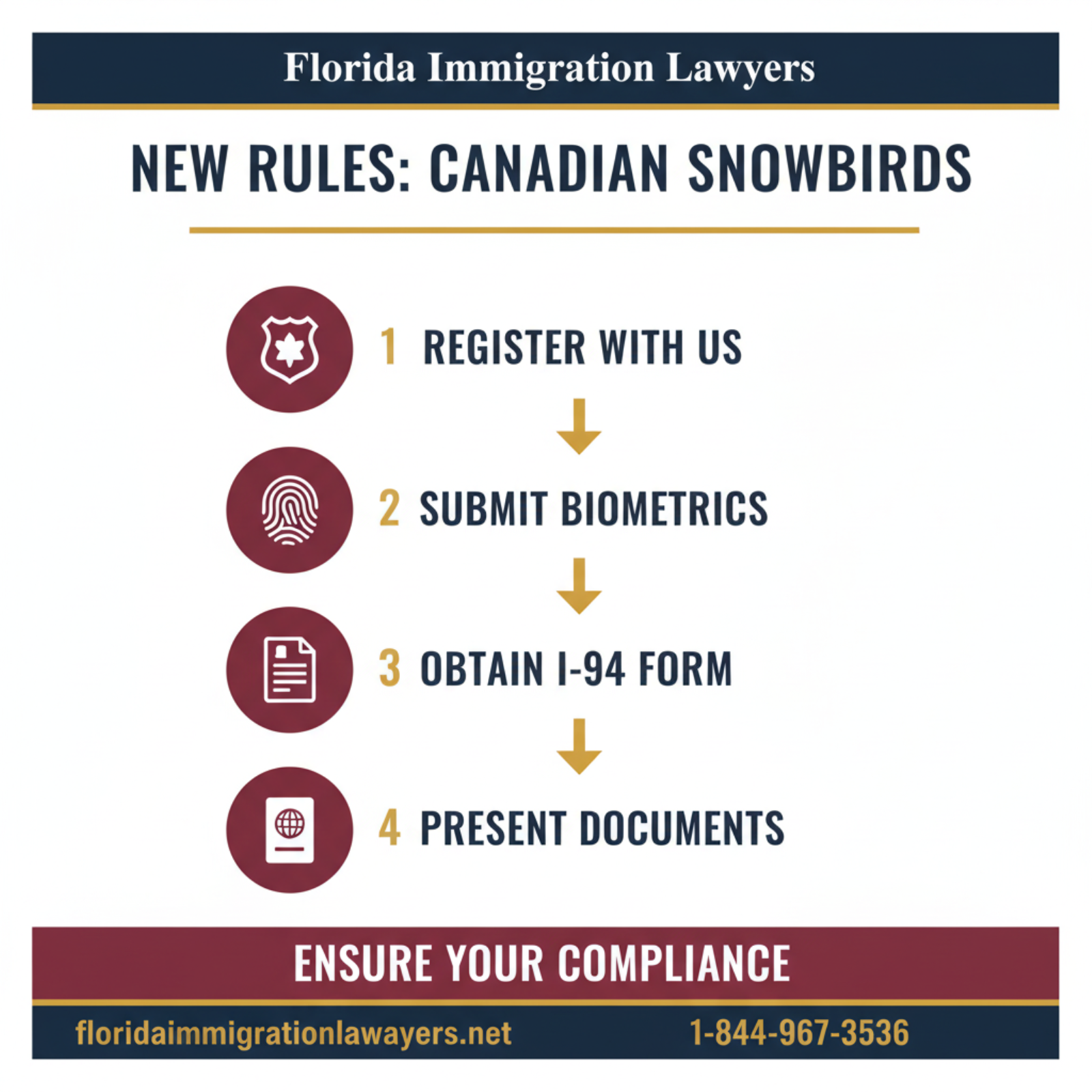
- Valid passport and travel documents for all applicants.
- Birth certificates for all family members.
- Marriage certificate (if applicable).
- Divorce certificates or death certificates of former spouses (if applicable).
- Educational credential assessments (ECA) for foreign degrees, diplomas, or certificates.
- Language test results (IELTS, CELPIP, TEF, TCF).
- Work experience letters from previous employers, detailing duties, hours, and salary.
- Proof of funds to support yourself and your family upon arrival in Canada.
- Police certificates from every country or territory where you have lived for six months or more since the age of 18.
- Medical examination results from an IRCC-approved panel physician.
- Digital photos meeting IRCC specifications.
- Application forms specific to your chosen immigration program, accurately completed and signed.
- Proof of payment for processing fees.
- Any additional documents requested by IRCC, such as letters of invitation or provincial nomination certificates.
Processing Times and Expectations for Canadian Immigration from Florida
One of the most common questions our clients ask pertains to how long their immigration application will take. The processing times for Canadian immigration applications can vary significantly, depending on the program, the volume of applications, and the completeness of your submission. It is important to set realistic expectations and understand the factors that influence these timelines.
IRCC provides estimated processing times on its website, which are updated regularly. These are averages and not guarantees. Your individual experience may differ. For example, Express Entry applications are often processed faster than some Provincial Nominee Programs. Staying informed on Canada immigration news today often includes updates on processing backlogs or accelerated programs.
Factors Influencing Processing Speed
Several elements can affect how quickly your application is processed. The complexity of your case, the accuracy and completeness of your documents, and whether you have a criminal record or medical issues can all play a role. Additionally, the specific office handling your application may have different workloads.
Responding promptly and thoroughly to any requests for additional information from IRCC is crucial. Delays in providing requested documents will inevitably prolong the processing period. Working with an experienced immigration attorney can help ensure your application is submitted correctly and efficiently from the outset.
Understanding the Costs of Canadian Immigration Applications
Immigrating to Canada involves various costs beyond just the application fees. It is essential to budget appropriately for these expenses to avoid financial strain during your transition. These costs can include government processing fees, biometrics fees, medical exam fees, and language test fees. Planning ahead is key to a smooth financial aspect of your journey.
While we cannot provide specific fee amounts as they are subject to change, IRCC publishes its current fee schedule on its official website. It is advisable to check these regularly, as fees can be updated without extensive prior notice. Be prepared for adjustments, as the government may review and modify these charges periodically.
Government Fees and Additional Expenses
The primary costs typically include application processing fees for the principal applicant and any accompanying family members, as well as the Right of Permanent Residence Fee (RPRF), which is paid before permanent residency is granted. Biometrics collection also incurs a separate fee.
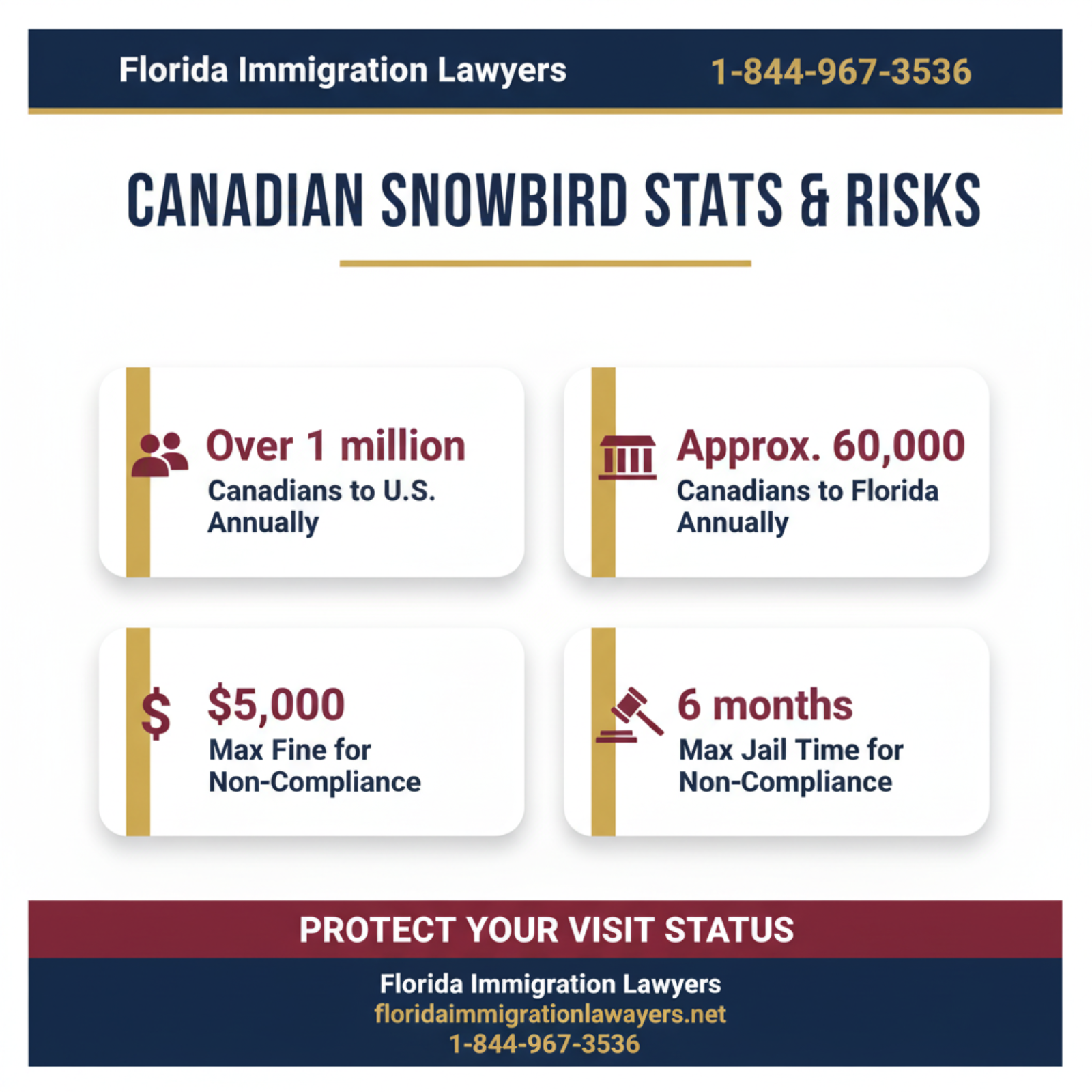
Beyond government fees, you should also account for costs associated with language tests, educational credential assessments, and medical examinations. If you require document translations, these will also add to your expenses. Furthermore, legal fees for retaining an immigration lawyer, while an investment, can save you time and money by ensuring your application is robust and compliant. Our firm offers transparent fee structures.
Do not navigate this process alone. The complexities of international immigration, especially with constantly updating Canada immigration news today, require expert guidance. Contact Florida Immigration Lawyers today to discuss your options and let us help you achieve your immigration goals.
Common Questions About Canada-Florida Immigration
Many individuals in Florida have similar questions when considering Canadian immigration or simply navigating cross-border travel. Addressing these common inquiries can provide clarity and help you make informed decisions about your future.
Here are answers to some of the most frequently asked questions related to Canada-Florida immigration dynamics, especially relevant in 2026.
Is Canada accepting immigrants from the USA?
Yes, Canada actively welcomes immigrants from the USA, including those residing in Florida. U.S. residents are not treated differently than applicants from other countries, provided they meet the eligibility criteria for various Canadian immigration programs such as Express Entry, Provincial Nominee Programs, or family sponsorship. The key is to qualify under one of Canada's many pathways for permanent residency or temporary visas.
How long can Canadians stay in Florida?
Canadian citizens can generally stay in the U.S., including Florida, for up to six months as visitors without needing a visa. This is typically granted upon entry. For longer stays, or for specific purposes like work or study, Canadians would need to apply for the appropriate U.S. visa. Overstaying the permitted period can lead to serious immigration consequences.
Is Canada warning travelers going to the US about new registration requirements?
The Canadian government, through its official travel advisories (travel.gc.ca), regularly updates its citizens on entry requirements for various countries, including the U.S. While specific new registration requirements for Canadians entering the U.S. are not currently widespread for general tourist travel, it's always prudent to check the latest advisories. Requirements can change, especially concerning specific travel purposes or enhanced security measures. Canadians should also be aware of any potential changes to the Western Hemisphere Travel Initiative (WHTI). Always consult official sources like travel.state.gov and cbp.gov.
Why are Canadians moving to Florida?
Canadians move to Florida for a variety of reasons, including the warmer climate, lower cost of living in some areas compared to major Canadian cities, and tax advantages. Many are seasonal residents (snowbirds) who eventually decide to make Florida their permanent home. Others move for business opportunities, family reunification, or to retire. The strong cultural and economic ties between Canada and Florida facilitate this movement, though navigating the immigration process requires careful planning.
Common Mistakes to Avoid in Your Immigration Journey
Navigating immigration can be complex, and even small errors can have significant consequences. Avoiding these common mistakes can save you time, money, and potential heartbreak in your pursuit of Canadian residency or while maintaining your status in Florida.
-
Incomplete or Inaccurate Applications: Submitting an application with missing information or errors is a primary reason for delays or refusals. Consequences include prolonged processing times or outright rejection, requiring you to restart the entire process.
-
Misrepresenting Information: Providing false or misleading information, whether intentionally or unintentionally, can lead to a finding of misrepresentation. This can result in a ban from entering Canada for several years, severely impacting future immigration attempts.
-
Failing to Meet Deadlines: Immigration processes often have strict deadlines for document submission, biometrics, or responses to IRCC requests. Missing these deadlines can lead to application refusal and the loss of any associated fees.
-
Not Understanding Program Eligibility: Applying for a program for which you do not meet the specific eligibility criteria is a common mistake. This wastes time and resources and inevitably leads to refusal. Thorough research or professional consultation is vital.
-
Ignoring Language Proficiency Requirements: Many Canadian economic immigration programs have minimum language test scores. Failing to take the required test or not achieving the necessary scores will render your application ineligible.
-
Insufficient Proof of Funds: Canada requires immigrants to demonstrate they have sufficient funds to support themselves and their families upon arrival. Underestimating or failing to prove these funds can lead to refusal.
-
Overlooking Document Translation Requirements: If your supporting documents are not in English or French, they must be translated by a certified translator, often with an affidavit. Neglecting this requirement will result in your documents not being accepted.
-
Not Updating IRCC on Changes: Changes in your personal circumstances, such as marriage, birth of a child, or a new job, must be promptly reported to IRCC. Failure to do so can jeopardize your application or status.
-
Relying on Outdated Information: Immigration laws and policies are constantly changing. Relying on old information or advice from unofficial sources can lead to critical errors. Always check official government websites or consult a legal professional for the most current advice on Canada immigration news today.
-
Not Seeking Legal Counsel: Attempting to navigate complex immigration processes without professional legal guidance is a common and often costly mistake. An experienced immigration lawyer can identify potential issues, ensure compliance, and advocate on your behalf, significantly increasing your chances of success.
When to Call a Florida Immigration Lawyer
While some immigration processes appear straightforward, the reality is often far more complex. The stakes are high, and a mistake can have long-lasting consequences. Knowing when to seek professional legal assistance from Florida Immigration Lawyers can make all the difference, especially with the dynamic nature of Canada immigration news today and U.S. immigration laws.
Consider contacting our firm in Tallahassee or any of our Florida offices if you encounter any of the following scenarios:
- Complex Eligibility Issues: If your background does not perfectly fit standard immigration categories, or if you have a complicated work history, a lawyer can help assess your eligibility and identify alternative pathways.
- Previous Refusals or Denials: If you have had an immigration application refused in the past, understanding the reasons for denial and strategizing for a successful reapplication requires expert legal analysis. This is particularly true for asylum claims or complex visa issues.
- Criminal History or Medical Inadmissibility: Any criminal record, even minor, or certain medical conditions can lead to inadmissibility. A lawyer can advise on waivers or rehabilitation options to overcome these hurdles.
- Family Sponsorship Challenges: Sponsoring family members can be intricate, especially if there are issues with relationship proof, financial eligibility, or previous immigration violations. Our family immigration attorneys specialize in these cases.
- Deportation or Removal Proceedings: If you or a loved one in Florida is facing deportation, immediate legal intervention is critical. Our deportation defense team provides aggressive representation to protect your rights.
- Visa Overstays or Status Violations: If you have overstayed your visa in the U.S. or violated your immigration status, seeking legal advice immediately is crucial to understand your options and avoid severe penalties.
- Business Immigration Needs: For entrepreneurs or businesses looking to expand into Canada or bring Canadian workers to Florida, navigating specific business immigration programs requires specialized legal knowledge.
- Citizenship Applications: When applying for Canadian or U.S. citizenship, ensuring all requirements are met and correctly documented is vital. A lawyer can review your application for accuracy and completeness.
- Confusing or Contradictory Information: The sheer volume of immigration information, often conflicting, can be overwhelming. A lawyer provides clear, accurate, and up-to-date advice tailored to your situation.
At Florida Immigration Lawyers, we are committed to providing personalized, compassionate, and effective legal representation. Our expertise in both U.S. and Canadian immigration matters ensures you receive comprehensive support. We serve clients across Florida, from Tallahassee to Miami, and are equipped to handle your unique challenges.
About Florida Immigration Lawyers
Florida Immigration Lawyers is a leading immigration law firm dedicated to serving individuals, families, and businesses across the entire state of Florida. With a deep understanding of the complexities of immigration law, our experienced attorneys provide exceptional legal services tailored to meet your specific needs. We are committed to upholding your rights and guiding you through every step of your immigration journey.
Our firm offers a comprehensive range of immigration services, including family-based immigration, employment visas, deportation defense, asylum claims, citizenship applications, and assistance with various Canadian immigration pathways. We pride ourselves on our client-focused approach, ensuring that you receive personalized attention and strategic advice from your initial consultation through to the resolution of your case.
Why choose Florida Immigration Lawyers? Our team comprises highly skilled and compassionate professionals who are passionate about immigration law. We leverage our extensive knowledge and resources to achieve the best possible outcomes for our clients. We understand that immigration matters can be stressful, and we strive to make the process as smooth and transparent as possible. We are available 24/7 and offer free consultations to discuss your case.
Contact Florida Immigration Lawyers today at 1-844-967-3536 or visit our website at https://www.floridaimmigrationlawyers.net to learn how we can assist you with your immigration needs. Serving all of Florida, we are your trusted partners in immigration.
Sources and References
- U.S. Citizenship and Immigration Services (USCIS)
- U.S. Department of State - Bureau of Consular Affairs
- Executive Office for Immigration Review (EOIR)
- Immigration, Refugees and Citizenship Canada (IRCC)
- Government of Canada - Travel Advice and Advisories for the United States
- U.S. Customs and Border Protection (CBP) - Western Hemisphere Travel Initiative
- GDELT Project - Florida-Federal Immigration Operation Tidal Wave
- 8 U.S.C. Chapter 12 - Immigration and Nationality Act (INA)
- 8 CFR - Code of Federal Regulations, Title 8 (Aliens and Nationality)
- Immigration and Refugee Protection Act (S.C. 2001, c. 27) - Canada
This article provides general legal information and is not intended as legal advice. Every case is unique, and outcomes depend on specific facts and circumstances. Contact an attorney for advice about your particular situation.
Navigating immigration laws, whether for Canada or the U.S., requires precise knowledge and diligent effort. Do not leave your future to chance. For expert guidance and a free, confidential consultation, call Florida Immigration Lawyers today at 1-844-967-3536. Se Habla Español - Estamos aquí para ayudarle.
Do Not Navigate This Process Alone
Our experienced immigration attorneys are ready to fight for you. Get a free, confidential consultation today.
Se Habla Español
Or leave your details and we’ll call you:
Free Evaluation in 24 Hours
Or talk to us right now
AI voice assistant — available 24/7
FreeFrequently Asked Questions

William J. Vásquez
Founding Attorney · Vasquez Law Firm
U.S. Air Force veteran and immigration attorney with years of hands-on U.S. immigration experience. J.D., NCCU School of Law. AILA member. Admitted to the 4th, 5th, and 11th Circuit Courts.
Available 24/7 - Free Evaluations
Reviewed for legal accuracy by William J. Vásquez
Licensed in North Carolina; U.S. immigration is federal practice.
Related Legal Services
Our Florida immigration attorneys can help you with experienced immigration attorneys, business immigration and asylum protection. Call today at 1-844-967-3536 for a free consultation.
Related Links
Related Topics
Free Legal Consultation
Discuss your case with our experienced attorneys. We're available 24/7.
Se Habla Español - Estamos aquí para ayudarle.
Related Articles
Military Naturalization Expedited in Florida Bases
Explore military naturalization options for families at Florida bases, including parole in place benefits in Miami. Learn how to expedite your application with expert guidance from Florida Immigration Lawyers.
Immigration Lawyer Orlando Free Consultation 2026
Discover how an immigration lawyer in Orlando can help you through a free consultation. Learn about the services offered, costs, and recent immigration policy updates affecting your case.
Orlando Immigration Criminal Defense Attorney Options
Explore the role of an Orlando immigration criminal defense attorney in navigating the I-601 waiver process. Learn about eligibility, steps, and common mistakes. Contact Florida Immigration Lawyers for expert guidance.
VAWA Immigration Lawyer: Your Guide to Self-Petitioning in
For individuals in Florida facing domestic violence, the VAWA self-petition offers a critical pathway to immigration relief without relying on an abuser. This guide explains the process for abused spouses, children, and parents to file an I-360 petition, detailing eligibility, required documents, and what to expect in terms of timelines and costs in 2026. We cover common mistakes to avoid and highlight when to seek a VAWA immigration lawyer for expert guidance. Florida Immigration Lawyers provides compassionate support for those navigating these sensitive cases, offering free consultations to help secure safety and legal status.