Understanding BIA Remand in Florida Immigration Appeals
Learn about BIA remands in Florida immigration appeals and how to navigate this complex process. Understand common mistakes, timelines, and when to seek legal assistance.

- Florida is a critical hub for immigration cases.
- Understanding the appeal process is crucial.
- Legal guidance is often necessary.
- Timelines can vary significantly.
Introduction
Facing an immigration appeal can be daunting, especially when the Board of Immigration Appeals (BIA) issues a remand. In Florida, particularly in areas like Naples, understanding this process is crucial for many immigrants. This article covers the essentials of BIA remands, including timelines, document requirements, and when to seek legal assistance. Call Florida Immigration Lawyers at 1-844-967-3536 for a free consultation to guide you through this complex process.
A BIA remand isn't merely a procedural hiccup; it represents a critical juncture in an immigrant's journey, often providing a second chance to present a stronger case or rectify previous errors. The stakes are incredibly high, as the outcome can determine an individual's ability to remain in the U.S., reunite with family, or secure their future. Navigating this intricate legal landscape without expert guidance can lead to irreversible mistakes, underscoring the necessity of informed action.
Florida, with its diverse population and strategic geographic location, is a major focal point for immigration cases. Immigration courts in Miami, Orlando, and Tampa handle a significant volume of appeals and remands, making the state a critical hub for these complex legal proceedings. The nuances of local court procedures, combined with federal immigration laws, demand a specialized understanding that only experienced legal professionals can provide. This guide aims to demystify the remand process, offering practical insights and emphasizing the invaluable role of dedicated legal support.
What is a BIA Remand?
A BIA remand occurs when the Board of Immigration Appeals sends an immigration case back to the immigration court for further action. This can happen for several reasons, such as procedural errors, new evidence, or incorrect application of the law. Understanding the reasons behind a remand is essential to prepare effectively for the next steps. In Florida, cases are often handled at immigration courts in Miami, Orlando, and Tampa, which serve as hubs for remanded cases.
The BIA acts as the highest administrative body for interpreting and applying immigration laws, making its decisions highly influential. When the BIA remands a case, it's essentially instructing the immigration judge to re-examine specific aspects, gather more information, or apply the law differently. This isn't a denial of your appeal, but rather an opportunity to address the issues identified by the BIA, providing a crucial second chance to argue your case before the immigration court.
For instance, consider a scenario where an immigration judge might have overlooked a critical piece of evidence or misapplied a recent legal precedent. The BIA, upon review, identifies this error and sends the case back, directing the judge to reconsider the evidence or apply the correct legal standard. This process ensures a more thorough and legally sound review of your immigration matter. Florida Immigration Lawyers are adept at interpreting BIA remand orders and formulating effective strategies for the subsequent court proceedings.
Common Reasons for Remand
Reasons for a BIA remand can include procedural mistakes by the original court, new evidence presented, or the need for additional hearings. In some cases, legal errors or misinterpretations of immigration law might also necessitate a remand. Knowing these possibilities helps prepare a stronger case for the remand hearing.
Procedural errors might involve instances where the immigration judge failed to provide adequate notice for a hearing, improperly denied a motion, or did not allow certain testimony or evidence to be presented. These errors can significantly impact the fairness of the initial proceedings. New evidence, such as updated country conditions reports for asylum cases, new medical diagnoses, or additional proof of relationship, can also prompt a remand if it was not available or considered during the initial hearing and could alter the outcome.
Furthermore, legal errors are a frequent basis for BIA remands. This occurs when the immigration judge misinterprets or misapplies a statute, regulation, or controlling legal precedent. For example, if a judge incorrectly determines eligibility for a specific form of relief or misconstrues the elements required for a particular immigration benefit, the BIA may send the case back for a correct application of the law. Understanding these specific grounds for remand is vital for your legal team to build a targeted and compelling argument for the subsequent hearing.
Step-by-Step Guide to Navigating a BIA Remand
Navigating a BIA remand requires careful attention to detail and swift action. Each step is crucial, and understanding what to expect can significantly reduce stress and improve your chances of a favorable outcome. This guide outlines the key stages, offering practical advice to help you through the process.
- Receive Notification: You will receive a notice from the BIA detailing the remand order. This notice is critical; it outlines the specific reasons for the remand and what the immigration court needs to address. Review it immediately and thoroughly.
- Consult an Attorney: Contact a Florida immigration attorney immediately for guidance. An experienced lawyer can help you understand the BIA's decision, identify the legal issues at play, and strategize the best approach for the upcoming court proceedings.
- Review BIA Decision: Carefully review the BIA's decision and order to understand the reasons for remand. Your attorney will help you dissect the legal language and pinpoint the exact issues that need to be addressed by the immigration judge.
- Prepare Documentation: Gather necessary documents and evidence that address the BIA's concerns. This might include new affidavits, expert opinions, updated country condition reports, or any other evidence that strengthens your case based on the BIA's directives.
- Attend Remand Hearing: Be prepared to present your case in front of the immigration judge. This hearing is your opportunity to address the BIA's concerns, present new evidence, and argue your eligibility for relief. Your attorney will prepare you for questions and guide you through the process.
- Await Final Decision: After the hearing, wait for the judge’s decision. Further appeals may be possible. The judge's decision will either grant or deny the relief sought, and depending on the outcome, your attorney can advise on potential next steps, including further appeals if necessary.
Successfully navigating these steps often hinges on proactive engagement and strong legal counsel. Florida Immigration Lawyers are committed to guiding clients through each phase, ensuring that no detail is overlooked and that your case is presented with the utmost diligence and expertise.
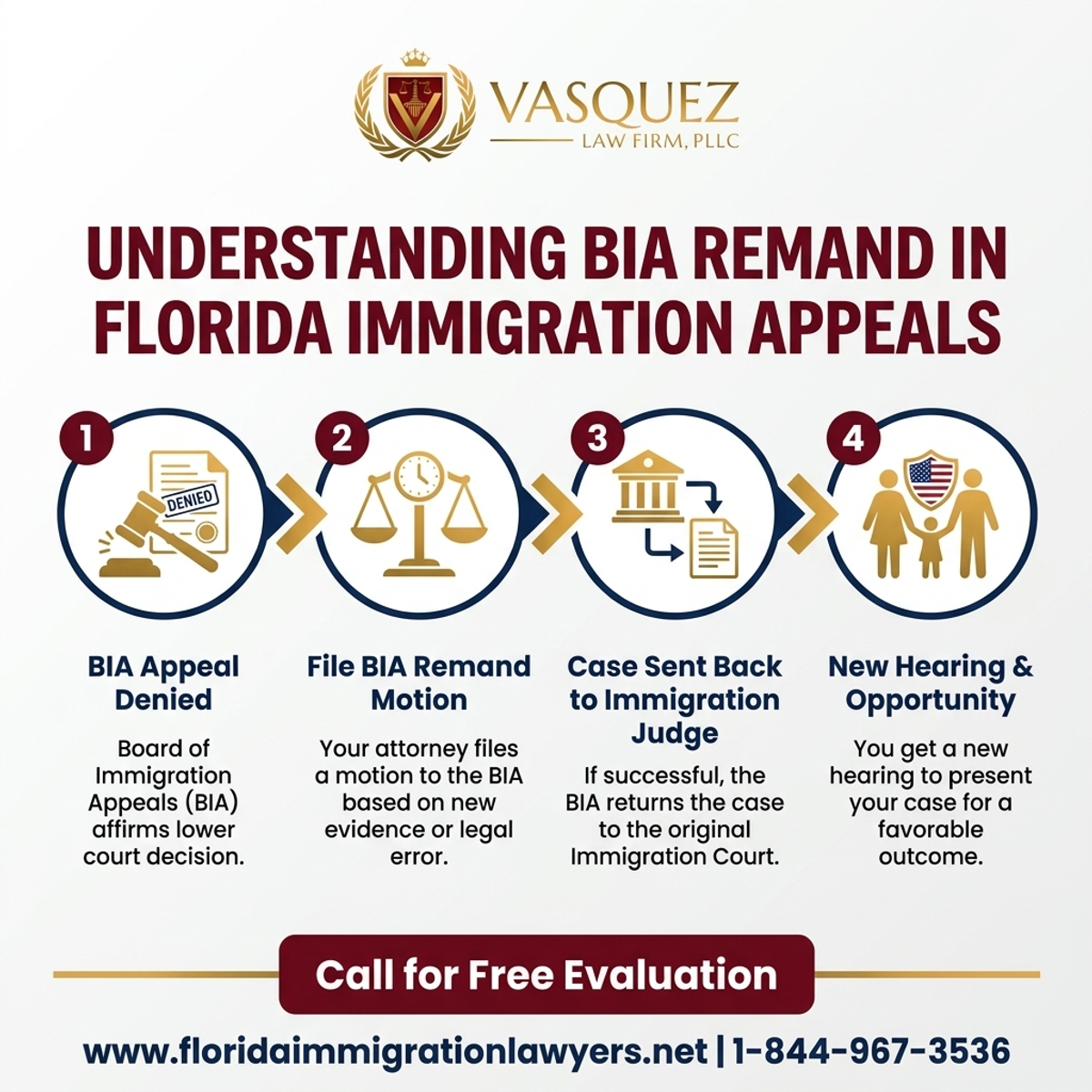
Step-by-Step Process — Understanding BIA Remand in Florida Immigration Appeals
Document Checklist for BIA Remand
Proper documentation is the backbone of any successful immigration case, and a BIA remand is no exception. Having all necessary papers organized and ready can streamline the process and allow your attorney to build the strongest possible argument. This checklist provides a foundational guide for the documents you'll likely need.
- Notice of Remand from BIA: This official document is paramount as it clearly states the BIA's instructions and the specific issues to be addressed.
- Original case documents: All filings, evidence, and transcripts from your initial immigration court proceedings and previous BIA appeal are essential for context.
- New evidence or documentation: Any new information that addresses the BIA's concerns or strengthens your eligibility for relief, such as updated country conditions, new medical records, or additional witness statements.
- Legal briefs or arguments: Submissions prepared by your attorney outlining the legal basis for your case and responding to the BIA's directives.
- Witness statements, if applicable: Sworn statements from individuals who can attest to facts relevant to your case, such as family members, community leaders, or experts.
Beyond this list, your Florida Immigration Lawyers will guide you in identifying any additional specific documents pertinent to the unique circumstances of your remand. Proactive gathering of these materials can significantly expedite the process and ensure a comprehensive presentation of your case to the immigration judge.
Timeline and Processing Expectations
The timeline for a BIA remand can vary, typically taking several months to over a year, depending on court backlogs and case complexity. In Florida, the EOIR, which oversees immigration courts, handles these cases. Expect delays due to high volumes in cities like Miami and Orlando. Staying informed about your case status is crucial.
Several factors contribute to the variability of these timelines. The current caseload of the immigration court and the specific judge assigned to your case can significantly influence scheduling. Furthermore, the complexity of the issues raised in the BIA's remand order, the need for additional discovery or expert testimony, and even the availability of parties and witnesses can all extend the processing time. It's a process that demands patience and persistent advocacy.
The psychological toll of these delays can be considerable for individuals and families awaiting a resolution. Maintaining open communication with your legal team is vital to stay updated on any developments and manage expectations. While the system can be slow, Florida Immigration Lawyers are committed to diligently tracking your case, proactively addressing any procedural requirements, and pushing for the most efficient resolution possible within the confines of the legal framework. We understand the urgency and work tirelessly to keep your case moving forward.
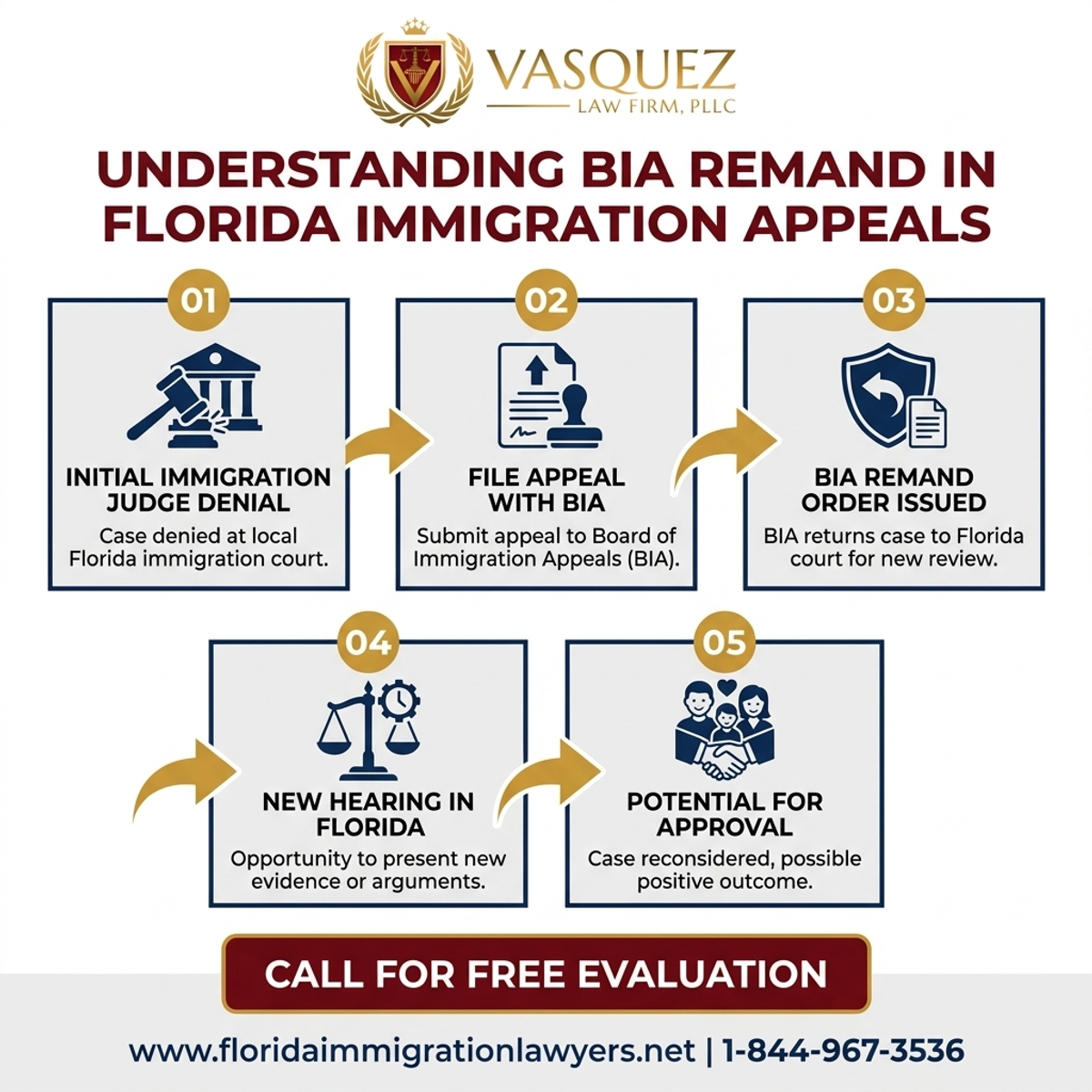
Key Statistics — Understanding BIA Remand in Florida Immigration Appeals
Cost Factors and Fee Breakdown
Costs for handling a BIA remand include legal fees, documentation costs, and potential travel expenses for court appearances. Legal fees can vary based on attorney experience and case complexity. It's important to discuss all potential costs with your lawyer upfront. Remember, investing in a skilled attorney can make a significant difference in your case outcome.
Legal fees typically cover a wide range of services, including in-depth legal research, preparation of motions and briefs, representation at court hearings, client consultations, and communication with government agencies. The complexity of a remand case often requires extensive legal work, as attorneys must not only address the specific issues raised by the BIA but also ensure all other aspects of the case are solid. Factors like the volume of evidence, the number of hearings required, and the need for expert witnesses can all influence the total legal expenditure.
Beyond attorney fees, clients should anticipate other potential expenses such as filing fees for certain motions, translation services for foreign documents, courier costs, and travel expenses if attending court in a different city or state. While these costs can seem substantial, it's crucial to view them as an investment in your future. The potential cost of an adverse outcome, such as deportation or denial of status, far outweighs the legal fees. Florida Immigration Lawyers are transparent about their fee structures and will discuss all potential costs with you during your free consultation at 1-844-967-3536, ensuring you have a clear understanding from the outset.
Do not navigate this process alone. Contact Florida Immigration Lawyers today.
Common Mistakes to Avoid
Navigating a BIA remand is a complex legal process where even minor missteps can have significant consequences. Being aware of common pitfalls can help you avoid errors that could jeopardize your case and ensure a smoother path toward a favorable resolution.
- Ignoring BIA Notices: Failing to act promptly can lead to missed deadlines and case dismissal. Always open and review all mail from the BIA or immigration court immediately.
- Insufficient Documentation: Not providing adequate evidence or documentation can weaken your case. Ensure all required documents are complete, accurate, and directly address the BIA's concerns.
- Missing Deadlines: Late submissions can jeopardize your case. Immigration courts and the BIA adhere strictly to deadlines, and extensions are rarely granted without strong justification.
- Pro Se Representation: Handling a remand without legal representation risks overlooking critical legal nuances. The complexity of immigration law makes self-representation extremely challenging and often detrimental.
- Not Preparing for Hearings: Unpreparedness can negatively impact the judge’s decision. Work closely with your attorney to understand potential questions and how to present your testimony effectively.
- Misunderstanding Legal Terms: Misinterpretations of legal terminology can lead to strategic errors. Always clarify any terms or concepts you don't fully grasp with your attorney.
- Failure to Update Address: Not updating your address with the court can result in missed communications. Ensure your address is always current with both the EOIR and USCIS.
- Underestimating Case Complexity: Simplifying complex legal issues can lead to oversights. Every detail matters in immigration law, and a thorough approach is essential.
By being mindful of these common mistakes and working closely with experienced legal counsel like Florida Immigration Lawyers, you can significantly improve your chances of a successful outcome in your BIA remand case.
When to Call a Lawyer
If you receive a BIA remand, it's crucial to consult with an immigration lawyer. Legal representation can help navigate complex procedures and present a strong case. Signs you should seek legal help include receiving legal notices, needing to present new evidence, or facing complex legal arguments. Florida Immigration Lawyers are here to support you through every stage of the process.
Beyond the initial notice, there are other critical indicators that professional legal assistance is indispensable. If the BIA's decision is unclear or raises highly technical legal points, an attorney can interpret these complexities and formulate a precise response. Similarly, if you believe new evidence exists but are unsure how to properly gather, authenticate, and present it according to court rules, a lawyer's expertise is invaluable. Even if you had an attorney for your initial appeal, a remand might necessitate a fresh perspective or specialized strategy.
Facing a BIA remand can be an overwhelming experience, especially when your future in the U.S. is on the line. The emotional and legal burden is immense, making it difficult to objectively assess your options and prepare a compelling case. Don't attempt to tackle these challenges alone. Contact Florida Immigration Lawyers immediately at 1-844-967-3536 for a free consultation. Our team is ready to provide the expert guidance and robust representation you need to navigate this critical phase of your immigration journey.
About Florida Immigration Lawyers
Florida Immigration Lawyers provide expert immigration legal services across Florida, including Naples. Our team handles all aspects of immigration law, from appeals to family immigration. We are available 24/7 and offer free consultations. Visit our website at Florida Immigration Lawyers or call 1-844-967-3536. Se Habla Español.
Our commitment extends beyond just legal representation; we strive to be a steadfast advocate for our clients, understanding the profound impact immigration matters have on their lives and families. We pride ourselves on a client-centered approach, ensuring clear communication, empathetic support, and personalized strategies tailored to each unique case. Our deep understanding of Florida's immigration landscape and federal regulations positions us to effectively handle even the most challenging BIA remands.
Whether you are dealing with a complex deportation defense, seeking asylum, or navigating family-based petitions, our dedicated team is equipped with the knowledge and experience to guide you. We believe everyone deserves high-quality legal representation, and our 24/7 availability and free consultations reflect our dedication to making expert legal help accessible when you need it most. Trust Florida Immigration Lawyers to stand by your side.
Sources and References
- U.S. Citizenship and Immigration Services (USCIS)
- Executive Office for Immigration Review (EOIR)
- U.S. State Department
- 8 U.S.C. Chapter 12 - Immigration and Nationality Act
Related services: deportation defense services, asylum and refugee protection, immigration waivers, humanitarian protection programs.
This article provides general legal information and is not intended as legal advice. Every case is unique, and outcomes depend on specific facts and circumstances. Contact an attorney for advice about your particular situation.
For expert guidance on BIA remands and immigration appeals, contact Florida Immigration Lawyers at 1-844-967-3536 for a free consultation. Se Habla Español - Estamos aquí para ayudarle.
If you need legal assistance, learn more about learn about our immigration practice, or call us at 1-844-967-3536 for a free consultation.
Do Not Navigate This Process Alone
Our experienced immigration attorneys are ready to fight for you. Get a free, confidential consultation today.
Se Habla Español
Frequently Asked Questions
Florida Immigration Lawyers
Immigration Attorney | Founder, Vasquez Law Firm
U.S. Air Force veteran and immigration attorney with thousands of cases resolved. J.D., NCCU School of Law. AILA member. Admitted to the 4th, 5th, and 11th Circuit Courts.
Available 24/7 - Free Evaluations
Related Legal Services
Our Florida immigration attorneys can help you with deportation defense, citizenship and naturalization and family immigration services. Call today at 1-844-967-3536 for a free consultation.
Related Links
Related Topics
Free Legal Consultation
Discuss your case with our experienced attorneys. We're available 24/7.
Se Habla Español - Estamos aquí para ayudarle.
Related Articles
Deportation Defense Lawyers in Orlando | VLF Florida
Facing deportation in Orlando can be overwhelming. Learn how a deportation defense lawyer can help you navigate removal proceedings and protect your rights. Contact Florida Immigration Lawyers for a free consultation.
Green Card Through Marriage Florida: Your 2026 Guide
For couples in Florida seeking a green card through marriage, the process involves intricate steps, extensive documentation, and careful adherence to USCIS regulations. This comprehensive 2026 guide from Florida Immigration Lawyers details eligibility, the step-by-step application, required documents, interview preparation, and potential challenges. Whether you reside in Kissimmee or elsewhere in Florida, understanding the nuances of proving a bona fide marriage and navigating federal immigration law is crucial. Our expert team provides essential insights and support to help you achieve permanent residency. Learn how to avoid common mistakes and when to seek professional legal assistance for your marriage-based green card application.
Understanding Public Charge Rule for Florida Immigrants
Explore how the public charge rule affects Florida immigrants, particularly in Homestead. This guide covers the essentials of navigating this complex immigration rule, offering practical advice and legal support options.
Free Immigration Consultation in Florida | VLF Florida
Facing immigration issues in Florida? Discover the importance of free consultations with experienced immigration lawyers in Coral Springs. Learn how to prepare for a consultation, avoid common mistakes, and explore when to seek legal help. Call Florida Immigration Lawyers today!
