Australia Immigration News: What Florida Residents Must
For Florida residents, staying informed on Australia immigration news in 2026 is critical, whether you're considering a move down under or an Australian citizen in Kissimmee. Australia's dynamic policies impact visa types, application processes, and eligibility for skilled workers, families, and students. This guide covers the latest updates, essential documents, processing times, and cost factors. While our firm focuses on U.S. immigration, we understand the global context of our clients' needs. Learn how to navigate these complexities and avoid common mistakes. Contact Florida Immigration Lawyers for guidance on your U.S. immigration matters and how they interface with international plans.
Staying informed about Australia immigration news is crucial for Florida residents considering a move or managing their status. Policy changes in 2026 affect visa types, application processes, and eligibility criteria for skilled workers, families, and students. Understanding these updates helps you navigate complex requirements and prepare effectively for your immigration journey.
- Australia's immigration policies are dynamic, with updates in 2026 affecting various visa pathways.
- Specific visa categories exist for skilled migration, family reunification, and study.
- Application processes involve detailed documentation, health checks, and character assessments.
- Processing times and costs vary significantly based on visa type and individual circumstances.
- Consulting an immigration lawyer is highly recommended for personalized guidance and to avoid common pitfalls.
Australia Immigration News: What Florida Residents Must Know in 2026
Are you a Florida resident with dreams of moving to Australia, or an Australian citizen living in Kissimmee, Florida, wondering about changes to your home country's immigration policies? The world of international migration is constantly evolving, and 2026 brings new developments in Australia's immigration landscape. Understanding these updates is vital for anyone planning to make a move or maintain ties with Australia.
Navigating the complexities of international immigration can be daunting. From visa applications to understanding eligibility requirements, the process demands meticulous attention to detail. This comprehensive guide will walk you through the latest Australia immigration news, explain key visa pathways, outline the application process, and highlight how Florida Immigration Lawyers can provide crucial assistance, especially concerning your U.S. immigration status while considering international moves.
Do not attempt to decipher these intricate regulations alone. For guidance on your U.S. immigration matters while considering international options, call Florida Immigration Lawyers at 1-844-YO-PELEO for a free consultation. We are here to help you understand your options and protect your interests.
Understanding Australia's Immigration Landscape from Florida in 2026
Australia continues to be a highly sought-after destination for immigrants worldwide, including many from Florida. Its strong economy, high quality of life, and diverse culture attract individuals seeking new opportunities. However, Australia's immigration policies are regularly reviewed and updated to meet national economic and social objectives. For 2026, several key areas have seen adjustments that could impact prospective migrants.
These changes often involve priority occupations for skilled migration, modifications to family visa quotas, and updated requirements for student visas. For instance, the Australian Department of Home Affairs, the primary authority for immigration matters in Australia, frequently adjusts its Skilled Occupation List to reflect labor market needs. This directly influences which professions are most likely to secure a visa.
For Florida residents, staying abreast of these changes means understanding how your qualifications or family ties align with Australia's current immigration priorities. Whether you are a U.S. citizen looking to move, or an Australian national in Florida seeking updates, these policy shifts are critical. Our firm, while focusing on U.S. immigration law, understands the global context of our clients' lives and can help you navigate related U.S. legal considerations.
Key Policy Adjustments and Their Impact
Australia's 2026 immigration program emphasizes skilled migration, aiming to fill critical labor shortages in specific sectors. This focus means that applicants with in-demand skills may find more accessible pathways. Conversely, categories with less demand might experience longer processing times or stricter criteria. It is essential to research the latest Skilled Occupation List (SOL) and visa subclasses relevant to your profession.
Family migration, while still a cornerstone of Australia's program, often involves capped numbers and lengthy queues. Spousal and parent visas remain popular, but applicants should prepare for potentially extended waiting periods. Understanding these quotas and processing realities is crucial for managing expectations. For those with dual U.S. and Australian citizenship or U.S. permanent residency, these policies can intersect with your existing immigration status.
Student visa regulations have also seen refinements, often focusing on genuine temporary entrant requirements and post-study work opportunities. For students from Florida considering Australian universities, understanding these rules is paramount for both initial application and future career prospects. Always refer to official sources like the Australian Department of Home Affairs for the most accurate and up-to-date information.
Navigating Australian Visas: A Step-by-Step Guide for Florida Residents
Embarking on an Australian immigration journey from Florida requires a structured approach. The process, while complex, can be successfully managed with careful planning and adherence to official guidelines. Here is a general step-by-step guide for individuals considering various Australian visa options.
-
Determine Your Eligibility and Visa Type: This is the foundational step. Australia offers numerous visa categories, including skilled migration visas (e.g., Skilled Independent Visa Subclass 189, Skilled Nominated Visa Subclass 190), employer-sponsored visas, family visas (e.g., Partner Visa Subclass 309/100), student visas (Subclass 500), and visitor visas. Your eligibility will depend on factors such as your age, education, work experience, English language proficiency, health, and character. Utilize online assessment tools provided by the Australian Department of Home Affairs to get an initial indication.
-
Gather Required Documents: Once you identify the appropriate visa, compile all necessary documentation. This typically includes identity documents (passport, birth certificate), educational qualifications, employment references, English language test results (e.g., IELTS, PTE), police certificates from every country you've lived in for 12 months or more over the last 10 years, and health examination results. Specific visas may require additional forms or evidence, such as proof of relationship for partner visas or a skills assessment for skilled visas.
-
Lodge an Expression of Interest (EOI) or Direct Application: For many skilled visas, you must first submit an Expression of Interest through SkillSelect, Australia's online system. This outlines your qualifications and experience. If you meet the criteria for a visa, you may then receive an invitation to apply. Some visas, like partner or student visas, allow for direct application without an EOI. This is a critical juncture where accuracy is paramount.
-
Undergo Health and Character Assessments: All permanent visa applicants and many temporary visa applicants must meet Australia's health and character requirements. Health examinations are conducted by approved panel physicians. Character assessments involve police checks and a review of your criminal history, ensuring you meet the standards set by the Australian government. Any issues here can significantly delay or jeopardize your application.
-
Receive a Decision: After submitting all documentation and undergoing assessments, the Department of Home Affairs will process your application. Processing times vary widely. If approved, you will be granted your visa with specific conditions. If refused, you may have options for review, depending on the visa type and refusal grounds. For U.S. citizens or permanent residents, understanding how this affects your U.S. immigration status is crucial, and Florida Immigration Lawyers can provide guidance on maintaining your U.S. standing.
Essential Documents for Australian Visa Applications
The success of your Australian visa application heavily relies on the completeness and accuracy of your documentation. Missing or incorrect documents are among the most common reasons for delays or refusals. Preparing a thorough checklist well in advance is highly advisable for Florida residents.
- Passport and Travel Documents: A valid passport with at least six months' validity beyond your intended stay is essential. Include certified copies of all pages, including blank ones.
- Birth Certificate: A certified copy of your full birth certificate.
- Identity Documents: National identity cards, driver's licenses, or other government-issued IDs.
- Marriage Certificate/Divorce Decrees: If applicable, certified copies.
- Educational Qualifications: Certified copies of degrees, diplomas, transcripts, and any professional licenses. For skilled visas, you will need a positive skills assessment from a relevant assessing authority.
- Employment References: Detailed letters from previous employers outlining your job title, duties, dates of employment, and salary. These must be on company letterhead.
- English Language Test Results: Valid results from an approved test (e.g., IELTS, PTE Academic, TOEFL iBT, Cambridge C1 Advanced, OET) demonstrating the required proficiency level for your visa subclass.
- Police Certificates: Criminal record checks from every country where you have lived for 12 months or more, accumulated over the last 10 years, since turning 16.
- Health Examination Reports: Results from health checks conducted by a panel physician approved by the Australian Department of Home Affairs.
- Financial Capacity Evidence: Bank statements, pay slips, or other proof of sufficient funds to support yourself and any dependents in Australia. This is particularly important for student and visitor visas.
- Character Declarations: Signed declarations regarding your character and any potential criminal history.
- Visa Application Forms: All required forms, accurately completed and signed.
Australia Visa Processing Times and Expectations for 2026
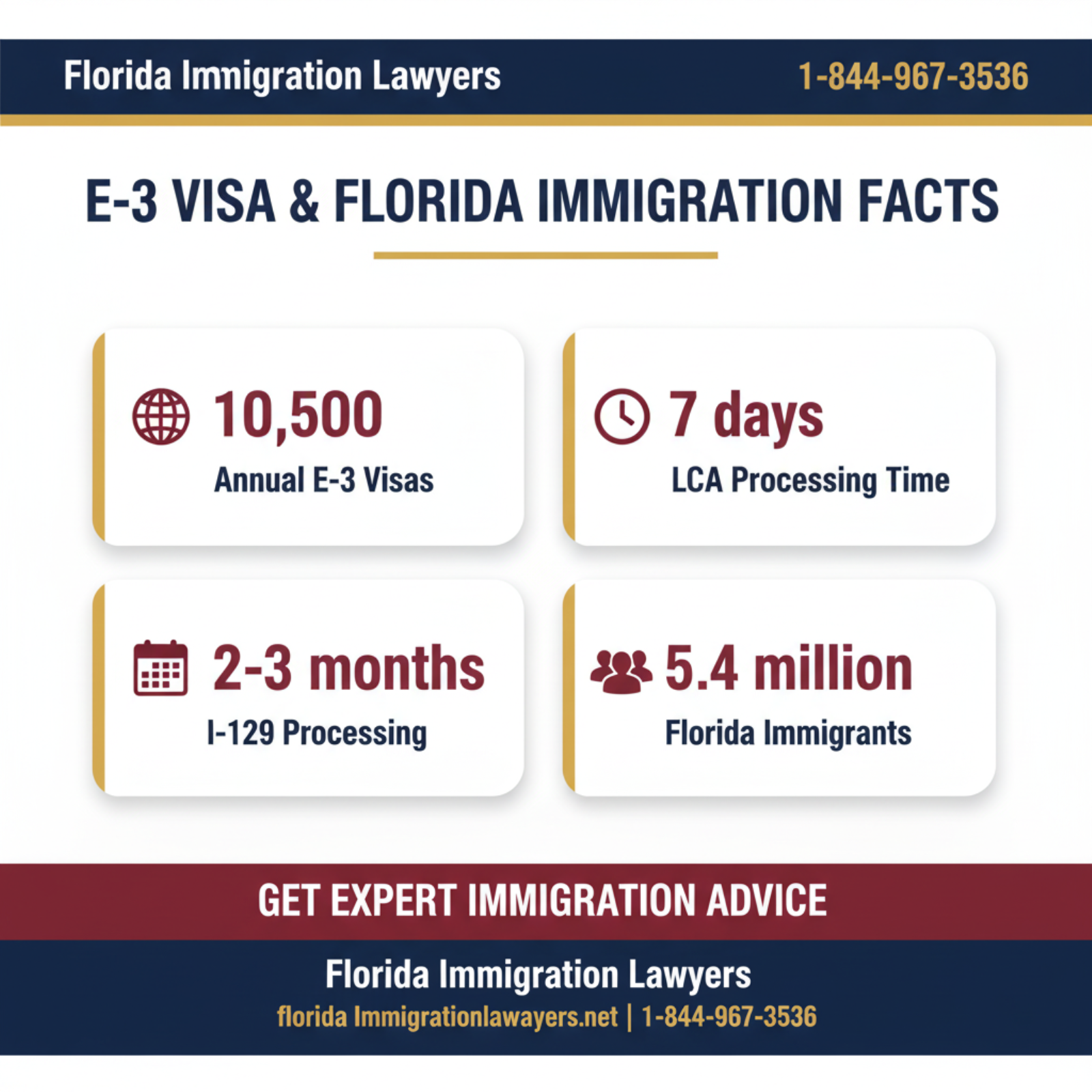
One of the most frequently asked questions regarding Australian immigration is about processing times. It is important to understand that these times are not static and can fluctuate based on several factors, including the specific visa subclass, the volume of applications, the completeness of your submission, and global events. For 2026, applicants should anticipate varying timelines.
Skilled visas, such as the Skilled Independent Visa (subclass 189) or State Nominated Visa (subclass 190), typically have processing times ranging from several months to over a year. Employer-sponsored visas can sometimes be faster if all documentation is in order and the employer is compliant. Family visas, particularly parent visas, are known for having some of the longest waiting periods, sometimes extending to several years due to capping and queuing.
Student visas generally have quicker processing times, often within a few weeks to a couple of months, provided all requirements are met. However, any missing information or discrepancies can lead to significant delays. It is always advisable to apply well in advance of your intended travel date. The Australian Department of Home Affairs provides estimated processing times on its website, which are regularly updated and should be consulted as your primary reference.
Factors Influencing Processing Speed
Several elements can impact how quickly your Australian visa application is processed. The quality and completeness of your application package are paramount. Submitting all required documents in the correct format, with certified translations where necessary, will expedite the process. Conversely, errors, omissions, or the need for additional information requests will inevitably cause delays.
The complexity of your personal circumstances can also play a role. For example, applicants with a complex work history, multiple previous residencies, or health issues may require more extensive checks, extending the processing time. Furthermore, the capacity of the Department of Home Affairs and the current application backlog for your specific visa subclass are significant determinants. While these factors are largely beyond your control, ensuring your application is flawless is your best strategy.
Understanding the Costs of Australian Immigration
Migrating to Australia involves various financial considerations beyond just the visa application fee. Florida residents planning this journey should budget for a range of expenses to avoid unexpected financial burdens. These costs can vary significantly depending on the type of visa you apply for, the number of applicants included in your application, and your individual circumstances.
The primary cost is the visa application charge (VAC) levied by the Australian Department of Home Affairs. These fees are subject to change and vary greatly by visa subclass. For example, skilled migration visas, family visas, and student visas each have different fee structures. It is crucial to check the most current fees on the official Australian Department of Home Affairs website before applying. Remember that these fees are non-refundable, even if your application is refused.
Beyond the VAC, you must account for other mandatory and potential expenses. These include fees for English language tests (e.g., IELTS), skills assessments by relevant professional bodies, health examinations by panel physicians, and police certificates from various countries. If you require document translations, these costs will also add up. Legal fees for immigration advice, whether for Australian law or related U.S. immigration issues, are another important consideration.
Additional Financial Considerations for Florida Residents
When planning your move from Kissimmee or other parts of Florida to Australia, consider the costs associated with the physical relocation itself. This includes airfare, shipping personal belongings, and initial accommodation expenses in Australia. You will also need to demonstrate sufficient funds to support yourself and your family upon arrival, especially for certain visa types. This 'settlement fund' requirement ensures you can establish yourself without immediate financial hardship.
If you are applying for a skilled visa, you may also need to pay for state or territory nomination fees, if applicable. These fees are separate from the federal government's VAC. For those considering business or investment visas, the financial requirements are substantially higher and involve significant capital investment. Thorough financial planning is an indispensable part of a successful Australian immigration application. Our team at Florida Immigration Lawyers can help you understand the potential U.S. tax implications or other U.S. legal considerations when making such a significant international move.
Do not navigate this process alone. Understanding the nuances of Australian immigration policies and how they might intersect with your U.S. status requires professional insight. Contact Florida Immigration Lawyers today for guidance on your U.S. immigration matters and to ensure a smooth transition, wherever your journey takes you.
Common Mistakes to Avoid in Australian Visa Applications
Applying for an Australian visa can be a complex process, and even minor errors can lead to significant delays or outright refusal. Florida residents should be aware of these common pitfalls to ensure their application proceeds as smoothly as possible.
-
Submitting Incomplete or Incorrect Documentation: This is arguably the most frequent mistake. Failing to provide all required documents, or submitting documents that are not certified or translated correctly, will almost certainly result in delays or refusal. Double-check every item on the official checklist.
-
Providing False or Misleading Information: Any attempt to provide fraudulent documents or false statements can lead to a visa refusal and a multi-year ban from applying for any Australian visa. Honesty and transparency are paramount.
-
Not Meeting English Language Requirements: Many Australian visas require a specific level of English proficiency. Failing to take an approved test or not meeting the minimum score is a common reason for refusal. Ensure your test results are valid and meet the requirements for your specific visa subclass.
-
Ignoring Health and Character Requirements: Australia has strict health and character criteria. Not disclosing relevant medical conditions or criminal history, or failing to undergo required medical examinations, can lead to serious complications or refusal. Be proactive in addressing these requirements.
-
Missing Application Deadlines: Visa application processes often have strict deadlines, especially for Expression of Interest (EOI) responses or submitting additional requested information. Missing these deadlines can result in your application being closed or refused.
-
Applying for the Wrong Visa Subclass: With numerous visa options available, it is easy to apply for a visa that does not match your eligibility or intentions. Thorough research and, ideally, professional advice, can prevent this costly mistake.
-
Underestimating Financial Requirements: Many visas require applicants to demonstrate sufficient funds. Failing to provide adequate proof of financial capacity can lead to refusal, as it indicates you may not be able to support yourself in Australia.
When to Call a Lawyer for Australian Immigration Matters (and U.S. Related Issues)
While Florida Immigration Lawyers primarily focuses on U.S. immigration law, our experience extends to advising clients in Florida on how international immigration decisions might impact their U.S. immigration status. It is crucial to understand when legal counsel becomes indispensable, both for Australian processes and for navigating your U.S. standing.
You should consider contacting an immigration lawyer specializing in Australian law if your case involves complex eligibility criteria, previous visa refusals, or intricate family situations. For instance, if you have a criminal record, a serious health condition, or if you are seeking a highly specialized skilled visa, an Australian immigration lawyer can provide tailored advice and represent your interests. They can help you prepare a compelling application and address any potential red flags.
More specifically for our firm, Florida Immigration Lawyers, we are your essential resource when your Australian immigration aspirations intersect with your U.S. immigration status. For example, if you are a U.S. Green Card holder considering a permanent move to Australia, you need to understand the rules surrounding abandonment of lawful permanent residence under U.S. law (8 U.S.C. § 1101(a)(20), INA § 101(a)(20)). Our experienced attorneys can advise you on how to maintain your U.S. status, or how to properly relinquish it without future complications, should you choose to move permanently.
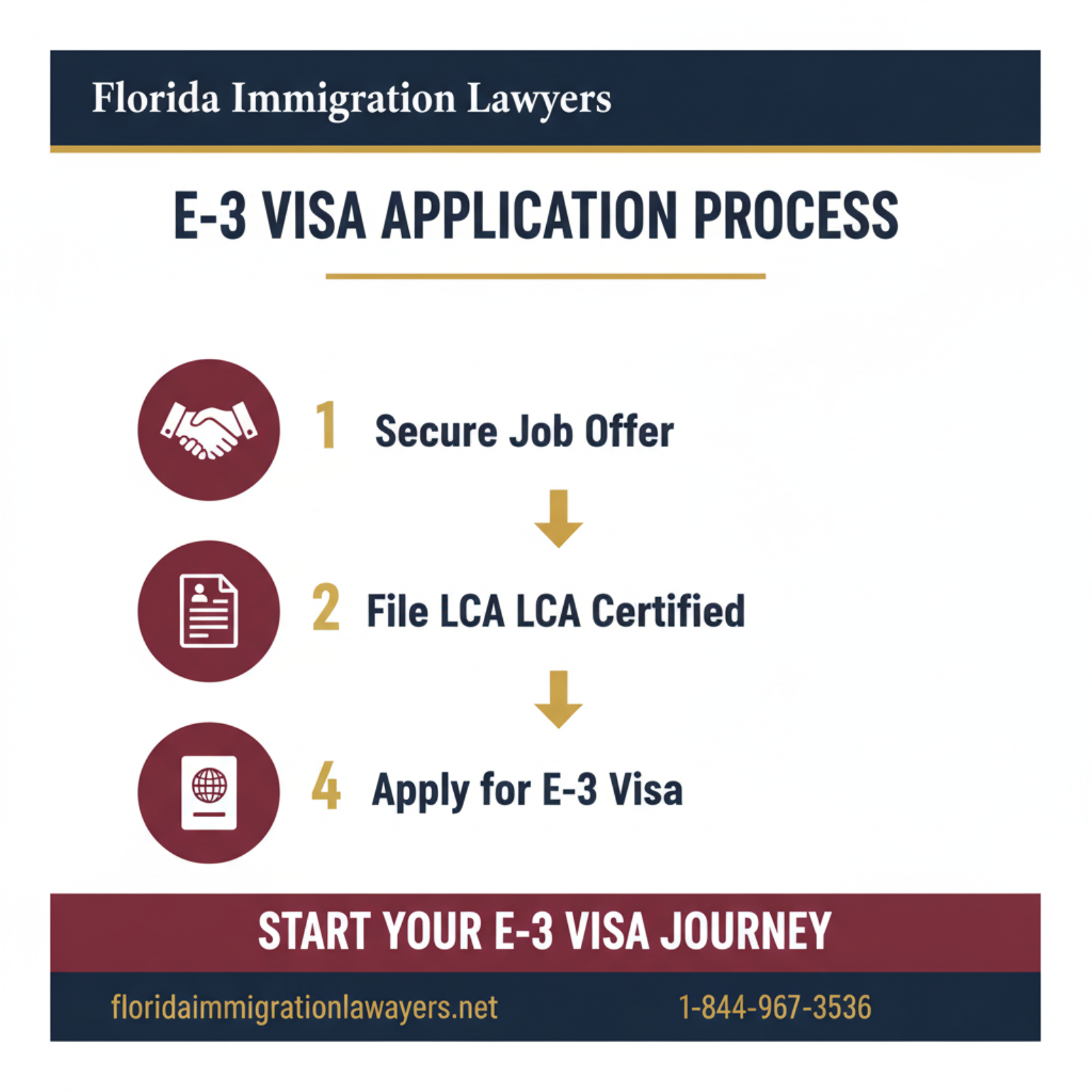
Similarly, if you are an Australian citizen in Kissimmee or elsewhere in Florida on a U.S. non-immigrant visa (e.g., an E-3 visa for Australians, or an H-1B), and you are considering a change in your U.S. status or extending your stay, our firm can help. We assist with various U.S. immigration matters, including family-based petitions, business immigration, citizenship applications, and deportation defense. Do not take risks with your U.S. immigration future while planning for your Australian one. Consulting with our firm ensures you have comprehensive legal support for all your U.S. immigration needs.
Frequently Asked Questions About Australia Immigration
Many Florida residents have questions about Australia's immigration policies and processes. Here, we address some common inquiries to provide clarity.
Who was the Australian detained and deported from the US?
While specific cases vary and are often subject to privacy laws, individuals from Australia, like those from any other country, can be detained and deported from the U.S. for various reasons. These typically include visa overstays, criminal offenses, violations of immigration laws (e.g., 8 U.S.C. § 1227), or security concerns. U.S. Customs and Border Protection (CBP) and Immigration and Customs Enforcement (ICE) are responsible for enforcing these laws. Such incidents highlight the importance of understanding and adhering to the immigration regulations of any country you visit or reside in.
Is Australia accepting US immigrants?
Yes, Australia does accept immigrants from the U.S. and many other countries. Australia's immigration program is non-discriminatory based on nationality, focusing instead on whether applicants meet the specific criteria for various visa subclasses. These criteria typically revolve around skilled migration, family reunification, humanitarian considerations, and business investment. U.S. citizens interested in migrating to Australia must meet the same eligibility requirements as applicants from other nations, including skills assessments, health checks, and character requirements.
Who are the top 3 countries migrating to Australia today?
Historically, the top countries of birth for migrants to Australia have included India, China, and the United Kingdom. These countries consistently represent a significant portion of Australia's migrant intake due to factors such as existing diaspora communities, skilled labor flows, and historical ties. However, the exact ranking can fluctuate annually based on policy changes, global events, and specific visa program allocations. It's always best to check the latest statistical releases from the Australian Department of Home Affairs or the Australian Bureau of Statistics for the most current data.
What are the latest changes to Australian immigration?
The latest changes to Australian immigration, particularly for 2026, often involve updates to the Skilled Occupation List, adjustments to visa processing priorities, and refinements in eligibility criteria for various visa streams. For example, there might be new agreements with specific industries to attract skilled workers, or modifications to the points test for skilled visas. Additionally, there can be changes to English language requirements or financial capacity thresholds. These changes are regularly announced by the Australian Department of Home Affairs. For the most precise and up-to-date information, consulting the official Australian government immigration website is essential. For U.S. citizens, the U.S. Department of State provides travel advisories and information that may be relevant.
About Florida Immigration Lawyers
Florida Immigration Lawyers is an immigration law firm dedicated to serving individuals and families across all of Florida, including Orlando. Our mission is to provide compassionate, effective, and results-driven legal representation for all U.S. immigration matters. We understand the profound impact immigration issues have on your life and are committed to guiding you through every step of the process with integrity and experience.
Our comprehensive services cover a wide range of U.S. immigration needs, including family-based visas, employment-based visas, asylum claims, deportation defense, citizenship and naturalization, and appeals. We pride ourselves on offering personalized attention, strategic advice, and unwavering advocacy for our clients, whether they are in Miami, Orlando, Kissimmee, or anywhere else in the Sunshine State.
Choosing Florida Immigration Lawyers means partnering with a team that genuinely cares about your future. We are available 24/7 to address your urgent concerns and offer free consultations to discuss your unique situation. Our bilingual staff ensures that language is never a barrier to receiving top-tier legal support. Let us put our knowledge and experience to work for you.
Contact us today: 1-844-YO-PELEO or visit our website: Vasquez Law Firm.
Sources and References
- U.S. Citizenship and Immigration Services (USCIS)
- U.S. Department of State - Australia Country Information
- 8 U.S.C. Chapter 12 - Immigration and Nationality Act (INA)
- 8 U.S.C. § 1101(a)(20) - Definition of "Lawful Permanent Resident"
- 8 U.S.C. § 1227 - Deportable Aliens
- Code of Federal Regulations (CFR) - Title 8: Aliens and Nationality
This article provides general legal information and is not intended as legal advice. Every case is unique, and outcomes depend on specific facts and circumstances. Contact an attorney for advice about your particular situation.
Understanding Australia immigration news and its implications, especially when considering your U.S. immigration status, is paramount. Do not leave your future to chance. Secure the legal support you deserve.
Call Florida Immigration Lawyers today at 1-844-YO-PELEO for a free, confidential consultation. Se Habla Español - Estamos aquí para ayudarle.
Do Not Navigate This Process Alone
Our experienced immigration attorneys are ready to fight for you. Get a free, confidential case review today.
Se Habla Español
Or leave your details and we’ll call you:
Free Evaluation in 24 Hours
Or talk to us right now

AI voice assistant — available 24/7
FreeFrequently Asked Questions

William J. Vásquez
Founding Attorney · Vasquez Law Firm
U.S. Air Force veteran and immigration attorney with years of hands-on U.S. immigration experience. J.D., NCCU School of Law. AILA member. Admitted to the 4th, 5th, and 11th Circuit Courts.
Available 24/7 - Free Evaluations
Reviewed for legal accuracy by William J. Vásquez
Licensed in North Carolina; U.S. immigration is federal practice.
Related Legal Services
Our Florida immigration attorneys can help you with citizenship and naturalization, immigration practice areas and free immigration consultation. Call today at 1-844-YO-PELEO for a free case review.
Related Links
Related Topics
Free Legal Case Review
Discuss your case with our experienced attorneys. We're available 24/7.
Se Habla Español - Estamos aquí para ayudarle.
Related Articles
EB-5 Investor Green Card in Florida: A 2026 Guide
Explore how to obtain an EB-5 investor green card in Florida. Learn about the investment requirements, processes, and benefits of participating in this program. Discover how Florida's economic landscape can be an ideal setting for your investment. Contact Florida Immigration Lawyers for a free case review.
Certificate of Eligibility for Expungement in Florida 2026
For non-U.S. citizens in Florida, understanding how a state expungement impacts immigration status is critical. A certificate of eligibility for expungement in Florida allows a criminal record to be sealed or expunged under state law. However, federal immigration agencies often disregard such state-level relief, still considering the original criminal offense as a conviction for immigration purposes. This can have severe implications for visa applications, green card eligibility, naturalization, and even lead to deportation. This guide clarifies the Florida expungement process, its limited effect on federal immigration law, and key steps to protect your status in 2026. Learn about common mistakes, required documents, timelines, and when to seek expert legal counsel from Florida Immigration Lawyers to navigate these complex issues effectively.
Immigration Lawyer Orlando Free Consultation in Florida
For individuals and families in Orlando, Florida, navigating the complexities of U.S. immigration law requires expert guidance. An immigration lawyer in Orlando offers crucial support for everything from visa applications and green card processes to naturalization and deportation defense. This comprehensive guide details what a free consultation covers, providing a step-by-step overview of immigration pathways, essential document checklists, and expected timelines in 2026. We also highlight common mistakes to avoid, discuss the critical role of legal counsel in deportation and asylum cases, and explain why choosing a local Orlando immigration attorney is beneficial. Florida Immigration Lawyers is dedicated to serving the diverse community of Orlando with compassionate, effective legal solutions, ensuring you receive personalized advice and robust representation for a successful immigration journey.
Immigration Interview Preparation Florida 2026 Guide
Facing an immigration interview in Florida? This comprehensive guide offers essential 2026 USCIS interview tips for green card and naturalization applicants. Learn how to meticulously prepare your documents, understand the typical timelines, and avoid common mistakes that could jeopardize your case. We cover what to expect at the Orlando USCIS Field Office, provide a detailed document checklist, and explain the various costs involved in the process. With insights into naturalization specifics and when to seek legal counsel, Florida Immigration Lawyers helps you approach your interview with confidence. Our firm is dedicated to empowering immigrants across Florida with the knowledge and support needed for a successful outcome. Get a free case review today.