Abrego Garcia Deportation: Florida Immigration Defense
Understanding the complexities of deportation is crucial for anyone facing removal proceedings in Florida. Cases like the Abrego Garcia deportation highlight the intricate legal battles that can arise from criminal allegations or other immigration challenges. Florida Immigration Lawyers offers robust defense services, guiding individuals through every step of the deportation process, from the initial Notice to Appear to potential appeals. We focus on protecting your rights and exploring all available forms of relief. Learn about essential documents, processing timelines, and common mistakes to avoid. Our experienced attorneys provide empathetic and strategic representation throughout Florida, including Pembroke Pines. Contact us for a free consultation to safeguard your future.
The Abrego Garcia deportation case highlights the complexities of immigration law, particularly for individuals facing removal proceedings in Florida. Understanding your rights and having legal representation is crucial to navigate these challenges, whether due to criminal allegations, mistaken identity, or other intricate circumstances. Florida Immigration Lawyers offers robust defense for individuals throughout Florida.
- Complex deportation cases require specialized legal strategies.
- Understanding your rights is paramount in removal proceedings.
- Legal representation can significantly impact your case outcome.
- Florida offers specific legal resources and challenges.
- Act quickly to explore all available defense options.
Abrego Garcia Deportation: Florida Immigration Defense in 2026
Imagine the fear and uncertainty of facing deportation, especially when your life is established in Florida. For many, the complexities highlighted by cases like the Abrego Garcia deportation underscore the critical need for skilled legal defense. Such situations can arise from various factors, including alleged criminal activity, visa overstays, or even administrative errors, leading to a challenging legal battle.
Navigating the intricate landscape of U.S. immigration law, particularly when facing removal proceedings, can feel overwhelming. The stakes are incredibly high, impacting your future, your family, and your ability to remain in the country you call home. Having a knowledgeable advocate by your side is not just beneficial, it is often essential.
This comprehensive guide from Florida Immigration Lawyers explores the intricacies of deportation defense in Florida, focusing on how individuals can protect their future. We will detail the process, necessary documentation, timelines, and crucial steps to take. Our goal is to empower you with information and demonstrate how our dedicated team can provide the robust representation you need.
If you or a loved one are facing removal proceedings Florida, do not wait. The time to act is now. Call Florida Immigration Lawyers at 1-844-YO-PELEO for a free consultation to discuss your specific situation and defense strategies. We are here to help you understand your options and fight for your right to remain in the United States.
Understanding Abrego Garcia Deportation Cases and Florida Immigration Defense
Deportation, also known as removal, is the formal process by which the U.S. government orders a non-citizen to leave the country. This can happen for numerous reasons, ranging from visa violations to criminal convictions. The Abrego Garcia deportation situation brought national attention to the profound complexities and potential challenges within the immigration system, especially when criminal allegations are involved.
For individuals in Florida, these cases carry unique considerations. Florida is home to a vast and diverse immigrant population, leading to a high volume of immigration cases in courts across the state. This means that immigration courts in cities like Miami, Orlando, and Pompano Beach are often very busy, with judges handling a wide array of complex legal matters.
Effective Florida immigration defense requires a deep understanding of federal immigration law, as well as an awareness of local court procedures and judicial tendencies. Our attorneys are intimately familiar with the specific challenges and opportunities that arise in Florida's immigration courts. We leverage this knowledge to build strong defense strategies tailored to your unique circumstances.
The consequences of deportation are severe, often leading to separation from family, loss of employment, and an inability to return to the U.S. for many years, if ever. This makes proactive and aggressive legal representation absolutely critical. We understand the emotional toll these proceedings take and offer compassionate yet determined advocacy.
What Constitutes Deportability?
The Immigration and Nationality Act (INA) outlines specific grounds for deportability. These grounds are detailed in INA § 237 (8 U.S.C. § 1227). Common reasons for deportation include:
- Criminal Offenses: Convictions for certain crimes, especially aggravated felonies, crimes involving moral turpitude, and drug offenses, can trigger deportation proceedings. Even minor offenses can sometimes have severe immigration consequences.
- Visa Violations: Overstaying a visa, violating the terms of a visa, or entering the U.S. without inspection are frequent grounds for removal. Maintaining lawful status is crucial for all non-citizens.
- Fraud or Misrepresentation: Any attempt to obtain immigration benefits through fraud or willful misrepresentation of material facts can lead to deportation and future bars to entry. This is taken very seriously by immigration authorities.
- National Security Grounds: Involvement in terrorist activities or activities deemed a threat to national security can result in immediate deportation. These cases are often highly complex and require specialized defense.
- Public Charge Inadmissibility: While primarily a ground for inadmissibility, certain actions related to becoming a public charge can sometimes lead to deportation, though this is less common.
Understanding the specific ground for your potential deportation is the first step in building a robust defense. An experienced attorney can analyze the charges against you and identify any potential avenues for relief or defense. We meticulously review every detail of your case to challenge the government's allegations.
The Impact of Criminal Allegations on Immigration Status
Criminal allegations, even those that do not lead to a conviction, can significantly complicate an individual's immigration status. For non-citizens, a criminal record can have far-reaching consequences, often leading to detention by Immigration and Customs Enforcement (ICE) and initiation of removal proceedings. The complexities of criminal immigration law are profound.
In Florida, as in other states, the interaction between state criminal law and federal immigration law is intricate. A plea deal in a criminal court might seem favorable, but it could inadvertently trigger severe immigration penalties. This is why it is vital to have an attorney who understands both criminal defense and immigration law, especially when facing potential Abrego Garcia deportation type scenarios.
Our firm works diligently to assess the immigration consequences of any criminal charges you may face. We can advise on strategies to mitigate these impacts, potentially through post-conviction relief, waivers, or demonstrating that the conviction does not meet the legal definition of a deportable offense under the INA. Protecting your immigration status is our priority.
The Deportation Process in Florida: A Step-by-Step Guide
The deportation process is a formal legal proceeding that takes place in immigration courts under the Executive Office for Immigration Review (EOIR) of the U.S. Department of Justice. Understanding each stage is crucial for mounting an effective defense. Here is a general overview of the process:
-
Issuance of a Notice to Appear (NTA): The process typically begins when the Department of Homeland Security (DHS) issues a Form I-862, Notice to Appear (NTA). This document alleges that you are deportable and specifies the legal grounds for your removal. Receiving an NTA means you have been formally placed in removal proceedings and must appear before an Immigration Judge.
It is critical to review the NTA carefully for accuracy and to understand the charges against you. This document will also indicate the date and location of your first hearing. Failing to appear can result in an in absentia removal order, which is extremely difficult to overturn.
-
Master Calendar Hearing: This is your initial appearance before an Immigration Judge. During this hearing, the judge will confirm your identity, ensure you understand the charges, and ask you to admit or deny the allegations in the NTA. You will also be asked to designate a country for deportation if you are ordered removed.
Your attorney can enter an appearance, respond to the allegations, and inform the judge of any relief from removal you intend to pursue. This is often a procedural hearing, but it sets the stage for the entire case. Proper legal representation at this stage is vital to protect your rights.
-
Individual Hearing: If you deny the allegations or seek relief from removal, the judge will schedule an Individual Hearing (also known as a Merits Hearing). This is a trial-like proceeding where both the government attorney (representing DHS) and your attorney present evidence, call witnesses, and cross-examine adverse witnesses. You will also have the opportunity to testify on your own behalf.
This hearing is where your defense strategy is fully presented. It requires meticulous preparation, including gathering all necessary documents and preparing witnesses. Skilled advocacy during this hearing can make a significant difference in the outcome of your case.
-
Immigration Judge Decision: After considering all evidence and arguments, the Immigration Judge will issue a decision. The judge may order you removed, grant you a form of relief from removal (such as asylum, cancellation of removal, or adjustment of status), or terminate your proceedings. The decision is typically delivered orally in court, followed by a written order.
The judge's decision is based on a complex application of immigration law to the facts of your case. Understanding the legal reasoning behind the decision is crucial, especially if an appeal is necessary. Our attorneys are adept at interpreting these decisions and advising on next steps.
-
Potential for Appeal: If either you or the government are dissatisfied with the Immigration Judge's decision, you generally have 30 days to file an appeal with the Board of Immigration Appeals (BIA). The BIA reviews the judge's decision for legal and factual errors. If the BIA's decision is unfavorable, further appeal may be possible to a federal Circuit Court of Appeals.
Appeals are complex and require a thorough understanding of appellate procedures and legal precedent. Our firm has extensive experience in handling appeals, meticulously preparing briefs and arguments to challenge unfavorable decisions. We fight tirelessly at every level of the judicial system.
Throughout this entire process, you may be detained by ICE. Securing release on bond is often a primary concern for individuals and their families. An experienced immigration lawyer Pembroke Pines can assist with bond hearings and advocate for your release, allowing you to prepare your defense from outside detention.
Essential Documents for Florida Deportation Defense
Preparing a strong defense against deportation requires a comprehensive collection of documents. These documents serve as evidence to support your claims for relief and to challenge the government's allegations. The specific documents needed will vary depending on the grounds for deportation and the type of relief you are seeking. However, a general checklist often includes:
- Identity Documents: Your passport, birth certificate, national identity card, and any previous U.S. visas or entry stamps. These prove who you are and your history of entry into the United States.
- Proof of Residency: Utility bills, lease agreements, property deeds, bank statements, and tax returns showing your continuous presence in Florida, particularly in areas like Pembroke Pines, for the required period for certain forms of relief.
- Family Ties Documentation: Marriage certificates, birth certificates of U.S. citizen or lawful permanent resident children, spouses, or parents. These demonstrate strong family ties in the U.S., which are crucial for relief like cancellation of removal or family-based petitions.
- Employment Records: Pay stubs, employment verification letters, tax returns (Form W-2, 1099), and letters from employers demonstrating your stable employment history and contributions to the U.S. economy.
- Medical Records: If you or a family member suffer from a severe medical condition, these records can support claims for humanitarian relief or demonstrate extreme hardship if you were to be deported.
- Police Reports and Court Dispositions: If your deportation is based on criminal allegations, certified copies of all arrest records, police reports, charging documents, and final court dispositions are essential. These help your attorney analyze the exact nature of the conviction and its immigration consequences.
- Affidavits and Letters of Support: Statements from family members, friends, community leaders, employers, and religious figures attesting to your good moral character, community involvement, and the hardship they would face if you were deported.
- Previous Immigration Applications and Approvals: Copies of any prior applications filed with USCIS, approved petitions, or immigration court orders. These provide a complete history of your interactions with the immigration system.
- Educational Records: Diplomas, transcripts, and certificates from schools or training programs in the U.S. can demonstrate integration into American society.
- Financial Records: Bank statements, loan documents, and evidence of property ownership can further establish your financial stability and ties to the U.S.
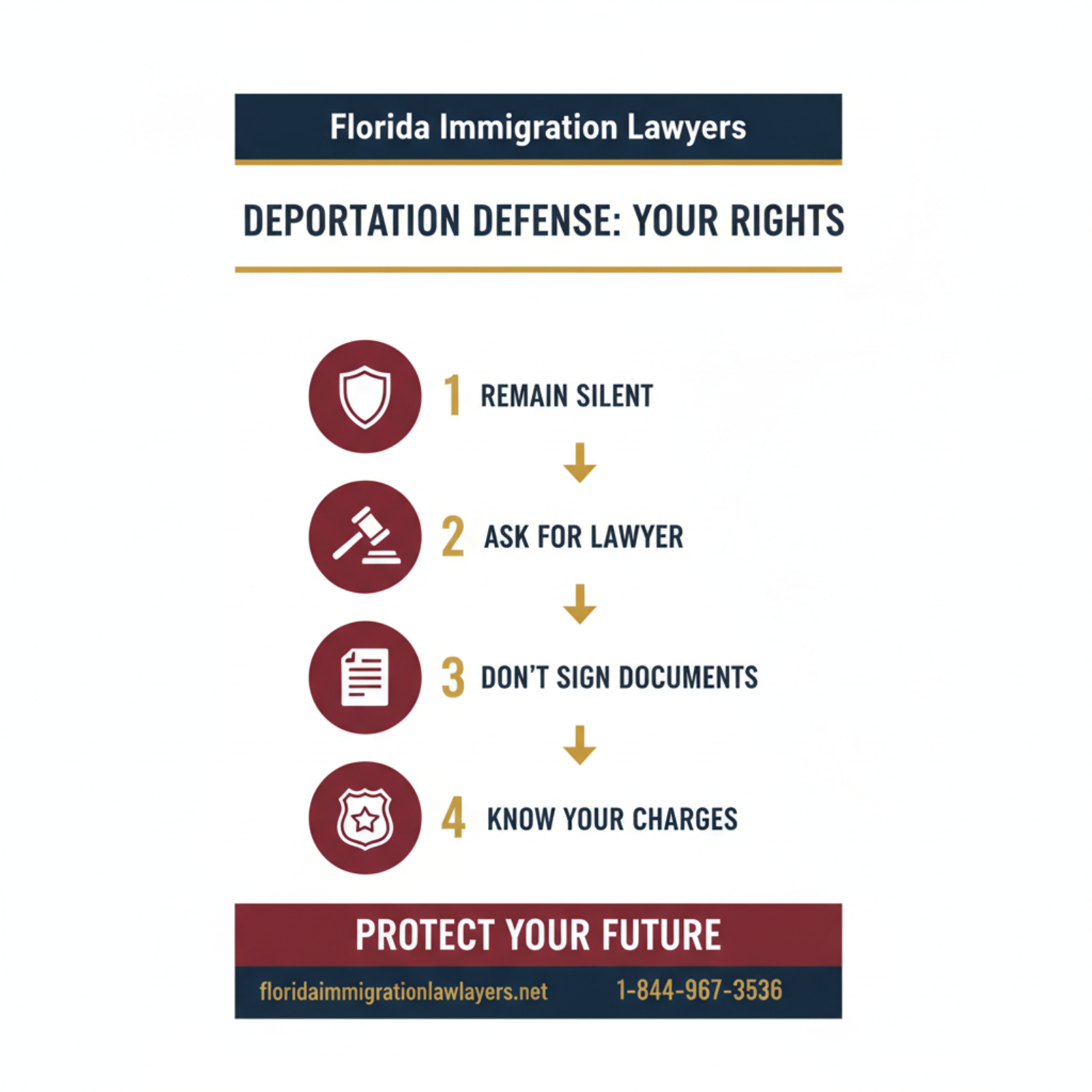
Organizing these documents can be a daunting task. Our firm assists clients in compiling and presenting all necessary evidence in a clear and compelling manner. We understand what immigration judges look for and ensure your case is presented as strongly as possible.
Navigating Timelines and Costs in Florida Removal Proceedings
The duration and expense of deportation proceedings can be a significant concern for individuals and their families. Understanding these factors can help you prepare for the journey ahead.
Typical Processing Expectations
Immigration court timelines are notoriously unpredictable and can vary significantly based on several factors:
- Court Backlogs: Immigration courts in Florida, particularly in major cities like Miami, often face substantial backlogs. This means cases can take months or even years to resolve. The EOIR provides statistics on pending cases, which often reflect these delays.
- Case Complexity: Straightforward cases may resolve quicker, while complex cases involving multiple forms of relief, extensive evidence, or criminal issues will take longer. Cases reminiscent of the Abrego Garcia deportation due to their intricate nature can experience extended timelines.
- Judge's Caseload: The individual judge assigned to your case will have their own calendar and caseload, which can impact scheduling. Some judges move cases faster than others.
- Detention Status: Cases for individuals in ICE detention are generally prioritized, meaning they might move through the system faster than non-detained cases. However, this does not guarantee a quick resolution.
- Appeals: If an appeal to the BIA or a federal court is filed, it can add many months or even years to the overall timeline. Each level of appeal introduces new waiting periods.
It is important to manage expectations and understand that patience is often required. Your attorney will keep you informed of any developments and provide realistic estimates based on current court trends in Florida.
Cost Factors and Fee Breakdown
The costs associated with deportation defense can include various components. While we cannot provide specific filing fee amounts as they are subject to change by USCIS, here's a general breakdown:
- Attorney Fees: This is typically the largest component. Legal fees can be structured as an hourly rate, a flat fee for specific stages of the process, or a combination. The total cost will depend on the complexity of your case, the amount of time required, and the experience of your attorney.
- Government Filing Fees: While there are generally no filing fees for the initial Notice to Appear or for appearing in immigration court, certain applications for relief from removal (e.g., adjustment of status, waivers, asylum applications) may require fees paid to USCIS or EOIR. These fees are set by the government and can change.
- Translation and Interpretation Costs: If documents are not in English or if you require an interpreter for hearings, these services will incur additional costs. Accurate translations are crucial for legal proceedings.
- Expert Witness Fees: In some complex cases, particularly those involving medical, psychological, or country conditions evidence, an expert witness may be required. Their testimony can strengthen your case but comes with associated fees.
- Travel and Administrative Costs: These can include mileage, postage, photocopying, and other administrative expenses related to preparing and filing your case.
At Florida Immigration Lawyers, we believe in transparent fee structures. During your free consultation, we will discuss the potential costs involved and provide a clear understanding of our fees. We aim to make quality legal representation accessible. An experienced immigration lawyer Pembroke Pines can help you understand and plan for these expenses.
Do not navigate this complex process alone. The stakes in a removal proceedings Florida case are incredibly high. Contact Florida Immigration Lawyers today to ensure your rights are protected and your case is handled with the experience it deserves. Our dedicated team is ready to provide the strategic defense you need.
Common Mistakes to Avoid in Florida Immigration Cases
Navigating the immigration system is fraught with potential pitfalls. Even seemingly minor errors can have severe and lasting consequences, potentially leading to a deportation order. Being aware of these common mistakes can help you protect your case:
-
Failing to Appear in Court: This is one of the most critical errors. If you miss a scheduled immigration court hearing, the Immigration Judge will almost certainly issue an in absentia removal order against you. This means you will be ordered deported without having had the chance to present your defense. Reopening such an order is extremely difficult and requires proving exceptional circumstances for your absence.
-
Providing False or Misleading Information: Any attempt to deceive immigration authorities, whether on an application, during an interview, or in court testimony, can lead to severe penalties. This includes accusations of fraud or misrepresentation, which can result in permanent bars from future immigration benefits and immediate deportation. Honesty and transparency are paramount.
-
Missing Deadlines: Immigration cases are governed by strict deadlines for filing documents, appeals, and appearing in court. Missing a deadline can lead to the denial of an application, the loss of eligibility for relief, or the waiver of important legal rights. Always keep track of all dates and ensure timely submissions.
-
Not Disclosing Full Criminal History: Even if a criminal charge was dismissed, expunged, or occurred many years ago, it is crucial to disclose it to your immigration attorney and to immigration authorities when required. Failure to do so can be considered misrepresentation or fraud. Certain criminal convictions, particularly aggravated felonies, can have automatic deportation consequences.
-
Attempting to Self-Represent: While you have the right to represent yourself, immigration law is incredibly complex. Without legal training, you are likely to miss critical deadlines, fail to present necessary evidence, or overlook available forms of relief. The government will have experienced attorneys arguing against you, putting you at a significant disadvantage.
-
Ignoring Legal Correspondence: Do not ignore mail or notices from USCIS, ICE, or the Immigration Court. These documents often contain crucial information, including hearing dates, requests for evidence, or decisions that require a timely response. Ignoring them can lead to adverse rulings or missed opportunities.
-
Traveling Internationally Without Proper Permission: If you are in removal proceedings, have a pending immigration application, or have certain immigration statuses, traveling outside the U.S. without obtaining advance parole or other proper authorization can lead to serious problems. You could be denied re-entry, or your pending application could be considered abandoned.
Key Statistics & Data -
Not Seeking Legal Advice Early Enough: Many people wait until they receive a Notice to Appear or are detained by ICE before consulting an attorney. Engaging an attorney early can help you proactively address potential issues, explore all available defenses, and develop a stronger strategy from the outset. Early intervention is key to effective Florida immigration defense.
-
Relying on Notaries (Notarios): In many cultures, a "notario publico" is a legal professional. In the U.S., a notary public is only authorized to witness signatures and administer oaths. They are not authorized to provide legal advice or represent you in immigration matters. Relying on unauthorized individuals for legal help can lead to disastrous consequences, including incorrect filings, missed deadlines, and even deportation. Always seek advice from a licensed attorney.
-
Not Gathering Sufficient Evidence: A strong immigration case relies on compelling evidence. Failing to collect and present all relevant documents, affidavits, and other supporting materials can weaken your arguments and reduce your chances of success. Your attorney will guide you on what evidence is needed.
-
Assuming a Minor Offense is Harmless: Even seemingly minor criminal offenses, such as shoplifting or certain traffic violations, can have unexpected immigration consequences. What might be a small fine for a U.S. citizen could be a deportable offense for a non-citizen. Always consult with an attorney to understand the full implications of any legal issues.
-
Not Updating Your Address with USCIS/EOIR: If you move, you are legally required to update your address with both USCIS and the Executive Office for Immigration Review (EOIR) within ten days. Failure to do so can result in you not receiving important notices, potentially leading to missed hearings and an in absentia removal order. This is a common and easily avoidable mistake.
When to Call a Florida Immigration Lawyer
The immigration system is complex, and the consequences of errors can be severe. Knowing when to seek professional legal assistance is crucial for protecting your rights and your future. If you encounter any of the following scenarios, it is time to contact Florida Immigration Lawyers:
- You Receive a Notice to Appear (NTA): This is the most direct signal that you are in removal proceedings. Do not delay; contact an attorney immediately to begin preparing your defense.
- You Are Detained by ICE: If you or a loved one are taken into custody by Immigration and Customs Enforcement (ICE), an attorney can work to secure release on bond and begin building a defense against deportation.
- You Have a Criminal Record or Face Criminal Charges: Any interaction with the criminal justice system can have profound immigration consequences. An attorney can assess the impact of these charges on your immigration status and advise on the best course of action.
- Your Petition or Application Was Denied: If USCIS denies your visa, green card, or other immigration petition, an attorney can help you understand the reasons for denial and explore options for appeal or refiling. These can be significant USCIS challenges that require expert navigation.
- You Have a Previous Deportation Order: Reopening a prior deportation order is challenging but sometimes possible. An attorney can review your case to determine if you are eligible for any form of relief.
- You Are Seeking Asylum or Other Forms of Relief: Applications for asylum, withholding of removal, or protection under the Convention Against Torture are highly complex and require strong legal arguments and extensive evidence.
- You Are Considering Traveling Internationally: Before leaving the U.S., especially if you have any immigration issues, consult an attorney to ensure you have the proper documentation and authorization to re-enter.
- You Have Questions About Your Immigration Status: Even if you are not in immediate removal proceedings, understanding your current status and potential risks is important. A consultation can provide clarity and peace of mind.
Florida Immigration Lawyers focuses on providing comprehensive Florida immigration defense services across the state, including Pembroke Pines and surrounding communities. Our team is dedicated to protecting your rights and fighting for your ability to remain in the U.S. We understand that every case is unique, and we provide personalized attention to develop the most effective strategy for you.
Frequently Asked Questions (FAQs)
We understand that facing deportation or navigating complex immigration issues can lead to many questions. Here are some common inquiries we receive:
What happens if I miss my immigration court hearing in Florida?
Missing an immigration court hearing, whether in Miami, Orlando, or Pompano Beach, is a very serious matter. An Immigration Judge will almost certainly issue an in absentia order of removal against you. This means you will be ordered deported without the opportunity to present your case. It is extremely difficult to reopen such an order, requiring you to prove that you did not receive proper notice of the hearing or that exceptional circumstances prevented your appearance. Always ensure your address is updated with the court and attend all scheduled hearings.
Can I reopen a deportation case in Florida?
Yes, it may be possible to reopen a deportation case, but it is challenging and subject to strict deadlines and legal requirements. You can file a motion to reopen with the Immigration Court or the Board of Immigration Appeals (BIA). Grounds for reopening often include new evidence that was not available at the time of the original hearing, a change in law, or a claim of ineffective assistance of counsel. There are statutory time limits, typically 90 days from the date of the final removal order, though exceptions exist for certain circumstances. An experienced attorney can assess if you meet the criteria for reopening your case.
What are the common types of relief from deportation available in Florida?
There are several forms of relief from deportation that an eligible individual may pursue in Florida. These include: Asylum and Withholding of Removal for those fearing persecution in their home country; Cancellation of Removal for certain long-term residents with qualifying U.S. citizen or LPR family members; Adjustment of Status if eligible for a green card through a family petition or employment; Waivers of Inadmissibility for certain grounds; and Voluntary Departure, which allows you to leave the U.S. at your own expense to avoid a formal removal order. The specific relief available depends on your individual circumstances, eligibility requirements, and the grounds for your deportability.
How does a past criminal conviction affect my Florida immigration defense?
A past criminal conviction can significantly complicate your Florida immigration defense. Depending on the nature and severity of the crime, it could be classified as a deportable offense or an aggravated felony under immigration law, leading to mandatory detention and making you ineligible for certain forms of relief. Even minor offenses can have unexpected immigration consequences. It is crucial to have an attorney review your criminal record and advise on its specific impact, exploring potential waivers or alternative defense strategies. Early intervention is key to mitigating these effects.
What is the role of an immigration lawyer Pembroke Pines in a deportation case?
An immigration lawyer Pembroke Pines plays a vital role in a deportation case by providing legal guidance and representation. This includes analyzing the Notice to Appear (NTA), identifying grounds for relief, preparing and filing necessary applications and waivers, gathering compelling evidence, representing you in all court hearings before an Immigration Judge, and if necessary, filing appeals with the Board of Immigration Appeals (BIA) or federal courts. Your lawyer acts as your advocate, ensuring your rights are protected, and fighting to achieve the strongest possible outcome for your case, especially in complex situations like those related to the Abrego Garcia deportation.
About Florida Immigration Lawyers
Florida Immigration Lawyers is an immigration law firm dedicated to serving individuals and families across the entire state of Florida. With offices strategically located to provide comprehensive coverage, we are committed to offering compassionate, client-focused, and highly effective legal representation.
Our team of experienced attorneys focuses on a wide range of immigration services, including deportation defense, asylum claims, family-based immigration, citizenship applications, and business immigration. We understand the profound impact immigration matters have on people's lives, and we approach each case with the dedication and diligence it deserves.
Why choose Florida Immigration Lawyers? Our firm stands out due to our unwavering commitment to our clients, our experience in immigration law, and our experience. We offer personalized legal strategies, clear communication, and tireless advocacy. We are available 24/7 to address your urgent needs and provide free, confidential consultations to help you understand your options.
Whether you are in Orlando, or any other part of Florida, our firm is here to provide the support and legal counsel you need. Visit our website at Vasquez Law Firm or call us directly at 1-844-YO-PELEO to schedule your free consultation. Let us put our experience to work for you.
Sources and References
- U.S. Citizenship and Immigration Services (USCIS)
- Executive Office for Immigration Review (EOIR)
- U.S. Immigration and Customs Enforcement (ICE)
- 8 U.S.C. Chapter 12 - Immigration and Nationality Act (INA)
- 8 CFR - Code of Federal Regulations related to Immigration
- INA § 237 (8 U.S.C. § 1227) - Deportable Aliens
- INA § 240 (8 U.S.C. § 1229a) - Removal Proceedings
- INA § 241 (8 U.S.C. § 1231) - Detention and Removal
- USCIS Policy Manual
This article provides general legal information and is not intended as legal advice. Every case is unique, and outcomes depend on specific facts and circumstances. Immigration laws are subject to frequent change. Contact an attorney for advice about your particular situation.
If you are facing the daunting prospect of deportation or have questions about your immigration status in Florida, do not face it alone. The dedicated team at Florida Immigration Lawyers is here to provide the legal guidance and tenacious advocacy you deserve. We offer free consultations to discuss your case and explore your best defense strategies.
Call us today at 1-844-YO-PELEO to schedule your free consultation. Protect your future and your right to remain in the U.S. Se Habla Español - Estamos aquí para ayudarle.
Do Not Navigate This Process Alone
Our experienced immigration attorneys are ready to fight for you. Get a free, confidential case review today.
Se Habla Español
Or leave your details and we’ll call you:
Free Evaluation in 24 Hours
Or talk to us right now

AI voice assistant — available 24/7
FreeFrequently Asked Questions

William J. Vásquez
Founding Attorney · Vasquez Law Firm
U.S. Air Force veteran and immigration attorney with years of hands-on U.S. immigration experience. J.D., NCCU School of Law. AILA member. Admitted to the 4th, 5th, and 11th Circuit Courts.
Available 24/7 - Free Evaluations
Reviewed for legal accuracy by William J. Vásquez
Licensed in North Carolina; U.S. immigration is federal practice.
Related Legal Services
Our Florida immigration attorneys can help you with deportation defense, family immigration services and immigration lawyer cost in Florida. Call today at 1-844-YO-PELEO for a free case review.
Related Links
Related Topics
Free Legal Case Review
Discuss your case with our experienced attorneys. We're available 24/7.
Se Habla Español - Estamos aquí para ayudarle.
Related Articles
Immigration Lawyer Orlando Free Consultation in Florida
For individuals and families in Orlando, Florida, navigating the complexities of U.S. immigration law requires expert guidance. An immigration lawyer in Orlando offers crucial support for everything from visa applications and green card processes to naturalization and deportation defense. This comprehensive guide details what a free consultation covers, providing a step-by-step overview of immigration pathways, essential document checklists, and expected timelines in 2026. We also highlight common mistakes to avoid, discuss the critical role of legal counsel in deportation and asylum cases, and explain why choosing a local Orlando immigration attorney is beneficial. Florida Immigration Lawyers is dedicated to serving the diverse community of Orlando with compassionate, effective legal solutions, ensuring you receive personalized advice and robust representation for a successful immigration journey.
Fiance Visa in Miami: 2026 Process Guide for Florida
For U.S. citizens in Florida, bringing a foreign fiancé(e) to the U.S. requires navigating the K-1 Fiance Visa process. This guide details the 2026 requirements, step-by-step application, essential documents, and expected timelines. Learn about filing Form I-129F with USCIS, consular interviews, and the crucial Adjustment of Status after marriage. We cover typical fees, common mistakes to avoid, and when to seek legal assistance. Florida Immigration Lawyers offers expert guidance for couples in Miami, Orlando, and across Florida, ensuring a smooth path to uniting with your loved one. Get a free case review today.
Immigration Lawyer Services in Orlando, Florida
Explore immigration consultation services in Orlando, Florida, with a qualified immigration lawyer. Learn what to expect and understand your options for family and business immigration needs.
Fraud Prevention and Detection Fee: What to Know in Florida
Explore the fraud prevention and detection fee essential for immigration processes in Florida. Discover how it impacts applications like the I-601 waiver and learn key steps to navigate this requirement effectively.