UK Immigration Reform: Denmark Model & Your Florida...
The United Kingdom is exploring a new approach to immigration, drawing inspiration from the Denmark model. This potential shift raises important questions for immigrants globally, including those in Florida. While US immigration laws operate independently, understanding international trends like the <b>uk immigration reform denmark model</b> is crucial. This article explores the Danish approach, its implications, and how Florida residents can navigate their immigration journey. We discuss key aspects of the <b>Danish immigration model</b> and how a <b>Florida immigration lawyer</b> can assist you.

The UK is considering adopting elements of the Denmark model for immigration reform, focusing on stricter asylum policies and temporary protection. While this directly impacts UK policy, understanding international trends is important for Florida's diverse immigrant community. US immigration laws are distinct, but these global discussions highlight the evolving landscape of immigration. Navigating any immigration process requires expert legal guidance.
- The UK's proposed reform draws from Denmark's stringent asylum policies.
- These changes primarily affect UK immigration, not directly US law.
- Florida residents should remain informed about global immigration trends.
- US immigration processes are complex and require careful legal navigation.
- Consult a Florida Immigration Lawyer for personalized advice on your case.
- Understanding the UK Immigration Reform and Denmark Model
- Key Features of the Danish Immigration Model
- Potential Implications for Florida's Immigrant Community
- Navigating US Immigration: A Step-by-Step Guide for Florida Residents
- Essential Documents for Your Immigration Case
- Understanding Immigration Timelines and Processing Expectations
- Cost Factors and Immigration Fee Breakdown
- Common Mistakes to Avoid
- When to Call a Lawyer
- Frequently Asked Questions
- About Florida Immigration Lawyers
Introduction
The global landscape of immigration is constantly evolving, with nations frequently reassessing their policies. In 2026, the United Kingdom is exploring significant changes to its immigration system, drawing inspiration from the more stringent Denmark model. This potential shift has sparked considerable discussion worldwide.
While these reforms primarily target UK immigration, they highlight a broader trend towards stricter controls and new approaches to asylum. Understanding these international developments is crucial, even for those whose immigration journey is focused on the United States.
For individuals and families in Florida, particularly in diverse cities like Tampa, navigating any immigration process requires informed guidance. This article will delve into the intricacies of the uk immigration reform denmark model, discuss its core tenets, and explore its indirect relevance to Florida's immigrant population. We aim to provide clarity on how US immigration laws operate and how a dedicated Florida immigration lawyer can support your goals.
Do you have questions about your immigration status or future in Florida? Do not face the complexities of immigration law alone. Call Florida Immigration Lawyers at 1-844-967-3536 for a free consultation today. Our team is ready to provide the personalized assistance you need.
Understanding the UK Immigration Reform and Denmark Model
The United Kingdom has publicly expressed an interest in reforming its immigration system, particularly concerning asylum seekers. This initiative, gaining traction in 2026, seeks to emulate certain aspects of the Danish immigration model. The goal is often cited as creating a more controlled and sustainable immigration framework.
The core philosophy driving this potential uk immigration reform denmark model is a focus on deterring irregular migration. It also aims to prioritize national interests in managing who enters and resides within the country. This approach contrasts with more traditional models that emphasize integration and long-term settlement for all asylum recipients.
For many, the discussion around the uk immigration reform denmark model signals a paradigm shift in how Western nations view their responsibilities towards migrants. These discussions often involve complex legal and humanitarian considerations. It's important to remember that such reforms are often met with both support and significant criticism from various stakeholders.
Key Features of the Danish Immigration Model
The Denmark model, which the UK is considering, is characterized by several distinct features. It represents a notably strict approach to immigration and asylum. Understanding these elements helps to grasp the nature of the proposed UK reforms.
Focus on Temporary Protection
One of the hallmarks of the Danish system is its emphasis on temporary protection rather than permanent residency. Asylum seekers are often granted time-limited permits, which require periodic reassessment of their need for protection. This can create uncertainty for individuals hoping to establish a long-term life.
The goal is to encourage return to their home countries once conditions there are deemed safe. This policy aims to ensure that Denmark is not seen as a permanent destination for those seeking refuge. It reflects a broader policy stance on migration.
Limited Family Reunification
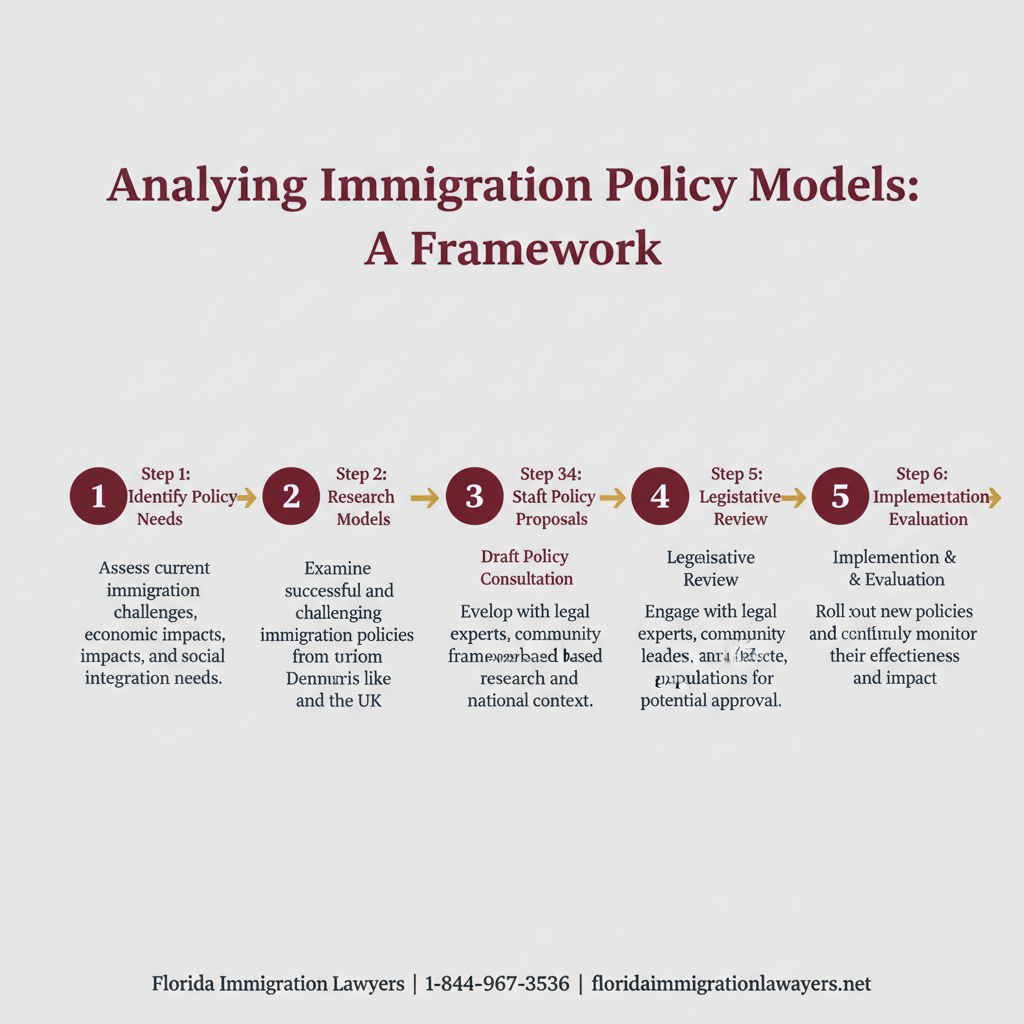
The Danish model also includes tighter restrictions on family reunification rights. This means that it can be more challenging for refugees and those with temporary protection to bring family members to Denmark. These rules are often seen as a significant barrier to integration and family life.
Such policies are designed to limit the overall number of immigrants entering the country. They also intend to reduce the perceived pull factors for asylum seekers. Critics argue these measures can have profound humanitarian consequences.
Other features include strict language requirements, integration programs with mandatory participation, and a focus on self-sufficiency. The objective is to ensure that those who do remain contribute to Danish society under specific terms. The Denmark immigration policy 2025 continues to evolve, but these core principles remain.
Potential Implications for Florida's Immigrant Community
While the uk immigration reform denmark model directly targets UK policy, its ripple effects can be felt globally. International immigration trends often influence discussions and legislative proposals in other countries, including the United States. Florida, with its vibrant and diverse immigrant population, is particularly attentive to such developments.
Florida is home to a significant number of individuals from various backgrounds, including those seeking asylum or refuge. The state's demographics reflect a global tapestry, making immigration a central topic in its social and economic fabric. Discussions about stricter models abroad can raise concerns and questions among our residents.
It is crucial to emphasize that US immigration law operates independently of the UK or Denmark. The principles and statutes governing entry, residency, and asylum in the United States, such as those found in the Immigration and Nationality Act (INA), are distinct. For instance, the US asylum process is governed by INA Section 208, 8 U.S.C. § 1158, which outlines specific eligibility requirements.
However, global shifts can sometimes influence domestic political discourse and public perception. This makes it vital for Florida's immigrant communities to stay informed and understand their rights under current US law. Seeking advice from a knowledgeable Florida immigration lawyer is always the best course of action.
Navigating US Immigration: A Step-by-Step Guide for Florida Residents
Understanding the complexities of US immigration law is essential for anyone seeking to live, work, or gain status in Florida. The process can be daunting, but with proper guidance, it is navigable. This guide provides a general overview of the typical steps involved.
-
Initial Consultation and Strategy
Your first step should be to consult with an experienced Florida immigration lawyer. They will assess your unique situation, determine your eligibility for various visa categories or relief, and help you develop a tailored immigration strategy. This personalized approach is critical for success.
During this phase, your lawyer will explain the different pathways available, such as family-based immigration, employment-based visas, or asylum. They will also discuss potential challenges and realistic timelines. This consultation sets the foundation for your entire journey.
-
Gathering Required Documentation
Once a strategy is in place, you will need to meticulously collect all necessary documents. This often includes birth certificates, marriage certificates, passports, financial records, and police clearances. Accuracy and completeness are paramount.
Your attorney will provide a comprehensive list of required items and help you obtain any missing records. Organizing these documents properly is vital for a smooth application process. Delays often arise from incomplete submissions.
-
Filing Your Petition
After compiling all documentation, your lawyer will prepare and file the appropriate petition or application with U.S. Citizenship and Immigration Services (USCIS). This could be an I-130 Petition for Alien Relative, an I-140 Immigrant Petition for Alien Worker, or an I-589 Application for Asylum, among others. Each form has specific instructions.
The forms must be filled out precisely, and all supporting evidence must be attached. Errors at this stage can lead to delays, requests for evidence (RFEs), or even denials. Your lawyer ensures everything is submitted correctly.
-
Attending Biometrics Appointment
For most immigration applications, USCIS will schedule a biometrics appointment at an Application Support Center (ASC). This involves taking fingerprints, photographs, and a signature. These are used for background checks and identity verification.
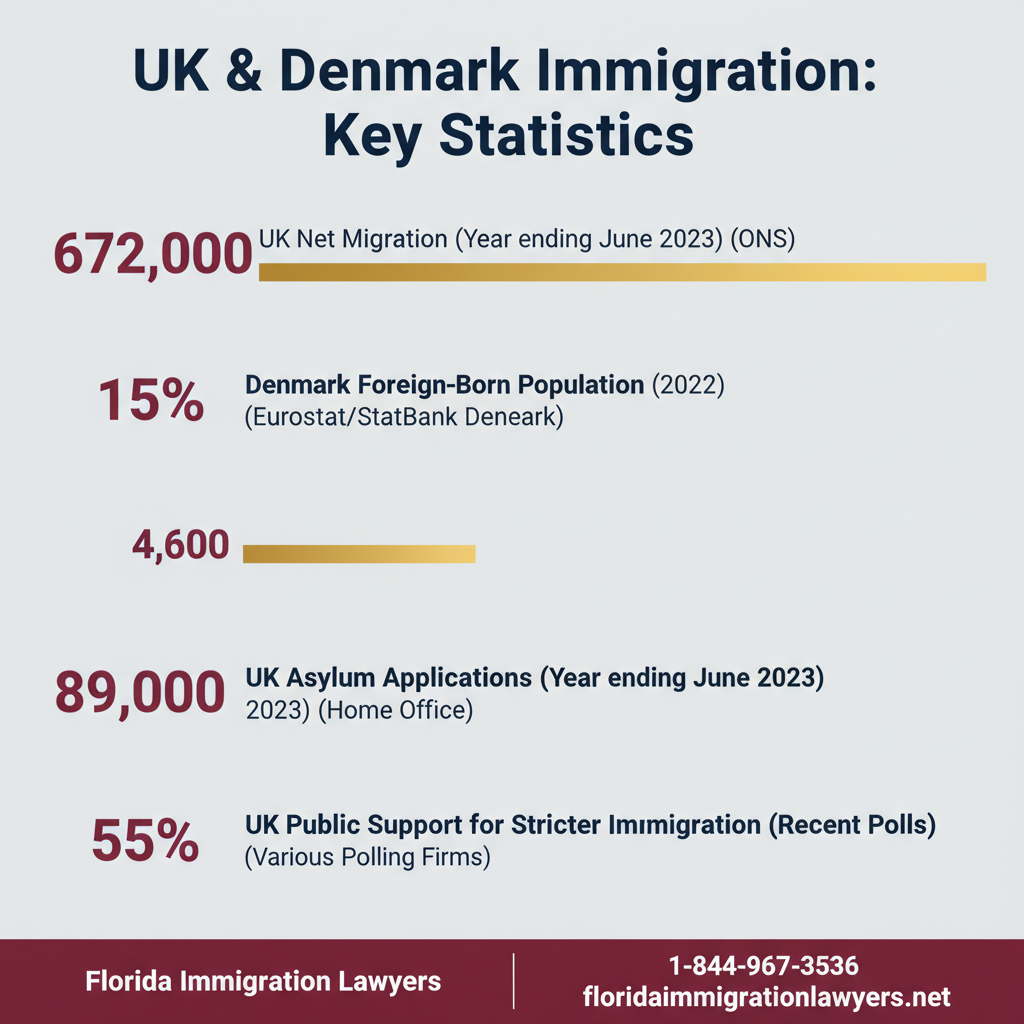
Key Statistics & Data It is important to attend this appointment promptly and bring all requested documents. Missing this appointment can cause significant delays in your case processing. Your lawyer will advise you on what to expect.
-
Interview with USCIS or Consular Officer
Depending on your case type, you may be required to attend an interview. If you are applying for adjustment of status within the US, this interview will be with a USCIS officer at a local field office, such as the one in Tampa. If you are applying from abroad, it will be with a consular officer at a US embassy or consulate.
Your attorney can prepare you for this interview, explaining potential questions and what information you should be ready to provide. Having a lawyer present at a USCIS interview, when permitted, can be highly beneficial. For asylum cases, the interview is a critical step in establishing your claim.
-
Decision and Next Steps
After the interview, USCIS or the consular office will make a decision on your application. If approved, you will receive your green card, visa, or other immigration benefit. If denied, your lawyer can help you understand the reasons and explore options for appeal or reconsideration.
The journey may also involve further steps, such as applying for a work permit, travel document, or eventually US citizenship. Each stage requires careful attention to detail and adherence to legal requirements. Our firm assists clients with a wide range of needs, from family-based immigration to deportation defense.
Essential Documents for Your Immigration Case
Preparing a complete and accurate set of documents is a cornerstone of a successful immigration application. Missing or incorrect paperwork can lead to frustrating delays or even denials. Your Florida immigration lawyer will guide you through this process, ensuring everything is in order.
Here is a general checklist of documents commonly required for various immigration petitions:
- ✓ Proof of Identity and Nationality: Valid passport, birth certificate, national ID cards.
- ✓ Proof of Legal Status (if applicable): Current visas, I-94 records, previous immigration documents.
- ✓ Marriage Certificates: If applying based on marriage to a US citizen or green card holder.
- ✓ Birth Certificates of Children: For family-based petitions.
- ✓ Financial Documents: Tax returns, W-2s, pay stubs, bank statements to prove financial support (Affidavit of Support, Form I-864).
- ✓ Police Clearance Certificates: From all countries and states where you have resided for a certain period.
- ✓ Medical Examination Results: Conducted by a USCIS-approved civil surgeon (Form I-693).
- ✓ Photographs: Passport-style photos meeting USCIS specifications.
- ✓ Affidavits and Letters of Support: From employers, family, or friends, attesting to relationships or qualifications.
- ✓ Educational and Professional Credentials: For employment-based visas or certain waivers.
- ✓ Proof of Bona Fide Relationship: For marriage-based applications, including joint bank accounts, leases, photos, and utility bills.
Always provide certified translations for any documents not in English. Your lawyer will help you identify which specific documents are needed for your particular case, whether it's for citizenship or another immigration benefit.
Do not navigate this process alone. The complexities of immigration law, including potential shifts influenced by global discussions like the uk immigration reform denmark model, demand expert attention. Contact Florida Immigration Lawyers today for dedicated support and peace of mind.
Understanding Immigration Timelines and Processing Expectations
One of the most common questions immigrants have concerns how long their application will take. Immigration processing times can vary significantly based on several factors. These include the type of petition, the specific USCIS service center, and current caseloads.
Factors Affecting Processing Speed
Several elements influence how quickly your immigration case progresses. The volume of applications, changes in immigration policy, and even natural disasters can impact processing times. For example, some family-based petitions can take years, while certain employment-based visas might be processed more quickly.
The country of origin for visa applicants can also play a role due to visa bulletin availability. You can check current processing times on the official USCIS website. Remember that these are estimates and can change without notice.
For those in Florida, applications processed by the `USCIS Florida` field offices (e.g., Tampa, Orlando, Miami, Jacksonville) may have slightly different local interview wait times. Consular processing abroad also has its own unique timelines, which can be monitored via the Department of State website.
It is important to manage your expectations and understand that patience is often a key component of the immigration journey. Your Florida immigration lawyer will help you monitor your case status and advise you on any potential delays or actions needed.
Cost Factors and Immigration Fee Breakdown
Understanding the financial aspects of your immigration journey is crucial for effective planning. There are several categories of costs you should anticipate. These generally include government filing fees, legal fees, and other associated expenses.
Government Filing Fees
U.S. Citizenship and Immigration Services (USCIS) charges various fees for filing petitions and applications. These fees are set by the government and are subject to change. For example, a Form I-485 (Application to Register Permanent Residence or Adjust Status) can have a significant fee, which often includes biometrics services.
It is important to check the most current fee schedule on the USCIS website before submitting any application. Certain waivers may be available for individuals who meet specific poverty guidelines. Your attorney can help you determine eligibility for such waivers.
Legal Fees and Associated Costs
Engaging a qualified Florida immigration lawyer is an investment in the success of your case. Legal fees cover the expertise, time, and resources required to prepare and manage your application. These fees can vary based on the complexity of your case and the services required.
Beyond government and legal fees, you might encounter other costs. These include fees for document translation, medical examinations, postage, and travel expenses for interviews. A transparent law firm, like Florida Immigration Lawyers, will provide a clear breakdown of all anticipated costs.
Common Mistakes to Avoid
Navigating the US immigration system requires precision and attention to detail. Many applicants make common errors that can lead to delays or denials. Avoid these pitfalls to protect your immigration journey:
- Submitting Incomplete Applications: Failing to include all required forms, documents, or signatures is a frequent mistake. USCIS will often reject or deny incomplete applications, forcing you to restart the process and incur additional delays. Always double-check every item on the checklist.
- Providing Inaccurate or False Information: Any misrepresentation, even unintentional, can have severe consequences, including accusations of fraud and permanent bars from immigration benefits. Be truthful and accurate in all submissions.
- Missing Deadlines: Immigration processes are time-sensitive. Missing a deadline for submitting documents, responding to an RFE, or attending an interview can lead to automatic denial or closure of your case. Keep track of all important dates.
- Failing to Disclose Criminal History: Attempting to hide a criminal record, no matter how minor, is a serious offense. It can lead to severe penalties, including deportation or permanent inadmissibility. Always disclose all relevant information to your attorney.
- Not Seeking Legal Counsel: Trying to handle a complex immigration case without an attorney is risky. Immigration law is intricate and constantly changing, and a single mistake can jeopardize your future. A Florida immigration lawyer provides invaluable expertise.
- Ignoring RFEs or NOIDs: If USCIS sends a Request for Evidence (RFE) or a Notice of Intent to Deny (NOID), it requires a timely and thorough response. Failing to address these notices adequately will almost certainly result in a denial. Your lawyer can help you formulate a strong response.
- Traveling Internationally Without Proper Documentation: Leaving the US without an advance parole document while an adjustment of status application is pending can lead to abandonment of your application and inadmissibility. Always consult your attorney before making travel plans.
When to Call a Lawyer
While some immigration forms appear straightforward, the underlying laws are profoundly complex. Even a minor error or misunderstanding can have long-lasting, negative consequences. Knowing when to seek legal help is critical for your success.
You should contact Florida Immigration Lawyers immediately if any of the following scenarios apply to you:
- You have a complex case history, such as previous denials, deportations, or criminal convictions.
- You are unsure about which visa category or immigration benefit you qualify for.
- You have received a Request for Evidence (RFE) or a Notice of Intent to Deny (NOID) from USCIS.
- You are facing deportation or removal proceedings in immigration court (e.g., Miami Immigration Court or Orlando Immigration Court, under the Executive Office for Immigration Review).
- You are seeking asylum or refugee status, where the stakes are incredibly high.
- You have experienced delays or unusual processing times with your application.
- You need to appeal a denied petition or application.
- You are concerned about the potential impact of international policy discussions, like the uk immigration reform denmark model, on your future in Florida.
Our experienced team at Florida Immigration Lawyers is dedicated to protecting your rights and guiding you through every step. We offer comprehensive services for general immigration, family immigration, business immigration, and more. Do not delay in seeking the professional advice you deserve.
Frequently Asked Questions
What is the UK model of immigration in Denmark?
The phrase "UK model of immigration in Denmark" is a bit of a reversal; it's actually the UK government that has expressed interest in adopting aspects of the existing Danish immigration model. This model is known for its strict approach, particularly concerning asylum. Key features include a focus on granting temporary protection rather than permanent residency, stringent requirements for family reunification, and policies designed to encourage asylum seekers to return to their home countries once conditions are deemed safe. The overall aim is to reduce irregular migration and maintain tighter control over who enters and remains in the country.
Is Mette Frederiksen left or right?
Mette Frederiksen is the leader of the Social Democrats in Denmark and has served as Prime Minister since 2019. While traditionally the Social Democrats are a center-left party, under Frederiksen's leadership, the party has adopted a significantly tougher stance on immigration. This shift has led to policies that are often described as right-leaning or even far-right when it comes to immigration matters. Her government's approach to immigration, including the policies that comprise the `Danish immigration model`, is a complex blend that defies easy categorization within traditional left-right political spectrums, focusing on social cohesion and welfare state protection.
What is the 5 year rule for foreigners in Denmark?
The "5-year rule" in Denmark refers to a policy that, in many cases, requires foreigners to have resided legally in Denmark for a continuous period of five years before they can apply for permanent residency. This period can be longer or shorter depending on specific circumstances, such as employment, education, and integration efforts. The rule is part of Denmark's broader strategy to manage immigration and ensure that those seeking permanent status have demonstrated a commitment to integration and self-sufficiency. It reflects a policy aimed at carefully controlling who obtains long-term residency rights.
How hard is it for a British citizen to move to Denmark?
For a British citizen, moving to Denmark became significantly harder after Brexit. As non-EU/EEA citizens, British nationals now face the same immigration requirements as other third-country nationals. This means they generally need a visa or residence permit for stays longer than 90 days, whether for work, study, or family reunification. The process involves meeting specific criteria for each visa type, often including proving financial stability, having an approved job offer, or meeting educational requirements. It's a structured and often lengthy process, requiring adherence to the `Denmark immigration policy 2025` guidelines.
How might the UK's adoption of the Denmark model affect US immigration policies in 2026?
While the UK's adoption of the `uk immigration reform denmark model` would not directly change US immigration laws, it could influence policy discussions and public perception in the United States. International trends in immigration policy often become talking points for domestic politicians and advocacy groups. There might be increased scrutiny of US asylum policies or discussions about adopting similar measures for border control. However, any changes to US immigration law would require congressional action and would not be a direct consequence of UK policies. A Florida immigration lawyer can help you understand current US law.
What are the main types of immigration visas available for Florida residents?
For individuals in Florida, the US offers various immigration pathways. These include family-based visas (e.g., for spouses, children, parents of US citizens or green card holders), employment-based visas (for skilled workers, professionals, investors), asylum and refugee status for those fleeing persecution, and diversity visas. Each category has distinct eligibility criteria and application processes, often involving `USCIS Florida` field offices. Determining the most suitable visa type for your situation is a critical first step, and our firm specializes in a wide range of these immigration services.

Can a Florida immigration lawyer help with international immigration policies?
A Florida immigration lawyer primarily practices US immigration law and cannot directly assist with immigration to other countries like the UK or Denmark. However, they can provide invaluable insight into how international policies might indirectly affect your US immigration journey or future plans. For instance, if you have a complex history involving other countries, a US immigration lawyer can help navigate those details within the context of US law. Our firm focuses on US immigration, helping clients in Tampa and throughout Florida with their specific needs.
Where are the main USCIS Florida offices located?
The U.S. Citizenship and Immigration Services (USCIS) maintains several field offices and Application Support Centers (ASCs) throughout Florida to serve its diverse population. Major field offices are located in cities such as Tampa, Miami, Orlando, and Jacksonville. These offices handle interviews for adjustment of status, naturalization, and other immigration benefits. ASCs are responsible for biometrics appointments (fingerprints, photos). The specific office you interact with depends on your residence and the type of application you file with `USCIS Florida`.
What is the role of USCIS in the US immigration process?
USCIS, or U.S. Citizenship and Immigration Services, is the federal agency responsible for administering the country's lawful immigration system. Its primary role involves processing immigrant and non-immigrant petitions, applications for green cards, naturalization applications, asylum, and other immigration benefits. USCIS ensures compliance with immigration laws, conducts interviews, and issues decisions on various cases. It is a critical component of the US Department of Homeland Security and plays a central role in nearly every step of the immigration journey for those in Florida and nationwide.
How does the Denmark immigration policy 2025 compare to US policies?
The `Denmark immigration policy 2025` is generally known for its restrictive nature, particularly concerning asylum and family reunification, emphasizing temporary protection and strict integration requirements. In contrast, US immigration policies, while complex and subject to change, offer more pathways to permanent residency and citizenship, especially through family-based and employment-based categories, and have distinct asylum laws (e.g., INA Section 208). While both countries aim for managed immigration, the philosophical approaches and legal frameworks differ significantly, with the US traditionally offering broader avenues for long-term settlement. Consulting a Florida immigration lawyer is vital for understanding US specifics.
About Florida Immigration Lawyers
Florida Immigration Lawyers is a leading law firm dedicated to providing exceptional legal representation to immigrants across the entire state of Florida. Our experienced attorneys understand the profound impact immigration matters have on individuals and families. We are committed to offering compassionate, effective, and results-oriented legal services.
We specialize in a comprehensive range of immigration services, including family-based immigration, employment visas, asylum, deportation defense, citizenship, and more. Our firm is proud to serve the diverse communities of Florida, including Tampa, Orlando, Miami, and Jacksonville, ensuring that every client receives personalized attention.
Why choose Florida Immigration Lawyers? We offer free consultations to discuss your case, are available 24/7 for urgent matters, and provide bilingual services to ensure clear communication. Our profound knowledge of US immigration law, combined with our dedication to our clients, makes us your trusted partner in navigating the complex legal landscape. Let us help you achieve your American dream.
Contact us today at 1-844-967-3536 or visit our website at https://www.floridaimmigrationlawyers.net to schedule your free consultation. Your future in Florida starts here.
This article is for general informational purposes only and does not constitute legal advice. Immigration laws change frequently. For advice specific to your situation, please consult with a qualified immigration attorney.
The evolving nature of global immigration policies, exemplified by the uk immigration reform denmark model, underscores the importance of expert legal counsel. Do not leave your immigration future to chance. Secure the dedicated representation you deserve with Florida Immigration Lawyers. Call us now at 1-844-967-3536 for your free, confidential consultation. We are here to help you every step of the way, serving all of Florida with unparalleled expertise and care.
Do Not Navigate This Process Alone
Our experienced immigration attorneys are ready to fight for you. Get a free, confidential consultation today.
Se Habla Español
Frequently Asked Questions
Vasquez Law Firm
Immigration Attorney | Founder, Vasquez Law Firm
U.S. Air Force veteran and immigration attorney with thousands of cases resolved. J.D., NCCU School of Law. AILA member. Admitted to the 4th, 5th, and 11th Circuit Courts.
Available 24/7 - Free Evaluations
Related Legal Services
Our Florida immigration attorneys can help you with free immigration consultation, experienced immigration attorneys and business immigration. Call today at 1-844-967-3536 for a free consultation.
Related Links
Related Topics
Free Legal Consultation
Discuss your case with our experienced attorneys. We're available 24/7.
Se Habla Español - Estamos aquí para ayudarle.
Related Articles
Stokes Interview: Navigating Marriage Fraud in Florida
A Stokes interview is a specialized, separate interview conducted by USCIS when there are suspicions of marriage fraud in a green card application. This rigorous process involves individual questioning of spouses, focusing on inconsistencies in their testimonies to determine the authenticity of their marital bond. For couples in Florida, navigating this high-stakes interview requires meticulous preparation, extensive documentation, and often the strategic guidance of an experienced immigration lawyer. Understanding the process, preparing for detailed questions, and presenting a strong case are crucial for overcoming marriage fraud allegations and securing your immigration future. Florida Immigration Lawyers stands ready to assist you.
Immigration Attorney Gainesville: North Florida Legal Help
For those in Gainesville, Alachua County, and throughout North Florida, navigating U.S. immigration law requires expert guidance. An experienced immigration attorney can simplify complex processes, from family-based petitions and employment visas to critical asylum claims and deportation defense. This comprehensive guide outlines the essential services provided by an immigration attorney, details necessary documentation, clarifies processing timelines, and discusses associated costs. We also highlight common mistakes to avoid and crucial scenarios where legal counsel is indispensable. Florida Immigration Lawyers serves all of Florida, including Gainesville and St. Petersburg, providing dedicated legal support to help you achieve your immigration goals. Contact us for a free consultation to discuss your specific needs.
Military Naturalization Expedited at Florida Bases
Explore expedited military naturalization processes for service members at Florida bases like MacDill. Learn about eligibility, steps, and common mistakes. Contact Florida Immigration Lawyers for a free consultation.
Protect Yourself from Immigration Scams in Florida
Learn how to protect against immigration scams in Florida, focusing on St. Petersburg. This guide covers identifying scams, verifying credentials, and getting legal help. Call Florida Immigration Lawyers at 1-844-967-3536 for assistance.