Refugee Resettlement in Florida: A Guide | VLF Florida
Discover the essential steps for refugee resettlement in Florida with our comprehensive guide. Learn about eligibility, documentation, and local resources to aid your transition. Call Florida Immigration Lawyers at 1-844-967-3536 for expert assistance.

Refugee Resettlement in Florida: A Comprehensive Guide | VLF Florida
Florida, known for its diverse population and welcoming spirit, plays a significant role in the United States' refugee resettlement program. As an SEO expert, understanding the nuances of refugee resettlement in Florida is crucial for providing valuable information and connecting those in need with essential legal services. This comprehensive guide aims to shed light on the process, challenges, and support systems available for refugees seeking a new beginning in the Sunshine State.
Understanding Refugees and Asylum Seekers: Key Distinctions
Before delving into the resettlement process, it's vital to clarify the difference between refugees and asylum seekers, terms often used interchangeably but with distinct legal meanings. A refugee is a person who has fled their country of origin and is unable or unwilling to return due to a well-founded fear of persecution based on race, religion, nationality, membership in a particular social group, or political opinion. Their status is typically determined outside their home country, often by the United Nations High Commissioner for Refugees (UNHCR), before they arrive in the United States.
An asylum seeker, on the other hand, is someone who arrives in the U.S. (or at a port of entry) and then applies for protection, claiming a fear of persecution if returned to their home country. Their claim is processed domestically. While both seek protection from persecution, the legal pathways and initial processing differ significantly. Understanding these distinctions is critical, and if you are seeking protection, exploring your options for asylum in Florida is a vital first step. Our firm specializes in navigating complex immigration law cases, ensuring individuals understand their rights and available legal avenues.
The United States has a long history of welcoming refugees, fulfilling its humanitarian obligations under international and domestic law. Florida, with its strategic location and vibrant communities, has become a primary destination for many individuals and families fleeing conflict, violence, and persecution from various parts of the world. From Cuban and Haitian refugees in past decades to more recent arrivals from Afghanistan, Ukraine, and Venezuela, Florida's landscape is continually shaped by these new communities.
The process of refugee resettlement is a complex, multi-agency effort designed to provide safety and support to individuals who have lost everything. It involves extensive vetting, coordination between international bodies like the UNHCR, federal agencies such as the Department of State and the Department of Homeland Security, and a network of local resettlement agencies. Each step is meticulously planned to ensure both national security and the well-being of the arriving refugees.
The Refugee Resettlement Process in Florida: From Arrival to Integration
The journey of a refugee to Florida is a structured, multi-stage process overseen by various governmental and non-governmental organizations. It typically begins long before they set foot in the United States.
Pre-Arrival and Vetting
- UNHCR Referral: Most refugees resettled in the U.S. are referred by the UNHCR, which identifies individuals most in need of resettlement due to their vulnerability and lack of durable solutions in their initial country of asylum.
- U.S. Government Review: Once referred, candidates undergo rigorous security vetting by multiple U.S. intelligence and law enforcement agencies. This multi-layered screening process is one of the most thorough for any immigrant to the United States.
- Cultural Orientation: Before departure, refugees often receive cultural orientation sessions to prepare them for life in the U.S., covering topics like American culture, laws, and expectations.
Arrival and Initial Support
Upon arrival in Florida, refugees are met by representatives from local resettlement agencies. These agencies, funded by the federal government and often supported by community donations, are critical to the initial integration phase. Their services include:
- Housing: Securing safe, affordable housing, often with initial rental assistance.
- Basic Needs: Providing food, clothing, and essential household items.
- Medical Assistance: Arranging immediate medical screenings and connecting refugees with healthcare providers.
- Enrollment: Assisting with enrollment in public benefits programs, such as Medicaid and food assistance.
- Cultural Orientation: Further orientation to local customs, transportation, and community resources.
The goal during this initial period, typically the first 30-90 days, is to stabilize the refugees' lives and lay the groundwork for self-sufficiency. This period is often intense, requiring refugees to adapt quickly to a new language, culture, and way of life while simultaneously processing past traumas. The support provided by these agencies is invaluable, acting as a bridge between their past and their future in Florida.
Challenges and Triumphs: The Refugee Journey in Florida
The path to integration for refugees in Florida is often marked by significant challenges, yet it is also a testament to human resilience and the power of community support. While the initial resettlement services provide a crucial foundation, the long-term journey involves overcoming numerous hurdles that can impact a refugee's ability to thrive.
One of the most immediate and pervasive challenges is the language barrier. Learning English is paramount for employment, education, and daily communication, but it can be a slow and arduous process, especially for adults with limited prior schooling. This barrier often leads to difficulties in securing skilled employment, forcing many highly educated or experienced refugees to take entry-level jobs that do not reflect their qualifications. The recognition of foreign credentials and professional licenses also presents a significant hurdle, requiring lengthy and costly processes to validate their skills in the U.S.
Cultural adjustment is another profound challenge. Refugees must navigate a completely new social fabric, often with different norms around family structure, social interactions, and civic engagement. This can lead to feelings of isolation, confusion, and a sense of loss for their original culture and community. Children often adapt more quickly, sometimes creating a generational gap within families as parents struggle to keep pace with their children's rapid assimilation.
Furthermore, many refugees arrive with the invisible wounds of trauma and persecution. Experiences of war, violence, and displacement can lead to post-traumatic stress disorder (PTSD), depression, and anxiety. Access to culturally sensitive mental health services is critical but often limited, and the stigma associated with mental health can prevent individuals from seeking the help they need. Housing affordability in Florida's competitive market, access to reliable transportation, and navigating complex bureaucratic systems for healthcare and education are also common obstacles.
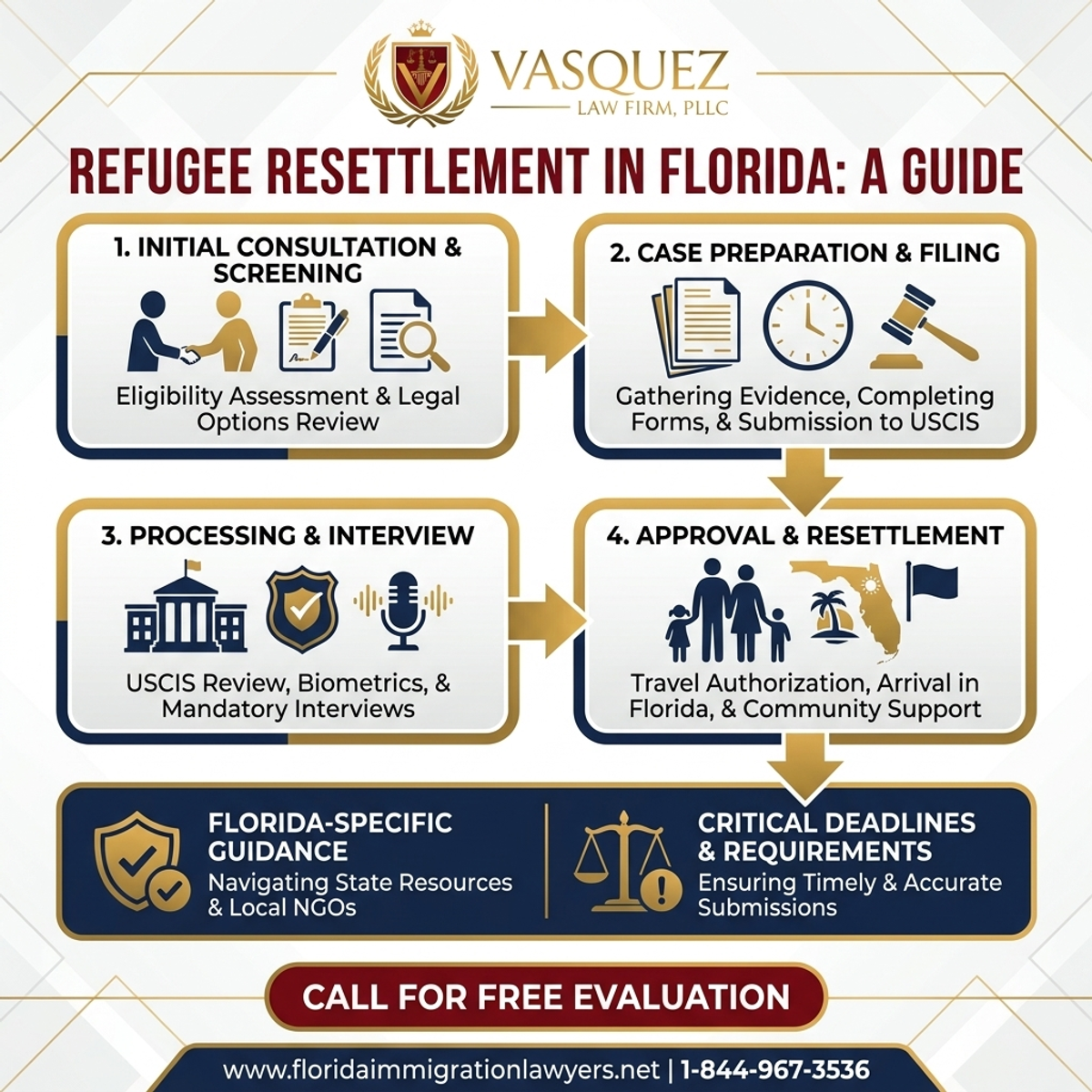
Step-by-Step Process — Refugee Resettlement in Florida: A Guide | VLF Florida
Despite these formidable challenges, the refugee journey in Florida is also filled with remarkable triumphs. Refugees consistently demonstrate incredible resilience, determination, and a strong desire to contribute to their new communities. Many quickly find employment, start businesses, and become active participants in civic life. Their diverse cultural backgrounds enrich Florida's social fabric, bringing new perspectives, cuisines, and traditions. Children of refugees often excel in schools, pursuing higher education and becoming successful professionals, embodying the American dream.
These triumphs are not achieved in isolation. They are often the result of dedicated efforts from local communities, volunteers, faith-based organizations, and legal advocates who provide ongoing support, mentorship, and resources. The success stories of refugees in Florida serve as powerful reminders of the positive impact of resettlement programs and the enduring human spirit.
Key Organizations and Support Services in Florida
A network of dedicated organizations works tirelessly to support refugees in Florida. These agencies provide a continuum of care, from initial reception to long-term integration assistance. Key services include:
- Resettlement Agencies: Organizations like Catholic Charities, World Relief, and the International Rescue Committee (IRC) are primary points of contact, offering initial housing, food, and cultural orientation.
- Employment Services: Programs focused on job readiness, resume building, interview skills, and job placement to help refugees achieve financial independence.
- English Language Training (ESL): Classes designed to help refugees acquire vital language skills for daily life and employment.
- Healthcare Access: Assistance with navigating the U.S. healthcare system, including mental health services and specialized care for trauma survivors.
- Educational Support: Enrollment assistance for children in schools and adults in vocational training or higher education.
- Community Integration Programs: Activities and mentorship programs designed to help refugees connect with their new communities and build social networks.
These organizations often rely on volunteers and donations, highlighting the critical role of community involvement in successful resettlement. Local communities can offer invaluable support through mentorship, language exchange, and simply welcoming new neighbors.
Legal Framework and Your Rights as a Refugee in Florida
Refugees in the United States are granted specific legal protections and rights under both domestic and international law. Upon arrival, refugees are authorized to work immediately and are eligible for various federal benefits designed to aid their transition. After one year of residence in the U.S., refugees are eligible to apply for lawful permanent resident (green card) status. Five years after obtaining a green card, they may apply for U.S. citizenship.
Navigating the legal intricacies of refugee status, green card applications, and eventual naturalization can be complex. It is highly advisable for refugees to seek legal counsel to ensure all applications are filed correctly and on time, and to understand their rights and obligations throughout the process. Furthermore, if a refugee faces any legal challenges, such as potential issues that could lead to deportation defense, immediate legal representation is paramount.
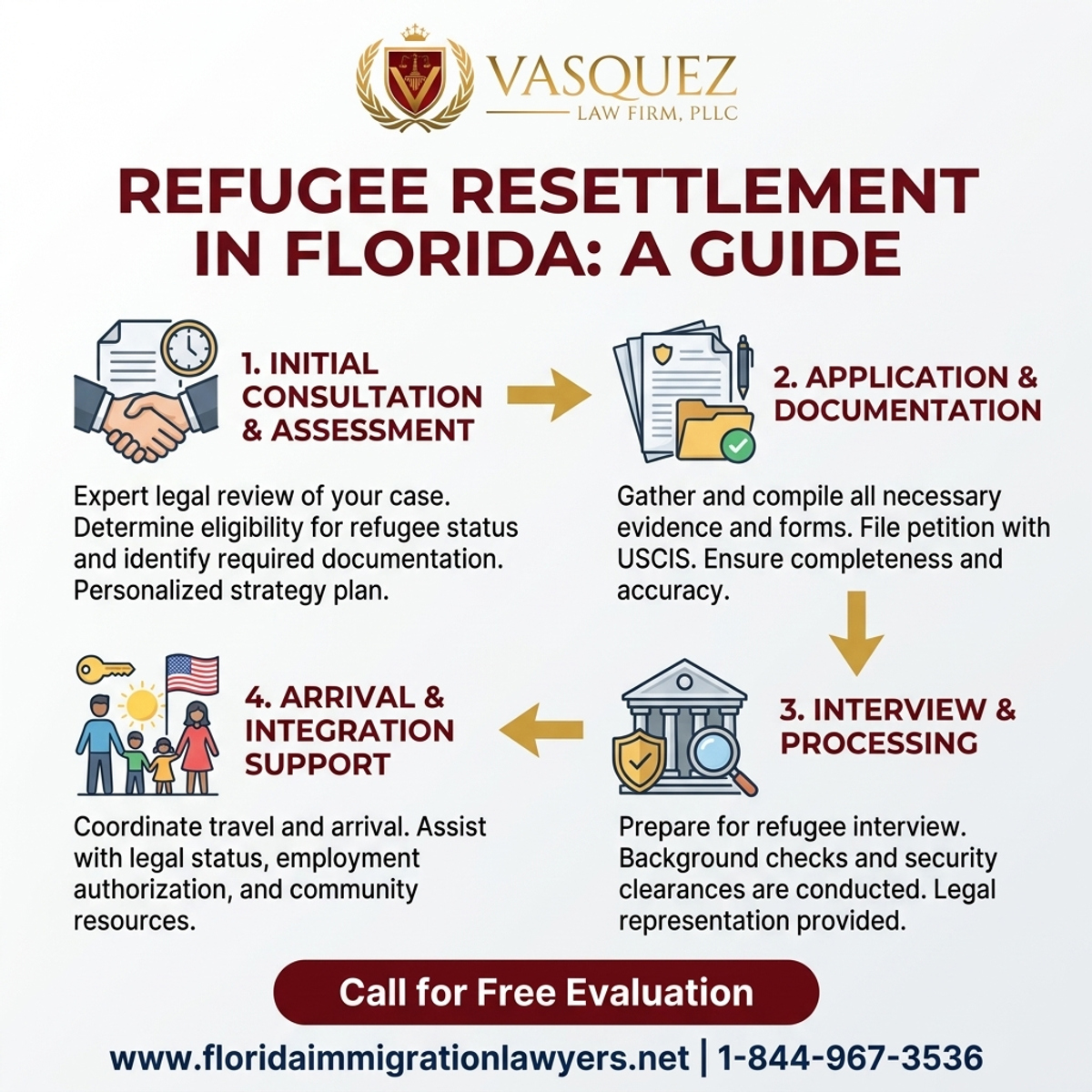
Key Statistics — Refugee Resettlement in Florida: A Guide | VLF Florida
Understanding your rights is crucial. Refugees have the right to due process, access to legal representation, and protection against discrimination. They are also subject to U.S. laws and are expected to adhere to them. Our firm is dedicated to empowering refugees with the knowledge and legal support they need to secure their future in Florida.
How VLF Florida Can Help: Your Trusted Immigration Partner
At VLF Florida, we understand the profound challenges and hopes that accompany refugee resettlement. Our team of experienced immigration attorneys is committed to providing compassionate, comprehensive legal assistance to refugees and asylum seekers in Florida. We offer a wide range of services tailored to meet your unique needs, ensuring you receive the guidance and representation necessary for a successful transition.
Our services include:
- Free Consultations: We offer initial consultations to discuss your specific situation, assess your eligibility for refugee or asylum status, and outline the best legal strategies moving forward.
- Application Assistance: Our attorneys provide expert guidance in preparing and filing complex applications for asylum, green cards, and naturalization, ensuring all documentation is accurate and complete.
- Representation in Immigration Court: If you are facing deportation proceedings or need to present your case before an immigration judge, our skilled litigators will fiercely advocate on your behalf.
- Family Reunification: We assist refugees in navigating the processes to bring eligible family members to the United States, helping to rebuild families torn apart by conflict.
- Adjustment of Status: Guiding refugees through the critical step of adjusting their status to lawful permanent resident after one year in the U.S.
- Citizenship Applications: Providing support and representation for those ready to take the final step toward U.S. citizenship.
We pride ourselves on our deep understanding of U.S. immigration law and our commitment to the well-being of our clients. Our goal is to alleviate the legal burden, allowing you to focus on building your new life in Florida. We are here to answer your questions, address your concerns, and provide the robust legal support you deserve.
If you or a loved one needs assistance with refugee resettlement, asylum claims, or any other immigration matter in Florida, do not hesitate to reach out. Your journey to safety and stability is our priority. Contact us today for a free, confidential consultation. Call 1-844-967-3536 to speak with an attorney who can help you navigate your immigration options.
Frequently Asked Questions About Refugee Resettlement in Florida
Here are answers to some common questions about refugee resettlement in Florida:
- What is the difference between a refugee and an asylum seeker?
A refugee is granted status outside the U.S. before arrival, while an asylum seeker applies for protection after arriving in or at a port of entry to the U.S. - How long does the refugee resettlement process take?
The process can vary significantly, from several months to several years, depending on the country of origin, vetting procedures, and individual circumstances. - What kind of assistance do refugees receive upon arrival in Florida?
Initial assistance includes housing, food, medical care, cultural orientation, and help enrolling in public benefits programs. - Can refugees work immediately in the U.S.?
Yes, refugees are authorized to work immediately upon arrival in the United States. - Are refugees eligible for a Green Card?
Yes, after one year of physical presence in the U.S., refugees are eligible to apply for lawful permanent resident (Green Card) status. - How can I help refugees in Florida?
You can volunteer with local resettlement agencies, donate to support services, or offer mentorship and community support. - What legal rights do refugees have in the U.S.?
Refugees have the right to due process, access to legal representation, and protection against discrimination, and are eligible for various federal benefits. - Where can I find legal help for refugee or asylum matters in Florida?
VLF Florida offers free consultations and expert legal assistance for refugees, asylum seekers, and other immigration matters. Call 1-844-967-3536.
Conclusion: Building a Future in Florida
Refugee resettlement in Florida is a testament to humanitarian values and the strength of community. While the journey is undoubtedly challenging for those fleeing persecution, the robust support systems and legal frameworks in place aim to provide a pathway to safety, stability, and self-sufficiency. VLF Florida is proud to be a part of this vital effort, offering dedicated legal expertise to help refugees navigate the complexities of immigration law and build prosperous new lives in the Sunshine State. Your journey matters, and we are here to ensure your rights are protected every step of the way.
Sources and References
- U.S. Citizenship and Immigration Services (USCIS)
- Executive Office for Immigration Review (EOIR)
- U.S. Department of State - Bureau of Consular Affairs
- Immigration and Nationality Act (INA), 8 U.S.C. Chapter 12
Do Not Navigate This Process Alone
Our experienced immigration attorneys are ready to fight for you. Get a free, confidential consultation today.
Se Habla Español
Frequently Asked Questions
Florida Immigration Lawyers
Immigration Attorney | Founder, Vasquez Law Firm
U.S. Air Force veteran and immigration attorney with thousands of cases resolved. J.D., NCCU School of Law. AILA member. Admitted to the 4th, 5th, and 11th Circuit Courts.
Available 24/7 - Free Evaluations
Related Legal Services
Our Florida immigration attorneys can help you with citizenship and naturalization, family immigration services and immigration practice areas. Call today at 1-844-967-3536 for a free consultation.
Related Links
Related Topics
Free Legal Consultation
Discuss your case with our experienced attorneys. We're available 24/7.
Se Habla Español - Estamos aquí para ayudarle.
Related Articles
Understanding Immigration Lawyer Costs in Florida 2026
Discover the costs associated with hiring an immigration lawyer in Florida in 2026. Learn about the factors that influence pricing and how to choose the right attorney for your needs. Call for a free consultation today.
Immigration Lawyer Cost Florida 2026: What to Expect
Navigating immigration law in Florida, especially understanding the immigration lawyer cost for 2026, can be challenging. This comprehensive guide breaks down attorney fees, factors influencing costs, common fee structures like flat fees and hourly rates, and a step-by-step approach to engaging legal counsel. We highlight the importance of proper documentation, discuss timelines, and pinpoint common mistakes that can increase expenses. Whether you are in West Palm Beach or elsewhere in Florida, our insights aim to provide clarity. Learn when to seek legal expertise and how Florida Immigration Lawyers can offer transparent, compassionate, and effective representation for your immigration journey. Schedule a free consultation to discuss your specific needs.
USCIS Office Locations in Florida for Appointments
Discover USCIS field office locations in Florida, focusing on Jacksonville. Learn about the services offered, how to schedule appointments, and avoid common mistakes. Call Florida Immigration Lawyers at 1-844-967-3536 for a free consultation.
Green Card Renewal Florida Process 2026 Guide | VLF Florida
Renewing your green card in Florida is a critical process to maintain your permanent resident status. This comprehensive guide from Florida Immigration Lawyers details the I-90 application, required documents, processing timelines, and associated costs for residents in Tallahassee and across the state. Learn how to navigate the USCIS system, avoid common mistakes like late filing or incorrect information, and understand when legal assistance is invaluable. Ensure your future in Florida by proactively managing your green card renewal. Contact us for a free consultation to secure your residency.