Orlando Immigration Criminal Defense Attorney Options
Explore the role of an Orlando immigration criminal defense attorney in navigating the I-601 waiver process. Learn about eligibility, steps, and common mistakes. Contact Florida Immigration Lawyers for guidance.
- Understand the I-601 waiver process.
- Know the eligibility criteria.
- Seek experienced legal help in Gainesville, Florida.
Introduction
Living in Florida as an immigrant with a criminal record can be daunting, especially when seeking to adjust your status. If you're in Gainesville or the surrounding areas, finding an experienced Orlando immigration criminal defense attorney is crucial. The process of applying for a criminal waiver, like the I-601, can be complex and challenging. This article will guide you through understanding criminal waivers, eligibility, and the steps involved in the process.
The intersection of criminal law and immigration law creates a unique set of challenges for non-citizens. A seemingly minor conviction can have severe immigration consequences, including deportation or the inability to obtain a green card or visa. The anxiety and uncertainty that come with navigating these legal waters can be overwhelming, making legal counsel not just helpful, but essential.
Understanding your options, particularly the availability and applicability of criminal waivers, is the first step towards securing your future in the United States. This guide aims to demystify the I-601 waiver process, providing clarity on its purpose, who qualifies, and the detailed steps required for a successful application. Florida Immigration Lawyers are here to provide the dedicated support and experience needed to navigate these intricate legal pathways.
Call Florida Immigration Lawyers at 1-844-YO-PELEO for a free consultation.
What is a Criminal Waiver?
A criminal waiver, such as the I-601, allows certain individuals with criminal convictions to overcome inadmissibility and remain in the United States. As of 2026, these waivers are essential for immigrants facing deportation due to past crimes. The waiver process involves proving that your removal would cause extreme hardship to a U.S. citizen or lawful permanent resident relative.
Understanding the nuances of this waiver is vital for those with criminal records seeking to adjust their status. The waiver process considers factors such as the severity of the crime, rehabilitation efforts, and the impact on family members.
The concept of "inadmissibility" is central here. Various criminal convictions can render an individual inadmissible, meaning they are barred from entering the U.S. or adjusting their status from within. These can range from crimes involving moral turpitude (CIMT) to controlled substance offenses, multiple criminal convictions, or even false claims to U.S. citizenship. The I-601 waiver serves as a critical mechanism to overcome these specific grounds of inadmissibility, offering a path forward for eligible applicants.
The "extreme hardship" standard is the cornerstone of many immigration waivers, including the I-601. It requires a compelling demonstration that the qualifying U.S. citizen or lawful permanent resident relative (spouse, parent, or sometimes child) would suffer significantly more than the ordinary hardship experienced when a family member is removed or denied entry. This isn't just about emotional distress; it encompasses a broad range of factors including health issues, financial burdens, educational disruptions, and psychological impacts. A thorough and well-documented case is crucial for meeting this high bar.
For instance, consider Maria, an immigrant seeking a green card who had a minor shoplifting conviction from ten years ago. While this conviction might make her inadmissible, an I-601 waiver could be her solution if she can demonstrate that her U.S. citizen husband, who relies on her income and care due to a chronic illness, would face extreme hardship if she were denied. An Orlando immigration criminal defense attorney at Florida Immigration Lawyers can help assess if your specific criminal history qualifies for such a waiver and build a robust case demonstrating extreme hardship.
How to Apply for an I-601 Waiver?
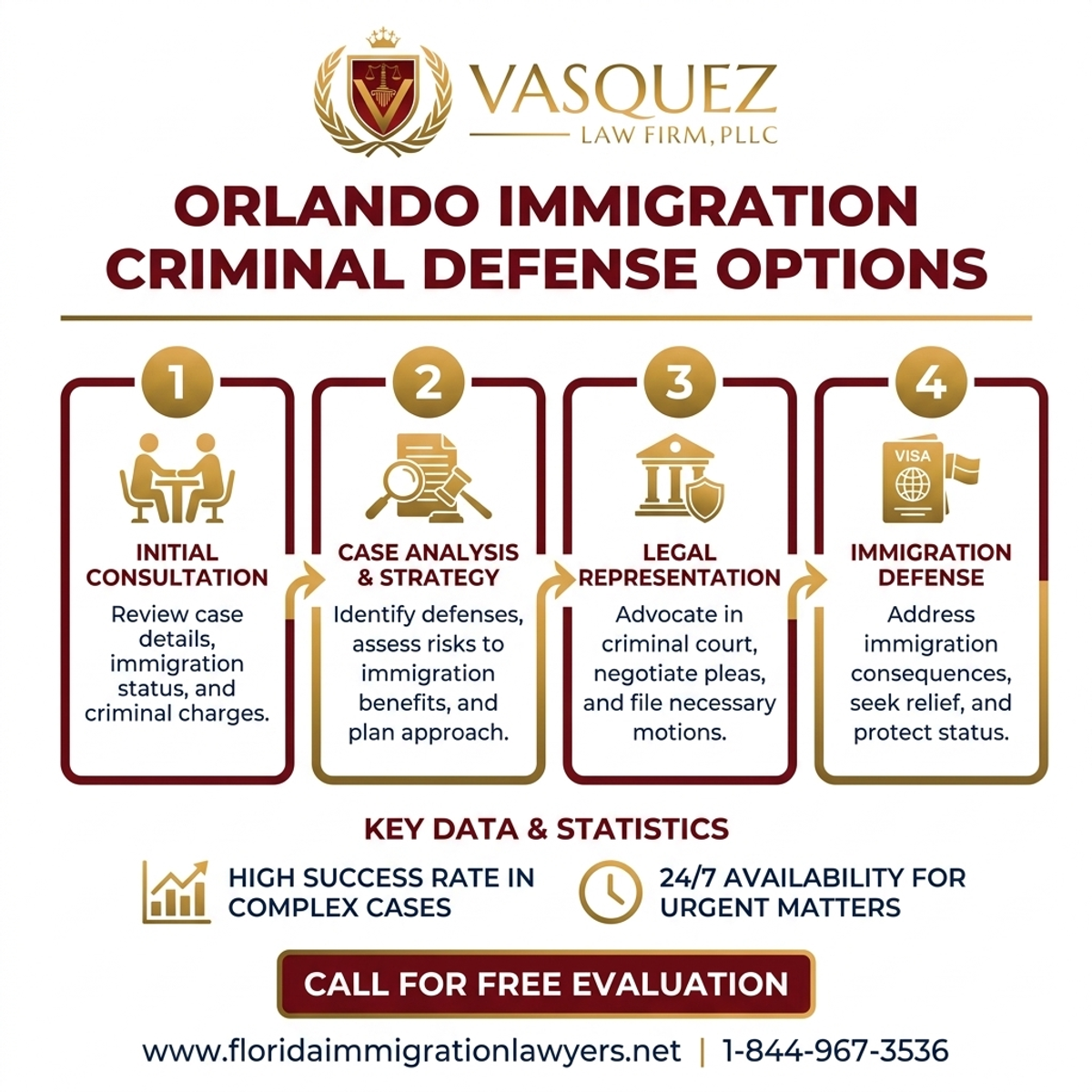
Applying for an I-601 waiver involves several steps:
- Eligibility Assessment: Determine if you meet the criteria for extreme hardship.
- Gathering Documentation: Collect evidence of your relationship with a qualifying relative and the potential hardship they would face.
- Filing the Application: Submit Form I-601 along with supporting documents to USCIS.
- Await Decision: USCIS will review your application and make a decision.
This process requires careful preparation and understanding of legal requirements. Consulting with an immigration attorney can significantly improve your chances of a successful application.
Let's delve deeper into each of these critical steps. The initial Eligibility Assessment goes beyond just identifying a qualifying relative. It involves a detailed review of your criminal record to ensure the specific inadmissibility ground you're trying to waive is indeed covered by the I-601. Not all criminal grounds of inadmissibility can be waived, and some require different waiver forms. An experienced attorney from Florida Immigration Lawyers can meticulously analyze your criminal history and advise on the most appropriate legal strategy, ensuring you pursue the correct waiver for your situation.
The Gathering Documentation phase is arguably the most intensive part of the application. It requires compiling a comprehensive package that paints a clear picture of the extreme hardship your qualifying relative would endure. This includes not only legal documents but also personal statements, affidavits from family and community members, medical records, financial statements, employment history, and evidence of any rehabilitation efforts. Every piece of evidence must be relevant, credible, and directly support the claim of extreme hardship, proving that the impact goes beyond typical family separation.
When Filing the Application, precision is paramount. Form I-601, Application for Waiver of Grounds of Inadmissibility, must be filled out accurately and completely, with no room for errors or omissions. All supporting documents must be organized, clearly labeled, and submitted according to USCIS guidelines. Depending on your specific immigration process (e.g., consular processing versus adjustment of status), the filing location and procedures may vary. A mistake at this stage can lead to significant delays, Requests for Evidence (RFEs), or even denial, making professional assistance invaluable.
Finally, Awaiting Decision can be a period of considerable anxiety. USCIS processing times vary widely, and applicants should be prepared for a waiting period that can extend for many months. During this time, USCIS may issue an RFE if they require additional information or clarification. Prompt and thorough responses to RFEs are critical. If the waiver is denied, it's not necessarily the end of the road; an attorney can discuss options for appeal or reconsideration, exploring all avenues to achieve a positive outcome. Remember, the team at Florida Immigration Lawyers is available at 1-844-YO-PELEO to guide you through every stage.
Step-by-Step Process — Orlando Immigration Criminal Defense Attorney Options
This process requires careful preparation and understanding of legal requirements. Consulting with an immigration attorney can significantly improve your chances of a successful application.
Document Checklist for I-601 Waiver
A successful I-601 waiver application hinges on a meticulously prepared and thoroughly documented submission. The following checklist outlines the essential categories of evidence you will need, but remember that each case is unique and may require additional specific documents to fully demonstrate extreme hardship and eligibility.
- Proof of relationship with a qualifying relative. This includes marriage certificates, birth certificates, and adoption decrees to establish the legal relationship between the applicant and their U.S. citizen or lawful permanent resident spouse, parent, or child.
- Evidence of extreme hardship (medical records, financial statements). This is the core of your application. Gather detailed medical records, psychological evaluations, evidence of special educational needs, financial dependency records, property ownership, and any other documents demonstrating the severe adverse impact on your qualifying relative if the waiver is not granted.
- Criminal records and evidence of rehabilitation. Provide certified copies of all court dispositions, police reports, and sentencing documents related to your convictions. Crucially, include evidence of rehabilitation, such as completion of probation, drug/alcohol counseling, community service, or educational achievements since the conviction.
- Personal statement explaining circumstances and future plans. A compelling personal statement from the applicant, and often from the qualifying relative, is vital. It should narrate the story of the hardship, express remorse for past actions, and outline future plans to be a productive member of society and a supportive family member.
- Additional supporting affidavits from friends, employers, religious leaders, and community members can further strengthen your case by attesting to your good character, community involvement, and the positive impact you have on your family and community.
Organizing these documents systematically and ensuring they are all translated into English (if necessary) by a certified translator is crucial. An Orlando immigration criminal defense attorney can help you identify all necessary documents, organize them effectively, and present them in a manner that maximizes your chances of approval.
Timeline and Processing Expectations
Navigating the I-601 waiver process requires patience, as the timeline can vary significantly based on individual circumstances, the complexity of the case, and current USCIS workloads. Understanding these typical timeframes can help manage expectations, but it's important to remember that these are estimates and not guarantees.
| Stage | Typical Timeframe | Notes |
|---|---|---|
| Application Preparation | 2-3 months | Gathering all necessary documentation, securing expert evaluations, and drafting compelling statements. This stage often takes longer than anticipated due to the depth of evidence required. |
| USCIS Review | 6-12 months | Time varies based on case complexity, the service center processing the application, and the volume of submissions. During this period, USCIS may issue Requests for Evidence (RFEs), which will extend the overall processing time. |
| Decision Issuance | 1-2 months | After thorough review of application and any RFE responses, USCIS will issue a decision. This could be an approval, a denial, or a notice of intent to deny. |
It's crucial to stay informed about your application's status through the USCIS website and to respond promptly and thoroughly to any communications from the agency. While these timelines can seem lengthy, consistent follow-up and having a knowledgeable immigration attorney from Florida Immigration Lawyers by your side can help streamline the process and address any unforeseen issues efficiently. For real-time updates and personalized guidance, don't hesitate to call 1-844-YO-PELEO.
Key Statistics — Orlando Immigration Criminal Defense Attorney Options
Cost Factors and Fee Breakdown
The financial aspect of applying for an I-601 waiver is an important consideration for many families. While the costs can seem substantial, viewing them as an investment in your future and stability in the U.S. can put them into perspective. Understanding the various components of these costs will help you plan accordingly.
| Item | Typical Fee | Notes |
|---|---|---|
| Application Fee | Varies | Check USCIS for current fees. These fees are subject to change and are non-refundable. Fee waivers may be available for certain low-income applicants, but eligibility is strict. |
| Attorney Fees | Varies | Depends on case complexity, the attorney's experience, and the extent of services provided. Some firms offer flat fees, while others bill hourly. Investing in an experienced Orlando immigration criminal defense attorney can significantly improve your chances of success and potentially save costs in the long run by avoiding errors. |
| Document Preparation | Varies | Includes translation and notarization costs for foreign documents, fees for obtaining certified court records, medical evaluations, and psychological assessments. These ancillary costs can add up, so budget for them. |
Beyond the direct fees, consider potential indirect costs such as lost wages due to appointments or travel expenses. While the overall cost can be a concern, attempting to navigate this complex legal process without professional guidance often leads to errors, delays, and ultimately, denial, which can be far more costly both financially and emotionally. Florida Immigration Lawyers offers transparent fee structures and can discuss payment options during your free consultation at 1-844-YO-PELEO.
Do not navigate this process alone. Contact Florida Immigration Lawyers today.
Common Mistakes to Avoid
The I-601 waiver process is fraught with potential pitfalls that can lead to delays or outright denial. Being aware of these common mistakes is the first step in avoiding them and strengthening your application.
- Failing to prove extreme hardship, which is crucial for waiver approval. Many applicants underestimate the stringent definition of "extreme hardship" as interpreted by USCIS. It requires more than just inconvenience or emotional distress; it demands evidence of severe, unusual, and disproportionate suffering to the qualifying relative.
- Incomplete or inaccurate application forms, leading to delays. Even minor errors or missing information can trigger a Request for Evidence (RFE) or, worse, a denial. Precision and thoroughness are non-negotiable when dealing with government forms.
- Not providing sufficient evidence of rehabilitation. While not always a legal requirement, demonstrating genuine remorse and concrete steps towards rehabilitation (e.g., counseling, community service, consistent employment) can significantly bolster your case, especially for crimes involving moral turpitude.
- Missing deadlines for filing or responding to USCIS requests. Immigration processes are time-sensitive. Failing to meet deadlines, whether for initial filing or responding to an RFE, can result in the abandonment or denial of your application without further consideration.
- Not consulting with an experienced immigration attorney. This is perhaps the most critical mistake. The complexity of intertwining criminal and immigration law requires specialized knowledge that a general attorney or self-representation often lacks.
- Assuming minor convictions don't affect eligibility. Even misdemeanors or old convictions can have significant immigration consequences, making an eligibility assessment by a legal expert essential.
- Lack of understanding of the waiver process and requirements. Without a clear grasp of the legal framework, applicants may submit irrelevant evidence or fail to address all necessary criteria.
- Failing to keep copies of all submitted documents. Always maintain a complete file of everything you submit to USCIS, including proof of mailing. This protects you in case of lost documents or future inquiries.
- Overlooking the importance of a detailed personal statement. A well-crafted personal statement can humanize your case, explain circumstances, and demonstrate your commitment to your family and community.
- Ignoring the impact of new laws or policy changes on your case. Immigration law is constantly evolving. What was true yesterday might not be true today. An attorney stays updated on these changes.
To avoid these and other potential pitfalls, engaging with a knowledgeable Orlando immigration criminal defense attorney is paramount. Florida Immigration Lawyers can meticulously review your case, prepare your application, and represent you effectively, significantly increasing your chances of a successful outcome and helping you navigate the complexities of immigration law with confidence.
When to Call a Lawyer
If you're facing deportation due to a criminal conviction, or if you're unsure about your eligibility for a waiver, it's crucial to seek legal advice. Specific scenarios, such as complex criminal backgrounds or recent legal changes, necessitate professional guidance. Florida Immigration Lawyers offer comprehensive services to help navigate these challenges.
The optimal time to contact an immigration attorney is as early as possible, ideally before you even begin the waiver application process. This proactive approach allows your attorney to conduct a thorough eligibility assessment, identify any potential red flags in your criminal or immigration history, and strategize the strongest possible case from the outset. Early intervention can prevent mistakes that are difficult to rectify later.
You should absolutely call a lawyer if your criminal record involves aggravated felonies, multiple convictions, crimes involving moral turpitude, or any drug-related offenses, as these can have particularly severe immigration consequences. Furthermore, if you've previously been denied an immigration benefit, have a history of deportation, or if your case involves any other complex legal issues, the expertise of an Orlando immigration criminal defense attorney is indispensable. The nuances of immigration law are vast, and a skilled attorney can make all the difference between success and failure.
About Florida Immigration Lawyers
Florida Immigration Lawyers is dedicated to providing exceptional legal services to immigrants across Florida. Our experienced attorneys focus on all areas of immigration law, including criminal waivers, deportation defense, and family-based immigration. With a commitment to personalized service, we ensure each client receives the attention and experience they deserve. Contact us at 1-844-YO-PELEO or visit our website for a free consultation.
Our firm understands the profound impact immigration issues have on individuals and families. We approach every case with empathy
Sources and References
- U.S. Citizenship and Immigration Services (USCIS)
- Executive Office for Immigration Review (EOIR)
- U.S. Department of State - Bureau of Consular Affairs
- Immigration and Nationality Act (INA), 8 U.S.C. Chapter 12
Do Not Navigate This Process Alone
Our experienced immigration attorneys are ready to fight for you. Get a free, confidential case review today.
Se Habla Español
Or leave your details and we’ll call you:
Free Evaluation in 24 Hours
Or talk to us right now
AI voice assistant — available 24/7
FreeFrequently Asked Questions

William J. Vásquez
Founding Attorney · Vasquez Law Firm
U.S. Air Force veteran and immigration attorney with years of hands-on U.S. immigration experience. J.D., NCCU School of Law. AILA member. Admitted to the 4th, 5th, and 11th Circuit Courts.
Available 24/7 - Free Evaluations
Reviewed for legal accuracy by William J. Vásquez
Licensed in North Carolina; U.S. immigration is federal practice.
Related Legal Services
Our Florida immigration attorneys can help you with business immigration, deportation defense and family immigration services. Call today at 1-844-YO-PELEO for a free case review.
Related Links
Related Topics
Free Legal Case Review
Discuss your case with our experienced attorneys. We're available 24/7.
Se Habla Español - Estamos aquí para ayudarle.
Related Articles
Certificate of Eligibility for Expungement in Florida 2026
For non-U.S. citizens in Florida, understanding how a state expungement impacts immigration status is critical. A certificate of eligibility for expungement in Florida allows a criminal record to be sealed or expunged under state law. However, federal immigration agencies often disregard such state-level relief, still considering the original criminal offense as a conviction for immigration purposes. This can have severe implications for visa applications, green card eligibility, naturalization, and even lead to deportation. This guide clarifies the Florida expungement process, its limited effect on federal immigration law, and key steps to protect your status in 2026. Learn about common mistakes, required documents, timelines, and when to seek expert legal counsel from Florida Immigration Lawyers to navigate these complex issues effectively.
Immigration Lawyer Orlando Free Consultation in Florida
For individuals and families in Orlando, Florida, navigating the complexities of U.S. immigration law requires expert guidance. An immigration lawyer in Orlando offers crucial support for everything from visa applications and green card processes to naturalization and deportation defense. This comprehensive guide details what a free consultation covers, providing a step-by-step overview of immigration pathways, essential document checklists, and expected timelines in 2026. We also highlight common mistakes to avoid, discuss the critical role of legal counsel in deportation and asylum cases, and explain why choosing a local Orlando immigration attorney is beneficial. Florida Immigration Lawyers is dedicated to serving the diverse community of Orlando with compassionate, effective legal solutions, ensuring you receive personalized advice and robust representation for a successful immigration journey.
Immigration Attorney Florida: Your Guide for 2026
Navigating the U.S. immigration system is complex, especially for employment visas. Learn how an immigration attorney in Florida can simplify the process and help you succeed in your immigration journey. Discover the steps, common mistakes, and the importance of professional legal guidance. Contact Florida Immigration Lawyers for a free case review.
H-4 EAD Work Permit Rules for Spouses in Florida
Explore how H-4 EAD work permits enable spouses of H-1B visa holders in Florida to gain work authorization. Learn about the application process, eligibility, and common mistakes to avoid. Florida Immigration Lawyers offer expert guidance to ensure a smooth process.