Immigration Rights in Florida: Know Your Rights
Understanding your immigration rights in Florida is crucial. From ICE encounters to navigating immigration courts, this comprehensive guide provides essential information for safeguarding your future. Learn about legal protections, common mistakes to avoid, and when to seek professional legal advice. Florida Immigration Lawyers are here to help.
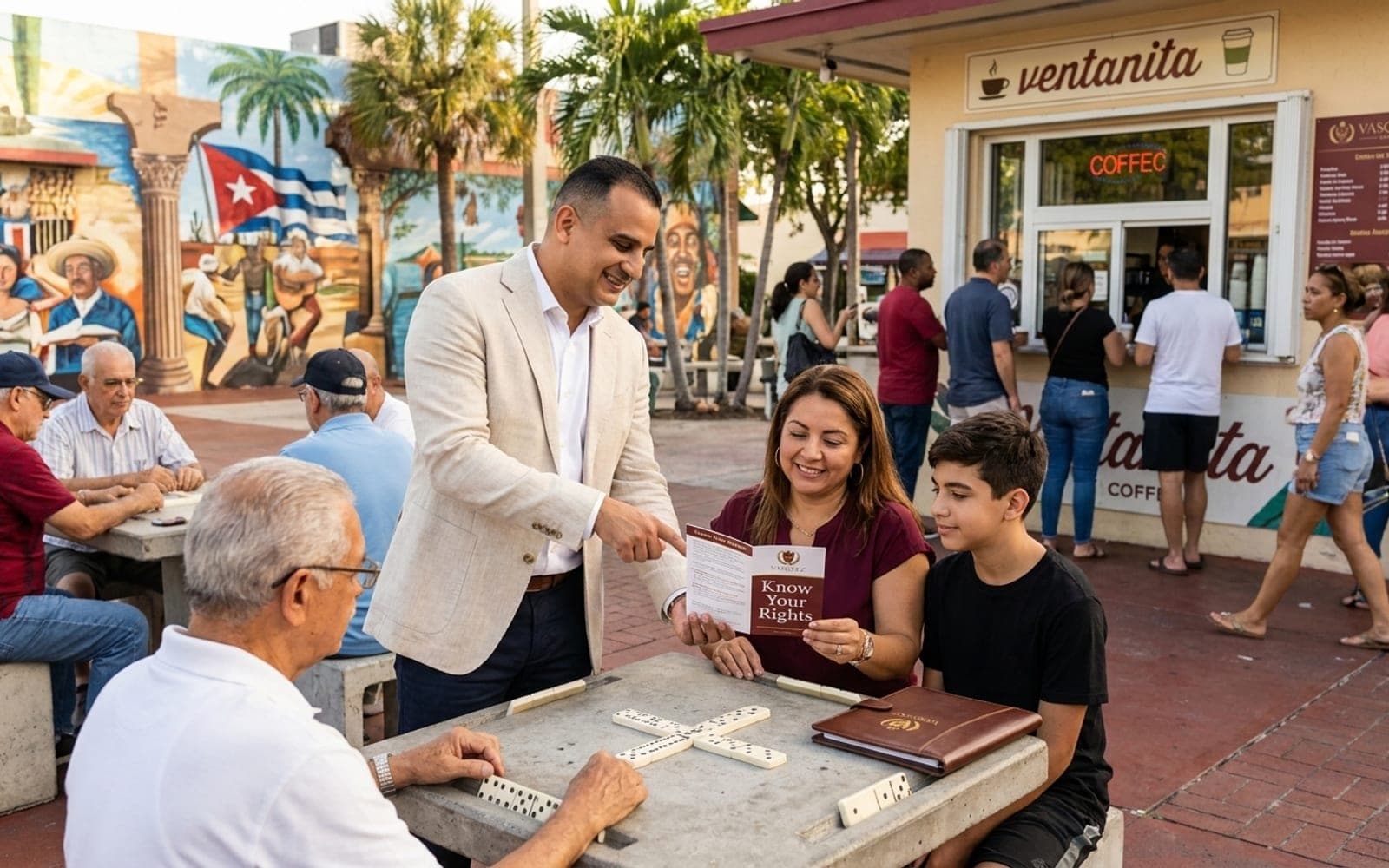
- Know your rights during ICE encounters.
- Understand legal protections available in Florida.
- Access resources and legal support.
Introduction
In today's climate, understanding your immigration rights is more important than ever. Whether you're a new immigrant or have been in the U.S. for years, knowing what you are entitled to under the law can make all the difference. This guide will cover essential rights and protections for immigrants in Florida, with a focus on Orlando.
Florida, a state with a vibrant and diverse immigrant population, presents unique challenges and opportunities for those navigating the U.S. immigration system. From state-specific policies that may impact daily life to the complexities of federal immigration law, being well-informed is your strongest defense. The legal landscape is constantly evolving, making up-to-date knowledge indispensable for protecting your status and well-being.
Ignoring or misunderstanding your rights can lead to severe consequences, including detention, deportation, or the denial of crucial benefits. Proactive education and preparation are key to mitigating these risks. This guide aims to empower you with the knowledge necessary to assert your rights confidently and effectively, ensuring you and your family can build a secure future in Florida. For personalized guidance, call Florida Immigration Lawyers at 1-844-YO-PELEO for a free case review.
What Are Your Rights During an ICE Encounter?
As of 2026, immigrants in Florida have specific rights during encounters with ICE (Immigration and Customs Enforcement). You have the right to remain silent, not open your door unless shown a warrant, and the right to speak to a lawyer.
Knowing these rights can prevent many common issues immigrants face, such as wrongful detention or deportation. Always ask to see a warrant if ICE comes to your door, and remember that you are not obligated to sign any documents without legal counsel.
The right to remain silent is fundamental. You are not required to answer questions about your immigration status, nationality, or how you entered the U.S. Simply state, "I choose to remain silent." This right protects you from inadvertently providing information that could be used against you. If you are detained, continue to assert this right and ask to speak with an attorney from Florida Immigration Lawyers immediately.
Regarding your home, ICE agents generally need a judicial warrant signed by a judge to enter your residence. An administrative warrant, often issued by ICE itself, is not sufficient for forced entry. If agents claim to have a warrant, ask them to slide it under the door or hold it up to a window so you can inspect it. Do not open the door unless it is a judicial warrant specifically naming you or your address. If they do not have one, you can politely refuse entry.
Crucially, you have the right to speak with an attorney. If you are questioned or detained, clearly state, "I want to speak with my lawyer." It's advisable to have the contact information for Florida Immigration Lawyers readily available for yourself and your family members. Legal representation can make a significant difference in the outcome of an ICE encounter, ensuring your rights are upheld and you receive fair treatment under the law.
How Can Immigrants Protect Their Legal Rights in Florida?
Immunity can protect their legal rights by staying informed and prepared. This includes carrying proper identification, knowing emergency contact numbers, and having a family preparedness plan.
It's crucial to understand local laws and how they apply to immigrants. Florida has specific regulations and protections that may differ from other states. Keeping informed of these can aid in navigating any legal challenges you might face.
Beyond general preparedness, it's vital to carry valid identification, such as a passport, green card, or employment authorization document. However, remember that you are not obligated to carry specific immigration documents at all times unless you are over 18 and are a registered alien. Showing foreign identification to local police can sometimes trigger immigration inquiries, so understand the implications. Always keep copies of all important documents in a safe, accessible place, separate from the originals, and share them with a trusted family member or your attorney at Florida Immigration Lawyers.
A comprehensive family preparedness plan is a cornerstone of protection. This plan should detail who will care for your children if you are detained, how financial obligations will be met, and who has power of attorney for making critical decisions. It should also include a list of emergency contacts, including your immigration lawyer, and instructions on how to access important documents. This foresight can minimize stress and disruption during an unexpected crisis, providing a clear roadmap for your loved ones.
Staying connected with reputable community organizations and legal aid groups can also provide invaluable support and up-to-date information on changing immigration policies. These resources often offer workshops, legal clinics, and advocacy services tailored to the needs of immigrants in Florida. When in doubt about any legal matter or new policy, always seek clarification from trusted legal professionals like Florida Immigration Lawyers, rather than relying on rumors or unofficial advice.
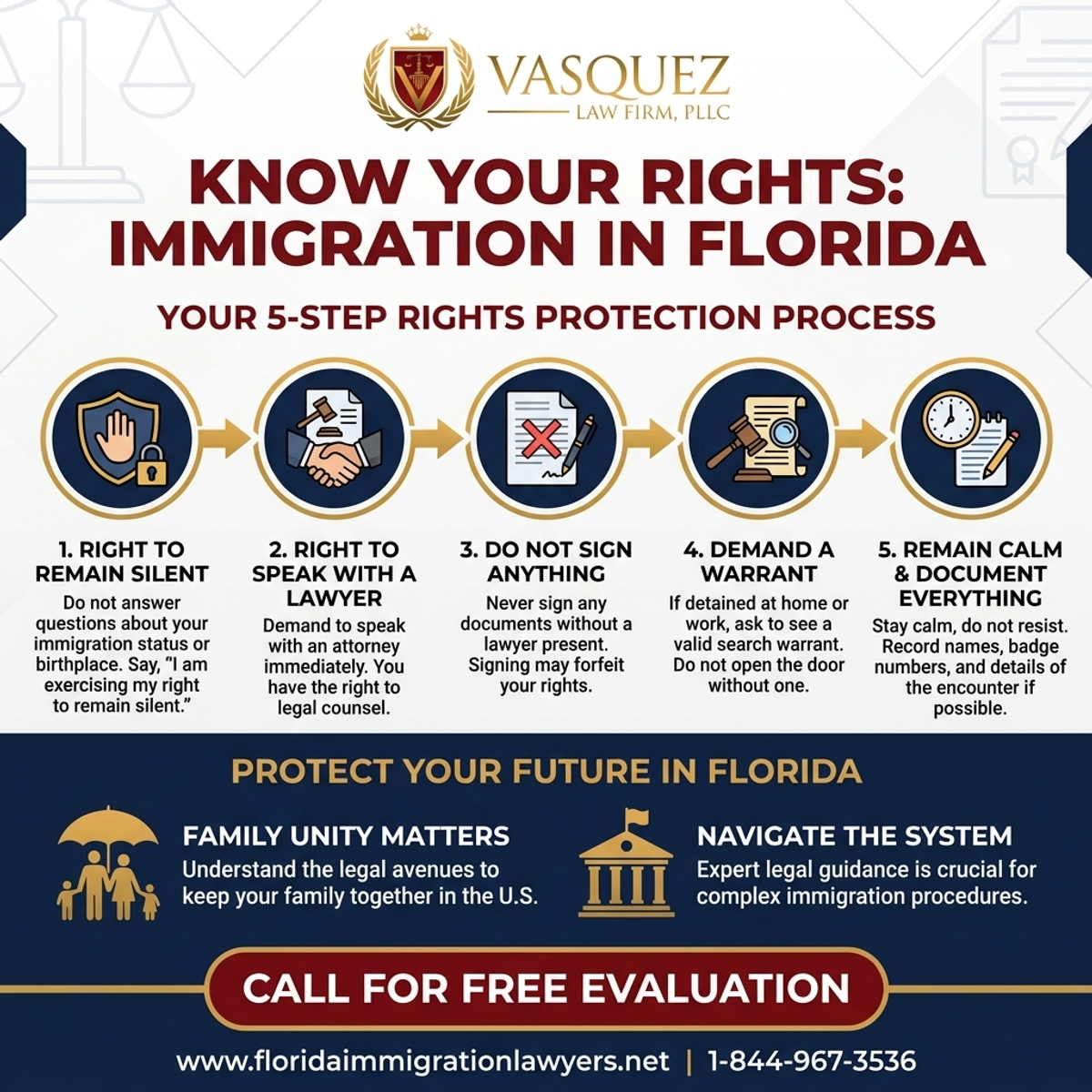
Step-by-Step Process — Immigration Rights in Florida: Know Your Rights
Florida Immigration Courts and USCIS Offices
Florida is home to several immigration courts and USCIS offices that handle various matters, from asylum to deportation defenses. In Orlando, the immigration court is located downtown and serves individuals across Central Florida.
These courts and offices are essential resources for immigrants needing to address legal matters. Ensuring you attend all scheduled hearings and appointments is crucial for maintaining your legal status.
Immigration Courts, under the Executive Office for Immigration Review (EOIR), primarily handle deportation (removal) proceedings, asylum claims, and bond hearings for detained individuals. Each court has specific procedures, and understanding them is vital. For example, the Orlando Immigration Court may have a different docket flow or judge preferences than courts in Miami or Pompano Beach. Appearing prepared and with legal representation from Florida Immigration Lawyers can significantly impact the outcome of your case.
USCIS (U.S. Citizenship and Immigration Services) offices, on the other hand, are responsible for processing various applications for immigration benefits, such as green cards, naturalization, work permits, and family petitions. These offices conduct interviews, review documentation, and make decisions on eligibility. A common mistake is to attend these appointments without all required documents or without understanding the questions being asked, which can lead to delays or denials.
Navigating these complex systems requires diligence and precision. Always arrive early for appointments, bring all requested original documents and copies, and dress professionally. If you have a language barrier, ensure you have a certified interpreter or request one in advance, though having an attorney like those at Florida Immigration Lawyers can often bridge communication gaps more effectively. Understanding the specific function of each entity and how your case fits within their purview is a critical step in a successful immigration journey.
Timeline and Processing Expectations for Immigration Cases in Florida
As of 2026, processing times for immigration cases in Florida vary widely depending on the case type. Naturalization processes can take up to a year, while asylum cases might take longer due to backlogs.
| Stage | Typical Timeframe | Notes |
|---|---|---|
| Naturalization | 6-12 months | May vary based on caseload |
| Asylum | 1-3 years | Backlogged cases affect timelines |
| Family Petition | 6-18 months | Varies by case complexity |
Several factors influence these processing times, including the specific USCIS service center handling your application, the volume of applications received, policy changes, and the completeness and accuracy of your submitted documents. For instance, a complex family petition involving waivers or previous immigration violations will naturally take longer than a straightforward application for a green card through marriage. Backlogs, particularly in asylum cases, can add years to the wait, creating significant uncertainty for applicants.
While these timelines can be frustrating, it's essential to manage expectations and avoid making decisions based on unofficial estimates. USCIS provides online tools to check your case status, which should be monitored regularly. However, direct communication with USCIS can be challenging. Consulting with Florida Immigration Lawyers can provide clarity on your specific case, help you understand potential delays, and advise on any actions you might need to take, such as responding to Requests for Evidence (RFEs), to keep your case moving forward efficiently.
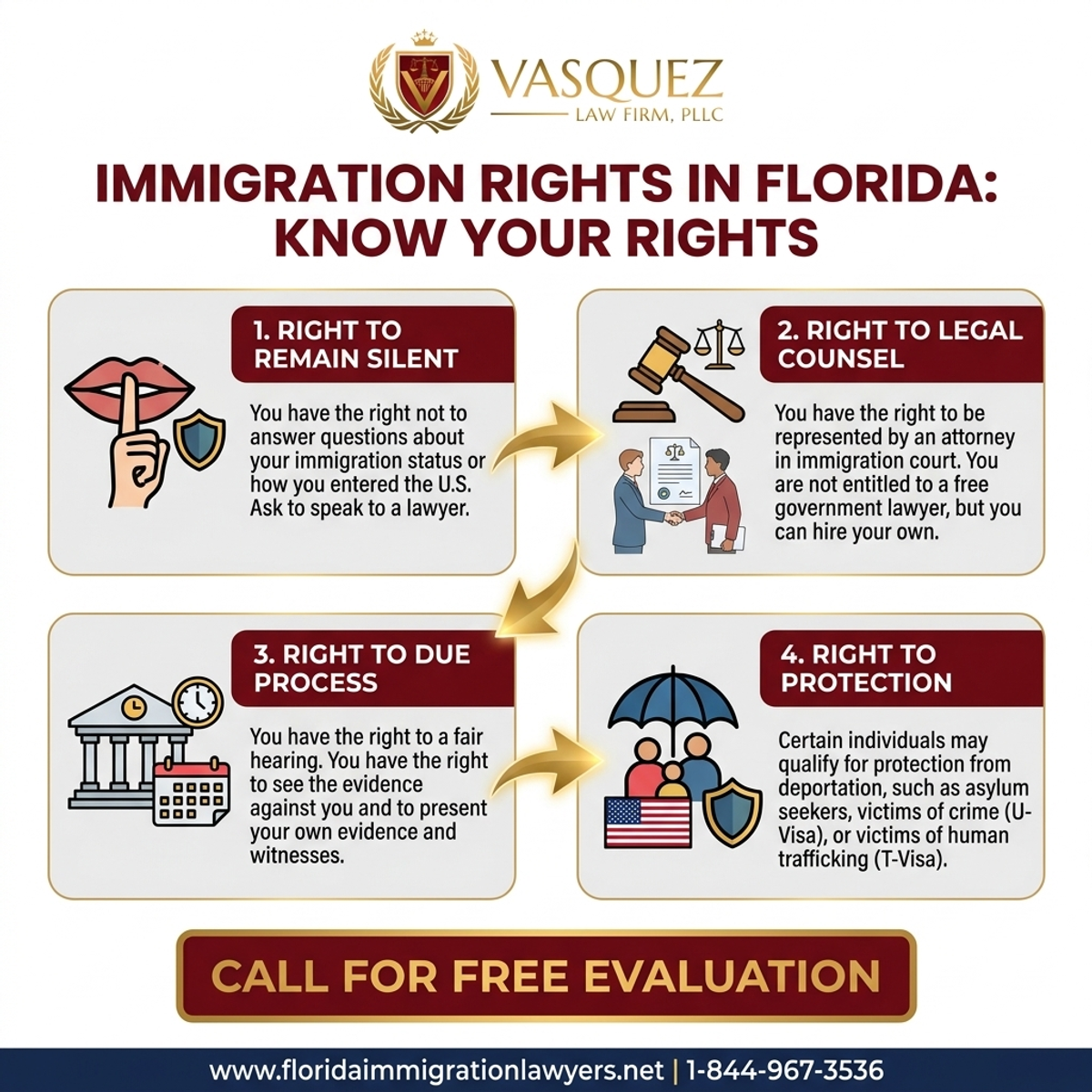
Key Statistics — Immigration Rights in Florida: Know Your Rights
Cost Factors and Fee Breakdown for Immigration Processes
Understanding the cost of immigration processes in Florida is vital for financial planning. Costs can vary based on the type of application and legal assistance required.
| Item | Typical Fee | Notes |
|---|---|---|
| Application Fees | Varies | Check USCIS for updates |
| Legal Representation | $1,500-$5,000 | Depends on case complexity |
| Biometrics | $85 | Standard USCIS fee |
Beyond the standard application and biometrics fees, which are set by USCIS and subject to change, other costs can arise. These might include fees for obtaining certified translations of foreign documents, medical examinations required for certain applications, or travel expenses for interviews. It's crucial to factor these potential additional costs into your budget to avoid unexpected financial burdens that could delay your application.
For those facing financial hardship, USCIS offers fee waivers for certain forms if you meet specific eligibility criteria, such as receiving a means-tested benefit, having an income below 150% of the Federal Poverty Guidelines, or experiencing financial hardship. While legal representation has an associated cost, many firms, including Florida Immigration Lawyers, offer flexible payment plans or free initial consultations to help make legal support accessible. Investing in competent legal counsel can prevent costly mistakes and increase the likelihood of a positive outcome, often saving money in the long run by avoiding repeated applications or prolonged legal battles.
Do not navigate this process alone. Contact Florida Immigration Lawyers today.
Common Mistakes to Avoid
- Not understanding your rights during ICE encounters can lead to unnecessary legal troubles.
- Failing to keep your address updated with USCIS can result in missed communications and appointments.
- Ignoring legal documents or notices can escalate your situation negatively.
- Overstaying your visa without seeking legal advice can lead to deportation.
- Signing documents without understanding their implications.
- Not attending scheduled court hearings or USCIS appointments.
- Assuming that legal advice from non-professionals is accurate.
- Failing to renew work permits or other documents on time.
- Not having a family preparedness plan in place.
- Misunderstanding the terms of any legal agreement or settlement.
When to Call a Lawyer
If you find yourself in a situation that could affect your legal status, contacting a lawyer is crucial. Situations like receiving a Notice to Appear, being detained by ICE, or facing deportation proceedings require immediate legal action.
Florida Immigration Lawyers offer comprehensive services, ensuring your rights are protected every step of the way. If you're unsure of your situation, it's always better to seek professional advice.
Beyond immediate crises, there are many proactive reasons to consult an immigration lawyer. These include planning for future immigration goals like naturalization, sponsoring family members, adjusting your status, or seeking waivers for past immigration issues. Even seemingly minor changes in your personal circumstances, such as marriage, divorce, or a new job, can have significant implications for your immigration status and warrant legal review.
Early engagement with an attorney from Florida Immigration Lawyers can prevent small issues from escalating into major problems. For example, a lawyer can help you prepare accurate and complete applications, identify potential red flags in your case, and represent you during interviews with USCIS or in immigration court. This proactive approach can save you time, stress, and potentially avoid costly denials or delays, ensuring a smoother path through the complex immigration system. Don't wait until a problem arises; a timely consultation can secure your future.
Frequently Asked Questions About Immigration Rights in Florida
Sources and References
- U.S. Citizenship and Immigration Services (USCIS)
- Executive Office for Immigration Review (EOIR)
- 8 U.S.C. Chapter 12 - Immigration and Nationality Act
Related services: immigration waivers, humanitarian protection programs, DACA renewal and applications, temporary protected status (TPS).
This article provides general legal information and is not intended as legal advice. Every case is unique, and outcomes depend on specific facts and circumstances. Contact an attorney for advice about your particular situation.
Se Habla Español - Estamos aquí para ayudarle. Call us at 1-844-YO-PELEO for a free consultation.
Do Not Navigate This Process Alone
Our experienced immigration attorneys are ready to fight for you. Get a free, confidential case review today.
Se Habla Español
Or leave your details and we’ll call you:
Free Evaluation in 24 Hours
Or talk to us right now

AI voice assistant — available 24/7
FreeFrequently Asked Questions

William J. Vásquez
Founding Attorney · Vasquez Law Firm
U.S. Air Force veteran and immigration attorney with years of hands-on U.S. immigration experience. J.D., NCCU School of Law. AILA member. Admitted to the 4th, 5th, and 11th Circuit Courts.
Available 24/7 - Free Evaluations
Reviewed for legal accuracy by William J. Vásquez
Licensed in North Carolina; U.S. immigration is federal practice.
Related Legal Services
Our Florida immigration attorneys can help you with deportation defense, family immigration services and immigration lawyer cost in Florida. Call today at 1-844-YO-PELEO for a free case review.
Related Links
Related Topics
Free Legal Case Review
Discuss your case with our experienced attorneys. We're available 24/7.
Se Habla Español - Estamos aquí para ayudarle.
Related Articles
Immigration Lawyer Orlando Free Consultation in Florida
For individuals and families in Orlando, Florida, navigating the complexities of U.S. immigration law requires expert guidance. An immigration lawyer in Orlando offers crucial support for everything from visa applications and green card processes to naturalization and deportation defense. This comprehensive guide details what a free consultation covers, providing a step-by-step overview of immigration pathways, essential document checklists, and expected timelines in 2026. We also highlight common mistakes to avoid, discuss the critical role of legal counsel in deportation and asylum cases, and explain why choosing a local Orlando immigration attorney is beneficial. Florida Immigration Lawyers is dedicated to serving the diverse community of Orlando with compassionate, effective legal solutions, ensuring you receive personalized advice and robust representation for a successful immigration journey.
Special Immigrant Juvenile Status in Florida 2026
Discover how Special Immigrant Juvenile Status (SIJS) in Florida can help minors facing abuse, neglect, or abandonment obtain legal residency. Understand the application process, eligibility requirements, and common mistakes to avoid. Contact Florida Immigration Lawyers for a free case review.
Fiance Visa in Miami: 2026 Process Guide for Florida
For U.S. citizens in Florida, bringing a foreign fiancé(e) to the U.S. requires navigating the K-1 Fiance Visa process. This guide details the 2026 requirements, step-by-step application, essential documents, and expected timelines. Learn about filing Form I-129F with USCIS, consular interviews, and the crucial Adjustment of Status after marriage. We cover typical fees, common mistakes to avoid, and when to seek legal assistance. Florida Immigration Lawyers offers expert guidance for couples in Miami, Orlando, and across Florida, ensuring a smooth path to uniting with your loved one. Get a free case review today.
Immigration Lawyer Services in Orlando, Florida
Explore immigration consultation services in Orlando, Florida, with a qualified immigration lawyer. Learn what to expect and understand your options for family and business immigration needs.