Florida Immigration Policy Updates 2026: Comprehensive
Navigate Florida's evolving immigration landscape in 2026. Get expert analysis on new state and federal laws, their impact on residents and businesses, and crucial legal guidance. Contact us for a consultation.
Florida Immigration Policy Updates 2026: Comprehensive Guide & Legal Insights
As 2026 approaches, Florida continues to be a focal point for dynamic and often complex immigration policy discussions. The Sunshine State, with its diverse population and strategic geographic location, is particularly susceptible to the ripple effects of both state-level legislative initiatives and broader federal immigration reforms. For individuals, families, and businesses across Florida, staying informed about these changes isn't just advisable—it's essential for planning, compliance, and protecting one's rights. This comprehensive guide aims to demystify the anticipated immigration landscape in Florida for 2026, offering insights into potential legislative shifts, their practical implications, and the critical legal resources available to help you navigate these evolving challenges.
Immigration law is a constantly moving target, influenced by political climates, economic pressures, and humanitarian concerns. In Florida, this means a unique blend of state-specific measures designed to address local priorities, often intertwining with or reacting to federal mandates. Understanding how these layers of governance interact is key to comprehending your situation. Whether you are an immigrant, a U.S. citizen with immigrant family members, an employer, or a community advocate, the information contained within this guide will equip you with a foundational understanding of what to expect and how to prepare for the upcoming year.
Key Legislative Changes Expected in Florida in 2026
Florida's legislative sessions frequently bring forth new proposals and enactments that significantly shape the state's approach to immigration. In 2026, we anticipate continued efforts to refine existing laws and introduce new measures that could impact various aspects of immigrant life and business operations. These changes often stem from state priorities concerning border security, labor force dynamics, and public services. While specific bills are subject to the legislative process, historical trends suggest a focus on areas such as employment verification, state-level enforcement powers, and access to social services for non-citizens.
For instance, discussions around expanding E-Verify requirements for employers beyond current mandates or increasing penalties for non-compliance are likely to resurface. Such measures aim to curb undocumented employment but can also create significant administrative burdens for businesses and potentially lead to discrimination if not implemented carefully. Furthermore, there may be legislative attempts to restrict the ability of local governments to adopt 'sanctuary' policies, even if such policies are not explicitly recognized or widely adopted within Florida. These state-level interventions seek to assert greater control over immigration enforcement within Florida's borders, often leading to legal challenges and public debate.
Another area of potential legislative focus could involve state funding for programs related to immigration, including support for migrant workers, educational initiatives for immigrant children, or even state-sponsored legal aid services. The allocation or reduction of such funding can have profound effects on the well-being and integration of immigrant communities throughout Florida. Keeping a close watch on legislative calendars and proposed bills will be crucial for understanding the precise nature of these anticipated changes and their potential impact on daily life and economic activity within the state.
Enforcement Measures and State-Level Authority
Florida has historically taken a proactive stance on immigration enforcement, often seeking to augment federal efforts with state resources and legislation. In 2026, we can expect this trend to continue, possibly with new laws granting state and local law enforcement agencies expanded authority in identifying and detaining individuals suspected of immigration violations. This could include increased collaboration with federal agencies like U.S. Immigration and Customs Enforcement (ICE) and U.S. Customs and Border Protection (CBP). Such measures often raise concerns about racial profiling and civil liberties, leading to heightened scrutiny from civil rights organizations and legal advocacy groups. Understanding your rights in interactions with law enforcement is paramount, and seeking legal counsel immediately if you are detained is always recommended. For more information on protecting your rights, particularly in situations involving potential deportation, visit our deportation defense practice area.
Impact on Employment and Business Practices
The business community in Florida, particularly sectors reliant on immigrant labor such as agriculture, hospitality, and construction, pays close attention to immigration policy. New state laws in 2026 could introduce stricter employment verification requirements, potentially expanding the use of E-Verify or increasing penalties for employers found to be hiring undocumented workers. These changes aim to ensure a legal workforce but can also lead to labor shortages and increased operational costs for businesses. Employers must stay vigilant about compliance to avoid severe fines and legal repercussions. Consulting with legal experts specializing in immigration and labor law is advisable to ensure your business practices align with the latest regulations. Proactive compliance is the best defense against potential legal challenges.
Federal Immigration Policy Shifts and Their Florida Implications
While Florida enacts its own laws, federal immigration policy remains the overarching framework. Changes at the national level, whether through executive actions, new legislation from Congress, or judicial rulings, have significant ripple effects that are felt acutely in Florida. For 2026, potential shifts could include reforms to asylum processes, adjustments to visa programs, or modifications to border security protocols. For instance, any federal changes regarding the Deferred Action for Childhood Arrivals (DACA) program could directly impact thousands of young Floridians who have built lives and careers in the state under its protections. Similarly, federal decisions on temporary worker programs are critical for Florida's agricultural sector, which relies heavily on seasonal labor.
Furthermore, federal funding for immigration enforcement and services can influence state capabilities and priorities. An increase in federal resources for border enforcement might lead to more inter-agency cooperation in Florida, while cuts to federal programs supporting immigrant integration could strain state and local social services. The U.S. Citizenship and Immigration Services (USCIS.gov) is the primary federal agency responsible for administering immigration and naturalization benefits, and any policy changes originating from them will directly affect application processes, processing times, and eligibility criteria for various immigration pathways. Keeping abreast of federal policy announcements, especially those from the Department of Homeland Security and the Department of State (travel.state.gov), is crucial for understanding the broader context of immigration in Florida.
The federal government's stance on humanitarian parole, refugee resettlement, and family reunification also plays a vital role. Florida has historically been a major destination for refugees and asylum seekers, and any federal policy alterations in these areas will directly impact the number of individuals seeking safety and new homes within the state, as well as the resources required to support their integration. These federal shifts often necessitate adjustments in state-level services and community support networks, making the interplay between state and federal policies a critical area of focus for 2026.
Navigating the Complexities: Resources and Legal Pathways for Immigrants
The intricate web of immigration laws, combined with potential state-specific policies, makes navigating the system a daunting task for many. Fortunately, numerous resources and legal pathways exist to help immigrants understand their rights and pursue legal status. Seeking qualified legal assistance is often the most critical step in this journey. An experienced immigration attorney can provide personalized advice, represent you in court, and guide you through complex application processes, ensuring compliance with both federal and state regulations. Our firm focuses on various aspects of immigration law, offering comprehensive support for individuals and families seeking to secure their future in Florida. We encourage you to explore our immigration practice areas to learn more about how we can assist you.
Beyond legal representation, community organizations and non-profits across Florida offer invaluable support, including language services, educational programs, and assistance with social services. These organizations often serve as vital bridges, connecting immigrants with the resources they need to thrive. Understanding the different legal pathways available—such as family-based visas, employment-based visas, or humanitarian relief—is also crucial. Each pathway has specific eligibility requirements and processes, which can be challenging to navigate without guidance. For example, obtaining a green card through family sponsorship involves detailed documentation and adherence to strict timelines. Similarly, employment-based visas require specific job offers and employer sponsorship, often involving complex labor certification processes.
Staying informed about changes to these pathways is vital. Federal agencies like USCIS frequently update forms, fees, and processing procedures. Relying on official sources for information is paramount to avoid misinformation and potential scams. Remember, the goal is not just to comply with the law but to ensure that you are pursuing the most appropriate and effective legal strategy for your unique circumstances. Our team of dedicated attorneys is committed to providing compassionate and effective legal representation, helping you understand your options and advocating on your behalf. We invite you to contact us for a consultation to discuss your specific immigration needs and how we can help you achieve your goals in Florida.
Understanding Asylum and Refugee Status
For individuals fleeing persecution in their home countries, seeking asylum or refugee status in the United States, including Florida, represents a critical legal pathway to safety. The process for claiming asylum is complex, involving strict deadlines and detailed evidentiary requirements. Asylum seekers must demonstrate a well-founded fear of persecution based on race, religion, nationality, membership in a particular social group, or political opinion. While asylum is a federal process, state policies can indirectly impact access to legal aid, social services, and community support for asylum seekers in Florida. Understanding the nuances of this process, from the initial application to potential hearings before an immigration judge at the Executive Office for Immigration Review (justice.gov), is crucial. Our firm has extensive experience in assisting individuals with their asylum claims, providing guidance through every stage. Learn more about how we can help with your asylum case by visiting our asylum practice area.
The Economic and Social Impact of Immigration Policies on Florida
Immigration policies in Florida, whether state-specific or federally driven, have profound economic and social ramifications. Economically, immigrants contribute significantly to various sectors, including agriculture, tourism, construction, and healthcare. Restrictive policies can lead to labor shortages, increased operational costs for businesses, and a reduction in overall economic output. Conversely, policies that facilitate legal immigration and integration can boost economic growth, foster innovation, and expand the tax base. The agricultural sector, for example, is heavily reliant on immigrant labor, and any disruption to this workforce can have immediate and severe consequences on food production and prices.
Socially, immigration policies impact community demographics, cultural diversity, and the demand for public services such such as education and healthcare. Florida's diverse cultural landscape is largely shaped by its immigrant populations, who bring unique traditions, languages, and perspectives. Policies that create an unwelcoming environment can lead to social fragmentation, fear within communities, and reduced access to essential services for vulnerable populations. On the other hand, inclusive policies can strengthen social cohesion, promote cultural exchange, and ensure that all residents have access to the resources they need to thrive. Understanding these broader impacts is essential for a holistic view of immigration policy in Florida.
Preparing for 2026: Proactive Steps for Individuals and Businesses
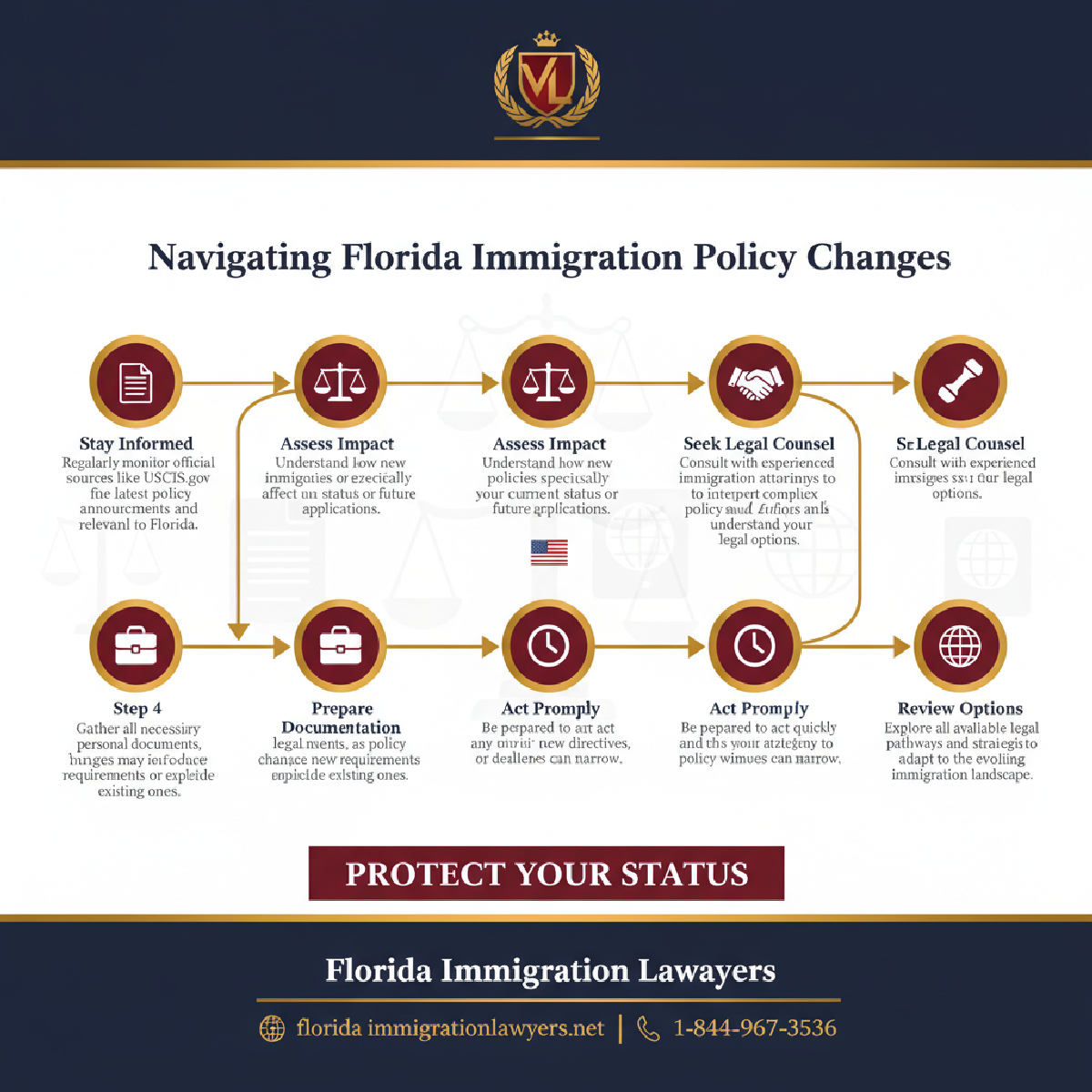
Given the anticipated changes in immigration policy for 2026, both individuals and businesses in Florida should take proactive steps to prepare. For individuals, this means gathering and organizing all important immigration documents, staying informed about legal developments, and seeking legal counsel if there are any uncertainties about your status or rights. Do not wait until a crisis arises; understanding your legal standing now can prevent future complications. Regularly checking official government websites and consulting with a reputable immigration attorney are the best ways to stay ahead.
Businesses, particularly those that employ foreign nationals or operate in sectors traditionally reliant on immigrant labor, must review their hiring practices and ensure full compliance with current and anticipated employment verification laws. This includes understanding E-Verify requirements, maintaining meticulous employee records, and developing contingency plans for potential labor force changes. Investing in legal audits and training for HR staff can mitigate risks and ensure smooth operations. Proactive engagement with legal experts can help businesses navigate the complexities of immigration law, protecting them from penalties and ensuring a stable workforce in 2026 and beyond.
Conclusion: Staying Informed and Protected
The immigration landscape in Florida for 2026 promises to be as dynamic and challenging as ever. With potential shifts in both state and federal policies, staying informed, understanding your rights, and seeking legal guidance are paramount. Whether you are an individual navigating personal immigration matters or a business striving for compliance, proactive engagement is the key to success. Our firm is dedicated to providing the most current information and robust legal representation to help you navigate these changes effectively. Do not hesitate to reach out to our experienced team for a consultation to discuss your specific needs and ensure you are prepared for whatever 2026 may bring. Your future in Florida depends on being well-informed and well-represented.
Do Not Navigate This Process Alone
Our experienced immigration attorneys are ready to fight for you. Get a free, confidential case review today.
Se Habla Español
Or leave your details and we’ll call you:
Free Evaluation in 24 Hours
Or talk to us right now

AI voice assistant — available 24/7
FreeFrequently Asked Questions

William J. Vásquez
Founding Attorney · Vasquez Law Firm
U.S. Air Force veteran and immigration attorney with years of hands-on U.S. immigration experience. J.D., NCCU School of Law. AILA member. Admitted to the 4th, 5th, and 11th Circuit Courts.
Available 24/7 - Free Evaluations
Reviewed for legal accuracy by William J. Vásquez
Licensed in North Carolina; U.S. immigration is federal practice.
Related Legal Services
Our Florida immigration attorneys can help you with citizenship and naturalization, immigration practice areas and free immigration consultation. Call today at 1-844-YO-PELEO for a free case review.
Related Links
Related Topics
Free Legal Case Review
Discuss your case with our experienced attorneys. We're available 24/7.
Se Habla Español - Estamos aquí para ayudarle.
Related Articles
Immigration Lawyer Orlando Free Consultation in Florida
For individuals and families in Orlando, Florida, navigating the complexities of U.S. immigration law requires expert guidance. An immigration lawyer in Orlando offers crucial support for everything from visa applications and green card processes to naturalization and deportation defense. This comprehensive guide details what a free consultation covers, providing a step-by-step overview of immigration pathways, essential document checklists, and expected timelines in 2026. We also highlight common mistakes to avoid, discuss the critical role of legal counsel in deportation and asylum cases, and explain why choosing a local Orlando immigration attorney is beneficial. Florida Immigration Lawyers is dedicated to serving the diverse community of Orlando with compassionate, effective legal solutions, ensuring you receive personalized advice and robust representation for a successful immigration journey.
Fiance Visa in Miami: 2026 Process Guide for Florida
For U.S. citizens in Florida, bringing a foreign fiancé(e) to the U.S. requires navigating the K-1 Fiance Visa process. This guide details the 2026 requirements, step-by-step application, essential documents, and expected timelines. Learn about filing Form I-129F with USCIS, consular interviews, and the crucial Adjustment of Status after marriage. We cover typical fees, common mistakes to avoid, and when to seek legal assistance. Florida Immigration Lawyers offers expert guidance for couples in Miami, Orlando, and across Florida, ensuring a smooth path to uniting with your loved one. Get a free case review today.
Immigration Lawyer Services in Orlando, Florida
Explore immigration consultation services in Orlando, Florida, with a qualified immigration lawyer. Learn what to expect and understand your options for family and business immigration needs.
Fraud Prevention and Detection Fee: What to Know in Florida
Explore the fraud prevention and detection fee essential for immigration processes in Florida. Discover how it impacts applications like the I-601 waiver and learn key steps to navigate this requirement effectively.