Actualizaciones sobre la Política de Inmigración en Florida 2026: Integral
Navega por el cambiante panorama de la inmigración en Florida en 2026. Obtén un análisis sobre las nuevas leyes estatales y federales, su impacto en residentes y negocios, y orientación legal crucial. Contáctanos para una consulta.
Actualizaciones de Políticas de Inmigración de Florida 2026: Guía Integral y Perspectivas Legales
A medida que se aproxima 2026, Florida continúa siendo un punto focal para discusiones sobre políticas de inmigración dinámicas y a menudo complejas. El Estado del Sol, con su población diversa y ubicación geográfica estratégica, es particularmente susceptible a los efectos colaterales tanto de iniciativas legislativas a nivel estatal como de reformas federales de inmigración más amplias. Para individuos, familias y negocios en toda Florida, mantenerse informado sobre estos cambios no solo es recomendable, sino esencial para la planificación, el cumplimiento y la protección de los derechos. Esta guía integral tiene como objetivo desmitificar el panorama migratorio anticipado en Florida para 2026, ofreciendo información sobre posibles cambios legislativos, sus implicaciones prácticas y los recursos legales críticos disponibles para ayudarle a navegar estos desafíos en evolución.
La ley de inmigración es un objetivo en constante movimiento, influenciada por climas políticos, presiones económicas y preocupaciones humanitarias. En Florida, esto significa una combinación única de medidas específicas del estado diseñadas para abordar prioridades locales, a menudo entrelazándose o reaccionando a mandatos federales. Comprender cómo interactúan estas capas de gobernanza es clave para comprender su situación. Ya sea que sea un inmigrante, un ciudadano estadounidense con familiares inmigrantes, un empleador o un defensor comunitario, la información contenida en esta guía le proporcionará una comprensión básica de qué esperar y cómo prepararse para el próximo año.
Cambios Legislativos Clave Esperados en Florida en 2026
Las sesiones legislativas de Florida suelen presentar nuevas propuestas y promulgaciones que dan forma significativamente al enfoque del estado hacia la inmigración. En 2026, anticipamos esfuerzos continuos para refinar las leyes existentes e introducir nuevas medidas que podrían impactar varios aspectos de la vida de los inmigrantes y las operaciones comerciales. Estos cambios a menudo surgen de prioridades estatales relacionadas con la seguridad fronteriza, la dinámica de la fuerza laboral y los servicios públicos. Aunque los proyectos de ley específicos están sujetos al proceso legislativo, las tendencias históricas sugieren un enfoque en áreas como la verificación de empleo, los poderes de aplicación de la ley a nivel estatal y el acceso a servicios sociales para no ciudadanos.
Por ejemplo, es probable que resurjan las discusiones sobre la expansión de los requisitos de E-Verify para los empleadores más allá de los mandatos actuales o el aumento de las sanciones por incumplimiento. Tales medidas buscan reducir el empleo no documentado, pero también pueden crear cargas administrativas significativas para las empresas y potencialmente conducir a la discriminación si no se implementan cuidadosamente. Además, puede haber intentos legislativos de restringir la capacidad de los gobiernos locales para adoptar políticas de 'santuario', incluso si tales políticas no son reconocidas explícitamente o ampliamente adoptadas en Florida. Estas intervenciones a nivel estatal buscan afirmar un mayor control sobre la aplicación de la inmigración dentro de las fronteras de Florida, a menudo conduciendo a desafíos legales y debates públicos.
Otra área de posible enfoque legislativo podría involucrar la financiación estatal para programas relacionados con la inmigración, incluyendo apoyo para trabajadores migrantes, iniciativas educativas para niños inmigrantes o incluso servicios de asistencia legal patrocinados por el estado. La asignación o reducción de tal financiación puede tener efectos profundos sobre el bienestar y la integración de las comunidades inmigrantes en toda Florida. Mantener una vigilancia cercana sobre los calendarios legislativos y los proyectos de ley propuestos será crucial para entender la naturaleza precisa de estos cambios anticipados y su posible impacto en la vida diaria y la actividad económica dentro del estado.
Medidas de Aplicación y Autoridad a Nivel Estatal
Florida ha adoptado históricamente una postura proactiva sobre la aplicación de la inmigración, buscando a menudo aumentar los esfuerzos federales con recursos y legislación estatales. En 2026, podemos esperar que esta tendencia continúe, posiblemente con nuevas leyes que otorguen a las agencias policiales estatales y locales una autoridad ampliada para identificar y detener a individuos sospechosos de violaciones de inmigración. Esto podría incluir una colaboración aumentada con agencias federales como Inmigración y Control de Aduanas de EE. UU. (ICE) y la Protección de Aduanas y Fronteras de EE. UU. (CBP). Estas medidas a menudo generan preocupaciones sobre el perfil racial y las libertades civiles, lo que lleva a un mayor escrutinio por parte de organizaciones de derechos civiles y grupos de defensa legal. Comprender sus derechos en interacciones con la policía es fundamental, y se recomienda buscar asesoría legal de inmediato si es detenido. Para más información sobre cómo proteger sus derechos, particularmente en situaciones que involucren posible deportación, visite nuestra área de práctica de defensa contra la deportación.
Impacto en el Empleo y Prácticas Empresariales
La comunidad empresarial en Florida, particularmente en sectores que dependen de la mano de obra inmigrante como la agricultura, la hospitalidad y la construcción, presta mucha atención a la política de inmigración. Nuevas leyes estatales en 2026 podrían introducir requisitos más estrictos para la verificación de empleo, potencialmente ampliando el uso de E-Verify o aumentando las sanciones para los empleadores que contraten trabajadores indocumentados. Estos cambios buscan asegurar una fuerza laboral legal, pero también pueden llevar a escasez de mano de obra y aumentar los costos operativos para las empresas. Los empleadores deben mantenerse alertas respecto al cumplimiento para evitar multas severas y repercusiones legales. Es recomendable consultar con abogados que manejan casos de inmigración y derecho laboral para asegurarse de que las prácticas comerciales se alineen con las regulaciones más recientes. El cumplimiento proactivo es la mejor defensa contra posibles desafíos legales.
Cambios en la Política Federal de Inmigración y sus Implicaciones en Florida
A pesar de que Florida promulga sus propias leyes, la política federal de inmigración sigue siendo el marco general. Los cambios a nivel nacional, ya sea a través de acciones ejecutivas, nueva legislación del Congreso o fallos judiciales, tienen efectos significativos que se sienten intensamente en Florida. Para 2026, los posibles cambios podrían incluir reformas a los procesos de asilo, ajustes a los programas de visas o modificaciones a los protocolos de seguridad en la frontera. Por ejemplo, cualquier cambio federal respecto al programa de Acción Diferida para los Llegados en la Infancia (DACA) podría impactar directamente a miles de jóvenes floridanos que han construido vidas y carreras en el estado bajo su protección. De manera similar, las decisiones federales sobre programas de trabajadores temporales son críticas para el sector agrícola de Florida, que depende en gran medida de la mano de obra estacional.
Además, la financiación federal para la aplicación de la ley de inmigración y los servicios puede influir en las capacidades y prioridades estatales. Un aumento en los recursos federales para la aplicación de la ley en la frontera podría llevar a una mayor cooperación entre agencias en Florida, mientras que los recortes a los programas federales que apoyan la integración de inmigrantes podrían poner presión sobre los servicios sociales estatales y locales. Los Servicios de Ciudadanía e Inmigración de los EE. UU. (USCIS.gov) son la agencia federal principal responsable de administrar los beneficios de inmigración y naturalización, y cualquier cambio de política que provenga de ellos afectará directamente los procesos de solicitud, los tiempos de procesamiento y los criterios de elegibilidad para varias vías de inmigración. Mantenerse al tanto de los anuncios de políticas federales, especialmente aquellos del Departamento de Seguridad Nacional y del Departamento de Estado (travel.state.gov), es crucial para comprender el contexto más amplio de la inmigración en Florida.
La postura del gobierno federal sobre el permiso humanitario, el reasentamiento de refugiados y la reunificación familiar también juega un papel vital. Florida ha sido históricamente un destino importante para refugiados y solicitantes de asilo, y cualquier alteración de las políticas federales en estas áreas impactará directamente el número de individuos que buscan seguridad y nuevos hogares dentro del estado, así como los recursos requeridos para apoyar su integración. Estos cambios federales a menudo requieren ajustes en los servicios estatales y las redes de apoyo comunitario, lo que convierte en un área crítica de enfoque la interacción entre las políticas estatales y federales para 2026.
Navegando las Complejidades: Recursos y Vías Legales para Inmigrantes
La intrincada red de leyes de inmigración, combinada con posibles políticas específicas del estado, hace que navegar el sistema sea una tarea desalentadora para muchos. Afortunadamente, existen numerosos recursos y vías legales para ayudar a los inmigrantes a entender sus derechos y buscar un estatus legal. Buscar asistencia legal calificada es a menudo el paso más crítico en este viaje. Un abogado de inmigración con experiencia puede proporcionar asesoramiento personalizado, representarlo en la corte y guiarlo a través de procesos de solicitud complejos, asegurando el cumplimiento con las regulaciones federales y estatales. Nuestra firma maneja casos de diversas áreas del derecho de inmigración, ofreciendo apoyo integral para individuos y familias que buscan asegurar su futuro en Florida. Le animamos a explorar nuestras áreas de práctica en inmigración para aprender más sobre cómo podemos asistirle.
Más allá de la representación legal, organizaciones comunitarias y sin fines de lucro en Florida ofrecen apoyo invaluable, que incluye servicios de idiomas, programas educativos y asistencia con servicios sociales. Estas organizaciones a menudo sirven como puentes vitales, conectando a los inmigrantes con los recursos que necesitan para prosperar. Comprender las diferentes vías legales disponibles—como visas basadas en la familia, visas basadas en el empleo o alivio humanitario—también es crucial. Cada vía tiene requisitos de elegibilidad y procesos específicos, que pueden ser desafiantes de navegar sin orientación legal. Por ejemplo, obtener una tarjeta verde a través del patrocinio familiar implica documentación detallada y adherencia a plazos estrictos. De manera similar, las visas basadas en el empleo requieren ofertas de trabajo específicas y patrocinio por parte del empleador, a menudo involucrando procesos complejos de certificación laboral.
Estar informado sobre los cambios en estos caminos es vital. Las agencias federales como USCIS actualizan frecuentemente formularios, tarifas y procedimientos de procesamiento. Confiar en fuentes oficiales para obtener información es primordial para evitar desinformación y posibles estafas. Recuerda, el objetivo no es solo cumplir con la ley, sino asegurar que estés persiguiendo la estrategia legal más adecuada y efectiva para tus circunstancias únicas. Nuestro equipo de abogados está comprometido a brindar representación legal compasiva y efectiva, ayudándote a entender tus opciones y abogando en tu nombre. Te invitamos a contactarnos para una consulta y discutir tus necesidades específicas de inmigración y cómo podemos ayudarte a alcanzar tus metas en Florida.
Comprendiendo el Asilo y el Estatus de Refugiado
Para las personas que huyen de la persecución en sus países de origen, buscar asilo o estatus de refugiado en los Estados Unidos, incluyendo Florida, representa un camino legal crítico hacia la seguridad. El proceso para reclamar asilo es complejo, involucrando plazos estrictos y requisitos evidenciales detallados. Los solicitantes de asilo deben demostrar un temor fundado de persecución basado en raza, religión, nacionalidad, pertenencia a un grupo social particular, u opinión política. Aunque el asilo es un proceso federal, las políticas estatales pueden impactar indirectamente el acceso a asistencia legal, servicios sociales y apoyo comunitario para los solicitantes de asilo en Florida. Comprender las particularidades de este proceso, desde la solicitud inicial hasta posibles audiencias ante un juez de inmigración en la Oficina Ejecutiva de Revisión de Inmigración (justice.gov), es crucial. Nuestra firma tiene amplia experiencia asesorando a individuos con sus solicitudes de asilo, ofreciendo orientación legal en cada etapa. Conoce más sobre cómo podemos ayudar con tu caso de asilo visitando nuestra área de práctica de asilo.
El Impacto Económico y Social de las Políticas de Inmigración en Florida
Las políticas de inmigración en Florida, ya sean específicas del estado o impulsadas a nivel federal, tienen profundas ramificaciones económicas y sociales. Económicamente, los inmigrantes contribuyen significativamente a varios sectores, incluyendo la agricultura, el turismo, la construcción y la salud. Las políticas restrictivas pueden llevar a escasez de mano de obra, aumento de los costos operativos para las empresas y una reducción en la producción económica total. En contraste, las políticas que facilitan la inmigración legal y la integración pueden impulsar el crecimiento económico, fomentar la innovación y expandir la base tributaria. El sector agrícola, por ejemplo, depende en gran medida de la mano de obra inmigrante, y cualquier interrupción en esta fuerza laboral puede tener consecuencias inmediatas y graves en la producción y precios de alimentos.
Socialmente, las políticas de inmigración impactan la demografía comunitaria, la diversidad cultural y la demanda de servicios públicos como la educación y la salud. El diverso paisaje cultural de Florida está en gran medida moldeado por sus poblaciones inmigrantes, quienes traen tradiciones, idiomas y perspectivas únicas. Las políticas que crean un ambiente poco acogedor pueden llevar a la fragmentación social, miedo dentro de las comunidades y reducción en el acceso a servicios esenciales para poblaciones vulnerables. Por otro lado, las políticas inclusivas pueden fortalecer la cohesión social, promover el intercambio cultural y asegurar que todos los residentes tengan acceso a los recursos que necesitan para prosperar. Comprender estos impactos más amplios es esencial para tener una visión holística de la política de inmigración en Florida.
Preparándose para 2026: Pasos Proactivos para Individuos y Empresas
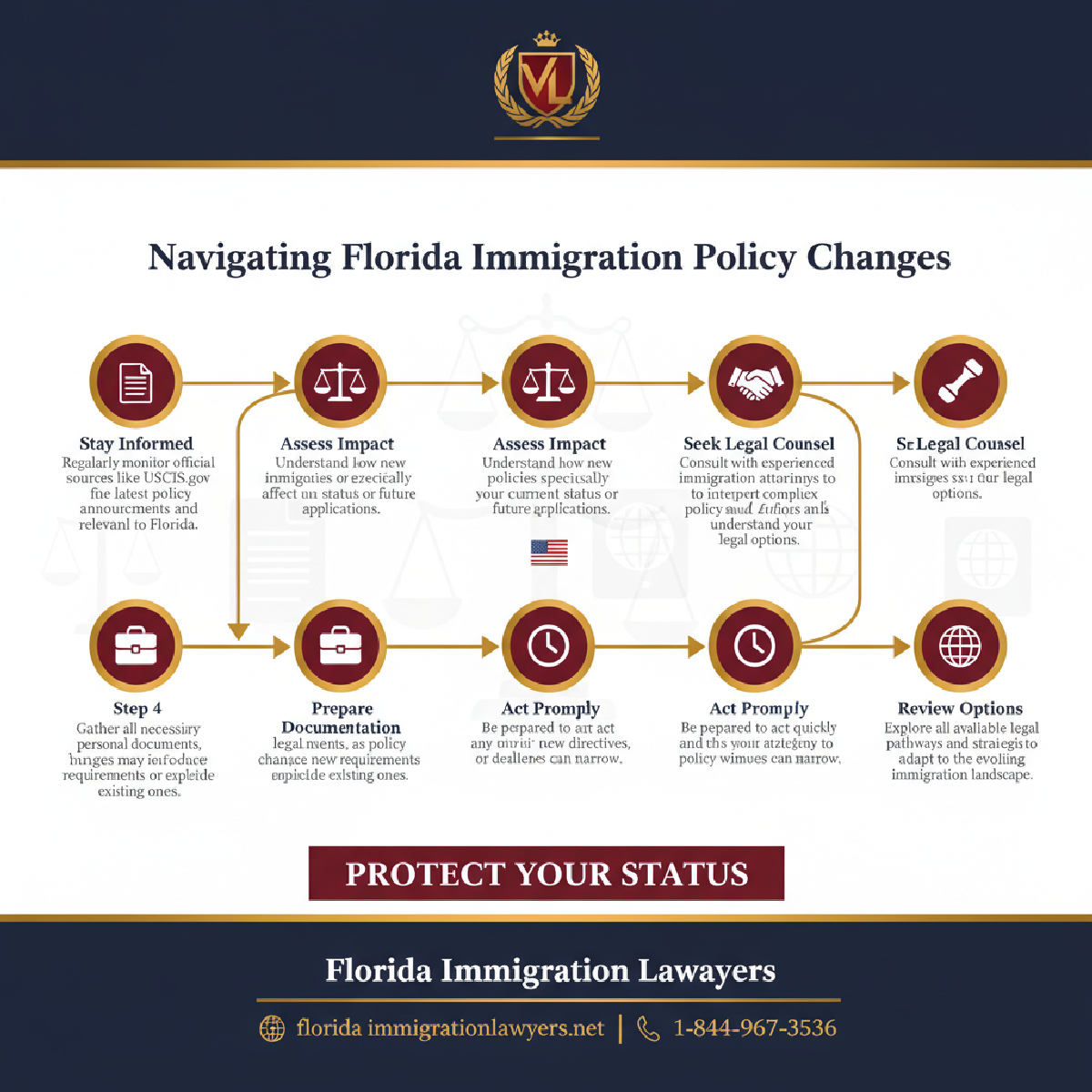
Dado los cambios anticipados en la política de inmigración para 2026, tanto individuos como empresas en Florida deben tomar pasos proactivos para prepararse. Para los individuos, esto significa recopilar y organizar todos los documentos importantes de inmigración, mantenerse informado sobre los desarrollos legales y buscar asesoría legal si hay alguna incertidumbre sobre su estatus o derechos. No esperes a que surja una crisis; entender tu situación legal ahora puede prevenir complicaciones futuras. Revisar regularmente los sitios web oficiales del gobierno y consultar con un abogado de inmigración de buena reputación son las mejores maneras de estar un paso adelante.
Las empresas, especialmente aquellas que emplean a extranjeros o operan en sectores tradicionalmente dependientes de la mano de obra inmigrante, deben revisar sus prácticas de contratación y asegurar el cumplimiento total con las leyes actuales y anticipadas de verificación de empleo. Esto incluye entender los requisitos de E-Verify, mantener registros meticulosos de empleados y desarrollar planes de contingencia para posibles cambios en la fuerza laboral. Invertir en auditorías legales y capacitación para el personal de recursos humanos puede mitigar riesgos y asegurar operaciones fluidas. El compromiso proactivo con expertos legales puede ayudar a las empresas a navegar las complejidades de la ley de inmigración, protegiéndolas de penalizaciones y asegurando una fuerza laboral estable en 2026 y más allá.
Conclusión: Manteniéndose Informado y Protegido
El panorama migratorio en Florida para 2026 promete ser tan dinámico y desafiante como siempre. Con cambios potenciales tanto en políticas estatales como federales, mantenerse informado, entender sus derechos y buscar orientación legal son fundamentales. Ya sea que usted sea un individuo que navega asuntos migratorios personales o una empresa que busca cumplir con las normativas, el compromiso proactivo es clave para el éxito. Nuestra firma se dedica a proporcionar la información más actual y una representación legal sólida para ayudarlo a navegar estos cambios de manera efectiva. No dude en comunicarse con nuestro equipo para una consulta y discutir sus necesidades específicas y asegurarse de estar preparado para lo que el 2026 pueda traer. Su futuro en Florida depende de estar bien informado y bien representado.
No Navegue Este Proceso Solo
Nuestros abogados de inmigración con experiencia están listos para luchar por usted. Obtenga una evaluación gratis de su caso y confidencial hoy.
We Speak English
O deje sus datos y le llamamos:
Evaluación Gratis en 24 Horas
O hable con nosotros ahora

Asistente de voz IA — disponible 24/7
GratisPreguntas Frecuentes

William J. Vásquez
Abogado Fundador · Vasquez Law Firm
Veterano de la Fuerza Aérea de EE.UU. y abogado de inmigración con años de experiencia práctica en inmigración de EE.UU. J.D., NCCU School of Law. Miembro de AILA. Admitido en los Circuitos 4.º, 5.º y 11.º.
Disponible 24/7 - Evaluaciones Gratis de su Caso
Revisado para exactitud legal por William J. Vásquez
Con licencia en Carolina del Norte; la inmigración a EE.UU. es una práctica federal.
Servicios legales relacionados
Nuestros abogados de inmigración en Florida pueden ayudarle con protección de asilo, consulta gratis de inmigración y costo de un abogado de inmigración. Llame hoy al 1-844-YO-PELEO para una evaluación gratis de su caso.
Enlaces Relacionados
Temas Relacionados
Evaluación Legal Gratis de su Caso
Discuta su caso con nuestros abogados experimentados. Estamos disponibles 24/7.
Artículos Relacionados
Abogado de Inmigración Orlando Consulta Gratuita en Florida
Abogado de Inmigración en Orlando, Florida. Consulta gratuita para visas, tarjetas verdes, ciudadanía, asilo y defensa de deportación. Asesoría legal
Tarjeta Combo EAD y Advance Parole en Florida 2026
Para las personas con un Formulario I-485, Solicitud para Registrar Residencia Permanente o Ajustar Estatus, pendiente, la Tarjeta Combo EAD y Advance Parole es un documento esencial. Esta tarjeta única combina la autorización para trabajar legalmente en EE. UU. (Documento de Autorización de Empleo - EAD) con el permiso para viajar internacionalmente y reingresar sin abandonar su solicitud de tarjeta verde (Advance Parole). Esta guía de Florida Immigration Lawyers proporciona una visión general completa para los solicitantes en Florida en 2026, cubriendo la elegibilidad, el proceso de solicitud paso a paso, los documentos requeridos, los tiempos de procesamiento esperados y los costos asociados. También destacamos los errores comunes a evitar y cuándo buscar asesoramiento legal para asegurar un viaje de inmigración sin problemas y exitoso.
Visa K-1 para Prometidos en Florida: Guía 2026
Para los ciudadanos estadounidenses en Florida, traer a un prometido(a) extranjero(a) a EE. UU. requiere navegar el proceso de la Visa K-1 de Prometido. Esta guía detalla los requisitos de 2026, la solicitud paso a paso, los documentos esenciales y los plazos esperados. Aprenda sobre la presentación del Formulario I-129F ante USCIS, las entrevistas consulares y el crucial Ajuste de Estatus después del matrimonio. Cubrimos las tarifas típicas, los errores comunes a evitar y cuándo buscar asistencia legal. Florida Immigration Lawyers ofrece orientación experta para parejas en Miami, Orlando y en toda Florida, asegurando un camino fluido para unirse con su ser querido. Obtenga una evaluación gratuita de su caso hoy mismo.