Know Your Rights During an ICE Encounter in Florida
Discover your immigration rights in Florida and learn how to protect yourself during ICE encounters. This comprehensive guide covers essential rights and steps to take if detained, along with a detailed checklist and common mistakes to avoid. For personalized assistance, contact Florida Immigration Lawyers for a free consultation. We serve Fort Lauderdale and surrounding areas.

- Do not answer questions without a lawyer.
- Remain silent if needed.
- Request legal representation.
- Do not sign documents without understanding.
Introduction
With the complexities of immigration laws and recent changes affecting non-citizens, knowing your rights is vital. As of 2026, new rules regarding the duration of status for international students and visa holders have been introduced, further complicating the landscape. In this article, we explore your legal rights and provide guidance on how to handle interactions with immigration authorities in Fort Lauderdale and throughout Florida. If you need assistance, call Florida Immigration Lawyers at 1-844-YO-PELEO for a free consultation.
The dynamic nature of U.S. immigration policy, coupled with Florida's specific legislative environment, means that immigrants must be exceptionally vigilant and informed. From understanding the nuances of visa regulations to navigating potential encounters with Immigration and Customs Enforcement (ICE), preparedness is your strongest shield. This guide aims to empower you with the knowledge necessary to assert your rights and protect your future in the Sunshine State.
Beyond the legal framework, the emotional and practical challenges of immigration can be overwhelming. That's why having a trusted legal partner is indispensable. Florida Immigration Lawyers are committed to providing clarity and robust defense, ensuring that you are not alone in facing these challenges. Our goal is to demystify the process and offer actionable advice, helping you secure your status and peace of mind.
What Are Your Immigration Rights in Florida?
As an immigrant in Florida, you have certain rights regardless of your status. You have the right to remain silent and to refuse entry to your home if an ICE agent does not have a warrant signed by a judge. It's crucial to understand that you can ask for an attorney and should not sign any documents without fully understanding them. This knowledge is your first line of defense.
Your right to remain silent is protected by the Fifth Amendment of the U.S. Constitution. This means you are not obligated to answer questions about your citizenship, immigration status, or country of origin. Simply state, "I choose to remain silent." This fundamental right prevents self-incrimination and ensures that any statements you make cannot be used against you, especially if you are unfamiliar with legal terminology or English.
Furthermore, the Fourth Amendment protects you from unlawful searches and seizures. An ICE agent cannot enter your home without a warrant signed by a judge. It's important to distinguish between an administrative warrant (issued by ICE itself) and a judicial warrant (issued by a court). Only a judicial warrant allows them to enter your home without your permission. If an agent presents a warrant, ask them to slide it under the door or hold it up to a window for you to inspect before opening. If they don't have one, you can politely refuse entry.
The right to legal counsel is another cornerstone of due process. You have the right to speak with an attorney before answering any questions or signing any documents. If you are detained, you should immediately request to speak with a lawyer. Do not sign anything that you do not fully comprehend, as these documents can have irreversible consequences on your immigration case. Florida Immigration Lawyers are available to provide immediate assistance and clarify any legal documents presented to you.
How to Protect Yourself During ICE Encounters?
During any encounter with ICE, stay calm and remember your rights. Do not resist arrest, but you may assert your right to remain silent. You can say, "I wish to speak to my attorney," to prevent further questioning. Ensure you carry any necessary documents and contact information for your attorney.
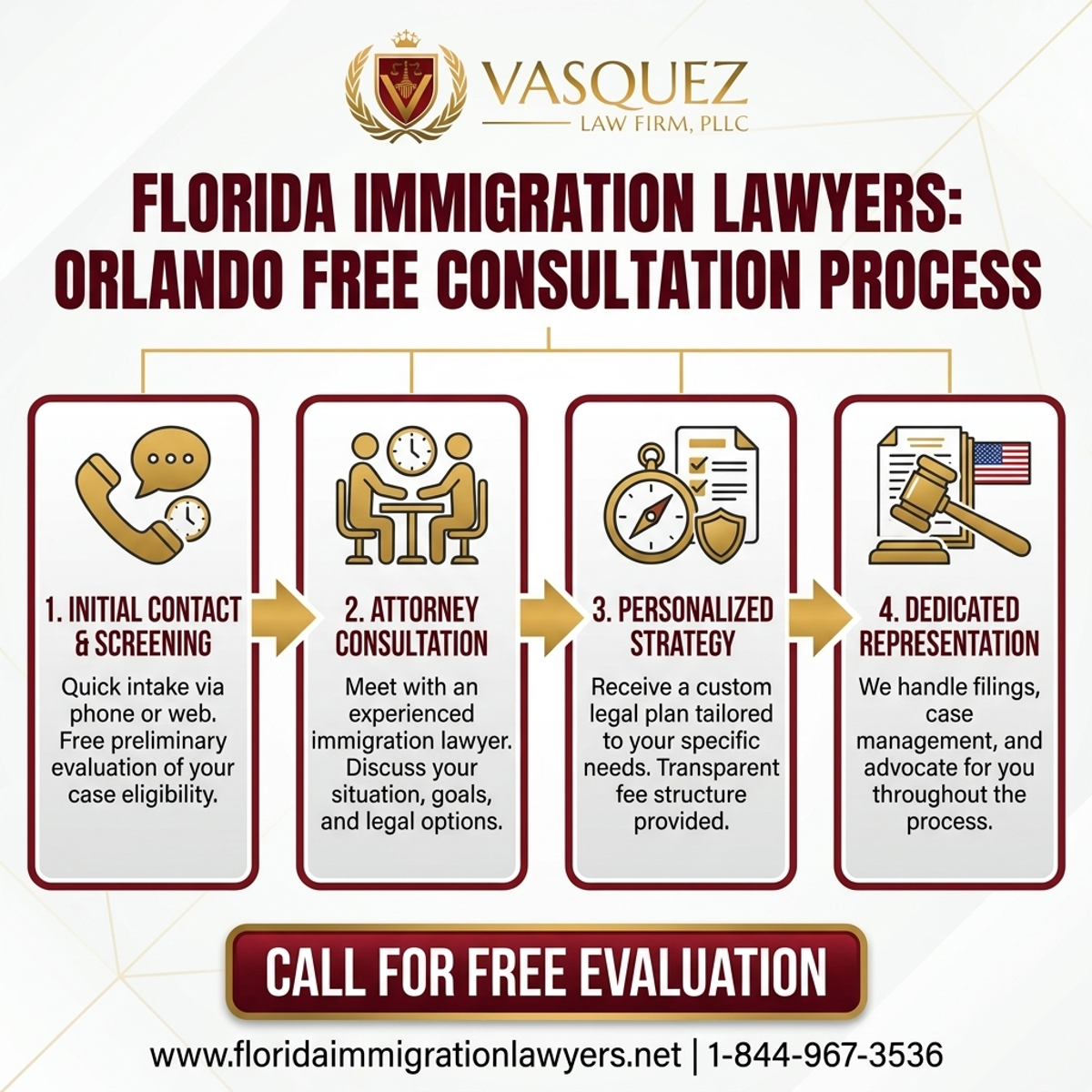
Step-by-Step Process — Immigration Lawyer Orlando Free Consultation Services
Staying calm is paramount. Panicking can lead to confusion and make it harder to remember your rights. While you should not physically resist arrest, you absolutely have the right to verbally assert your rights. For instance, if an agent asks to search your belongings or car, you can clearly state, "I do not consent to this search." This simple statement can be crucial in protecting your privacy and preventing evidence from being used against you unlawfully.
It's also important to understand that ICE agents may use various tactics to gain information or entry. They might claim to have a warrant when they only have an administrative one, or they might try to engage you in casual conversation to elicit information. Remember, anything you say can be used against you. Politely decline to answer questions without your attorney present. A simple, "I am exercising my right to remain silent and wish to speak with my attorney" is a powerful and legally sound response.
Always have a "know your rights" card readily available, preferably in both English and Spanish, with your attorney's contact information. This card can be shown to agents, reminding them of your rights without requiring you to speak extensively. If you are detained, memorize your attorney's number or have it written on your person. Contacting Florida Immigration Lawyers at 1-844-YO-PELEO as soon as possible is critical for immediate legal intervention and protection.
Steps to Take If Detained by ICE
Being detained by ICE can be a frightening and disorienting experience, but knowing these steps can help you navigate the situation more effectively and protect your legal standing. Your actions immediately following detention can significantly impact the outcome of your case.
- Stay calm and do not resist.
- Request to speak with an attorney.
- Avoid signing any documents without understanding them.
- Contact a family member or lawyer immediately.
- Document details of the encounter as soon as possible.
Upon detention, it's vital to remember that you have rights even while in custody. Do not provide any information beyond your name unless your attorney advises you to do so. Insist on your right to legal representation, and repeat your request for an attorney if necessary. Immigration detention facilities are required to provide access to legal counsel, although this can sometimes be challenging to secure without persistent requests.
Once you have access to a phone, your first call should be to an attorney or a trusted family member who can then contact Florida Immigration Lawyers on your behalf. Provide them with as many details as you can remember about your detention, including the date, time, location, and the names or badge numbers of the officers involved. This information is crucial for your legal team to begin building your defense and advocating for your release.
Document Checklist for Immigrants in Florida
Having your essential documents organized and accessible is a proactive measure that can significantly ease interactions with immigration authorities and streamline any necessary legal processes. Consider keeping copies in a secure location, separate from the originals, and sharing them with a trusted family member or your attorney.
- Passport and visa documents
- Proof of residency or employment
- Attorney contact information
- Copy of any immigration applications or paperwork
Beyond the listed items, it's also advisable to carry a "Know Your Rights" card, which outlines your basic constitutional protections during an encounter with law enforcement. This card can be presented to an officer without requiring you to speak extensively, reinforcing your intent to remain silent and consult with legal counsel. Ensuring your documents are up-to-date and readily available can prevent misunderstandings or prolonged detention during routine checks or unexpected encounters.
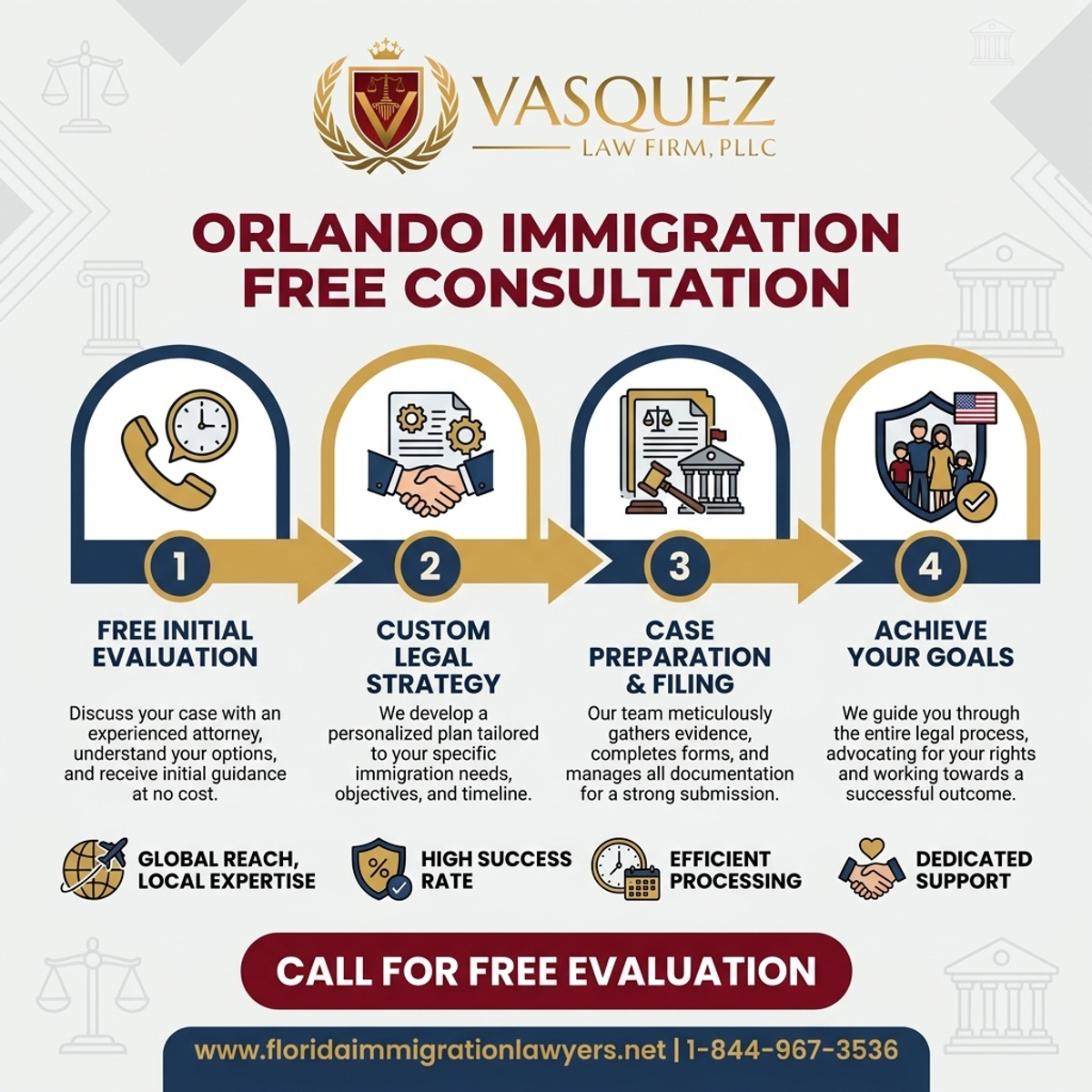
Key Statistics — Immigration Lawyer Orlando Free Consultation Services
Typical Timeline for Immigration Processes
Understanding the typical timeline for immigration processes can help manage expectations, though it's important to remember that these are estimates and can vary significantly based on individual circumstances, case complexity, and current USCIS backlogs.
| Stage | Typical Timeframe | Notes |
|---|---|---|
| Application Submission | 2-4 weeks | Initial review |
| Biometric Appointment | 6-8 weeks | Fingerprinting |
| Interview Scheduling | 3-6 months | Dependent on case load |
| Final Decision | 6-12 months | Subject to change |
Factors such as the specific type of visa or green card application, the country of origin, and the particular processing center can all influence these timelines. Legislative changes or shifts in immigration policy can also cause unexpected delays or accelerations. For instance, family-based petitions often have longer wait times due to annual visa limits, while employment-based petitions might depend on priority dates.
While these timelines provide a general framework, it's crucial not to rely solely on them for planning. Constant monitoring of your case status through USCIS online tools and regular communication with your attorney from Florida Immigration Lawyers can help you stay informed. Your legal team can provide more personalized estimates and advise on how to respond to any delays or requests for additional evidence.
Costs Associated with Immigration Processes
The financial aspect of immigration can be substantial, encompassing various fees from government agencies and legal representation. It's essential to budget accordingly and understand the different categories of expenses you might encounter throughout your immigration journey.
| Item | Typical Fee | Notes |
|---|---|---|
| Application Fees | Varies | Check USCIS for updates |
| Biometric Services | Varies | Non-refundable |
| Attorney Fees | Varies | Consultation advised |
Government application and biometric fees are non-negotiable and must be paid directly to USCIS or other relevant agencies. These fees can change, so always check the official USCIS website for the most current information. In some cases, fee waivers may be available for individuals who meet specific low-income guidelines, but eligibility criteria are strict and require proper documentation.
Attorney fees, while an additional cost, represent an invaluable investment. Navigating the complex immigration system without guidance can lead to costly mistakes, delays, or even denials. Florida Immigration Lawyers offers free consultations to discuss your case and provide transparent information regarding legal fees, helping you understand the value and scope of our services before making a commitment. This ensures you can make informed decisions about your legal representation.
Do not navigate this process alone. Contact Florida Immigration Lawyers today.
Common Mistakes to Avoid
Navigating the complex landscape of immigration law is fraught with potential pitfalls. Even seemingly minor errors can lead to significant delays, denials, or even deportation. Being aware of these common mistakes is the first step toward a successful immigration journey.
- Signing documents without understanding them, which can lead to unintended legal consequences.
- Not carrying proof of identity and immigration status, risking detention.
- Ignoring court dates, leading to automatic deportation orders.
- Failing to update address changes with USCIS, which can result in missed notifications.
- Not seeking legal advice for complex cases, risking unfavorable outcomes.
- Overstaying visas without understanding the penalties involved.
- Providing false information during immigration processes, which is a criminal offense.
One of the most critical errors is signing documents without full comprehension. These documents are legally binding and can waive important rights or admit to deportable offenses. Always insist on reviewing any document with your attorney before signing. Similarly, ignoring court dates is a grave mistake that almost invariably leads to an order of removal in absentia, making it extremely difficult to reopen your case in the future.
Maintaining accurate and updated information with USCIS is also crucial. A simple change of address, if not reported promptly, can result in you missing vital notices, interview appointments, or requests for evidence, which can severely jeopardize your application. Always verify that USCIS has your current contact information. When in doubt about any aspect of your case, consult with Florida Immigration Lawyers to avoid these common and often irreversible errors.
When to Call a Lawyer
If detained by ICE, facing deportation, or needing assistance with complex immigration forms, it's crucial to consult an attorney. Legal professionals can help navigate the system, ensuring your rights are protected. Call Florida Immigration Lawyers for guidance.
The moment you suspect an issue with your immigration status, receive any official communication from immigration authorities (such as a Notice to Appear), or are questioned by ICE, it's time to contact an attorney. Early intervention by a qualified immigration lawyer can often prevent minor issues from escalating into major legal problems. For instance, an attorney can help you understand the charges against you, explore options for relief, and represent you effectively in court.
Beyond crisis situations, an immigration lawyer is also invaluable for proactive planning and navigating complex application processes. Whether you are applying for a green card, seeking asylum, petitioning for a family member, or renewing DACA, the nuances of immigration law can be overwhelming. A lawyer from Florida Immigration Lawyers can ensure all forms are correctly filled, all necessary evidence is submitted, and all deadlines are met, significantly increasing your chances of a favorable outcome.
Even if you believe your case is straightforward, unexpected complications can arise. Having legal counsel provides peace of mind and guidance through every step of your immigration journey. Don't wait until it's too late; a free consultation with Florida Immigration Lawyers at 1-844-YO-PELEO can help you understand your options and secure your future in Florida.
Frequently Asked Questions (FAQs)
Can ICE enter my home or workplace without a warrant?
ICE agents generally cannot enter your home without a warrant signed by a judge. They may enter your workplace if they have a judicial warrant or the employer's consent. You have the right to refuse entry if they lack a proper warrant. Always ask to see a warrant and check that it's signed by a judge, not just an administrative warrant. If unsure, remain silent and request to speak with Florida Immigration Lawyers.
What should I do if I don't have my immigration documents on me during an encounter?
While it's advisable to carry proof of your immigration status, if you don't have documents, calmly state your name and that you wish to remain silent and speak with an attorney. Do not lie about your status or citizenship. Providing false information can have serious consequences. Politely inform the officer that your documents are elsewhere and offer to retrieve them with your lawyer present.
Can I be deported if I have U.S. citizen children?
Having U.S. citizen children does not automatically prevent deportation. While it can be a factor considered in some relief forms (like cancellation of removal), it does not guarantee protection. The process is complex and requires demonstrating extreme and unusual hardship to your qualifying U.S. citizen relatives. It's imperative to consult with an experienced attorney from Florida Immigration Lawyers to explore all possible defenses and options.
What is a "Notice to Appear" (NTA) and what should I do if I receive one?
A Notice to Appear (NTA) is a document that initiates deportation proceedings against you in immigration court. It specifies the charges against you and the date/time of your first court hearing. Do NOT ignore an NTA, as failing to appear can result in an automatic deportation order. Immediately contact a qualified immigration attorney, such as Florida Immigration Lawyers at 1-844-YO-PELEO, to prepare your defense and understand your options.
Are there resources available for low-income immigrants in Florida?
Yes, there are various non-profit organizations and legal aid services in Florida that offer assistance to low-income immigrants. These organizations often provide free or low-cost legal consultations, representation, and community resources. While Florida Immigration Lawyers offers free consultations, they can also guide you towards other helpful resources if your case falls outside their scope or if you require additional support. Research local community centers and legal aid societies for more information.
About Florida Immigration Lawyers
Florida Immigration Lawyers is dedicated to serving immigrants across Florida. We provide comprehensive legal services, including asylum, deportation defense, and family immigration. With a dedicated team available 24/7, we offer free consultations to help you understand your legal options. Contact us at 1-844-YO-PELEO or visit our website at floridaimmigrationlawyers.net.
Sources and References
- U.S. Citizenship and Immigration Services (USCIS)
- Executive Office for Immigration Review (EOIR)
- 8 U.S.C. Chapter 12 - Immigration and Nationality Act
Related services: asylum and refugee protection, immigration waivers, humanitarian protection programs, DACA renewal and applications.
This article provides general legal information and is not intended as legal advice. Every case is unique, and outcomes depend on specific facts and circumstances. Contact an attorney for advice about your particular situation.
Call Florida Immigration Lawyers at 1-844-YO-PELEO for a free consultation. Se Habla Español - Estamos aqui para ayudarle.
If you need legal assistance, learn more about our deportation defense services, or call us at 1-844-YO-PELEO for a free consultation.
Do Not Navigate This Process Alone
Our experienced immigration attorneys are ready to fight for you. Get a free, confidential case review today.
Se Habla Español
Or leave your details and we’ll call you:
Free Evaluation in 24 Hours
Or talk to us right now

AI voice assistant — available 24/7
FreeFrequently Asked Questions

William J. Vásquez
Founding Attorney · Vasquez Law Firm
U.S. Air Force veteran and immigration attorney with years of hands-on U.S. immigration experience. J.D., NCCU School of Law. AILA member. Admitted to the 4th, 5th, and 11th Circuit Courts.
Available 24/7 - Free Evaluations
Reviewed for legal accuracy by William J. Vásquez
Licensed in North Carolina; U.S. immigration is federal practice.
Related Legal Services
Our Florida immigration attorneys can help you with family immigration services, immigration lawyer cost in Florida and experienced immigration attorneys. Call today at 1-844-YO-PELEO for a free case review.
Related Links
Related Topics
Free Legal Case Review
Discuss your case with our experienced attorneys. We're available 24/7.
Se Habla Español - Estamos aquí para ayudarle.
Related Articles
EAD Advance Parole Combo Card in Florida: What You Need
An EAD advance parole combo card allows individuals with pending adjustment applications to both work and travel abroad without jeopardizing their green card application. Learn how to apply in Florida, what documents you need, and common mistakes to avoid.
PERM Labor Certification in Florida: A 2026 Guide
Learn all about the PERM labor certification process in Florida, essential for employers sponsoring green card applicants. Understand the steps, document requirements, and common mistakes to avoid in this 2026 guide.
Dual Citizenship Lawyer in Florida: What You Need to Know
For Florida residents, the concept of dual citizenship, or holding two passports, offers a compelling blend of opportunities and challenges. While the U.S. generally permits dual nationality, the path to achieving this status requires a meticulous understanding of both U.S. immigration laws and the citizenship policies of your country of origin. This guide explores the definition of dual citizenship, the detailed step-by-step process for U.S. naturalization, and the significant benefits and potential pitfalls involved. We cover essential documentation, typical timelines, and cost considerations for 2026, providing crucial insights for anyone in Orlando, Miami, or across Florida considering this important legal step. Learn about common mistakes to avoid and understand when to seek professional legal counsel to navigate this complex process successfully. Florida Immigration Lawyers is here to provide expert, bilingual support for your dual citizenship journey.
Immigration Lawyer Orlando Free Consultation in Florida
For individuals and families in Orlando, Florida, navigating the complexities of U.S. immigration law requires expert guidance. An immigration lawyer in Orlando offers crucial support for everything from visa applications and green card processes to naturalization and deportation defense. This comprehensive guide details what a free consultation covers, providing a step-by-step overview of immigration pathways, essential document checklists, and expected timelines in 2026. We also highlight common mistakes to avoid, discuss the critical role of legal counsel in deportation and asylum cases, and explain why choosing a local Orlando immigration attorney is beneficial. Florida Immigration Lawyers is dedicated to serving the diverse community of Orlando with compassionate, effective legal solutions, ensuring you receive personalized advice and robust representation for a successful immigration journey.