H-1B Visa Fee Increase Florida 2026: Comprehensive Guide...
Navigate the H-1B visa fee increase in Florida for 2026. This guide covers new costs, eligibility, application strategies, and how expert legal counsel can protect your investment. Contact Florida Immigration Lawyers for a consultation.

The H-1B visa program is a cornerstone for many U.S. employers seeking to hire skilled foreign professionals, particularly in high-demand sectors like technology, healthcare, and engineering. For businesses and foreign nationals in Florida, the program's significance is undeniable, driving innovation and economic growth across the state. However, the landscape of H-1B sponsorship is set to undergo a significant transformation with the impending fee increases slated for 2026. These changes, primarily driven by new regulations and administrative adjustments, will introduce higher costs and new complexities for all involved parties. Understanding these updates is not just about budgeting; it's about strategic planning, ensuring compliance, and safeguarding the future of skilled talent in Florida.
This comprehensive guide aims to demystify the H-1B visa fee increase in Florida for 2026. We will delve into the specifics of the new fee structures, analyze their potential impact on both employers and beneficiaries, and outline proactive strategies to navigate these changes successfully. From understanding the regulatory framework to leveraging expert legal counsel, preparing for these adjustments is paramount for anyone involved in the H-1B process. Florida Immigration Lawyers are committed to providing up-to-date information and robust legal support to help you adapt to this evolving immigration environment.
Understanding the H-1B Visa Program and Its Importance to Florida's Economy
The H-1B nonimmigrant visa allows U.S. employers to temporarily employ foreign workers in specialty occupations. These occupations generally require a bachelor's degree or higher in a specific field. The program is crucial for maintaining America's competitive edge by attracting top global talent, especially in sectors experiencing domestic skill shortages. For a state like Florida, with its burgeoning tech hubs, growing healthcare industry, and diverse economy, the H-1B program is particularly vital. It enables Florida-based companies, from startups to multinational corporations, to fill critical roles, foster innovation, and expand their operations, thereby creating more jobs for U.S. citizens and residents.
The demand for H-1B visas consistently outstrips the annual cap set by Congress, highlighting the program's importance to employers nationwide. The lottery system, often necessary due to this high demand, underscores the competitive nature of securing an H-1B visa. Beyond filling immediate skill gaps, H-1B visa holders contribute significantly to the U.S. economy through taxes, consumer spending, and entrepreneurial endeavors. Their presence enriches the cultural and intellectual fabric of communities, making the H-1B program a multifaceted asset to Florida's economic and social landscape. Maintaining a clear understanding of the program's regulations and costs is therefore essential for Florida businesses looking to thrive in a globalized economy.
The Role of H-1B Visas in Florida's Tech and Specialized Industries
Florida's economic landscape has diversified significantly over the past decades, moving beyond traditional tourism and agriculture to embrace advanced manufacturing, aerospace, biotechnology, and information technology. Cities like Orlando, Miami, and Tampa are emerging as vibrant tech hubs, attracting significant investment and fostering innovation. The H-1B visa program plays a pivotal role in fueling this growth by providing access to a global pool of highly skilled professionals. These professionals, often with expertise in cutting-edge technologies and specialized scientific fields, are instrumental in driving research and development, enhancing productivity, and contributing to the state's intellectual capital. Without the ability to attract such talent, many Florida companies would struggle to compete on a national and international stage, potentially hindering job creation and economic expansion within the state. The H-1B program ensures that Florida remains a competitive and attractive destination for businesses seeking to innovate and grow.
The Impending H-1B Visa Fee Increase for 2026: What's Changing?
The U.S. Citizenship and Immigration Services (USCIS) has implemented significant fee adjustments for various immigration benefits, with many of these changes taking effect in 2026. These adjustments are part of a broader effort by USCIS to recover the full cost of its operations, which are largely funded by application fees. For the H-1B visa program, these increases are substantial and will impact nearly every aspect of the application process. Key changes include higher base filing fees, increased fees for premium processing, and new surcharges designed to fund specific initiatives. Employers and foreign nationals must be aware of these new costs to accurately budget and plan their H-1B strategies for the upcoming years. These fee changes are not arbitrary; they reflect the rising administrative costs associated with processing applications, conducting background checks, and maintaining the integrity of the immigration system. For detailed information on all fee changes, employers and applicants should consult the official USCIS website regularly.
Breakdown of New Fee Structures and Surcharges
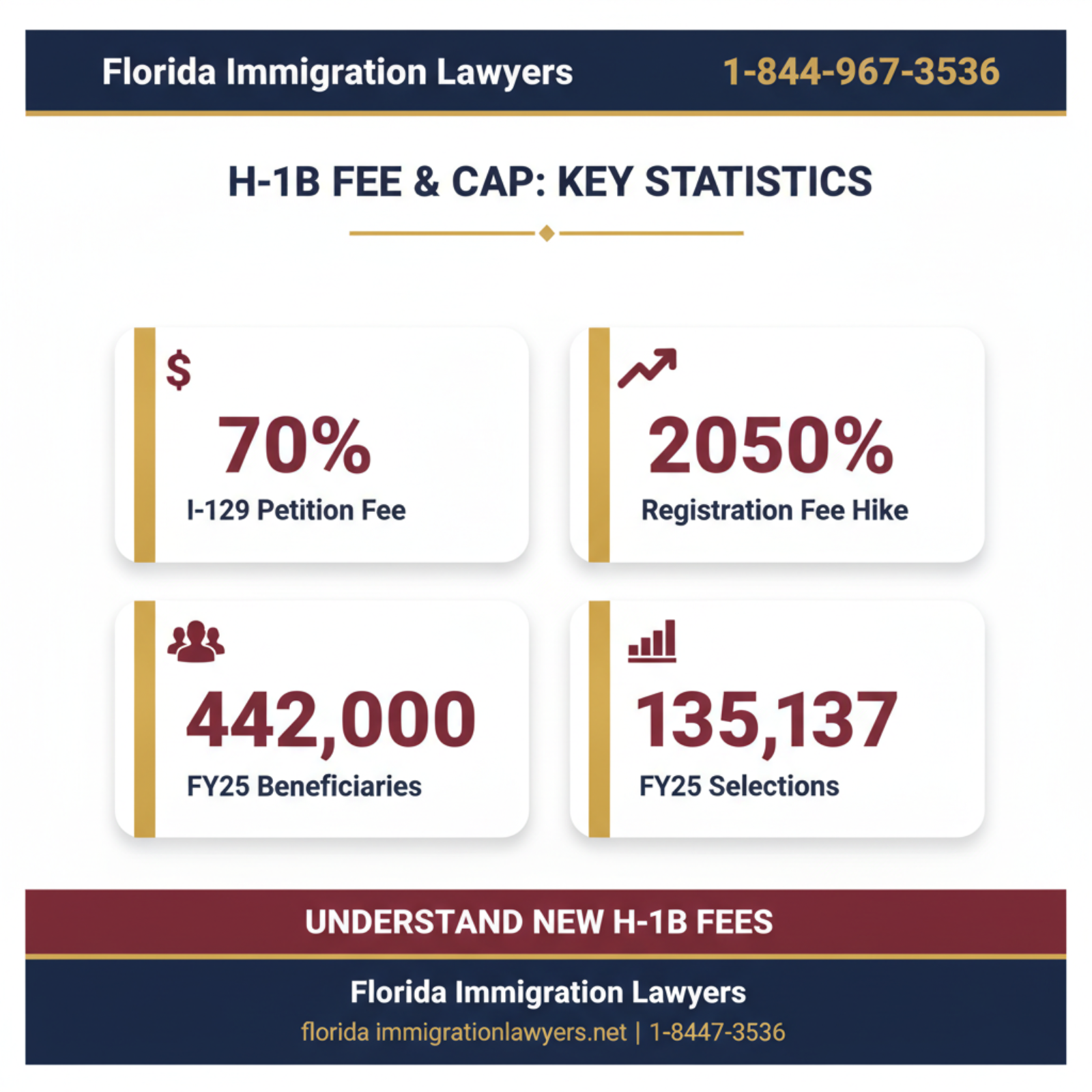
The most notable changes for the H-1B visa program in 2026 include a significant increase in the base filing fee for Form I-129, Petition for a Nonimmigrant Worker. This fee, which has remained relatively stable for some time, is set to see a substantial jump. Furthermore, the fee for the H-1B cap registration, a relatively new component of the process, will also increase. Beyond the base fees, employers will face higher costs for the American Competitiveness and Workforce Improvement Act of 1998 (ACWIA) fee, which varies based on the employer's size. There are also new surcharges, such as the Asylum Program Fee, which aims to help fund asylum processing. This fee applies to most employment-based petitions, including H-1B. For those who opt for premium processing to expedite their application, the fees for this service are also increasing. These cumulative increases mean that the total cost of sponsoring an H-1B visa will be considerably higher, requiring careful financial planning from sponsoring employers. Understanding each component of the new fee structure is critical for accurate budgeting and avoiding unexpected expenses.
Impact Analysis: How the Fee Hike Affects Florida Employers and Foreign Nationals
The H-1B visa fee increases for 2026 will reverberate throughout Florida's business community and among foreign professionals seeking opportunities in the state. For employers, particularly small and medium-sized businesses, the increased financial burden could pose significant challenges. The cumulative costs of filing fees, attorney fees, and now higher government fees might force some companies to reconsider their reliance on foreign talent or reduce the number of H-1B petitions they file. This could, in turn, impact their ability to innovate and grow, especially in niche sectors where domestic talent is scarce. Larger corporations might absorb the costs more easily but will still need to adjust their talent acquisition budgets and strategies. The fee hike could also lead to increased competition for a limited pool of H-1B visas, as employers become more selective in their sponsorship decisions.
For foreign nationals, while the fees are primarily borne by the employer, the indirect impact is palpable. A higher cost for employers might translate into fewer sponsorship opportunities, making it even more challenging to secure an H-1B visa. It could also influence salary negotiations or the types of benefits offered. Furthermore, the increased financial strain on employers could indirectly affect the stability of employment for H-1B holders, particularly if economic conditions become challenging. Understanding these potential impacts is crucial for both parties to prepare adequately and explore all available options to mitigate the financial strain and ensure continued access to skilled talent in Florida.
Financial Burdens and Strategic Planning for Businesses
The new H-1B fees present a substantial financial burden for businesses in Florida. Companies must now factor in significantly higher costs per H-1B petition, which can quickly add up, especially for those sponsoring multiple employees. This necessitates a re-evaluation of human resources budgets and talent acquisition strategies. Businesses might need to explore alternative visa options, enhance their domestic recruitment efforts, or prioritize certain roles for H-1B sponsorship. Strategic planning will involve detailed cost analysis, forecasting, and potentially adjusting internal policies regarding visa sponsorship. Some companies may consider passing on some of the indirect costs to employees (though direct filing fees cannot be), or exploring ways to optimize their application processes to minimize rejections and associated re-filing costs. Engaging with experienced immigration counsel early in the planning process can help businesses develop robust strategies to manage these increased expenses while continuing to attract and retain essential talent.
Implications for H-1B Beneficiaries and Their Families
While H-1B visa fees are generally the responsibility of the employer, the fee increase has significant indirect implications for beneficiaries and their families. The heightened cost of sponsorship might lead employers to be more selective in who they sponsor, potentially reducing the number of available H-1B positions. This increased competition makes it even more critical for foreign nationals to present strong, well-prepared applications. Furthermore, the overall financial strain on employers could indirectly affect benefits packages or salary negotiations. For families, the uncertainty surrounding visa sponsorship and the increased costs could add to existing anxieties about long-term planning and stability in the U.S. It underscores the importance of maintaining strict compliance with all visa regulations and seeking timely legal advice to ensure their status remains secure. Understanding the employer's perspective on these costs can also help beneficiaries better navigate their career paths and discussions with potential sponsors.
Navigating the Application Process Amidst Rising Costs
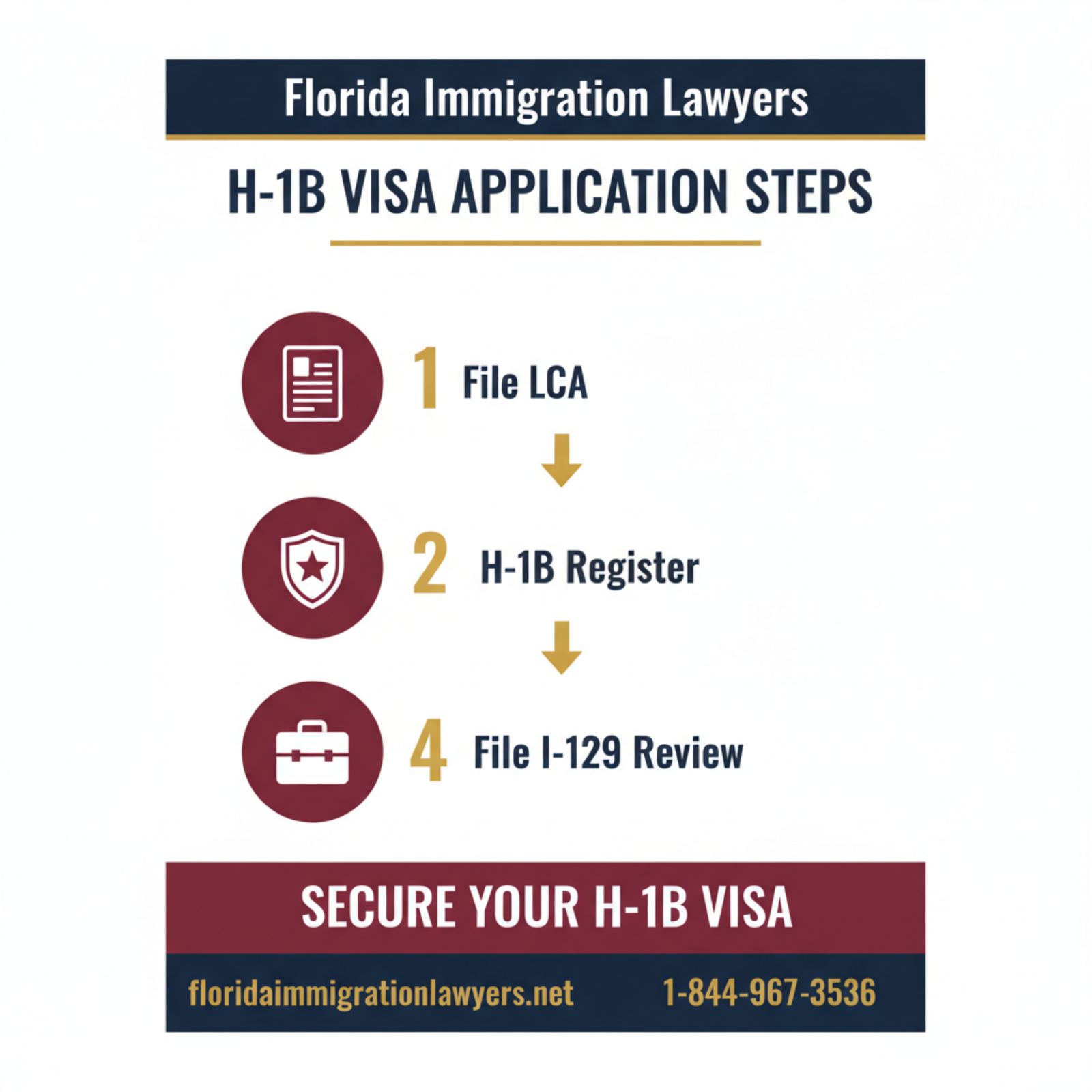
The H-1B application process is notoriously complex, and the impending fee increases add another layer of challenge. Successful navigation requires meticulous preparation, adherence to strict deadlines, and a thorough understanding of all regulatory requirements. Employers must ensure that all documentation is accurate and complete to avoid costly delays or rejections, which would necessitate additional fees and time. This includes verifying educational credentials, professional experience, and the specialty occupation requirements. Given the increased financial investment, the stakes are higher than ever to get the application right the first time. Utilizing online resources from USCIS and working closely with legal professionals can streamline the process and minimize potential pitfalls. Proactive engagement with the process, well in advance of key deadlines, is no longer just advisable but essential for success.
Key Deadlines and Preparation Strategies
The H-1B cap season typically kicks off with the registration period in March for petitions seeking an October 1 start date. With the new fee structure in place for 2026, understanding and adhering to these deadlines becomes even more critical. Employers should begin preparing their H-1B petitions months in advance, gathering all necessary documentation, including employer information, beneficiary credentials, and detailed job descriptions. This proactive approach allows ample time to address any potential issues, collect supporting evidence, and ensure that all forms are accurately completed. For employers in Florida, it's also wise to stay updated on any state-specific requirements or nuances that might affect the application. Developing a comprehensive checklist and assigning clear responsibilities within the HR or legal team can significantly reduce stress and improve the chances of a successful outcome. Missing a deadline or submitting an incomplete application can lead to rejection, forcing employers to re-file and incur additional fees, making thorough preparation a cost-saving measure.
Legal Strategies to Mitigate Costs and Ensure Compliance
The rising costs associated with H-1B visas necessitate a robust legal strategy to not only mitigate expenses but also ensure unwavering compliance with complex immigration laws. Engaging with experienced immigration attorneys becomes more critical than ever. Legal counsel can provide invaluable guidance on structuring petitions to maximize approval chances, thereby avoiding the costs and delays of re-filing. This includes meticulously reviewing job descriptions to align with specialty occupation requirements, ensuring prevailing wage compliance, and preparing robust evidentiary support for each application. Attorneys can also advise on potential alternatives or supplementary visa categories if an H-1B is not feasible or optimal, such as O-1 visas for individuals with extraordinary ability or L-1 visas for intracompany transferees, which might offer different cost structures and requirements. For businesses facing a high volume of H-1B petitions, attorneys can help develop internal protocols and training programs to streamline data collection and ensure consistency across all applications, reducing the risk of errors that could lead to Requests for Evidence (RFEs) or denials.
Furthermore, legal experts can assist in navigating the intricacies of the H-1B cap lottery process, advising on optimal registration strategies and preparing for the subsequent petition filing. They can also provide critical support in responding to RFEs or Notices of Intent to Deny (NOIDs), which are becoming increasingly common and require expert legal arguments to overcome. Beyond the initial filing, attorneys play a crucial role in maintaining H-1B compliance throughout the visa holder's employment, advising on amendments for changes in job duties or location, and ensuring timely extensions. In an environment where the financial stakes are higher, the investment in expert legal guidance can ultimately lead to significant cost savings by preventing costly mistakes, delays, and potential enforcement actions. For comprehensive support across various immigration challenges, including general immigration services, asylum claims, or deportation defense, a skilled legal team is indispensable. Our attorneys at Florida Immigration Lawyers are dedicated to providing strategic and cost-effective solutions for all your immigration needs.
The Value of Experienced Immigration Counsel
In the face of increasing H-1B costs and regulatory complexities, the value of experienced immigration counsel cannot be overstated. A seasoned immigration attorney brings not only a deep understanding of the law but also practical experience in navigating the nuances of USCIS policies and procedures. They can identify potential issues before they arise, craft compelling arguments, and ensure that every aspect of the petition is meticulously prepared. This expertise is crucial for minimizing the risk of denials, which can be incredibly costly in terms of lost time, fees, and talent. Beyond the initial application, attorneys provide ongoing support, advising on compliance, changes in immigration policy, and potential pathways to permanent residency. Their guidance helps businesses and individuals make informed decisions, protecting their investments and securing their future in the U.S. In a highly competitive and regulated environment, expert legal advice is an indispensable asset.
Beyond the Fees: Other H-1B Program Updates and Considerations
While fee increases are a primary concern, the H-1B program is subject to continuous updates and policy shifts that extend beyond mere costs. USCIS frequently issues new guidance, modifies regulations, and introduces operational changes that can impact eligibility, processing times, and overall program administration. For instance, there have been ongoing discussions and potential changes regarding the definition of a 'specialty occupation,' employer-employee relationships, and the enforcement of prevailing wage requirements. These non-fee-related updates can be just as significant, if not more so, in determining the success of an H-1B petition and the long-term compliance of employers. Staying informed about these broader policy shifts requires continuous monitoring of official announcements from sources like the USCIS and the Department of State. Employers in Florida must integrate these evolving considerations into their overall immigration strategy to ensure continued adherence to all legal requirements and to adapt effectively to the dynamic nature of U.S. immigration law. A comprehensive approach to H-1B management involves not just budgeting for fees but also anticipating and responding to all regulatory changes.
Future Outlook and Advocacy Efforts
The H-1B visa program remains a subject of ongoing debate and potential reform. While the 2026 fee increases are a certainty, discussions continue regarding the annual cap, the lottery system, and broader legislative changes that could impact the program's structure and accessibility. Stakeholders, including businesses, advocacy groups, and professional organizations, are actively engaged in advocating for reforms that would make the H-1B program more efficient, predictable, and responsive to the needs of the U.S. economy. These efforts range from lobbying for increases in the annual cap to proposing changes in how visas are allocated or even exploring new visa categories for highly skilled workers. The future outlook for the H-1B program is therefore dynamic, with potential for further administrative adjustments and legislative action. Employers and foreign nationals should remain vigilant, monitoring developments through reliable sources, including government agencies like the Department of Justice and reputable immigration law firms. Engaging with professional associations and staying informed about advocacy efforts can provide insights into potential future changes and help shape the dialogue around this critical immigration pathway.
The H-1B visa fee increase for 2026 represents a significant shift in the landscape of skilled immigration for Florida businesses and foreign professionals. While the new costs present challenges, they are manageable with proactive planning, a thorough understanding of the updated regulations, and the strategic guidance of experienced immigration counsel. By preparing early, meticulously managing the application process, and staying informed about all program updates, companies can continue to leverage the H-1B program to attract the talent necessary for innovation and growth. Foreign nationals, in turn, can better navigate their paths to professional opportunities in the U.S. Florida Immigration Lawyers are here to provide the expert legal support you need to successfully navigate these changes. Don't let the complexities of immigration law hinder your goals. Contact us today for a consultation and let us help you secure your future.
Do Not Navigate This Process Alone
Our experienced immigration attorneys are ready to fight for you. Get a free, confidential consultation today.
Se Habla Español
Frequently Asked Questions
Florida Immigration Lawyers
Immigration Attorney | Founder, Vasquez Law Firm
U.S. Air Force veteran and immigration attorney with thousands of cases resolved. J.D., NCCU School of Law. AILA member. Admitted to the 4th, 5th, and 11th Circuit Courts.
Available 24/7 - Free Evaluations
Related Legal Services
Our Florida immigration attorneys can help you with citizenship and naturalization, family immigration services and immigration practice areas. Call today at 1-844-967-3536 for a free consultation.
Related Links
Related Topics
Free Legal Consultation
Discuss your case with our experienced attorneys. We're available 24/7.
Se Habla Español - Estamos aquí para ayudarle.
Related Articles
Immediate Relative Petition in Florida: A Guide | VLF Florida
Explore how to file an immediate relative petition in Florida, focusing on Form I-130. Learn about eligibility, timelines, and common mistakes. Call us at 1-844-967-3536 for a free consultation.
Understanding the I-864 Affidavit of Support in Florida
Learn about the I-864 Affidavit of Support and how it affects sponsorship in Florida. Understand the requirements and common pitfalls. Contact Florida Immigration Lawyers for expert guidance.
Refugee Resettlement in Florida: Key Steps | VLF Florida
Discover the essential steps for refugee resettlement in Florida, focusing on areas like Hollywood. Learn about the process, common mistakes, and when to seek legal advice. Call Florida Immigration Lawyers at 1-844-967-3536 for a free consultation.
Immediate Relative Petition in Florida: What to Know
Learn how to file an immediate relative petition in Florida with ease. Our guide covers eligibility, steps, and common mistakes. Contact Florida Immigration Lawyers for expert advice.