Florida Wrongful Death Survivor Damages Explained | VLF Flor
Discover how Florida's wrongful death statutes §§768.16-768.21 help survivors seek compensation. Learn the process, common mistakes, and when to call a lawyer.

Florida Wrongful Death Survivor Damages Explained | VLF Florida
Losing a loved one is an unimaginable tragedy, and when that loss is due to someone else's negligence or wrongful act, the pain is compounded by a sense of injustice. In Florida, the law provides a pathway for the surviving family members to seek justice and financial recovery through a wrongful death claim. Understanding Florida's wrongful death survivor damages is crucial for families navigating this difficult time. This comprehensive guide will explain the relevant statutes, who can recover damages, the types of compensation available, and the critical steps involved in pursuing a claim.
Understanding Florida's Wrongful Death Act (Statute 768.16)
The Florida Wrongful Death Act, primarily outlined in Florida Statute 768.16, establishes the legal framework for these claims. Its core purpose is to provide a remedy for the survivors of an individual whose death was caused by the wrongful act, negligence, default, or breach of contract or warranty of another. This statute recognizes that the death of a person not only impacts the deceased but also inflicts significant emotional and financial harm upon their family.
A 'wrongful act' can encompass a wide range of scenarios, including but not limited to:
- Car accidents caused by distracted or impaired drivers.
- Medical malpractice, such as misdiagnosis or surgical errors.
- Slip and fall incidents due to unsafe property conditions.
- Defective products that lead to fatal injuries.
- Intentional acts of violence.
The Act ensures that the legal action is brought by a 'personal representative' of the deceased's estate, on behalf of the survivors. This representative acts as a fiduciary, managing the claim and distributing any recovered damages according to the law and the court's direction. It's a complex area of law designed to address the profound impact of a premature death on a family's well-being and future.
Who Can Recover Damages Under Florida Statute 768.21?
Florida Statute 768.21 specifically defines who is eligible to recover damages in a wrongful death action, referring to these individuals as 'survivors.' The law prioritizes certain family members based on their relationship with the deceased. Understanding these categories is essential for anyone considering a claim:
Spouses
A surviving spouse can recover for the loss of companionship and protection, as well as for mental pain and suffering from the date of injury. They can also seek compensation for the loss of the deceased's support and services, which includes financial contributions, household duties, and other valuable assistance the deceased provided.
Minor Children
Children of the deceased who are under the age of 25 are considered 'minor children' under this statute. They can recover for the loss of parental companionship, instruction, and guidance, as well as for mental pain and suffering. This acknowledges the profound emotional and developmental impact of losing a parent at a young age.
Parents of Minor Children
If the deceased was a minor child, their parents can recover for mental pain and suffering. This recognizes the unique and devastating grief associated with the loss of a child.
Parents of Adult Children
Parents of an adult child may recover for mental pain and suffering if there are no other survivors (such as a spouse or minor children). This provision ensures that even in cases where the deceased had no immediate family, their parents can still seek compensation for their profound loss.
Other Dependent Blood Relatives and Adoptive Siblings
Any blood relatives or adoptive siblings who were partly or wholly dependent on the deceased for support or services may also be able to recover for the loss of that support and services. This category ensures that individuals who relied on the deceased, even if not immediate family, are not left without recourse.
Specific Types of Damages Recoverable
The types of damages available in a Florida wrongful death claim are designed to compensate survivors for both economic and non-economic losses:
- Medical and Funeral Expenses: The estate of the deceased can recover medical expenses incurred for the deceased's final injury or illness, as well as reasonable funeral expenses.
- Loss of Support and Services: This is a significant economic damage category. It includes the value of the financial support the deceased would have provided to their survivors, as well as the value of services they would have performed (e.g., household chores, childcare, home maintenance). Calculating this often requires expert economic testimony to project future earnings and contributions.
- Loss of Companionship, Instruction, and Protection: These are non-economic damages primarily for spouses and minor children. They compensate for the intangible but profound loss of the deceased's presence, guidance, emotional support, and the protective role they played in the family.
- Mental Pain and Suffering: Spouses, minor children, and parents of minor children (and sometimes parents of adult children) can recover for the emotional distress, grief, and anguish caused by the death. This is often the most challenging damage to quantify but is a critical component of justice for survivors.
- Lost Accumulations: If the deceased would have accumulated an estate or wealth during their lifetime, and this accumulation was lost due to their premature death, the estate may be able to recover the value of these lost accumulations.
The Critical Role of the Personal Representative
As mentioned, a wrongful death claim in Florida must be brought by a personal representative of the deceased's estate. This individual, often a family member, plays a pivotal role in the entire legal process. Their responsibilities are extensive and include:
- Initiating the Lawsuit: Filing the wrongful death action on behalf of all eligible survivors.
- Gathering Evidence: Collecting medical records, accident reports, witness statements, and other crucial documentation to support the claim.
- Negotiating Settlements: Engaging with insurance companies and defense attorneys to seek a fair resolution.
- Managing Funds: If a settlement or judgment is reached, the personal representative is responsible for receiving the funds and distributing them to the eligible survivors according to the court's order and Florida law.
- Fulfilling Fiduciary Duties: Acting in the best interests of the estate and all survivors, ensuring transparency and accountability throughout the process.
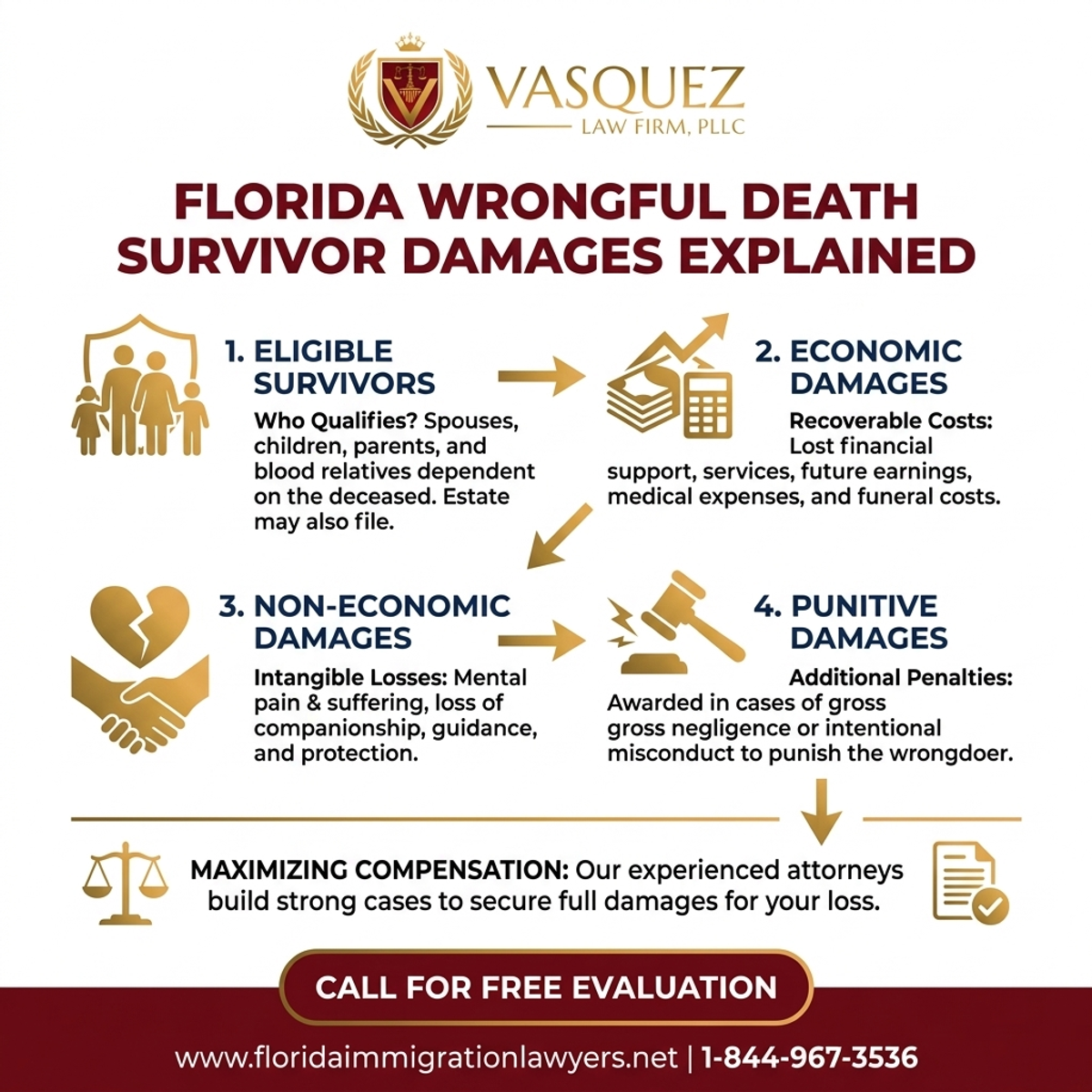
Step-by-Step Process — Florida Wrongful Death Survivor Damages Explained | VLF Florida
Given the complexity and significant responsibilities involved, selecting a personal representative and ensuring they have experienced legal guidance is paramount. Consulting with knowledgeable attorneys is crucial for the personal representative to understand their duties and navigate the legal landscape effectively.
Navigating the Complexities: The Legal Process and Challenges
Pursuing a wrongful death claim in Florida is a multi-faceted legal journey that requires meticulous attention to detail, a thorough understanding of the law, and often, significant litigation experience. It's not merely about proving that a death occurred but establishing that it was caused by another party's negligence or wrongful act, and then quantifying the profound losses suffered by the survivors.
Initial Investigation and Evidence Gathering
The process typically begins with an exhaustive investigation. This involves collecting all available evidence, such as police reports, medical records, autopsy reports, witness testimonies, photographs, video surveillance, and expert analyses (e.g., accident reconstructionists, medical experts). Establishing a clear chain of causation between the defendant's actions and the death is fundamental. This phase often requires immediate action to preserve evidence that could otherwise be lost or altered.
Filing the Lawsuit and Discovery
Once sufficient evidence is gathered, a lawsuit is formally filed. This initiates the 'discovery' phase, where both sides exchange information. This can involve written questions (interrogatories), requests for documents, and sworn testimonies (depositions) from witnesses, experts, and the parties involved. Discovery is critical for understanding the full scope of the case, including the defendant's defenses and the extent of their liability. It's a time-consuming but essential part of building a strong case.
Negotiation and Mediation
Many wrongful death cases are resolved through negotiation or mediation before going to trial. During negotiation, attorneys for the survivors and the defendant (often an insurance company) attempt to reach a mutually agreeable settlement. Mediation involves a neutral third-party mediator who facilitates discussions to help the parties find common ground. A successful settlement can provide quicker resolution and avoid the uncertainties of a trial, but it must adequately compensate the survivors for their losses.
Trial and Judgment
If a settlement cannot be reached, the case proceeds to trial. This involves presenting evidence, examining witnesses, and making legal arguments before a judge and jury. The jury will then decide on liability and the amount of damages. Trials are inherently unpredictable and can be emotionally taxing for the surviving family. If the jury finds in favor of the survivors, a judgment is issued, outlining the compensation to be paid.
Common Challenges
Wrongful death claims face several challenges. Defendants often dispute liability, arguing that their actions were not the cause of death or that the deceased contributed to their own demise. Quantifying non-economic damages like pain and suffering or loss of companionship can also be difficult, requiring compelling arguments and evidence of the profound impact on the family. Furthermore, navigating complex insurance policies and dealing with multiple defendants can add layers of difficulty. This is why having a skilled and compassionate legal team is indispensable to navigate these intricate legal waters and advocate fiercely for the rights of the survivors.
Statute of Limitations in Florida Wrongful Death Claims
Time is of the essence in wrongful death claims. Florida law imposes a strict deadline, known as the statute of limitations, for filing these lawsuits. Generally, a wrongful death claim must be filed within two years from the date of the deceased's death. Failing to file within this period typically results in the permanent loss of the right to seek compensation, regardless of the merits of the case.
While the two-year rule is standard, there can be rare exceptions or circumstances that might alter this timeline, such as cases involving intentional acts or certain types of medical malpractice where the discovery of the cause of death was delayed. However, these exceptions are narrow and should never be assumed. It is critically important for families to seek legal advice as soon as possible after a wrongful death occurs to ensure all deadlines are met and their rights are protected. Prompt action allows attorneys to thoroughly investigate the case, gather crucial evidence, and file the necessary paperwork before the statute of limitations expires.
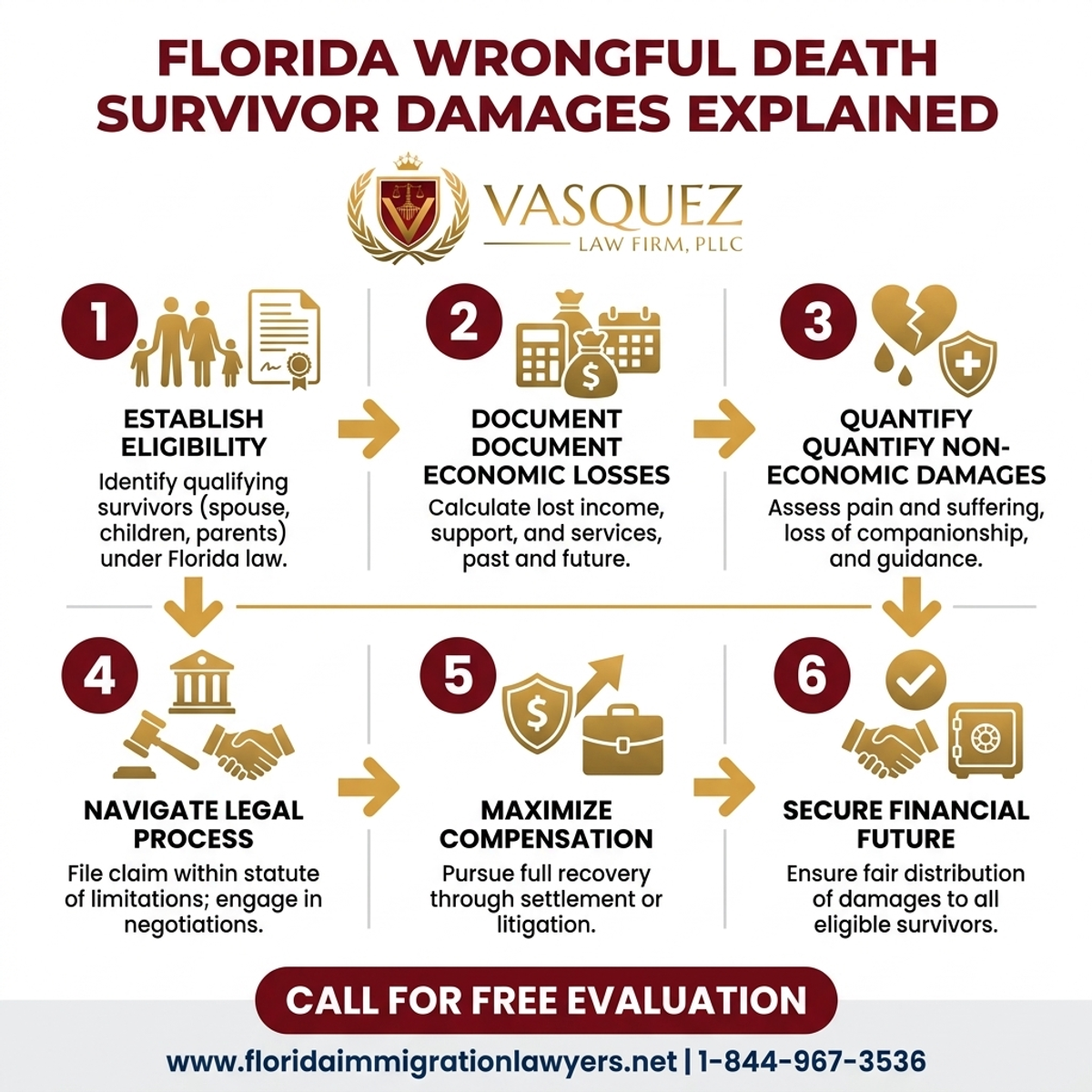
Key Statistics — Florida Wrongful Death Survivor Damages Explained | VLF Florida
Why Choose VLF Florida for Your Wrongful Death Claim?
At VLF Florida, we understand the profound grief and financial strain that accompany a wrongful death. Our dedicated team of legal professionals is committed to providing compassionate and aggressive representation to families seeking justice. We combine deep knowledge of Florida's wrongful death statutes with a personalized approach, ensuring that your family's unique story and needs are at the forefront of our strategy.
Our firm has a proven track record of successfully navigating the complexities of wrongful death claims, from meticulous investigation and evidence gathering to skilled negotiation and, if necessary, powerful courtroom advocacy. We work tirelessly to secure the maximum compensation possible for your losses, allowing you to focus on healing while we handle the legal burdens.
We believe in supporting our community through all their legal needs. While this guide focuses on wrongful death, our firm also provides comprehensive legal services in areas such as immigration law, including asylum claims, and robust deportation defense. We understand that legal challenges can arise from many aspects of life, and our commitment to justice extends across various practice areas, ensuring that families, regardless of their background, have access to dedicated representation. Our experienced attorneys are here to guide you every step of the way.
Contact VLF Florida Today
If you have lost a loved one due to someone else's negligence or wrongful act, you don't have to face the legal battle alone. The team at VLF Florida is here to provide the support and expert legal representation you need. We offer a free, no-obligation consultation to discuss your case, understand your rights, and outline the best path forward. Let us help you seek the justice and compensation your family deserves.
Contact us today for a free consultation. Your journey towards healing and justice starts here. Reach out to VLF Florida now.
Sources and References
- U.S. Citizenship and Immigration Services (USCIS)
- Executive Office for Immigration Review (EOIR)
- U.S. Department of State - Bureau of Consular Affairs
- Immigration and Nationality Act (INA), 8 U.S.C. Chapter 12
Do Not Navigate This Process Alone
Our experienced immigration attorneys are ready to fight for you. Get a free, confidential consultation today.
Se Habla Español
Frequently Asked Questions
Florida Immigration Lawyers
Immigration Attorney | Founder, Vasquez Law Firm
U.S. Air Force veteran and immigration attorney with thousands of cases resolved. J.D., NCCU School of Law. AILA member. Admitted to the 4th, 5th, and 11th Circuit Courts.
Available 24/7 - Free Evaluations
Related Legal Services
Our Florida immigration attorneys can help you with slip-and-fall premises liability, Florida wrongful death claims and Florida personal injury attorney Harold Estrada-Rodriguez. Call today at 1-844-967-3536 for a free consultation.
Related Links
Related Topics
Free Legal Consultation
Discuss your case with our experienced attorneys. We're available 24/7.
Se Habla Español - Estamos aquí para ayudarle.
Related Articles
Truck Accident: Navigating 18-Wheeler Crashes in Florida
Learn how to handle truck accidents on Florida's I-4. Understand FMCSA regulations, gather evidence, and seek legal help. Call Florida Immigration Lawyers at 1-844-967-3536 for a free consultation.
Rear-End Collision Whiplash Claims in Florida | VLF Florida
Rear-end collisions in Florida often lead to serious injuries like whiplash and herniated discs. Learn how to navigate your claim with the help of Florida Immigration Lawyers. Contact us for a free consultation.
Florida Rear-End Collision Claims: Whiplash and Herniated Discs
Rear-end collisions in Florida, especially around Hollywood, can lead to serious injuries like whiplash and herniated discs. Learn how to navigate the claims process effectively and ensure fair compensation. Call Florida Immigration Lawyers at 1-844-967-3536 for a free consultation.
Florida Government Sidewalk Accident Sovereign Immunity
Explore how sovereign immunity affects claims against Florida government entities for sidewalk accidents. Learn about the procedures, challenges, and legal support available to navigate these complex cases.