Florida Truck Driver Fatigue and HOS Violations | VLF Florid
Explore truck driver fatigue and Hours of Service violations in Florida. Learn how these regulations impact safety and compliance. Call Florida Immigration Lawyers for a free consultation.

Truck driver fatigue in Florida is a serious safety concern. Hours of Service (HOS) regulations are in place to prevent fatigue-related accidents. Key points include:
- Regulations limit driving hours to prevent fatigue.
- Electronic Logging Devices (ELDs) must be used to track hours.
- Violations can lead to severe penalties and accidents.
- Florida has specific regulations and enforcement practices.
Introduction
In St. Petersburg and throughout Florida, truck driver fatigue poses significant risks on the roads. The Federal Motor Carrier Safety Administration (FMCSA) enforces Hours of Service (HOS) regulations to combat this issue. This article explores these regulations, the role of Electronic Logging Devices (ELDs), and the impact of non-compliance. For personalized advice, call Florida Immigration Lawyers at 1-844-967-3536 for a free consultation.
The sheer size and weight of commercial trucks mean that even a minor lapse in judgment due to fatigue can have catastrophic consequences, leading to severe injuries or fatalities for other motorists. Florida's busy highways, including I-75 and I-4, see a high volume of commercial traffic, making strict adherence to HOS regulations paramount for everyone's safety.
Understanding and complying with these federal and state mandates is not just a legal obligation but a moral imperative for every driver and trucking company operating in the Sunshine State. This guide aims to provide comprehensive insights into preventing fatigue-related incidents and navigating the complexities of HOS rules and ELD usage.
Understanding Hours of Service (HOS) Regulations
Hours of Service (HOS) regulations are designed to prevent accidents caused by fatigue among commercial truck drivers. These rules limit the number of hours a driver can operate a vehicle without taking mandatory rest breaks. In Florida, and specifically in areas like St. Petersburg, these rules are crucial for road safety.
HOS regulations specify that drivers can drive a maximum of 11 hours after 10 consecutive hours off duty. Additionally, drivers cannot work more than 14 hours in a day, including driving and non-driving work. These limits are enforced to ensure drivers have adequate rest.
Beyond the daily limits, HOS rules also include a mandatory 30-minute break requirement for drivers who have driven for 8 cumulative hours without at least a 30-minute interruption. Furthermore, a driver cannot drive after accumulating 60 hours on duty in 7 consecutive days or 70 hours on duty in 8 consecutive days. To reset these cumulative limits, a driver must take at least 34 consecutive hours off duty, known as the 34-hour restart rule.
These regulations are not arbitrary; they are based on extensive research into human circadian rhythms and the effects of sleep deprivation on reaction time, judgment, and attention. Adhering to these rules significantly reduces the risk of 'microsleeps' and cognitive impairment that can lead to devastating accidents. For instance, a driver pushing past their 11-hour driving limit to meet a tight deadline might experience reduced alertness, potentially missing critical road signs or failing to react in time to sudden traffic changes.
Violations of these rules can lead to penalties and increased risk of accidents. It's vital for drivers and companies to adhere strictly to these regulations to avoid legal repercussions and ensure safety.
The Role of Electronic Logging Devices (ELDs)
Electronic Logging Devices (ELDs) are mandatory for most commercial drivers in the United States, including Florida. These devices automatically record driving time and help ensure compliance with HOS regulations. ELDs replace traditional paper logbooks, providing a more accurate and tamper-proof method of monitoring hours.
For truck drivers in St. Petersburg, using ELDs is not just a legal requirement but also a tool to enhance operational efficiency. ELDs help prevent logbook tampering and reduce administrative workload, allowing drivers to focus on safe driving practices.
ELDs offer real-time data on a driver's HOS status, which can be invaluable for dispatchers planning routes and for drivers themselves to manage their time effectively. This technology minimizes human error in logging and provides an indisputable record, which can be crucial evidence in the event of an accident investigation or during a roadside inspection. For example, if a driver is falsely accused of an HOS violation, the precise data from their ELD can often serve as definitive proof of compliance.
While ELDs offer significant benefits, proper training and understanding are essential. Drivers must know how to operate their specific ELD, understand its features, and be able to transfer data to law enforcement officials during inspections. Companies must invest in reliable ELD systems and provide ongoing support to their drivers to ensure seamless integration and compliance. Neglecting ELD maintenance or failing to understand its functions can lead to technical glitches, inaccurate logs, and ultimately, non-compliance.
Employers must ensure that their fleet is equipped with compliant ELDs and that drivers are trained to use them correctly. Failure to comply can result in fines and other penalties.
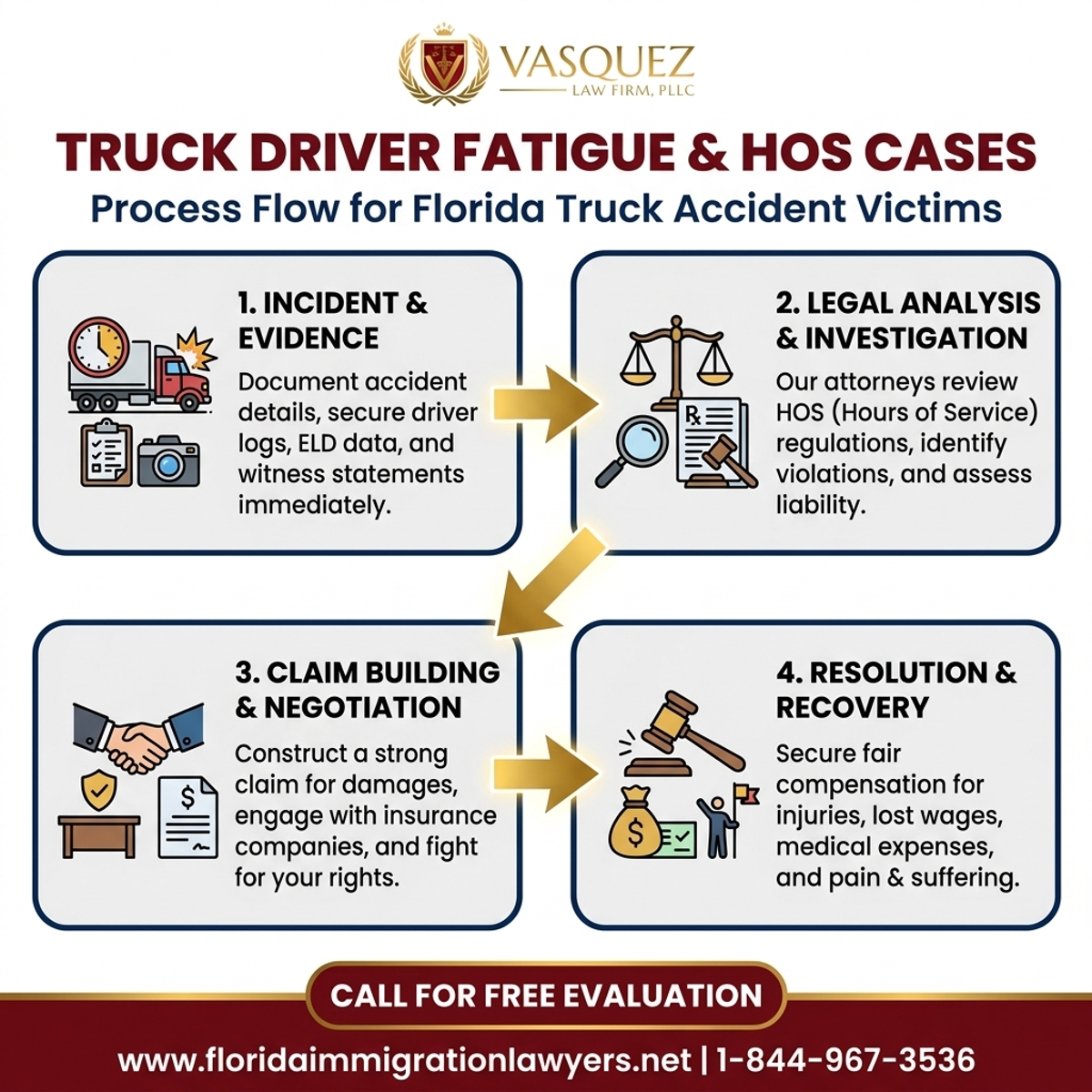
Step-by-Step Process — Florida Truck Driver Fatigue and HOS Violations
Document Checklist for Compliance
Maintaining a thorough and organized set of documents is a cornerstone of HOS compliance and can be critical in demonstrating adherence to regulations during inspections or in legal proceedings. These documents provide a comprehensive record of a driver's activities and vehicle condition.
- Driver's license and commercial driving credentials
- ELD records and logs
- HOS compliance documents
- Vehicle inspection reports
- Accident and incident reports (if applicable)
Beyond these core documents, drivers should also carry their medical examiner's certificate, proof of insurance, and any relevant permits. These records not only serve as proof of compliance but also protect drivers and companies in the event of an audit or accident. Ensuring all documents are current, accessible, and accurately reflect daily operations can significantly mitigate risks and streamline any necessary legal or administrative processes. If you have questions about what documentation is required, Florida Immigration Lawyers can provide clarity.
Timeline and Processing Expectations
Compliance with HOS regulations and ELD requirements is an ongoing process. Drivers should regularly update their logs and maintain records as part of their daily routine. Employers should conduct periodic audits to ensure compliance and address any discrepancies promptly.
During a typical roadside inspection by a Department of Transportation (DOT) officer, a driver will be asked to present their ELD data, typically via a digital display or transfer method. The officer will review the logs for any HOS violations, such as exceeding driving limits, insufficient rest breaks, or unlogged driving time. If a violation is found, the officer can issue citations, place the driver out-of-service, or even impound the vehicle depending on the severity.
Proactive daily management of HOS logs is crucial. Drivers should review their ELD data at the beginning and end of each shift to ensure accuracy and address any potential issues immediately. This includes verifying duty status, correcting minor errors, and ensuring all required breaks are logged. Companies should also implement internal audit procedures, reviewing ELD data and driver logs regularly to identify patterns of non-compliance and provide corrective training before issues escalate.
If violations occur, they must be addressed immediately to prevent further legal issues. The timeline for resolving violations can vary depending on the severity and the corrective actions taken.
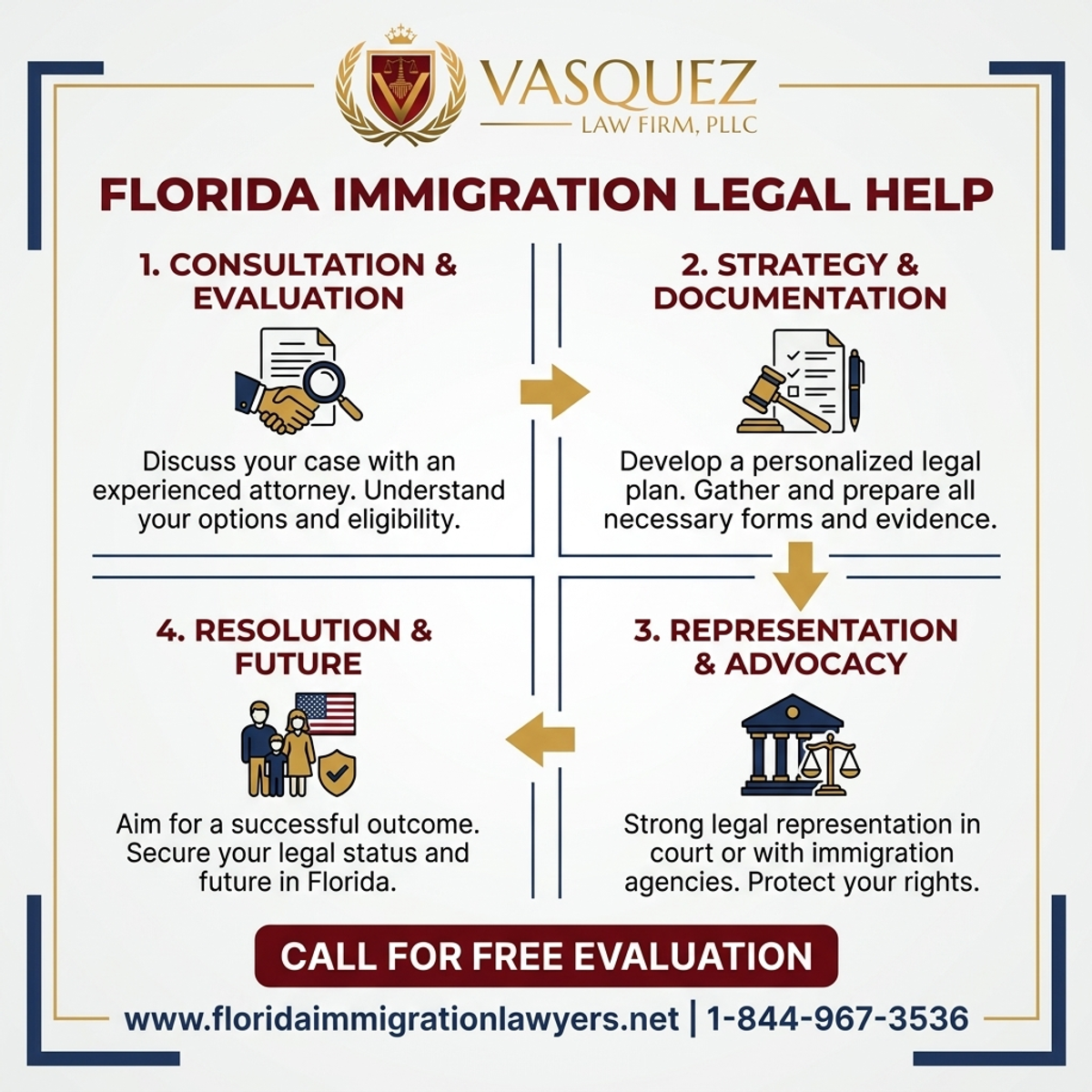
Key Statistics — Florida Truck Driver Fatigue and HOS Violations
Cost Factors and Fee Breakdown
Understanding the cost implications of HOS compliance is critical for trucking companies. The initial investment in ELDs and training can be significant. However, these costs are often offset by the benefits of reduced fines, improved efficiency, and enhanced safety.
Non-compliance can lead to substantial fines and increased insurance premiums. The financial impact of accidents caused by fatigue can be devastating, making compliance a cost-effective strategy in the long run.
Fines for HOS violations can range from hundreds to thousands of dollars per incident, depending on the severity and whether it's a first or repeat offense. Beyond direct fines, companies face indirect costs such as increased insurance rates due to a poor safety record, potential loss of contracts from clients who prioritize compliant carriers, and damage to their reputation. In the event of an accident caused by fatigue, these costs can skyrocket to include litigation expenses, settlement payouts, and even wrongful death claims, far exceeding any perceived savings from non-compliance.
Conversely, investing in robust compliance programs, including quality ELDs, comprehensive driver training, and regular audits, yields significant long-term benefits. These include fewer accidents, lower insurance premiums, improved driver retention due to a safer work environment, and enhanced public trust. Ultimately, the cost of compliance is an investment in safety and sustainability, rather than a mere expense. If you're facing penalties and need to understand the financial implications, Florida Immigration Lawyers can help.
Common Mistakes to Avoid
While HOS regulations and ELD requirements are designed for clarity, many common mistakes can inadvertently lead to violations and compromise safety. Being aware of these pitfalls is the first step toward fostering a culture of proactive compliance within your trucking operations.
- Failing to use ELDs correctly, leading to inaccurate logs.
- Neglecting regular maintenance of ELDs, causing data errors.
- Ignoring mandatory rest breaks, resulting in fatigue.
- Misunderstanding HOS rules, leading to violations.
- Delaying updates to logs, causing discrepancies.
- Overloading schedules, increasing risk of non-compliance.
- Not training drivers on HOS regulations and ELD use.
- Failing to conduct regular audits and checks.
- Assuming state exemptions apply without confirmation.
- Overlooking the impact of local Florida regulations.
- Not addressing violations promptly, leading to further penalties.
- Underestimating the financial impact of non-compliance.
Avoiding these common errors requires continuous education, diligent oversight, and a commitment to safety from both drivers and carriers. Proactive measures, such as implementing robust training programs and conducting regular internal compliance reviews, can significantly reduce the likelihood of violations and protect everyone on Florida's roads.
Frequently Asked Questions (FAQs)
What is the 34-hour restart rule?
The 34-hour restart rule allows commercial drivers to reset their 60-hour (7-day) or 70-hour (8-day) cumulative on-duty limits by taking at least 34 consecutive hours off duty. This break must include two periods between 1 a.m. and 5 a.m. to ensure sufficient overnight rest. Utilizing this rule effectively helps combat cumulative fatigue, ensuring drivers are adequately rested before resuming their work week and promoting safer operations on Florida roads.
Are there any HOS exemptions for Florida drivers?
Yes, some HOS exemptions may apply, though they are specific and limited. For instance, drivers operating within a 150 air-mile radius for agricultural commodities or during certain emergencies might have modified rules. Short-haul drivers operating within 150 air-miles and returning to their starting location daily may also have different requirements. It's crucial for drivers and carriers to thoroughly understand if they qualify for any specific exemption and to maintain documentation to prove eligibility, as misinterpreting these rules can lead to severe penalties.
What are the penalties for HOS violations?
Penalties for HOS violations can be severe, ranging from fines for drivers and carriers to out-of-service orders. Drivers can face fines of up to $2,870 per violation, while carriers can be fined up to $11,000. Repeated violations can lead to higher fines, increased insurance premiums, a downgraded safety rating for the carrier, and even loss of operating authority. Furthermore, HOS violations can be critical evidence in personal injury lawsuits following an accident, significantly increasing liability.
How does ELD data impact an accident investigation?
ELD data is pivotal in accident investigations as it provides an immutable record of a driver's hours of service leading up to the incident. Investigators can analyze ELD logs to determine if the driver was operating within legal HOS limits, took required breaks, or was potentially fatigued. This data can either exonerate a driver and carrier by proving compliance or serve as crucial evidence of negligence if HOS violations contributed to the accident. Accurate ELD records are essential for legal defense.
Can I appeal an HOS violation citation?
Yes, you can appeal an HOS violation citation, but the process can be complex and requires a strong understanding of regulations and evidence. Drivers or carriers typically have a limited timeframe to contest the citation through administrative channels. This often involves presenting ELD data, logbook entries, and other supporting documentation to demonstrate compliance or explain mitigating circumstances. Seeking legal counsel from firms like Florida Immigration Lawyers is highly recommended to navigate the appeals process effectively and maximize your chances of a favorable outcome.
When to Call a Lawyer
Truck drivers and companies in Florida should contact a lawyer if they face penalties for HOS violations or if involved in accidents related to fatigue. Legal assistance is crucial in navigating complex regulations and defending against enforcement actions. Florida Immigration Lawyers can provide expert guidance in these situations.
Specifically, you should consider calling a lawyer if you receive a citation for an HOS violation, are placed out-of-service, or if your company faces an audit by the FMCSA. Furthermore, if you are involved in a truck accident where fatigue is alleged to be a contributing factor, immediate legal counsel is imperative. An attorney can help you understand your rights, challenge inaccurate ELD data, negotiate with authorities, and build a robust defense. Early intervention from Florida Immigration Lawyers can significantly impact the outcome of such serious matters.
About Florida Immigration Lawyers
Florida Immigration Lawyers offers comprehensive services in personal injury, including truck accident cases. With offices in Orlando and Kissimmee, our experienced team is dedicated to serving clients throughout Florida. Contact us at 1-844-967-3536 for a free consultation. We are available 24/7 and offer bilingual services.
Our firm understands the severe impact that truck accidents, often exacerbated by HOS violations and driver fatigue, can have on victims and their families. We are committed to meticulously investigating every detail, from ELD records to maintenance logs, to build a strong case for our clients. Our dedicated personal injury team, led by experienced attorneys, focuses on securing the maximum compensation for medical expenses, lost wages, pain and suffering, and other damages. We pride ourselves on our client-focused approach, ensuring that you receive compassionate and effective legal representation every step of the way.
Sources and References
- U.S. Citizenship and Immigration Services (USCIS)
- Executive Office for Immigration Review (EOIR)
- 49 CFR Part 395 - Hours of Service of Drivers
- 8 U.S.C. Chapter 12 - Immigration and Nationality Act
Related services: Florida truck accident attorney, auto accident claims, wrongful death from truck collision, personal injury attorney Harold Estrada-Rodriguez.
This article provides general legal information and is not intended as legal advice. Every case is unique, and outcomes depend on specific facts and circumstances. Contact an attorney for advice about your particular situation.
Reviewed By
This article was reviewed for Florida legal accuracy by Harold Estrada-Rodriguez, Florida Bar No. 1041171, the attorney responsible for personal injury matters at Vasquez Law Firm. Personal injury representation in Florida only. No recovery, no fee.
Final CTA
For assistance with truck driver fatigue and HOS violations, contact Florida Immigration Lawyers at 1-844-967-3536 for a free consultation. Se Habla Espanol - Estamos aqui para ayudarle.
Our experienced legal team is ready to provide the guidance and representation you need, whether you're facing HOS violation penalties, an accident investigation, or are seeking compensation for injuries sustained in a truck collision. Don't navigate these complex legal waters alone; let our dedication and expertise work for you. Learn more about how our personal injury team can help, or call us at 1-844-967-3536 for a free consultation.
Do Not Navigate This Process Alone
Our experienced immigration attorneys are ready to fight for you. Get a free, confidential consultation today.
Se Habla Español
Frequently Asked Questions
Florida Immigration Lawyers
Immigration Attorney | Founder, Vasquez Law Firm
U.S. Air Force veteran and immigration attorney with thousands of cases resolved. J.D., NCCU School of Law. AILA member. Admitted to the 4th, 5th, and 11th Circuit Courts.
Available 24/7 - Free Evaluations
Related Legal Services
Our Florida immigration attorneys can help you with slip-and-fall premises liability, Florida wrongful death claims and Florida personal injury attorney Harold Estrada-Rodriguez. Call today at 1-844-967-3536 for a free consultation.
Related Links
Related Topics
Free Legal Consultation
Discuss your case with our experienced attorneys. We're available 24/7.
Se Habla Español - Estamos aquí para ayudarle.
Related Articles
Florida Drunk Driver Punitive Damages: DUI Accident Guide
Being injured by a drunk driver in Florida can leave you with severe physical, emotional, and financial burdens. Beyond seeking compensation for medical bills and lost wages, victims in Gainesville and across Florida may be eligible for punitive damages. These damages are designed to punish the at-fault drunk driver for their reckless actions and deter similar behavior in the future. Florida law sets specific requirements for proving punitive damages, often necessitating clear and convincing evidence of gross negligence or intentional misconduct. Understanding the interplay between criminal DUI proceedings and your civil personal injury claim is crucial. Florida Immigration Lawyers, led by Harold Estrada-Rodriguez, Florida Bar No. 1041171, specializes in helping victims navigate these complex legal waters, ensuring aggressive representation to pursue maximum compensation, including punitive damages. Contact us for a free consultation to protect your rights.
Florida Wrongful Death Claims: Survivor Damages Explained
Explore how Florida's wrongful death statutes, §§768.16-768.21, provide a pathway for survivors to seek damages. Understand who can file a claim, the types of damages available, and the common pitfalls to avoid. Contact Florida Immigration Lawyers for guidance in Miami and throughout Florida.
Bicycle Accident Liability in Orlando: Key Florida Laws
In Orlando, understanding bicycle accident liability and helmet laws is crucial. Learn about driver responsibility, legal steps, and when to consult a lawyer. For a free consultation, contact Florida Immigration Lawyers.
Florida Pedestrian Accident Crosswalk Rights Explained
Understanding your rights after a pedestrian crosswalk accident in Florida is crucial. Learn what to do, common mistakes to avoid, and how Florida Immigration Lawyers can help you claim the compensation you deserve.
