Immigration Policy News Florida 2026: Key Updates
Stay ahead of the curve with the latest 2026 immigration policy news impacting Florida. From state-level enforcement initiatives to employer verification requirements, understanding these updates is crucial for immigrants and businesses across Miami and the entire state. Our comprehensive guide covers key legislative trends, a step-by-step approach to navigating new laws, essential document checklists, and common mistakes to avoid. Learn about processing timelines, cost factors, and when to seek professional legal assistance. Florida Immigration Lawyers offers guidance and free consultations to help you protect your rights and ensure compliance in this evolving legal environment. Don't navigate these changes alone; empower yourself with current information and dedicated legal support.
Florida's immigration policy landscape continues to evolve in 2026, with ongoing legislative efforts and enforcement actions significantly impacting residents and businesses. Key changes often involve state-level enforcement powers, employer obligations, and access to services. Understanding these updates is crucial for immigrants and their families across Florida to protect their rights and plan their futures effectively.
- Florida's state immigration laws are dynamic and frequently updated.
- Recent policies often focus on state-led enforcement and employer responsibilities.
- These changes can affect undocumented individuals, legal residents, and even U.S. citizens.
- Staying informed and seeking legal counsel is vital for navigating new regulations.
- Consulting an experienced Florida immigration lawyer helps protect your rights.
Navigating the complex world of immigration law can feel overwhelming, especially when policies are constantly changing. For immigrants and their families in Florida, staying updated on the latest immigration policy news Florida for 2026 is not just important-it's essential for peace of mind and legal compliance. Whether you're in Miami, Orlando, Tampa, or anywhere else in the Sunshine State, new laws and enforcement trends can profoundly impact your life.
At Florida Immigration Lawyers, we understand the anxieties these changes can bring. Our dedicated team is committed to providing clarity and legal guidance through every development. We aim to empower you with accurate, timely information so you can make informed decisions about your future. For immediate assistance or to discuss your specific situation, Call Florida Immigration Lawyers at 1-844-YO-PELEO for a free consultation.
Understanding Florida's Evolving Immigration Policy News in 2026
Florida has been at the forefront of state-level immigration legislation, often enacting policies that supplement or diverge from federal guidelines. In 2026, we continue to see a focus on state enforcement capabilities and measures impacting various aspects of immigrant life. These policies can create unique challenges for individuals and businesses throughout Florida.
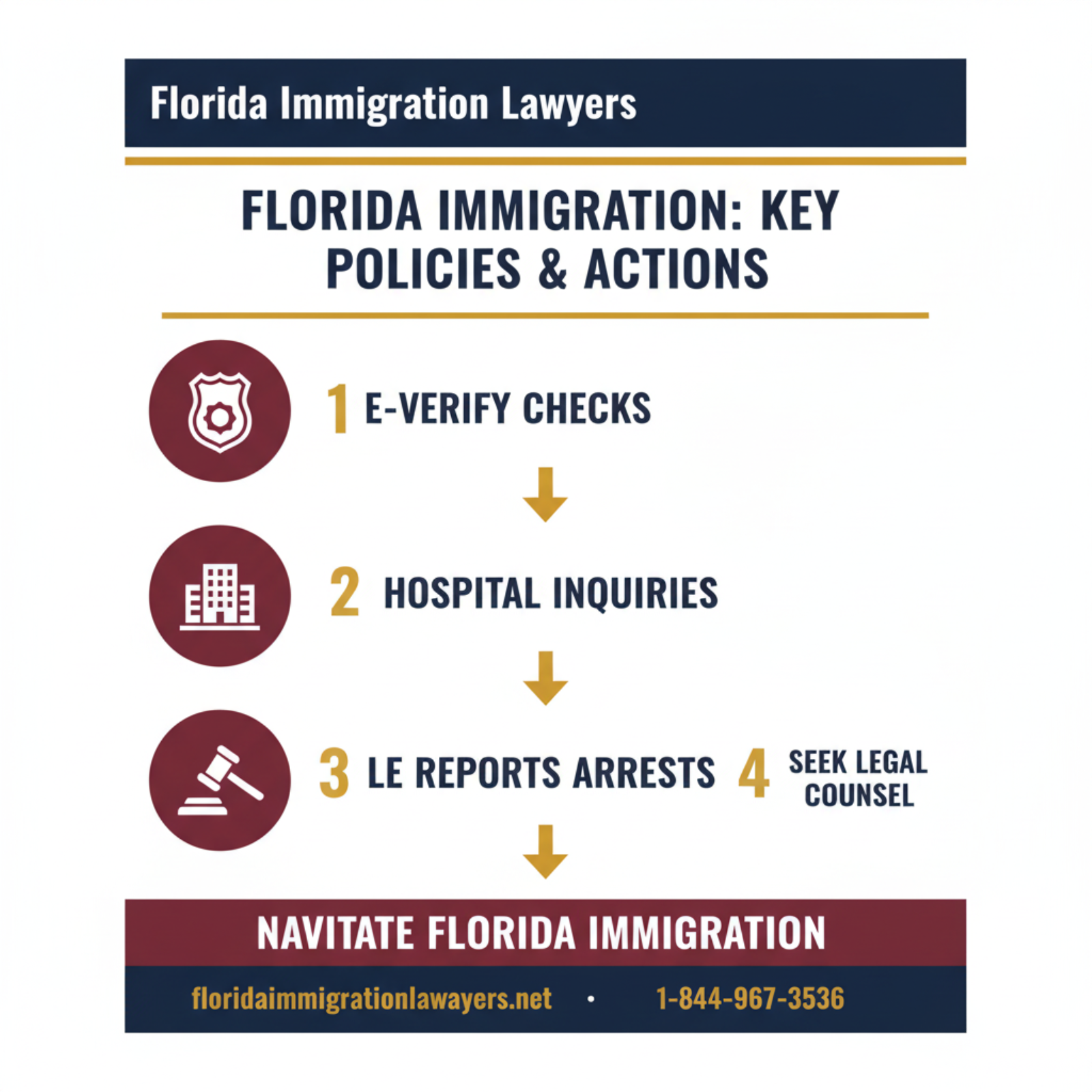
Recent years have seen initiatives like "Operation Tidal Wave" and increased partnerships between local law enforcement and federal agencies like ICE through programs such as 287(g). These efforts highlight Florida's proactive stance on immigration enforcement. Understanding these dynamics is critical for anyone living or working in the state.
The legislative landscape in Florida remains highly active, with ongoing discussions and potential new laws emerging. These legislative changes can impact everything from employment verification to transportation and access to social services. Our firm closely monitors these developments to provide the most current advice possible.
For a comprehensive overview of your rights and options under current laws, visit our immigration practice area page. We are here to help you understand how these policies apply to your individual circumstances.
Key Legislative Trends Affecting Florida Immigration
In 2026, Florida's legislative efforts continue to shape the daily lives of immigrants. We've observed a sustained push for increased state authority in immigration matters, which often includes stricter penalties for certain immigration-related offenses. These trends are important for all Florida residents to monitor.
One significant area of focus remains employer responsibilities, particularly concerning the verification of employment eligibility. Businesses in Florida must ensure strict compliance with state and federal E-Verify requirements to avoid substantial fines and legal repercussions. This often requires careful record-keeping and diligent adherence to established protocols.
Additionally, policies related to the transportation and housing of undocumented individuals have been prominent in recent legislative sessions. These laws can have far-reaching effects on community services and the overall social fabric of areas like Miami and its surrounding counties. Our team can help you navigate these complex regulations.
Navigating the Latest Florida Immigration Law Update: A Step-by-Step Guide
Staying compliant and protecting your rights amidst changing Florida immigration law update requires a proactive approach. Here’s a general guide to help you navigate the evolving legal landscape in 2026.
-
Stay Informed Through Reliable Sources: Regularly check official government websites like U.S. Citizenship and Immigration Services (USCIS) and reputable legal news outlets for updates. Avoid misinformation by relying on verified sources. Our firm also provides timely information.
-
Assess Your Current Immigration Status: Understand your specific legal standing in the U.S. and how new state laws might interact with federal immigration regulations. This critical step helps determine your vulnerability and available protections. It is important to know if you are a citizen, permanent resident, or on a specific visa.
-
Gather and Organize All Essential Documents: Maintain a well-organized file of all your immigration documents, including passports, visas, I-94 records, green cards, and any notices from USCIS or immigration courts. Easy access to these documents can be crucial in various situations.
-
Consult with an Experienced Immigration Attorney: This is perhaps the most crucial step. A knowledgeable lawyer can provide personalized advice, clarify complex legal jargon, and represent your interests. They can assess your unique situation under the most recent Florida laws.
-
Understand Your Rights and Responsibilities: Familiarize yourself with your constitutional rights, such as the right to remain silent and the right to an attorney. Also, understand your obligations under state and federal law. This knowledge is your best defense.
-
Develop a Contingency Plan: Discuss potential scenarios with your family and attorney, especially if you have mixed-status family members. Having a plan in place can reduce stress and ensure your family's well-being. This might include power of attorney or guardianship arrangements.
If you are facing potential deportation defense or other enforcement actions, immediate legal counsel is paramount. Our attorneys are ready to provide the robust defense you need.
Essential Documents for Immigrants in Florida: Your Checklist
Having your immigration documents readily accessible and organized is a vital step for any immigrant in Florida. This preparedness can significantly reduce stress and facilitate legal processes, especially with ongoing immigration policy news Florida updates.
- Proof of Identity: Valid passport from your home country, birth certificate, or other official government-issued identification.
- Proof of Immigration Status: Visa, Permanent Resident Card (Green Card), Employment Authorization Document (EAD), I-94 Arrival/Departure Record, or other USCIS-issued notices.
- Social Security Card: If you possess one and are authorized to work.
- Proof of Florida Residency: Utility bills, lease agreements, bank statements, or official mail showing your current Florida address.
- Financial Records: Pay stubs, tax returns, bank statements, or other documents demonstrating financial stability or hardship, depending on your case.
- Marriage and Birth Certificates: For yourself and any family members, especially if you are pursuing family-based immigration.
- Educational Records: Diplomas, transcripts, or professional licenses, particularly relevant for employment-based visas or certain waivers.
- Medical Records: Vaccination records, medical examination results, or documentation of any serious health conditions.
- Court Documents or Police Reports: Any records related to past legal issues, even minor ones, should be kept on hand.
- Notices from USCIS, ICE, or EOIR: All correspondence from immigration agencies, including receipts, approvals, denials, or hearing notices.
Always keep original documents in a safe place and carry copies, not originals, when out in public. Discuss with your attorney which documents are most critical for your specific situation.
Immigration Policy News Florida: Processing Timelines and Expectations for 2026
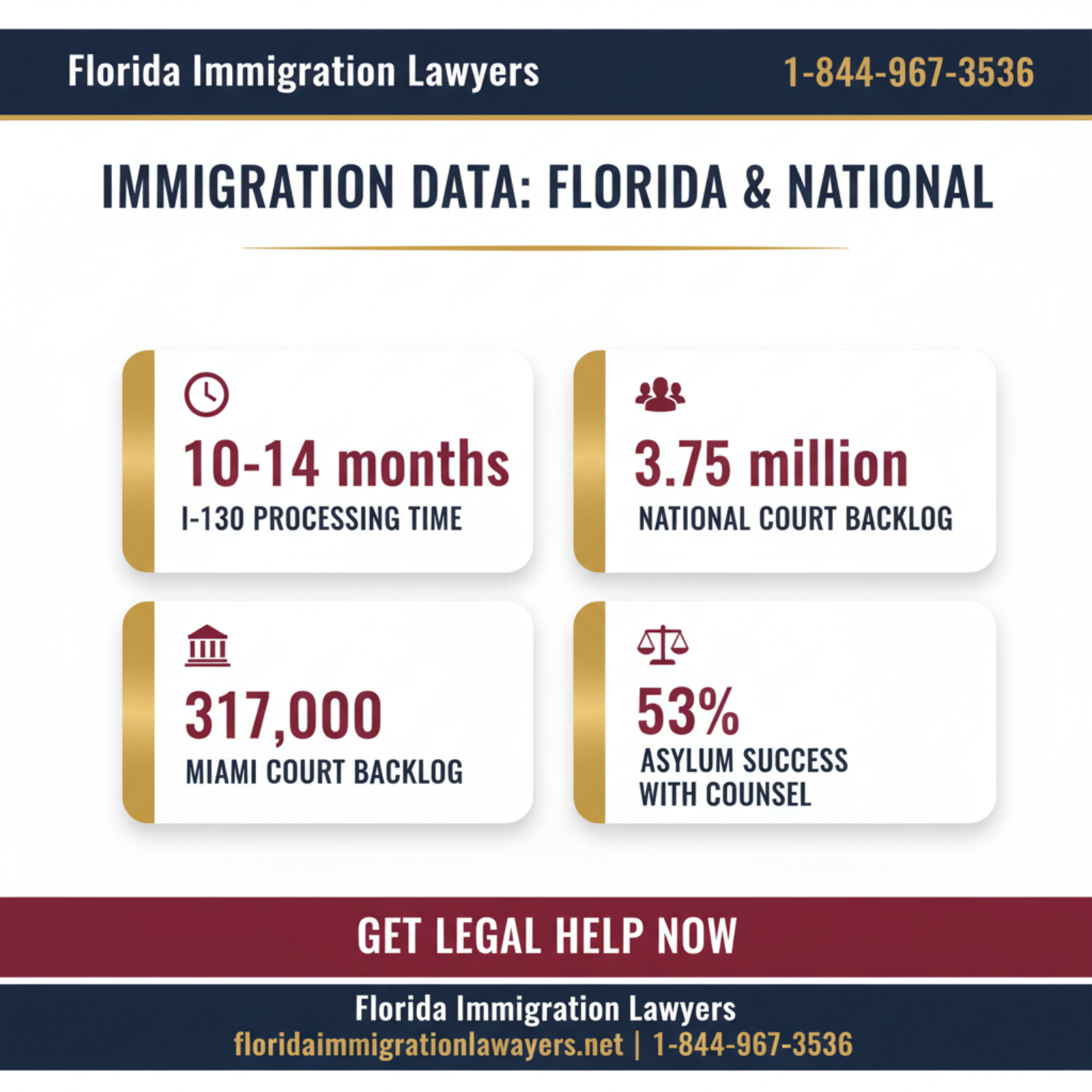
Understanding the potential timelines for immigration applications and petitions in 2026 is crucial, though it's important to remember that processing times can vary significantly. Factors such as the specific type of application, the USCIS service center or field office involved (including those serving Florida like the Miami Field Office), and current workload can all influence how long your case takes.
New Florida immigration law 2026 updates, particularly those impacting state resources or enforcement, may indirectly affect federal processing times. For example, increased state enforcement could lead to more individuals seeking legal adjustments, potentially increasing federal backlogs. It's always best to check the official USCIS website for the most current processing time estimates.
While USCIS aims for efficiency, unforeseen policy changes, staffing levels, or national security concerns can introduce delays. We generally advise clients to be prepared for a range of possibilities and to maintain open communication with their legal team. Patience and meticulous preparation are key throughout this process.
Understanding Cost Factors in Florida Immigration Cases
Navigating immigration processes in Florida involves various costs, including government filing fees and attorney fees. While government fees are set by agencies like USCIS and are subject to change, legal fees for a qualified attorney typically reflect the complexity of your case and the expertise required. We do not provide specific fee amounts as they are dynamic.
Filing fees for applications such as Green Cards, naturalization (N-400), or various visa petitions are mandatory and non-refundable. These fees can represent a significant financial commitment. It is important to budget for these expenses accurately. You can find updated fee schedules on the official USCIS website.
Hiring an experienced immigration attorney in Florida is an investment in your future. While there are costs involved, legal representation can prevent costly mistakes, streamline the process, and significantly increase your chances of a favorable outcome. Our firm provides clear fee structures and discusses all potential costs upfront, allowing you to plan effectively.
Do not navigate this process alone. Contact Florida Immigration Lawyers today.
Common Mistakes to Avoid with Florida Immigration Law Updates
Staying informed about Florida immigration news today is critical, but avoiding common pitfalls is equally important. Many immigrants inadvertently jeopardize their cases by making preventable errors. Here are some key mistakes to steer clear of:
-
Ignoring New Policy Changes: Failing to keep up with the latest Florida immigration law updates can lead to non-compliance, unexpected enforcement actions, or missed opportunities. Always stay informed through reliable sources.
-
Providing Incomplete or False Information: Submitting inaccurate or fabricated details on any immigration form or during an interview can result in immediate denial, accusations of fraud, and even future bars to immigration benefits. Honesty and accuracy are paramount.
-
Missing Deadlines: Immigration processes are notoriously strict with deadlines. Missing a filing deadline, a response date, or a court appearance can lead to automatic denials, deportation orders, or significant delays. Always track your deadlines carefully.
-
Attempting to Self-Represent in Complex Cases: While some simple cases might be manageable, complex immigration matters, especially those involving waivers, criminal history, or deportation, almost always require legal expertise. Self-representation can lead to critical errors.
-
Traveling Without Proper Authorization: Leaving the U.S. without an advance parole document or while an application is pending can lead to inadmissibility upon return, effectively abandoning your application. Always consult an attorney before making travel plans.
-
Not Updating Your Address with USCIS: Failing to inform USCIS of a change of address can result in missed notices, interview appointments, or requests for evidence, potentially leading to a denial or even a deportation order in absentia. File Form AR-11 promptly.
-
Falling Victim to "Notario" Fraud: Unlicensed individuals (often called "notarios") who claim to provide legal immigration services frequently offer incorrect advice, commit fraud, and cause irreparable harm to cases. Always seek help from licensed attorneys.
-
Failing to Maintain Proper Documentation: Not keeping an organized and complete record of all your immigration documents, correspondence, and evidence can hinder your ability to prove eligibility or respond to agency requests efficiently.
-
Assuming Federal Law Overrides State Law in All Contexts: While federal law governs core immigration status, Florida's specific state laws can significantly impact daily life, employment, and interactions with local authorities. Understand the interplay of both.
-
Not Understanding the 287(g) Program: If you are in an area with a 287(g) agreement between local law enforcement and ICE, understanding how these partnerships work is crucial. Local police may have the authority to act as immigration agents, impacting interactions. Consult a lawyer for clarity.
When to Call a Florida Immigration Lawyer
Given the dynamic nature of immigration in Florida 2026, knowing when to seek legal counsel is paramount. While some situations might seem straightforward, the complexities of immigration law often hide critical nuances that only an experienced attorney can navigate. Our team at Florida Immigration Lawyers is here to provide guidance.
You should immediately contact an attorney if you receive any notice from ICE, USCIS, or an immigration court, especially if it relates to a Notice to Appear (NTA) for deportation defense. These situations require urgent and skilled legal intervention. Delay can have severe consequences for your case.
Furthermore, if you have a criminal record, even a minor one, or if you have previously been denied an immigration benefit, consulting a lawyer is essential before filing any new applications. These factors can complicate your case significantly, requiring specialized legal strategies. Our attorneys are skilled in addressing such challenges.
Any time you are considering applying for a visa, Green Card, asylum, or citizenship, a consultation can ensure your application is strong and complete. Our firm also assists with complex business immigration matters, ensuring employers in Florida comply with all regulations. We help you avoid common mistakes and navigate intricate legal requirements effectively.
Don't wait for a crisis to seek help. Proactive legal advice can save you time, money, and stress in the long run. Visit our attorneys page to learn more about our experienced legal team.
About Florida Immigration Lawyers
Florida Immigration Lawyers is a leading law firm dedicated to providing comprehensive and compassionate immigration legal services across all of Florida. With years of specialized experience, our attorneys are committed to helping individuals, families, and businesses navigate the complexities of U.S. immigration law. We pride ourselves on our client-focused approach and our unwavering dedication to achieving the strongest possible outcomes.
Our firm offers a wide range of immigration services, including family-based immigration, employment visas, deportation defense, asylum claims, naturalization, and DACA renewals. We stay abreast of the latest legal developments and policy changes, ensuring our clients receive the most current and effective legal strategies. Our team understands the unique challenges faced by immigrants in Florida.
Why choose Florida Immigration Lawyers? We offer personalized attention, clear communication, and a deep understanding of both federal and Florida-specific immigration laws. Our goal is to make your immigration journey as smooth and stress-free as possible. We are available 24/7 to address your concerns and provide the support you need. We offer free consultations to help you understand your options without obligation.
Contact us today for a free consultation: 1-844-YO-PELEO. Learn more about how we can assist you by visiting our website: Vasquez Law Firm. Serving all of Florida with dedication and expertise.
Frequently Asked Questions (FAQs) About Florida Immigration Policy
Is the U.S. suspending immigrant visas?
Generally, the U.S. is not suspending all immigrant visas. However, specific visa categories or countries may experience temporary restrictions, backlogs, or increased processing times due to various factors, including national security concerns, public health emergencies, or administrative backlogs. It is always advisable to check the official U.S. Department of State website for the most current travel advisories and visa processing updates. Policies can change rapidly, so staying informed is crucial.
How many undocumented immigrants are in Florida today?
Precise figures for the number of undocumented immigrants in Florida are difficult to determine and vary among different estimates. Research organizations and government agencies often provide ranges, which can fluctuate due to migration patterns and enforcement actions. These numbers are dynamic and subject to different methodologies used for estimation. It's important to note that these are estimates, not exact counts.
Can cops ask for immigration status in Florida?
Yes, under Florida law, law enforcement officers generally have the authority to inquire about an individual's immigration status if there is reasonable suspicion of an immigration violation. Recent state legislation has reinforced this capability, allowing local authorities to cooperate more closely with federal immigration enforcement. This means interactions with local police in Florida could potentially lead to immigration-related inquiries or actions. It is crucial to understand your rights in such encounters.
Who is affected by the new immigration law?
New immigration laws in Florida can affect a wide range of individuals and entities. This primarily includes undocumented individuals residing or working in the state, who may face increased enforcement risks and limitations on access to certain services. Employers hiring foreign nationals are also significantly impacted, as many new laws focus on stricter employment verification requirements. Additionally, legal residents and U.S. citizens who sponsor or transport non-citizens may also be subject to new regulations or penalties. The scope of impact can be broad, touching various aspects of life for immigrant communities across Florida.
Sources and References
- U.S. Citizenship and Immigration Services (USCIS)
- Executive Office for Immigration Review (EOIR) / U.S. Department of Justice
- U.S. Department of State
- 8 U.S.C. Chapter 12 - Immigration and Nationality Act (INA)
- INA § 212 - General Classes of Aliens Ineligible for Visas and Admission; Waivers of Inadmissibility
- INA § 237 - Deportable Aliens
- 8 CFR - Code of Federal Regulations, Title 8 (Aliens and Nationality)
This article provides general legal information and is not intended as legal advice. Every case is unique, and outcomes depend on specific facts and circumstances. Contact an attorney for advice about your particular situation.
The landscape of immigration law in Florida is constantly shifting, and staying informed is your first line of defense. At Florida Immigration Lawyers, we are dedicated to being your trusted resource and advocate. Our experienced team is ready to provide the legal guidance you need to navigate these complex challenges. Don't face the legal system alone.
Contact Florida Immigration Lawyers today for a free, confidential consultation. Call us at 1-844-YO-PELEO. Se Habla Español - Estamos aquí para ayudarle.
Do Not Navigate This Process Alone
Our experienced immigration attorneys are ready to fight for you. Get a free, confidential case review today.
Se Habla Español
Or leave your details and we’ll call you:
Free Evaluation in 24 Hours
Or talk to us right now

AI voice assistant — available 24/7
FreeFrequently Asked Questions

William J. Vásquez
Founding Attorney · Vasquez Law Firm
U.S. Air Force veteran and immigration attorney with years of hands-on U.S. immigration experience. J.D., NCCU School of Law. AILA member. Admitted to the 4th, 5th, and 11th Circuit Courts.
Available 24/7 - Free Evaluations
Reviewed for legal accuracy by William J. Vásquez
Licensed in North Carolina; U.S. immigration is federal practice.
Related Legal Services
Our Florida immigration attorneys can help you with family immigration services, immigration lawyer cost in Florida and experienced immigration attorneys. Call today at 1-844-YO-PELEO for a free case review.
Related Links
Related Topics
Free Legal Case Review
Discuss your case with our experienced attorneys. We're available 24/7.
Se Habla Español - Estamos aquí para ayudarle.
Related Articles
Immigration Lawyer Orlando Free Consultation in Florida
For individuals and families in Orlando, Florida, navigating the complexities of U.S. immigration law requires expert guidance. An immigration lawyer in Orlando offers crucial support for everything from visa applications and green card processes to naturalization and deportation defense. This comprehensive guide details what a free consultation covers, providing a step-by-step overview of immigration pathways, essential document checklists, and expected timelines in 2026. We also highlight common mistakes to avoid, discuss the critical role of legal counsel in deportation and asylum cases, and explain why choosing a local Orlando immigration attorney is beneficial. Florida Immigration Lawyers is dedicated to serving the diverse community of Orlando with compassionate, effective legal solutions, ensuring you receive personalized advice and robust representation for a successful immigration journey.
Immigration Rights in Florida: Know Your Rights
Understanding your immigration rights in Florida is crucial. From ICE encounters to navigating immigration courts, this comprehensive guide provides essential information for safeguarding your future. Learn about legal protections, common mistakes to avoid, and when to seek professional legal advice. Florida Immigration Lawyers are here to help.
Special Immigrant Juvenile Status in Florida 2026
Discover how Special Immigrant Juvenile Status (SIJS) in Florida can help minors facing abuse, neglect, or abandonment obtain legal residency. Understand the application process, eligibility requirements, and common mistakes to avoid. Contact Florida Immigration Lawyers for a free case review.
Fiance Visa in Miami: 2026 Process Guide for Florida
For U.S. citizens in Florida, bringing a foreign fiancé(e) to the U.S. requires navigating the K-1 Fiance Visa process. This guide details the 2026 requirements, step-by-step application, essential documents, and expected timelines. Learn about filing Form I-129F with USCIS, consular interviews, and the crucial Adjustment of Status after marriage. We cover typical fees, common mistakes to avoid, and when to seek legal assistance. Florida Immigration Lawyers offers expert guidance for couples in Miami, Orlando, and across Florida, ensuring a smooth path to uniting with your loved one. Get a free case review today.