Immigration Policy News Florida: Your 2026 Guide to Changes
Stay ahead of the curve with our comprehensive guide to 2026 immigration policy news in Florida. Understand how changes from USCIS and other agencies might impact your family, employment, asylum claims, and deportation defense in Miami and across the state. This article provides critical updates, a step-by-step guide to navigating processes, common mistakes to avoid, and essential legal advice. Learn about timelines, costs, and when to seek expert legal assistance to protect your rights and secure your future in Florida. Florida Immigration Lawyers are ready to offer a free consultation.

Staying updated on immigration policy news in Florida for 2026 is crucial for immigrants and their families. Policies are dynamic, with potential shifts impacting USCIS procedures, visa availability, and enforcement in areas like Miami. Understanding these changes helps you navigate your immigration journey more effectively and protect your rights.
- Immigration policies are subject to frequent changes, especially in 2026.
- Florida, particularly Miami, is significantly affected by national policy shifts.
- USCIS processing, family visas, and asylum rules may see updates.
- Proactive legal guidance from an experienced Florida immigration lawyer is essential.
- Staying informed through official channels and legal counsel is key to successful outcomes.
Immigration Policy News Florida: Your 2026 Guide to Changes
Are you an immigrant in Florida, or do you have family members navigating the complex immigration system? The constant shifts in immigration policy news in Florida can create uncertainty and anxiety. Staying informed about these changes, especially as we move through 2026, is not just helpful-it's essential for your future and that of your loved ones.
Florida, with its diverse population and strategic location, often feels the immediate impact of national immigration policy decisions. From new USCIS directives to enforcement priorities, these updates can directly affect your eligibility, application timelines, and overall immigration journey. Understanding what's happening and how it might impact you is the first step toward securing your status.
This comprehensive guide will help you understand the significant immigration policy news in Florida for 2026. We will cover potential changes in various immigration categories, guide you through USCIS procedures, highlight common pitfalls, and explain when professional legal assistance is indispensable. For personalized advice regarding your specific situation, call Florida Immigration Lawyers at 1-844-967-3536 for a free consultation.
Understanding 2026 Immigration Policy News in Florida
Immigration law is incredibly dynamic, with policies frequently evolving due to legislative actions, executive orders, and judicial rulings. In 2026, Florida continues to be a focal point for these changes, given its large immigrant population and its role in national debates. Staying abreast of these Florida immigration updates is critical for anyone living in or considering moving to the state.
These policy shifts can range from minor procedural adjustments to significant alterations in eligibility requirements or enforcement strategies. For instance, changes to the Immigration and Nationality Act (INA) or new directives from the Department of Homeland Security (DHS) can have far-reaching effects. Understanding the context of these changes helps you anticipate potential challenges and opportunities.
Florida's unique demographics mean that federal immigration policies often have a magnified impact here. Miami, in particular, is home to a vast and diverse immigrant community, making local and national immigration policy news highly relevant. We recommend consulting the official U.S. Citizenship and Immigration Services (USCIS) website for the most current federal information.
Key Areas Impacted by Florida Immigration Updates 2026
The landscape of immigration law in Florida is constantly shifting, and several key areas are particularly susceptible to Florida immigration updates in 2026. These changes can affect various aspects of an immigrant's life, from family reunification to employment opportunities and protection from deportation. It is vital to monitor these developments closely.
Family-Based Immigration and Visa Processing
Family-based immigration remains a cornerstone of the U.S. system, allowing citizens and lawful permanent residents to sponsor relatives. However, policies regarding visa availability, processing times, and eligibility criteria can change. Florida families, particularly in Miami, are often directly impacted by these adjustments, which can affect long waits for visa interviews and green card approvals.
USCIS continually updates its processing guidelines and forms, which can lead to new requirements for petitioners and beneficiaries. It is crucial to ensure all documents are current and accurately reflect the latest regulations to avoid delays or denials. For detailed assistance, explore our services related to family immigration.
Business and Employment Immigration Trends
Florida's robust economy, especially in sectors like tourism, agriculture, and technology, relies significantly on foreign talent. Immigration policy news for 2026 may bring changes to H-1B visas, E-2 investor visas, or L-1 intracompany transfers. Businesses and foreign workers in Florida need to stay informed about these potential shifts to maintain compliance and secure employment.
New regulations could impact the lottery system for H-1B visas, wage requirements, or the types of businesses eligible for certain investor visas. These changes directly influence Florida's workforce and economic growth. Our firm assists businesses and individuals with various business immigration matters, ensuring they meet all federal requirements.
Asylum and Refugee Policy in Florida
Florida has historically been a significant destination for asylum seekers and refugees, particularly from Caribbean and Latin American nations. Policy shifts in 2026 related to asylum eligibility, credible fear interviews, and the asylum application process can have profound effects. These changes can impact individuals seeking protection in Florida from persecution in their home countries.
The criteria for establishing a well-founded fear of persecution, as outlined in 8 U.S.C. § 1101(a)(42)(A), are often subject to interpretation and policy directives. Understanding these nuances is critical for a successful asylum claim. If you are seeking protection, our asylum attorneys are here to help you navigate these sensitive legal waters.
Enforcement and Deportation Defense Changes
Enforcement priorities and resources for agencies like Immigration and Customs Enforcement (ICE) can shift with new administrations or policy directives. For individuals in Florida, this can mean changes in detention policies, expedited removal procedures, or increased enforcement in certain areas. Understanding these potential changes is vital for protecting your rights.
The Executive Office for Immigration Review (EOIR), which oversees immigration courts, might also implement new procedures affecting court hearings and appeals. For example, changes to 8 CFR 1003.1, which governs BIA review, can impact deportation defense strategies. If you or a loved one faces deportation, our firm provides aggressive deportation defense services to protect your future.
Navigating USCIS Processing and Procedures in 2026
Navigating the U.S. Citizenship and Immigration Services (USCIS) system can be daunting, especially with ongoing immigration policy news and procedural adjustments. Understanding how to interact with USCIS effectively is crucial for the success of your immigration application. These steps will help you stay on track and avoid common pitfalls.
Step-by-Step Guide to USCIS Processes
-
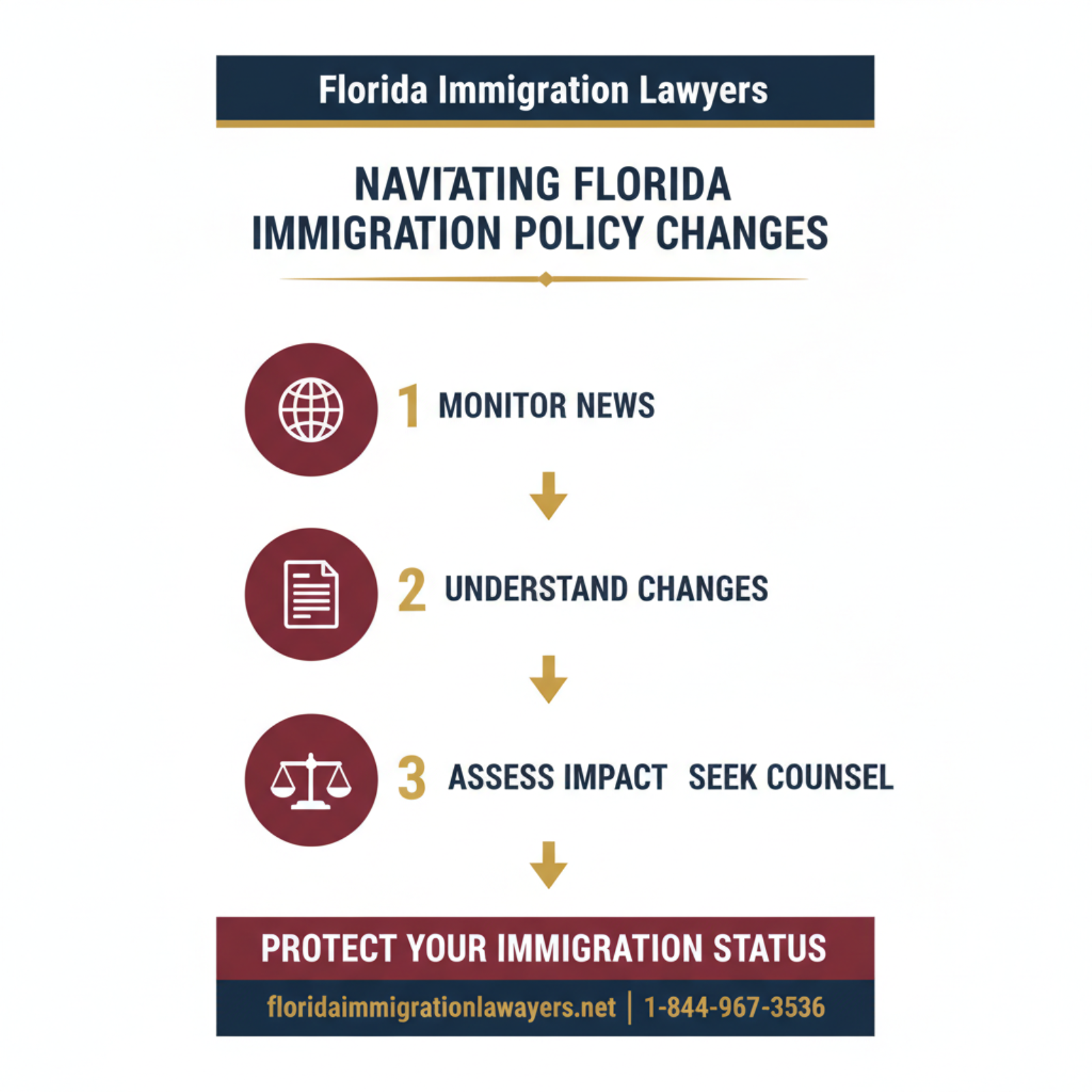
Stay Informed on Policy Changes: Regularly check official USCIS announcements, policy manuals, and news from reputable legal sources. Immigration laws and procedures can change rapidly, and staying updated is your first line of defense against errors or delays.
-
Gather Required Documents Thoroughly: Before submitting any application, compile all necessary supporting documents. This includes birth certificates, marriage licenses, passports, financial records, and medical examination results. Missing or incorrect documents are a leading cause of RFEs (Requests for Evidence) and delays.
-
File Applications Correctly and Completely: Ensure all forms are filled out accurately and completely. Double-check all information for typos or discrepancies. An incomplete or incorrectly filed application will be rejected or significantly delayed, requiring you to restart the process.
-
Monitor USCIS Case Status Online: After filing, use the USCIS online case status tool to track your application's progress. This allows you to see when your application is received, when biometrics appointments are scheduled, and any actions USCIS takes. Be proactive in checking for updates.
-
Respond to RFEs and NOIDs Promptly: If USCIS issues a Request for Evidence (RFE) or a Notice of Intent to Deny (NOID), respond immediately and comprehensively. These notices typically have strict deadlines. Seek legal counsel to ensure your response adequately addresses USCIS's concerns.
Step-by-Step Process Guide -
Attend Interviews Prepared: Many immigration processes require an interview with a USCIS officer. Prepare thoroughly by reviewing your application, supporting documents, and potential questions. Having legal representation at your interview can provide invaluable support and ensure your rights are protected.
Essential Document Checklist for USCIS Applications
The specific documents required will vary based on your immigration category, but generally, you will need the following:
- Valid Passport and Travel Documents
- Birth Certificates (for all applicants and beneficiaries)
- Marriage Certificates and Divorce Decrees (if applicable)
- Proof of Relationship (e.g., photos, joint bank accounts, correspondence)
- Financial Records (e.g., tax returns, employment letters, bank statements)
- Affidavits of Support (Form I-864), if required
- Medical Examination Results (Form I-693)
- Police Clearances from all countries of residence
- Photographs meeting USCIS specifications
- Any relevant USCIS forms (e.g., I-130, I-485, I-765, I-131)
- Evidence of your legal status in the U.S. (if applicable)
Timelines and Cost Factors for Immigration Processes
Understanding the potential timelines and associated costs is a critical part of planning your immigration journey, especially with ongoing immigration policy news affecting processing rates. While specific dates cannot be guaranteed, we can outline general expectations for those in Florida.
Timeline and Processing Expectations
USCIS processing times can vary significantly based on the type of application, the specific USCIS service center or field office (such as the Miami Field Office), and the current caseload. Factors like policy changes, budget allocations, and staffing levels can also influence how quickly a case moves through the system. We always recommend checking the official USCIS website for the most current processing timeframes for your specific form and office.
Some processes, like certain family-based petitions, can take several years due to visa bulletin backlogs, especially for applicants from high-demand countries. Others, such as employment authorization documents (EADs), might be processed in a matter of months. Being prepared for potential delays and understanding the average processing times for your application type is crucial for managing your expectations.
Cost Factors and Fee Breakdown
Immigration processes involve several types of fees that applicants should be aware of. It is important to note that these fees are subject to change by USCIS, so always verify the latest amounts on their official website. Typically, costs include:
- USCIS Filing Fees: Each application form (e.g., Form I-485 for Adjustment of Status, Form I-130 for Petition for Alien Relative) has a specific filing fee. These fees cover the administrative costs of processing your application.
- Biometrics Fees: Most applicants are required to attend a biometrics appointment to provide fingerprints, photographs, and a signature. A separate fee is usually associated with this service.
- Medical Examination Fees: For many green card applications, you must undergo a medical examination by a USCIS-approved civil surgeon. The cost of this exam is paid directly to the doctor's office and can vary.
- Attorney Fees: While not mandatory, engaging an experienced immigration attorney is a wise investment, particularly for complex cases. Attorney fees cover legal advice, document preparation, representation, and communication with USCIS.
- Translation Fees: If any of your supporting documents are not in English, you will need certified translations, which incur additional costs.
Do not navigate this process alone. Contact Florida Immigration Lawyers today.
Common Mistakes to Avoid in Florida Immigration Cases
Navigating the U.S. immigration system, especially with the frequent immigration policy news, is fraught with potential pitfalls. Even minor errors can lead to significant delays, denials, or even more severe consequences like deportation. Being aware of these common mistakes can help you protect your immigration journey in Florida.
-
Ignoring Policy Updates: Failing to stay informed about the latest Florida immigration updates can lead to submitting outdated forms or missing new requirements. Consequences: Application rejection, delays, or even a denial based on current policy.
-
Filing Incomplete Applications: Submitting forms with missing information or required documents is a frequent error. Consequences: Requests for Evidence (RFEs), significant processing delays, or outright denial of your application.
-
Misrepresenting Information: Providing false or misleading information, even unintentionally, can have severe repercussions. Consequences: Allegations of fraud, permanent bars to future immigration benefits, and potential criminal charges.
-
Missing Deadlines: Strict deadlines apply to submitting applications, responding to RFEs, or appearing for interviews. Consequences: Case abandonment, loss of eligibility, or issuance of a Notice to Appear (NTA) in immigration court.
-
Not Disclosing Criminal History: Attempting to conceal past arrests or convictions, no matter how minor, is a serious mistake. Consequences: Inadmissibility to the U.S., denial of benefits, and potential deportation proceedings.
-
Attempting to Handle Complex Cases Alone: Immigration law is intricate. Cases involving prior deportations, criminal records, or complex family situations are best handled by an attorney. Consequences: Critical errors, missed legal arguments, and likely denial.
-
Failing to Seek Legal Counsel: Many individuals underestimate the complexity of immigration law and decide against hiring an attorney. Consequences: Overlooking crucial details, misinterpreting legal requirements, and making irreversible mistakes.
Key Statistics & Data -
Poor Record Keeping: Not maintaining organized copies of all submitted documents, correspondence, and evidence can be detrimental. Consequences: Difficulty responding to USCIS inquiries or proving your eligibility if original documents are lost.
-
Overlooking Medical Exam Requirements: For many green card applications, a medical exam by a USCIS-approved civil surgeon is mandatory. Consequences: Delays if not completed correctly or submitted on time, and potential denial.
-
Traveling Without Advance Parole: If you have a pending adjustment of status application, traveling outside the U.S. without an approved Advance Parole document can be risky. Consequences: Abandonment of your application and potential inability to re-enter the U.S.
-
Not Preparing for Interviews: Appearing unprepared for a USCIS interview, whether for a green card or citizenship, can raise red flags. Consequences: Delays, requests for additional evidence, or even denial if your answers are inconsistent or unclear.
When to Call a Florida Immigration Lawyer
With the constantly evolving immigration policy news and the complexities of federal law, knowing when to seek professional legal assistance is paramount. While some straightforward cases might be managed independently, many situations demand the expertise of an experienced Florida immigration lawyer. Florida Immigration Lawyers are here to assist you.
You should consider calling an attorney immediately if you receive a Request for Evidence (RFE), a Notice of Intent to Deny (NOID), or a Notice to Appear (NTA) in immigration court. These are critical junctures where legal errors can have severe, lasting consequences. Our attorneys specialize in all areas of immigration law and can provide the strategic guidance you need.
Specific scenarios that warrant immediate legal consultation include:
- You have a criminal record, even a minor one, that might affect your eligibility.
- You have been previously deported or have a history of immigration violations.
- Your case involves complex family relationships or issues like child protection.
- You are seeking asylum or protection from persecution.
- Your business requires intricate visa solutions for foreign employees.
- You have received a denial for an immigration benefit and wish to appeal.
- You are facing deportation proceedings in a Florida immigration court, such as the Miami Immigration Court.
- You are applying for citizenship but have concerns about eligibility.
Our dedicated attorneys at Florida Immigration Lawyers are well-versed in the latest immigration policy news and Florida-specific challenges. We offer comprehensive legal services to protect your rights and guide you through every step of the immigration process. Do not face the system alone; let us be your advocates. Contact us today for expert assistance.
About Florida Immigration Lawyers
Florida Immigration Lawyers is a leading immigration law firm dedicated to serving individuals, families, and businesses across all of Florida. Our experienced team of attorneys is committed to providing compassionate, effective, and results-driven legal representation for a wide range of immigration matters.
We understand the complexities and emotional challenges of the immigration process. Our services include family-based visas, employment-based immigration, deportation defense, asylum applications, naturalization, and more. We pride ourselves on staying current with the latest immigration policy news and applying that knowledge to advocate fiercely for our clients.
Why choose us? We offer personalized attention, clear communication, and strategic legal solutions tailored to your unique situation. Our firm is available 24/7, offering free consultations to help you understand your options and begin your immigration journey with confidence. We serve clients throughout Florida, including Miami, Orlando, Tampa, and Jacksonville.
Contact us today for a free consultation: 1-844-967-3536 | Visit our website: https://www.floridaimmigrationlawyers.net
Sources and References
- U.S. Citizenship and Immigration Services (USCIS)
- Executive Office for Immigration Review (EOIR)
- 8 U.S.C. Chapter 12 - Immigration and Nationality Act (INA)
- 8 CFR (Code of Federal Regulations)
- U.S. Department of State - Visa Bulletin
This article provides general legal information and is not intended as legal advice. Every case is unique, and outcomes depend on specific facts and circumstances. Contact an attorney for advice about your particular situation.
The landscape of immigration law is constantly evolving, and staying informed is your best defense. Let Florida Immigration Lawyers be your trusted guide through the complexities of immigration policy news in Florida. We are committed to helping you achieve your immigration goals with professional and compassionate legal support.
Contact Florida Immigration Lawyers today at 1-844-967-3536 for a free consultation. Se Habla Español - Estamos aquí para ayudarle.
Do Not Navigate This Process Alone
Our experienced immigration attorneys are ready to fight for you. Get a free, confidential consultation today.
Se Habla Español
Frequently Asked Questions
Florida Immigration Lawyers
Immigration Attorney | Founder, Vasquez Law Firm
U.S. Air Force veteran and immigration attorney with thousands of cases resolved. J.D., NCCU School of Law. AILA member. Admitted to the 4th, 5th, and 11th Circuit Courts.
Available 24/7 - Free Evaluations
Related Legal Services
Our Florida immigration attorneys can help you with business immigration, asylum protection and deportation defense. Call today at 1-844-967-3536 for a free consultation.
Related Links
Related Topics
Free Legal Consultation
Discuss your case with our experienced attorneys. We're available 24/7.
Se Habla Español - Estamos aquí para ayudarle.
Related Articles
Stokes Interview: Navigating Marriage Fraud in Florida
A Stokes interview is a specialized, separate interview conducted by USCIS when there are suspicions of marriage fraud in a green card application. This rigorous process involves individual questioning of spouses, focusing on inconsistencies in their testimonies to determine the authenticity of their marital bond. For couples in Florida, navigating this high-stakes interview requires meticulous preparation, extensive documentation, and often the strategic guidance of an experienced immigration lawyer. Understanding the process, preparing for detailed questions, and presenting a strong case are crucial for overcoming marriage fraud allegations and securing your immigration future. Florida Immigration Lawyers stands ready to assist you.
Immigration Attorney Gainesville: North Florida Legal Help
For those in Gainesville, Alachua County, and throughout North Florida, navigating U.S. immigration law requires expert guidance. An experienced immigration attorney can simplify complex processes, from family-based petitions and employment visas to critical asylum claims and deportation defense. This comprehensive guide outlines the essential services provided by an immigration attorney, details necessary documentation, clarifies processing timelines, and discusses associated costs. We also highlight common mistakes to avoid and crucial scenarios where legal counsel is indispensable. Florida Immigration Lawyers serves all of Florida, including Gainesville and St. Petersburg, providing dedicated legal support to help you achieve your immigration goals. Contact us for a free consultation to discuss your specific needs.
Military Naturalization Expedited at Florida Bases
Explore expedited military naturalization processes for service members at Florida bases like MacDill. Learn about eligibility, steps, and common mistakes. Contact Florida Immigration Lawyers for a free consultation.
Protect Yourself from Immigration Scams in Florida
Learn how to protect against immigration scams in Florida, focusing on St. Petersburg. This guide covers identifying scams, verifying credentials, and getting legal help. Call Florida Immigration Lawyers at 1-844-967-3536 for assistance.