Canada Immigration News Today: Florida Residents'
For Florida residents, staying updated on Canada immigration news today is essential for successful travel, study, or permanent residency plans. This guide covers key pathways like Express Entry and family sponsorship, step-by-step application processes, and crucial document checklists. Learn about timelines, cost factors, and common mistakes to avoid. Florida Immigration Lawyers provides guidance for your Canadian immigration journey, helping you navigate complex policies and ensure compliance. We offer free consultations to discuss your options and assist with your application.
For Florida residents, navigating Canada immigration news today involves understanding evolving travel policies, visa options, and application processes. Canada offers various pathways for temporary and permanent residency, including economic programs, family sponsorship, and study permits. Staying informed about current regulations and seeking legal guidance is crucial for a successful application.
- Canada offers diverse immigration pathways for Florida residents.
- Travel advisories and border updates are essential to monitor.
- Application processes can be complex and require detailed documentation.
- Professional legal advice significantly enhances application success.
- Policies are subject to change, requiring continuous monitoring.
Are you a Florida resident considering new horizons north of the border? Many individuals and families in Hollywood and across Florida look to Canada for new opportunities, whether for work, study, or permanent residency. Keeping up with the latest Canada immigration news today is vital for anyone planning this significant move. Understanding current policies, travel restrictions, and application processes can feel overwhelming, but you don't have to navigate it alone.
This comprehensive guide from Florida Immigration Lawyers will walk you through the essential aspects of Canadian immigration relevant to Florida residents in 2026. We will cover key pathways, application steps, required documents, and critical considerations to help you prepare effectively. Our goal is to provide clear, actionable information to help you make informed decisions about your future.
For personalized guidance on your Canadian immigration journey, call Florida Immigration Lawyers at 1-844-YO-PELEO for a free consultation. We are here to help you understand your options and achieve your goals.
Understanding Canada Immigration News Today for Florida Residents
Canada consistently ranks as a top destination for immigrants worldwide, known for its welcoming policies, diverse economy, and high quality of life. For Florida residents, particularly those in vibrant communities like Hollywood, the prospect of moving to Canada often brings both excitement and a need for clear, up-to-date information. Keeping abreast of Canada immigration news today is the first step in any successful application.
The Canadian government, through Immigration, Refugees and Citizenship Canada (IRCC), regularly updates its immigration programs and policies. These updates can significantly impact eligibility criteria, application processes, and processing times for various visa categories. Our firm keeps a close watch on these changes to provide the most current advice.
Many individuals residing in Florida, including U.S. citizens, permanent residents, and those with temporary U.S. visas managed by USCIS, explore Canadian immigration for diverse reasons. These may include seeking better job prospects, joining family members, or pursuing educational opportunities. Understanding the general landscape of Canadian immigration is crucial before diving into specific pathways.
Key Pathways for Florida Residents to Immigrate to Canada
Canada offers a wide array of immigration programs designed to attract skilled workers, entrepreneurs, students, and families. For Florida residents, identifying the most suitable pathway is critical to a successful application. These programs are generally categorized based on the applicant's skills, family ties, or investment potential.
Economic Immigration Programs: Express Entry and PNPs
One of the most popular routes is through economic immigration programs, primarily targeting skilled workers. The federal Express Entry system manages applications for three main programs: Federal Skilled Worker, Federal Skilled Trades, and Canadian Experience Class. Candidates create an online profile, receive a Comprehensive Ranking System (CRS) score, and are invited to apply based on their score.
Provincial Nominee Programs (PNPs) allow Canadian provinces and territories to nominate individuals who meet specific labor market needs. Many Florida residents find success through PNPs, as they can offer a direct path to permanent residency if you have skills in demand in a particular province. These programs often align with specific industries or regional shortages.
Exploring these options requires careful assessment of your qualifications, work experience, and language proficiency. A qualified business immigration lawyer can help you determine your eligibility and maximize your CRS score.
Family Sponsorship
Canada prioritizes family reunification, allowing Canadian citizens and permanent residents to sponsor eligible family members to join them. If you have a spouse, common-law partner, conjugal partner, dependent child, or in some cases, other relatives who are Canadian citizens or permanent residents, you may be eligible for family sponsorship. This pathway provides a direct route for family members to live, work, and study in Canada.
The sponsor must meet specific financial requirements and commit to supporting the sponsored family member for a set period. Understanding the nuances of family sponsorship is vital, and our family immigration attorneys in Florida can provide comprehensive assistance.
Study and Work Permits
For those looking for temporary stays with a potential path to permanent residency, study and work permits are excellent options. A study permit allows you to attend a designated learning institution (DLI) in Canada. After graduation, many international students become eligible for a Post-Graduation Work Permit (PGWP), which can then lead to permanent residency through programs like the Canadian Experience Class.
Work permits are typically employer-specific or open work permits, allowing you to work for a specific employer or any employer, respectively. Securing a job offer from a Canadian employer is often a prerequisite for an employer-specific work permit. These temporary pathways can be strategic steps towards long-term settlement in Canada, offering valuable Canadian work experience.
Navigating the Canadian Immigration Process: A Step-by-Step Guide
The Canadian immigration process, while structured, involves several distinct stages. For Florida residents embarking on this journey, understanding each step is crucial for a smooth and successful application. This guide outlines the typical progression for most common immigration programs.
- Research and Determine Eligibility: Begin by researching the various Canadian immigration programs available. Use the official IRCC website to understand the criteria for programs like Express Entry, PNPs, or family sponsorship. Assess your qualifications, including age, education, work experience, language proficiency (English and/or French), and financial resources.
- Gather Required Documents: Once you identify a suitable program, start collecting all necessary supporting documents. This includes personal identification, educational credentials, employment records, police certificates, and language test results. Accuracy and completeness are paramount at this stage.
- Complete and Submit Your Application: Fill out the application forms meticulously. For online systems like Express Entry, create a profile and ensure all information is accurate. For paper applications, double-check every detail. Pay the required government processing fees.
- Provide Biometrics and Undergo Medical Examination: After submitting your application, you will typically receive instructions to provide your biometrics (fingerprints and photo) at a designated service point. You will also need to undergo a medical examination by an IRCC-approved panel physician.
- Attend Interview (If Required): While not all applicants are interviewed, some may be called for an interview with an immigration officer. This is an opportunity to clarify information in your application or provide additional details. Preparation is key for this step.
- Receive a Decision: IRCC will review your application and all supporting documents. If approved, you will receive a Confirmation of Permanent Residence (COPR) or your visa. If your application is refused, you will receive a letter explaining the reasons.
- Prepare for Arrival in Canada: Upon approval, you will receive instructions on how to finalize your move to Canada. This includes understanding your rights and responsibilities as a permanent resident or temporary resident.
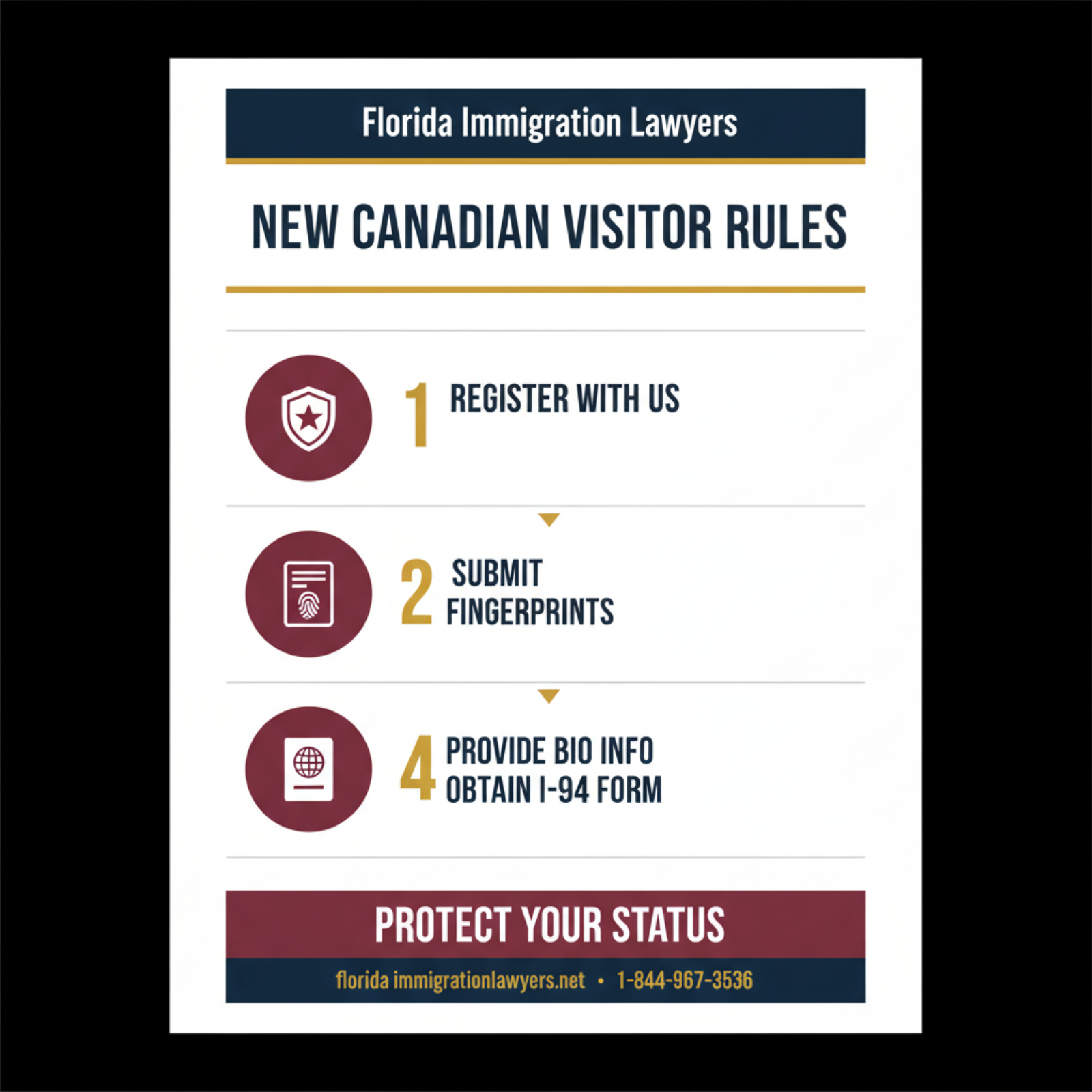
Throughout this process, staying organized and attentive to detail is essential. Even minor errors can lead to delays or refusals, making professional guidance invaluable. For Florida residents, keeping track of these requirements while managing existing U.S. affairs can be complex.
Essential Document Checklist for Canadian Immigration Applicants
A complete and accurate document submission is one of the most critical aspects of any Canadian immigration application. Missing documents or incorrect information can lead to significant delays or even outright refusal. While specific requirements vary by program, here is a general checklist of documents commonly required for Florida residents applying to immigrate to Canada:
- Valid Passport: Ensure your passport is current and has sufficient validity.
- Birth Certificate: A certified copy of your birth certificate.
- Marriage Certificate (if applicable): For married applicants, a certified copy of your marriage certificate.
- Educational Credential Assessment (ECA): For most economic programs, an ECA report from an IRCC-approved organization is required to verify your foreign educational qualifications.
- Language Test Results: Official results from an approved language test (IELTS or CELPIP for English; TEF or TCF for French) demonstrating your proficiency.
- Work Experience Letters: Detailed letters from previous employers, outlining your job title, duties, employment dates, and salary.
- Proof of Funds: Documentation proving you have sufficient funds to support yourself and your family upon arrival in Canada, as required by your chosen program.
- Police Certificates: Criminal record checks from every country or territory where you have lived for six months or more since the age of 18.
- Medical Examination Results: Confirmation of a medical examination conducted by an IRCC-approved panel physician.
- Application Forms and Declarations: All completed and signed application forms specific to your chosen immigration program.
- Digital Photos: Passport-style photographs meeting IRCC specifications.
- Travel History: Records of your previous international travel.
Always refer to the specific document checklist provided by IRCC for your particular program. Gathering these documents can be time-consuming, so start early. Our Florida immigration lawyers can assist you in organizing and reviewing your documentation to ensure compliance.
Timelines and Processing Expectations for Canadian Visa Applications
Understanding the processing times for Canadian visa applications is crucial for planning your move from Florida. These timelines can vary significantly based on the immigration program, the completeness of your application, and the volume of applications received. While IRCC provides estimated processing times, these are not guarantees and can fluctuate.
For instance, Express Entry applications, once an Invitation to Apply (ITA) is received, typically aim for a six-month processing target. However, this period can extend if additional documents are requested or if there are complexities. Provincial Nominee Programs (PNPs) involve two stages: provincial nomination processing and federal processing, each with its own timeline.
Family sponsorship applications also have varying processing times depending on the relationship and where the sponsored individual resides. Study and work permit applications generally have faster processing times, especially if submitted online. It's important to monitor the official IRCC website for the most current processing estimates. Factors like a comprehensive background check or security screening can prolong the wait.
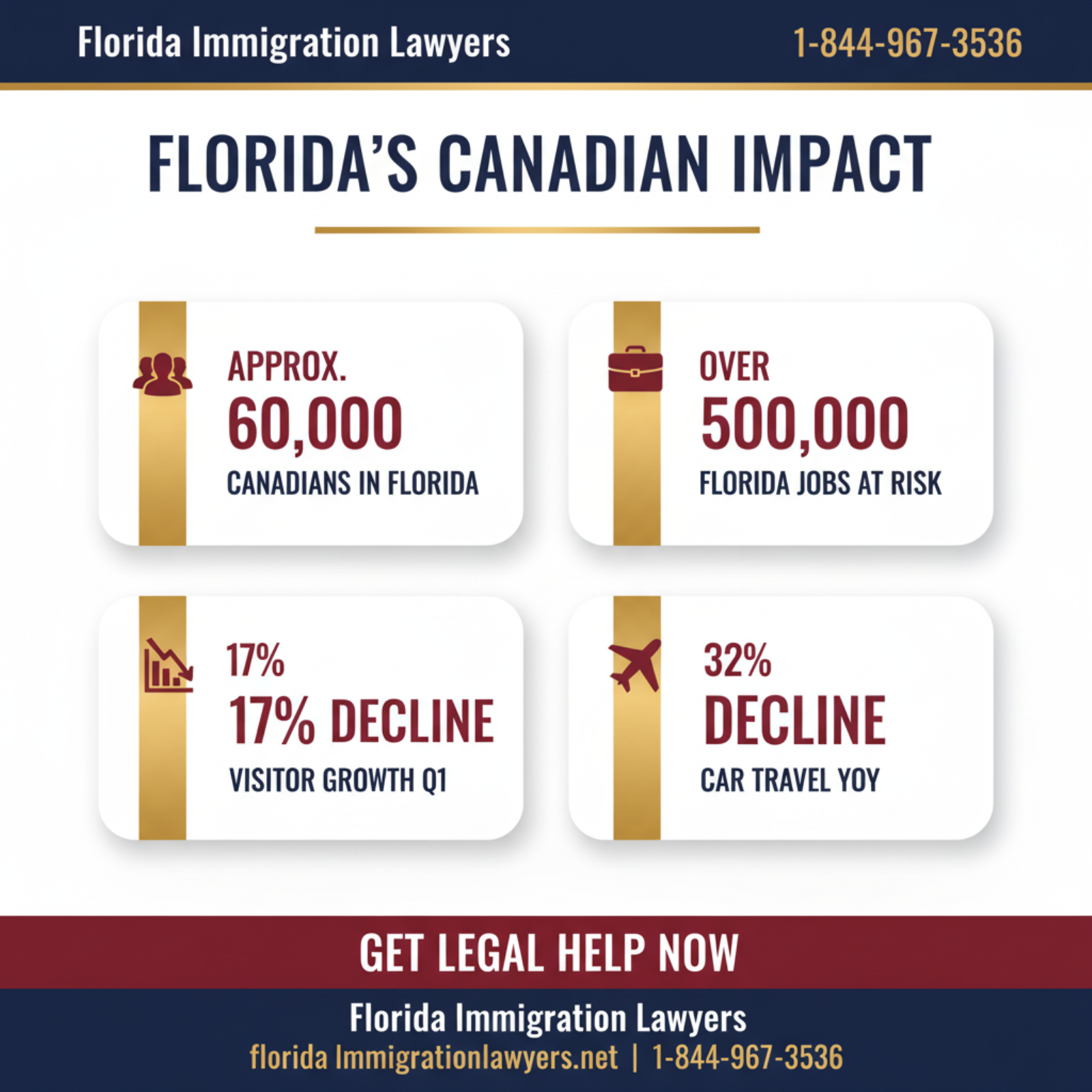
Be prepared for potential delays and maintain realistic expectations. The best way to minimize delays is to submit a thorough, accurate, and complete application from the outset. Any changes to your personal situation or contact information while your application is pending should be promptly communicated to IRCC. Staying informed about any Canada travel restrictions update or Canada Border update today is also important, as these can impact travel plans after approval.
Cost Factors and Fee Breakdown for Canadian Immigration
Immigrating to Canada involves various costs beyond just the application fees. Florida residents should budget carefully for all expenses associated with their Canadian immigration journey. These costs can include government fees, professional services, language tests, educational assessments, and proof of funds requirements.
- Government Processing Fees: These are mandatory fees paid to IRCC for processing your application. Fees vary significantly by program and are subject to change, so always check the official IRCC website for the most current amounts.
- Right of Permanent Residence Fee (RPRF): If you are approved for permanent residency, you will typically need to pay the RPRF, which is a one-time fee.
- Biometrics Fee: A fee is charged for providing your fingerprints and photograph.
- Educational Credential Assessment (ECA) Fees: Fees paid to designated organizations to assess your foreign educational qualifications.
- Language Test Fees: Costs associated with taking approved English or French language proficiency tests (IELTS, CELPIP, TEF, TCF).
- Medical Examination Fees: Fees paid to an IRCC-approved panel physician for your mandatory medical examination. These vary by clinic and location.
- Police Certificate Fees: Costs incurred to obtain police certificates from various countries where you have lived.
- Professional Legal Fees: Engaging a qualified Florida immigration lawyer, like those at Florida Immigration Lawyers, involves legal fees for guidance, application preparation, and representation. While an additional cost, this investment can significantly improve your chances of success and prevent costly mistakes.
- Proof of Funds: For many economic immigration programs, you must demonstrate that you have sufficient funds to support yourself and your family upon arrival. This is not a fee but a required financial capacity.
It is crucial to factor in all these potential expenses when planning your budget. Avoid relying on outdated information for fee amounts, as they are regularly adjusted by the Canadian government. A detailed financial plan will help ensure a smoother transition from Florida to Canada.
Do not navigate this complex immigration process alone. Contact Florida Immigration Lawyers today at 1-844-YO-PELEO to schedule your free consultation. Our experienced team is ready to assist you.
Common Mistakes Florida Residents Make in Canadian Immigration Applications
Applying for Canadian immigration from Florida can be intricate. Many applicants, despite their best intentions, make common errors that can lead to delays or even outright refusal. Avoiding these pitfalls is critical for a successful outcome.
- Incomplete Applications: Submitting an application with missing documents or information is a frequent mistake. IRCC can return incomplete applications without processing them, causing significant delays. Ensure every required field is filled and every document is attached.
- Misrepresenting Information: Providing false or misleading information, whether intentionally or unintentionally, can lead to a finding of misrepresentation. This can result in a ban from entering Canada for several years. Always be truthful and accurate in all submissions.
- Missing Deadlines: Strict deadlines are often associated with various stages of the application process, especially for Express Entry ITAs or requests for additional documents. Failing to meet these deadlines can lead to your application being closed.
- Not Meeting Language Requirements: Many programs require specific scores on approved English or French language tests. Underestimating these requirements or failing to provide valid test results is a common reason for refusal.
- Insufficient Proof of Funds: For economic programs, demonstrating adequate financial resources to support yourself and your family in Canada is mandatory. Not meeting the minimum required amount can lead to rejection.
- Choosing the Wrong Immigration Program: Canada has many programs, each with specific criteria. Applying to a program for which you are not truly eligible wastes time and resources. Seek advice to identify the best fit for your profile.
- Ignoring Medical or Criminal Inadmissibility: Certain medical conditions or past criminal convictions can make an applicant inadmissible to Canada. Failing to address these issues proactively or disclose them can lead to refusal.
- Failure to Update Information: If your personal circumstances change (e.g., marriage, birth of a child, new job) while your application is pending, you must inform IRCC promptly. Failure to do so can jeopardize your application.
- Lack of Professional Guidance: Attempting to navigate the complex Canadian immigration system without legal counsel is a significant risk. An experienced immigration lawyer can prevent errors and strengthen your application.
- Incorrectly Assessing Eligibility: Self-assessing eligibility can be tricky. What you believe qualifies you might not align with IRCC's strict criteria, especially regarding work experience classifications or educational equivalencies.
- Not Understanding Canada Travel Restrictions Update: Travel advisories and border updates, even if temporary, can impact your ability to enter Canada after approval or even attend biometrics appointments. Staying informed is crucial.
- Overlooking Provincial Specific Requirements: If applying through a PNP, applicants often overlook the unique and stringent requirements of the specific province, which differ from federal programs.
When a Florida Immigration Lawyer Can Help with Your Canadian Journey
While some individuals may attempt to manage their Canadian immigration application independently, the complexities of the process often warrant professional legal assistance. For Florida residents, especially those with intricate personal or immigration histories, partnering with an experienced immigration lawyer can be invaluable. Florida Immigration Lawyers offers comprehensive support for your journey north.
You should consider retaining legal counsel if you encounter any of the following scenarios:
- Complex Eligibility Assessment: If your work experience, education, or personal circumstances don't neatly fit into standard program requirements, an attorney can help interpret regulations and identify alternative pathways.
- Previous Refusals or Inadmissibility Issues: If you have had a previous Canadian visa refusal, or if you have concerns about medical or criminal inadmissibility, a lawyer can assess your options and strategize for a stronger reapplication or waiver.
- Changes in Immigration Policy: Immigration laws and policies, including any U.S. travel ban update today or State Department new travel advisory, can change rapidly. An attorney stays current with these updates and advises on their impact on your application.
- Need for Expedited Processing: In certain humanitarian or urgent situations, an attorney can help advocate for expedited processing, although guarantees are never possible.
- Document Collection and Review: Ensuring all documents are correctly gathered, translated, and presented according to IRCC standards is a meticulous task. Our team can meticulously review your entire submission before filing.
- Appeals and Judicial Reviews: If your application is refused, a lawyer can help you understand your options for appeal or judicial review, representing your interests in complex legal proceedings.
- Dual Intent and U.S. Immigration Status: For Florida residents who also hold a U.S. visa or green card, understanding how Canadian immigration affects your U.S. status (managed by USCIS) is critical. A lawyer can advise on maintaining compliance with both countries' laws.
Working with Florida Immigration Lawyers means you have an advocate dedicated to protecting your interests. We understand the specific concerns of Florida residents and are committed to providing clear, effective legal strategies for your Canadian immigration goals. We serve clients across Florida, including Orlando, offering local experience with global reach.
Common Questions About Canada Immigration for Florida Residents
Florida residents often have specific questions when considering immigration to Canada. Here, we address some of the most frequently asked questions to provide clarity and guidance.
Is Canada accepting immigrants from the USA?
Yes, Canada actively welcomes immigrants from the USA and around the world. U.S. citizens and residents are eligible to apply for various Canadian immigration programs, including economic streams like Express Entry, family sponsorship, and temporary permits for study or work. There are no specific restrictions against U.S. applicants; rather, they are assessed based on the same criteria as applicants from other countries.
Why are Canadian snowbirds leaving Florida?
While many Canadian snowbirds still enjoy Florida's warm winters, various factors might lead some to change their patterns. These can include rising costs of living and healthcare in Florida, changes in Canadian tax laws affecting foreign property ownership, or personal preferences for different climates or communities. Economic considerations and personal circumstances often play a significant role in these decisions.
How long can Canadians stay in Florida?
Canadian citizens can generally stay in Florida (and the wider U.S.) as visitors for up to six months without a visa. This period can sometimes be extended by applying to USCIS for an extension of stay. However, overstaying this period without proper authorization can lead to serious immigration consequences. It is essential for Canadians to adhere to U.S. immigration laws during their visits.
Are Canadians moving to Florida?
Historically, Florida has been a popular destination for Canadians, particularly retirees and those seeking warmer climates. While some Canadians are indeed moving to Florida, others are returning to Canada or exploring other destinations due to factors like housing costs or changes in personal situations. Migration patterns are dynamic and influenced by economic, social, and political conditions in both countries. Staying informed about the latest Canada Border update today is important for those traveling frequently.
For detailed information on current travel requirements and advisories for U.S. citizens traveling to Canada, you can visit the U.S. Department of State website.
About Florida Immigration Lawyers
Florida Immigration Lawyers is a law firm dedicated to providing exceptional legal representation to individuals and families throughout Florida. With a deep understanding of complex immigration laws, our team of experienced attorneys is committed to guiding clients through every step of their immigration journey, whether they are seeking opportunities in the U.S. or abroad, including Canada.
We offer a comprehensive range of immigration services, including family-based petitions, employment visas, deportation defense, asylum claims, naturalization, and assistance with international immigration matters. Our firm prides itself on a client-centered approach, offering personalized strategies tailored to your unique situation. We understand that immigration matters are often life-changing, and we approach each case with empathy, diligence, and professionalism.
Why choose Florida Immigration Lawyers? We combine extensive legal knowledge with a compassionate understanding of our clients' needs. Our attorneys are accessible, responsive, and dedicated to achieving the strongest possible outcomes. We are available 24/7 to answer your urgent questions and offer free consultations to discuss your case without obligation. Serving all of Florida, from Hollywood to Miami, Orlando, and Tampa, we are your trusted partners in immigration law.
Contact us today to learn more about how we can assist you. Visit our website at Vasquez Law Firm or call us directly at 1-844-YO-PELEO.
Sources and References
- U.S. Citizenship and Immigration Services (USCIS)
- U.S. Department of State - Canada Travel Information
- Executive Office for Immigration Review (EOIR)
- 8 U.S.C. Chapter 12 - Immigration and Nationality Act (INA)
- 8 CFR (Code of Federal Regulations related to Immigration)
- Immigration, Refugees and Citizenship Canada (IRCC) - The official body governing Canadian immigration.
This article provides general legal information and is not intended as legal advice. Every case is unique, and outcomes depend on specific facts and circumstances. Contact an attorney for advice about your particular situation. Immigration laws are subject to change without notice.
Are you ready to explore your Canadian immigration options from Florida? Don't leave your future to chance. Contact Florida Immigration Lawyers today for a free consultation. Call us at 1-844-YO-PELEO. Se Habla Español - Estamos aquí para ayudarle.
Do Not Navigate This Process Alone
Our experienced immigration attorneys are ready to fight for you. Get a free, confidential case review today.
Se Habla Español
Or leave your details and we’ll call you:
Free Evaluation in 24 Hours
Or talk to us right now
AI voice assistant — available 24/7
FreeFrequently Asked Questions

William J. Vásquez
Founding Attorney · Vasquez Law Firm
U.S. Air Force veteran and immigration attorney with years of hands-on U.S. immigration experience. J.D., NCCU School of Law. AILA member. Admitted to the 4th, 5th, and 11th Circuit Courts.
Available 24/7 - Free Evaluations
Reviewed for legal accuracy by William J. Vásquez
Licensed in North Carolina; U.S. immigration is federal practice.
Related Legal Services
Our Florida immigration attorneys can help you with business immigration, deportation defense and family immigration services. Call today at 1-844-YO-PELEO for a free case review.
Related Links
Related Topics
Free Legal Case Review
Discuss your case with our experienced attorneys. We're available 24/7.
Se Habla Español - Estamos aquí para ayudarle.
Related Articles
EAD Advance Parole Combo Card in Florida: What You Need
An EAD advance parole combo card allows individuals with pending adjustment applications to both work and travel abroad without jeopardizing their green card application. Learn how to apply in Florida, what documents you need, and common mistakes to avoid.
PERM Labor Certification in Florida: A 2026 Guide
Learn all about the PERM labor certification process in Florida, essential for employers sponsoring green card applicants. Understand the steps, document requirements, and common mistakes to avoid in this 2026 guide.
Dual Citizenship Lawyer in Florida: What You Need to Know
For Florida residents, the concept of dual citizenship, or holding two passports, offers a compelling blend of opportunities and challenges. While the U.S. generally permits dual nationality, the path to achieving this status requires a meticulous understanding of both U.S. immigration laws and the citizenship policies of your country of origin. This guide explores the definition of dual citizenship, the detailed step-by-step process for U.S. naturalization, and the significant benefits and potential pitfalls involved. We cover essential documentation, typical timelines, and cost considerations for 2026, providing crucial insights for anyone in Orlando, Miami, or across Florida considering this important legal step. Learn about common mistakes to avoid and understand when to seek professional legal counsel to navigate this complex process successfully. Florida Immigration Lawyers is here to provide expert, bilingual support for your dual citizenship journey.
Immigration Lawyer Orlando Free Consultation in Florida
For individuals and families in Orlando, Florida, navigating the complexities of U.S. immigration law requires expert guidance. An immigration lawyer in Orlando offers crucial support for everything from visa applications and green card processes to naturalization and deportation defense. This comprehensive guide details what a free consultation covers, providing a step-by-step overview of immigration pathways, essential document checklists, and expected timelines in 2026. We also highlight common mistakes to avoid, discuss the critical role of legal counsel in deportation and asylum cases, and explain why choosing a local Orlando immigration attorney is beneficial. Florida Immigration Lawyers is dedicated to serving the diverse community of Orlando with compassionate, effective legal solutions, ensuring you receive personalized advice and robust representation for a successful immigration journey.