Immigration for 2026 Winter Olympics Ice Hockey Athletes...
For international ice hockey athletes, coaches, and staff heading to the 2026 Winter Olympics, navigating U.S. immigration law is a crucial step. Many will train or transit through Florida, requiring specific visas like the P-1 for recognized athletes or the O-1 for extraordinary abilities. This comprehensive guide covers visa options, the step-by-step application process, essential documents, timelines, and cost considerations. Avoid common mistakes and understand when to seek expert legal assistance from a Florida immigration lawyer. Florida Immigration Lawyers offers dedicated support to ensure a smooth journey to your Olympic dreams.

For those involved with the 2026 Winter Olympics ice hockey, including athletes, coaches, and support staff, securing the correct U.S. immigration status is crucial. While the games are in Italy, many individuals may train, transit, or have pre-Olympic events in the U.S., particularly in Florida. This typically involves nonimmigrant visas like the P-1 for internationally recognized athletes or the O-1 for individuals with extraordinary ability. Early preparation and expert legal guidance are essential to ensure compliance and avoid delays.
- P-1 and O-1 visas are primary pathways for Olympic-related personnel.
- Florida serves as a significant hub for international athletes and training.
- The application process requires extensive documentation and specific criteria.
- Starting your visa application early is vital due to processing timelines.
- Consulting an experienced Florida immigration lawyer is highly recommended.
Immigration for 2026 Winter Olympics Ice Hockey Athletes in Florida
The anticipation for the 2026 Winter Olympics in Milano Cortina, Italy, is building. For ice hockey athletes, coaches, and essential support staff, this global event represents the pinnacle of their careers. While the games themselves are in Europe, many international participants will train, travel, or even compete in pre-Olympic events right here in the United States, and often, Florida plays a crucial role in their journey.
Navigating U.S. immigration law can be complex, especially for those on a tight schedule with demanding athletic commitments. Whether you are an elite athlete, a dedicated coach, or a vital member of a support team, understanding your visa options and the application process is paramount to ensuring a smooth path to the 2026 Winter Olympics.
At Florida Immigration Lawyers, we understand the unique challenges faced by international sports professionals. Our firm is dedicated to providing comprehensive immigration solutions for those contributing to the world of athletics. Don't let immigration hurdles stand between you and your Olympic dreams. Call Florida Immigration Lawyers at 1-844-967-3536 for a free consultation and let our experienced team guide you through every step.
Navigating Immigration for 2026 Winter Olympics Ice Hockey Professionals in Florida
Florida, known for its vibrant sports culture and international accessibility, often serves as a temporary home or transit point for athletes from around the globe. For those involved with 2026 Winter Olympics ice hockey, this means potential training camps, exhibition games, or even just connecting flights through major Florida airports. Understanding the specific immigration pathways is critical for any international participant.
The U.S. immigration system offers several nonimmigrant visa categories designed for individuals with extraordinary abilities or those participating in internationally recognized events. These categories are particularly relevant for athletes and their essential support personnel. Our goal is to help you identify the most appropriate visa for your situation and streamline your application.
Even if your final destination for the 2026 Winter Olympics is Italy, your journey might include significant time in the U.S. It is essential to secure the correct visa to avoid any complications, such as visa overstays or unauthorized employment, which could jeopardize future U.S. travel or even participation in the games.
For residents of Hialeah and surrounding Florida communities, accessing expert immigration advice is crucial. Our firm is deeply familiar with the local context, including the processes at the USCIS Field Office in Miami and relevant immigration courts. We are here to provide tailored assistance.
Key Visa Options for Olympic Athletes and Support Staff
For international athletes and their essential support personnel looking to enter the U.S. in connection with the 2026 Winter Olympics ice hockey, specific nonimmigrant visas are typically required. The most common options include the P-1 visa for internationally recognized athletes and the O-1 visa for individuals with extraordinary ability.
The P-1 Visa: Internationally Recognized Athletes
The P-1 visa requirements are designed for individual athletes or teams who are internationally recognized for their achievements in a specific sport. This visa category allows them to come to the U.S. temporarily to participate in competitions or performances. For ice hockey players and teams, this is often the most direct route.
To qualify for a P-1 visa, you must demonstrate a sustained level of international recognition in your sport. This typically involves providing evidence of significant achievements, such as international rankings, awards, or participation in major league competitions. Essential support personnel, like coaches and trainers, may also be included under a P-1S visa, provided they are integral to the athlete's performance.
The petition for a P-1 visa, Form I-129, is filed by a U.S. employer, sponsoring organization, or agent on behalf of the athlete or team. This petition must include a consultation with an appropriate labor organization, which helps ensure that the employment of foreign athletes will not adversely affect U.S. workers. The Immigration and Nationality Act (INA) section 101(a)(15)(P)(i) outlines these provisions.
The O-1 Visa: Individuals with Extraordinary Ability
The O-1 visa extraordinary ability category is for individuals who possess extraordinary ability in the sciences, arts, education, business, or athletics. This visa is typically sought by athletes who have reached the very top of their field and can demonstrate sustained national or international acclaim. It requires a higher standard of proof than the P-1 visa.
To qualify for an O-1 visa, an athlete must provide extensive documentation proving extraordinary ability. This can include evidence of receiving major internationally recognized awards, media recognition, high salaries, or critical roles in distinguished organizations. Like the P-1, a U.S. employer or agent must file Form I-129 on the athlete's behalf, and a consultation with a peer group or labor organization is generally required.
While both P-1 and O-1 visas are options for 2026 Winter Olympics immigration, the O-1 visa is often pursued by individual athletes whose accomplishments transcend typical team recognition. Your Florida immigration attorney can help you determine which category best suits your unique profile and achievements.
Other Potential Visas (B-1/B-2, H-2B)
In some cases, individuals connected to the 2026 Winter Olympics might consider other visa types. For short visits, such as scouts attending a tryout or media personnel covering a pre-Olympic event, a B-1 (Business Visitor) visa might be appropriate. However, B-1 visa holders generally cannot receive payment from a U.S. source for their services.
The H-2B visa, for temporary non-agricultural workers, might apply to certain event support staff not directly involved in athletic performance. However, this visa has strict requirements, including a temporary need and a labor certification. It's crucial to understand that each visa category has specific limitations and eligibility criteria that must be met.
Step-by-Step Guide to Securing Your Athlete Visa for the Olympics
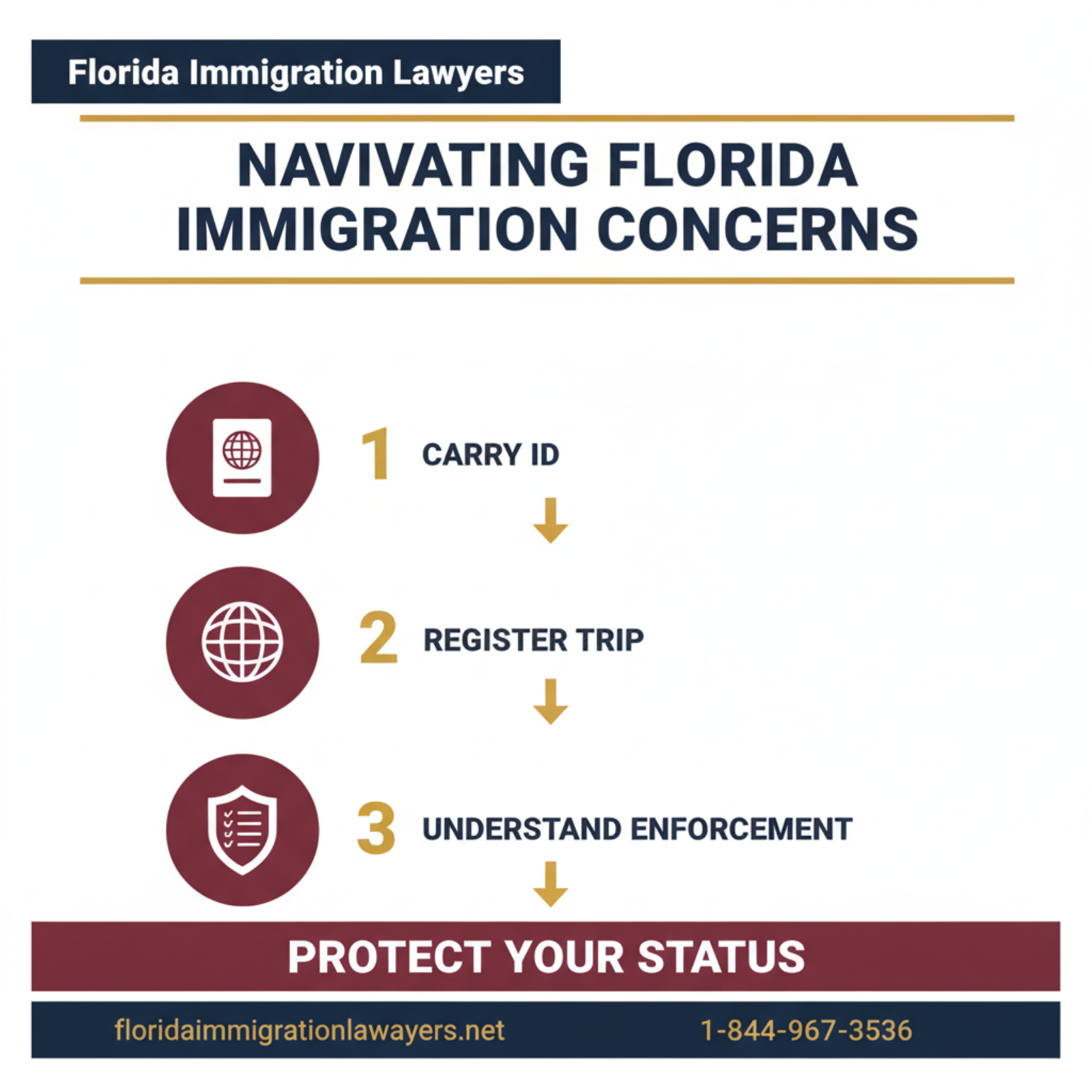
Securing an athlete visa USA for participation or support related to the 2026 Winter Olympics ice hockey involves a structured application process. Adhering to each step carefully is essential for a successful outcome. Our firm, Florida Immigration Lawyers, can guide you through this journey.
-
Determine Eligibility and Visa Type: Your first step is to assess which visa category, typically P-1 or O-1, best fits your situation. This involves a thorough review of your athletic achievements, professional roles, and the nature of your visit to the U.S. An experienced immigration lawyer can provide a crucial initial assessment.
-
Obtain an Official Sponsorship/Petition: For most athlete visas, a U.S. employer, organization, or agent must file a petition on your behalf. This sponsor will be responsible for filing Form I-129 with U.S. Citizenship and Immigration Services (USCIS). They must demonstrate a legitimate need for your services and provide supporting documentation.
-
File Form I-129, Petition for a Nonimmigrant Worker, with USCIS: The U.S. sponsor submits Form I-129, along with all required evidence and the appropriate filing fee, to USCIS. This package must include detailed evidence of your international recognition or extraordinary ability, contracts, itineraries, and required consultations. USCIS regulations can be found in 8 CFR Part 214.
-
Attend Biometrics Appointment (if applicable): Depending on your location and prior immigration history, you may be required to attend a biometrics appointment at a local Application Support Center (ASC) in the U.S. or at a consulate abroad. This involves providing fingerprints and photographs for background checks.
Step-by-Step Process Guide -
Attend Visa Interview at a U.S. Embassy/Consulate Abroad: Once USCIS approves the I-129 petition, you will typically apply for the visa stamp at a U.S. embassy or consulate in your home country. This involves completing the DS-160 online application, paying the visa fee, and attending an in-person interview. During the interview, a consular officer will verify your eligibility and intent.
-
Receive Visa and Enter the U.S.: If your interview is successful, your passport will be stamped with the appropriate visa. You can then travel to the U.S. and present your visa and passport at the port of entry. Customs and Border Protection (CBP) officers will make the final decision on your admission and duration of stay.
-
Maintain Status: Once in the U.S., it is vital to adhere to the terms of your visa. This includes participating only in authorized activities, departing the U.S. by your authorized date, and not overstaying. Failure to maintain your status can lead to future immigration difficulties.
Essential Document Checklist for Olympic-Related Visas
Preparing a comprehensive set of documents is crucial for any 2026 Winter Olympics immigration application. This checklist outlines the typical documents required for P-1 or O-1 athlete visas USA. Please note that specific requirements may vary based on individual circumstances and the visa category.
- Passport valid for at least six months beyond your intended period of stay in the U.S.
- Printed confirmation page of the online Nonimmigrant Visa Application (Form DS-160).
- One recent passport-style photograph meeting U.S. Department of State requirements.
- The original or a copy of your Form I-129, Petition for a Nonimmigrant Worker, approval notice (Form I-797).
- Evidence of international recognition or extraordinary ability in your sport. This may include:
- Awards, medals, or trophies from international competitions.
- Contracts with major sports leagues, teams, or federations.
- Letters from sports organizations, national Olympic committees, or recognized experts detailing your achievements.
- Copies of articles, publications, or media coverage about your accomplishments.
- Evidence of high salary or other substantial remuneration for services.
- A detailed itinerary of your activities and events in the U.S. related to the 2026 Winter Olympics ice hockey.
- Letters of support from U.S. sponsoring organizations, teams, or agents.
- Evidence of your intent to depart the U.S. after your authorized period of stay, such as property ownership in your home country or family ties.
- For essential support personnel (P-1S, O-2), letters from the athlete/team and experts explaining the critical nature of your skills and experience.
Timeline and Processing Expectations for 2026 Winter Olympics Visas
The processing times for P-1 and O-1 athlete visas USA can vary significantly. Given that the 2026 Winter Olympics are approaching, starting your immigration process well in advance is not just recommended, it is essential. Delays are common and can impact your ability to participate.
For the initial Form I-129 petition filed with USCIS, standard processing can take several months, sometimes up to a year or more, depending on the service center workload. However, premium processing is available for an additional fee, which guarantees USCIS action on the petition within 15 calendar days. This option is often critical for time-sensitive events like the 2026 Winter Olympics ice hockey.
Once the I-129 petition is approved, the next step is consular processing at a U.S. embassy or consulate abroad. Appointment wait times for interviews can range from a few days to several weeks or even months, depending on the specific consulate and time of year. After the interview, administrative processing can add further delays in some cases.
It is advisable to begin the entire process at least 9-12 months before your anticipated travel date, especially if you are not utilizing premium processing. For those in Hialeah and across Florida, our immigration team can help manage these timelines and strategize the most efficient path forward for your 2026 Winter Olympics immigration needs.
Cost Factors and Fee Breakdown for Immigration Applications
Understanding the financial aspects of securing an athlete visa USA is an important part of the planning process. While specific fee amounts are subject to change and should always be verified on the official USCIS and Department of State websites, several categories of costs are typically involved in 2026 Winter Olympics immigration applications.
The primary costs include USCIS filing fees for Form I-129. If premium processing is elected, an additional fee will be required to expedite the petition's review. These fees are paid directly to USCIS by the petitioner.
Separate from USCIS fees are the visa application fees paid to the U.S. Department of State for consular processing. These fees are typically paid by the applicant at the time of the DS-160 application or before the interview. It is important to account for these distinct fee structures.
Beyond government fees, applicants should budget for legal consultation and representation fees from an experienced Florida immigration lawyer. These fees cover the preparation of petitions, compilation of evidence, communication with government agencies, and guidance throughout the entire process. While an investment, legal expertise can save significant time and prevent costly errors.
Additional potential costs may include translation services for foreign language documents, travel expenses for interviews, and any required medical examinations. Always consult the most current fee schedules on USCIS.gov and travel.state.gov.
Do not navigate this complex immigration process alone. Contact Florida Immigration Lawyers today for dedicated support and clear guidance on your 2026 Winter Olympics immigration journey.
Common Mistakes to Avoid in Your Olympic Visa Application
Applying for an athlete visa USA, especially under the pressure of upcoming events like the 2026 Winter Olympics ice hockey, can lead to critical errors if not handled carefully. Avoiding these common mistakes can significantly increase your chances of a successful outcome.
-
Failing to Start Early: Waiting until the last minute is perhaps the most frequent and detrimental error. Immigration processing takes time, and delays can jeopardize your participation. Start your application process as soon as possible to allow ample time for unforeseen issues.
-
Applying for the Incorrect Visa Category: Choosing the wrong visa type (e.g., B-1 instead of P-1 or O-1) can lead to immediate denial and wasted time and money. Each category has distinct requirements that must be precisely met.
-
Submitting Incomplete Documentation: Missing even a single required document or piece of evidence can result in a Request for Evidence (RFE) from USCIS, significantly delaying your case, or even a denial. Ensure all forms are filled completely and accurately.
-
Misrepresenting Information: Providing false or misleading information on your application can lead to severe consequences, including permanent bars from entering the U.S. Always be truthful and accurate in all submissions.
-
Lack of Strong Evidence of International Acclaim: For P-1 and O-1 visas, demonstrating your international recognition or extraordinary ability is paramount. Insufficient or weak evidence will likely lead to a denial. Provide compelling proof of your achievements.
-
Ignoring Previous Immigration Issues: Any past visa overstays, denials, or criminal history must be disclosed and addressed. Attempting to hide these issues will inevitably create larger problems later in the process.
-
Not Demonstrating Intent to Depart: As nonimmigrant visas are temporary, applicants must convince the consular officer that they intend to return to their home country after their authorized stay. Failing to show strong ties abroad can lead to denial.
-
Poorly Prepared for the Visa Interview: The interview is your opportunity to clarify your application. Being unprepared, unable to articulate your purpose of visit, or providing inconsistent information can result in a denial.
-
Assuming Automatic Qualification: Even highly accomplished athletes must meet specific legal criteria. Do not assume your fame or skill guarantees visa approval without a meticulously prepared application.
-
Failing to Consult a Qualified Immigration Attorney: Navigating complex immigration laws without expert guidance is a major risk. An experienced Florida immigration lawyer can identify potential pitfalls, strengthen your application, and advocate on your behalf.
When to Call Florida Immigration Lawyers for Assistance
The journey to the 2026 Winter Olympics ice hockey stage is arduous enough without the added stress of immigration complexities. Knowing when to seek legal counsel is crucial for athletes, coaches, and support staff, particularly those with ties to Florida.
You should contact Florida Immigration Lawyers if your situation involves any of the following:
- Complex Eligibility Questions: If you are unsure whether you qualify for a P-1, O-1, or another visa category, our attorneys can provide a clear assessment based on your unique profile.
- Tight Deadlines: With the Olympics on the horizon, time is of the essence. We can help you strategize the most efficient application timeline, including premium processing options.
- Previous Visa Denials or Immigration Issues: If you have a history of visa denials, overstays, or any other immigration-related problems, navigating the process without legal help is extremely risky. We specialize in addressing these challenges.
- Need for Strong Documentation and Evidence: Our team excels at compiling compelling evidence packages that effectively demonstrate international recognition or extraordinary ability, which is vital for P-1 and O-1 visas.
- Sponsorship by a U.S. Organization: If a U.S. team, agent, or organization is sponsoring your visa, we can assist them in fulfilling their petitioner responsibilities and preparing a robust I-129 petition.
- Concerns About Maintaining Status: Once in the U.S., understanding and adhering to your visa terms is critical. We can advise you on compliance to avoid future immigration problems.
- Living in or Training in Florida: As a leading Florida immigration lawyer firm, we understand the specific local nuances and resources, including the USCIS offices and processes relevant to Hialeah and other Florida communities.
Don't leave your Olympic dreams to chance. Our dedicated team at Florida Immigration Lawyers is ready to provide the expert guidance and support you need to successfully navigate the U.S. immigration system. We are committed to helping you focus on your performance, not your paperwork.
About Florida Immigration Lawyers
Florida Immigration Lawyers is a premier law firm dedicated to providing exceptional immigration legal services across the entire state of Florida. With a deep understanding of complex U.S. immigration laws, our experienced attorneys are committed to guiding individuals, families, and businesses through every step of their immigration journey.
We offer a comprehensive range of services, including family-based petitions, employment visas, deportation defense, asylum claims, citizenship applications, and more. Our firm prides itself on its compassionate approach, personalized attention, and unwavering dedication to achieving the best possible outcomes for our clients.
Choosing Florida Immigration Lawyers means partnering with a team that values integrity, communication, and results. We leverage our extensive knowledge and resources to provide strategic and effective legal solutions. Our attorneys are available 24/7 to address your urgent concerns and offer free, confidential consultations to discuss your specific needs.
Contact us today to experience the difference of having a trusted legal advocate by your side. Visit our website at https://www.floridaimmigrationlawyers.net or call us directly at 1-844-967-3536. We are here to serve all of Florida, ensuring that expert legal help is always within reach.
Sources and References
- U.S. Citizenship and Immigration Services (USCIS)
- U.S. Department of State - Bureau of Consular Affairs
- Executive Office for Immigration Review (EOIR)
- 8 U.S.C. Chapter 12 - Immigration and Nationality Act (INA)
- INA Section 101(a)(15)(P)(i) - Definition of P-1 Nonimmigrant
- INA Section 101(a)(15)(O)(i) - Definition of O-1 Nonimmigrant
- 8 CFR Part 214 - Nonimmigrant Classes
This article provides general legal information and is not intended as legal advice. Every case is unique, and outcomes depend on specific facts and circumstances. Contact an attorney for advice about your particular situation.
The journey to the 2026 Winter Olympics ice hockey stage is a once-in-a-lifetime opportunity. Ensure your immigration path is as clear as your athletic goals. For personalized guidance and expert legal representation, reach out to Florida Immigration Lawyers today.
Call us now at 1-844-967-3536 for a free consultation. Se Habla Español - Estamos aquí para ayudarle.
Do Not Navigate This Process Alone
Our experienced immigration attorneys are ready to fight for you. Get a free, confidential consultation today.
Se Habla Español
Frequently Asked Questions
Florida Immigration Lawyers
Immigration Attorney | Founder, Vasquez Law Firm
U.S. Air Force veteran and immigration attorney with thousands of cases resolved. J.D., NCCU School of Law. AILA member. Admitted to the 4th, 5th, and 11th Circuit Courts.
Available 24/7 - Free Evaluations
Related Legal Services
Our Florida immigration attorneys can help you with citizenship and naturalization, family immigration services and immigration practice areas. Call today at 1-844-967-3536 for a free consultation.
Related Links
Related Topics
Free Legal Consultation
Discuss your case with our experienced attorneys. We're available 24/7.
Se Habla Español - Estamos aquí para ayudarle.
Related Articles
OPT STEM Extension for Florida Graduates | VLF Florida
Explore the OPT STEM extension for Florida's STEM graduates. Understand eligibility, application steps, and common pitfalls. Call 1-844-967-3536 for a consultation.
Motion to Reopen Immigration Case in Florida | VLF Florida
Understanding how to file a motion to reopen an immigration case in Florida can be critical if facing deportation. Learn the process, avoid common pitfalls, and know when to seek legal help. Contact Florida Immigration Lawyers for a free consultation.
Immigration Attorney in West Palm Beach | VLF Florida
Facing immigration challenges in West Palm Beach? Our team at Florida Immigration Lawyers is here to help. Learn about the role of an immigration attorney, steps to hire one, and common pitfalls to avoid. Call 1-844-967-3536 for a free consultation.
Green Card Renewal Process in Florida | VLF Florida
Renew your green card smoothly in Florida by following our comprehensive guide. Understand the process, avoid common pitfalls, and know when to seek legal help. Contact Florida Immigration Lawyers at 1-844-967-3536 for assistance.