USC Department of Public Safety: Public Charge Rule
Learn how the public charge rule affects Florida immigrants in 2026, particularly in Jacksonville. Explore benefits, inadmissibility, and get guidance from Florida Immigration Lawyers.
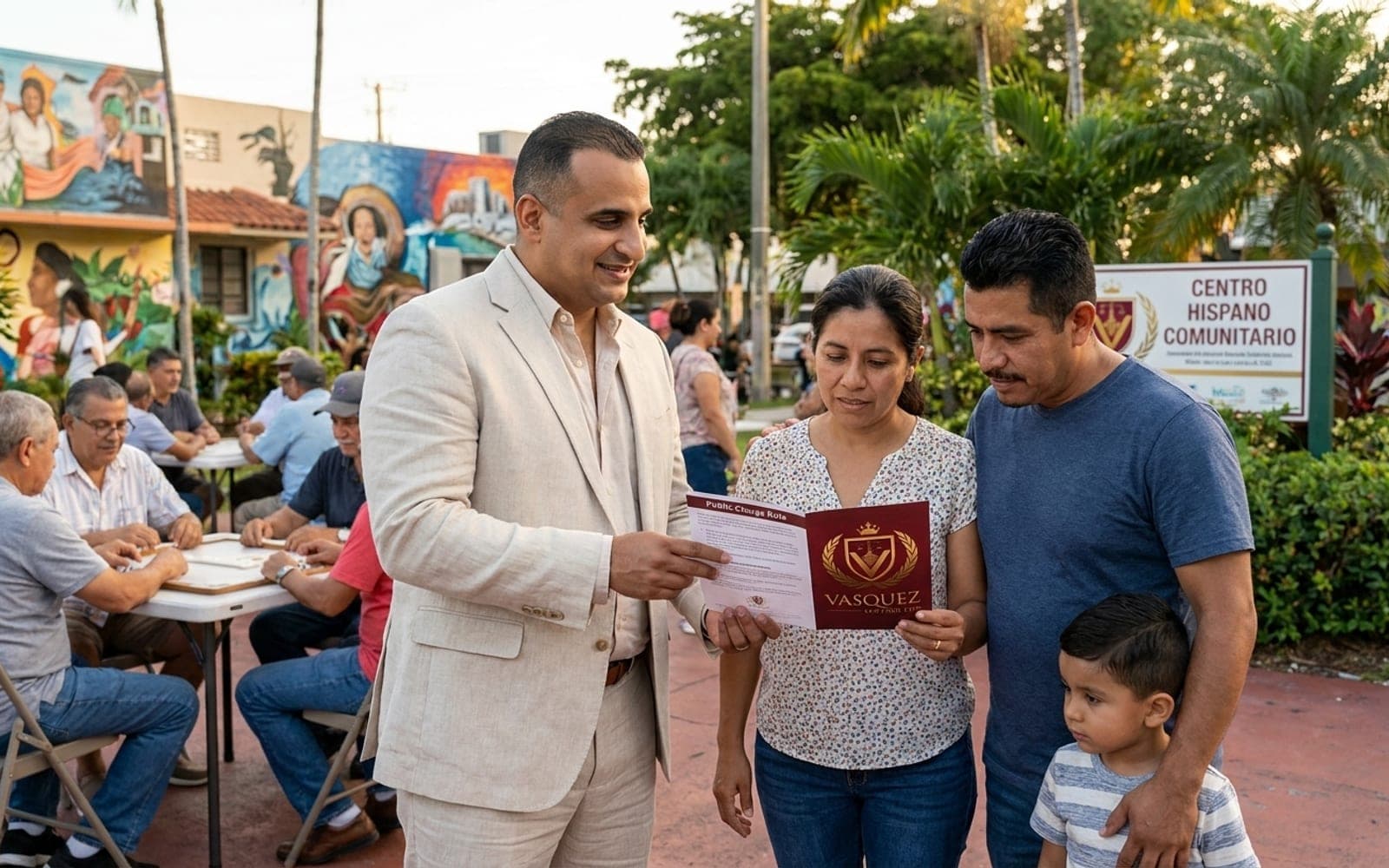
What is the Public Charge Rule?
The public charge rule evaluates if an immigrant applying for admission or adjustment of status is likely to become dependent on government assistance. As of 2026, this rule considers several factors, including age, health, family status, income, resources, and education.
In Florida, this rule affects many immigrants, especially those applying for green cards or visas. The rule assesses the likelihood of an immigrant becoming a public charge based on the receipt of certain public benefits such as Supplemental Security Income (SSI) and Temporary Assistance for Needy Families (TANF).
A critical component of the public charge assessment is the 'totality of the circumstances' test. This means USCIS officers don't just look at one factor in isolation but evaluate all relevant aspects of an applicant's life. This comprehensive review includes their current financial status, assets, liabilities, employment history, and any affidavits of support (Form I-864) submitted on their behalf. For instance, a young, healthy applicant with strong job prospects and a robust affidavit of support from a U.S. citizen relative would likely fare better than an elderly applicant with significant health issues and no clear means of financial support.
It's equally important to understand which benefits are NOT considered under the public charge rule. Many immigrants, out of fear, avoid using essential services. Benefits that are generally NOT considered in a public charge determination include emergency medical care, disaster relief, nutrition programs like WIC and school lunch programs, housing assistance, child care services, and immunizations or testing for communicable diseases. Knowing this distinction is vital for immigrant families in Florida to access necessary support without jeopardizing their immigration future. If you're unsure about a specific benefit, it's always best to consult with Florida Immigration Lawyers.
How Does the Public Charge Rule Affect Florida Immigrants?
The public charge rule impacts immigrants in Florida by determining their eligibility for certain immigration benefits. In Jacksonville, where a significant immigrant community resides, staying informed about these regulations is crucial.
Florida's socio-economic landscape and the availability of public benefits can influence the application of the public charge rule. Immigrants should be aware that using benefits like Medicaid and housing assistance might affect their admissibility under this rule.
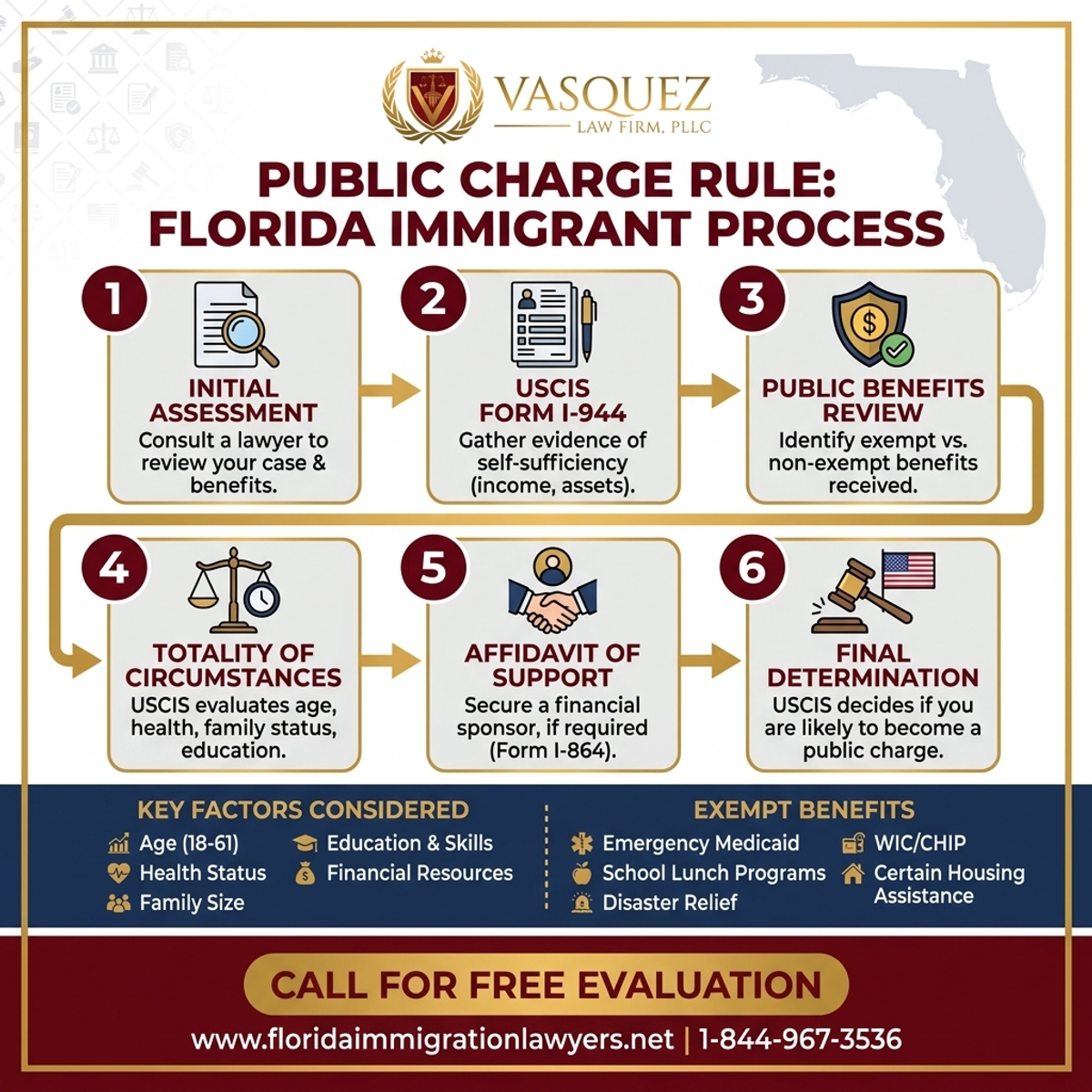
Step-by-Step Process — USC Department of Public Safety: Public Charge Rule for Florida Immigrants
Consider a hypothetical scenario: Maria, an immigrant in Orlando, is applying for her green card. She has a stable job but, during a brief period of unemployment a few years ago, she received TANF benefits. While she is now financially stable, this past usage will be a factor in her public charge assessment. Her attorney at Florida Immigration Lawyers would help her gather extensive documentation of her current employment, assets, and an affidavit of support from her U.S. citizen husband to demonstrate her self-sufficiency and mitigate the impact of past benefit usage.
The psychological impact of the public charge rule on Florida's immigrant communities cannot be overstated. Many individuals and families, out of fear of jeopardizing their immigration status, may forgo critical medical care, food assistance, or housing aid, even when they are eligible for benefits not considered under the rule. This 'chilling effect' can have severe consequences for public health and well-being. It underscores the importance of accurate information and reliable legal counsel from experienced professionals like Florida Immigration Lawyers, who can clarify what truly impacts an application versus what does not.
To ensure compliance, Florida immigrants should consult with legal experts to understand how these rules apply to their specific circumstances. Proactive planning and a thorough understanding of your financial situation, coupled with legal guidance, are essential to successfully navigate the U.S. immigration system and achieve your American dream.
Steps to Avoid Public Charge Inadmissibility
Proactively addressing potential public charge concerns is paramount for any immigrant pursuing a visa or green card. By taking deliberate steps, you can significantly strengthen your application and demonstrate your commitment to self-sufficiency in the United States.
- Assess Your Eligibility: Evaluate your financial situation and public benefit usage before applying for a visa or green card. This involves a thorough review of your income, assets, and any past or current receipt of public assistance. Understanding your current standing allows you to identify potential weak points and address them proactively.
- Gather Documentation: Compile all necessary documents showing self-sufficiency, including tax returns, employment records, and asset statements. The more comprehensive and organized your documentation, the clearer picture you present to immigration officials about your financial independence. This also includes any documentation proving private health insurance coverage.
- Seek Legal Advice: Consult with an immigration lawyer to understand your options and potential risks. An experienced attorney, such as those at Florida Immigration Lawyers, can analyze your unique circumstances, identify any red flags, and advise on the best strategy to present your case. This includes helping you understand the nuances of the 'totality of circumstances' test.
- Submit a Strong Application: Ensure your application clearly demonstrates financial independence. This means presenting a well-organized, thoroughly documented case that highlights your education, skills, employment history, and financial resources. A strong application leaves little room for doubt regarding your ability to support yourself and your family.
- Stay Informed: Keep up with changes in immigration policy that might affect the public charge rule. Immigration laws are dynamic, and staying abreast of the latest updates is crucial. Subscribing to reputable legal news sources or regularly consulting with your immigration attorney can help you remain informed and adapt your strategy as needed.
Implementing these steps with diligence and the guidance of an expert can significantly enhance your chances of a successful outcome. Remember, the goal is to present a clear and compelling case of self-sufficiency.
Document Checklist for Florida Immigrants
A comprehensive collection of supporting documents is critical to demonstrate your financial independence and address public charge concerns. These documents serve as tangible evidence of your ability to support yourself and your family without relying on government assistance.
- Proof of income (tax returns, pay stubs)
- Health insurance documentation
- Employment verification
- Asset statements (bank accounts, property ownership)
- Educational qualifications
Beyond these, consider including proof of any specialized skills or professional licenses, evidence of investments, or even letters from employers attesting to your strong work ethic and potential for advancement. For those with sponsors, a meticulously prepared Form I-864, Affidavit of Support, along with the sponsor's financial documentation, is indispensable.
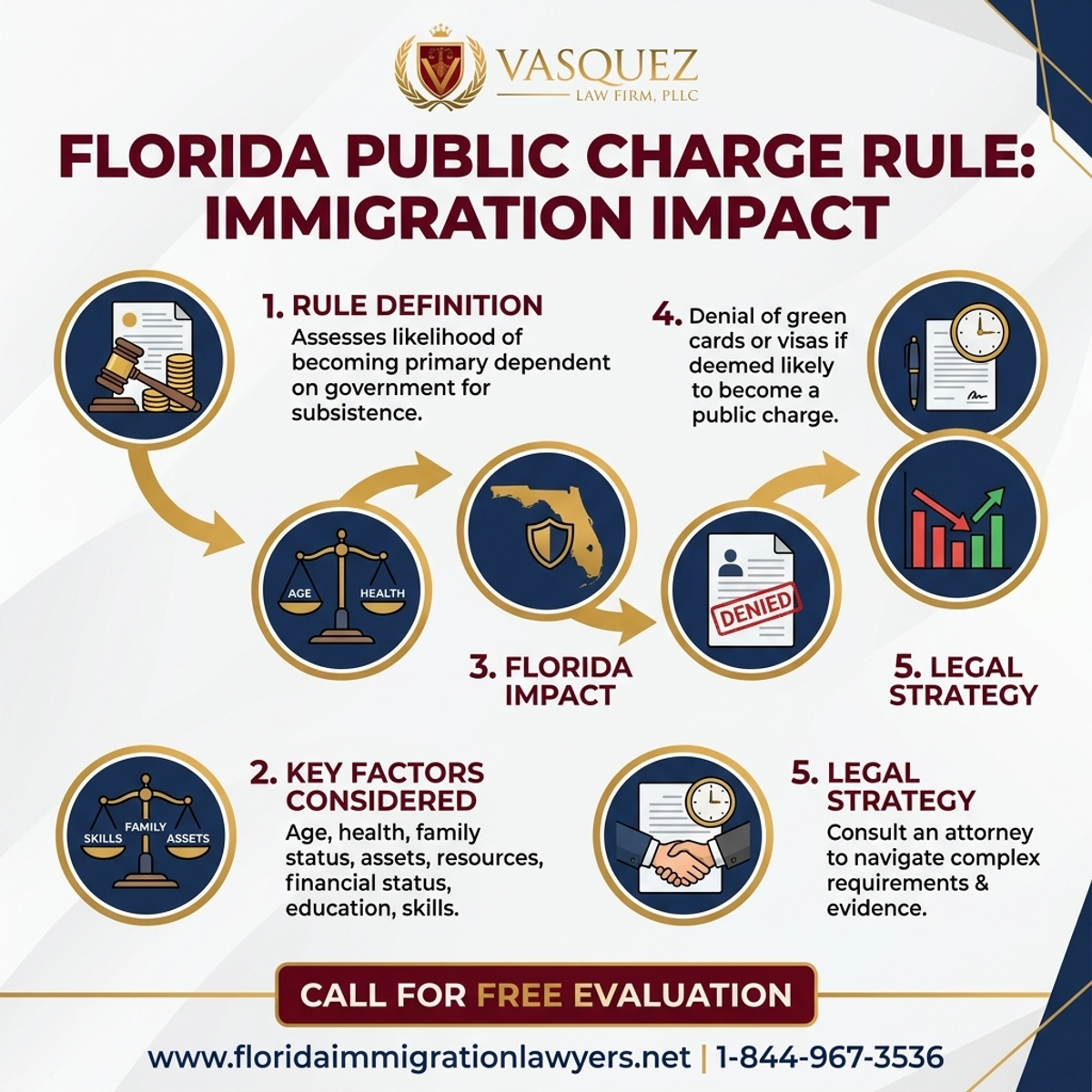
Key Statistics — USC Department of Public Safety: Public Charge Rule for Florida Immigrants
Timeline and Processing Expectations
Understanding the general timeline for immigration applications, particularly those involving public charge assessments, can help manage expectations and reduce anxiety. While individual cases vary, a typical progression involves several key stages.
| Stage | Typical Timeframe | Notes |
|---|---|---|
| Initial Consultation | 1-2 weeks | Schedule with a lawyer |
| Document Preparation | 2-4 weeks | Gather and organize documents |
| Application Submission | 1 week | Submit to USCIS |
| Processing | 3-6 months | Varies based on case specifics |
| Interview | 4-8 weeks post-processing | Prepare thoroughly |
It's important to note that these timeframes are estimates. Factors such as USCIS caseloads, the complexity of your case, the accuracy of your submitted documents, and whether a Request for Evidence (RFE) is issued can all significantly impact the overall processing time. Maintaining open communication with your legal team at Florida Immigration Lawyers can help you stay updated on your application's status.
Cost Factors and Fee Breakdown
The financial aspect of the immigration process is a significant consideration for many families. Understanding the potential costs involved, from filing fees to legal services, allows for better financial planning and ensures you are prepared for each stage.
| Item | Typical Fee | Notes |
|---|---|---|
| Consultation Fee | Varies | First consultation often free |
| Application Filing | Varies | Depends on application type |
| Legal Fees | Varies | Based on case complexity |
| Document Translation | Varies | Required if not in English |
While the initial costs might seem daunting, viewing legal fees as an investment in your future immigration success is crucial. Attempting to navigate the complexities of public charge rules without professional guidance can lead to costly errors, delays, or even denials, which may incur even greater expenses in the long run. Florida Immigration Lawyers offers transparent fee structures and can discuss payment options during your free consultation at 1-844-YO-PELEO.
Do not navigate this process alone. Contact Florida Immigration Lawyers today.
Common Mistakes to Avoid
Errors in the immigration process, especially concerning the public charge rule, can lead to significant delays or even denial of your application. Being aware of these common pitfalls can help you steer clear of them.
- Failing to Understand Public Charge Criteria: Not knowing which benefits affect your status can lead to denial.
- Incomplete Documentation: Missing documents can delay or jeopardize your application.
- Misinterpreting Financial Requirements: Incorrect assumptions about income thresholds and asset requirements.
- Not Seeking Legal Advice: Attempting to navigate complex rules without professional help can result in mistakes.
- Ignoring Policy Changes: Failing to stay updated on immigration policy changes can lead to unexpected issues.
- Submitting Inaccurate Information: Errors in your application can result in denial.
- Overlooking Health and Insurance Requirements: Lack of proper health coverage can impact your application.
- Delaying Application Submission: Procrastination can lead to missed deadlines.
- Improper Benefit Usage: Using restricted benefits without understanding consequences can harm your case.
- Assuming All Benefits Affect Status: Not all benefits impact your immigration status under the public charge rule.
One of the most frequent mistakes is the 'chilling effect,' where immigrants avoid using any public benefit out of fear, even those that are not considered for public charge determinations. This can lead to serious health or financial hardships that are entirely avoidable. Another critical error is providing inconsistent information across different forms or during interviews. USCIS officers are trained to identify discrepancies, and even minor inconsistencies can raise red flags, leading to requests for evidence or further scrutiny. Always ensure all information is accurate and consistent.
When to Call a Lawyer
Specific scenarios such as receiving public benefits, changes in financial status, or policy updates warrant consultation with a legal expert. Florida Immigration Lawyers can help you understand your rights and options, ensuring you are well-prepared for your immigration journey.
You should immediately consider contacting an immigration attorney if you have ever received public benefits, regardless of how minor or how long ago. Even if you believe you are financially stable now, past benefit usage can complicate your case. Similarly, if you are experiencing significant changes in your financial situation, such as job loss, a new dependent, or a substantial medical expense, a lawyer can help you strategize how to present your case most effectively.
Furthermore, if you receive a Request for Evidence (RFE) from USCIS regarding public charge concerns, it is a strong indicator that your application requires immediate legal attention. An attorney can help you understand the RFE, gather the necessary documentation, and formulate a comprehensive and compelling response. Don't wait until issues escalate; proactive engagement with Florida Immigration Lawyers at 1-844-YO-PELEO can save you time, stress, and potential denial.
Frequently Asked Questions About the Public Charge Rule
Understanding the public charge rule can be complex, and many immigrants have specific questions about how it applies to their unique situations. Here are answers to some of the most common inquiries, offering practical advice.
About Florida Immigration Lawyers
Florida Immigration Lawyers provides legal services to immigrants across Florida. Our team is dedicated to helping you navigate complex immigration laws and achieve your goals. Contact us at 1-844-YO-PELEO or visit our website for a free consultation. Available 24/7, we serve all of Florida with bilingual services.
Sources and References
- U.S. Citizenship and Immigration Services (USCIS)
- Executive Office for Immigration Review (EOIR)
- 8 U.S.C. Chapter 12 - Immigration and Nationality Act
Related services: immigration practice areas, family immigration services, citizenship and naturalization.
This article provides general legal information and is not intended as legal advice. Every case is unique, and outcomes depend on specific facts and circumstances. Contact an attorney for advice about your particular situation.
Contact Florida Immigration Lawyers at 1-844-YO-PELEO for a free consultation. Se Habla Espanol - Estamos aqui para ayudarle.
If you need legal assistance, learn more about experienced immigration attorneys in Orlando, or call us at 1-844-YO-PELEO for a free consultation.
Do Not Navigate This Process Alone
Our experienced immigration attorneys are ready to fight for you. Get a free, confidential case review today.
Se Habla Español
Or leave your details and we’ll call you:
We will call you back within 24 hours
Free evaluation · Private and confidential · Se habla español
Helping Florida immigrant families since 2011
Or talk to us right now
AI voice assistant — available 24/7
FreeFrequently Asked Questions

William J. Vásquez
Founding Attorney · Vasquez Law Firm
U.S. Air Force veteran and immigration attorney with years of hands-on U.S. immigration experience. J.D., NCCU School of Law. AILA member. Admitted to the 4th, 5th, and 11th Circuit Courts.
Available 24/7 - Free Evaluations
Reviewed for legal accuracy by William J. Vásquez
Licensed in North Carolina; U.S. immigration is federal practice.
Related Legal Services
Our Florida immigration attorneys can help you with free immigration consultation, business immigration and deportation defense. Call today at 1-844-YO-PELEO for a free case review.
Related Links
Related Topics
Free Legal Case Review
Discuss your case with our experienced attorneys. We're available 24/7.
Se Habla Español - Estamos aquí para ayudarle.
Related Articles
EB-5 Investor Green Card in Florida: A 2026 Guide
Explore how to obtain an EB-5 investor green card in Florida. Learn about the investment requirements, processes, and benefits of participating in this program. Discover how Florida's economic landscape can be an ideal setting for your investment. Contact Florida Immigration Lawyers for a free case review.
Certificate of Eligibility for Expungement in Florida 2026
For non-U.S. citizens in Florida, understanding how a state expungement impacts immigration status is critical. A certificate of eligibility for expungement in Florida allows a criminal record to be sealed or expunged under state law. However, federal immigration agencies often disregard such state-level relief, still considering the original criminal offense as a conviction for immigration purposes. This can have severe implications for visa applications, green card eligibility, naturalization, and even lead to deportation. This guide clarifies the Florida expungement process, its limited effect on federal immigration law, and key steps to protect your status in 2026. Learn about common mistakes, required documents, timelines, and when to seek expert legal counsel from Florida Immigration Lawyers to navigate these complex issues effectively.
What to Expect at Your First Immigration Consultation in Orlando
What happens at a first immigration consultation in Orlando, which documents to bring, and how to prepare for questions about visas, green cards, citizenship and court cases.
U Visa for Crime Victims in Florida: A 2026 Guide
For non-citizen crime victims in Florida, the U visa offers a critical pathway to safety and legal status. This specialized immigration relief is available to individuals who have suffered substantial physical or mental abuse as a result of certain criminal activities and have been, or are willing to be, helpful to law enforcement in the investigation or prosecution of those crimes. Understanding the eligibility criteria, the intricate application process with USCIS, and the vital role of law enforcement certification is paramount for a successful application. This guide provides a detailed overview for 2026, including step-by-step instructions, expected timelines, and cost considerations, emphasizing the importance of legal assistance to navigate the complexities and avoid common pitfalls. Florida Immigration Lawyers stands ready to assist victims across the state, ensuring they receive the protection and justice they deserve.