UK Immigration Reform Denmark Model: What Florida Residents
The UK is considering an immigration reform strategy inspired by the Denmark model, focusing on stricter asylum policies. While these are UK-specific changes, they reflect global trends that could indirectly influence policy discussions in the U.S., including Florida. Understanding these international shifts is crucial for immigrants and residents to anticipate potential future dialogues. Florida Immigration Lawyers helps clients in Coral Springs and across the state navigate complex immigration challenges. Learn how global policies might affect you and what steps you can take to protect your future. Contact us for a free consultation.
The UK is exploring an immigration reform strategy inspired by the Denmark model, focusing on stricter asylum policies and external processing. While these are UK-specific changes, they reflect a global trend towards tighter immigration controls that could indirectly influence policy discussions and perceptions in the U.S., including Florida. Understanding these international shifts is crucial for immigrants and residents to anticipate potential future dialogues.
- The UK is considering Denmark's model for stricter asylum processing.
- This model emphasizes external processing and limited integration.
- While not directly U.S. law, it signals global immigration trends.
- These trends could influence future immigration debates in Florida.
- Consult a Florida immigration lawyer for personalized advice.
The landscape of global immigration policy is constantly shifting. Recently, significant discussions have emerged regarding the United Kingdom's potential adoption of an immigration reform strategy inspired by the so-called Denmark model. This approach, known for its stringent asylum policies and focus on external processing, has sparked considerable debate across Europe and beyond.
For residents of Florida, particularly those in diverse communities like Coral Springs and surrounding areas, these international developments might seem distant. However, global immigration trends often create ripple effects, influencing policy discussions, public perception, and even future legislative considerations here in the United States.
Understanding the nuances of the UK immigration reform Denmark model is not just an academic exercise. It's about being informed about the broader context of immigration challenges and solutions globally. This knowledge can empower you to better understand potential shifts in U.S. immigration discourse and how they might affect your family or business.
At Florida Immigration Lawyers, we believe in keeping our clients and the community informed. Navigating complex immigration issues requires foresight and legal guidance. If you have concerns about your immigration status or future in light of evolving policies, do not hesitate to reach out. Call Florida Immigration Lawyers at 1-844-YO-PELEO for a free consultation and let our experienced team provide the clarity you need.
Understanding the UK Immigration Reform Denmark Model
The term "Denmark model" has become shorthand for a particular philosophy regarding immigration, especially concerning asylum seekers. It represents a policy framework designed to significantly reduce the number of asylum applications within Denmark and to make the country less attractive as a destination for migrants.
This model prioritizes strict border controls, limited social benefits for new arrivals, and a strong emphasis on return to countries of origin once protection is no longer deemed necessary. It also explores controversial concepts like processing asylum claims outside Danish borders.
What is the Danish Immigration Model?
The Danish immigration model is characterized by several key pillars. Firstly, it aims to make Denmark unattractive for asylum seekers, often through public messaging and stricter eligibility criteria. Secondly, it emphasizes temporary protection over permanent residency, with a focus on repatriation once conditions in the home country improve.
Thirdly, it has introduced measures to limit family reunification and reduce social welfare benefits for new immigrants. These policies collectively seek to manage immigration flows rigorously, prioritizing national interests and social cohesion as defined by Danish policymakers. The model has faced both praise for its effectiveness in reducing immigration numbers and criticism for its humanitarian implications.
Why is the UK Considering this Approach?
The United Kingdom has been grappling with its own challenges related to irregular migration, particularly concerning asylum seekers arriving via small boats. The current UK immigration policy is under immense pressure, and the government is seeking solutions to "stop the boats" and regain control over its borders.
The appeal of the Danish model for the UK lies in its perceived effectiveness in deterring asylum applications and streamlining removal processes. British politicians view it as a potential blueprint to overhaul their asylum system, reduce illegal crossings, and manage immigration more tightly. This consideration is part of a broader global trend where nations explore various strategies to manage increasing migration pressures.
Potential Impact on Florida's Diverse Immigrant Community
While the uk immigration reform denmark model is a European policy discussion, its philosophical underpinnings resonate globally. Florida, with its rich tapestry of immigrant communities from Latin America, the Caribbean, and beyond, is particularly attuned to shifts in immigration discourse.
Our state's demographics highlight its reliance on and integration of immigrant populations. Any significant shifts in international immigration paradigms can spark similar debates and influence policy directions within the U.S., including at the state level in Florida.
Global Shifts and Local Repercussions
Global immigration policies, even those implemented far away, can set precedents or influence public opinion that eventually shapes domestic policy discussions. For example, if the Danish model is seen as "successful" in the UK, it could fuel arguments for similar restrictive measures in the U.S. This could impact discussions around asylum, border security, and even legal immigration pathways here in Florida.
Florida's immigration courts, such as those in Miami and Orlando, and USCIS field offices across the state, including Tampa and Jacksonville, are already navigating complex and often overburdened systems. Any global movement towards more restrictive policies could intensify these pressures, potentially leading to longer processing times or more stringent interpretations of existing laws.
Staying Informed in Coral Springs and Beyond
For individuals and families in Coral Springs, Fort Lauderdale, Miami, and other Florida communities, staying informed about these global trends is crucial. While U.S. immigration law is distinct, understanding international developments helps in anticipating potential future challenges or changes. These discussions can affect perceptions of immigrants and contribute to the broader political climate.
It is vital for Florida residents to remember that U.S. immigration laws, governed by the Immigration and Nationality Act (INA), are complex and distinct. However, the political will to reform or reinterpret these laws can be influenced by international examples. Consulting with experienced legal professionals is the best way to understand how current laws apply to your specific situation and to prepare for any potential future shifts.
Steps to Navigate Immigration Policy Changes in Florida
Even if the uk immigration reform denmark model doesn't directly become U.S. law, the global discussion around it highlights the dynamic nature of immigration policy. For immigrants and their families in Florida, proactive engagement and informed decision-making are paramount. Here are steps you can take to stay prepared and protect your interests:
- Stay Informed Through Reliable Sources: Regularly check official government websites like USCIS.gov and the Department of State for updates on U.S. immigration policies. Avoid misinformation by relying on credible news outlets and legal resources.
- Consult with an Experienced Immigration Lawyer: The most crucial step is to seek legal advice from a qualified attorney. An immigration lawyer in Florida can provide personalized guidance, clarify complex laws, and help you understand how potential policy changes might affect your specific case.
- Review Your Current Immigration Status: Understand your current visa type, green card status, or citizenship pathway. Be aware of any deadlines, renewal requirements, or conditions attached to your status.
- Maintain Meticulous Records: Keep all your immigration documents, financial records, employment history, and personal identification organized and up-to-date. This includes birth certificates, marriage licenses, and any correspondence with immigration authorities.
- Understand Your Rights: Familiarize yourself with your rights as an immigrant in the U.S. Knowing your rights can help you navigate interactions with law enforcement and immigration officials confidently.
- Engage with Community Resources: Connect with local immigrant advocacy groups and community organizations in Florida. They often provide workshops, support services, and updates on relevant policy discussions.
- Prepare for Potential Scenarios: Discuss various scenarios with your attorney, such as changes in visa categories, increased enforcement, or shifts in eligibility criteria. Having a contingency plan can reduce stress and allow for quicker action if needed.
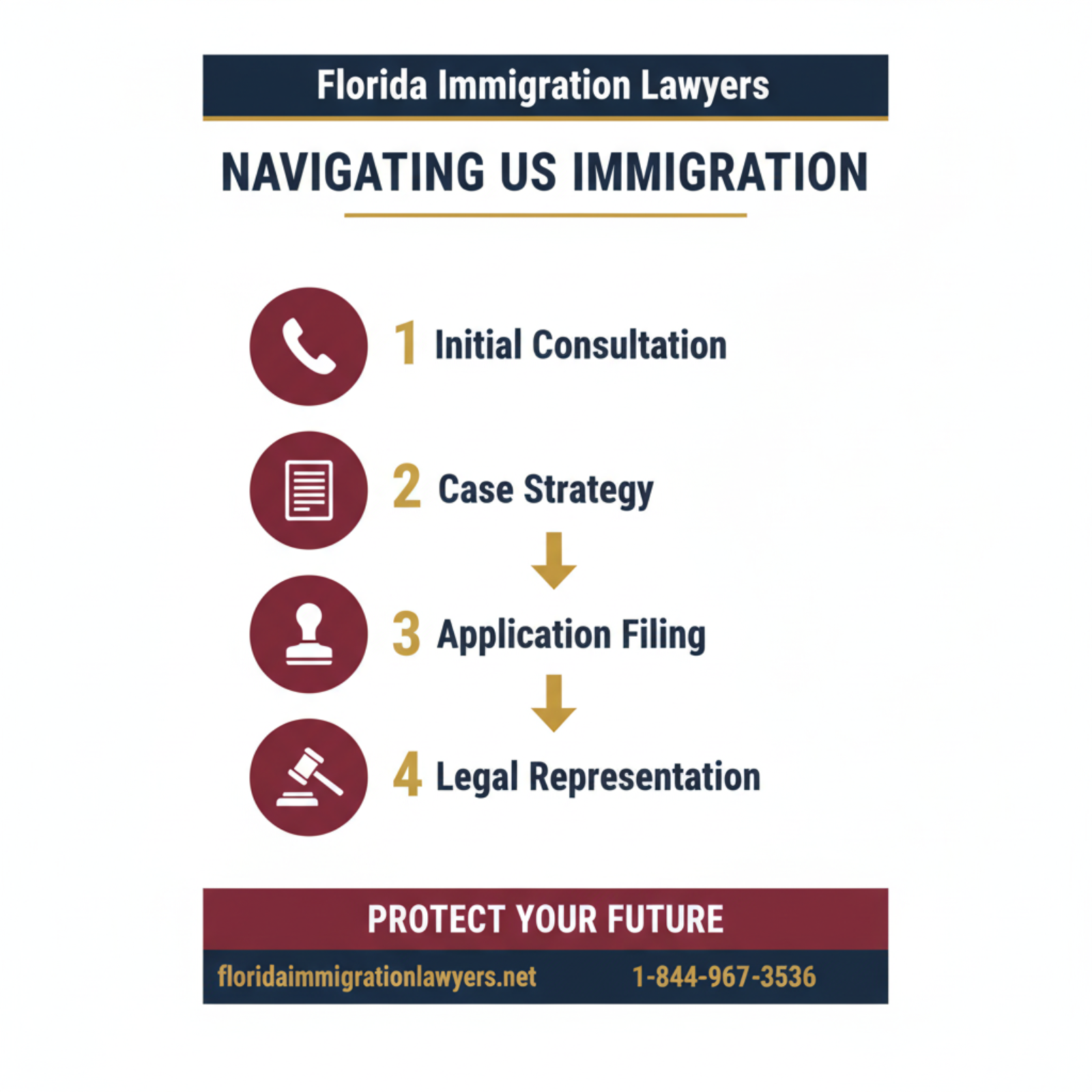
Essential Documents for Your Immigration Case Review
Regardless of global policy shifts, maintaining a comprehensive set of personal and immigration-related documents is critical for anyone navigating the U.S. immigration system. These documents are vital for any application, renewal, or legal consultation. Having them organized can significantly streamline your process and strengthen your case.
- Passport and Travel History: Current and expired passports, along with records of all entries and exits from the U.S.
- Birth Certificates: Your original birth certificate and those of any family members included in your application.
- Marriage Certificates and Divorce Decrees: If applicable, for all marriages and divorces.
- Proof of Identity: Government-issued IDs, such as a driver's license or state ID.
- Financial Records: Bank statements, tax returns (Form W-2, Form 1099), pay stubs, and employment verification letters.
- Educational Documents: Diplomas, transcripts, and degrees, especially for employment-based visas.
- Medical Examination Records: Any required medical exam results from a USCIS-approved civil surgeon.
- Police Clearances/Criminal Records: If you have any criminal history, even minor infractions, ensure you have all relevant court documents.
- Immigration Forms and Receipts: Copies of all previously filed USCIS forms (e.g., I-130, I-485, I-765, I-140) and corresponding receipt notices.
- Affidavits of Support (Form I-864): If applicable, with supporting financial documentation from your sponsor.
- Proof of Relationship: Birth certificates of children, photos, joint bank accounts, utility bills, and other evidence for family-based petitions.
Timeline and Processing Expectations for Policy Analysis
It's important to differentiate between the timeline for policy discussions and the processing times for individual immigration applications. While the uk immigration reform denmark model is currently a topic of debate and potential implementation in the UK, any similar policy considerations in the U.S. would involve a lengthy legislative process.
Policy changes in the U.S. typically require congressional action, executive orders, or regulatory amendments by agencies like USCIS or the Department of Homeland Security. These processes can take months, if not years, involving public comment periods, committee reviews, and votes.
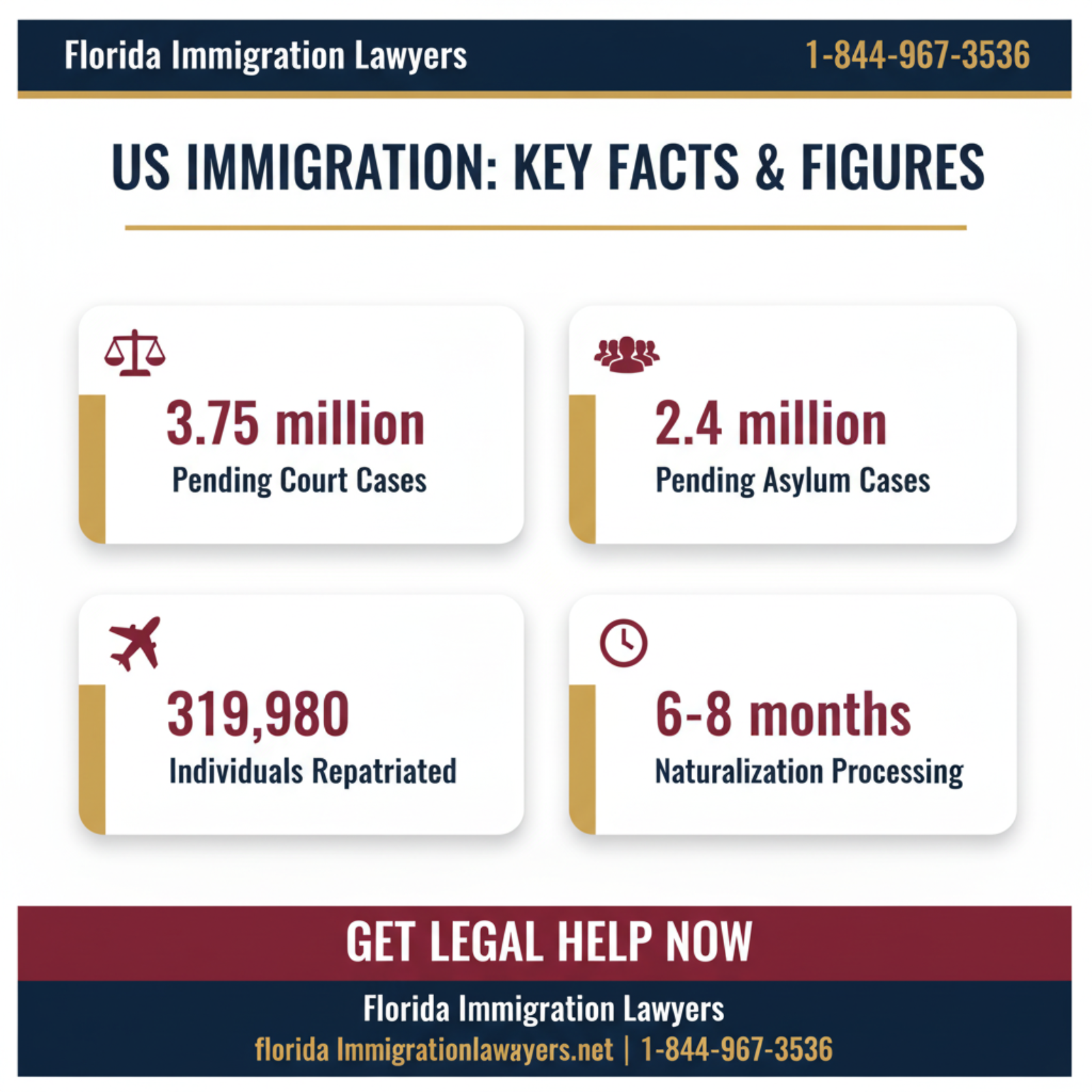
Therefore, while global trends are worth monitoring, immediate drastic changes to U.S. immigration law as a direct result of the UK's actions are unlikely. However, the discussion itself can influence the political climate and the general approach to immigration enforcement and policy interpretation. Always consult the official USCIS website for current processing times for your specific application type.
Cost Factors and Legal Consultation Fees
Navigating the U.S. immigration system involves various costs, including government filing fees and potentially legal fees. Government fees, set by agencies like USCIS, can change periodically and vary significantly depending on the type of application or petition you are filing. For example, a Form I-485 (Application to Register Permanent Residence or Adjust Status) will have different fees than a Form N-400 (Application for Naturalization).
Legal consultation fees with an immigration lawyer in Florida can also vary. Many firms, including Florida Immigration Lawyers, offer a free consultation to discuss your case initially. This allows you to understand the potential scope of work and associated costs without an upfront financial commitment. During this consultation, your attorney can provide an estimate for their services, which might be a flat fee for specific processes or an hourly rate for more complex cases.
Investing in legal representation is often a critical step to ensure your application is correctly prepared, filed on time, and strategically presented. This can save you from costly mistakes, delays, or even denials in the long run. Always ask for a clear breakdown of all anticipated fees, both government and legal, during your initial consultation.
Do not navigate this process alone. The complexities of immigration law, both domestic and international, require guidance. Contact Florida Immigration Lawyers today to ensure your rights are protected and your case is handled with the utmost care and professionalism.
Common Mistakes to Avoid in Immigration Matters
Immigration processes can be incredibly complex. Even seemingly minor errors can lead to significant delays, denials, or even legal consequences. Avoiding these common mistakes is crucial for a successful outcome:
- Failing to Disclose Complete Information: Withholding or providing inaccurate information on forms, even unintentionally, can be considered misrepresentation and lead to severe penalties, including a permanent bar from the U.S. Always be truthful and thorough.
- Missing Deadlines or Ignoring Requests for Evidence (RFEs): USCIS and other agencies have strict deadlines. Missing them, or failing to respond adequately to an RFE, can result in your application being denied or abandoned without further review.
- Not Consulting an Attorney for Complex Cases: Believing you can handle a complex case alone, especially those involving criminal history, previous denials, or nuanced legal questions, is a major risk. An attorney can identify potential issues and strategize solutions.
- Traveling Without Proper Authorization: Leaving the U.S. while an application is pending, particularly for adjustment of status, without proper advance parole can lead to the abandonment of your application and prevent your re-entry.
- Relying on Unofficial Advice: Taking advice from friends, family, or unauthorized "notarios" can be detrimental. Immigration law is specialized and constantly evolving; only licensed attorneys or accredited representatives can provide legal advice.
- Underestimating the Importance of Documentation: Failing to provide sufficient supporting evidence or submitting unorganized documents can weaken your case. Every claim must be substantiated with clear, credible proof.
- Ignoring Changes in Personal Circumstances: Life events like marriage, divorce, birth of a child, or a change in employment can impact your immigration case. Failing to update USCIS or adjust your application accordingly can cause problems.
- Assuming International Policies Don't Affect You: While U.S. law is distinct, global trends like the uk immigration reform denmark model can influence domestic policy debates and the overall immigration climate. Staying aware is part of being prepared.
- Not Preparing for Interviews: Immigration interviews are critical. Failing to understand the purpose of the interview, review your application, or prepare answers can lead to misunderstandings or unfavorable outcomes.
- Overlooking Grounds of Inadmissibility: There are many reasons an individual can be deemed inadmissible to the U.S., including certain health issues, criminal convictions, or past immigration violations. An attorney can help identify and potentially waive these grounds.
When to Call a Florida Immigration Lawyer
The complexities of immigration law demand professional expertise. While some cases may seem straightforward, even minor missteps can have profound, long-lasting consequences. You should consider contacting Florida Immigration Lawyers if you encounter any of the following scenarios:
- You are facing deportation or removal proceedings.
- Your application has been denied, or you've received a Request for Evidence (RFE) or Notice of Intent to Deny (NOID).
- You have a criminal record, even a minor one, that could impact your immigration status.
- You are seeking asylum or refugee status, especially given the global discussions around models like the uk immigration reform denmark model.
- You need assistance with family-based petitions, employment visas, or naturalization.
- You have questions about how international policy discussions might indirectly affect your situation in Florida.
- You've been the victim of fraud or misrepresentation by an unauthorized individual.
- You simply want to ensure your application is perfect and strategically presented from the start.
Our attorneys at Florida Immigration Lawyers understand the unique challenges faced by immigrants in Orlando and throughout Florida. We offer comprehensive services, from initial consultations to representation in court, to help you navigate every step of your immigration journey. Protecting your future is our priority.
Frequently Asked Questions (FAQs) about Global Immigration Trends
Understanding the broader context of international immigration policies can help individuals in Florida anticipate future discussions and potential impacts on U.S. immigration law.
What is the Danish model of immigration in the UK?
The Danish model, as considered by the UK, refers to a set of stringent immigration policies primarily aimed at reducing asylum applications and making Denmark less attractive to migrants. It involves stricter border controls, limited social benefits, temporary protection status, and the exploration of offshore processing for asylum claims. The UK government is examining this model as a potential framework for its own asylum system overhaul to deter illegal immigration.
What country has the harshest immigration laws?
Defining the "harshest" immigration laws is subjective and depends on specific criteria. However, countries often cited for very strict policies include Australia (known for its offshore processing and detention policies), Hungary (for its restrictive asylum laws and border fences), and Denmark (for its recent reforms making it harder for immigrants to settle). The UK's consideration of the Danish model reflects a desire to move towards a similarly restrictive framework. These policies often face international criticism regarding human rights and humanitarian concerns.
What is the 5 year rule for foreigners in Denmark?
Denmark has implemented various "5-year rules" related to immigration. One notable policy requires non-EU/EEA citizens to have lived in Denmark for at least five years before being eligible for certain social benefits or permanent residency. Asylum seekers, in particular, often receive temporary protection initially, with the expectation that they will return to their home country once conditions improve, rather than being granted immediate permanent settlement. These rules are part of Denmark's broader strategy to limit long-term integration and encourage repatriation.
How hard is it to immigrate to Denmark from the USA?
Immigrating to Denmark from the USA can be challenging, largely due to Denmark's highly restrictive immigration policies, especially for non-EU/EEA citizens. For work, you typically need a job offer from a Danish employer and must meet specific skill requirements. For family reunification, strict financial and integration requirements apply. Asylum is granted only under very specific circumstances, and the country actively works to deter new asylum seekers. It is generally considered more difficult than immigrating to many other Western European countries, reflecting the core tenets of the Danish immigration model.
About Florida Immigration Lawyers
Florida Immigration Lawyers is a leading law firm dedicated to providing comprehensive and compassionate immigration legal services throughout Florida. With years of experience and a deep understanding of U.S. immigration law, our team is committed to helping individuals, families, and businesses navigate the complexities of the system.
We offer a wide range of services, including assistance with family-based visas, employment-based immigration, asylum and refugee claims, deportation defense, naturalization, and citizenship. Our attorneys are known for their meticulous attention to detail, strategic approach, and unwavering dedication to our clients' success.
We understand that immigration journeys can be stressful and emotionally challenging. That's why we provide personalized support, clear communication, and a commitment to protecting your rights every step of the way. When you choose Florida Immigration Lawyers, you choose a partner who stands by you.
Contact us anytime for assistance. We are available 24/7 and offer free consultations to discuss your unique situation. Call us at 1-844-YO-PELEO or visit our website at https://www.floridaimmigrationlawyers.net. We serve clients across all of Florida, including Orlando.
Sources and References
- U.S. Citizenship and Immigration Services (USCIS)
- U.S. Department of State
- Executive Office for Immigration Review (EOIR)
- 8 U.S.C. Chapter 12 - Immigration and Nationality Act (INA)
- INA § 208 - Asylum (8 U.S.C. § 1158)
- 8 C.F.R. Part 208 - Asylum and Withholding of Removal
This article provides general legal information and is not intended as legal advice. Every case is unique, and outcomes depend on specific facts and circumstances. Contact an attorney for advice about your particular situation.
The global immigration landscape is ever-changing, and staying informed is your best defense. Whether you are directly impacted by U.S. policies or simply wish to understand the broader context of international reforms like the uk immigration reform denmark model, legal counsel is invaluable. Do not leave your immigration future to chance.
Contact Florida Immigration Lawyers today for a free consultation at 1-844-YO-PELEO. Our dedicated team is ready to provide the guidance and representation you deserve. Se Habla Español - Estamos aquí para ayudarle.
Do Not Navigate This Process Alone
Our experienced immigration attorneys are ready to fight for you. Get a free, confidential case review today.
Se Habla Español
Or leave your details and we’ll call you:
Free Evaluation in 24 Hours
Or talk to us right now

AI voice assistant — available 24/7
FreeFrequently Asked Questions

William J. Vásquez
Founding Attorney · Vasquez Law Firm
U.S. Air Force veteran and immigration attorney with years of hands-on U.S. immigration experience. J.D., NCCU School of Law. AILA member. Admitted to the 4th, 5th, and 11th Circuit Courts.
Available 24/7 - Free Evaluations
Reviewed for legal accuracy by William J. Vásquez
Licensed in North Carolina; U.S. immigration is federal practice.
Related Legal Services
Our Florida immigration attorneys can help you with free immigration consultation, business immigration and deportation defense. Call today at 1-844-YO-PELEO for a free case review.
Related Links
Related Topics
Free Legal Case Review
Discuss your case with our experienced attorneys. We're available 24/7.
Se Habla Español - Estamos aquí para ayudarle.
Related Articles
Dual Citizenship Lawyer in Florida: What You Need to Know
For Florida residents, the concept of dual citizenship, or holding two passports, offers a compelling blend of opportunities and challenges. While the U.S. generally permits dual nationality, the path to achieving this status requires a meticulous understanding of both U.S. immigration laws and the citizenship policies of your country of origin. This guide explores the definition of dual citizenship, the detailed step-by-step process for U.S. naturalization, and the significant benefits and potential pitfalls involved. We cover essential documentation, typical timelines, and cost considerations for 2026, providing crucial insights for anyone in Orlando, Miami, or across Florida considering this important legal step. Learn about common mistakes to avoid and understand when to seek professional legal counsel to navigate this complex process successfully. Florida Immigration Lawyers is here to provide expert, bilingual support for your dual citizenship journey.
Immigration Lawyer Orlando Free Consultation in Florida
For individuals and families in Orlando, Florida, navigating the complexities of U.S. immigration law requires expert guidance. An immigration lawyer in Orlando offers crucial support for everything from visa applications and green card processes to naturalization and deportation defense. This comprehensive guide details what a free consultation covers, providing a step-by-step overview of immigration pathways, essential document checklists, and expected timelines in 2026. We also highlight common mistakes to avoid, discuss the critical role of legal counsel in deportation and asylum cases, and explain why choosing a local Orlando immigration attorney is beneficial. Florida Immigration Lawyers is dedicated to serving the diverse community of Orlando with compassionate, effective legal solutions, ensuring you receive personalized advice and robust representation for a successful immigration journey.
EAD Advance Parole Combo Card in Florida 2026
For individuals with a pending Form I-485, Application to Register Permanent Residence or Adjust Status, the EAD Advance Parole Combo Card is an essential document. This single card combines the authorization to work legally in the U.S. (Employment Authorization Document - EAD) with permission to travel internationally and re-enter without abandoning your green card application (Advance Parole). This guide from Florida Immigration Lawyers provides a comprehensive overview for applicants in Florida in 2026, covering eligibility, the step-by-step application process, required documents, expected processing times, and associated costs. We also highlight common mistakes to avoid and when to seek legal counsel to ensure a smooth and successful immigration journey. Understanding this vital card is key to maintaining stability while awaiting your permanent residency approval.
Immigration Interview Preparation in Florida 2026
For those seeking to live, work, or become citizens in Florida, the immigration interview is a pivotal moment requiring thorough preparation. This comprehensive guide from Florida Immigration Lawyers demystifies the process in 2026, offering actionable insights for applicants. Learn what to expect at your USCIS appointment, common pitfalls to avoid, essential documents for your checklist, and critical timelines. We cover specific interview types, cost factors, and when professional legal assistance becomes invaluable. Our goal is to empower you with the knowledge and confidence needed to present your case effectively and navigate the complex U.S. immigration system. For personalized advice and robust legal representation, contact Florida Immigration Lawyers today for a free case review.