Refugee Resettlement in Florida: Key Insights & Legal Guide
Refugee resettlement in Florida offers a pathway for individuals seeking safety from persecution. This guide covers the necessary steps, documents, and timelines to help you navigate the process effectively. Call Florida Immigration Lawyers at 1-844-967-3536 for a free consultation.

Refugee Resettlement in Florida: Key Insights
Florida, known for its diverse population and welcoming spirit, has long served as a crucial destination for individuals and families seeking refuge from persecution and violence in their home countries. The process of refugee resettlement in the Sunshine State is multifaceted, involving a complex interplay of international law, federal policies, state-level initiatives, and dedicated community support. This comprehensive guide delves into the journey of refugees arriving in Florida, exploring the legal frameworks, the resettlement process, the challenges they face, and the vital support systems in place to help them build new lives. Understanding these dynamics is not only essential for those directly involved but also for fostering informed and compassionate communities.
Understanding Refugee Status and the Global Framework
The term "refugee" carries a specific legal definition under international law, primarily articulated in the 1951 Refugee Convention and its 1967 Protocol. A refugee is someone who has fled their country and cannot return due to a well-founded fear of persecution based on race, religion, nationality, political opinion, or membership in a particular social group. This definition is critical, differentiating refugees from other migrants.
The United Nations High Commissioner for Refugees (UNHCR) is the global body mandated to protect refugees and find durable solutions for them. UNHCR works tirelessly to identify individuals in need of international protection and, in collaboration with host governments, facilitates solutions such as voluntary repatriation, local integration, or resettlement to a third country. The United States, as a signatory to the 1967 Protocol, has historically been a leading country for refugee resettlement, taking in individuals identified by UNHCR or referred by U.S. embassies abroad.
It's important to distinguish between a refugee and an asylum seeker. An asylum seeker is someone who has arrived in a country and then applies for asylum, claiming to be a refugee. Their claim is assessed within the country's borders. A refugee, on the other hand, typically applies for and receives refugee status while still outside the country of resettlement, often in a transit country or refugee camp, before being formally invited to resettle.
The Refugee Resettlement Process in Florida: A Detailed Overview
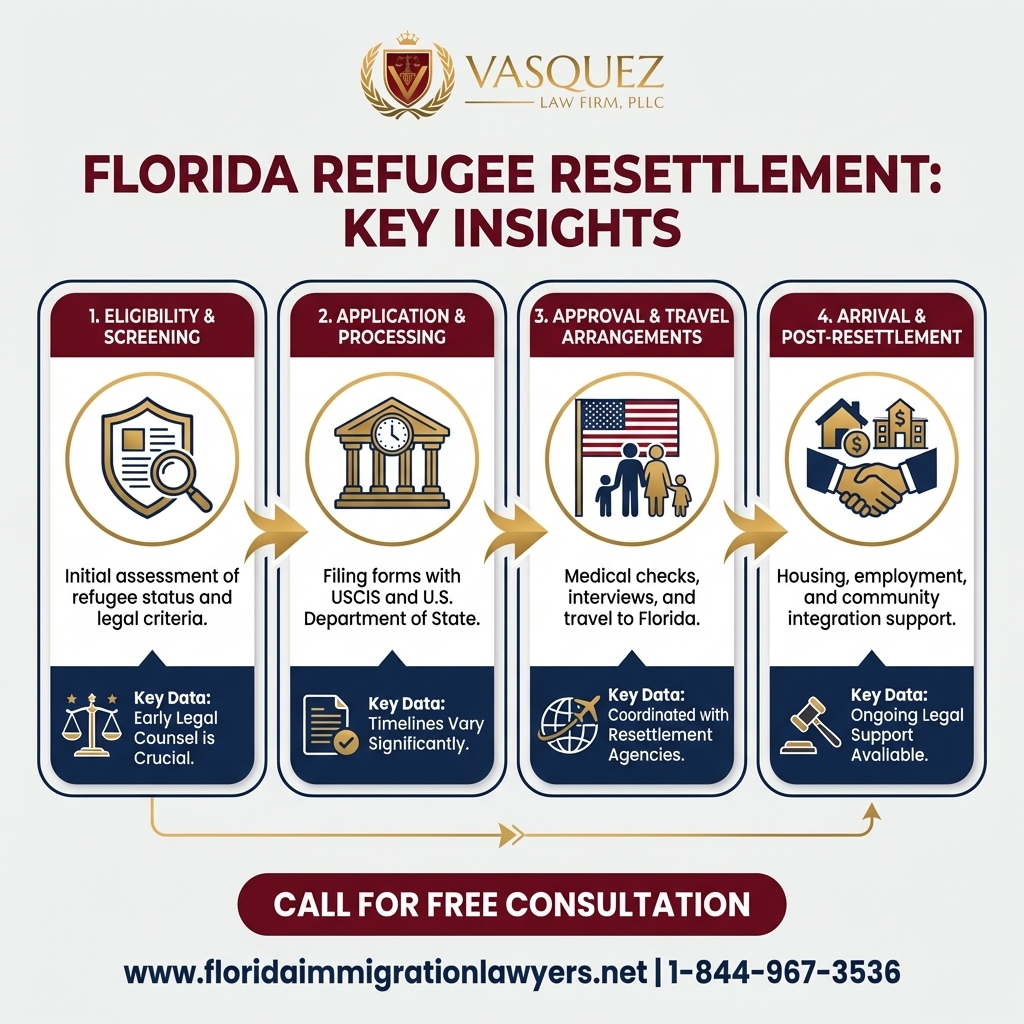
The journey for a refugee to arrive in Florida is often long and arduous, beginning long before they set foot on U.S. soil. Once a refugee is identified by UNHCR and approved for resettlement in the United States, they undergo a rigorous vetting process that can take years. This includes multiple interviews, background checks by various U.S. government agencies, medical examinations, and cultural orientation sessions.
Pre-Arrival and Initial Reception
Upon approval, refugees are assigned to one of the nine national resettlement agencies, which then work with their local affiliates across the U.S. to prepare for their arrival. Florida is home to several such affiliates, including organizations like Catholic Charities, World Relief, and Lutheran Social Services. These agencies receive a per capita grant from the federal government to provide initial assistance.
Upon arrival in Florida, often at major international airports like Miami, Orlando, or Tampa, refugees are met by representatives from their assigned resettlement agency. The initial focus is on immediate needs: securing safe housing, providing culturally appropriate food, and ensuring access to emergency medical care. Within the first few days, refugees typically receive an orientation to their new community, including information on public transportation, banking, and local laws.
Key Services During the Resettlement Period
For the first 30-90 days, resettlement agencies provide intensive support. This includes:
- Housing Assistance: Helping secure and furnish initial housing, often in affordable neighborhoods.
- Cultural Orientation: Providing essential information about American customs, laws, and daily life.
- Medical Screening: Arranging comprehensive health screenings and connecting refugees with primary care providers.
- School Enrollment: Ensuring children are enrolled in local schools, with support for language acquisition.
- English Language Training (ELT): Facilitating access to English classes, crucial for integration and employment.
- Employment Services: Assisting adults with job readiness training, resume building, and job placement to foster self-sufficiency.
- Public Benefits Enrollment: Helping eligible refugees access temporary public assistance programs like SNAP (food stamps) or Medicaid.
The ultimate goal of these services is to empower refugees to become self-sufficient and fully integrated members of their new communities within a short timeframe, typically within six months to a year.
Navigating Legal Complexities in Refugee and Asylum Cases
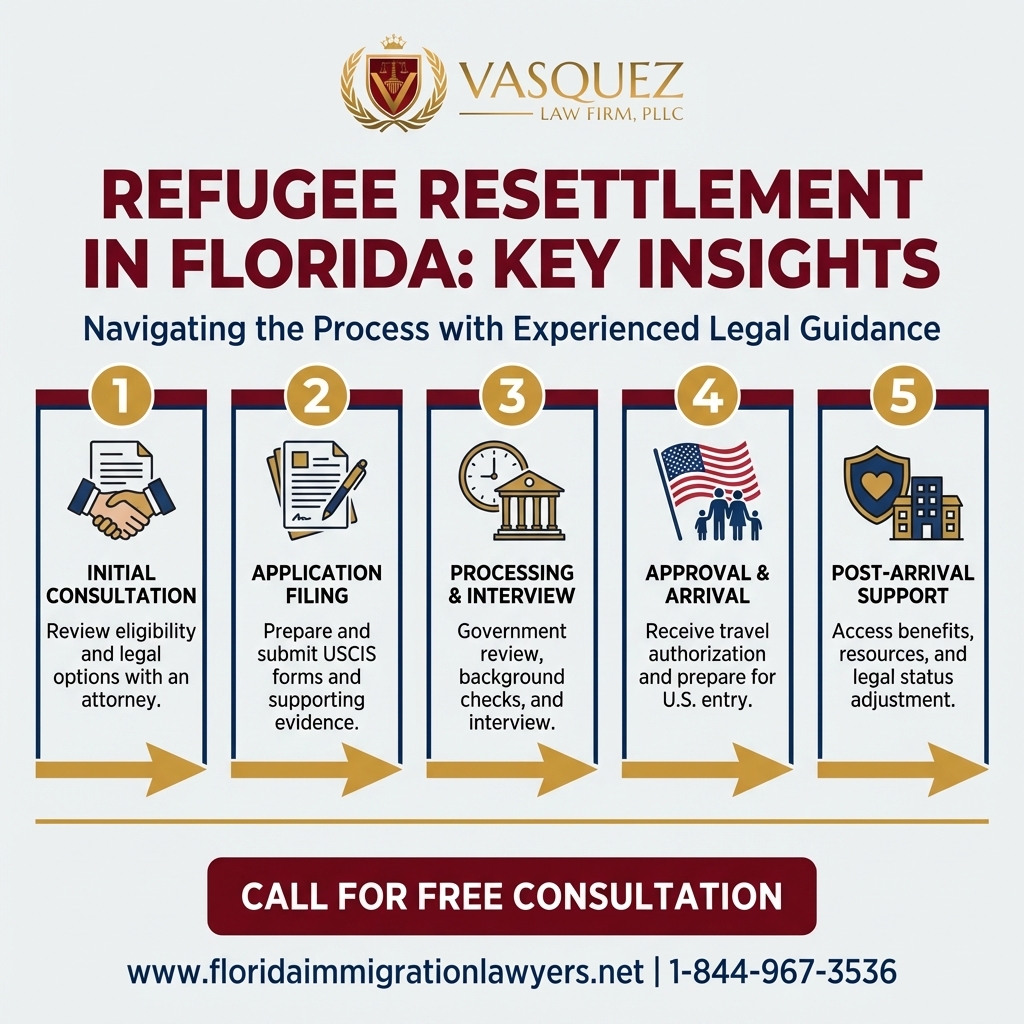
While the resettlement process aims to provide a clear path to a new life, refugees and asylum seekers often encounter significant legal complexities. Understanding these legal nuances is paramount for successful integration and protection. From the initial application for refugee status to potential challenges like family reunification or even the threat of deportation, legal expertise is often indispensable.
Many refugees arrive with limited understanding of the U.S. legal system, making it difficult to navigate bureaucratic hurdles or respond to legal notices. For those seeking asylum within the U.S., the process involves intricate legal arguments, extensive documentation, and often emotionally taxing interviews. A strong asylum claim requires meticulous preparation and presentation, often highlighting the specifics of persecution faced in their home country. Without proper legal guidance, deserving individuals can easily falter in this complex process.
Furthermore, even after being granted refugee status, individuals may face ongoing immigration challenges. These can include applying for a Green Card (lawful permanent residency) after one year of residence, or eventually pursuing U.S. citizenship. Family reunification is another critical aspect, where refugees seek to bring close relatives to the U.S. through specific visa programs, each with its own set of requirements and processing times. Errors or omissions in these applications can lead to significant delays or even denials, impacting families profoundly.
Perhaps one of the most daunting legal challenges is the risk of deportation defense. While refugees are granted protection, certain criminal offenses or violations of immigration law can put their status at risk. Facing removal proceedings without skilled legal representation can have devastating consequences, potentially sending individuals back to the very dangers they fled. An experienced immigration lawyer can provide crucial defense, argue for relief from removal, and protect their clients' rights throughout the judicial process. For any such legal needs, consulting with dedicated immigration attorneys is a critical step to ensure proper guidance and representation.
Key Support Systems and Community Integration Efforts
Beyond the initial resettlement phase, a robust network of support systems facilitates the long-term integration of refugees into Florida's communities. These systems extend beyond government-funded programs to include a wide array of non-profit organizations, faith-based groups, and community volunteers.
Education and Language Acquisition
Access to quality education is fundamental for both refugee children and adults. Florida's public school system provides support for English Language Learners (ELL), helping refugee children adapt to a new academic environment. For adults, community colleges and local non-profits offer free or low-cost English as a Second Language (ESL) classes, vocational training, and pathways to higher education. Proficiency in English is a cornerstone for employment, civic participation, and overall self-sufficiency.
Employment and Economic Self-Sufficiency
Achieving economic independence is a primary goal for most refugees. Resettlement agencies and other organizations provide job readiness training, resume building workshops, interview coaching, and direct job placement assistance. They often connect refugees with employers who are open to hiring newcomers and understand the unique challenges they face. Many refugees arrive with valuable skills and professional backgrounds, and efforts are made to help them obtain necessary certifications or licenses to practice their professions in the U.S.
Health and Mental Wellness
Refugees often arrive with complex health needs, including untreated medical conditions and significant psychological trauma from their experiences. Florida's healthcare system, while challenging to navigate, offers avenues for care. Resettlement agencies assist with initial health screenings and connection to primary care. Mental health services, including trauma-informed counseling, are also crucial and are provided by various community organizations to help refugees cope with past trauma and the stresses of adaptation.
Cultural Adaptation and Community Building
Integration is not just about economic self-sufficiency; it's also about cultural adaptation and building a sense of belonging. Community centers, faith-based organizations, and volunteer groups play a vital role in creating welcoming environments. They host cultural exchange events, mentorship programs, and social gatherings that help refugees connect with their new neighbors and preserve aspects of their own cultural heritage. These interactions are essential for reducing isolation and fostering a strong sense of community.
Economic and Social Contributions of Refugees to Florida
Refugees are not merely recipients of aid; they are resilient individuals who, given the opportunity, contribute significantly to the economic and social fabric of their new homes. In Florida, refugees have enriched communities in numerous ways.
Economically, refugees often fill labor shortages in various sectors, including agriculture, hospitality, healthcare, and manufacturing. Many are entrepreneurial, starting small businesses that create jobs and stimulate local economies. They pay taxes, consume goods and services, and contribute to the tax base, often revitalizing neighborhoods and commercial areas. Studies have consistently shown that, over time, refugees contribute more in taxes than they receive in public assistance.
Socially and culturally, refugees bring a wealth of diversity, new perspectives, and vibrant traditions. They introduce new cuisines, languages, arts, and cultural practices that enrich Florida's already diverse population. Their presence fosters greater understanding and empathy within communities, challenging stereotypes and promoting a more inclusive society. Refugee children, in particular, often excel in schools, bringing new ideas and energy to the educational system.
Furthermore, refugees often maintain strong ties with their home countries, facilitating trade and cultural exchange that can benefit Florida on a global scale. Their unique experiences and resilience serve as an inspiration, demonstrating the human capacity to overcome adversity and rebuild lives with determination and hope.
Addressing Common Challenges and Future Outlook
Despite the comprehensive support systems and the inherent resilience of refugees, challenges persist in the resettlement process. Language barriers remain a significant hurdle, impacting employment opportunities and access to services. The availability of affordable housing, particularly in Florida's rapidly growing urban centers, is a constant concern. Navigating the U.S. healthcare system, even with assistance, can be complex and intimidating for newcomers.
Policy changes at the federal level can also significantly impact refugee resettlement numbers and the resources available. Fluctuations in refugee admissions, changes in funding for resettlement agencies, and shifts in immigration enforcement priorities directly affect the capacity of Florida's support network. Advocacy for consistent and humane refugee policies is crucial for maintaining a stable and effective resettlement program.
Looking ahead, the future of refugee resettlement in Florida will continue to be shaped by global events, U.S. foreign policy, and the commitment of local communities. The ongoing need for robust funding, innovative programs, and sustained community engagement will be paramount. Continued investment in English language education, job training, mental health services, and legal aid will empower refugees to achieve long-term success and contribute fully to their new home.
Conclusion
Refugee resettlement in Florida is a testament to humanitarian values and the belief in second chances. It is a complex, challenging, yet ultimately rewarding endeavor that transforms lives and enriches communities. From the initial legal definitions and intricate resettlement processes to the vital support systems and profound contributions of refugees themselves, understanding this journey is key to fostering a truly welcoming state. While challenges remain, the collaborative efforts of government agencies, dedicated non-profits, and compassionate Floridians continue to provide a lifeline to those fleeing persecution, offering them the opportunity to rebuild their lives and thrive. If you or someone you know needs legal assistance with immigration matters, including asylum or deportation defense, do not hesitate to contact Florida Immigration Lawyers today for a free consultation. Our team is ready to help guide you through your immigration journey.
Do Not Navigate This Process Alone
Our experienced immigration attorneys are ready to fight for you. Get a free, confidential consultation today.
Se Habla Español
Frequently Asked Questions

William J. Vásquez
Founding Attorney · Vasquez Law Firm
U.S. Air Force veteran and immigration attorney with thousands of cases resolved. J.D., NCCU School of Law. AILA member. Admitted to the 4th, 5th, and 11th Circuit Courts.
Available 24/7 - Free Evaluations
Related Legal Services
Our Florida immigration attorneys can help you with citizenship and naturalization, family immigration services and immigration practice areas. Call today at 1-844-967-3536 for a free consultation.
Related Links
Related Topics
Free Legal Consultation
Discuss your case with our experienced attorneys. We're available 24/7.
Se Habla Español - Estamos aquí para ayudarle.
Related Articles
E-2 Visa for Florida Business Investors | VLF Florida
Learn about the E-2 investor visa for Florida business opportunities, tailored for Fort Lauderdale entrepreneurs. Discover the process, requirements, and common pitfalls. Contact Florida Immigration Lawyers for expert assistance.
Immigration Documents Checklist for Florida | VLF Florida
Navigating immigration processes in Florida requires a comprehensive checklist of documents. This guide helps you gather all necessary paperwork to ensure a successful application. Consult Florida Immigration Lawyers for personalized assistance.
Immigration Attorney West Palm Beach Guide | VLF Florida
Navigate the complexities of immigration in West Palm Beach with a trusted attorney. Learn what to expect, common pitfalls, and how to choose the right legal help.
Dual Citizenship in Florida: What You Need to Know
Explore dual citizenship in Florida, understand the process, and learn how to apply. Discover the benefits and complexities involved with having two passports and navigating immigration laws. Call Florida Immigration Lawyers for expert guidance.
