Investor Visa Immigration Services in Florida 2026
Discover the ins and outs of investor visa immigration services in Florida for 2026. Learn about the application process, required documents, typical timelines, and common mistakes to avoid. Ensure a smooth transition with legal guidance from Florida Immigration Lawyers.
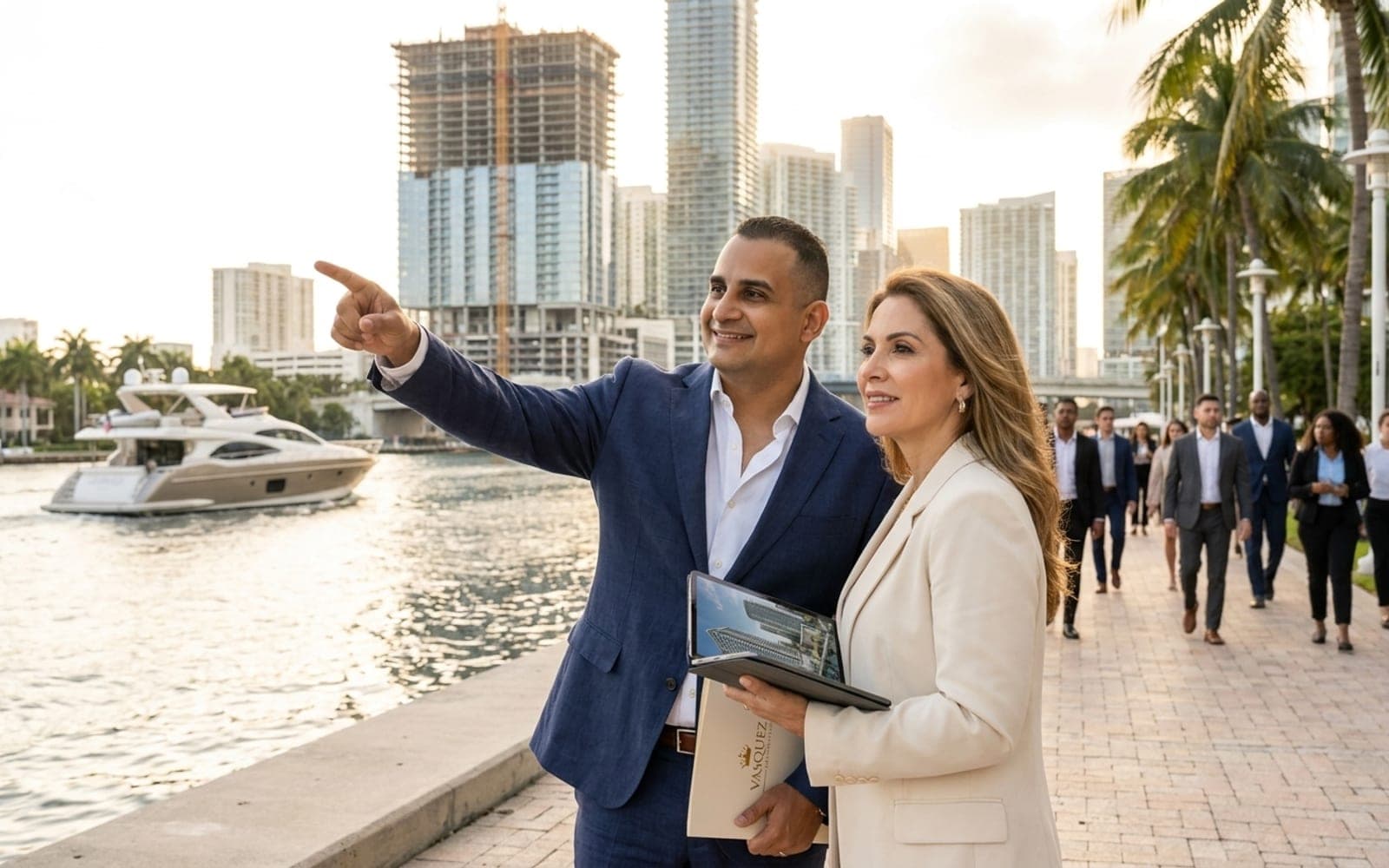
Obtaining an investor visa in Florida involves understanding specific immigration services and requirements. Key points include:
- Investor visas encourage U.S. economic growth.
- Requirements include substantial capital investment.
- Florida offers unique opportunities for investors.
- Consulting a Florida immigration lawyer can aid in the process.
Investor Visa Immigration Services in Florida 2026
Are you considering investing in the vibrant economy of Florida? Navigating the investor visa process can be complex, but essential for those looking to grow their business in the United States. This article provides a comprehensive overview of investor visa immigration services in Florida, including necessary steps, common pitfalls, and the benefits of legal assistance. For personalized guidance, call Florida Immigration Lawyers at 1-844-YO-PELEO for a free case review.
What is an Investor Visa and How Does it Work?
As of 2026, investor visas, like the EB-5, allow foreign nationals to invest in U.S. businesses to obtain permanent residency. This visa requires a significant capital investment and the creation of jobs for American workers. Successful applicants can live and work anywhere in the U.S., including business-friendly Florida.
The EB-5 program mandates a minimum investment in a new commercial enterprise, often in a Targeted Employment Area (TEA), which includes rural or high-unemployment regions. Florida, with its diverse economy, offers numerous opportunities for such investments. Investors can choose between making a direct investment in a new or existing business or investing through a USCIS-approved Regional Center. Each path has distinct requirements regarding job creation and oversight, making it crucial to understand which option best suits your investment goals and risk tolerance.
A direct investment means the investor is directly involved in the day-to-day management of the business and is solely responsible for creating the required 10 full-time jobs for qualifying U.S. workers. Regional Center investments, on the other hand, allow for indirect job creation calculations and often provide a more passive investment role, appealing to those who prefer less direct operational involvement. For example, an investment in a large hotel development project in Miami through a Regional Center could count jobs created by the construction and operation of the hotel, even if the investor isn't directly managing the property. Understanding these nuances is critical for a successful application, and Florida Immigration Lawyers can help clarify your options.
Benefits of Investing in Florida
Florida's economy is robust, with thriving industries like tourism, real estate, and technology. The state's favorable tax policies and strategic location make it an attractive destination for international investors. With no state income tax, Florida offers a significant financial advantage for businesses and individuals alike. Its strategic position as a gateway to Latin America and its well-developed infrastructure further enhance its appeal for international trade and commerce.
Beyond economic incentives, Florida boasts a high quality of life, diverse cultural landscape, and excellent educational institutions, making it an ideal place for investors and their families to relocate. From the bustling financial centers of Miami to the burgeoning tech hubs in Orlando and Tampa, Florida provides a dynamic environment for various business ventures. This blend of economic opportunity and lifestyle benefits makes the prospect of an investor visa in Florida particularly appealing for those seeking permanent residency in the U.S.
How to Apply for an Investor Visa in Florida?
Applying for an investor visa involves several steps:
- Determine Eligibility: Ensure you meet the investment and job creation requirements. This initial phase involves a thorough assessment of your financial resources, ensuring the capital can be legally sourced and is sufficient for the minimum investment amount. You must also have a viable business plan that clearly outlines how your investment will create at least 10 full-time jobs for U.S. workers within two years.
- File Form I-526: Submit the Immigrant Petition by Alien Investor to USCIS. This petition is the cornerstone of your application, requiring extensive documentation proving your investment, the lawful source of your funds, and the viability of your business enterprise. A detailed business plan is paramount here, demonstrating economic impact and job creation projections.
- Conditional Permanent Residency: Once approved, apply for a conditional green card. If you are residing outside the U.S., this involves consular processing at a U.S. embassy or consulate in your home country. If you are already in the U.S. on a valid non-immigrant visa, you may be eligible to file for Adjustment of Status (Form I-485). This grants you and your eligible family members a two-year period of conditional permanent residency.
- Remove Conditions: After two years, file Form I-829 to remove conditions on your residency. This critical step requires you to prove that you have sustained your investment throughout the two-year conditional period and that the required jobs have been created or are in the process of being created. Careful record-keeping and a strong final submission are essential for this stage.
Each step involves meticulous documentation and adherence to legal standards. A Florida immigration lawyer can provide invaluable assistance throughout this process, from initial eligibility assessment to the final removal of conditions. They can help you navigate complex USCIS regulations, prepare robust petitions, and respond to any Requests for Evidence (RFEs), significantly increasing your chances of success. Engaging Florida Immigration Lawyers at 1-844-YO-PELEO early in the process can streamline your application and prevent common pitfalls.
What Documents Are Required for an Investor Visa?
Gathering and submitting accurate documentation is crucial. Essential documents include:
- Proof of Investment Capital
- Business Plans and Economic Impact Analysis
- Evidence of Job Creation
- Personal Identification and Background Checks
For 'Proof of Investment Capital,' you'll need comprehensive financial records demonstrating the lawful source of your funds. This can include personal and business tax returns for the past five years, bank statements, audited financial statements, property deeds, and evidence of any loans or gifts. It's critical to trace the funds directly to their origin to satisfy USCIS requirements and avoid any suspicion of illicit activities.
The 'Business Plans and Economic Impact Analysis' must be exceptionally detailed. A robust business plan should cover market analysis, competitor analysis, marketing strategies, organizational structure, operational plan, and detailed financial projections for at least five years. The economic impact analysis, often prepared by an economist, quantifies the direct, indirect, and induced jobs created by your investment, which is vital for meeting the job creation mandate. This plan serves as your blueprint for success and is heavily scrutinized by USCIS.
Finally, 'Evidence of Job Creation' involves submitting payroll records, I-9 forms, tax documents, and employment contracts for the 10 full-time U.S. workers you are required to employ. For 'Personal Identification and Background Checks,' you will need copies of passports, birth certificates, marriage certificates, police clearance certificates from all countries you've lived in, and various other biographical documents. All foreign language documents must be accompanied by certified English translations. An experienced Florida immigration lawyer can guide you through preparing and organizing this extensive documentation, ensuring everything is in order before submission.
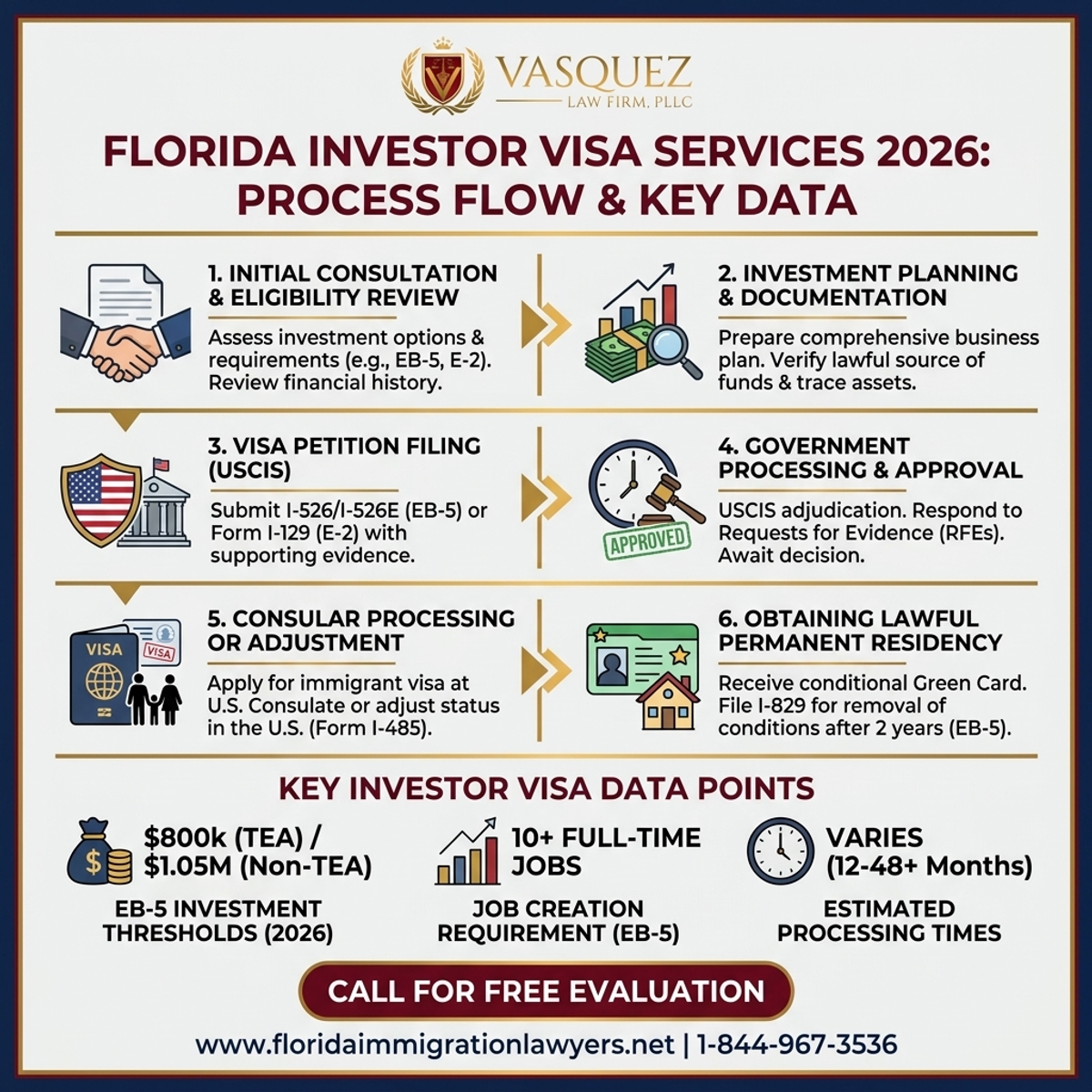
Step-by-Step Process — Investor Visa Immigration Services in Florida 2026
Each document must be precise and comprehensive to avoid delays or denials. Incomplete or inaccurate submissions are among the leading causes of Requests for Evidence (RFEs) or outright denials, which can significantly prolong the application process or even jeopardize your investment entirely. Working with Florida Immigration Lawyers ensures that every piece of documentation is meticulously prepared and presented, minimizing potential issues.
What Are the Typical Processing Times for Investor Visas?
As of 2026, processing times for investor visas can vary. Here is a typical timeline:
| Stage | Typical Timeframe | Notes |
|---|---|---|
| Form I-526 Approval | 12-24 months | Varies by case and workload |
| Consular Processing | 6-12 months | For applicants outside the U.S. |
| Form I-829 Approval | 24-36 months | To remove conditions |
Delays can occur due to documentation issues or backlogs at USCIS. It's important to note that these timeframes are estimates and can fluctuate based on various factors, including the volume of applications, the complexity of individual cases, and changes in USCIS policy. For instance, if your petition requires a Request for Evidence (RFE), the processing time will inevitably extend as you gather and submit additional information.
To mitigate potential delays, ensure all documentation is thoroughly prepared and submitted correctly from the outset. Proactive communication with your legal team, like Florida Immigration Lawyers, can also help you stay informed about any changes in processing times or requirements. They can monitor your case status and advise on the best course of action if unexpected delays arise, helping you manage expectations throughout the multi-year process.
What Are the Costs Associated with Investor Visas?
The costs for investor visas include filing fees, legal fees, and investment capital. A breakdown includes:
| Item | Typical Fee | Notes |
|---|---|---|
| Form I-526 Filing Fee | Varies | Check USCIS for current fees |
| Investment Capital | $800,000 - $1,050,000 | Depends on TEA status |
| Legal Fees | Varies | Consult your attorney |
Investing in Florida offers potential returns, but understanding associated costs is essential. Beyond the primary investment capital, applicants should budget for various auxiliary expenses. These can include due diligence fees, administrative fees charged by Regional Centers (if applicable), business plan preparation fees, economic analysis fees, and escrow account fees. Additionally, there are costs associated with obtaining necessary documents, translations, and potentially travel expenses for interviews.
It's crucial to have a comprehensive financial plan that accounts for all these potential expenditures, not just the minimum investment. Legal fees, while variable, represent an investment in guidance that can save significant time and money by preventing costly errors. Florida Immigration Lawyers can provide a clear breakdown of their fee structure during your free consultation, helping you budget effectively for your entire investor visa journey.
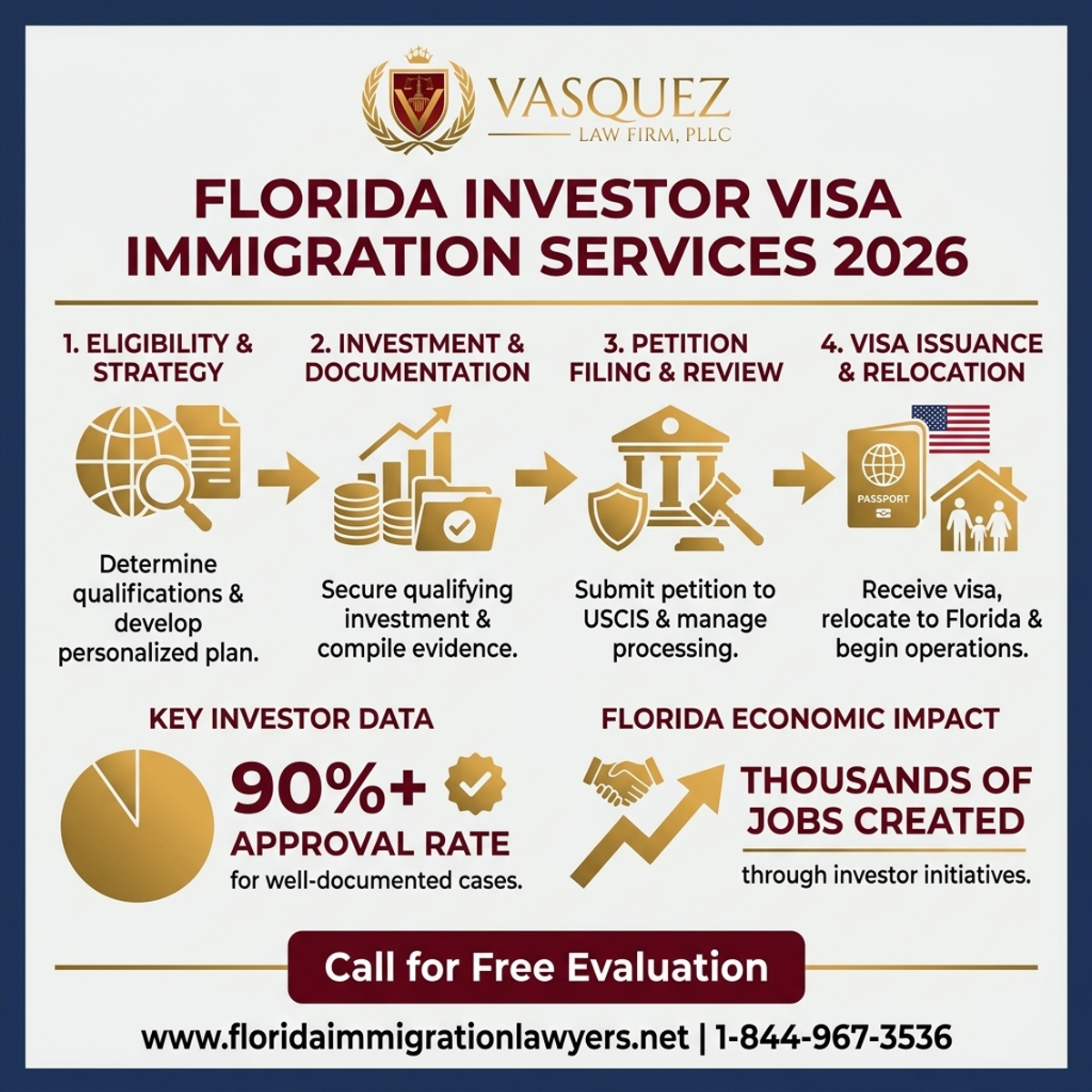
Florida’s economic landscape offers unique opportunities for investor visa seekers. Do not navigate this process alone. Contact Florida Immigration Lawyers today.
Common Mistakes to Avoid: Investor Visa Immigration Services in Florida 2026
The investor visa process is fraught with potential pitfalls that can lead to significant delays or even outright denial. Being aware of these common mistakes is the first step toward a successful application. Diligence, meticulous preparation, and guidance are your best defenses against these errors.
- Insufficient Capital: Failing to meet the required investment amount can lead to denial.
- Incomplete Documentation: Missing documents can delay processing significantly.
- Job Creation Shortfalls: Not creating enough jobs can result in visa revocation.
- Ignoring Legal Advice: Proceeding without a lawyer can lead to costly errors.
- Neglecting Deadlines: Missing filing deadlines can jeopardize your application.
- Lack of Business Plan: A vague business plan may not satisfy USCIS requirements.
- Choosing the Wrong Location: Investing outside a TEA can affect eligibility.
- Improper Fund Sourcing: Funds must be lawfully acquired and documented.
- Misunderstanding Visa Conditions: Failure to comply with conditions may lead to status loss.
- Overlooking Tax Implications: Not planning for taxes can impact your investment return.
Avoiding these common errors requires a deep understanding of immigration law and careful execution. Consulting with Florida Immigration Lawyers can provide the necessary experience to navigate these complexities, ensuring your application is robust and compliant with all USCIS regulations.
When to Call a Lawyer: Investor Visa Immigration Services in Florida 2026
Consider calling a lawyer if you face complex issues, such as securing capital or understanding local regulations. Warning signs include delayed processing, requests for additional information, or denial notices. Florida Immigration Lawyers can provide assistance in these scenarios.
Specifically, you should contact an attorney if you are unsure about the lawful source of your investment funds, need assistance structuring your business to meet job creation requirements, or are considering a Regional Center investment. A lawyer's expertise is invaluable when preparing a comprehensive business plan that satisfies USCIS criteria or responding to a Request for Evidence (RFE), which often requires highly specific and detailed responses within a tight deadline.
Even if your application seems straightforward, unforeseen complications can arise. For example, changes in immigration policy or personal circumstances might impact your case. A Florida immigration lawyer acts as your advocate, providing strategic advice and ensuring all legal avenues are explored to protect your investment and immigration goals. Don't wait for a problem to emerge; proactive legal consultation can prevent issues before they escalate. Call 1-844-YO-PELEO today for a free case review.
About Florida Immigration Lawyers: Investor Visa Immigration Services in Florida 2026
Florida Immigration Lawyers offers legal services for investors seeking visas. Our team provides personalized guidance and comprehensive support throughout your immigration journey. With a deep understanding of Florida’s business environment, we help clients navigate complex legal processes. Available 24/7, free case reviews, serving all of Florida.
Our dedicated team focuses on business immigration, including the intricacies of the EB-5 program. We pride ourselves on a client-centric approach, offering tailored strategies that align with your unique investment objectives and personal circumstances. Whether you're establishing a new enterprise or investing in an existing one, our attorneys possess the knowledge and experience to guide you every step of the way, from initial consultation to the successful removal of conditions on your green card.
We understand the significant commitment involved in an investor visa, and we are committed to making the process as smooth and successful as possible for our clients. Our 24/7 availability for free case reviews at 1-844-YO-PELEO underscores our dedication to providing accessible and timely legal assistance to investors across Florida and beyond. Let us help you turn your investment dreams into a reality in the Sunshine State.
For more information, schedule a free consultation with our experienced team today.
Sources and References: Investor Visa Immigration Services in Florida 2026
- U.S. Citizenship and Immigration Services (USCIS)
- Executive Office for Immigration Review (EOIR)
- 8 U.S.C. Chapter 12 - Immigration and Nationality Act
Related services: deportation defense services, asylum and refugee protection, immigration waivers, humanitarian protection programs.
This article provides general legal information and is not intended as legal advice. Every case is unique, and outcomes depend on specific facts and circumstances. Contact an attorney for advice about your particular situation.
Seize the opportunity to invest in Florida. Call 1-844-YO-PELEO for a free consultation. Se Habla Español - Estamos aquí para ayudarle.
If you need legal assistance, learn more about Florida business immigration legal team, or call us at 1-844-YO-PELEO for a free case review.
Do Not Navigate This Process Alone
Our experienced immigration attorneys are ready to fight for you. Get a free, confidential case review today.
Se Habla Español
Or leave your details and we’ll call you:
Free Evaluation in 24 Hours
Or talk to us right now

AI voice assistant — available 24/7
FreeFrequently Asked Questions

William J. Vásquez
Founding Attorney · Vasquez Law Firm
U.S. Air Force veteran and immigration attorney with years of hands-on U.S. immigration experience. J.D., NCCU School of Law. AILA member. Admitted to the 4th, 5th, and 11th Circuit Courts.
Available 24/7 - Free Evaluations
Reviewed for legal accuracy by William J. Vásquez
Licensed in North Carolina; U.S. immigration is federal practice.
Related Legal Services
Our Florida immigration attorneys can help you with asylum protection, citizenship and naturalization and immigration practice areas. Call today at 1-844-YO-PELEO for a free case review.
Related Links
Related Topics
Free Legal Case Review
Discuss your case with our experienced attorneys. We're available 24/7.
Se Habla Español - Estamos aquí para ayudarle.
Related Articles
Immigration Lawyer Orlando Free Consultation in Florida
For individuals and families in Orlando, Florida, navigating the complexities of U.S. immigration law requires expert guidance. An immigration lawyer in Orlando offers crucial support for everything from visa applications and green card processes to naturalization and deportation defense. This comprehensive guide details what a free consultation covers, providing a step-by-step overview of immigration pathways, essential document checklists, and expected timelines in 2026. We also highlight common mistakes to avoid, discuss the critical role of legal counsel in deportation and asylum cases, and explain why choosing a local Orlando immigration attorney is beneficial. Florida Immigration Lawyers is dedicated to serving the diverse community of Orlando with compassionate, effective legal solutions, ensuring you receive personalized advice and robust representation for a successful immigration journey.
Fiance Visa in Miami: 2026 Process Guide for Florida
For U.S. citizens in Florida, bringing a foreign fiancé(e) to the U.S. requires navigating the K-1 Fiance Visa process. This guide details the 2026 requirements, step-by-step application, essential documents, and expected timelines. Learn about filing Form I-129F with USCIS, consular interviews, and the crucial Adjustment of Status after marriage. We cover typical fees, common mistakes to avoid, and when to seek legal assistance. Florida Immigration Lawyers offers expert guidance for couples in Miami, Orlando, and across Florida, ensuring a smooth path to uniting with your loved one. Get a free case review today.
Immigration Lawyer Services in Orlando, Florida
Explore immigration consultation services in Orlando, Florida, with a qualified immigration lawyer. Learn what to expect and understand your options for family and business immigration needs.
Fraud Prevention and Detection Fee: What to Know in Florida
Explore the fraud prevention and detection fee essential for immigration processes in Florida. Discover how it impacts applications like the I-601 waiver and learn key steps to navigate this requirement effectively.