Immigration Policy Changes 2026: What Florida Residents...
Florida residents, prepare for potential immigration policy changes in 2026. New rules could impact visas, green cards, and enforcement across the state, including Coral Springs. This comprehensive guide helps you understand the evolving landscape, navigate potential new regulations, and avoid common mistakes. Learn about essential documents, processing timelines, and cost factors. Florida Immigration Lawyers offers expert legal assistance to help you protect your status and plan for the future. Stay informed and seek professional guidance to navigate these complex changes effectively. Call for a free consultation.

Florida's immigration policy changes in 2026 may introduce new complexities for residents, impacting various aspects of immigration law. These potential changes could affect visa applications, green card processes, and enforcement measures across the state, including Coral Springs. Staying informed and preparing proactively is crucial to navigate these evolving regulations successfully.
- Potential stricter enforcement measures for undocumented individuals.
- New requirements for employers regarding immigrant workers.
- Changes to state-level support for immigrant communities.
- Possible shifts in eligibility for certain state benefits.
- Increased need for legal counsel to understand individual impacts.
Immigration Policy Changes 2026: What Florida Residents Must Know
Are you a Florida resident concerned about potential immigration policy changes in 2026? The landscape of immigration law is constantly evolving, and new legislative or administrative actions can significantly impact individuals and families across the state. Whether you live in Coral Springs, Miami, Orlando, or any other part of Florida, understanding these shifts is vital for your future.
The year 2026 is anticipated to bring a series of potential reforms and new rules that could reshape how immigrants live and work in Florida. These changes might touch upon everything from visa processes to enforcement actions. Our goal is to provide you with clear, actionable information to help you prepare.
Navigating these complex legal waters alone can be overwhelming. That's why Florida Immigration Lawyers is here to assist you. If you have questions about how potential 2026 immigration rules might affect your specific situation, do not hesitate to seek expert guidance. Call Florida Immigration Lawyers at 1-844-967-3536 for a free consultation today.
Understanding Florida's Evolving Immigration Landscape in 2026
Florida has always been a significant hub for immigrant communities, contributing immensely to our state's economy and culture. However, state-level legislation and potential federal policy shifts could introduce substantial immigration policy changes in 2026. These changes often aim to address various concerns, from border security to labor market dynamics.
The discussions around Florida immigration reform are ongoing, and proposed legislation often seeks to modify existing statutes. These modifications can impact a wide range of individuals, including those seeking asylum, permanent residency, or temporary work visas. It's essential to monitor these developments closely.
Key Drivers of Policy Changes
Several factors typically drive changes in immigration policy. These can include national security concerns, economic conditions, public sentiment, and political priorities. In Florida, legislative sessions frequently see proposals related to immigration, sometimes leading to significant state-level laws that interact with federal statutes.
For instance, past legislative efforts have focused on employer requirements for verifying work authorization or the transportation of undocumented individuals. These types of new Florida immigration law initiatives can create ripple effects throughout the state's immigrant population and local businesses. Understanding the motivations behind these proposed changes can offer insight into their potential trajectory.
Impact on Coral Springs and South Florida
Communities like Coral Springs, with its diverse population, could experience the direct effects of any new immigration laws for 2026. Changes in state policy regarding driver's licenses for undocumented immigrants, access to public services, or local law enforcement's role in immigration enforcement can significantly alter daily life. These localized impacts are often profound.
Businesses in South Florida that rely on immigrant labor, particularly in sectors like agriculture, hospitality, and construction, may also face new compliance challenges. Employers must stay informed about evolving regulations to avoid penalties and ensure their workforce remains stable and legally compliant. Monitoring Coral Springs immigration news is crucial for local residents and businesses.
Navigating Potential New Immigration Rules: A Step-by-Step Guide
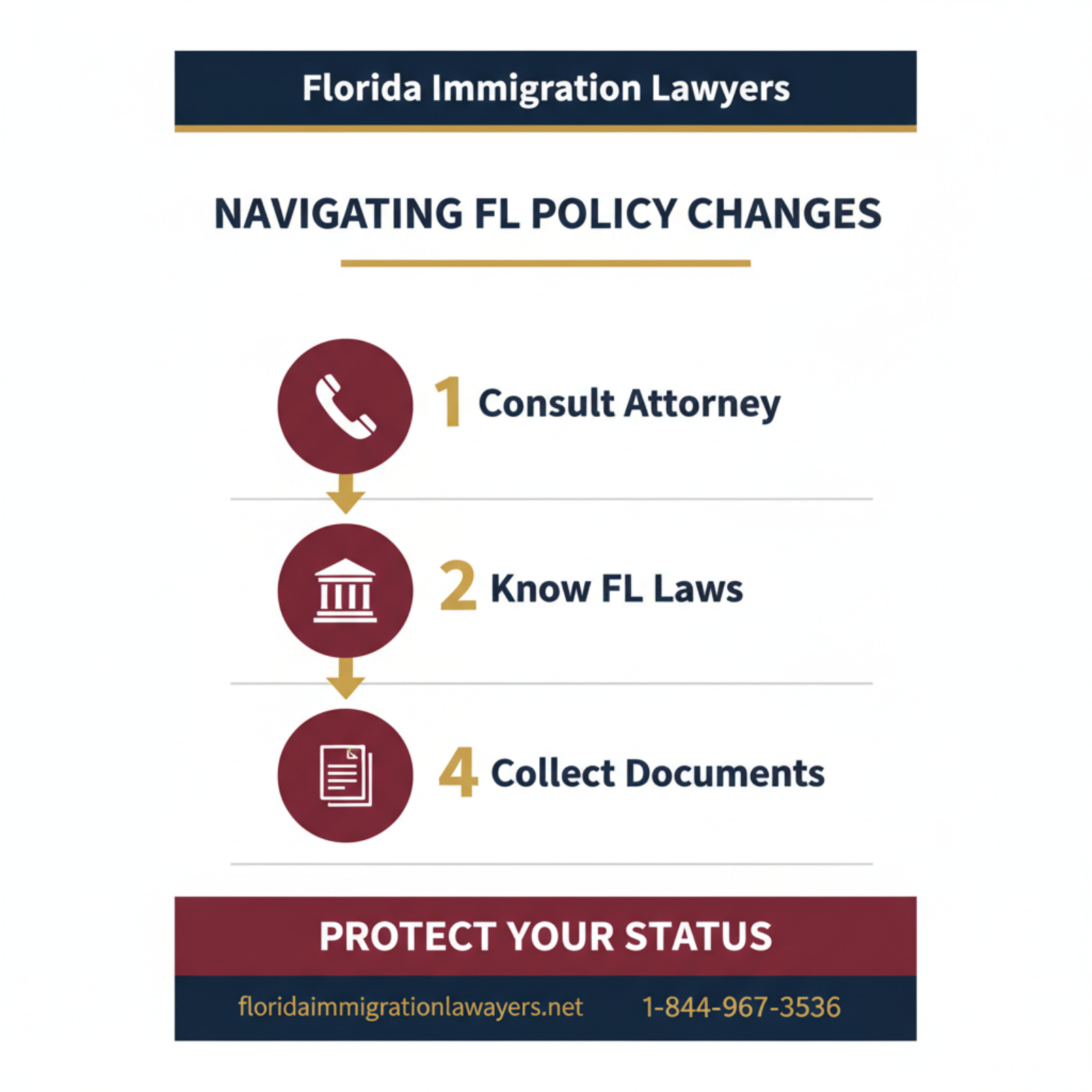
Preparing for potential 2026 immigration rules requires a proactive and informed approach. While specifics may still be unfolding, having a general framework for action can help you safeguard your immigration status and plan for the future. Here is a step-by-step guide to consider.
-
Stay Informed Through Reliable Sources: Regularly check official government websites like USCIS.gov and reputable legal news outlets for updates on immigration policy changes in 2026. Avoid misinformation by relying only on verified sources. Understanding the nuances of proposed legislation is the first step.
-
Review Your Current Immigration Status: Understand your specific visa, green card, or other immigration status. Note your expiration dates, conditions, and any potential pathways to adjustment. Knowing your current standing is foundational to assessing any impacts from new immigration laws for 2026.
-
Gather and Organize Important Documents: Begin collecting all vital immigration documents, including passports, visas, I-94 records, birth certificates, marriage certificates, and any prior immigration filings. Having these readily accessible will be crucial if you need to apply for new benefits or respond to inquiries.
-
Consult with an Immigration Attorney: This is perhaps the most critical step. An experienced attorney can evaluate your unique situation, explain how potential immigration policy shifts might affect you, and advise on the best course of action. They can help you understand complex legal citations like 8 U.S.C. § 1227 or 8 CFR Part 239.
-
Explore Eligibility for Other Immigration Pathways: Based on legal advice, investigate if you are eligible for alternative immigration benefits or protections. This could include naturalization, adjustment of status, or various visa categories. Proactive planning can make a significant difference.
-
Update Personal Information with USCIS: Ensure your address and contact information are current with USCIS, especially if you have moved within Florida, including areas like Coral Springs. Timely communication is essential for receiving important notices and updates regarding your case. You can update your address online via the USCIS website.
-
Understand Employer Obligations: If you are an employer, familiarize yourself with potential new Florida immigration law requirements for verifying employment eligibility. Ensure your I-9 compliance procedures are robust and up-to-date. Penalties for non-compliance can be severe, affecting your business significantly.
Essential Document Checklist for Adapting to 2026 Immigration Policy Changes
As immigration policy changes in 2026 potentially unfold, having your documents in order will be paramount. A comprehensive checklist can help you prepare for any new requirements or applications. This list is general; your specific needs may vary based on your individual case.
- Valid passport and travel documents for all family members.
- Birth certificates (certified copies) for yourself and all dependents.
- Marriage certificate (if applicable) and divorce decrees (if applicable).
- Prior visa stamps and I-94 Arrival/Departure Records.
- Employment authorization documents (EADs) or Green Cards.
- Social Security cards and tax records (e.g., W-2s, 1099s, tax returns).
- Proof of residence in Florida (e.g., utility bills, lease agreements).
- Educational degrees, transcripts, and professional licenses.
- Medical examination reports and vaccination records.
- Financial statements, bank records, and proof of assets.
- Any previous immigration applications, petitions, or correspondence with USCIS or EOIR.
- Police clearance certificates from all places of residence (if required).
- Photographs meeting USCIS specifications.
Timeline and Processing Expectations for Immigration Matters in 2026
Predicting exact timelines for immigration processes is always challenging, and potential immigration policy changes in 2026 could introduce further variables. Processing times for various applications, such as naturalization (N-400), adjustment of status (I-485), or family petitions (I-130), can fluctuate based on caseloads, staffing, and new procedural requirements at USCIS offices, including those serving Florida residents.
Historically, significant policy shifts can lead to temporary backlogs or revised processing priorities. It is wise to anticipate that some applications may take longer than current estimates. Monitoring the USCIS processing times tool online will be essential. However, always remember that these are estimates and not guarantees.
Furthermore, if new laws are enacted, there might be specific implementation periods before they take full effect. This transition phase can sometimes offer a window for certain filings or adjustments. Your immigration attorney at Florida Immigration Lawyers can provide guidance on these critical timelines and help you strategize your application submissions.
Cost Factors and Fee Breakdown for Immigration Applications in 2026
Immigration processes involve various fees, and potential immigration reform Florida initiatives or federal adjustments could impact these costs in 2026. These typically include application filing fees paid to USCIS, biometric service fees, and potentially other associated costs such as medical exam fees or translation services. It is important to budget for these expenses.
USCIS fees are subject to change, and typically increase periodically. While we cannot provide specific amounts here, it is advisable to check the official USCIS website for the most current fee schedule for each form you plan to file. For certain low-income applicants, fee waivers may be available for specific forms, though eligibility criteria are strict.
Beyond government fees, you should also account for legal fees if you choose to hire an immigration attorney. While this is an additional cost, the expertise and guidance provided by a legal professional can be invaluable in navigating complex new immigration laws for 2026, potentially saving you time, stress, and costly mistakes. A consultation with Florida Immigration Lawyers can help clarify these financial aspects.
Do not navigate this process alone. The complexities of potential immigration policy changes in 2026 demand expert guidance. Contact Florida Immigration Lawyers today for comprehensive support and peace of mind.
Common Mistakes to Avoid
Navigating the immigration system, especially with potential 2026 immigration rules, can be fraught with pitfalls. Avoiding these common mistakes can significantly improve your chances of a successful outcome and prevent unnecessary delays or denials.
-
Failing to Stay Informed: Ignoring updates on immigration policy changes in 2026 can lead to missed deadlines or non-compliance with new regulations. Consequences include rejected applications or even deportation proceedings under INA § 237.
-
Submitting Incomplete or Inaccurate Applications: Even minor errors or missing documents can cause significant delays or outright denials. USCIS often returns incomplete applications, wasting valuable time and resources.
-
Misrepresenting Information: Providing false or misleading information on any immigration form or during an interview can result in severe penalties, including a permanent bar from future immigration benefits under INA § 212(a)(6)(C)(i).
-
Missing Deadlines: Immigration processes are highly time-sensitive. Failing to file forms or respond to Requests for Evidence (RFEs) by their due dates can lead to the abandonment of your application or even removal orders.
-
Traveling Without Proper Authorization: Leaving the U.S. without advance parole or while certain applications are pending can sometimes be considered an abandonment of your application or trigger inadmissibility issues upon return.
-
Not Disclosing Past Legal Issues: Attempting to hide arrests, convictions, or other legal problems can be viewed as misrepresentation and lead to severe immigration consequences, even if the issue seems minor.
-
Ignoring USCIS or EOIR Correspondence: Always open and respond promptly to any mail from USCIS or the Executive Office for Immigration Review (EOIR). Ignoring these notices can result in missed appointments, court dates, or adverse decisions without your knowledge.
-
Relying on Unqualified Advice: Seeking advice from notarios, visa consultants, or friends instead of licensed immigration attorneys can lead to incorrect filings, scams, or irreversible legal harm. Only a qualified attorney can provide legal advice.
-
Assuming Old Rules Apply: With potential new immigration laws for 2026, assuming that previous policies or procedures remain unchanged can be a critical error. Always verify the latest requirements.
-
Not Preparing for Interviews: Immigration interviews are crucial. Failing to adequately prepare, understand potential questions, or bring all required documents can jeopardize your application.
When to Call a Lawyer
The evolving nature of immigration policy changes in 2026 makes legal counsel more important than ever. While some cases might seem straightforward, even minor complexities can lead to significant problems without expert guidance. Knowing when to call a lawyer can make all the difference in your immigration journey.
You should consider contacting Florida Immigration Lawyers if you:
- Are unsure how potential new immigration laws for 2026 will affect your specific status or application.
- Have received a Request for Evidence (RFE) or a Notice of Intent to Deny (NOID) from USCIS.
- Are facing deportation or removal proceedings, which can be complex and require immediate legal defense under 8 U.S.C. § 1229a.
- Have a criminal record, even a minor one, which could impact your eligibility for immigration benefits.
- Are applying for asylum or refugee status, as these cases are highly sensitive and require strong legal arguments.
- Need to appeal a denied application or decision.
- Are an employer seeking to understand compliance requirements for hiring immigrant workers under new Florida immigration law.
- Have any doubts about completing complex immigration forms accurately.
- Require assistance with family-based immigration or business immigration matters that may be impacted by new regulations.
- Are seeking citizenship and need to ensure all requirements are met, particularly with any new policy adjustments.
Our experienced attorneys at Florida Immigration Lawyers specialize in all aspects of immigration law, from general immigration to asylum and deportation defense. We are dedicated to providing personalized and effective legal strategies to protect your rights and help you achieve your immigration goals.
About Florida Immigration Lawyers
Florida Immigration Lawyers is a leading immigration law firm dedicated to serving individuals, families, and businesses across the entire state of Florida. With a deep understanding of U.S. immigration law and a commitment to our clients, we provide compassionate and effective legal representation.
Our firm specializes in a wide range of immigration services, including visa applications, green cards, family petitions, naturalization, asylum, and deportation defense. We pride ourselves on offering personalized attention and strategic advice tailored to each client's unique circumstances, especially as immigration policy continues to evolve.
When you choose Florida Immigration Lawyers, you choose a team that is available 24/7 to address your concerns. We offer free consultations to discuss your case and outline your best legal options. Our mission is to be your trusted advocate through every step of your immigration journey. Visit our website at https://www.floridaimmigrationlawyers.net or call us at 1-844-967-3536.
Sources and References
- U.S. Citizenship and Immigration Services (USCIS)
- Executive Office for Immigration Review (EOIR)
- U.S. Department of State - Bureau of Consular Affairs
- 8 U.S.C. Chapter 12 - Immigration and Nationality Act (INA)
- INA § 212 - General Classes of Aliens Ineligible for Visas and Admission; Waivers of Inadmissibility
- INA § 237 - Deportable Aliens
- INA § 240 - Removal Proceedings
- 8 CFR Part 239 - Initiation of Removal Proceedings
- 8 CFR Part 245 - Adjustment of Status
This article provides general legal information and is not intended as legal advice. Every case is unique, and outcomes depend on specific facts and circumstances. Contact an attorney for advice about your particular situation.
The future of immigration policy in Florida may bring significant changes in 2026. Do not face these potential challenges alone. Our dedicated team at Florida Immigration Lawyers is ready to provide the expert legal assistance you need. Call us today at 1-844-967-3536 for a free consultation. Se Habla Español - Estamos aquí para ayudarle.
Do Not Navigate This Process Alone
Our experienced immigration attorneys are ready to fight for you. Get a free, confidential consultation today.
Se Habla Español
Or leave your details and we’ll call you:
Free Evaluation in 24 Hours
Or talk to us right now

AI voice assistant — available 24/7
FreeFrequently Asked Questions

William J. Vásquez
Founding Attorney · Vasquez Law Firm
U.S. Air Force veteran and immigration attorney with years of hands-on U.S. immigration experience. J.D., NCCU School of Law. AILA member. Admitted to the 4th, 5th, and 11th Circuit Courts.
Available 24/7 - Free Evaluations
Reviewed for legal accuracy by William J. Vásquez
Licensed in North Carolina; U.S. immigration is federal practice.
Related Legal Services
Our Florida immigration attorneys can help you with citizenship and naturalization, family immigration services and immigration practice areas. Call today at 1-844-967-3536 for a free consultation.
Related Links
Related Topics
Free Legal Consultation
Discuss your case with our experienced attorneys. We're available 24/7.
Se Habla Español - Estamos aquí para ayudarle.
Related Articles
Schedule A Nurse Immigration in Florida 2026 Guide
Discover the comprehensive guide to Schedule A nurse immigration in Florida for 2026. This specialized pathway allows foreign registered nurses to bypass the standard labor certification process, leading to an expedited EB-3 Green Card. Learn about eligibility requirements, the step-by-step application process, expected timelines, and associated costs. We also cover unique challenges for foreign nurses in Florida, including state licensing and the vital role of sponsoring hospitals. Avoid common mistakes and understand when professional legal assistance from Florida Immigration Lawyers is essential for a successful permanent residency application. Our firm provides expert guidance for nurses seeking to thrive in Florida's healthcare system.
Orlando Immigration Lawyer: Free Consultation Guide 2026
Discover how an Orlando immigration lawyer can provide essential guidance through complex U.S. immigration processes. This comprehensive guide details the benefits of a free consultation, outlines common immigration services, explains how to prepare for your meeting, and discusses typical timelines and fee structures in Florida for 2026. Learn to avoid common mistakes and understand when professional legal counsel is indispensable, especially amidst evolving immigration policies. Florida Immigration Lawyers offers expert support for visas, green cards, citizenship, and deportation defense across the state.
Removal Conditional Green Card Process in Florida 2026
For individuals with a two-year conditional green card obtained through marriage, the process of removing conditions is a critical next step. This involves filing Form I-751, Petition to Remove Conditions on Residence, within a strict 90-day window before expiration. This guide, relevant for 2026, details the required documentation, filing timelines, potential costs, and crucial waivers for special circumstances like divorce or abuse. It also highlights common mistakes to avoid and emphasizes the importance of demonstrating a bona fide marriage to USCIS. For residents across Florida, from Gainesville to Miami, understanding these requirements is vital to transitioning to permanent residency. Seeking expert legal guidance from Florida Immigration Lawyers can significantly enhance your chances of a successful outcome, providing peace of mind throughout this complex immigration process.
Cancellation of Removal Attorney Fees in Florida 2026
Facing deportation in Florida? Learn about Cancellation of Removal, a vital defense that allows certain non-citizens to remain in the U.S. This guide covers eligibility, the step-by-step process in Florida immigration courts, essential documentation, and typical timelines as of 2026. We delve into the critical differences between LPR and non-LPR cancellation, including the challenging "exceptional and extremely unusual hardship" standard. Understand the factors influencing cancellation of removal attorney fees, common mistakes to avoid, and when to seek expert legal counsel. Florida Immigration Lawyers offers comprehensive deportation defense services to protect your future in Florida.