Dual Citizenship Lawyer: Navigating Orlando's Immigration
Explore the benefits and process of dual citizenship in Orlando, Florida. Understand how a dual citizenship lawyer can assist with naturalization and maintaining your status. Discover key steps, document requirements, and common pitfalls to avoid. Contact Florida Immigration Lawyers for expert guidance.
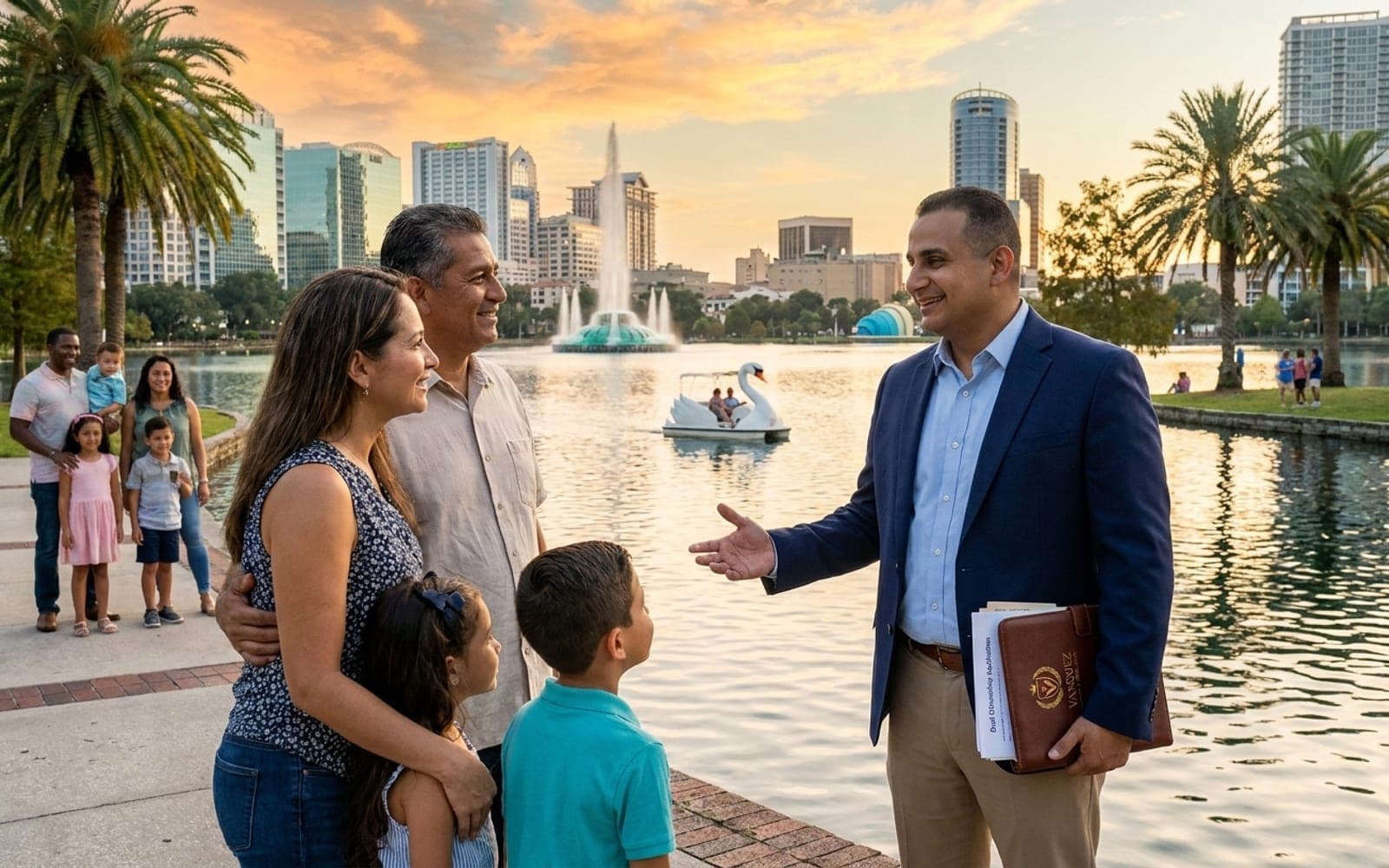
- Dual citizenship allows you to hold two passports.
- Understanding both U.S. and foreign laws is crucial.
- Consult a lawyer for personalized guidance.
Introduction
Imagine the freedom of holding two passports, allowing seamless travel and residency options across borders. For many, dual citizenship is not just a possibility, but a strategic advantage in today's interconnected world. In Orlando, Florida, understanding the intricacies of dual citizenship is crucial. This article explores the process, legal implications, and benefits of holding dual citizenship in the U.S. and another country. Call Florida Immigration Lawyers at 1-844-YO-PELEO for a free case review.
In an increasingly globalized society, the ability to maintain ties with multiple nations offers unparalleled opportunities for personal and professional growth. Whether it's for business, family connections, or simply the desire for greater flexibility, dual citizenship has become a sought-after status. For residents of Orlando and Central Florida, a region rich in diverse cultures and international connections, navigating the path to dual citizenship requires precise legal knowledge and strategic planning.
This comprehensive guide will delve deeper into the legal framework, practical steps, and critical considerations involved in obtaining and maintaining dual nationality. We aim to equip you with the knowledge needed to make informed decisions and highlight how expert legal assistance from Florida Immigration Lawyers can streamline this often-complex journey, ensuring compliance with both U.S. and foreign legal requirements.
What Is Dual Citizenship and How Can You Achieve It?
Dual citizenship refers to the status of an individual who is legally recognized as a citizen of two countries. This status allows individuals to enjoy the rights and obligations of citizenship in both countries, such as the ability to vote, work, and reside. Achieving dual citizenship typically involves meeting the legal requirements of both countries, which may include naturalization, descent, or marriage. In the U.S., dual citizenship is recognized but not officially encouraged, and the process can vary depending on the foreign country's laws.
As of 2026, individuals seeking dual citizenship in Florida must ensure compliance with both U.S. and foreign legal requirements. It is essential to consult with an immigration lawyer who can navigate the intricacies of both countries' laws and provide personalized guidance.
The United States' stance on dual nationality is often misunderstood. While the U.S. government does not actively promote dual citizenship, it also does not prohibit it. The Immigration and Nationality Act (INA) does not contain any provisions that require a person to choose one citizenship over another. This means that if another country's laws permit dual nationality, and an individual meets the criteria for citizenship in both nations, they can legally hold dual citizenship without issue under U.S. law. For example, a child born in the U.S. to parents who are citizens of a country that grants citizenship by descent will automatically be a dual citizen at birth, recognized by both nations.
Achieving dual citizenship can occur through several pathways. Beyond naturalization, individuals might acquire dual nationality through birthright (if born in a country that grants citizenship based on the place of birth, like the U.S., and their parents are citizens of a country that grants citizenship by descent). Marriage to a foreign national can also be a pathway, depending on the laws of the spouse's country. Understanding which of these avenues applies to your unique situation is the first critical step, and a dual citizenship lawyer at Florida Immigration Lawyers can help clarify these complexities.
Legal Framework for Dual Citizenship
The legal framework for dual citizenship in the U.S. includes understanding the Immigration and Nationality Act (INA) and specific provisions under 8 U.S.C. The U.S. does not require individuals to renounce their prior citizenship upon naturalization, allowing for dual citizenship in many cases.
How Does Naturalization Affect Dual Citizenship?
Naturalization is the process through which a foreign national becomes a U.S. citizen. It can affect dual citizenship by potentially requiring a renunciation of original citizenship, depending on the laws of the other country. In the U.S., naturalization generally does not require renunciation, but each case is unique.
Prospective citizens must meet specific criteria, including residency, language proficiency, and knowledge of U.S. history and government. The naturalization process involves filing Form N-400 with the USCIS, attending an interview, and passing a citizenship test.
During the naturalization ceremony, applicants take an Oath of Allegiance to the United States. This oath includes a phrase renouncing allegiance to any foreign state. However, U.S. courts and the State Department have generally interpreted this oath not as a literal renunciation of all foreign ties, but rather as an expression of primary allegiance to the U.S. This interpretation is what allows for the recognition of dual citizenship under U.S. law, provided the other country also permits it. It's crucial to understand that while the U.S. permits dual nationality, your country of origin might not, and its laws could still require you to formally renounce your original citizenship upon acquiring a new one.
For instance, some countries have strict laws against dual nationality and may automatically revoke your citizenship if you naturalize in another country. Others might require a formal application to retain citizenship or allow it only under specific conditions. A common scenario involves individuals from countries like India or China, which generally do not permit dual citizenship. In such cases, while the U.S. does not require renunciation, the individual's original country will likely cease to recognize them as a citizen once they become a U.S. citizen. Consulting with Florida Immigration Lawyers can help you understand the specific implications for your country of origin.
Navigating these varying international laws is where expert legal guidance becomes invaluable. A knowledgeable attorney can help you determine if your country of origin has specific provisions for retaining citizenship after naturalizing in the U.S., or if there are any steps you can take to mitigate the risk of losing your original nationality. This proactive approach ensures you are fully aware of the potential outcomes and can make informed decisions about your citizenship journey.
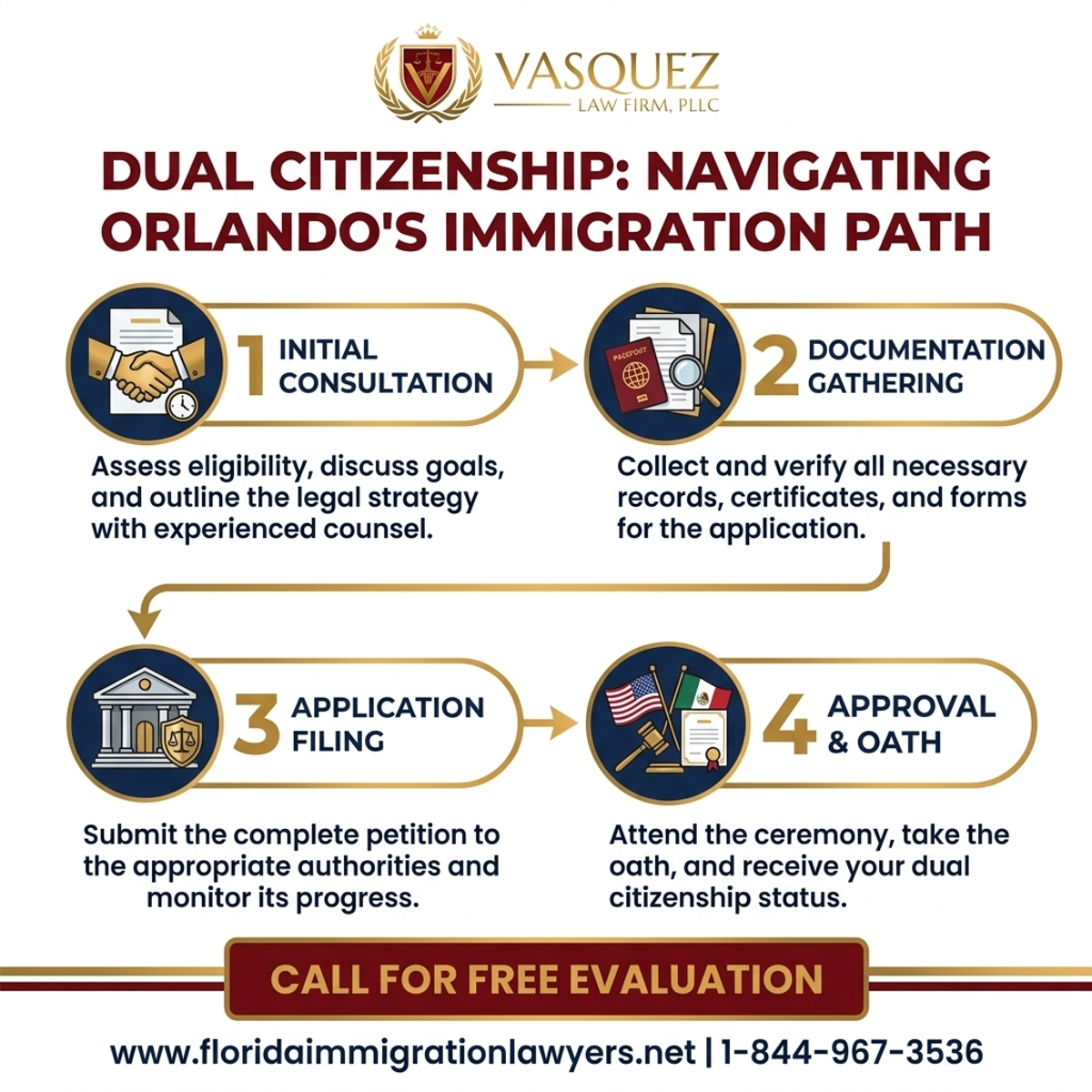
Step-by-Step Process — Dual Citizenship Lawyer: Navigating Orlando's Immigration Path
Steps to Naturalization
- Determine eligibility: Check residency requirements and other criteria.
- Prepare Form N-400: Gather necessary documents for submission.
- Submit application: File with USCIS and pay the required fee.
- Biometrics appointment: Attend to provide fingerprints and photos.
- Interview and test: Participate in a USCIS interview and pass the citizenship test.
- Oath ceremony: Attend and take the Oath of Allegiance to complete naturalization.
What Documents Are Required for Dual Citizenship Applications?
Document requirements for dual citizenship vary based on the countries involved. In general, U.S. citizens applying for dual citizenship need to provide proof of citizenship, residency, and identity. This includes birth certificates, passports, and legal documents like marriage certificates if applicable.
- Valid passport from both countries
- Birth certificate
- Naturalization certificate (if applicable)
- Marriage certificate (if applicable)
- Proof of residency in the U.S.
The importance of accurate and complete documentation cannot be overstated. Any missing or incorrect information can lead to significant delays, requests for evidence (RFEs), or even denial of your application. Beyond the standard documents, you might also need certified translations of foreign documents, apostilles to authenticate foreign public documents for use in the U.S., or specific forms required by your country of origin to either acquire or retain citizenship. For example, if you are claiming citizenship by descent, you would need birth certificates and marriage certificates tracing your lineage back to the citizen ancestor.
Gathering these documents can be a time-consuming process, especially if they are from a foreign country. It often involves contacting government agencies abroad, which can have their own bureaucratic procedures and timelines. A dual citizenship lawyer at Florida Immigration Lawyers can assist in identifying all necessary documents, advising on how to obtain them, and ensuring they meet the specific requirements of both the U.S. and the foreign government. Always obtain certified copies and be prepared for potential delays in securing documents from foreign governments.
Timeline and Processing Expectations
Processing times for dual citizenship applications can vary significantly. The naturalization process in the U.S. alone can take several months to over a year.
| Stage | Typical Timeframe | Notes |
|---|---|---|
| Form N-400 Processing | 8-12 months | Varies by location and case complexity |
| Biometrics Appointment | 1-2 months | Depends on USCIS office availability |
| Interview and Test | 3-6 months | Based on USCIS scheduling |
| Oath Ceremony | 1-3 months | Typically scheduled shortly after interview |
Several factors can influence the overall timeline, including the specific USCIS field office processing your application, the complexity of your case, the volume of applications, and whether you receive a Request for Evidence (RFE). An RFE can add several weeks or even months to the process, as you must gather and submit additional documentation, and USCIS then needs to review it. Background checks, which are a mandatory part of the naturalization process, can also sometimes cause unforeseen delays.
While these timelines provide a general expectation, it's crucial to approach the process with patience and preparedness. Maintaining meticulous records and promptly responding to any USCIS requests for additional information can help prevent unnecessary delays. For those seeking to manage expectations and ensure all steps are followed correctly, engaging with Florida Immigration Lawyers can provide peace of mind. Our team stays updated on current USCIS processing times and can help you track your application's progress, offering strategic advice if delays occur.
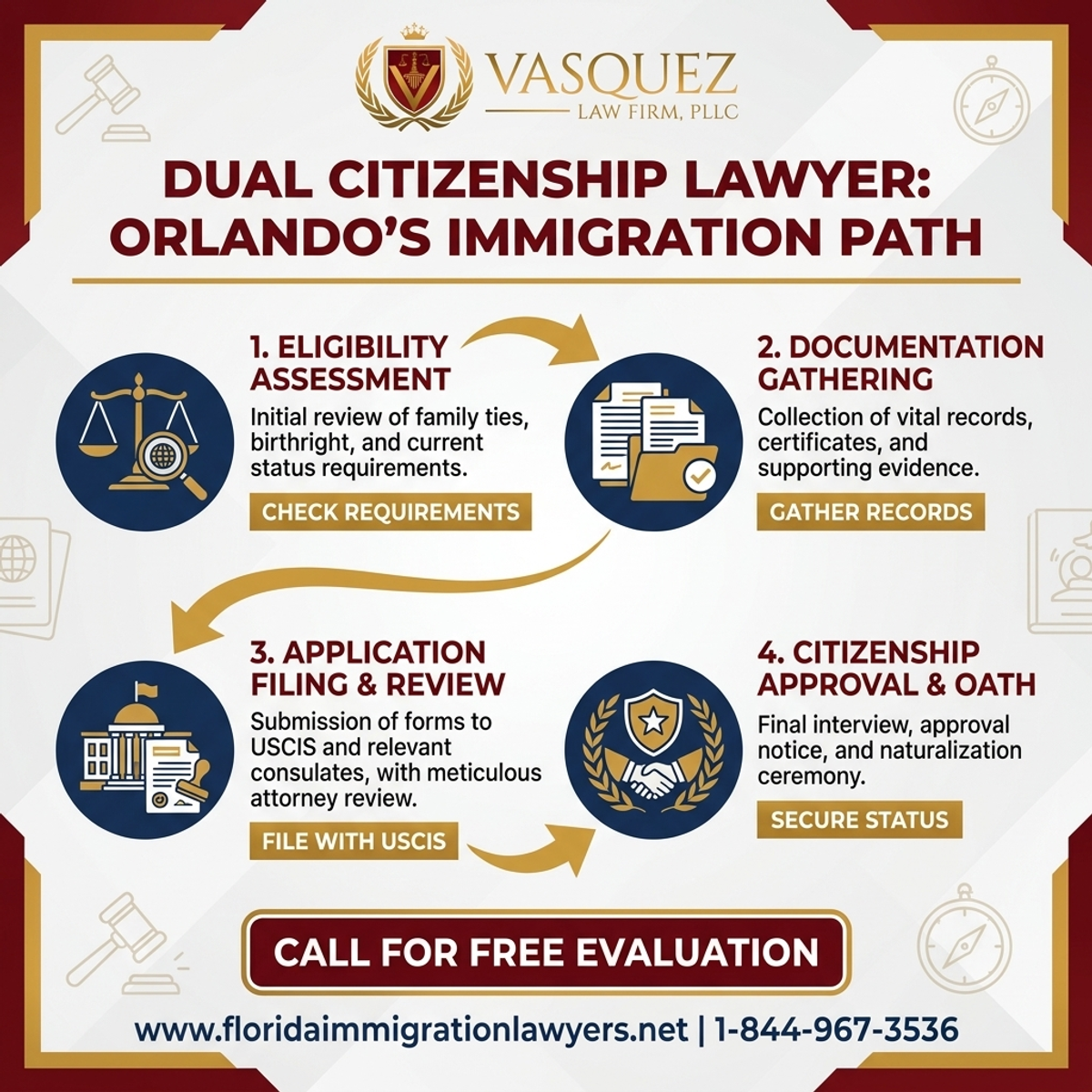
Key Statistics — Dual Citizenship Lawyer: Navigating Orlando's Immigration Path
Cost Factors and Fee Breakdown
Understanding the costs associated with dual citizenship is essential. Fees can include application processing, legal assistance, and additional services.
| Item | Typical Fee | Notes |
|---|---|---|
| Form N-400 Application | Varies | USCIS fee may change |
| Biometrics Service | Varies | Additional service fee |
| Legal Assistance | Varies | Depends on case complexity |
Do not navigate this process alone. Contact Florida Immigration Lawyers today.
The USCIS application fees are non-refundable and can change, so it's always important to check the most current fee schedule on the official USCIS website before filing. Beyond government fees, other potential costs include fees for obtaining foreign documents, certified translations, notarizations, and potentially travel expenses for interviews or biometrics appointments. These seemingly minor costs can add up, making a clear financial plan crucial for a smooth application process.
Legal assistance fees can vary widely depending on the attorney's experience, the complexity of your case, and the scope of services provided. Some firms offer flat fees for specific services like naturalization applications, while others charge hourly rates. It's advisable to have a transparent discussion about all potential costs with your attorney during the initial consultation. While legal fees represent an investment, the peace of mind and increased likelihood of a successful outcome often outweigh the costs of attempting to navigate the complex legal landscape alone. Some individuals may qualify for USCIS fee waivers based on income or receipt of public benefits, which can significantly reduce government costs; a lawyer can help assess your eligibility.
Common Mistakes to Avoid
Embarking on the journey to dual citizenship is a significant undertaking, and overlooking crucial details can lead to setbacks. Being aware of common pitfalls can save you time, money, and emotional stress, ensuring a smoother path to achieving your dual nationality goals.
- Neglecting dual citizenship laws of the other country, risking loss of citizenship.
- Filing incomplete or incorrect application forms, leading to delays or denials.
- Not preparing adequately for the naturalization test, which can result in failure.
- Overlooking the need for legal guidance, which can complicate the process.
- Failing to update personal information with both countries, leading to legal issues.
- Ignoring tax implications of dual citizenship, which can result in penalties.
- Missing biometrics appointments, delaying the application process.
- Underestimating the time required for application processing.
- Not keeping track of USCIS notifications and deadlines.
- Failing to consider the impact on family members' immigration status.
Each of these mistakes can have serious repercussions, from prolonged processing times to outright denial of your application. Proactive planning and meticulous attention to detail are paramount. For example, understanding the tax implications of dual citizenship is critical, as U.S. citizens and green card holders are subject to worldwide taxation, regardless of where they reside. Failing to report foreign income or assets can lead to severe penalties. Engaging with experienced professionals, such as the team at Florida Immigration Lawyers, can provide a vital layer of protection against these common errors, guiding you through each step with precision and expertise.
When to Call a Lawyer
Engaging with a dual citizenship lawyer is advisable in several situations. If you're unsure about eligibility, need assistance with complex documentation, or face unique legal challenges, a lawyer can provide essential guidance. Legal professionals can also help navigate the implications of dual citizenship on taxes, military obligations, and family immigration status. If you're in Orlando or Central Florida, Florida Immigration Lawyers offer expert assistance tailored to your needs.
The decision to seek legal counsel can be a game-changer, especially when dealing with intricate immigration laws that span two or more countries. Consider reaching out to Florida Immigration Lawyers if you have a complex personal history, such as a criminal record, prior immigration violations, or a previous denial of an immigration benefit. These factors can significantly complicate your application and often require specialized legal strategies to overcome. A lawyer can assess the impact of such issues and help present your case in the most favorable light to USCIS.
Furthermore, if your country of origin has particularly complex or ambiguous laws regarding dual citizenship, or if you are dealing with a situation involving children who may have claims to multiple citizenships, a lawyer's expertise is invaluable. They can clarify conflicting legal requirements, advise on the best course of action to protect your interests, and ensure that all applications are filed accurately and on time. Don't hesitate to call 1-844-YO-PELEO for a free case review if you suspect your situation might be more involved than a straightforward application.
About Florida Immigration Lawyers
Florida Immigration Lawyers is dedicated to providing comprehensive legal services to immigrants across Central Florida. Our experienced attorneys specialize in various immigration matters, including dual citizenship, naturalization, and deportation defense. Available 24/7, we offer free case reviews and personalized support to help you achieve your immigration goals. Contact us at 1-844-YO-PELEO or explore our immigration practice areas for more information.
Our commitment extends beyond just processing paperwork; we strive to be a trusted partner throughout your entire immigration journey. With a deep understanding of both U.S. and international immigration laws, our team is equipped to handle even the most challenging cases, providing strategic advice and unwavering advocacy. We pride ourselves on clear communication, ensuring you are informed and confident at every stage of your dual citizenship application. Our mission is to empower individuals and families in Orlando and the wider Central Florida region to achieve their dreams of global mobility and security.
Sources and References
- U.S. Citizenship and Immigration Services (USCIS)
- Executive Office for Immigration Review (EOIR)
- 8 U.S.C. Chapter 12 - Immigration and Nationality Act
Related services: citizenship test preparation, dual citizenship guidance, family-based immigration.
This article provides general legal information and is not intended as legal advice. Every case is unique, and outcomes depend on specific facts and circumstances. Contact an attorney for advice about your particular situation.
Seize the opportunity for dual citizenship with expert guidance. Contact Florida Immigration Lawyers at 1-844-YO-PELEO for a consultation. Se Habla Espanol - Estamos aqui para ayudarle.
If you need legal assistance, learn more about get citizenship help today, or call us at 1-844-967-3536 for a free case review.
Do Not Navigate This Process Alone
Our experienced immigration attorneys are ready to fight for you. Get a free, confidential case review today.
Se Habla Español
Or leave your details and we’ll call you:
Free Evaluation in 24 Hours
Or talk to us right now
AI voice assistant — available 24/7
FreeFrequently Asked Questions

William J. Vásquez
Founding Attorney · Vasquez Law Firm
U.S. Air Force veteran and immigration attorney with years of hands-on U.S. immigration experience. J.D., NCCU School of Law. AILA member. Admitted to the 4th, 5th, and 11th Circuit Courts.
Available 24/7 - Free Evaluations
Reviewed for legal accuracy by William J. Vásquez
Licensed in North Carolina; U.S. immigration is federal practice.
Related Legal Services
Our Florida immigration attorneys can help you with immigration practice areas, free immigration consultation and business immigration. Call today at 1-844-YO-PELEO for a free case review.
Related Links
Related Topics
Free Legal Case Review
Discuss your case with our experienced attorneys. We're available 24/7.
Se Habla Español - Estamos aquí para ayudarle.
Related Articles
Dual Citizenship Lawyer in Florida: What You Need to Know
For Florida residents, the concept of dual citizenship, or holding two passports, offers a compelling blend of opportunities and challenges. While the U.S. generally permits dual nationality, the path to achieving this status requires a meticulous understanding of both U.S. immigration laws and the citizenship policies of your country of origin. This guide explores the definition of dual citizenship, the detailed step-by-step process for U.S. naturalization, and the significant benefits and potential pitfalls involved. We cover essential documentation, typical timelines, and cost considerations for 2026, providing crucial insights for anyone in Orlando, Miami, or across Florida considering this important legal step. Learn about common mistakes to avoid and understand when to seek professional legal counsel to navigate this complex process successfully. Florida Immigration Lawyers is here to provide expert, bilingual support for your dual citizenship journey.
Immigration Lawyer Orlando Free Consultation in Florida
For individuals and families in Orlando, Florida, navigating the complexities of U.S. immigration law requires expert guidance. An immigration lawyer in Orlando offers crucial support for everything from visa applications and green card processes to naturalization and deportation defense. This comprehensive guide details what a free consultation covers, providing a step-by-step overview of immigration pathways, essential document checklists, and expected timelines in 2026. We also highlight common mistakes to avoid, discuss the critical role of legal counsel in deportation and asylum cases, and explain why choosing a local Orlando immigration attorney is beneficial. Florida Immigration Lawyers is dedicated to serving the diverse community of Orlando with compassionate, effective legal solutions, ensuring you receive personalized advice and robust representation for a successful immigration journey.
EAD Advance Parole Combo Card in Florida 2026
For individuals with a pending Form I-485, Application to Register Permanent Residence or Adjust Status, the EAD Advance Parole Combo Card is an essential document. This single card combines the authorization to work legally in the U.S. (Employment Authorization Document - EAD) with permission to travel internationally and re-enter without abandoning your green card application (Advance Parole). This guide from Florida Immigration Lawyers provides a comprehensive overview for applicants in Florida in 2026, covering eligibility, the step-by-step application process, required documents, expected processing times, and associated costs. We also highlight common mistakes to avoid and when to seek legal counsel to ensure a smooth and successful immigration journey. Understanding this vital card is key to maintaining stability while awaiting your permanent residency approval.
Credible Fear Interview Lawyer in Florida
Facing a credible fear interview in Florida can be daunting. Understand the process, prepare effectively, and know when to seek legal help. Florida Immigration Lawyers are here to assist you with expert guidance throughout your asylum process.