DACA Work Permit Process in Florida | FL Immigration Lawyers
Discover the comprehensive process to apply for a DACA work permit in Florida. From eligibility to application tips, learn how to navigate the system effectively. Call 1-844-967-3536 for help.

DACA Work Permit Process in Florida | FL Immigration Lawyers
For thousands of young individuals in Florida, the Deferred Action for Childhood Arrivals (DACA) program represents a lifeline, offering temporary protection from deportation and, crucially, the ability to work legally in the United States. Navigating the DACA work permit process can be complex, filled with specific requirements and an ever-evolving legal landscape. This comprehensive guide aims to demystify the process for DACA recipients and applicants in Florida, providing clarity on eligibility, application steps, and the critical role of legal assistance.
Understanding DACA is the first step. Established in 2012, DACA provides eligible undocumented immigrants who came to the U.S. as children with a renewable two-year period of deferred action from deportation. It also grants eligibility for an Employment Authorization Document (EAD), commonly known as a work permit. While DACA does not provide a path to permanent legal status or citizenship, it offers stability and opportunities for Dreamers to contribute to their communities and the economy. For those seeking to understand the broader landscape of immigration law, DACA is a significant, albeit unique, component.
Understanding DACA and Work Permits in Florida
DACA was a landmark policy designed to protect young undocumented immigrants, often referred to as 'Dreamers,' who grew up in the United States. These individuals were brought to the U.S. as children, often having no memory of their country of origin, and consider America their home. The program allows them to pursue education and careers without the constant fear of deportation.
An Employment Authorization Document (EAD) is the physical card issued by U.S. Citizenship and Immigration Services (USCIS) that proves an individual is authorized to work in the United States. For DACA recipients, obtaining and maintaining this work permit is paramount. It opens doors to legitimate employment, allows for obtaining a driver's license in Florida, and provides a sense of security and belonging that is otherwise elusive for undocumented individuals. Without an EAD, DACA's protections are significantly limited in their practical application, making the work permit process integral to the program's purpose.
Eligibility Requirements for DACA in Florida
To be eligible for DACA, and by extension, a work permit, applicants must meet several strict criteria set forth by USCIS. It’s crucial to understand each requirement thoroughly, as even minor discrepancies can lead to denial. Here are the core eligibility requirements:
- Came to the United States Before Your 16th Birthday: You must have been under the age of 16 when you first entered the U.S.
- Continuously Resided in the U.S. Since June 15, 2007: You must have maintained continuous residence in the U.S. from June 15, 2007, up to the present time. Brief, innocent departures do not necessarily break continuous residence, but prolonged absences can.
- Physically Present in the U.S. on June 15, 2012: You must have been physically present in the U.S. on June 15, 2012, when DACA was announced, and at the time of submitting your DACA request.
- No Lawful Status on June 15, 2012: You must not have had lawful immigration status on June 15, 2012. This includes individuals whose lawful status had expired by this date.
- Currently in School, Graduated, or Obtained a GED, or Honorably Discharged Veteran: You must meet one of these educational or military service requirements. This demonstrates a commitment to education or service to the country.
- No Felony, Significant Misdemeanor, or Three or More Other Misdemeanors: Your criminal record is heavily scrutinized. A felony conviction, a significant misdemeanor (such as domestic violence, sexual abuse, or DUI), or three or more other misdemeanors (not arising from the same act, omission, or scheme of misconduct) will disqualify you. Traffic offenses are generally not considered misdemeanors for DACA purposes unless they are serious. If you have concerns about past legal issues or potential deportation, consulting with an attorney specializing in deportation defense is highly recommended.
- Under the Age of 31 as of June 15, 2012: This criterion applies to initial DACA requests. For renewals, there is no age cap.
Meeting these criteria is essential, and providing thorough documentation for each point is critical to a successful application. Any misrepresentation or lack of evidence can lead to a denial, which can have significant consequences.
The DACA Work Permit Application Process: A Step-by-Step Guide
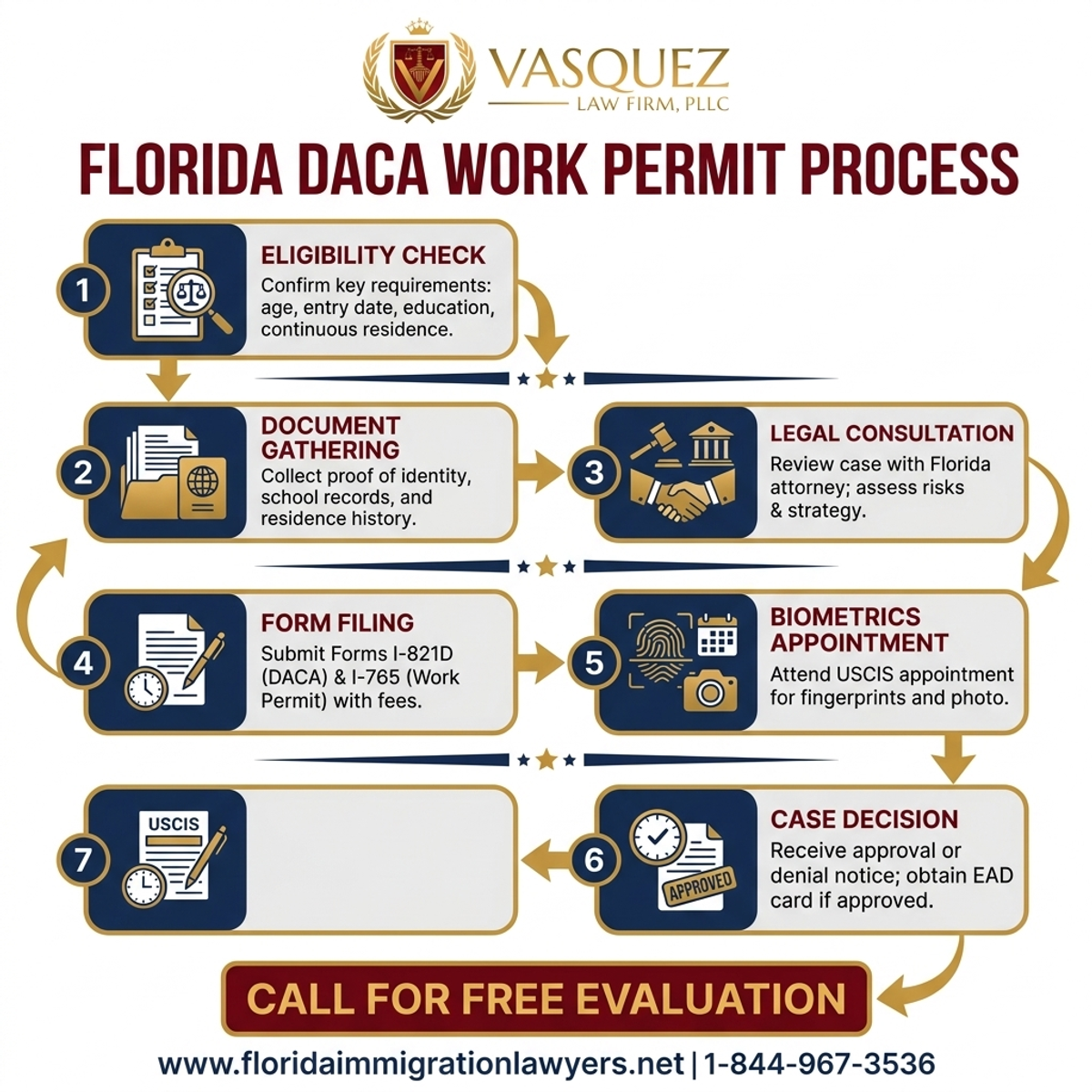
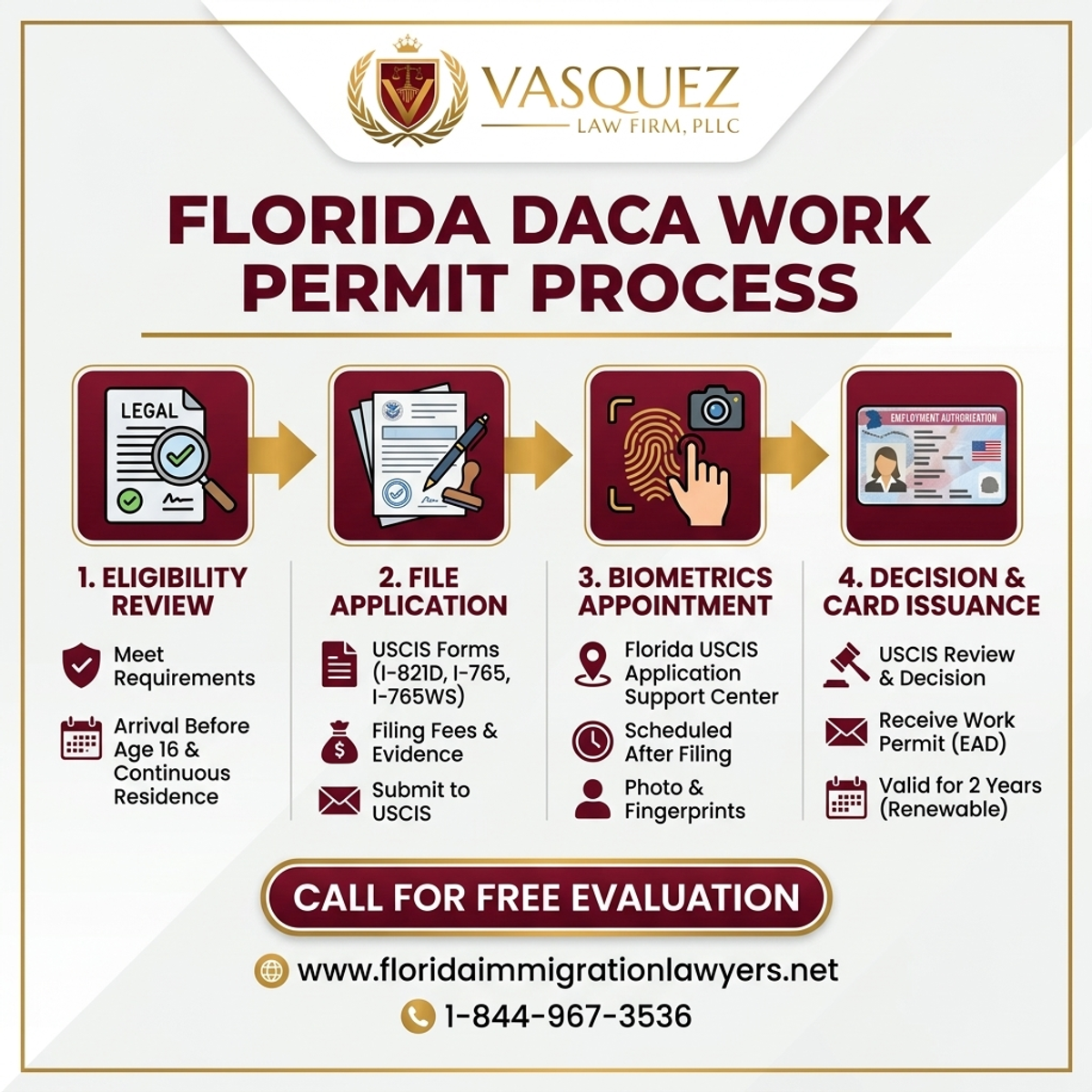
The DACA application process involves several detailed steps, requiring meticulous attention to detail and accurate submission of forms and supporting evidence. Here’s a breakdown of what to expect:
1. Gather Necessary Documents
This is arguably the most crucial step. You will need to collect a wide array of documents to prove your eligibility. These include, but are not limited to:
- Proof of identity and age (birth certificate, passport from country of origin, national identity card).
- Proof of entry to the U.S. before age 16 (entry stamps, travel records).
- Proof of continuous residence since June 15, 2007 (school records, medical records, utility bills, rental agreements, employment records, bank statements, affidavits from friends/family).
- Proof of physical presence on June 15, 2012 (any document showing you were in the U.S. on that specific date).
- Proof of educational attainment (school transcripts, diplomas, GED certificates).
- Any criminal records, if applicable (court dispositions, police reports).
- Photocopies of all previous DACA approval notices and EAD cards (for renewals).
It is vital to provide clear, legible copies of all documents. If any documents are not in English, they must be accompanied by a certified English translation.
2. Complete Required Forms
You will need to accurately complete three primary forms:
- Form I-821D, Consideration of Deferred Action for Childhood Arrivals: This is the main DACA request form.
- Form I-765, Application for Employment Authorization: This form requests your work permit.
- Form I-765 Worksheet: This provides additional details required for the I-765.
Step-by-Step Process — DACA Work Permit Process in Florida | FL Immigration Lawyers
Ensure all questions are answered truthfully and completely. Any blank fields that should have an answer can cause delays or denials. If a question does not apply, write “N/A.”
3. Pay Filing Fees
As of the most recent updates, the filing fee for DACA (Form I-821D) is combined with the fee for the Employment Authorization Document (Form I-765) and biometrics. This fee must be paid by money order, personal check, cashier's check, or by credit card using Form G-1450. Fee waivers are extremely rare for DACA applications and are generally not available. It’s crucial to verify the current fees on the USCIS website before submitting your application, as they can change.
4. Submit Your Application Packet
Organize all your forms and supporting documents neatly. It's highly recommended to make a complete copy of your entire application packet for your records before mailing it. Send your application to the USCIS Lockbox facility specified for DACA filings. The correct address depends on where you live and the delivery method (USPS vs. courier service), so always check the USCIS website for the most current filing addresses.
5. Attend Biometrics Appointment
After USCIS accepts your application, you will receive an appointment notice for biometrics (fingerprints, photograph, and signature) at an Application Support Center (ASC). This appointment is mandatory. Make sure to attend on time with your appointment notice and a valid photo ID.
6. Await Decision and EAD Card
Processing times for DACA applications can vary significantly, ranging from a few months to over a year. You can check the status of your application online using the receipt number provided by USCIS. If your application is approved, you will receive an approval notice and your EAD card in the mail. If there are issues, USCIS may send a Request for Evidence (RFE) or a Notice of Intent to Deny (NOID).
Navigating Complex DACA Scenarios and Legal Challenges
While the DACA process is outlined with clear steps, many applicants face unique circumstances that can complicate their case. These complexities often require a deeper understanding of immigration law and, frequently, the guidance of an experienced attorney.
Criminal History and DACA Eligibility
One of the most significant challenges for DACA applicants is a past criminal record. Even minor infractions can jeopardize eligibility. As previously mentioned, a felony, significant misdemeanor, or three or more other misdemeanors will lead to disqualification. However, the interpretation of what constitutes a 'significant misdemeanor' or 'other misdemeanor' can be nuanced and subject to legal interpretation. For instance, a DUI might be considered a significant misdemeanor, but the specifics of the case (e.g., whether it involved injury) can influence its impact. It is imperative to fully disclose all criminal history, no matter how minor, to your attorney. Attempting to conceal information can lead to severe consequences, including accusations of fraud. An attorney can help analyze your record, advise on its impact, and potentially present mitigating factors or legal arguments to USCIS.
Travel Outside the U.S. and Advance Parole
DACA recipients generally cannot travel outside the United States without specific authorization. This authorization is called 'Advance Parole' and is granted in limited circumstances, typically for humanitarian, educational, or employment purposes. Traveling without advance parole can result in the termination of DACA and an inability to re-enter the U.S., potentially leading to deportation. The application for advance parole (Form I-131) is a separate process with its own requirements and risks. It's crucial to understand that advance parole does not guarantee re-entry and should only be pursued with careful legal counsel. For individuals who may not qualify for DACA but fear persecution in their home country, exploring options like asylum could be a path to legal protection.
The Evolving Legal Landscape of DACA
DACA has been the subject of intense legal and political debate since its inception. Court challenges, policy changes, and legislative efforts have created an uncertain future for the program. This instability means that eligibility criteria, application procedures, and even the program's continued existence can change with little notice. Staying informed about these developments is critical, but interpreting their practical impact can be difficult for non-legal professionals. Given the complexities, it's crucial to consult with experienced immigration lawyers who stay updated on all legal proceedings affecting DACA and can advise you on the most current and safest course of action.
DACA Work Permit Renewal Process in Florida
Maintaining your DACA status and work authorization requires timely renewal. USCIS recommends filing your renewal application 120 to 150 days before your current DACA and EAD expire. This timeframe helps account for potential processing delays and minimizes the risk of a lapse in your work authorization.
The renewal process is similar to the initial application, requiring the submission of Forms I-821D, I-765, and the I-765 Worksheet, along with the applicable fees. While you generally don't need to resubmit all supporting documentation from your initial application, it's wise to include updated evidence of continuous residence if there have been significant gaps or changes. Always review the latest USCIS instructions for renewal applications, as requirements can be updated.
Key Statistics — DACA Work Permit Process in Florida | FL Immigration Lawyers
If you fail to file your renewal within the recommended window, or if your DACA has already expired, you may face a period without work authorization. If your DACA expired more than a year ago, USCIS may treat your application as an initial request, requiring more extensive documentation and potentially subjecting you to stricter scrutiny. Timeliness is key to ensuring continuous protection and employment.
Benefits of a DACA Work Permit in Florida
The DACA work permit offers a multitude of benefits that significantly improve the lives of eligible individuals in Florida:
- Legal Employment: The most direct benefit is the ability to work legally in the U.S., allowing DACA recipients to secure stable jobs, earn higher wages, and contribute to the economy without fear of exploitation or deportation.
- Driver's License Eligibility: In Florida, DACA recipients with a valid EAD are eligible to apply for a driver's license, providing essential mobility for work, education, and daily life.
- Access to Higher Education: While DACA does not grant federal financial aid, it can make DACA recipients eligible for in-state tuition at public colleges and universities in Florida, significantly reducing the cost of higher education.
- Financial Stability and Economic Contribution: With legal employment, DACA recipients can build credit, open bank accounts, purchase homes, and contribute to the tax base, bolstering Florida's economy.
- Sense of Security and Belonging: Beyond the tangible benefits, DACA provides a crucial sense of security and belonging, allowing Dreamers to live more openly and pursue their aspirations in the country they call home.
Common Pitfalls and How to Avoid Them
Even with clear guidelines, applicants can fall into common traps that delay or jeopardize their DACA work permit application:
- Incomplete Applications: Missing signatures, unanswered questions, or absent supporting documents are frequent reasons for rejection or Requests for Evidence (RFEs). Double-check every field and ensure all required forms are included.
- Misunderstanding Eligibility Criteria: Applicants sometimes misinterpret continuous residence or criminal history rules. If in doubt, seek legal clarification.
- Not Disclosing Criminal History: Attempting to hide a criminal record, no matter how minor, can lead to serious immigration consequences. Always be truthful and provide all relevant documentation.
- Missing Deadlines: For renewals, submitting too late can lead to a lapse in work authorization. Mark your calendar and apply well in advance.
- Failing to Keep Copies: Always keep a complete copy of everything you submit to USCIS, including proof of mailing. This is vital for your records and if you need to resubmit or respond to an RFE.
The Indispensable Role of an Immigration Lawyer
While some DACA applicants choose to navigate the process independently, the complexities, evolving legal landscape, and potential for severe consequences make the assistance of an experienced immigration lawyer invaluable. A qualified attorney can provide comprehensive support throughout the entire DACA work permit process:
- Eligibility Assessment: An attorney can thoroughly review your personal history, including entry dates, residence, and any criminal record, to accurately assess your eligibility and identify potential red flags before you apply.
- Document Preparation and Review: Lawyers assist in gathering and organizing the extensive documentation required, ensuring all evidence is relevant, complete, and properly presented. They meticulously review all forms to prevent errors or omissions that could lead to delays or denials.
- Responding to RFEs and NOIDs: If USCIS issues a Request for Evidence (RFE) or a Notice of Intent to Deny (NOID), an attorney can formulate a robust and timely response, addressing the agency's concerns effectively.
- Complex Case Representation: For individuals with criminal histories, prior deportation orders, or other unique circumstances, an attorney can provide expert representation, navigating the intricate legal arguments and presenting the strongest possible case.
- Staying Updated on Policy Changes: Immigration law, especially concerning DACA, is constantly in flux. Our dedicated attorneys stay abreast of all legal and policy developments, ensuring your application adheres to the most current requirements and strategies.
- Peace of Mind: Knowing that your application is being handled by experienced professionals can significantly reduce stress and increase the likelihood of a successful outcome. Don't hesitate to contact us for a consultation.
Conclusion
The DACA work permit process offers a vital opportunity for thousands of young Floridians to live and work legally in the United States, contributing to their communities and pursuing their dreams. While the process demands careful attention to detail and adherence to strict eligibility criteria, the benefits of obtaining an Employment Authorization Document are profound.
Given the program's intricate requirements and the ever-present legal uncertainties, seeking professional legal guidance is not just advisable, but often essential. An experienced immigration attorney can be your most valuable ally, helping you navigate the complexities, avoid common pitfalls, and advocate on your behalf. If you're ready to take the next step or have questions about your DACA work permit, we encourage you to contact us today for a consultation. Our team is dedicated to providing the expert legal support you need to secure your future in Florida.
Sources and References
- U.S. Citizenship and Immigration Services (USCIS)
- Executive Office for Immigration Review (EOIR)
- U.S. Department of State - Bureau of Consular Affairs
- Immigration and Nationality Act (INA), 8 U.S.C. Chapter 12
Do Not Navigate This Process Alone
Our experienced immigration attorneys are ready to fight for you. Get a free, confidential consultation today.
Se Habla Español
Frequently Asked Questions
Florida Immigration Lawyers
Immigration Attorney | Founder, Vasquez Law Firm
U.S. Air Force veteran and immigration attorney with thousands of cases resolved. J.D., NCCU School of Law. AILA member. Admitted to the 4th, 5th, and 11th Circuit Courts.
Available 24/7 - Free Evaluations
Related Legal Services
Our Florida immigration attorneys can help you with asylum protection, deportation defense and citizenship and naturalization. Call today at 1-844-967-3536 for a free consultation.
Related Links
Related Topics
Free Legal Consultation
Discuss your case with our experienced attorneys. We're available 24/7.
Se Habla Español - Estamos aquí para ayudarle.
Related Articles
Immigration Lawyer Cape Coral: Your SW Florida Guide
Navigating immigration law in Cape Coral, Lee County, and Southwest Florida demands expert legal guidance. An experienced immigration lawyer in Cape Coral is crucial for understanding complex visa applications, green card processes, and defense against deportation. This comprehensive guide details common immigration pathways, essential documentation, and critical mistakes to avoid. Our firm, Florida Immigration Lawyers, offers dedicated assistance, ensuring your case is handled with precision and care. We serve clients across Florida, providing personalized advice and strategic representation for family-based immigration, asylum, and citizenship. Understand the timelines, costs, and the importance of professional legal support for your immigration journey. Contact us for a free consultation to secure your future.
Understanding Immigration Lawyer Cost in Florida 2026
Discover how much it costs to hire an immigration lawyer in Florida in 2026. Understand the factors influencing fees and why consulting with a professional is essential for your immigration journey. Contact Florida Immigration Lawyers today for expert guidance.
Immigration Services in Naples, Collier County | VLF Florida
Explore comprehensive immigration services in Naples, Collier County. Learn about visa processes, legal assistance, and how to avoid common pitfalls. Contact Florida Immigration Lawyers for expert guidance and a free consultation.
OPT STEM Extension for Florida Graduates: Your 2026 Guide
For F-1 international students graduating from Florida universities with a STEM degree, the OPT STEM extension is a vital pathway to extend work authorization by 24 months. This guide from Florida Immigration Lawyers details the 2026 application process, including eligibility, a step-by-step walkthrough, essential documents like Form I-983, and critical timelines. We highlight the importance of consulting your DSO, securing an E-Verify employer, and avoiding common mistakes that can lead to delays or denials. Understanding these requirements is key to leveraging Florida's robust job market. Contact our firm for a free consultation to navigate this complex process effectively.