Citizenship Delay in Florida: What to Know
Experiencing a citizenship application delay in Orlando? Discover the reasons behind USCIS backlogs and learn actionable steps to address your N-400 processing issues. Contact Florida Immigration Lawyers for expert guidance.

Are you experiencing an unexpected citizenship delay in Florida? The journey to becoming a U.S. citizen is a significant milestone, but for many, the N-400 naturalization process can be fraught with delays and uncertainty. In Florida, particularly in bustling areas like Orlando, Miami, and Tampa, applicants often face prolonged waiting times due to various factors, including the persistent USCIS backlog. Understanding why these delays occur and what proactive steps you can take is crucial. This comprehensive guide will help you navigate the complexities of citizenship delays, offering insights and actionable advice to help you move forward with your naturalization application.
Understanding N-400 Processing Times and Common Delays
The U.S. Citizenship and Immigration Services (USCIS) aims to process naturalization applications efficiently, but actual processing times can vary significantly. While the national average might give you a general idea, local field office workloads in Florida can lead to different experiences. Factors such as the volume of applications, staffing levels, and the complexity of individual cases all contribute to the timeline. When your N-400 application is delayed, it can be incredibly frustrating, leaving you in limbo and unsure of your next steps.
Common Reasons for Citizenship Delays in Florida:
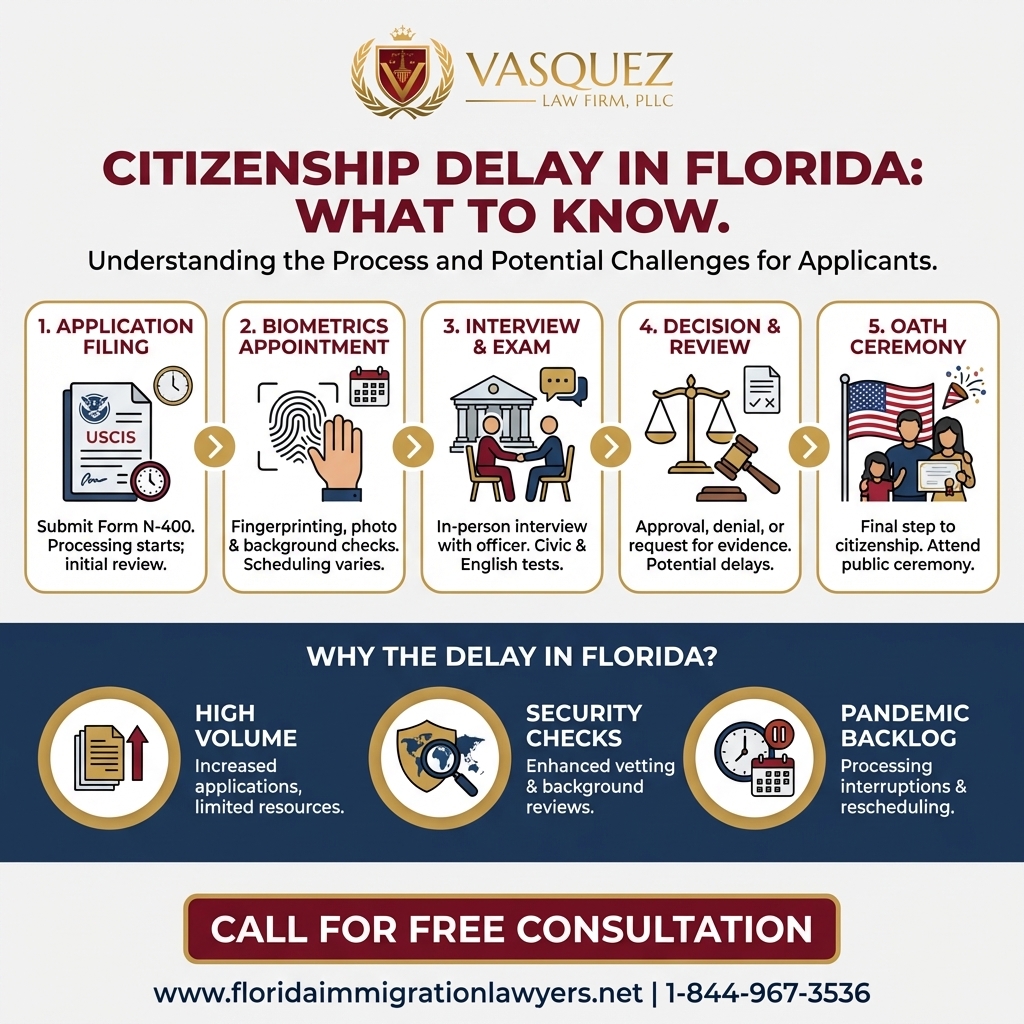
- USCIS Backlog: This is perhaps the most widespread issue. Overwhelmed by a surge in applications and resource constraints, USCIS often struggles to keep up, leading to extended waiting periods for interviews and final decisions.
- Request for Evidence (RFE): If USCIS believes your application is missing information or requires further clarification, they will issue an RFE. Responding promptly and thoroughly is critical, as any delay or incomplete response can further prolong your case.
- Background Checks and Security Clearances: All naturalization applicants undergo rigorous background checks by various government agencies. If there are any discrepancies, past issues, or simply a delay in receiving information from other agencies, your application can be put on hold indefinitely. This is a common, though often unseen, reason for significant delays.
- Interview Issues: Sometimes, delays stem from the interview itself. This could be due to a need for a second interview, an officer requiring more time to review your case, or issues arising during the interview that necessitate further investigation.
- Administrative Processing: In some complex cases, or if there are security concerns, your application might enter "administrative processing," which can be a black box of indefinite waiting.
- Errors or Inconsistencies in Your Application: Even minor mistakes, omissions, or inconsistencies in your N-400 form or supporting documents can trigger delays as USCIS seeks clarification or additional proof.
The Impact of USCIS Backlog in Florida
Florida is a state with a large and diverse immigrant population, making its USCIS field offices particularly busy. Cities like Orlando, Miami, and Tampa see a high volume of naturalization applications, which directly contributes to the local USCIS backlog. This means that while national averages might suggest a certain processing time, applicants in Florida often experience longer waits. The impact extends beyond just waiting; it can affect travel plans, employment opportunities, and the overall sense of stability for individuals and families eager to finalize their citizenship journey. Understanding the local context is key to managing expectations and strategizing your approach.
Steps to Take When Facing a Naturalization Delay
If your N-400 application is taking longer than expected, don't despair. There are several proactive steps you can take to inquire about your case and potentially expedite the process:
- Check Your Case Status Online: The first step is always to use the USCIS online case status tool. Enter your receipt number to get the latest updates on your application.
- Make an InfoPass Appointment (or Call USCIS Contact Center): While InfoPass appointments are less common now, you can still call the USCIS Contact Center to speak with a representative about your case. Be prepared with your receipt number and personal details.
- Submit an E-Request: If your case is outside normal processing times, you can submit an online "e-request" to inquire about your case status. This often prompts USCIS to review your file.
- Contact Your Congressional Representative: Your local U.S. Representative or Senator can often assist constituents with immigration issues. Their office can make an inquiry on your behalf to USCIS, which can sometimes help move a stalled case.
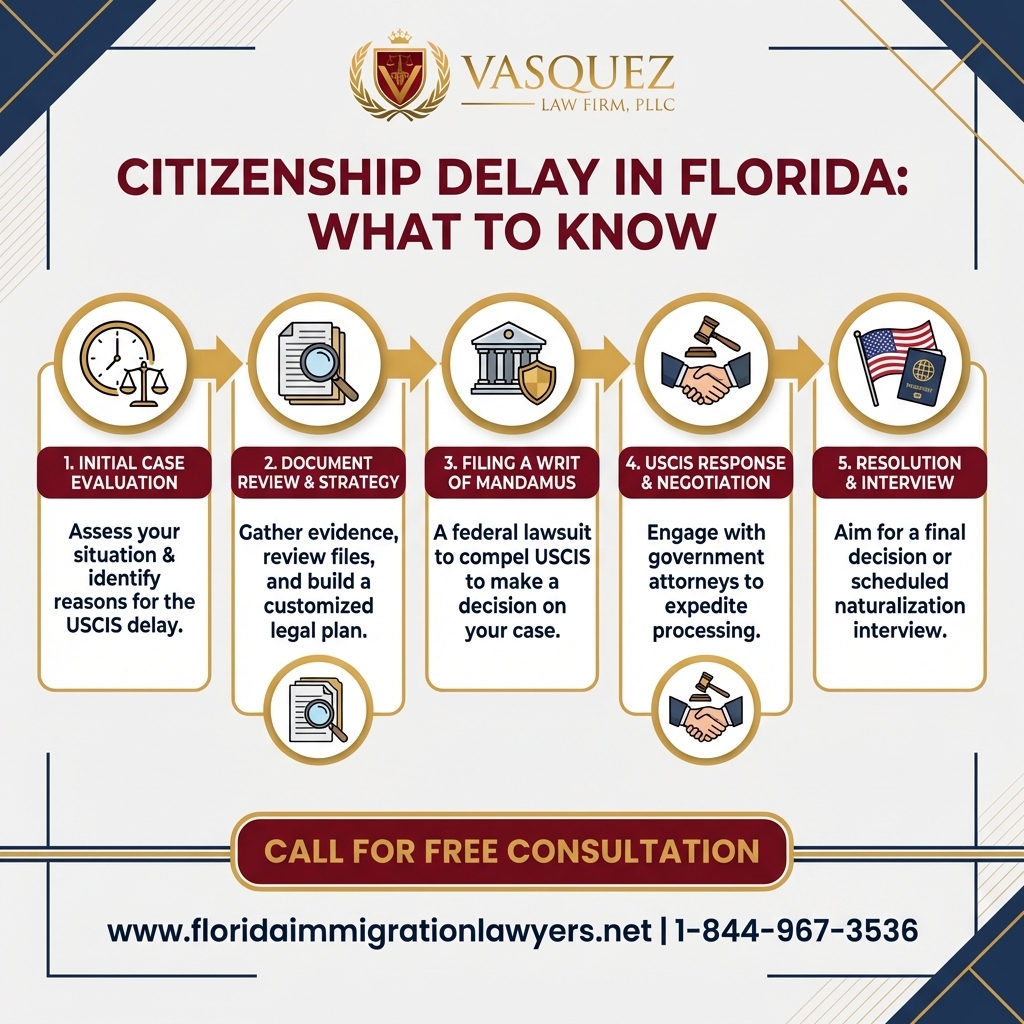
- Consider a Writ of Mandamus Lawsuit: In cases of extreme and unreasonable delay, and after exhausting administrative remedies, a Writ of Mandamus lawsuit might be an option. This is a federal court action that compels USCIS to make a decision on your case. This is a serious legal step and should only be pursued with experienced legal counsel.
The Critical Role of an Immigration Attorney in Citizenship Delays
Navigating the complexities of USCIS procedures and understanding the nuances of immigration law can be daunting, especially when facing unexpected delays. This is where an experienced immigration attorney becomes invaluable. A skilled lawyer can:
- Assess Your Case: Evaluate your application, identify potential issues, and advise on the best course of action.
- Communicate with USCIS: Handle all correspondence and inquiries with USCIS on your behalf, ensuring all communications are professional and effective.
- Respond to RFEs: Help you gather the necessary documentation and craft a comprehensive response to any Request for Evidence, minimizing further delays.
- Prepare You for Your Interview: Offer thorough preparation for your naturalization interview, ensuring you are confident and ready to answer questions accurately.
- Address Complex Issues: If your delay stems from a complex legal issue, such as a criminal record, past immigration violations, or security concerns, an attorney can strategize and advocate on your behalf.
- Represent You in Court: If a Writ of Mandamus becomes necessary, an attorney will represent you in federal court, fighting for your right to a timely decision.
Having legal representation can significantly reduce stress and increase the likelihood of a positive outcome, transforming a frustrating delay into a manageable challenge. Our dedicated attorneys are here to help.
Beyond the N-400: Related Immigration Challenges and Legal Support
While naturalization is a primary goal for many, the path to U.S. citizenship often intersects with other critical immigration matters. Understanding these connections and having access to comprehensive legal support is essential for long-term stability and success in the United States. Delays in your N-400 application might sometimes uncover underlying issues that need immediate attention, or they might simply be a symptom of a broader, overburdened immigration system.
For instance, an unexpected delay in your naturalization process could highlight concerns about your original path to lawful permanent residency, or even bring up past immigration history that requires careful review. In such scenarios, an attorney specializing in various facets of immigration law can provide holistic guidance. This might involve revisiting your initial visa application, addressing any potential misrepresentations, or ensuring all previous immigration filings were accurate and complete. Our firm offers extensive expertise across the spectrum of immigration law, ensuring that every aspect of your journey is handled with precision and care.
Moreover, some individuals pursuing naturalization may have complex histories involving humanitarian claims. For example, if you or a family member previously sought asylum in the U.S., any discrepancies or unaddressed issues from that process could potentially impact your N-400 application. Ensuring that all past immigration statuses are properly documented and resolved is crucial to avoid further complications. An attorney can review these intricate details, offering peace of mind and strategic solutions.
In more severe cases, prolonged delays or adverse decisions in the naturalization process could, in rare instances, lead to concerns about one's immigration status. While naturalization applicants are generally lawful permanent residents, unresolved issues could theoretically escalate. This underscores the importance of proactive legal intervention. Having robust deportation defense strategies in place, or at least understanding potential risks, is a testament to comprehensive immigration planning. Our team is equipped to handle even the most challenging scenarios, protecting your rights and future in the U.S.
Ultimately, the journey to citizenship is rarely a straight line for everyone. It often involves navigating a maze of regulations, forms, and potential pitfalls. Whether you're dealing with a simple N-400 delay or a more complex intersection of immigration issues, having dedicated legal counsel is paramount. We are committed to providing thorough support, from initial application review to representing you in court, ensuring your path to citizenship is as smooth and secure as possible. Our goal is to empower you with knowledge and robust legal representation every step of the way.
Preparing for Your Naturalization Interview
The naturalization interview is a critical step in the citizenship process. Even with delays, preparing thoroughly can help ensure a smooth experience once your interview is scheduled. The USCIS officer will review your N-400 application, ask questions about your background, demonstrate your knowledge of U.S. history and government (civics test), and assess your ability to read, write, and speak English. Key areas of preparation include:
- Review Your N-400 Application: Know every answer you provided. Any inconsistencies with your interview answers can cause issues.
- Study for the Civics Test: There are 100 possible civics questions, and you will be asked up to 10. You must answer 6 correctly to pass.
- Practice English: Be prepared to read and write a simple sentence in English.
- Gather All Required Documents: Bring your green card, passport, and any other documents requested in your interview notice, as well as originals of documents you submitted copies of with your N-400.
- Be Honest and Forthcoming: Always answer truthfully. If you don't understand a question, ask for clarification.
An attorney can conduct mock interviews and help you organize your documents, boosting your confidence and readiness.
What Happens After the Interview (and if there's a delay)
Ideally, at the end of a successful interview, the USCIS officer will inform you of a decision or that a decision will be mailed. If approved, you will typically receive a notice for your Oath of Allegiance ceremony. However, sometimes delays occur even after the interview:
- Further Review: The officer might need more time to review your case or consult with a supervisor.
- Additional Documents Requested: You might receive a Request for Additional Evidence (RFE) even after the interview.
- Post-Interview Delays: Sometimes, the delay is simply administrative processing for the oath ceremony.
If you experience significant delays post-interview, the same strategies for pre-interview delays (e.g., e-requests, congressional inquiries, mandamus) can be applied. It's important to keep track of all communications and deadlines.
Conclusion: Don't Let Citizenship Delays Deter You
Experiencing a citizenship delay in Florida can be disheartening, but it doesn't have to derail your journey to becoming a U.S. citizen. By understanding the common causes of delays, knowing the proactive steps you can take, and leveraging the expertise of an experienced immigration attorney, you can navigate these challenges effectively. Our firm is dedicated to assisting individuals throughout Florida with their naturalization applications, offering personalized guidance and robust legal representation. Don't face the complexities of USCIS alone. Contact us today for a consultation and let us help you achieve your dream of U.S. citizenship.
Do Not Navigate This Process Alone
Our experienced immigration attorneys are ready to fight for you. Get a free, confidential consultation today.
Se Habla Español
Frequently Asked Questions

William J. Vásquez
Founding Attorney · Vasquez Law Firm
U.S. Air Force veteran and immigration attorney with thousands of cases resolved. J.D., NCCU School of Law. AILA member. Admitted to the 4th, 5th, and 11th Circuit Courts.
Available 24/7 - Free Evaluations
Related Legal Services
Our Florida immigration attorneys can help you with citizenship and naturalization, family immigration services and immigration practice areas. Call today at 1-844-967-3536 for a free consultation.
Related Links
Related Topics
Free Legal Consultation
Discuss your case with our experienced attorneys. We're available 24/7.
Se Habla Español - Estamos aquí para ayudarle.
Related Articles
E-2 Visa for Florida Business Investors | VLF Florida
Learn about the E-2 investor visa for Florida business opportunities, tailored for Fort Lauderdale entrepreneurs. Discover the process, requirements, and common pitfalls. Contact Florida Immigration Lawyers for expert assistance.
Immigration Documents Checklist for Florida | VLF Florida
Navigating immigration processes in Florida requires a comprehensive checklist of documents. This guide helps you gather all necessary paperwork to ensure a successful application. Consult Florida Immigration Lawyers for personalized assistance.
Immigration Attorney West Palm Beach Guide | VLF Florida
Navigate the complexities of immigration in West Palm Beach with a trusted attorney. Learn what to expect, common pitfalls, and how to choose the right legal help.
Dual Citizenship in Florida: What You Need to Know
Explore dual citizenship in Florida, understand the process, and learn how to apply. Discover the benefits and complexities involved with having two passports and navigating immigration laws. Call Florida Immigration Lawyers for expert guidance.
