Japan Immigration News Florida: Updates for Residents
Stay updated on the latest Japan immigration news for 2026 and how it impacts Florida residents, especially in Naples. This comprehensive guide covers visa requirements, the Certificate of Eligibility (COE) process, timelines, and crucial documents. Learn about common mistakes to avoid and when professional legal assistance from Florida Immigration Lawyers can make a difference. We explore how global changes to Japan's policies affect your ability to travel, work, or study, emphasizing the role of the Consulate-General of Japan in Miami. Get advice for a smooth immigration journey to Japan.
Staying informed on Japan immigration news is crucial for Florida residents, particularly those in Naples, planning to travel, work, or live in Japan in 2026. Key updates often involve visa requirements, the Certificate of Eligibility (COE) process, and travel authorizations. These changes, while originating from Japan, can directly impact your application process through the Consulate-General of Japan in Miami.
- Japan's immigration policies are evolving, impacting Florida residents.
- The Certificate of Eligibility (COE) remains vital for long-term stays.
- Visa requirements and processing times can change annually.
- The Consulate-General of Japan in Miami is your primary resource.
- Consulting an attorney is wise for complex cases or dual immigration concerns.
Are you a Florida resident in Naples, Orlando, or Miami dreaming of a new life or an extended stay in Japan? Perhaps you're considering work, study, or joining family. Navigating international immigration policies can be complex, especially when trying to understand how global japan immigration news affects your plans right here in Florida. The landscape of international travel and residency is constantly shifting, and staying updated is key to a successful journey.
This comprehensive guide from Florida Immigration Lawyers will walk you through the latest developments in Japan's immigration policies for 2026, focusing on how these changes impact individuals residing in Florida. We'll cover everything from visa requirements and the Certificate of Eligibility to processing timelines and common pitfalls. Our goal is to provide you with actionable insights to prepare effectively. If you find yourself overwhelmed or have specific questions about your situation, do not hesitate to Call Florida Immigration Lawyers at 1-844-YO-PELEO for a free consultation.
Understanding Japan Immigration News for Florida Residents in 2026
Japan's approach to immigration has seen significant evolution, driven by demographic shifts and economic needs. For Florida residents, keeping track of these changes is essential. The year 2026 brings continued adjustments, particularly in categories designed to attract skilled workers, researchers, and students.
While Japan has historically maintained strict immigration policies, there's a discernible trend towards opening up to specific foreign talents. This includes initiatives to streamline visa applications for certain professionals and expand opportunities for those contributing to the Japanese economy. These broader policy shifts are part of the ongoing japan immigration news that affects potential immigrants worldwide, including those in Florida.
Overview of Japan's Evolving Immigration Landscape
The Japanese government continues to refine its immigration framework to address labor shortages and promote international exchange. This includes discussions around new digital nomad visas and potentially expanding the scope of existing visa categories. These policy considerations aim to make Japan more accessible to qualified individuals while maintaining national security and cultural integrity.
One area of ongoing discussion involves potential changes to pre-travel authorization systems, similar to the contemplated JESTA system. While a full JESTA rollout for U.S. citizens has not yet occurred, it signifies Japan's move towards modernizing entry procedures. Florida residents should monitor official announcements from the Ministry of Foreign Affairs of Japan and the U.S. Department of State for the latest updates.
How Global Changes Impact Naples & Florida Residents
For individuals in Naples and across Florida, understanding these global shifts is critical. Your ability to secure a visa or Certificate of Eligibility often depends on current Japanese laws and how they are interpreted by the Consulate-General of Japan in Miami. The consulate serves as the primary processing hub for visa applications from Florida, Georgia, and other southeastern states.
Any changes in document requirements, processing fees, or interview protocols directly affect Florida-based applicants. Moreover, if you have existing U.S. immigration concerns, such as an ongoing USCIS case or a pending green card application, these could indirectly influence your ability to travel or obtain a Japanese visa. Consulting with a Florida immigration lawyer can help you navigate these intertwined complexities.
Navigating the Japan Visa Application Process from Florida
Applying for a Japanese visa from Florida involves a structured process that requires careful attention to detail. The specific steps will vary depending on your purpose of travel and the type of visa you seek. Here’s a general guide to help you prepare.
-
Determine Your Visa Type: Japan offers various visa categories, including tourist, work, student, spouse, and cultural activities visas. Each has distinct requirements. For long-term stays, a sponsor in Japan (employer, school, relative) typically applies for a Certificate of Eligibility Japan on your behalf. This COE is a pre-approval from the Japanese immigration authorities that significantly streamlines the visa application process.
-
Gather Required Documents: Once your visa type is identified, compile all necessary documentation. This usually includes your passport, visa application form, photographs, and supporting documents proving your purpose of visit, financial stability, and accommodation. For work or student visas, the COE is paramount.
-
Contact the Consulate-General of Japan in Miami: As the official representative for Florida, all applications must be submitted to the Consulate-General of Japan in Miami. Check their website for specific hours, appointment requirements, and the most up-to-date forms and guidelines. Their instructions are critical for a successful application.
-
Submit Your Application: Present your completed application package in person or by mail, as permitted by the consulate. Ensure all forms are filled out accurately and completely. Any discrepancies or missing information can lead to delays or denial.
-
Attend an Interview (If Required): Some visa categories or specific circumstances may necessitate an interview at the consulate. Be prepared to discuss your travel plans, intentions, and provide further clarification on your documents. Honesty and consistency are vital during this stage.
-
Receive Your Visa: If approved, your visa will be affixed to your passport. Review all details immediately to ensure accuracy before traveling. This final step marks the successful completion of your Japan visa requirements.
Understanding the nuances of each step is crucial. For instance, the role of the Certificate of Eligibility Japan cannot be overstated for those planning more than a short tourist visit. It is often the bedrock of a successful long-term visa application.
Essential Documents for Your Japan Visa Application
Preparing a thorough and accurate set of documents is perhaps the most critical part of your Japan visa application. Missing even one item or providing incorrect information can cause significant delays or lead to a denial. While specific requirements vary by visa type, here is a general checklist of documents commonly requested:
- Valid U.S. Passport (with sufficient validity, typically 6 months beyond your intended stay)
- Completed Visa Application Form (downloadable from the Consulate-General of Japan in Miami website)
- Recent Passport-sized Photographs (adhering to specified dimensions and background color)
- Certificate of Eligibility (COE) (original and copy, if applicable for long-term stays)
- Letter of Invitation or Guarantee (from a sponsor in Japan, if applicable)
- Proof of Financial Means (bank statements, tax returns, employment verification letter to show you can support yourself)
- Flight Itinerary (round-trip tickets or proof of onward travel)
- Proof of Accommodation (hotel bookings, rental agreement, or letter from host)
- Detailed Itinerary of Stay (especially for tourist visas, outlining your plans)
- Proof of Employment or Enrollment (if applying for work or student visas)
- Criminal Record Check (may be required for certain long-term visas)
- Medical Certificate (for specific visa types or if requested)
- Previous Passports with Japanese Visas (if you have traveled to Japan before)
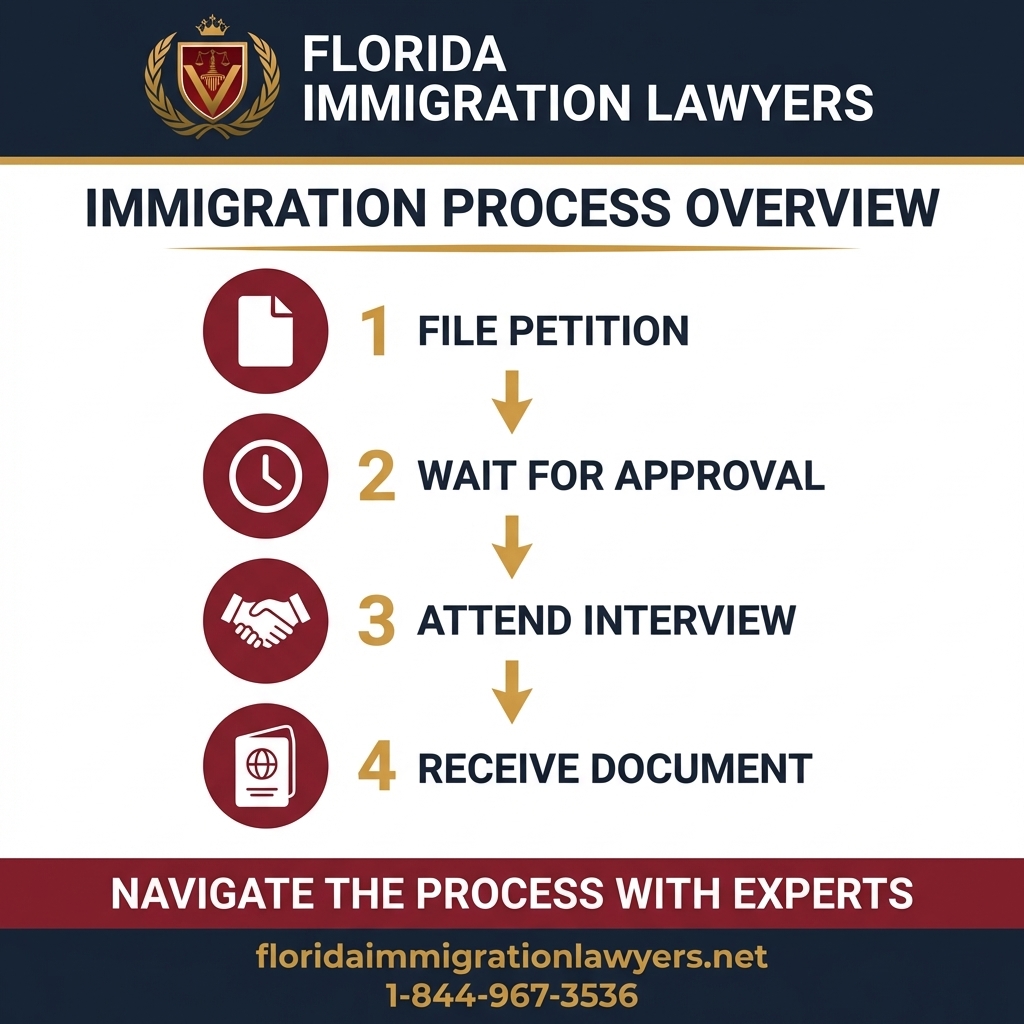
Always double-check the latest Japan visa requirements on the official website of the Consulate-General of Japan in Miami before submitting your application. Requirements can change, and it is your responsibility to provide all necessary documentation.
Timeline and Processing Expectations for Japan Visas in 2026
Understanding the potential timeline for your Japan visa application is crucial for planning. Processing times can vary significantly based on the visa category, the completeness of your application, and the workload at the Consulate-General of Japan in Miami. It's always best to apply well in advance of your intended travel date.
For visas requiring a Certificate of Eligibility Japan, the COE itself can take 1 to 3 months for Japanese immigration authorities to process. Once you receive the COE, the subsequent visa application at the consulate typically takes 5 business days to 2 weeks. However, complex cases or peak seasons can extend these timelines. Tourist visas generally have quicker processing times, often within a week if all documents are in order.
Always check the current processing times published on the Consulate-General of Japan in Miami website. Factors such as holidays, staffing levels, and global events can all influence how quickly your application is processed. Planning for potential delays will help reduce stress and ensure your travel plans remain on track.
Cost Factors and Fee Breakdown for Japan Immigration
When planning your move or extended stay in Japan, it's important to budget for various costs associated with the immigration process. These fees can include government application fees, legal assistance, and other related expenses. Please note that specific fee amounts are subject to change and should always be verified with official sources.
- Visa Application Fees: The Japanese government charges a fee for processing most visa applications. These fees vary by visa type and nationality. For U.S. citizens, certain short-term visas may be exempt from fees, but long-term visas typically incur a charge.
- Certificate of Eligibility (COE) Application Fees: While there isn't a direct fee for applying for the COE itself, your sponsor in Japan may incur administrative costs or fees if they use an immigration lawyer in Japan to assist with the COE application on your behalf.
- Translation Costs: If any of your supporting documents are not in English or Japanese, you will likely need to have them officially translated. This can add a significant cost, especially for multiple documents.
- Legal Consultation Fees: If you choose to hire an immigration lawyer, such as Florida Immigration Lawyers, to assist with your Japan visa application or to navigate complex U.S. immigration issues that might impact your Japan plans, you will incur legal fees. A free consultation is a great way to understand potential costs.
- Travel and Accommodation Costs: Don't forget to factor in the cost of travel to the Consulate-General of Japan in Miami if an in-person visit is required, as well as initial accommodation and living expenses in Japan.
While we cannot provide exact figures due to their fluctuating nature, it's prudent to set aside a substantial budget for these expenses. A clear understanding of these financial commitments is part of a well-prepared immigration strategy.
Do not navigate this process alone. The complexities of international immigration, combined with personal circumstances, can be overwhelming. Contact Florida Immigration Lawyers today to ensure your application is accurate and complete, and to address any related U.S. immigration concerns you may have.
Common Mistakes to Avoid in Your Japan Immigration Journey
Successfully obtaining a Japanese visa requires diligence and precision. Many applicants encounter issues due to common errors that can easily be avoided. Being aware of these pitfalls can save you time, money, and considerable stress.
-
Submitting an Incomplete Application: This is perhaps the most frequent mistake. Missing a single document or not filling out a section of the form can lead to immediate rejection or significant delays. Always double-check against the official checklist.
-
Applying for the Wrong Visa Type: Attempting to enter Japan on a tourist visa when your true intention is work or study is a serious offense. It can lead to denial of entry, deportation, and future travel bans. Ensure your visa matches your purpose.
-
Not Obtaining a Certificate of Eligibility (COE) When Required: For most long-term visas (work, student, spouse), the COE is mandatory. Attempting to apply for these visas without a COE will result in denial. Your sponsor in Japan must apply for this first.
-
Ignoring Consulate-General of Japan in Miami Specific Requirements: Each consulate may have slightly different local procedures or preferred document formats. Relying on outdated information or general online advice instead of the Miami consulate's official website can be detrimental.
-
Providing False or Misleading Information: Any misrepresentation on your application, regardless of how minor it seems, can lead to permanent bans from Japan. Honesty is always the best policy.
-
Failing to Prove Sufficient Financial Means: Japanese immigration authorities need assurance that you can support yourself during your stay. Insufficient bank balances or inadequate proof of income can be grounds for denial.
-
Overlooking Passport Validity: Your passport must be valid for at least six months beyond your intended stay. Many travelers overlook this, leading to last-minute panic or denied boarding.
-
Not Preparing for an Interview: If an interview is required, failing to articulate your purpose of travel clearly or being inconsistent with your application details can raise red flags. Practice your answers and be confident.
-
Assuming U.S. Immigration Status is Irrelevant: If you are not a U.S. citizen but a resident in Florida, your U.S. immigration status (e.g., green card holder, H1B visa holder) can affect your Japanese visa application. Ensure your U.S. status is compliant, especially if dealing with USCIS Florida processes.
-
Applying Too Late: Processing times can be unpredictable. Rushing your application or applying too close to your travel date significantly increases the risk of not receiving your visa in time. Plan well in advance.
When to Call a Florida Immigration Lawyer for Japan-Related Concerns
While many Japan visa applications are straightforward, certain situations warrant the expertise of an immigration lawyer. Florida Immigration Lawyers are uniquely positioned to assist you, especially when your Japan travel plans intersect with your U.S. immigration status or present complex legal challenges.
- Complex Visa Categories: If you are applying for specialized work visas, investor visas, or a visa that involves unique circumstances, an attorney can help ensure you meet all specific Japan visa requirements and present a strong case.
- Previous Denials or Immigration Issues: If you've had a previous Japanese visa denial, an overstay, or any immigration violations in Japan or the U.S., a lawyer can help assess your options and strategize a path forward. This is particularly true for those facing deportation defense in the U.S. that might impact international travel.
- U.S. Immigration Status Concerns: For non-U.S. citizens residing in Florida, your current U.S. visa or green card status can impact your Japanese visa application. An attorney can advise on potential conflicts or requirements, especially concerning U.S. citizenship implications.
- Family-Based Applications: If you are applying for a spouse or child visa to Japan, or if you have complex family immigration issues in the U.S. that need to be considered, legal guidance is invaluable.
- Business or Investment Visas: These visas often involve intricate documentation and legal compliance. A lawyer can help structure your application to meet Japanese corporate law and immigration standards, and potentially assist with business immigration matters in the U.S.
- Asylum Seekers or Refugees: If your situation involves seeking asylum in the U.S. or you have a complex refugee status, discussing your international travel plans with an attorney is critical to avoid jeopardizing your asylum claim.
- Uncertainty or Overwhelm: If you simply feel overwhelmed by the process or are unsure about any aspect of japan immigration news or application, a free consultation with Florida Immigration Lawyers can provide clarity and peace of mind. Our attorneys are experienced in immigration law.
Our team at Florida Immigration Lawyers understands the intricacies of both U.S. and international immigration matters. We can provide tailored advice for your specific situation, ensuring you navigate both systems effectively. For assistance with your case, please visit our attorneys page or contact us directly.
Addressing Your Questions: Japan Immigration FAQs
Here are answers to some frequently asked questions about Japan immigration, particularly relevant for Florida residents.
What are the new rules for Japan immigration 2026?
As of 2026, Japan continues to refine its immigration policies, with a focus on attracting skilled labor and promoting tourism. While no radical overhauls are expected, look for streamlined processes for certain work visas and potential expansions of digital nomad programs. It's crucial to check the official website of the Ministry of Foreign Affairs of Japan and the Consulate-General of Japan in Miami for the most current regulations.
Is Japan opening up to immigrants?
Japan is strategically opening its doors to specific categories of immigrants, primarily to address demographic challenges and economic needs. This includes skilled workers, highly qualified professionals, and students. While general immigration for permanent residency remains selective, there's a clear trend towards increasing foreign presence in key sectors, which is important japan immigration news.
Who are the top 5 immigrants in Japan?
Historically, the largest immigrant populations in Japan have originated from neighboring Asian countries. While specific rankings can fluctuate, the top countries of origin for foreign residents in Japan typically include China, South Korea, Vietnam, the Philippines, and Brazil. These communities contribute significantly to Japan's diverse cultural and economic landscape.
Is it hard to immigrate to Japan from the US?
Immigrating to Japan from the U.S. can be challenging, but it is certainly achievable for those who meet the specific requirements. The process often requires a sponsor in Japan (for work or student visas) and a thorough application, including the Certificate of Eligibility Japan. Compared to some other countries, Japan's system is meticulous. However, with proper preparation and legal guidance, many U.S. citizens successfully obtain long-term visas.
About Florida Immigration Lawyers
Florida Immigration Lawyers is an immigration law firm dedicated to serving individuals and families across all of Florida. With years of experience and a deep understanding of complex immigration laws, we are committed to providing compassionate and effective legal representation. Our attorneys are passionate about helping clients achieve their immigration goals, whether it involves navigating the U.S. immigration system or understanding international implications like japan immigration news.
We offer a wide range of services, including family-based visas, employment-based visas, naturalization and citizenship, asylum, and deportation defense. Our firm prides itself on personalized attention, ensuring that each client receives tailored advice and support throughout their legal journey. We understand that immigration matters can be life-changing, and we are here to provide clear, reliable guidance.
Why Choose Us?
- Experienced Attorneys: Our team possesses extensive knowledge of immigration law.
- Client-Centered Approach: Your needs and goals are our top priority.
- Bilingual Services: We proudly offer services in both English and Spanish to cater to Florida's diverse population.
- Free Consultations: We believe everyone deserves access to legal advice.
- Available 24/7: We are here when you need us most.
For legal assistance with your immigration needs, contact Florida Immigration Lawyers today. We serve clients throughout Florida, including Orlando. Visit our website at Vasquez Law Firm or call us anytime at 1-844-YO-PELEO.
Sources and References
- U.S. Citizenship and Immigration Services (USCIS)
- U.S. Department of State
- Consulate-General of Japan in Miami
- 8 U.S.C. § 1101 et seq. - Immigration and Nationality Act (INA)
- 8 CFR Part 214 - Nonimmigrant Classes
- Ministry of Foreign Affairs of Japan (MOFA) - Official Visa Information
This article provides general legal information and is not intended as legal advice. Every case is unique, and outcomes depend on specific facts and circumstances. Contact an attorney for advice about your particular situation.
Don't let the complexities of international immigration laws deter you from your goals. Whether you're dealing with japan immigration news, U.S. visa processes, or both, our experienced team is ready to assist. Call Florida Immigration Lawyers at 1-844-YO-PELEO for your free consultation today! Se Habla Español - Estamos aquí para ayudarle.
Do Not Navigate This Process Alone
Our experienced immigration attorneys are ready to fight for you. Get a free, confidential case review today.
Se Habla Español
Or leave your details and we’ll call you:
Free Evaluation in 24 Hours
Or talk to us right now

AI voice assistant — available 24/7
FreeFrequently Asked Questions

William J. Vásquez
Founding Attorney · Vasquez Law Firm
U.S. Air Force veteran and immigration attorney with years of hands-on U.S. immigration experience. J.D., NCCU School of Law. AILA member. Admitted to the 4th, 5th, and 11th Circuit Courts.
Available 24/7 - Free Evaluations
Reviewed for legal accuracy by William J. Vásquez
Licensed in North Carolina; U.S. immigration is federal practice.
Related Legal Services
Our Florida immigration attorneys can help you with free immigration consultation, business immigration and deportation defense. Call today at 1-844-YO-PELEO for a free case review.
Related Links
Related Topics
Free Legal Case Review
Discuss your case with our experienced attorneys. We're available 24/7.
Se Habla Español - Estamos aquí para ayudarle.
Related Articles
EAD Advance Parole Combo Card in Florida: What You Need
An EAD advance parole combo card allows individuals with pending adjustment applications to both work and travel abroad without jeopardizing their green card application. Learn how to apply in Florida, what documents you need, and common mistakes to avoid.
PERM Labor Certification in Florida: A 2026 Guide
Learn all about the PERM labor certification process in Florida, essential for employers sponsoring green card applicants. Understand the steps, document requirements, and common mistakes to avoid in this 2026 guide.
Dual Citizenship Lawyer in Florida: What You Need to Know
For Florida residents, the concept of dual citizenship, or holding two passports, offers a compelling blend of opportunities and challenges. While the U.S. generally permits dual nationality, the path to achieving this status requires a meticulous understanding of both U.S. immigration laws and the citizenship policies of your country of origin. This guide explores the definition of dual citizenship, the detailed step-by-step process for U.S. naturalization, and the significant benefits and potential pitfalls involved. We cover essential documentation, typical timelines, and cost considerations for 2026, providing crucial insights for anyone in Orlando, Miami, or across Florida considering this important legal step. Learn about common mistakes to avoid and understand when to seek professional legal counsel to navigate this complex process successfully. Florida Immigration Lawyers is here to provide expert, bilingual support for your dual citizenship journey.
Immigration Lawyer Orlando Free Consultation in Florida
For individuals and families in Orlando, Florida, navigating the complexities of U.S. immigration law requires expert guidance. An immigration lawyer in Orlando offers crucial support for everything from visa applications and green card processes to naturalization and deportation defense. This comprehensive guide details what a free consultation covers, providing a step-by-step overview of immigration pathways, essential document checklists, and expected timelines in 2026. We also highlight common mistakes to avoid, discuss the critical role of legal counsel in deportation and asylum cases, and explain why choosing a local Orlando immigration attorney is beneficial. Florida Immigration Lawyers is dedicated to serving the diverse community of Orlando with compassionate, effective legal solutions, ensuring you receive personalized advice and robust representation for a successful immigration journey.