Immigration Scams Protection Florida: Don't Be a Victim
Immigration scams are a significant threat to individuals and families seeking legal status in Florida. These deceptive practices, often perpetrated by 'notarios' or unauthorized consultants, can lead to severe consequences including financial loss, deportation, and permanent bans from U.S. immigration benefits. This comprehensive guide details common scam tactics, explains how to identify red flags, and provides essential steps for reporting fraud. Learn why Florida's diverse population makes it a target and how to protect yourself by verifying credentials and seeking legitimate legal counsel. Florida Immigration Lawyers offers expert guidance to help you avoid scams and secure your immigration journey, providing free consultations to discuss your specific situation and ensure your rights are protected.

Immigration scams in Florida are deceptive practices that target immigrants with false promises of legal status, often by individuals posing as legal experts. These schemes, frequently involving "notario fraud," can lead to significant financial loss, deportation, or even permanent bars from U.S. immigration benefits. Protecting yourself involves understanding common tactics, verifying credentials, and seeking advice from licensed attorneys. If you suspect fraud, gather evidence and report it immediately to authorities and a qualified immigration lawyer to mitigate harm and correct your immigration record.
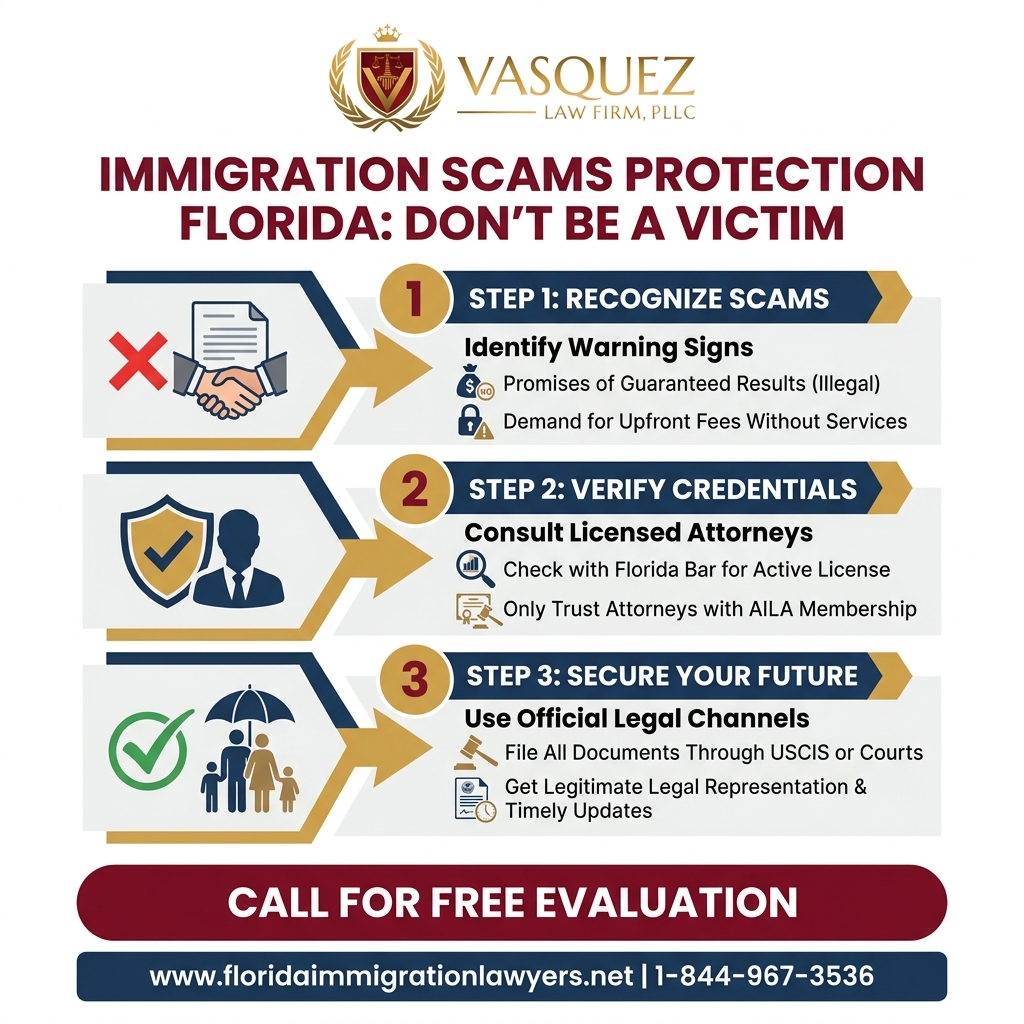
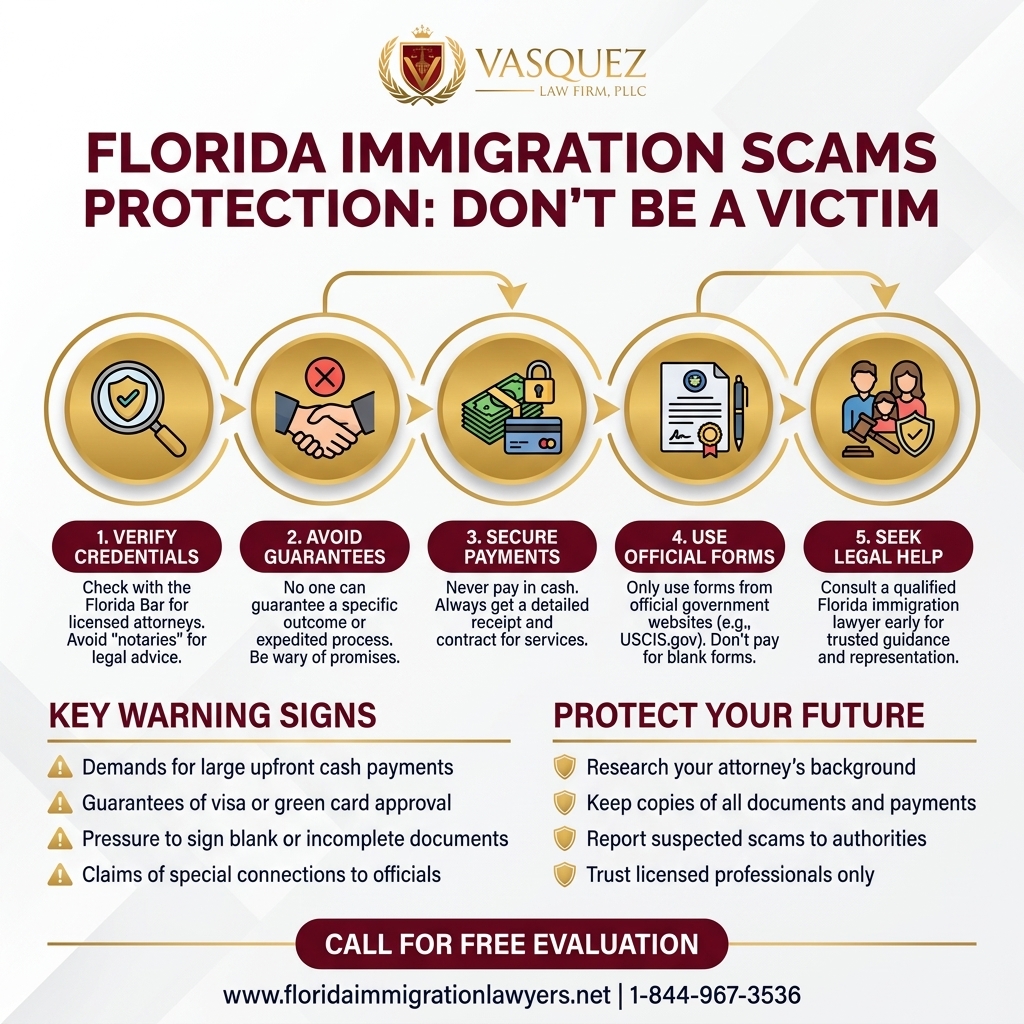
- Verify credentials: Always confirm an individual is a licensed attorney or accredited representative.
- Never pay cash without a receipt or sign blank forms.
- Be wary of anyone guaranteeing specific immigration outcomes.
- Report suspicious activity or confirmed fraud to legal authorities and an attorney.
- Seek immediate legal counsel from a reputable firm like Florida Immigration Lawyers if you believe you are a victim.
Navigating the complex world of U.S. immigration law can be challenging. Many individuals and families in Florida dream of building a better life, but this journey is often fraught with peril, particularly from unscrupulous individuals who prey on vulnerability. Immigration scams are a serious threat, designed to exploit hope and trust, leading to devastating consequences for unsuspecting victims.
In Florida, a state with a vibrant and diverse immigrant population, the risk of encountering these deceptive schemes is particularly high. From the bustling streets of Miami to the communities across the state, immigrants are often targeted by individuals falsely claiming to offer legitimate legal services. Understanding these threats and knowing how to protect yourself is not just advisable, it is absolutely essential for your safety and your future.
This comprehensive guide from Florida Immigration Lawyers aims to equip you with the knowledge needed to identify, avoid, and report immigration fraud. We will delve into common scam tactics, explain the critical difference between a licensed attorney and a fraudulent 'notario,' and provide actionable steps to safeguard your immigration journey. If you are concerned about potential fraud or believe you have been victimized, do not hesitate. Call Florida Immigration Lawyers at 1-844-967-3536 for a free consultation today.
Understanding Immigration Scams in Florida
Immigration scams encompass a wide range of fraudulent activities designed to trick immigrants into paying for services that are either nonexistent, illegitimate, or harmful. These schemes exploit a lack of legal knowledge, language barriers, and a deep desire for legal status. In Florida, particularly in areas with large immigrant communities like Miami-Dade, Broward, and Orange counties, scammers often operate with impunity, targeting individuals who may be unfamiliar with U.S. legal processes or who fear interacting with authorities.
The term "immigration scams" refers to any deceptive practice related to immigration benefits. This includes false promises of green cards, work permits, or citizenship in exchange for exorbitant fees. Scammers often leverage a victim's urgency or desperation, promising expedited processes or guaranteed approvals that are simply not possible under current immigration laws. The consequences of falling for these scams can be severe, ranging from significant financial losses to deportation, and even permanent bans from future U.S. immigration benefits. For example, individuals who submit fraudulent documents, even unknowingly, may face severe penalties under sections of the Immigration and Nationality Act (INA), such as INA § 274C, which addresses document fraud.
Florida's diverse demographics make it a prime target. Many immigrants arrive with limited English proficiency and cultural backgrounds where a "notario publico" holds a different, more authoritative legal role than in the U.S. This misunderstanding is a cornerstone of the infamous "notario fraud." These fraudsters often operate under the guise of providing legitimate legal assistance, but without the necessary licenses or ethical obligations of a qualified attorney. Protecting yourself begins with recognizing these fundamental distinctions and understanding the immense risks involved.
Common Notario Fraud Tactics and Other Schemes
One of the most pervasive forms of immigration fraud in Florida is notario fraud. In many Latin American countries, a "notario público" is a highly trained legal professional, similar to an attorney. However, in the United States, a "notary public" simply witnesses signatures and verifies identities; they are explicitly prohibited from providing legal advice or preparing immigration forms. Scammers exploit this cultural difference, using the title "notario" to deceive immigrants into believing they are receiving legitimate legal services.
These fraudulent notarios often engage in several harmful tactics. They might promise guaranteed visas or green cards, charging exorbitant fees for simple applications that could be filed independently or with minimal legal assistance. They may fill out forms incorrectly, leading to delays, denials, or even accusations of fraud against the unsuspecting applicant. In some cases, they hold original immigration documents hostage until additional fees are paid, leaving victims in an impossible situation. Another common scheme involves creating fake government websites or email addresses to solicit personal information and money, falsely claiming to be USCIS or another official agency.
Beyond notario fraud, other schemes include: marriage fraud, where individuals are coerced into sham marriages; employment scams, promising jobs that don't exist in exchange for fees; and even adoption scams, exploiting hopeful parents. Some fraudsters may also capitalize on recent immigration policy changes or news, such as specific visa updates for foreign doctors, to create fake programs or expedite services. They might claim to have "inside connections" with immigration officials or demand cash payments without providing receipts, making it impossible to track funds. These actions often lead to grave consequences, including the initiation of removal proceedings or a finding of inadmissibility under INA § 212(a)(6)(C)(i) for misrepresentation, which can prevent you from ever obtaining a visa or green card. It is crucial to be vigilant and verify any offer that sounds too good to be true.
How to Identify and Report Immigration Scams in Florida
Identifying an immigration scam requires vigilance and an understanding of red flags. Protecting yourself and your loved ones from these predatory practices is paramount. If something feels off, it likely is. Trust your instincts and always verify information.
- Recognize Red Flags: Be suspicious of anyone who guarantees a specific immigration outcome, promises expedited processing for extra fees, demands cash payments without a receipt, or asks you to sign blank forms. Legitimate attorneys will never guarantee results, as immigration cases depend on many factors, and fees are transparently documented. Beware of individuals who discourage you from asking questions or seeking a second opinion.
- Verify Credentials: Always confirm that the person offering legal advice is a licensed attorney or an accredited representative recognized by the Board of Immigration Appeals (BIA). You can check an attorney's license with The Florida Bar or the bar association of their state. For BIA-accredited representatives, check the Executive Office for Immigration Review (EOIR) website. This simple step can save you from falling victim to a scam.
- Gather Evidence: If you suspect you've been scammed, start collecting all relevant documents. This includes contracts, receipts, emails, text messages, voicemails, advertisements, and any forms or documents filed on your behalf. Document dates, times, and names of individuals involved. This evidence will be critical for reporting the fraud and for any subsequent legal action.
- Report to Authorities: Once you have evidence, report the scam to appropriate agencies. You can file a complaint with the Federal Trade Commission (FTC), your state Attorney General's office, or the Florida Bar if the person claimed to be an attorney. USCIS also provides resources for reporting fraud through their Avoid Scams page and their fraud tip line. Local law enforcement may also be able to assist, especially if there's evidence of criminal activity.
- Seek Legal Counsel: Immediately contact a reputable immigration law firm like Florida Immigration Lawyers. An experienced attorney can assess the damage, help you report the fraud, and work to correct your immigration record. They can guide you through the process of potentially withdrawing fraudulent applications, refiling correctly, and defending against any adverse actions, such as deportation proceedings, that may have arisen from the scam.
Essential Documents and Information for Reporting Fraud
When preparing to report an immigration scam, having organized documentation is crucial. The more evidence you can provide, the stronger your case will be, and the more effectively authorities and your attorney can investigate and address the fraud. Do not discard any piece of information, no matter how small it may seem.
- Copies of All Contracts or Agreements: Any written agreement you signed with the individual or organization, outlining services and fees.
- Receipts of Payments: Records of all money paid, whether cash, check, money order, or electronic transfer. Note the date, amount, and recipient.
- Correspondence: Emails, text messages, letters, social media messages, or any other written communication exchanged with the alleged scammer.
- Any Forms Filed or Documents Received: Copies of immigration forms (e.g., I-130, I-485, N-400) that were supposedly filed on your behalf, as well as any receipts or notices received from USCIS or other government agencies.
- Names and Contact Information of Fraudsters: Full names, phone numbers, addresses, and any business names used by the individuals involved.
- Witness Statements: If anyone else witnessed the fraudulent activity or can corroborate your claims, their contact information and statements can be valuable.
- Personal Notes of Interactions: A detailed timeline or journal of your interactions, including dates, times, locations, and a summary of what was discussed.
- Advertisements or Marketing Materials: Any flyers, business cards, website screenshots, or social media posts used by the scammer to promote their services.
Having these documents readily available will streamline the reporting process and enable your legal team to act swiftly. Remember to keep original documents in a safe place and only provide copies to authorities or your attorney.
The Long-Term Impact of Immigration Fraud on Your Case
Falling victim to immigration fraud can have profound and lasting negative consequences, extending far beyond immediate financial losses. The damage can affect your eligibility for future immigration benefits, jeopardize your current legal status, and inflict significant emotional distress. It is vital to understand these potential long-term impacts to grasp the seriousness of the situation and the urgency of seeking qualified legal help.
One of the most severe repercussions is the potential for inadmissibility. If a fraudulent application or misrepresentation was submitted on your behalf, even unknowingly, you could be deemed inadmissible to the U.S. under INA § 212(a)(6)(C)(i) for material misrepresentation. This can lead to a permanent bar from obtaining a visa or green card, making it incredibly difficult to achieve legal status in the future. Correcting this record often requires complex waivers and extensive legal arguments, which only an experienced attorney can effectively navigate.
Furthermore, fraud can trigger removal (deportation) proceedings. If USCIS or an immigration court discovers that you have benefited from or were involved in a fraudulent scheme, you could receive a Notice to Appear (NTA) before an immigration judge. This initiates a process that could result in your forced departure from the United States. Defending against deportation, especially when fraud is involved, is a highly specialized area of law requiring expert deportation defense. The emotional and psychological toll of living under the threat of removal, coupled with the financial strain of legal battles, can be immense.
Beyond legal consequences, victims often face financial ruin, loss of trust, and a deep sense of betrayal. The time and money invested in fraudulent schemes are often irrecoverable, and the process of rectifying the damage can be lengthy and expensive. This is why proactive protection and immediate action upon suspecting fraud are so critical. An attorney can help you understand the specific risks to your case and develop a strategy to mitigate these long-term impacts, working diligently to protect your future in Florida.
Protecting Your Finances: Legal Fees vs. Scam Costs
When considering immigration services, it's natural to be concerned about costs. However, understanding the difference between legitimate legal fees and the hidden, often destructive, costs of immigration scams is paramount. Investing in qualified legal representation from a licensed attorney is a protective measure that ultimately saves you money and prevents catastrophic outcomes in the long run.
Legitimate legal fees are transparent, clearly outlined in a written agreement, and correspond to specific services rendered. Reputable law firms, like Florida Immigration Lawyers, provide detailed fee schedules, explain payment structures (e.g., flat fees for specific applications, hourly rates for complex cases, or retainer agreements), and issue receipts for all payments. While legal fees represent an investment, they ensure that your case is handled ethically, professionally, and in compliance with all U.S. immigration laws. This minimizes the risk of errors, delays, or the need for costly appeals or waivers later on.
In stark contrast, immigration scammers often demand cash payments without receipts, charge exorbitant fees for simple tasks, or continually invent new fees throughout the process. They might promise "guaranteed" results or "special access" for an extra fee, which are clear indicators of fraud. The initial "low cost" or "quick fix" offered by a scammer is a trap. These fraudulent charges not only deplete your savings but also often lead to incorrect filings, missed deadlines, or the submission of false information, resulting in denials, fines, or even deportation. The financial cost of rectifying a fraudulent filing, hiring a new attorney to fix mistakes, or defending against removal proceedings far outweighs the cost of hiring a legitimate attorney from the outset.
Consider the cost of a denied application, the fees for refiling, or the expenses associated with fighting a deportation order – these can easily amount to tens of thousands of dollars, not to mention the emotional and personal toll. A free consultation with Florida Immigration Lawyers allows you to understand the actual costs and processes involved in your case, providing clarity and peace of mind. It is an investment in your future, protecting you from the far greater financial and legal devastation caused by immigration scams. For instance, reputable firms ensure compliance with federal regulations such as those found in 8 CFR concerning attorney representation and ethical conduct.
Do not navigate this process alone. The complexities of immigration law, combined with the pervasive threat of scams, make professional legal guidance indispensable. Contact Florida Immigration Lawyers today to ensure your immigration journey is handled safely and effectively. We are committed to protecting your rights and helping you achieve your immigration goals.
Common Mistakes to Avoid
Avoiding these common pitfalls can significantly reduce your risk of falling victim to immigration fraud and protect your immigration journey:
- Trusting Non-Attorneys for Legal Advice: This is perhaps the most critical mistake. Only licensed attorneys or BIA-accredited representatives can provide legal advice. Individuals known as "notarios" or "visa consultants" in the U.S. are not authorized to do so, and their advice can lead to severe legal problems, including deportation.
- Paying in Cash Without Receipts: Scammers often demand cash payments to avoid leaving a paper trail. Always insist on a detailed, written receipt for any money exchanged, regardless of the payment method. Without proof of payment, it's difficult to recover funds or prove fraud.
- Signing Blank or Unread Forms: Never sign any immigration form or document that is blank, incomplete, or that you do not fully understand. Fraudsters may fill in false information later, making you responsible for misrepresentations that could lead to inadmissibility.
- Providing Original Documents: Be extremely cautious about giving original birth certificates, passports, or other vital documents to anyone other than USCIS or your trusted, licensed attorney for review. Always provide copies, and ensure you retain all originals safely.
- Not Verifying Credentials: Before engaging anyone for immigration help, verify their credentials with the relevant authorities (e.g., The Florida Bar for attorneys, EOIR for accredited representatives). A legitimate professional will gladly provide this information.
- Delaying Reporting a Suspected Scam: If you suspect you've been scammed, act quickly. Delays can make it harder to gather evidence, stop fraudulent filings, or recover funds. Immediate action can prevent further damage to your case.
- Believing Guaranteed Outcomes: No legitimate attorney can guarantee the outcome of an immigration case. Any promise of guaranteed approval, expedited processing for an extra fee, or "inside connections" is a major red flag indicating potential fraud.
- Falling for "Special Programs" or "New Laws": Scammers often invent fictional immigration programs or misrepresent new laws to lure victims. Always verify any such claims with official government sources like USCIS.gov or a qualified immigration attorney.
- Ignoring Red Flags: Dismissing your intuition or overlooking obvious warning signs (e.g., vague answers, aggressive behavior, high-pressure sales tactics) can leave you vulnerable. Pay attention to your gut feeling.
- Attempting to Fix Fraudulent Filings Alone: If you discover a scammer filed incorrect or fraudulent information on your behalf, do not attempt to correct it without legal guidance. This can inadvertently worsen your situation. An attorney can advise on the proper steps to rectify the record.
- Sharing Personal Information Over Unverified Channels: Be cautious about sharing sensitive personal details like your Alien Registration Number (A-number), date of birth, or financial information through unsolicited emails, calls, or unsecure websites.
- Succumbing to Threats or Intimidation: Scammers may use threats of deportation or legal action to coerce you into paying more money or prevent you from reporting them. Do not give in to these tactics; seek legal protection immediately.
When to Call a Lawyer
The immigration process is complex, and the risks associated with fraud are too high to navigate alone. Knowing when to seek professional legal assistance is crucial for protecting your rights and ensuring a successful outcome. Florida Immigration Lawyers are here to provide the guidance and representation you need.
You should immediately contact an immigration lawyer if:
- You suspect you have been a victim of an immigration scam: Even if you are unsure, a consultation can help you determine if you have been targeted and what steps to take.
- You have received a Notice to Appear (NTA) in immigration court: This indicates that removal proceedings have been initiated against you, often a direct consequence of fraudulent filings or misrepresentations.
- Your immigration documents are being held by a non-attorney: This is a serious red flag, and an attorney can help you recover them safely.
- You are unsure about the legitimacy of an offer or service: Before committing to any immigration service, especially if it sounds too good to be true, get a professional legal opinion.
- You need to correct information submitted on a past application: If you discover that a previous application contained false or incorrect information due to a scammer's actions, a lawyer can help you rectify the record without jeopardizing your future.
- You are facing an interview with USCIS or other government agencies regarding a suspicious application: An attorney can prepare you for the interview and represent you, ensuring your rights are protected.
- You or a loved one are in immigration detention: Fraud can sometimes lead to detention, and legal counsel is critical in these urgent situations.
Our experienced immigration attorneys at Florida Immigration Lawyers understand the nuances of immigration law and the devastating impact of fraud. We serve clients throughout Florida, including Miami, Orlando, and Tampa, offering dedicated support in these challenging times. We can help you identify fraud, report it to the proper authorities, and navigate the complex process of correcting your immigration record, defending against deportation, or refiling your applications correctly. Your future is too important to leave to chance.
About Florida Immigration Lawyers
Florida Immigration Lawyers is a leading law firm dedicated to providing comprehensive and compassionate immigration legal services across the entire state of Florida. With a deep understanding of the intricacies of U.S. immigration law, our experienced attorneys are committed to helping individuals and families achieve their American dreams while protecting them from common pitfalls, including immigration scams. We pride ourselves on our client-focused approach, ensuring every client receives personalized attention and strategic legal advice tailored to their unique circumstances.
Our firm offers a wide range of immigration services, including family-based immigration, employment visas, deportation defense, asylum applications, and citizenship processes. We are well-versed in handling complex cases, including those involving fraud, misrepresentation, and previous denials. Our team believes in empowering our clients with knowledge and advocating fiercely on their behalf. We understand the cultural sensitivities and language barriers that many immigrants face, which is why our team is fully bilingual, offering services in both English and Spanish.
Choosing Florida Immigration Lawyers means choosing a partner who will stand by you through every step of your immigration journey. We are available 24/7 to address your urgent needs and offer free consultations to discuss your case and outline your best legal options. Don't risk your future to unqualified individuals or fraudulent schemes. Trust the dedicated professionals at Florida Immigration Lawyers. Visit our website at floridaimmigrationlawyers.net or call us directly at 1-844-967-3536 to schedule your free consultation today.
Sources and References
- U.S. Citizenship and Immigration Services (USCIS)
- Executive Office for Immigration Review (EOIR)
- U.S. Department of State
- 8 U.S.C. Chapter 12 - Immigration and Nationality Act (INA)
- INA § 274C - Penalties for Document Fraud
- INA § 212(a)(6)(C)(i) - Misrepresentation
- 8 CFR (Code of Federal Regulations related to immigration)
Related services: immigration practice areas, family immigration services, citizenship and naturalization.
This article provides general legal information and is not intended as legal advice. Every case is unique, and outcomes depend on specific facts and circumstances. Contact an attorney for advice about your particular situation.
Do not let fear or misinformation jeopardize your immigration future. Take control by seeking expert legal guidance. Contact Florida Immigration Lawyers today for a free, confidential consultation. Our experienced team is ready to help you navigate the complexities of immigration law safely and effectively. Call us now at 1-844-967-3536. Se Habla Espanol - Estamos aqui para ayudarle.
Do Not Navigate This Process Alone
Our experienced immigration attorneys are ready to fight for you. Get a free, confidential consultation today.
Se Habla Español
Frequently Asked Questions
Florida Immigration Lawyers
Immigration Attorney | Founder, Vasquez Law Firm
U.S. Air Force veteran and immigration attorney with thousands of cases resolved. J.D., NCCU School of Law. AILA member. Admitted to the 4th, 5th, and 11th Circuit Courts.
Available 24/7 - Free Evaluations
Related Legal Services
Our Florida immigration attorneys can help you with business immigration, asylum protection and deportation defense. Call today at 1-844-967-3536 for a free consultation.
Related Links
Related Topics
Free Legal Consultation
Discuss your case with our experienced attorneys. We're available 24/7.
Se Habla Español - Estamos aquí para ayudarle.
Related Articles
Immigration Medical Exam: Find Florida Doctors | VLF Florida
Learn about the immigration medical exam in Florida, including how to find USCIS-designated doctors in Coral Springs. Call for a free consultation with Florida Immigration Lawyers.
Understanding CSPA for Florida's Aging Out Children
Discover how the Child Status Protection Act (CSPA) helps protect aging out children in Florida. Ensure your child's immigration path is secure with our expert guidance. Call Florida Immigration Lawyers for a free consultation.
VAWA Immigration Relief Florida: Protecting Abuse Victims
For immigrants in Florida facing domestic violence or extreme cruelty, VAWA immigration relief offers a confidential pathway to a green card. This guide from Florida Immigration Lawyers details eligibility for abused spouses, children, and parents of U.S. citizens or LPRs. Learn about the Form I-360 self-petition process, essential documentation, and typical timelines. We emphasize the importance of strong evidence, confidentiality, and avoiding common mistakes. Discover how fee waivers can help manage costs and when to seek expert legal counsel. Florida Immigration Lawyers provides compassionate support across Florida, including Jacksonville, to help you secure safety and legal status.
L-1 Visa Intracompany Transfer in Florida | VLF Florida
Explore the L-1 visa process for intracompany transfers to Florida. Understand eligibility, application steps, and common mistakes to avoid. Contact Florida Immigration Lawyers for assistance.
