Illegal Immigration Reform and Immigrant Responsibility
The Illegal Immigration Reform and Immigrant Responsibility Act of 1996 (IIRIRA) fundamentally reshaped U.S. immigration law, intensifying enforcement and expanding grounds for removal. This landmark legislation introduced critical provisions like the 3-year and 10-year bars for unlawful presence and expanded expedited removal processes. For individuals and families in Florida, understanding IIRIRA's complex rules is essential for navigating pathways to legal status and defending against deportation. Florida Immigration Lawyers offers guidance to help you understand your rights and the lasting impact of IIRIRA on your immigration journey. Contact us for a free consultation to discuss your specific situation.
The Illegal Immigration Reform and Immigrant Responsibility Act of 1996 (IIRIRA) drastically reshaped U.S. immigration law, primarily by strengthening enforcement and expanding grounds for removal. For Florida residents, it means more stringent rules on inadmissibility, deportability, and pathways to legal status, emphasizing the need for legal guidance.
- IIRIRA expanded grounds for inadmissibility and deportability.
- It introduced the 3-year and 10-year bars for unlawful presence.
- Expedited removal processes were established, affecting many.
- The Act increased detention and removal capabilities.
- Legal counsel is crucial for navigating IIRIRA's complexities.
Navigating the complexities of U.S. immigration law can feel like traversing a labyrinth, especially when your future in Florida hangs in the balance. Perhaps you or a loved one are concerned about how past immigration events might affect your current status, or you are trying to understand the legal framework that governs immigration in our state. You might have heard of the Illegal Immigration Reform and Immigrant Responsibility Act of 1996 (IIRIRA) and wonder about its lasting effects.
This comprehensive guide from Florida Immigration Lawyers will demystify IIRIRA, explaining its core provisions, how it continues to impact immigrants and their families across Florida, and why understanding this landmark legislation is crucial. We will provide a clear overview of the Act, detail its key components, and offer actionable advice for those affected. Do not face these challenges alone; call Florida Immigration Lawyers at 1-844-YO-PELEO for a free consultation to discuss your specific situation.
Understanding the Illegal Immigration Reform and Immigrant Responsibility Act of 1996 (IIRIRA)
The Illegal Immigration Reform and Immigrant Responsibility Act of 1996, often referred to as IIRIRA, represents one of the most significant overhauls of U.S. immigration law in modern history. Enacted on September 30, 1996, this bipartisan legislation aimed to curb illegal immigration by bolstering enforcement measures, streamlining deportation procedures, and imposing harsher penalties for immigration violations.
Before IIRIRA, immigration laws focused more on regularization and limited enforcement. The 1996 Act shifted this paradigm dramatically, introducing a new era of enforcement-first policies. Its impact continues to be felt by immigrants and their families in Florida and nationwide, fundamentally altering pathways to legal status and defense against removal.
Key Provisions and Lasting Impact of IIRIRA
IIRIRA introduced several critical changes that continue to shape immigration law. These provisions affect individuals seeking to enter the U.S., those already present, and those facing deportation. Understanding these changes is vital for anyone navigating the immigration system in Florida.
One of the most impactful changes was the expansion of grounds of inadmissibility and deportability. This means more reasons for which an individual could be denied entry to the U.S. or removed from the country. These grounds include certain criminal offenses, misrepresentation, and unlawful presence.
The Act also significantly impacted judicial review of immigration decisions, limiting the ability of federal courts to review certain orders of removal. This placed more power in the hands of immigration judges and the Board of Immigration Appeals (BIA), making the administrative process even more critical.
Navigating IIRIRA's Core Changes: A Detailed Look
IIRIRA's provisions are complex and far-reaching. For residents of Tampa and other Florida communities, these changes can directly affect their ability to remain in the U.S. or adjust their status. Let's delve into some of the most critical aspects of the Act.
- The 3-Year and 10-Year Bars for Unlawful Presence: This is perhaps one of IIRIRA's most well-known and impactful provisions. If you accumulate more than 180 days but less than one year of unlawful presence and depart the U.S., you become inadmissible for three years. If your unlawful presence exceeds one year, you face a 10-year bar from re-entering the U.S. These bars can be triggered even by brief departures and apply to individuals seeking re-entry or adjustment of status, making family immigration cases particularly challenging. These bars are codified under 8 U.S.C. § 1182(a)(9)(B).
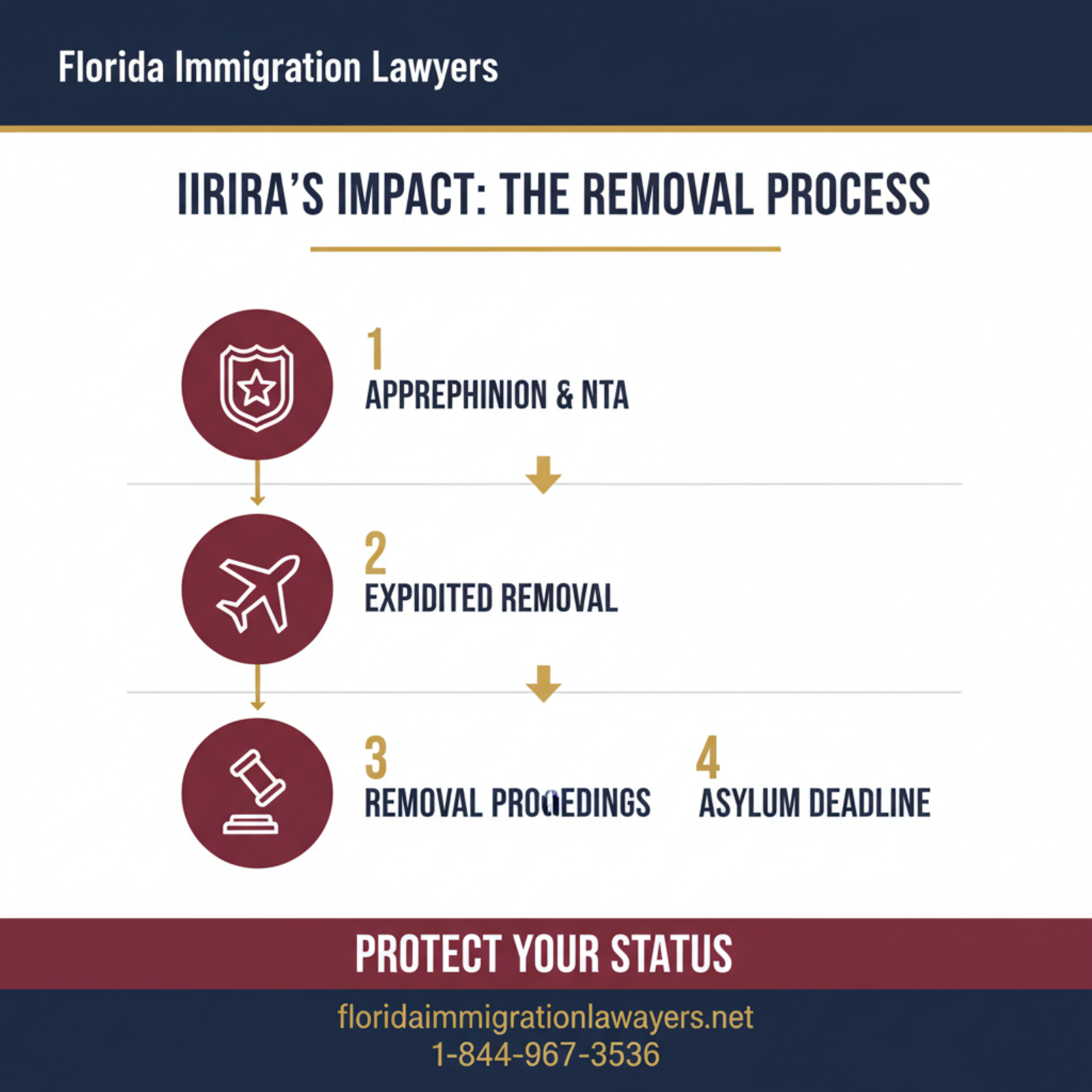
- Expedited Removal: IIRIRA expanded the government's authority to quickly remove certain non-citizens without a formal hearing before an immigration judge. This applies to individuals arriving at ports of entry without valid documents or those apprehended within 100 miles of the border and within 14 days of entry. This provision significantly limits due process protections for many individuals, requiring immediate and expert intervention. Individuals subject to expedited removal are generally barred from re-entry for five years.
- Expanded Grounds of Inadmissibility and Deportability: The Act broadened the categories of individuals who could be deemed inadmissible (unable to enter the U.S.) or deportable (removable from the U.S.). This includes new grounds related to criminal offenses, such as aggravated felonies, which now carry severe immigration consequences. Other grounds include security-related issues, visa fraud, and certain public charge concerns. Understanding these expanded grounds is crucial for anyone with a criminal history or past immigration violations.
- Increased Detention and Enforcement Powers: IIRIRA significantly increased the budget and resources for immigration enforcement agencies like the Immigration and Naturalization Service (which later became USCIS and ICE). It mandated the detention of a broader range of non-citizens, including those with certain criminal convictions, and expanded the use of immigration detention facilities. This has led to a greater number of individuals being held in detention centers across Florida while their cases are processed.
- Cancellation of Removal: While IIRIRA made removal more likely, it also modified forms of relief from removal. Cancellation of Removal for certain non-permanent residents (now 8 U.S.C. § 1229b) became more difficult to obtain, requiring a longer period of continuous physical presence in the U.S. and demonstrating exceptional and extremely unusual hardship to a qualifying U.S. citizen or lawful permanent resident spouse, parent, or child. This is a complex area where legal expertise is indispensable.
Essential Information and Documents for IIRIRA-Related Issues
When dealing with the implications of IIRIRA, especially if you are in Florida and facing a potential immigration issue, having the right information and documents is paramount. While there isn't a single 'checklist' for IIRIRA itself, preparing these materials can be crucial for your legal defense or application.
- Personal Identification: Passport, birth certificate, national ID cards.
- Immigration History Documents: I-94 records, visa stamps, entry/exit records, previous applications (I-130, I-485, etc.), notices from USCIS or immigration court (NTA - Notice to Appear).
- Proof of Presence in the U.S.: Utility bills, leases, employment records, school records, tax returns, medical records, affidavits from individuals who can attest to your presence. These are vital for proving continuous physical presence for certain waivers or relief.
- Criminal Records: Certified copies of all arrest records, court dispositions, and sentencing documents, even for minor offenses. IIRIRA's broad definition of 'aggravated felony' makes this critical.
- Family Relationship Documents: Marriage certificates, birth certificates of U.S. citizen or LPR children/spouses, divorce decrees. These are necessary for hardship waivers or family-based petitions that IIRIRA may impact.
- Financial Documents: Bank statements, employment letters, pay stubs, tax returns. These can demonstrate financial stability and ability to support yourself or family members.
- Any Official Correspondence: Letters, notices, or orders received from USCIS, ICE, CBP, or the Executive Office for Immigration Review (EOIR).
Timelines and Processing Expectations for IIRIRA-Affected Cases
Understanding the timelines associated with IIRIRA's consequences and potential relief options is crucial for planning your future in Florida. The 'processing expectations' largely depend on the specific IIRIRA provision affecting you and the type of relief you are seeking.
For instance, the 3-year and 10-year bars for unlawful presence are fixed periods. Once triggered, they generally require you to remain outside the U.S. for that duration unless you qualify for a waiver. Waiver processing times, such as for an I-601A provisional unlawful presence waiver, can vary significantly, often taking several months to over a year, as reported by USCIS.
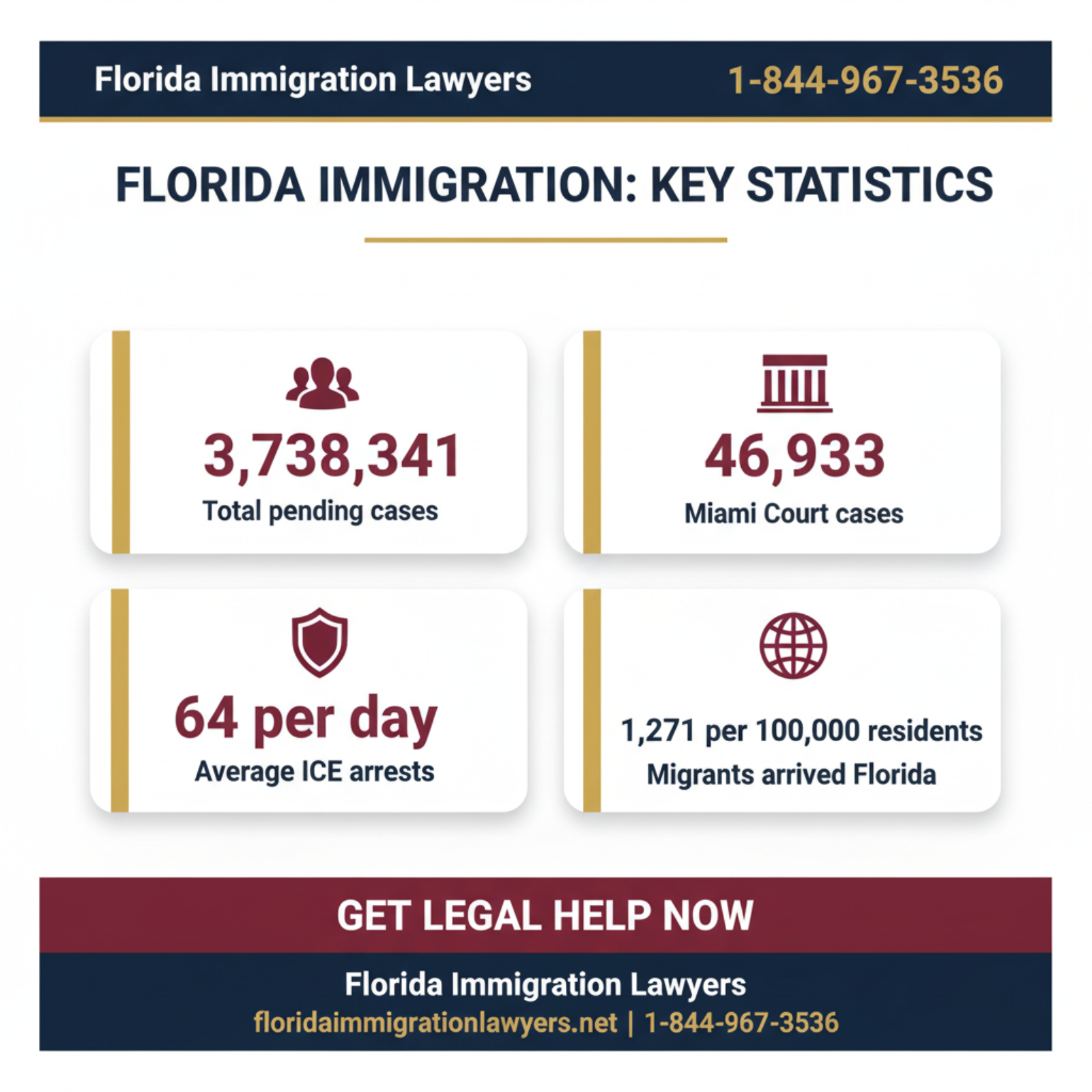
If you are in removal proceedings, the timeline can be unpredictable. Immigration court dockets in Florida, including those in Orlando and Miami, are often backlogged. A typical removal case can take anywhere from one to several years to resolve, especially if appeals are involved. These delays can be stressful and highlight the importance of consistent legal representation.
Expedited removal, by its nature, is a swift process designed to remove individuals quickly. If you or a loved one are subject to expedited removal, immediate legal intervention is critical, often within hours or days, to attempt to challenge the order or seek alternative relief. The speed of this process leaves little room for error or delay.
Cost Factors and Fee Breakdown in IIRIRA-Related Cases
The financial aspect of navigating immigration challenges, particularly those stemming from IIRIRA, is a significant concern for many Florida families. While filing fees for government forms are set by USCIS and can change, the primary cost factor in these complex cases is often legal representation.
Legal fees for IIRIRA-related matters can vary widely depending on the complexity of your case, the type of relief sought, and the amount of attorney time required. For example, defending against removal proceedings in immigration court or preparing a comprehensive waiver application (like an I-601 or I-601A) involves extensive legal research, document preparation, and court appearances.
These services typically require significant expertise and time. Florida Immigration Lawyers understand these concerns and offer transparent fee structures. During your free consultation, we can discuss the potential costs involved and work with you to understand the investment required to protect your future.
Do not navigate this process alone. The stakes are too high. Contact Florida Immigration Lawyers today to schedule your consultation and get the dedicated legal support you deserve. We are here to help you understand your options and fight for your rights.
Common Mistakes to Avoid When Dealing with IIRIRA's Impact
- Underestimating the Impact of Unlawful Presence: Many people do not realize that even a short period of unlawful presence can trigger severe bars to re-entry or adjustment of status. The 3-year and 10-year bars are strictly enforced and can derail future immigration plans, even for those with U.S. citizen family members.
- Failing to Disclose All Criminal History: IIRIRA's expanded definition of 'aggravated felonies' and other criminal grounds means that even minor offenses from years ago can have significant immigration consequences. Failing to disclose or misrepresenting any criminal history can lead to charges of misrepresentation or fraud, making your case far more difficult.
- Departing the U.S. Without Legal Advice: If you have accumulated unlawful presence, departing the U.S. without first consulting an immigration attorney can automatically trigger the 3-year or 10-year bar, preventing your return. Always seek counsel before international travel if you have an irregular immigration history.
- Not Understanding the Role of Waivers: While IIRIRA created harsh penalties, it also preserved or modified waivers for certain inadmissibility grounds. Not knowing if you are eligible for a waiver (such as an I-601 or I-601A provisional waiver) or failing to properly apply for one can lead to unnecessary denials or prolonged separation from family.
- Ignoring Notices from Immigration Authorities: Any mail or communication from USCIS, ICE, or the immigration court (EOIR) must be taken seriously. Ignoring a Notice to Appear (NTA) can lead to an in absentia removal order, which is extremely difficult to overturn.
- Misrepresenting Facts on Applications: Providing false information or concealing material facts on any immigration application, even unintentionally, can lead to permanent bars from immigration benefits. IIRIRA strengthened penalties for such misrepresentations.
- Attempting to Navigate Removal Proceedings Alone: Immigration court is a complex, adversarial system. Representing yourself against a trained government attorney significantly reduces your chances of a favorable outcome. Legal representation is crucial for effective defense.
- Failing to Update Contact Information: Moving without updating your address with USCIS and the immigration court can result in missed notices, court dates, and potentially an in absentia removal order. Always ensure your contact information is current.
- Believing Misinformation from Non-Attorneys: Relying on advice from 'notarios' or untrained individuals can lead to severe errors and jeopardize your immigration case. Always seek advice from a qualified and licensed immigration attorney, especially in Florida where state-specific nuances exist.
When to Call a Florida Immigration Lawyer About IIRIRA
The lasting impact of the Illegal Immigration Reform and Immigrant Responsibility Act of 1996 means that many immigration situations in Florida require the specialized expertise of an attorney. Knowing when to seek legal help can make all the difference in your case.
You should contact Florida Immigration Lawyers immediately if you:
- Have accrued unlawful presence in the U.S. and are considering traveling abroad or adjusting your status. The 3-year and 10-year bars are complex, and you need to understand their implications.
- Have been arrested or convicted of any crime, no matter how minor. IIRIRA expanded the types of offenses that can lead to deportation, and our deportation defense attorneys can assess your situation.
- Have received a Notice to Appear (NTA) in immigration court or are facing deportation proceedings. This is a critical juncture where legal representation is indispensable.
- Believe you may be subject to expedited removal at a port of entry or within the U.S. Time is of the essence in these situations.
- Are applying for a family-based visa or adjustment of status, and there are concerns about past unlawful presence or other inadmissibility grounds. Our family immigration lawyers can guide you.
- Are seeking asylum or other forms of relief, as IIRIRA significantly altered these processes.
- Are applying for citizenship but have a complex immigration history that might be affected by IIRIRA's provisions.
The laws are intricate, constantly evolving, and the consequences of a misstep can be severe. Florida Immigration Lawyers are here to provide clear, compassionate, and effective legal strategies. Our team understands the nuances of IIRIRA and its application in Florida immigration courts and USCIS offices, including the Tampa Field Office.
About Florida Immigration Lawyers
Florida Immigration Lawyers is an immigration law firm dedicated to serving individuals and families across the entire state of Florida. Our mission is to provide compassionate, and effective legal representation for all immigration matters, from complex deportation defense to family-based petitions and naturalization.
We understand the profound impact immigration issues have on your life and your family's future. Our experienced attorneys are committed to protecting your rights and achieving the strongest possible outcome for your case. We pride ourselves on our deep knowledge of immigration law, our personalized approach, and our unwavering dedication to our clients.
Our services include general immigration assistance, deportation defense, asylum claims, family-based immigration, business immigration, and citizenship applications. We offer free consultations and are available 24/7 to address your urgent legal needs. Trust Florida Immigration Lawyers to be your steadfast advocate. Call us at 1-844-YO-PELEO or visit our website at Vasquez Law Firm.
Sources and References
- U.S. Citizenship and Immigration Services (USCIS)
- Executive Office for Immigration Review (EOIR)
- H.R.2202 - Illegal Immigration Reform and Immigrant Responsibility Act of 1996 (IIRIRA)
- 8 U.S.C. Chapter 12 - Immigration and Nationality Act (INA)
- 8 U.S.C. § 1182(a)(9)(B) - Aliens unlawfully present
- 8 U.S.C. § 1229b - Cancellation of removal; adjustment of status
- 8 CFR Part 235 - Inspection of persons applying for admission
This article provides general legal information and is not intended as legal advice. Every case is unique, and outcomes depend on specific facts and circumstances. Contact an attorney for advice about your particular situation.
The Illegal Immigration Reform and Immigrant Responsibility Act of 1996 continues to be a cornerstone of modern U.S. immigration policy, significantly impacting individuals and families throughout Florida. Understanding its provisions is the first step toward protecting your rights and securing your future. Do not leave your immigration status to chance.
Florida Immigration Lawyers are committed to providing the guidance and robust representation you need. Our team is ready to offer you a free, confidential consultation to discuss your specific concerns related to IIRIRA and beyond. Se Habla Español - Estamos aquí para ayudarle. Call us today at 1-844-YO-PELEO to schedule your free consultation.
Do Not Navigate This Process Alone
Our experienced immigration attorneys are ready to fight for you. Get a free, confidential case review today.
Se Habla Español
Or leave your details and we’ll call you:
Free Evaluation in 24 Hours
Or talk to us right now

AI voice assistant — available 24/7
FreeFrequently Asked Questions

William J. Vásquez
Founding Attorney · Vasquez Law Firm
U.S. Air Force veteran and immigration attorney with years of hands-on U.S. immigration experience. J.D., NCCU School of Law. AILA member. Admitted to the 4th, 5th, and 11th Circuit Courts.
Available 24/7 - Free Evaluations
Reviewed for legal accuracy by William J. Vásquez
Licensed in North Carolina; U.S. immigration is federal practice.
Related Legal Services
Our Florida immigration attorneys can help you with immigration lawyer cost in Florida, experienced immigration attorneys and asylum protection. Call today at 1-844-YO-PELEO for a free case review.
Related Links
Related Topics
Free Legal Case Review
Discuss your case with our experienced attorneys. We're available 24/7.
Se Habla Español - Estamos aquí para ayudarle.
Related Articles
Certificate of Eligibility for Expungement in Florida 2026
For non-U.S. citizens in Florida, understanding how a state expungement impacts immigration status is critical. A certificate of eligibility for expungement in Florida allows a criminal record to be sealed or expunged under state law. However, federal immigration agencies often disregard such state-level relief, still considering the original criminal offense as a conviction for immigration purposes. This can have severe implications for visa applications, green card eligibility, naturalization, and even lead to deportation. This guide clarifies the Florida expungement process, its limited effect on federal immigration law, and key steps to protect your status in 2026. Learn about common mistakes, required documents, timelines, and when to seek expert legal counsel from Florida Immigration Lawyers to navigate these complex issues effectively.
Immigration Lawyer Orlando Free Consultation in Florida
For individuals and families in Orlando, Florida, navigating the complexities of U.S. immigration law requires expert guidance. An immigration lawyer in Orlando offers crucial support for everything from visa applications and green card processes to naturalization and deportation defense. This comprehensive guide details what a free consultation covers, providing a step-by-step overview of immigration pathways, essential document checklists, and expected timelines in 2026. We also highlight common mistakes to avoid, discuss the critical role of legal counsel in deportation and asylum cases, and explain why choosing a local Orlando immigration attorney is beneficial. Florida Immigration Lawyers is dedicated to serving the diverse community of Orlando with compassionate, effective legal solutions, ensuring you receive personalized advice and robust representation for a successful immigration journey.
Immigration Interview Preparation Florida 2026 Guide
Facing an immigration interview in Florida? This comprehensive guide offers essential 2026 USCIS interview tips for green card and naturalization applicants. Learn how to meticulously prepare your documents, understand the typical timelines, and avoid common mistakes that could jeopardize your case. We cover what to expect at the Orlando USCIS Field Office, provide a detailed document checklist, and explain the various costs involved in the process. With insights into naturalization specifics and when to seek legal counsel, Florida Immigration Lawyers helps you approach your interview with confidence. Our firm is dedicated to empowering immigrants across Florida with the knowledge and support needed for a successful outcome. Get a free case review today.
I-601A Provisional Waiver: Florida Eligibility 2026
The I-601A provisional waiver offers a critical pathway for individuals in Florida to overcome inadmissibility due to unlawful presence. This guide, updated for 2026, explains the eligibility requirements, focusing on the crucial element of demonstrating extreme hardship to a U.S. citizen or LPR spouse or parent. Learn about the step-by-step application process, essential documents, typical costs, and current processing timelines. We also highlight common mistakes to avoid that could jeopardize your application. Whether you are in Orlando or another part of Central Florida, understanding this waiver is vital for those undergoing consular processing. Discover when to seek professional legal assistance from Florida Immigration Lawyers to navigate these complexities and secure your path to lawful permanent residency. Call us for a free case review.