Supreme Court's TPS Venezuela Decision: A Comprehensive Guide for Florida Immigrants
Navigate the complexities of the Supreme Court's TPS Venezuela ruling and its implications for Florida immigrants. Discover eligibility criteria, application processes, and how our experienced immigration attorneys can assist you. Secure your future – schedule a free consultation today.
Supreme Court's TPS Venezuela Decision: A Comprehensive Guide for Florida Immigrants
Understanding Temporary Protected Status (TPS) for Venezuelans
What is TPS?
Temporary Protected Status (TPS) is a humanitarian immigration benefit granted by the United States to eligible nationals of designated countries facing conditions that prevent their safe return. These conditions can include ongoing armed conflict, environmental disasters, or other extraordinary and temporary circumstances. TPS provides protection from deportation and allows beneficiaries to obtain work authorization (Employment Authorization Document or EAD) and travel permission (Advance Parole) for the duration of their designation. It is a temporary status, and its designation can be extended, terminated, or redesignated by the Secretary of Homeland Security.
Beyond simply avoiding deportation, TPS offers a pathway to legal employment, allowing beneficiaries to secure jobs, support their families, and contribute to the U.S. economy. The Employment Authorization Document (EAD), commonly known as a work permit, is a critical component, enabling individuals to obtain a Social Security number and engage in formal employment. Furthermore, Advance Parole, if granted, provides the opportunity for TPS beneficiaries to travel outside the U.S. and return legally, a vital provision for those with family abroad or urgent personal matters.
It's crucial to understand that while these benefits are significant, TPS itself does not lead directly to permanent residency or U.S. citizenship. It is a temporary form of relief, subject to review and renewal by the Secretary of Homeland Security, reflecting the ongoing assessment of conditions in the designated country. This temporary nature underscores the importance of staying informed about extensions and redesignations.
History of TPS Designation for Venezuela
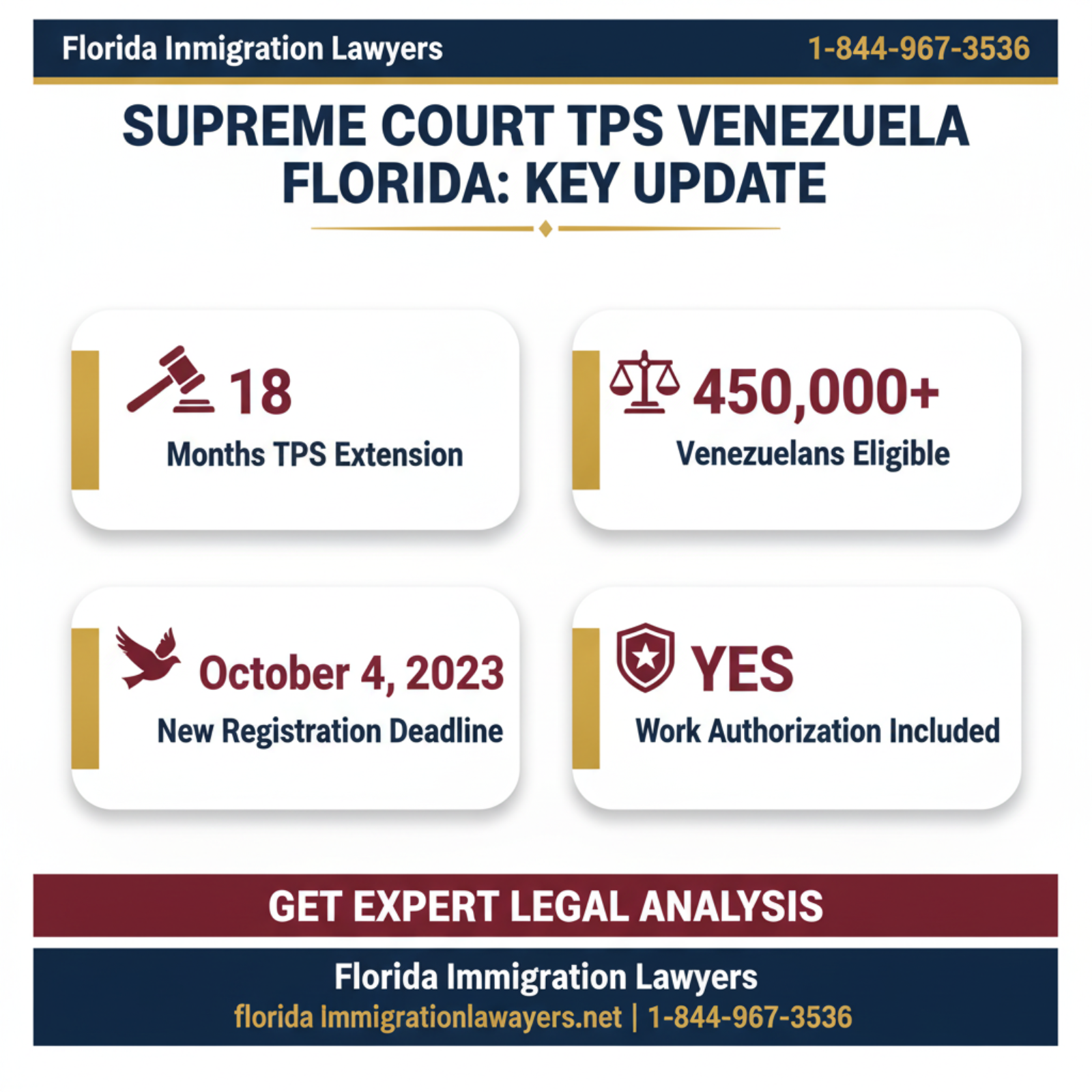
Venezuela was initially designated for TPS on March 8, 2021, due to extraordinary and temporary conditions, including a severe humanitarian crisis, economic collapse, and political instability. This initial designation provided a crucial lifeline for thousands of Venezuelans residing in the U.S., allowing them to live and work legally without fear of deportation. Since then, the designation has been extended and redesignated, reflecting the continued deterioration of conditions in Venezuela. The latest extension and redesignation, announced in September 2023, expanded eligibility to a broader group of Venezuelan nationals who have continuously resided in the U.S. since July 31, 2023, and extended the status for existing beneficiaries through March 10, 2025. These ongoing actions underscore the U.S. government's recognition of the dire situation in Venezuela and its commitment to providing temporary relief.
The decision to designate Venezuela for TPS in March 2021 was a direct response to the escalating humanitarian catastrophe gripping the nation. Years of political turmoil, hyperinflation, food and medicine shortages, and widespread human rights abuses had created an untenable situation for its citizens, compelling millions to flee. The U.S. government recognized that returning Venezuelans to such conditions would pose an extreme risk to their safety and well-being.
The subsequent extensions and redesignations, particularly the September 2023 announcement, have been critical in adapting the program to the evolving crisis. This latest action not only prolonged protection for existing beneficiaries but also expanded eligibility to a new cohort, acknowledging the continued influx of Venezuelans seeking refuge in the United States up to the new continuous residence date of July 31, 2023. This ongoing commitment highlights the U.S.'s role in providing sanctuary and stability during one of the most severe crises in the Western Hemisphere.
The Supreme Court's Involvement and Its Impact
Key Legal Challenges and Court Cases
While the Supreme Court has not issued a direct ruling specifically on the TPS designation for Venezuela itself, its broader interpretations of immigration law and administrative authority have significant indirect impacts. Historically, challenges to TPS designations or terminations have often involved questions of presidential authority, administrative procedure, and statutory interpretation. For instance, cases related to the termination of TPS for other countries have reached higher courts, influencing how future designations and extensions are handled by the Executive Branch. The legal landscape surrounding TPS is constantly evolving, with advocacy groups and government bodies frequently engaging in litigation that shapes the program's administration. These legal battles often center on the scope of the Secretary of Homeland Security's discretion and the procedural requirements for designating or terminating TPS.
While the Supreme Court has not directly addressed the Venezuelan TPS designation, its jurisprudence on immigration law profoundly shapes the administrative framework within which TPS operates. For instance, landmark cases concerning the scope of executive power or the interpretation of specific statutory language in the Immigration and Nationality Act (INA) can set precedents that indirectly impact how TPS is implemented. Advocacy groups frequently challenge governmental decisions regarding TPS – whether designations, extensions, or terminations – in lower federal courts, and these cases occasionally climb the judicial ladder.
These legal battles often scrutinize the Secretary of Homeland Security's discretion, the evidence used to justify designations, and the procedural fairness afforded to applicants. A notable example involved challenges to the termination of TPS for several countries, where appellate courts weighed in on the administrative procedures required, demonstrating how judicial oversight influences the program's stability and predictability. Understanding this broader legal ecosystem is vital for anyone relying on TPS, as shifts in judicial interpretation can have far-reaching consequences.
How the Supreme Court's Decision Affects Current and Future Applicants
The Supreme Court's general stance on immigration matters, particularly regarding administrative deference and statutory interpretation, can indirectly affect TPS beneficiaries. For example, rulings on issues like "continuous physical presence" or "continuous residence" requirements for other immigration benefits might set precedents that are later applied to TPS cases. While no specific Supreme Court decision has directly overturned or established new criteria for Venezuelan TPS, the legal environment it fosters influences USCIS policy and how cases are adjudicated. It reinforces the importance of meticulous application preparation and adherence to all guidelines set forth by the Department of Homeland Security. Any future legal challenges to TPS extensions or redesignations for Venezuela could potentially make their way to the Supreme Court, making it crucial for applicants to stay informed and seek expert legal counsel.
The Supreme Court's role, while often indirect for TPS Venezuela, is akin to setting the foundational rules of the game within which immigration agencies operate. For example, a ruling on what constitutes 'continuous physical presence' in another immigration context could be cited and applied by USCIS adjudicators when reviewing TPS applications. Similarly, the Court's stance on administrative agencies' power to interpret statutes (known as 'Chevron deference') can determine how much latitude the Department of Homeland Security has in defining TPS eligibility criteria or designation conditions.
While no specific decision has directly altered Venezuelan TPS, the legal environment it cultivates demands meticulous attention to detail from applicants and their legal representatives. Any ambiguity in documentation or application details could be scrutinized under the lens of prevailing judicial interpretations. Staying informed about broader immigration law developments and consulting with experienced legal professionals, such as Florida Immigration Lawyers, is paramount to navigating this complex landscape and ensuring your application is as robust as possible.
Specific Implications for Florida's Venezuelan Community
Florida is home to one of the largest Venezuelan immigrant populations in the United States. Consequently, any development concerning TPS Venezuela, whether from the Supreme Court or administrative actions, has profound implications for thousands of families across the state. The stability offered by TPS allows beneficiaries to work, contribute to the economy, and integrate into their communities without the constant threat of deportation. This stability is particularly vital in Florida, where many Venezuelan immigrants have established deep roots and contribute significantly to the state's cultural and economic fabric. Understanding the nuances of TPS, including its eligibility requirements and application process, is paramount for Florida residents seeking to secure their status. Our firm is deeply committed to assisting the Venezuelan community in Florida, providing up-to-date information and dedicated legal support to navigate these complex immigration pathways.
For the vibrant Venezuelan community in Florida, TPS represents more than just a legal status; it's a foundation for rebuilding lives and fostering stability. With TPS, families can plan for the future, children can attend school without fear of parental deportation, and individuals can pursue higher education or vocational training. This stability translates into significant economic contributions, as TPS beneficiaries pay taxes, start businesses, and fill critical labor gaps, particularly in sectors like hospitality, construction, and healthcare.
Imagine a Venezuelan family in Doral or Orlando, finally able to purchase a home or invest in a small business, knowing they have temporary protection from deportation. These real-world impacts underscore the importance of securing and maintaining TPS. Our firm, Florida Immigration Lawyers, understands these unique challenges and is dedicated to serving the Venezuelan community across the state. We provide comprehensive legal support, from initial application to renewals and addressing complex eligibility issues. If you have questions or need assistance, do not hesitate to call us at 1-844-967-3536 for expert guidance tailored to your specific situation.
Eligibility Requirements for TPS Venezuela
General Criteria
To be eligible for TPS under the current designation for Venezuela, applicants must meet several key criteria. First, they must be a national of Venezuela, or a person without nationality who last habitually resided in Venezuela. Second, they must have been continuously physically present in the United States since July 31, 2023. This means you must have been physically present in the U.S. on that specific date and remained here since. Third, they must have continuously resided in the United States since July 31, 2023. This "continuous residence" requirement allows for brief, casual, and innocent departures from the U.S. without breaking the continuity. Finally, applicants must apply during the designated registration period. It is crucial to meet all these requirements and provide comprehensive documentation to support your claims. For detailed and official guidance, always refer to the USCIS website.
Delving deeper into the continuous physical presence and continuous residence requirements is crucial. Continuous physical presence means you must have been physically present in the U.S. on the specific designation date (July 31, 2023, for the current redesignation) and remained here since. Even a brief departure on that exact date could jeopardize eligibility. Continuous residence, however, is slightly more flexible, allowing for 'brief, casual, and innocent' departures. For example, a short family visit to Canada or Mexico for a few days, without any intention to abandon U.S. residence, would generally be considered 'brief, casual, and innocent.' However, an extended trip lasting several months, or one undertaken for illicit purposes, would likely break continuous residence. It is imperative to document every entry and exit from the U.S. meticulously.
Furthermore, applying within the designated registration period is non-negotiable, unless you can demonstrate 'good cause' for a late filing, which is a high bar to meet. Missing this window can lead to denial, regardless of how perfectly you meet other criteria. Always double-check the USCIS website or consult with Florida Immigration Lawyers to confirm the latest registration deadlines.
Grounds for Ineligibility
While TPS offers significant protections, certain factors can render an individual ineligible. These include conviction for any felony or two or more misdemeanors committed in the United States. Serious criminal offenses, even those committed outside the U.S., can also lead to ineligibility. Additionally, individuals found to be inadmissible under certain provisions of U.S. immigration law, such as those related to national security or terrorism, are not eligible for TPS. Failure to meet the continuous physical presence or continuous residence requirements, or failure to register during the designated period without good cause, can also result in denial. It is essential to disclose any potential grounds for ineligibility to your attorney upfront to assess your case accurately and explore all possible legal strategies. Our deportation defense team can help evaluate complex situations.
Understanding the grounds for ineligibility is as important as knowing the eligibility criteria. Beyond convictions for felonies or two or more misdemeanors, certain serious criminal offenses committed even outside the United States can also lead to ineligibility. For instance, crimes involving moral turpitude, drug trafficking, or aggravated felonies, as defined by immigration law, are significant bars. It's not just about convictions; even certain arrests or charges, depending on the disposition, can raise red flags.
Furthermore, individuals found inadmissible under other provisions of the Immigration and Nationality Act (INA) may also be ineligible. These can include grounds related to health (e.g., certain communicable diseases, drug abuse), public charge (though this has been largely mitigated for TPS), immigration fraud or misrepresentation, or national security concerns. For example, if an applicant previously misrepresented facts on an immigration application, they might face inadmissibility. It is absolutely vital to be transparent with your legal counsel about your entire history, including any encounters with law enforcement, no matter how minor they may seem. Our deportation defense team at Florida Immigration Lawyers is highly experienced in evaluating complex criminal and inadmissibility issues, helping you understand your options and develop the strongest possible case.
Documentation Needed for Your Application
A successful TPS application hinges on providing comprehensive, accurate, and well-organized documentation to support every claim you make. USCIS requires specific evidence to prove your identity, nationality, continuous residence, and continuous physical presence. Gathering these documents carefully is perhaps the most critical step in the application process.
Proof of Identity and Nationality: You will need your passport, birth certificate with photo identification, national identity document from Venezuela, or any other official document establishing your nationality and identity. If you do not have a passport, other forms of identification may be accepted, but this should be discussed with an attorney.
Proof of Entry and Continuous Physical Presence: This is where meticulous record-keeping becomes vital. Documents could include your Form I-94 (Arrival/Departure Record), passport stamps, airline tickets, receipts for purchases made in the U.S., medical records, school records, employment records, or any other dated documents that place you within the U.S. on the required date (July 31, 2023) and continuously thereafter.
Proof of Continuous Residence: Similar to physical presence, but focusing on establishing your domicile. This includes utility bills, rental agreements, mortgage statements, bank statements, tax returns, pay stubs, letters from employers, school transcripts, medical bills, or affidavits from individuals who can attest to your continuous residence. The more varied and consistent your documentation, the stronger your case.
Criminal History Records: You must provide certified copies of all court dispositions for any arrests or convictions, regardless of how minor, both in the U.S. and abroad. Even if a case was dismissed or expunged, it's crucial to disclose it and provide documentation. Failure to do so can lead to serious immigration consequences.
Photographs: Recent passport-style photographs are required for your application.
Other Supporting Documents: Depending on your specific circumstances, additional documents might be needed, such as marriage certificates, birth certificates for dependents, or proof of any name changes. All documents not in English must be accompanied by a certified English translation.
Preparing this extensive package can be daunting, and any missing or incorrect documentation can lead to delays or even denial. It is highly recommended to seek professional legal assistance from experienced immigration attorneys, such as those at Florida Immigration Lawyers, to ensure your application is complete and accurately reflects your eligibility. We can help you identify and organize the necessary evidence, ensuring a smooth application process.
Need help with Immigration?
Our Florida immigration attorneys offer free consultations. Call today or schedule online.
Frequently Asked Questions
Florida Immigration Lawyers
Legal Team
Our experienced attorneys at Florida Immigration Lawyers have been serving clients across Florida for over 20 years. We specialize in immigration, personal injury, criminal defense, workers compensation, and family law.