Exclusive Citizenship Act of 2025: Florida Immigration Impact
Discover the latest on the proposed Exclusive Citizenship Act of 2025 and its potential impact on Florida residents. This federal bill, currently stalled, aims to restrict dual citizenship and mandate stricter proof of citizenship. Understand what this could mean for you and your family in St. Petersburg and across Florida. Learn about current U.S. citizenship requirements, common mistakes to avoid, and when to seek legal guidance. Florida Immigration Lawyers provides expert assistance to help you navigate these complex immigration issues. Contact us for a free consultation and personalized advice.
The Exclusive Citizenship Act of 2025 (S.3283) is a proposed federal bill that, if enacted, could significantly alter U.S. citizenship laws, potentially impacting dual citizenship and requiring stricter proof of citizenship. As of early 2026, the bill is stalled in Congress and has a low likelihood of passing. For Florida residents, understanding current immigration law and monitoring legislative developments is crucial.
- The Act is a proposed bill, not current law, with low chances of passage.
- It aims to restrict dual citizenship and mandate stricter proof of citizenship.
- Current U.S. law generally permits dual citizenship.
- Proving your U.S. citizenship remains vital for various state and federal matters.
- Consult an experienced immigration lawyer for personalized advice and updates.
Navigating the ever-changing landscape of immigration law can be incredibly daunting. For many residents in St. Petersburg and across Florida, news of proposed legislation like the Exclusive Citizenship Act of 2025 can spark significant concern and uncertainty.
You might be wondering what this bill means for your status, your family, or your future in the United States. This comprehensive guide will break down the proposed Act, clarify its current status, explain potential implications for Floridians, and outline the existing requirements for U.S. citizenship.
Our goal is to provide you with clear, actionable information to help you understand your rights and options. Do not face this complex legal environment alone. Call Florida Immigration Lawyers at 1-844-967-3536 for a free consultation to discuss your specific situation and concerns.
Understanding the Proposed Exclusive Citizenship Act of 2025
The Exclusive Citizenship Act of 2025, often referenced as S.3283, is a piece of federal legislation proposed in the U.S. Congress. Its primary aim is to introduce more stringent requirements for U.S. citizenship and, notably, to potentially restrict or even ban dual citizenship for naturalized citizens.
This proposed bill reflects a broader national discussion regarding immigration policy and national identity. For individuals and families in Florida, a state with a significant immigrant population, understanding the nuances of such legislation is paramount.
What is the Exclusive Citizenship Act of 2025?
Specifically, the Exclusive Citizenship Act of 2025 seeks to establish a framework where individuals who naturalize as U.S. citizens would be required to renounce all other foreign citizenships. This would be a significant departure from current U.S. policy, which generally tolerates dual nationality.
The bill also proposes enhanced requirements for proving U.S. citizenship for various purposes, including voter registration and access to certain federal benefits. This could create new hurdles for many, even those who are long-term citizens.
Current Status and Likelihood of Passage for the Exclusive Citizenship Act of 2025
As of March 2026, the Exclusive Citizenship Act of 2025 (S.3283) remains a proposed bill with a low probability of becoming law. It has been introduced in Congress but has not progressed through the legislative process, meaning it is currently stalled with no committee hearings scheduled.
Many proposed bills never advance beyond their initial introduction. While discussions around such legislation may continue, it is critical for you to understand that this Act is not yet, and may never be, enacted law. We continuously monitor legislative updates to keep our clients informed.
Potential Implications for Florida Residents and Dual Citizens
While the Exclusive Citizenship Act of 2025 is currently stalled, it is important for Florida residents, especially those with dual nationality or those considering naturalization, to understand its potential implications. Florida is home to a vibrant and diverse immigrant community, and many individuals hold citizenship in more than one country.
If enacted, the bill could force naturalized U.S. citizens to make a difficult choice between their U.S. citizenship and their other nationalities. This would have profound personal, cultural, and economic consequences for thousands of families across the state, from Miami to St. Petersburg.
Understanding Dual Citizenship Under Current U.S. Law
Currently, U.S. law generally permits dual citizenship. The U.S. government recognizes that a person can be a citizen of both the United States and another country. This status does not typically require you to choose between nationalities.
However, individuals who naturalize as U.S. citizens are required to take an oath renouncing allegiance to any foreign state. The U.S. government's position is that while the oath is a formal renunciation, it does not necessarily require you to actively divest yourself of foreign citizenship. This is often an area of confusion for many. Learn more about U.S. Citizenship here.
Impact on Voting Rights and State Requirements in Florida
Florida has been at the forefront of implementing stricter proof-of-citizenship requirements for voter registration. While these state-level requirements are separate from the proposed federal Exclusive Citizenship Act of 2025, they highlight a trend towards greater scrutiny of citizenship status.
If the federal act were to pass, it could further complicate how citizenship is verified and potentially impact the ability of dual citizens to participate in civic life without fear of jeopardizing their U.S. status. We recommend always ensuring your voter registration is compliant with current Florida state laws.
Navigating Current U.S. Citizenship Requirements in Florida
Regardless of the status of the Exclusive Citizenship Act of 2025, understanding and fulfilling current U.S. citizenship requirements is essential. The process of becoming a naturalized U.S. citizen is governed by the Immigration and Nationality Act (INA).
For those living in St. Petersburg, Tampa, Orlando, or any part of Florida, the application process is handled by U.S. Citizenship and Immigration Services (USCIS). Our firm regularly assists individuals throughout Florida with their naturalization applications.
Step-by-Step Guide to U.S. Naturalization
The path to U.S. citizenship through naturalization involves several key steps:
-
Determine Eligibility: You must meet specific criteria, including age (18 or older), continuous residency (generally 5 years as a lawful permanent resident, or 3 years if married to a U.S. citizen), physical presence, good moral character, and an ability to read, write, and speak basic English. You also need knowledge of U.S. history and government.
-
Prepare and File Form N-400: The Application for Naturalization is a comprehensive form requiring detailed personal, residential, employment, and travel history. Accuracy is paramount.
-
Attend Biometrics Appointment: After filing, USCIS will schedule an appointment for you to provide fingerprints, photographs, and a signature. This data is used for background checks.
-
Complete the Naturalization Interview: A USCIS officer will interview you to verify the information on your N-400, test your English proficiency, and assess your knowledge of U.S. civics. This interview typically takes place at a local USCIS field office, such as the one serving St. Petersburg in Tampa, FL.
-
Receive a Decision and Attend Oath Ceremony: If your application is approved, you will be invited to an Oath of Allegiance Ceremony. This is the final step where you formally become a U.S. citizen and receive your Certificate of Naturalization.
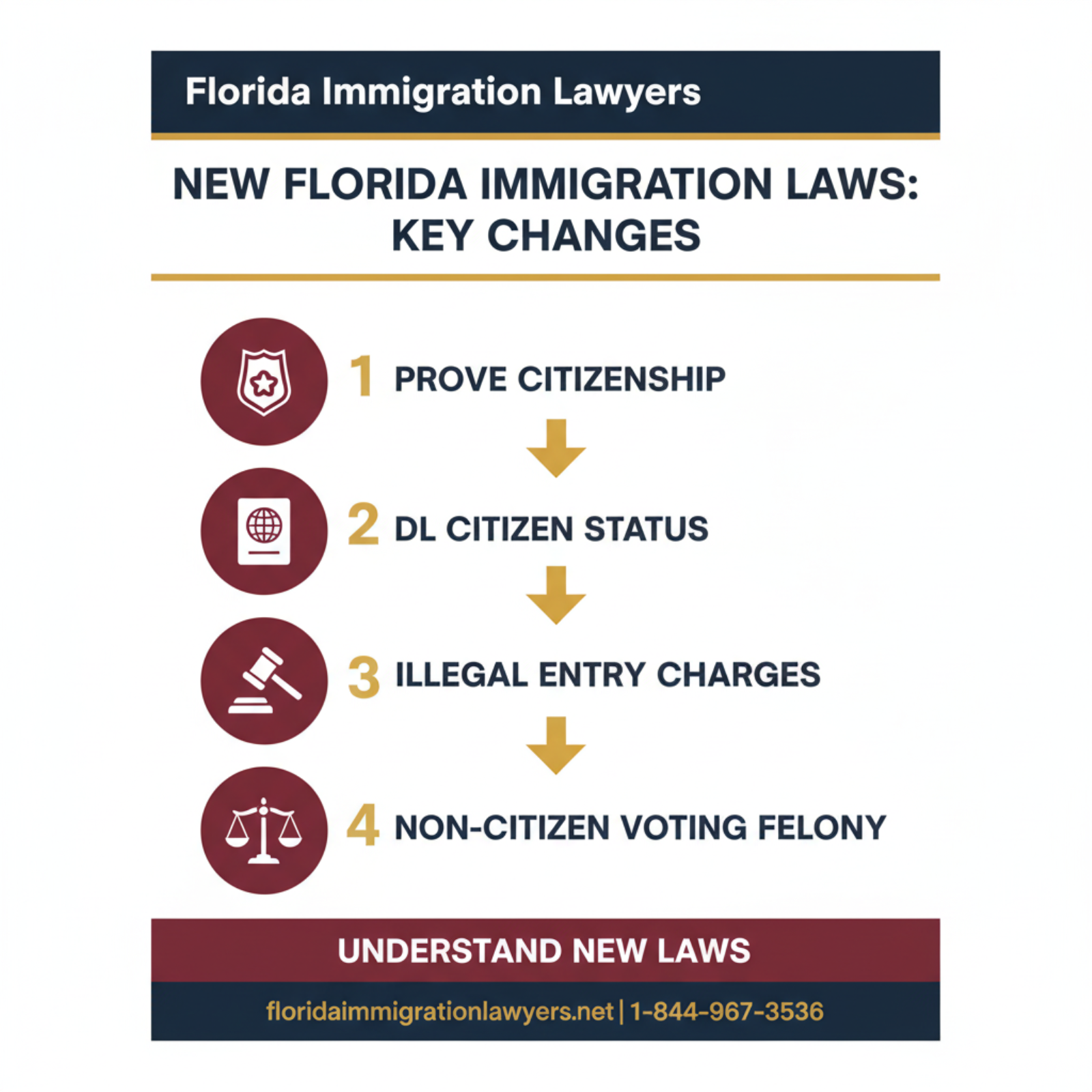
Step-by-Step Process Guide
Essential Document Checklist for Naturalization
When applying for naturalization, you will need to provide various supporting documents. While the exact list can vary, here are commonly required items:
- Your Permanent Resident Card (Green Card)
- State-issued identification (driver's license or state ID)
- Current and expired passports
- Birth certificate
- Marriage certificate (if applicable)
- Divorce decrees or death certificates for previous spouses (if applicable)
- Birth certificates of your children (if applicable)
- Tax transcripts for the past five years (or three years if married to a U.S. citizen)
- Proof of selective service registration (for males aged 18-26)
- Court disposition records for any arrests or convictions (even minor ones)
- Travel records, including dates of all trips outside the U.S.
- Proof of financial support (pay stubs, bank statements)
- Two passport-style photographs
Timeline and Processing Expectations for USCIS Applications
The processing time for naturalization applications can vary significantly. Factors include the specific USCIS field office handling your case (e.g., Tampa, Orlando, Miami), the complexity of your application, and current agency backlogs. Generally, you can expect the process to take anywhere from 6 months to over 2 years.
USCIS provides estimated processing times on its website, which are updated regularly. It is important to remember that these are estimates, and individual cases may take longer. Check current USCIS processing times here.
Cost Factors and Fee Breakdown for Naturalization
The cost of naturalization primarily includes the USCIS filing fee for Form N-400 and the biometrics fee. These fees are subject to change, so it is crucial to check the most current fee schedule on the USCIS website before filing.
You may also incur costs for obtaining necessary documents, such as birth certificates or certified court records. If you choose to hire an immigration lawyer, legal fees will also be part of your overall expense. While there are fee waivers available for eligible applicants, the process can still be a significant financial undertaking for many families in St. Petersburg and Florida.
Protecting Your Rights: Legal Options and Resources
In the face of proposed legislation like the Exclusive Citizenship Act of 2025 and the complexities of current immigration law, protecting your rights is paramount. It is crucial to remember that proposed bills do not alter existing law until they are formally passed by both houses of Congress and signed by the President.
Staying informed about legislative developments and understanding how current laws apply to your unique situation is key. An experienced immigration lawyer can serve as your advocate and guide through this intricate legal landscape.
Do not navigate this process alone. Contact Florida Immigration Lawyers today for expert guidance on citizenship, dual nationality, and all other immigration matters in Florida. Our team is dedicated to helping you achieve your immigration goals.
Common Mistakes to Avoid in Citizenship Applications
-
Assuming Proposed Legislation is Enacted Law: Many individuals become anxious over bills like the Exclusive Citizenship Act of 2025 before they are passed. Always verify the current legal status of any proposed law before taking action based on its potential impact.
-
Failing to Maintain Accurate Immigration Records: Keep meticulous records of all your immigration documents, travel history, and communications with USCIS. Discrepancies can lead to delays or denials.
-
Not Understanding Current Dual Citizenship Laws: While the proposed Act aims to change it, current U.S. law generally permits dual citizenship. Misunderstanding this can lead to unnecessary renunciation or legal issues.
-
Delaying Naturalization Application if Eligible: If you meet the eligibility requirements for naturalization, delaying your application can expose you to potential future legislative changes or increased processing times.
-
Providing Incomplete or Inaccurate Information to USCIS: Any misrepresentation, even unintentional, can be considered fraud and lead to severe penalties, including denial of your application and potential deportation proceedings. Always be truthful and thorough.
-
Traveling Internationally Without Proper Documentation: Ensure your Green Card and passport are current and valid for international travel. Always consult USCIS guidelines for re-entry requirements, especially after long trips.
-
Ignoring Notices from USCIS or Other Immigration Agencies: Failing to respond to Requests for Evidence (RFEs), interview notices, or other communications can result in your application being denied or abandoned.
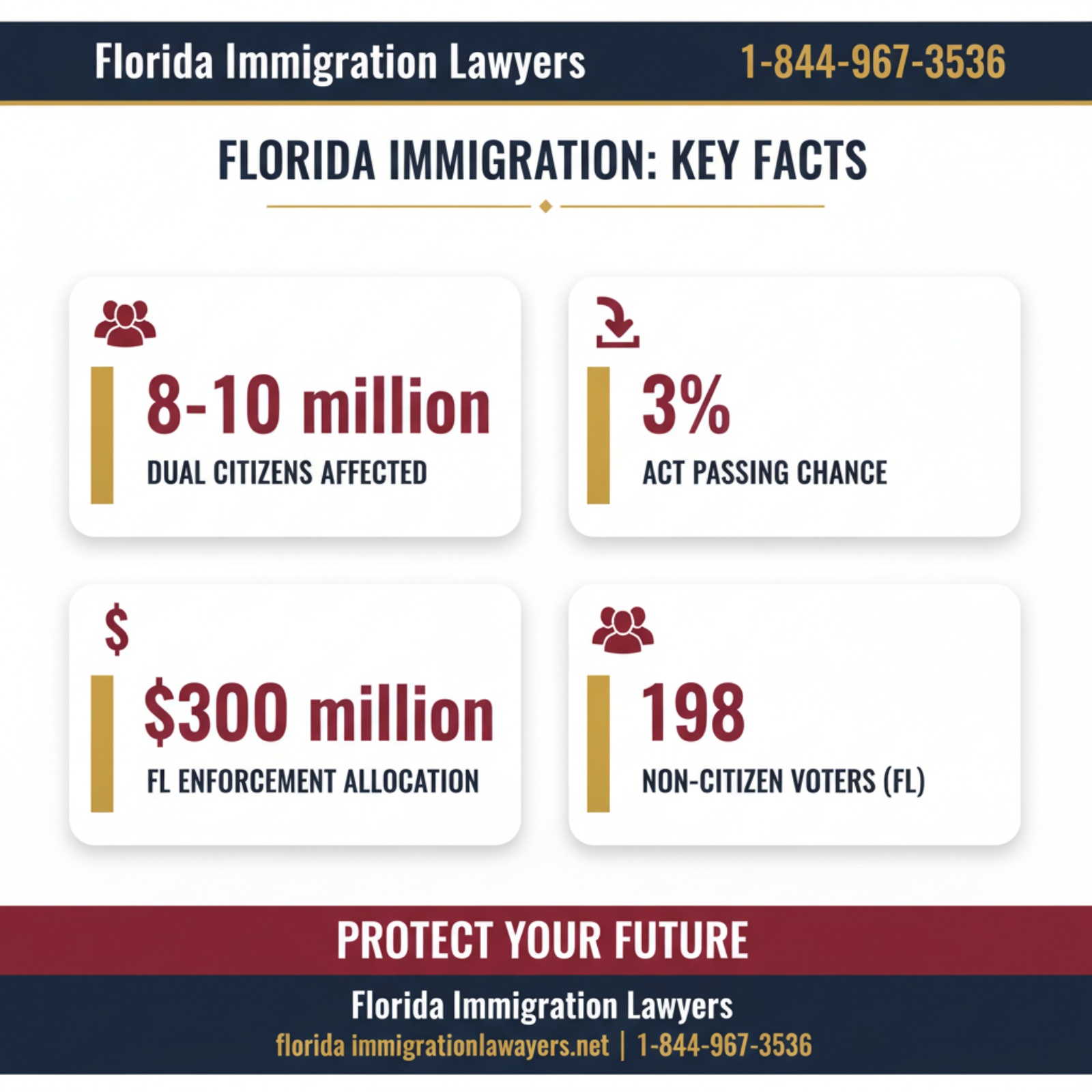
Key Statistics & Data -
Attempting to Navigate Complex Immigration Processes Without Legal Counsel: Immigration law is intricate and constantly evolving. An experienced lawyer can prevent costly errors and provide strategic advice tailored to your situation.
-
Misinterpreting Residency Requirements: The continuous residency and physical presence requirements for naturalization are strict. Extended trips outside the U.S. can break continuous residency, affecting your eligibility.
-
Failing to Update Your Address with USCIS: You are legally required to notify USCIS of any address change within 10 days of moving. Failure to do so can result in missed notices and jeopardized applications.
-
Not Preparing for the Naturalization Interview: The interview includes English and civics tests. Inadequate preparation is a common reason for delays or denials. Practice your English and study U.S. history and government.
When to Call a Lawyer Regarding Citizenship and Immigration
Even with the best intentions, the complexities of immigration law can be overwhelming. The potential for changes, such as those proposed by the Exclusive Citizenship Act of 2025, adds another layer of concern. Knowing when to seek professional legal assistance is crucial for protecting your rights and ensuring a smooth process.
You should consider contacting Florida Immigration Lawyers if you:
- Have questions about the current status or potential impact of proposed legislation like the Exclusive Citizenship Act of 2025.
- Are a dual citizen in Florida and are concerned about how new laws might affect your status.
- Are preparing to apply for naturalization and want to ensure your application is complete and accurate.
- Have a criminal record, even a minor one, that might impact your good moral character requirement for naturalization.
- Have received a Request for Evidence (RFE) or Notice of Intent to Deny (NOID) from USCIS.
- Are experiencing significant delays in your application processing beyond published estimates.
- Need assistance proving your citizenship status for state-level requirements, such as voter registration in Florida.
- Have had a previous immigration application denied or rejected.
- Are unsure about your eligibility for naturalization or other immigration benefits.
- Require representation at a USCIS interview or before an immigration court, especially if facing deportation defense issues.
Our experienced attorneys at Florida Immigration Lawyers are here to provide tailored advice and representation for all your immigration needs in St. Petersburg and throughout Florida. We understand the specific challenges faced by immigrants in our state and are committed to offering compassionate, effective legal support. Contact us today to schedule your consultation.
About Florida Immigration Lawyers
Florida Immigration Lawyers is a leading immigration law firm dedicated to serving individuals and families across the entire state of Florida. With years of experience and a deep understanding of U.S. immigration law, our attorneys provide comprehensive legal services to help clients navigate complex immigration challenges.
We pride ourselves on our client-focused approach, offering personalized strategies and unwavering support. Our services range from family-based visas and family immigration to naturalization, asylum claims, and business immigration. We understand the unique needs of Florida's diverse immigrant communities, including those in St. Petersburg, Miami, Orlando, and Jacksonville.
At Florida Immigration Lawyers, we believe everyone deserves access to expert legal counsel. We offer free consultations and are available 24/7 to address your urgent questions and concerns. Let us put our expertise to work for you. Call us today at 1-844-967-3536 or visit our website at https://www.floridaimmigrationlawyers.net.
Sources and References
- U.S. Citizenship and Immigration Services (USCIS)
- Executive Office for Immigration Review (EOIR)
- 8 U.S.C. Chapter 12 - Immigration and Nationality Act
- INA Section 316 (8 U.S.C. § 1427) - Requirements for Naturalization
- 8 CFR Part 316 - General Requirements for Naturalization
- U.S. Department of State - Dual Nationality
This article provides general legal information and is not intended as legal advice. Every case is unique, and outcomes depend on specific facts and circumstances. Contact an attorney for advice about your particular situation.
The complexities of immigration law require careful attention and expert guidance. If you are concerned about the Exclusive Citizenship Act of 2025, your current citizenship status, or need assistance with any immigration process in Florida, do not hesitate to reach out. Our dedicated team at Florida Immigration Lawyers is ready to help you navigate these challenges with confidence.
Call Florida Immigration Lawyers today for a free, confidential consultation at 1-844-967-3536. Se Habla Español - Estamos aquí para ayudarle.
Need help with Immigration?
Our Florida immigration attorneys offer free consultations. Call today or schedule online.
Frequently Asked Questions
Florida Immigration Lawyers
Legal Team
Our experienced attorneys at Florida Immigration Lawyers have been serving clients across Florida for over 20 years. We specialize in immigration, personal injury, criminal defense, workers compensation, and family law.