Exclusive Citizenship Act of 2025 Florida: What It Means for You
The proposed Exclusive Citizenship Act of 2025 (S.3283) could significantly impact U.S. citizenship, potentially outlawing dual nationality. While currently stalled in Congress with a low likelihood of passage, it highlights the importance of understanding your citizenship status and having proper documentation. This comprehensive guide from Florida Immigration Lawyers explores the Act's implications for Florida residents, offering a step-by-step approach to preparing for potential changes. Learn about essential documents, common mistakes to avoid, and when to seek legal counsel to protect your future. Stay informed and proactive with expert guidance.
The Exclusive Citizenship Act of 2025 (S.3283) is a proposed federal bill that, if passed, could significantly alter U.S. citizenship laws, potentially impacting individuals with dual nationality in Florida. As of early 2026, this bill remains in a proposed, stalled state with a low likelihood of immediate passage. It aims to require individuals to prove sole U.S. citizenship, posing complex challenges for many residents.
- The Act is a proposed federal bill, not current law.
- It seeks to ban dual citizenship for U.S. nationals.
- Passage is currently considered unlikely in the near future.
- Residents, especially in Florida, should stay informed and prepare to prove citizenship.
- Consulting an immigration lawyer is crucial to understand potential impacts.
The landscape of immigration law is constantly shifting, often creating uncertainty and anxiety for individuals and families across Florida. One such development that has garnered attention is the proposed Exclusive Citizenship Act of 2025 Florida, known federally as S.3283. This bill, if enacted, could introduce profound changes to how U.S. citizenship is defined and maintained, particularly for those who hold dual nationality.
Understanding the nuances of such legislation is critical for protecting your legal status and future in the United States. This comprehensive guide from Florida Immigration Lawyers aims to demystify the proposed Act, explain its potential implications for residents throughout Florida, including communities like Homestead, and provide actionable steps you can take. We will cover its background, potential requirements, and how to prepare for any future changes. If you are concerned about how proposed legislation might affect your immigration status or citizenship, do not hesitate to call Florida Immigration Lawyers at 1-844-967-3536 for a free consultation.
Understanding the Exclusive Citizenship Act of 2025 and Its Impact
The proposed Exclusive Citizenship Act of 2025 Florida represents a significant legislative effort that could redefine the concept of U.S. citizenship. It is vital for Florida residents, particularly those in diverse communities like Homestead, to grasp its potential scope and current status. Our firm is dedicated to keeping you informed about these complex legal matters.
What is the Exclusive Citizenship Act of 2025?
The Exclusive Citizenship Act of 2025, introduced as S.3283, is a federal bill proposing to require individuals to affirm their sole allegiance to the United States. This could effectively outlaw dual citizenship for U.S. nationals, meaning individuals might be compelled to renounce any other nationalities they hold to maintain their U.S. citizenship. The bill aims to ensure that U.S. citizens do not hold allegiance to any foreign state.
As of early 2026, the S.3283 bill remains in a proposed state, having been introduced but not advanced significantly through the legislative process. It has faced considerable opposition and, based on current legislative analysis, its likelihood of passage in the near term is considered low. However, its existence highlights ongoing debates about citizenship and national identity, particularly in states like Florida with large immigrant populations.
Historical Context and Legislative Intent
The concept of exclusive citizenship is not entirely new in U.S. legal history, though modern interpretations have generally allowed for dual nationality. This proposed Act can be seen as part of a broader trend in some legislative circles to strengthen national sovereignty and, in some cases, address concerns about voter integrity or national security. States, including Florida, have seen related legislative efforts, such as requiring proof of citizenship for voter registration, which, while distinct, reflects a similar underlying sentiment.
For a state like Florida, home to a vibrant and diverse immigrant community, including many individuals with ties to multiple countries, such legislation carries immense implications. Cities like Miami, Orlando, Tampa, and Homestead are melting pots where dual citizenship is common. The intent behind the Exclusive Citizenship Act of 2025 Florida is often framed around ensuring undivided loyalty, but critics argue it could disenfranchise and complicate the lives of millions of law-abiding citizens and residents.
It is important to remember that immigration laws are complex and subject to intense political debate. The legislative journey of a bill like S.3283 is lengthy and uncertain. Our team at Florida Immigration Lawyers closely monitors these developments to provide timely and accurate advice to our clients.
Navigating Potential Changes: A Step-by-Step Guide for Florida Residents
While the Exclusive Citizenship Act of 2025 Florida is not yet law, proactive preparation is always prudent. Understanding how to navigate potential changes and affirm your citizenship status is a key step. This guide outlines general steps you can take, emphasizing that personalized legal advice is indispensable.
-
Stay Informed About Legislative Updates: Regularly check official government sources like Congress.gov for the current status of S.3283 and other relevant bills. Immigration laws can evolve, and staying updated helps you anticipate changes. Florida Immigration Lawyers are committed to monitoring these developments for our clients.
-
Assess Your Current Citizenship Status: Determine if you currently hold dual citizenship or if you are solely a U.S. citizen. This involves reviewing your birth records, naturalization certificates, and any foreign citizenship documents. Understanding your current standing is the first step toward addressing any potential future requirements of a dual citizenship ban 2025.
-
Gather Essential Documents Proactively: Start collecting and organizing all documents that prove your U.S. citizenship. This includes birth certificates, U.S. passports, Certificates of Naturalization, or Certificates of Citizenship. Having these readily available will streamline any future processes or inquiries from USCIS Florida or other agencies.
-
Consult with an Experienced Immigration Lawyer in Florida: Given the complexities of potential legislation, seeking legal counsel is paramount. An attorney specializing in immigration law Florida can provide tailored advice based on your specific situation. They can help you understand your rights and obligations, and strategize for any future changes related to your citizenship application process.
-
Prepare for Potential USCIS Interactions: If the Act were to pass, it could lead to new requirements or processes from U.S. Citizenship and Immigration Services (USCIS). This might involve new forms, interviews, or requests for evidence. Being prepared means understanding the potential scope of these interactions and having your documentation in order.
-
Review Your Voter Registration and Other State-Specific Requirements: Florida has specific requirements for proving citizenship for voter registration. While this is separate from the federal Act, it underscores the importance of having proper documentation. Ensure your records comply with current Florida election laws, as these are often debated and revised.
Essential Documents for Proving Citizenship in Florida
Regardless of the status of the Exclusive Citizenship Act of 2025 Florida, proving your U.S. citizenship is a common requirement for various legal, administrative, and personal matters. This could include applying for a passport, registering to vote, or demonstrating eligibility for certain benefits. Having a clear understanding of accepted documents is crucial for any Florida resident.
-
U.S. Birth Certificate: Issued by the state, county, or city of birth, this is a primary document for those born in the United States. Ensure it is an original, certified copy.
-
U.S. Passport or Passport Card: These documents are definitive proof of U.S. citizenship and identity. They are widely accepted by federal and state agencies.
-
Certificate of Naturalization (Form N-550 or N-570): For individuals who became U.S. citizens through the naturalization process, this certificate is the official proof of their citizenship.
-
Certificate of Citizenship (Form N-560 or N-561): Issued to individuals who derived or acquired U.S. citizenship through their parents.
-
Consular Report of Birth Abroad (CRBA) (Form FS-240, DS-1350, or FS-545): For individuals born outside the U.S. to U.S. citizen parent(s), this document serves as proof of citizenship.
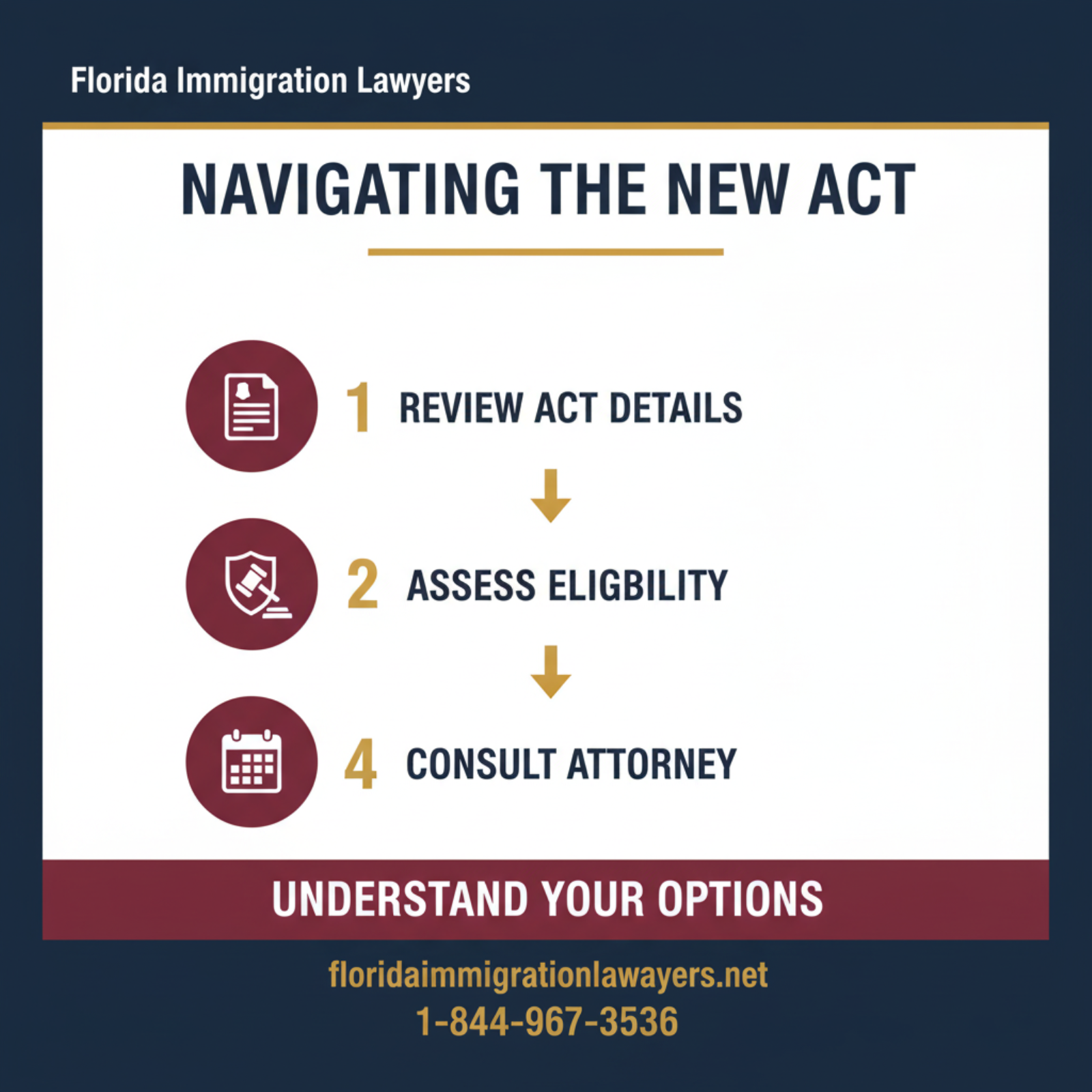
Step-by-Step Process Guide -
Proof of U.S. Residence: While not direct proof of citizenship, documents like utility bills, leases, or property deeds can support claims of continuous U.S. residency, which may be relevant in certain immigration or citizenship processes, especially when interacting with USCIS field offices in Florida.
-
Florida Driver's License or State ID: These are primarily identity documents. While they indicate residency in Florida, they are typically not sufficient as sole proof of U.S. citizenship for federal purposes. However, they may be required for state-level verifications, such as voter registration, alongside other citizenship documents.
-
Voter Registration Records: In Florida, proof of citizenship is required for voter registration. While the registration itself isn't primary proof of citizenship, it demonstrates that citizenship was previously verified. These records can serve as supplementary evidence in specific contexts.
It is always recommended to have original, certified copies of these documents and to store them securely. If you need assistance obtaining or verifying these documents, a skilled immigration attorney can provide guidance.
Expected Timelines and Future of the Act
The legislative process for a bill as significant as the Exclusive Citizenship Act of 2025 Florida is typically lengthy and fraught with challenges. Understanding the current status and potential timelines helps manage expectations and informs your legal strategy.
As of early 2026, S.3283 has been introduced in the U.S. Senate. This is merely the first step in a complex legislative journey. A bill must pass through various committees, potentially undergo amendments, and then be voted on by both the Senate and the House of Representatives. If it passes both chambers, it then goes to the President for signature or veto. Historically, many bills introduced never make it out of committee, and a significant number do not become law.
Currently, the Exclusive Citizenship Act of 2025 status indicates it is stalled in committee. There have been no significant hearings or markups, suggesting a low probability of immediate advancement. Immigration legislation, in particular, often faces strong partisan divides and requires broad consensus, which is rarely achieved quickly. Therefore, it is important to view this Act as a proposed concept rather than an impending law.
For individuals concerned about the Exclusive Citizenship Act of 2025 will it pass, the current outlook suggests it is unlikely to pass in its present form in the near future. However, political landscapes can shift rapidly, and similar proposals could emerge. Florida Immigration Lawyers continuously track these legislative developments to provide our clients with the most current and accurate information. We advise clients in Homestead, Miami, and across Florida to remain vigilant but not to panic over speculative outcomes.
Understanding Potential Costs and Legal Fees
Navigating immigration matters, whether it's a citizenship application or understanding new legislation, often involves various costs. While the Exclusive Citizenship Act of 2025 Florida is not yet law, it is prudent to understand the potential financial aspects of related immigration processes and legal assistance.
USCIS Filing Fees and Administrative Costs
If the Act were to pass and require new applications or renunciation processes, there would likely be associated fees. USCIS generally charges fees for most immigration applications, such as applications for naturalization (Form N-400), certificates of citizenship (Form N-600), or other petitions. These fees are subject to change and vary depending on the specific form. While we cannot provide specific dollar amounts here, it is important to budget for these government fees when planning any immigration application.
Beyond filing fees, there might be other administrative costs. These could include fees for obtaining certified copies of documents, translation services for foreign documents, and biometric services fees for fingerprinting and background checks. These costs are standard across many immigration processes and are separate from legal representation fees.
Legal Consultation and Representation Fees
Engaging an experienced immigration lawyer is an investment in your peace of mind and the successful navigation of complex legal processes. Florida Immigration Lawyers offer a free initial consultation, allowing you to discuss your concerns without immediate financial commitment. During this consultation, we can assess your situation and explain how we can help.
If you choose to retain our services, legal fees can vary based on the complexity of your case and the specific services required. We typically offer transparent fee structures, which may include flat fees for certain services (e.g., preparing a naturalization application) or hourly rates for more extensive representation. Our goal is to provide high-quality legal services that are accessible and clear, ensuring you understand all potential costs upfront.
Do not navigate this process alone. Contact Florida Immigration Lawyers today for expert guidance on your immigration and citizenship concerns.
Common Mistakes to Avoid Regarding Citizenship and Immigration in Florida
Understanding and maintaining your citizenship status, especially with evolving legislative proposals like the Exclusive Citizenship Act of 2025 Florida, requires careful attention. Avoiding common pitfalls can save you significant time, stress, and potential legal complications.
-
Ignoring Legislative Updates: Assuming proposed bills like S.3283 will never pass is a mistake. While its passage is unlikely, staying informed about its status and similar future proposals is crucial. Changes in law can have retrospective effects or set precedents.
-
Misunderstanding Dual Citizenship: Many individuals are unaware they hold dual citizenship or misunderstand its implications. Incorrectly assuming you are solely a U.S. citizen when you also hold foreign nationality can lead to issues if laws change or if you need to prove sole citizenship.
-
Failing to Gather Documents Proactively: Waiting until there's an urgent need to gather proof of citizenship documents can cause delays and stress. Proactively collecting and organizing birth certificates, passports, and naturalization certificates ensures you are prepared for any eventuality.
-
Providing Inaccurate Information on Applications: Any misrepresentation or omission of material facts on USCIS forms or during interviews can lead to severe consequences, including denial of benefits, accusations of fraud, or even deportation defense proceedings. Always be truthful and thorough.
-
Missing Deadlines: Immigration processes are strict about deadlines. Missing a deadline for a Request for Evidence (RFE), an appeal, or a response to an official notice can result in the denial of your application or the loss of your legal status.
-
Trusting Unofficial Sources: Relying on rumors, social media, or non-legal advice from friends and family can be detrimental. Always seek information from official government websites or licensed immigration attorneys. The Exclusive Citizenship Act of 2025 update should always come from reliable sources.
-
Not Seeking Legal Counsel for Complex Issues: Attempting to navigate complex immigration laws, especially those involving citizenship or potential changes like a dual citizenship ban 2025, without legal expertise is a significant risk. An attorney can identify potential issues and provide strategic advice.
-
Overlooking State-Specific Requirements: While federal law governs citizenship, states like Florida have their own requirements, such as those for voter registration. Failing to meet these state-level mandates, even if your federal status is secure, can create local legal problems.
-
Failing to Update USCIS of Address Changes: If you move, you are legally required to notify USCIS within 10 days using Form AR-11. Failure to do so can result in missed notices, interviews, or critical communications, potentially jeopardizing your case.
-
Assuming Automatic Citizenship: While birthright citizenship is enshrined in the 14th Amendment, some forms of citizenship (e.g., through parents) may require an application for a Certificate of Citizenship. Never assume your status; verify it.
-
Traveling Without Proper Documentation: For U.S. citizens, especially those who may also hold foreign citizenship, always travel with a valid U.S. passport. If the proposed Act were to pass, travel considerations could become even more stringent for those with dual nationality.
-
Falling Victim to Immigration Scams: Unfortunately, immigrants are often targets of fraudulent schemes. Be wary of individuals promising guaranteed outcomes or demanding cash payments outside of official channels. Always verify the credentials of anyone offering legal or immigration services.
When to Call a Lawyer: Protecting Your Future in Florida
The complexities of immigration law, particularly with proposed legislation like the Exclusive Citizenship Act of 2025 Florida, underscore the critical need for expert legal guidance. Florida Immigration Lawyers are here to provide the clarity and representation you need. There are specific scenarios where consulting an attorney is not just advisable, but essential.
-
You Hold Dual Citizenship: If you are a U.S. citizen who also holds citizenship in another country, and you are concerned about the potential implications of a dual citizenship ban 2025, immediate legal advice is prudent. We can help you understand your options and potential paths forward.
-
Uncertainty About Your Citizenship Status: If you are unsure whether you are a U.S. citizen, derived citizenship, or acquired it, an attorney can help clarify your status and guide you through the process of obtaining official documentation, such as a Certificate of Citizenship.
-
Applying for Naturalization or a Certificate of Citizenship: The citizenship application process is detailed and requires meticulous attention to detail. An immigration lawyer can ensure your application is complete, accurate, and submitted correctly to USCIS Florida.
-
Facing a Request for Evidence (RFE) or Notice of Intent to Deny (NOID): If USCIS sends you an RFE or NOID, it means there are issues with your application. Responding correctly and comprehensively is vital, and an attorney can help formulate a strong response.
-
Concerns About Deportation Defense: If your citizenship or immigration status is questioned, potentially leading to deportation defense proceedings, immediate legal intervention is critical. Our firm specializes in protecting your rights and fighting for your ability to remain in the U.S.
-
Impact on Family or Business Immigration Plans: Any significant changes to citizenship laws could affect family immigration petitions or business immigration strategies. An attorney can assess how these changes might impact your long-term goals.
Warning signs that you need legal help include receiving official notices from USCIS or other government agencies, being asked to prove your citizenship in unusual circumstances, or simply feeling overwhelmed by the complexity of immigration laws. Our Homestead immigration lawyer team is ready to assist you.
About Florida Immigration Lawyers
Florida Immigration Lawyers is a leading immigration law firm dedicated to serving individuals and families across the entire state of Florida. With a deep understanding of U.S. immigration laws and the unique challenges faced by immigrants in our community, we are committed to providing compassionate, effective, and results-driven legal representation.
Our experienced team handles a wide range of immigration matters, including citizenship and naturalization, family-based visas, business immigration, deportation defense, and asylum claims. We pride ourselves on offering personalized attention to each client, understanding that every case is unique and requires a tailored approach.
Why choose Florida Immigration Lawyers? We offer round-the-clock availability (24/7) and free, no-obligation consultations to ensure you can get the advice you need when you need it most. Our bilingual team is ready to assist clients in both English and Spanish, ensuring clear communication and understanding throughout your legal journey. We serve clients from every corner of Florida, from Homestead to Jacksonville, Miami to Pensacola, providing trusted legal support.
Visit our website at https://www.floridaimmigrationlawyers.net or call us directly at 1-844-967-3536 to schedule your free consultation today.
Sources and References
- U.S. Citizenship and Immigration Services (USCIS)
- U.S. Department of Justice (DOJ)
- S.3283 - Exclusive Citizenship Act of 2025 (119th Congress)
- U.S. Department of State - Dual Nationality
- 8 U.S.C. Chapter 12 - Immigration and Nationality Act (INA)
- INA § 301 - Nationality at birth (8 U.S.C. § 1401)
- INA § 316 - Requirements for naturalization (8 U.S.C. § 1427)
- 8 CFR Part 301 - Nationals and Citizens of the United States at Birth
- Florida Statutes - Title IX, Electors and Elections (for voter registration requirements)
This article provides general legal information and is not intended as legal advice. Every case is unique, and outcomes depend on specific facts and circumstances. Contact an attorney for advice about your particular situation.
Protect your future. If you have questions about your citizenship or immigration status, especially concerning the proposed Exclusive Citizenship Act of 2025 Florida, contact Florida Immigration Lawyers today for a free consultation. Call us at 1-844-967-3536. Se Habla Español - Estamos aquí para ayudarle.
Need help with Immigration?
Our Florida immigration attorneys offer free consultations. Call today or schedule online.
Frequently Asked Questions
Florida Immigration Lawyers
Legal Team
Our experienced attorneys at Florida Immigration Lawyers have been serving clients across Florida for over 20 years. We specialize in immigration, personal injury, criminal defense, workers compensation, and family law.