Naturalization Ceremony ICE Concerns in Florida: Your Rights
The naturalization ceremony is a monumental step towards U.S. citizenship, but concerns about ICE presence can cause anxiety. This comprehensive guide from Florida Immigration Lawyers addresses these fears, outlining your rights, the naturalization process, and common mistakes to avoid. We provide critical information for applicants in Fort Lauderdale and across Florida, emphasizing the importance of legal counsel to navigate complex immigration laws. Learn how to protect your path to citizenship and ensure a smooth, worry-free journey. Contact us for a free consultation to discuss your specific situation.
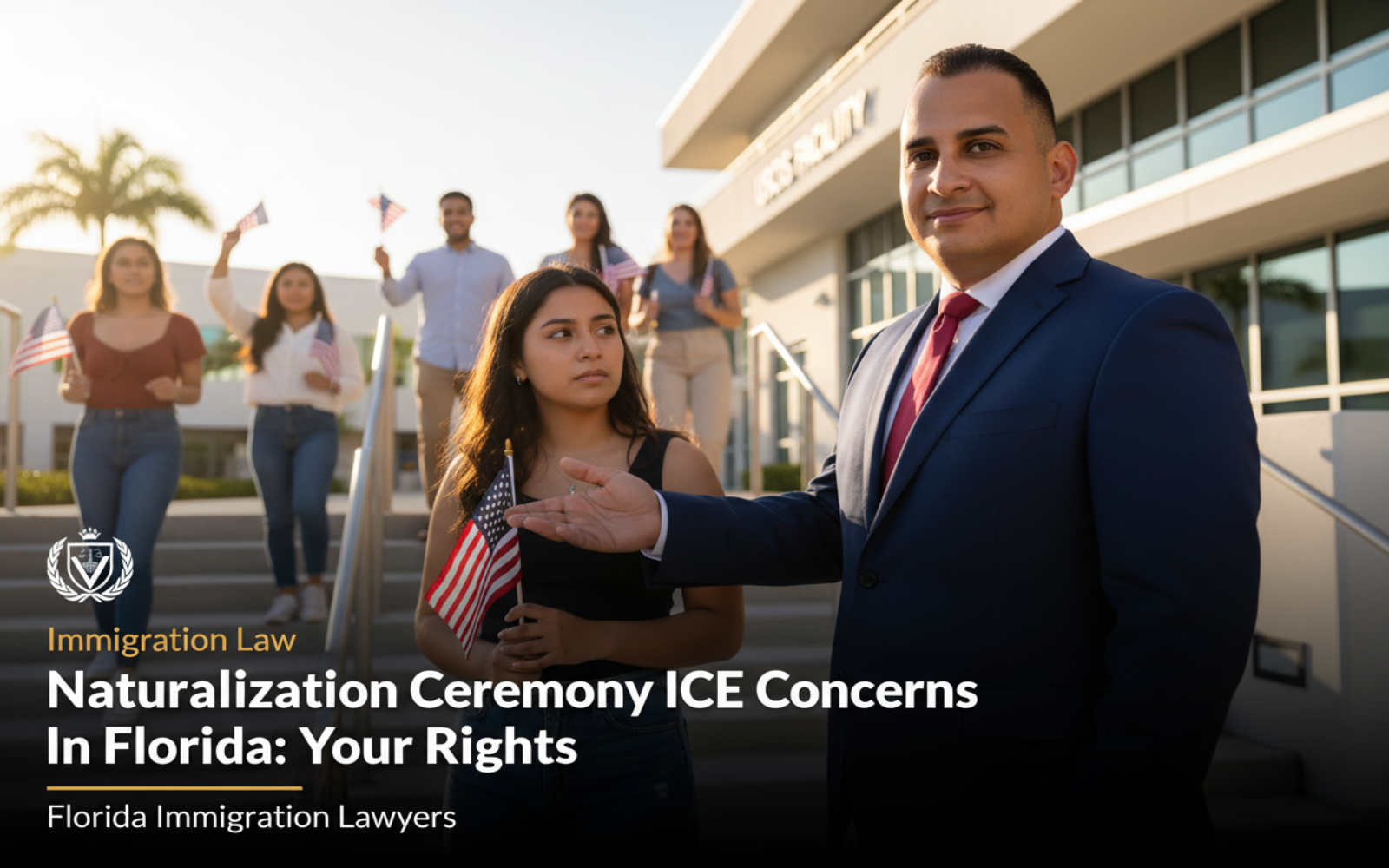
While naturalization ceremonies are a joyous milestone, some individuals express concerns about Immigration and Customs Enforcement (ICE) presence. Generally, ICE focuses on individuals with outstanding warrants or those who are not the applicants themselves. Understanding your rights and being prepared is crucial for a smooth process.
- ICE typically targets non-applicants or those with serious criminal records.
- Naturalization applicants are generally protected once approved for their oath.
- Know your rights: You have the right to remain silent and to an attorney.
- Consult an immigration lawyer if you have any pre-existing concerns.
- Always carry your appointment notice and valid identification.
The journey to becoming a U.S. citizen is filled with anticipation and hope. For many immigrants in Florida, the naturalization ceremony represents the culmination of years of hard work, dedication, and a deep desire to fully integrate into American society. However, in recent years, a growing concern has emerged among some applicants: the potential presence of Immigration and Customs Enforcement (ICE) at these pivotal events. This apprehension can cast a shadow over what should be a moment of celebration.
If you are an applicant for naturalization in Fort Lauderdale, Miami, or anywhere across Florida, these concerns are understandable. Our goal at Florida Immigration Lawyers is to provide you with clear, accurate information and robust legal support. We want to ensure your path to citizenship is as smooth and worry-free as possible. Understanding your rights and the realities of ICE operations is the first step in alleviating this anxiety.
Do not let fear overshadow your American dream. If you have questions or concerns about your naturalization ceremony or any aspect of the immigration process, we are here to help. Call Florida Immigration Lawyers at 1-844-967-3536 for a free consultation today.
Understanding Naturalization Ceremony ICE Concerns in Florida
The naturalization ceremony, also known as the Oath of Allegiance ceremony, is the final step in becoming a U.S. citizen. It is a deeply symbolic event where applicants officially pledge loyalty to the United States. For most, it proceeds without incident, a truly celebratory occasion. However, reports of ICE presence at or near these ceremonies have understandably caused anxiety among some immigrant communities, especially in states like Florida with large immigrant populations.
It is important to clarify why ICE might be present. Generally, ICE's primary focus is not on the naturalization applicants themselves, especially those who have successfully completed all steps and are awaiting their oath. Instead, their operations typically target individuals who have outstanding administrative warrants for deportation, have serious criminal histories, or are otherwise in violation of immigration laws. This could include guests accompanying applicants who may be undocumented or have prior immigration issues. For comprehensive information on immigration matters, you can visit our Immigration practice area page.
In Florida, with its diverse communities and several USCIS field offices (such as Oakland Park serving Fort Lauderdale, Miami, Tampa, and Jacksonville), vigilance is always prudent. While the vast majority of naturalization ceremonies in Florida proceed without ICE intervention directly involving the applicants, being informed about your rights and potential scenarios is key. ICE's authority to enforce immigration laws stems from provisions like the Immigration and Nationality Act (INA), specifically INA § 287(a) (8 U.S.C. § 1357), which outlines powers of arrest by immigration officers.
It is crucial to distinguish between naturalization applicants and their guests. Once you have been approved for naturalization and are at the ceremony to take your oath, you are generally considered to be on the cusp of becoming a U.S. citizen. The focus of ICE at these venues, if present, is typically on individuals who are not the direct applicants themselves, but rather those who may be accompanying them or those who have unresolved immigration issues.
Your Path to U.S. Citizenship: A Step-by-Step Guide
Navigating the naturalization process can feel complex, but understanding each stage helps demystify it. This guide outlines the typical steps involved for eligible individuals in Florida seeking U.S. citizenship. For more details on this specific journey, explore our Citizenship practice area page.
-
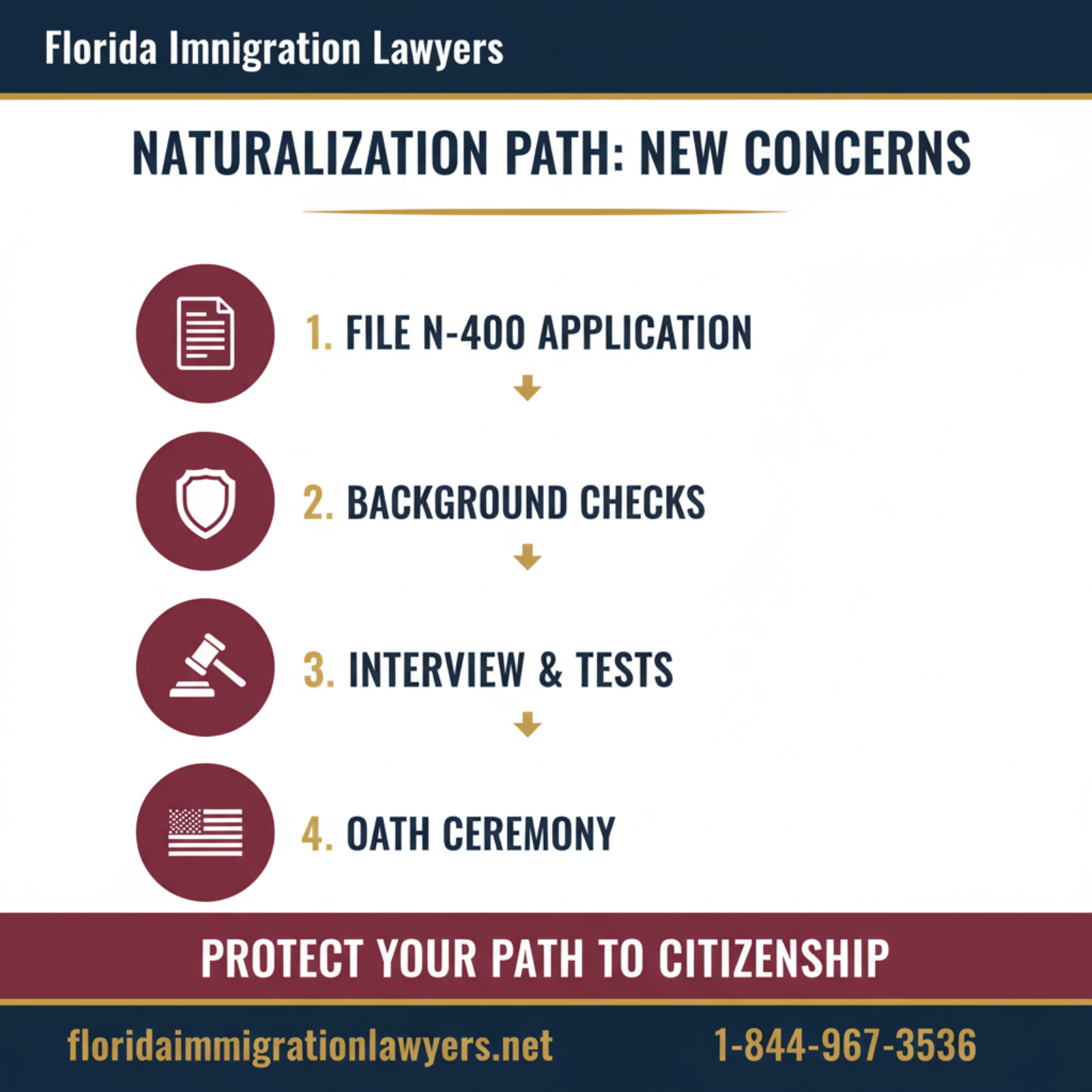
Determine Your Eligibility: Before applying, you must meet specific requirements. These typically include being 18 years old, a lawful permanent resident (Green Card holder) for a certain period (usually 5 years, or 3 years if married to a U.S. citizen), demonstrating continuous residence and physical presence in the U.S., and possessing good moral character. You must also be able to read, write, and speak basic English and have a knowledge of U.S. history and government. These requirements are outlined in INA § 316 (8 U.S.C. § 1427) and 8 CFR Part 316.
-
Prepare and File Form N-400: The Application for Naturalization, Form N-400, is the cornerstone of your application. It is a detailed form requiring comprehensive personal, residential, employment, and immigration history. Accuracy is paramount, and any misrepresentation can lead to severe consequences. It is essential to gather all necessary supporting documents before filing.
-
Attend Your Biometrics Appointment: After filing Form N-400, USCIS will send you an appointment notice for biometrics collection. This involves having your fingerprints, photograph, and signature taken. These are used for background checks and identity verification. This appointment is mandatory and missing it can delay your application.
-
Complete the Naturalization Interview: This is a critical step where a USCIS officer reviews your N-400 application, verifies your identity, and tests your English and civics knowledge. The officer will ask questions about your application, your background, and your commitment to the U.S. Constitution. Being truthful and prepared is vital.
-
Receive a Decision from USCIS: After your interview, the USCIS officer will issue a decision. This could be an approval, a continuance (request for more evidence or a re-test), or a denial. If approved, you will typically receive a notice for your Oath of Allegiance ceremony.
-
Attend the Oath of Allegiance Ceremony: This is the final step. You will attend a ceremony, typically held in a federal courthouse or a USCIS office, where you will take the Oath of Allegiance. Upon taking the oath, you officially become a U.S. citizen and receive your Certificate of Naturalization. Remember to surrender your Permanent Resident Card (Green Card) at this ceremony.
Essential Documents for Your Naturalization Ceremony
Being fully prepared with the correct documentation for your naturalization ceremony is crucial. This helps ensure a smooth and efficient process on this significant day. While USCIS will provide specific instructions in your ceremony notice, here is a general list of documents you should typically bring:
- Your Appointment Notice for the Oath of Allegiance Ceremony (Form N-445).
- Your Permanent Resident Card (Green Card). This will be collected at the ceremony.
- Any Re-entry Permit or Refugee Travel Document issued to you (if applicable).
- All immigration documents issued to you by USCIS or the former INS.
- Any documents USCIS requested you bring to the ceremony in your N-445 notice (e.g., updated marriage certificate, court dispositions).
- Your state-issued identification (driver's license or state ID).
- Your Social Security card (if you have one).
- Two identical passport-style photographs if you were asked to provide them.
Always review your Form N-445 (Notice of Naturalization Oath Ceremony) carefully. It will specify any additional documents you must bring. Failing to bring required documents can cause delays or even necessitate rescheduling your ceremony.
Naturalization Timeline and Processing Expectations for Florida Applicants
The timeline for naturalization can vary significantly based on several factors, including the specific USCIS field office processing your application, the complexity of your case, and current USCIS caseloads. For applicants in Florida, processing times can differ between the Oakland Park (serving Fort Lauderdale), Miami, Tampa, and Jacksonville field offices.
Generally, from the time you file Form N-400 to attending your Oath of Allegiance ceremony, the process can take anywhere from 8 to 24 months, or even longer in some instances. You can check current processing times on the USCIS website. These times are estimates and can change without notice. Factors that may extend your processing time include:
- Errors or omissions in your application.
- Requests for additional evidence (RFE).
- Prior criminal history or immigration violations.
- Frequent international travel.
- Changes in personal circumstances (e.g., marriage, divorce, change of address).
On the day of your ceremony, expect a relatively straightforward process. You will typically check in, surrender your Green Card, and then participate in a group ceremony where you take the Oath of Allegiance. After the oath, you will receive your Certificate of Naturalization. The entire event usually lasts a few hours, marking a truly memorable transition.
Cost Factors and Fees in the Naturalization Process
Understanding the financial aspects of naturalization is an important part of your planning. The costs primarily involve filing fees paid to USCIS, but other potential expenses should also be considered. It is important to note that USCIS fees are subject to change, so always check the most current fee schedule on the official USCIS website.
The primary cost is the filing fee for Form N-400, the Application for Naturalization. This fee often includes the biometrics services fee. USCIS offers a fee waiver option for eligible applicants who can demonstrate an inability to pay. This is done by filing Form I-912, Request for Fee Waiver. Eligibility for a fee waiver is typically based on income levels, receipt of means-tested benefits, or financial hardship.
Beyond USCIS fees, other potential costs may include:
- Legal Fees: If you choose to hire an immigration attorney to assist with your application, prepare for your interview, or represent you in complex situations, legal fees will apply. The expertise of a lawyer, like those at Florida Immigration Lawyers, can be invaluable for ensuring accuracy and addressing potential challenges. Learn more about our team on our Attorneys page.
- Document Translation Fees: If any of your supporting documents are not in English, you will need to provide certified English translations, which may incur costs.
- Travel Expenses: You may incur costs for travel to your biometrics appointment, interview, and naturalization ceremony, especially if you live far from the USCIS field office or ceremony location.
While the costs can seem daunting, remember that becoming a U.S. citizen offers significant long-term benefits and opportunities. Carefully budgeting and exploring options like fee waivers can help make the process more manageable.
Do not navigate this complex process alone. The stakes are too high to risk errors or misunderstandings. Contact Florida Immigration Lawyers today to ensure your application is handled with precision and care.
Common Mistakes to Avoid During Your Naturalization Journey
The naturalization process is detailed and requires careful attention. Avoiding common pitfalls can significantly improve your chances of a successful outcome and prevent unnecessary delays or complications. Here are some critical mistakes to watch out for:
-
Failing to Disclose All Information Accurately: Any omission or misrepresentation, intentional or unintentional, on your Form N-400 or during your interview can lead to accusations of fraud. Consequences can range from denial of your application to deportation proceedings, even years after naturalization if fraud is discovered. Be completely honest and thorough.
-
Ignoring Minor Criminal Offenses: Many applicants mistakenly believe that minor infractions or old arrests are irrelevant. However, any interaction with law enforcement, even if charges were dropped or expunged, must be disclosed. Failure to do so can raise serious good moral character issues and result in denial or even trigger deportation defense concerns.
-
Traveling Internationally Without Proper Planning: Extended trips outside the U.S. can disrupt your continuous residence or physical presence requirements. If you spend too much time abroad, you may need to restart your eligibility period. Always consult an attorney before significant international travel during your naturalization process.
-
Misrepresenting Marital Status or Living Arrangements: If your naturalization is based on marriage to a U.S. citizen, maintaining a valid, bona fide marriage is crucial. Any misrepresentation of your marital status or living arrangements can lead to fraud allegations, denial, and severe immigration penalties.
-
Skipping Legal Review for Complex Cases: If you have any criminal history, previous immigration violations, long absences from the U.S., or other complicating factors, attempting to navigate the process alone is risky. An experienced attorney can identify potential issues and help you prepare a robust application.
-
Failing to Update Your Address with USCIS: USCIS communicates important notices and appointments by mail. If you move and do not update your address promptly using Form AR-11, you could miss critical information, leading to delays or even the abandonment of your application. Always keep your address current with USCIS.
-
Bringing Unauthorized Guests to the Ceremony: While you may want to share your big day, be cautious about who accompanies you. If a guest has unresolved immigration issues or is undocumented, their presence at a federal facility, especially if ICE is present, could put them at risk. Advise guests with concerns to wait outside the facility.
-
Not Understanding Your Rights if Approached by ICE: If you or a guest are approached by ICE, you have rights. You have the right to remain silent and the right to speak with an attorney. Do not sign anything without legal counsel. While naturalized citizens generally do not have to worry about ICE unless fraud in their naturalization was discovered, knowing your rights is always important.
When to Call a Florida Immigration Lawyer for Naturalization Concerns
While the naturalization process is designed to be accessible, certain situations warrant the expertise of an experienced immigration attorney. If you are in Florida and considering applying for citizenship, or if you have an application pending, contacting Florida Immigration Lawyers can provide invaluable peace of mind and strategic guidance. Here are specific scenarios where legal assistance is highly recommended:
- Any Criminal History: Even minor arrests, charges, or convictions, regardless of how old or the outcome, can impact your good moral character assessment. An attorney can evaluate your record and advise on how to address these issues effectively.
- Previous Immigration Violations: If you have ever been out of status, overstayed a visa, had a prior deportation order, or any other immigration infraction, it is crucial to consult a lawyer. These issues can lead to denial and potential deportation defense challenges.
- Long Absences from the U.S.: If you have traveled extensively or spent significant periods outside the United States, an attorney can help determine if your continuous residence or physical presence requirements have been met.
- Questions About Good Moral Character: Beyond criminal history, issues like failure to pay child support, tax evasion, or false statements to government officials can affect your good moral character. An attorney can assess your specific situation.
- Receipt of a Request for Evidence (RFE) or Notice of Intent to Deny (NOID): These are serious communications from USCIS indicating a problem with your application. A lawyer can help you prepare a comprehensive and timely response.
- N-336, Request for a Hearing on a Decision in Naturalization Proceedings: If your naturalization application has been denied, an attorney can help you appeal the decision and represent you in the hearing.
- Concerns About ICE at Your Ceremony: If you have any reason to believe ICE might be interested in you or your guests, or if you simply want to understand your rights fully, an attorney can provide tailored advice and reassurance. While naturalized citizens typically do not have to worry about ICE, unless fraud in their original application is later discovered, it is always best to be prepared.
- Any Change in Circumstances: Marriage, divorce, a new job, or a new address can all impact your application. An attorney can advise on how to properly report these changes to USCIS.
At Florida Immigration Lawyers, we understand the nuances of immigration law. We serve clients across Florida, including Fort Lauderdale, Miami, Orlando, and Tampa, offering dedicated support for every stage of your naturalization journey. Do not face this process alone. Contact us for expert legal guidance.
About Florida Immigration Lawyers
Florida Immigration Lawyers is a leading immigration law firm dedicated to serving individuals and families throughout the Sunshine State. With a deep understanding of complex U.S. immigration laws and a passion for helping our clients achieve their American dreams, we provide compassionate, effective, and results-driven legal representation.
Our experienced team specializes in a wide range of immigration matters, including family-based immigration, business immigration, deportation defense, asylum, citizenship, and naturalization. We pride ourselves on offering personalized attention, strategic advice, and unwavering advocacy for every client. From your initial consultation to the resolution of your case, we are committed to guiding you through every step of the process with clarity and confidence.
Why Choose Florida Immigration Lawyers?
- Expertise: Our attorneys possess extensive knowledge of immigration law and stay abreast of the latest changes and policies.
- Client-Centered Approach: Your goals are our priority. We listen, we understand, and we tailor our strategies to your unique needs.
- Accessibility: We are available 24/7 to address your urgent concerns and provide timely support.
- Bilingual Services: Our team is fluent in English and Spanish, ensuring clear communication and understanding.
- Free Consultations: We offer free initial consultations to discuss your case and outline your options.
Whether you are seeking to become a U.S. citizen, reunite with family, or defend against deportation, Florida Immigration Lawyers is your trusted partner. Call us today at 1-844-967-3536 or visit our website at https://www.floridaimmigrationlawyers.net to schedule your free consultation. We are here to help you navigate the complexities of immigration law with confidence.
Sources and References
- U.S. Citizenship and Immigration Services (USCIS)
- Executive Office for Immigration Review (EOIR)
- USCIS Policy Manual, Volume 12, Part D, Chapter 2 - General Naturalization Requirements
- 8 U.S.C. Chapter 12 - Immigration and Nationality Act (INA), particularly INA § 287(a) (8 U.S.C. § 1357) and INA § 316 (8 U.S.C. § 1427)
- 8 CFR Part 316 - General Requirements for Naturalization
This article provides general legal information and is not intended as legal advice. Every case is unique, and outcomes depend on specific facts and circumstances. Contact an attorney for advice about your particular situation.
Your journey to U.S. citizenship is a significant milestone, and we are committed to helping you achieve it without undue stress. Do not let concerns about ICE or the complexities of immigration law deter you from your goal. Our experienced legal team is ready to provide the guidance and representation you need.
Take the first step towards securing your future. Call Florida Immigration Lawyers for a free consultation at 1-844-967-3536. Se Habla Español - Estamos aquí para ayudarle.
Need help with Immigration?
Our Florida immigration attorneys offer free consultations. Call today or schedule online.
Frequently Asked Questions
Florida Immigration Lawyers
Legal Team
Our experienced attorneys at Florida Immigration Lawyers have been serving clients across Florida for over 20 years. We specialize in immigration, personal injury, criminal defense, workers compensation, and family law.