EXCELLENCE SINCE 1995•60+ YEARS COLLECTIVE EXPERIENCE•SERVING ALL FLORIDA & NATIONWIDE•YO PELEO™ - WE FIGHT•ORLANDO OFFICE•24/7 AVAILABILITY•SE HABLA ESPAÑOL•
EXCELLENCE SINCE 1995•60+ YEARS COLLECTIVE EXPERIENCE•SERVING ALL FLORIDA & NATIONWIDE•YO PELEO™ - WE FIGHT•ORLANDO OFFICE•24/7 AVAILABILITY•SE HABLA ESPAÑOL•
US Immigration News Florida 2026: Updates for Tampa Residents
Stay current with the latest US immigration news impacting Florida residents in 2026, particularly those in Tampa. This detailed guide covers critical policy shifts, USCIS updates, and essential steps for navigating the evolving immigration landscape. We provide a step-by-step application guide, a crucial document checklist, and insights into processing timelines and costs. Learn about common mistakes to avoid and understand when to seek professional legal assistance. Florida Immigration Lawyers is dedicated to offering expert guidance and support through these complex changes. Secure your future by staying informed and consulting with our experienced team.
Vasquez Law FirmPublished on March 17, 2026
0 views
The US immigration landscape in Florida for 2026 is dynamic, with ongoing policy shifts and USCIS updates impacting residents across the state, including Tampa. These changes can influence visa processes, green card applications, and pathways to citizenship. Staying informed and seeking expert legal guidance is crucial to successfully navigate the evolving regulations and protect your immigration status.
Policy changes affect various immigration pathways.
USCIS updates demand careful attention to application procedures.
Legal assistance is vital for navigating complex cases.
Florida residents, especially in Tampa, need localized guidance.
Timely action and correct documentation are essential for successful outcomes.
The landscape of US immigration is constantly evolving, presenting both opportunities and challenges for individuals and families in Florida. As we move into 2026, staying informed about the latest US immigration news is more critical than ever, especially for our vibrant communities in Tampa and across the Sunshine State.
Navigating the complexities of immigration law can feel overwhelming. Policy changes, updated regulations, and shifting priorities from federal agencies like USCIS directly impact your immigration journey. This comprehensive guide will explore the key updates and trends shaping immigration in Florida for 2026, offering actionable insights and essential information.
We understand the profound impact these changes have on your life. Our goal is to provide clarity and guidance through this intricate process. If you have questions about the latest US immigration news affecting your situation, do not hesitate to reach out. Call Florida Immigration Lawyers at 1-844-967-3536 for a free consultation today.
Understanding the Latest US Immigration News for Florida in 2026
Florida, with its diverse population and strategic geographic location, is particularly sensitive to shifts in US immigration news. The year 2026 brings new developments that require close attention from immigrants, employers, and legal professionals alike. We are seeing continued emphasis on border security, changes in visa processing, and adjustments to asylum policies.
These updates are not merely national headlines; they have tangible effects on individuals living and working in Florida. For instance, new enforcement priorities might influence detention and deportation proceedings, while changes to employment-based visa categories could impact Florida's robust agricultural and tourism sectors. Understanding these broader trends is the first step toward effective planning.
Key Policy Shifts and Their Impact on Florida Residents
Several significant policy shifts are shaping the immigration landscape in 2026. We are observing potential legislative efforts aimed at immigration reform news, which could introduce new pathways to legal status or modify existing ones. These reforms are often debated fiercely in Congress, leading to uncertainty for many.
Moreover, administrative changes implemented by the Department of Homeland Security (DHS) and USCIS can alter how applications are processed and adjudicated. These changes might include new interview requirements, increased scrutiny for certain visa categories, or adjusted fee structures. Florida residents must be prepared for these procedural modifications.
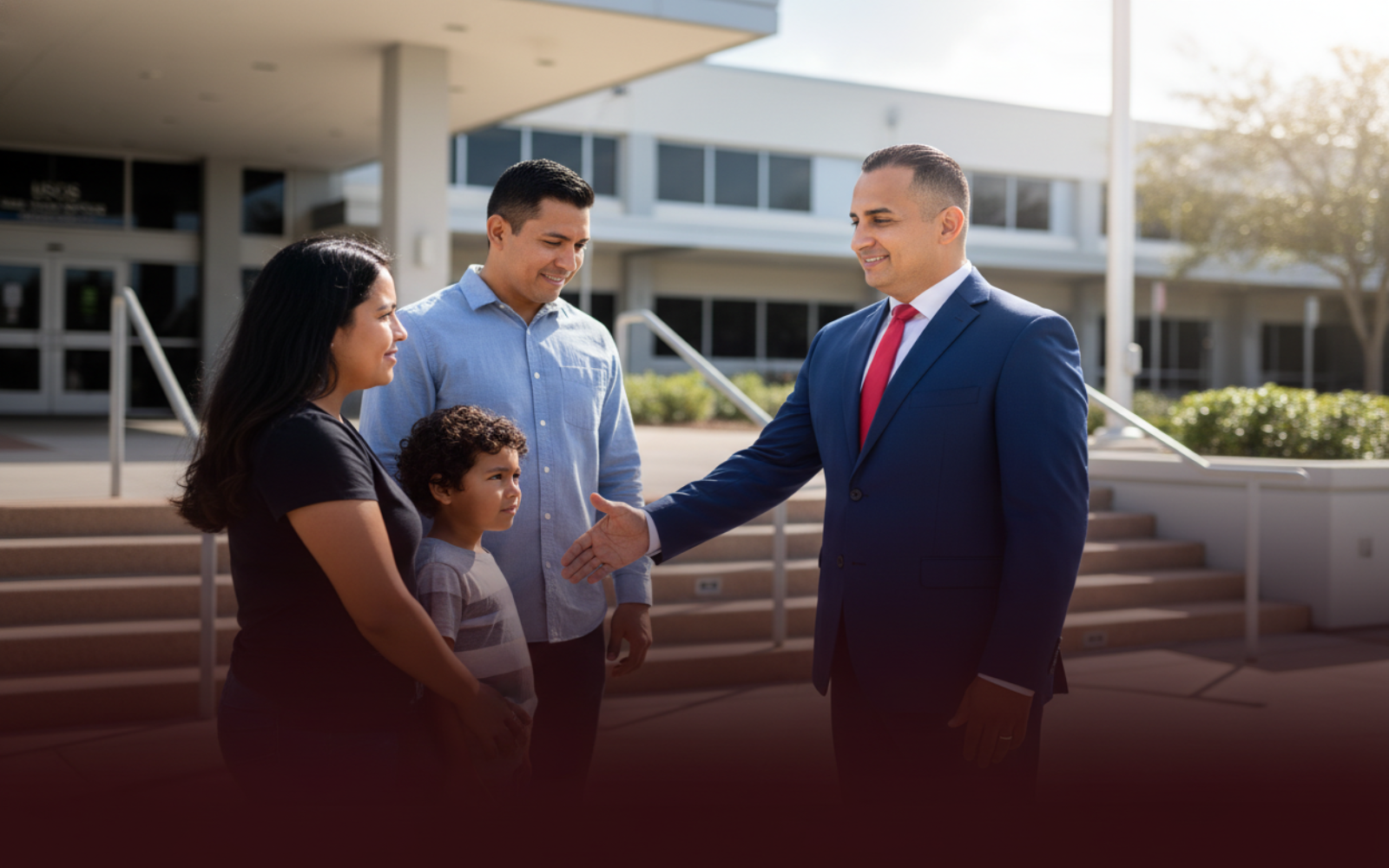
Featured: US Immigration News Florida 2026: Updates for Tampa Residents
How National Changes Affect Local Communities in Tampa
Tampa, a major metropolitan hub in Florida, is home to a significant immigrant population that contributes greatly to its economy and culture. National immigration policies directly affect families, businesses, and educational institutions within the city.
For example, changes to family-based immigration rules could impact reunification efforts for Tampa families. Similarly, alterations to H-1B or L-1 visa programs might affect tech companies and multinational corporations operating in the Tampa Bay area. Our firm closely monitors these developments to provide timely advice to our Tampa clients.
Navigating Recent USCIS Updates: A Step-by-Step Guide for Florida Immigrants
USCIS, the U.S. Citizenship and Immigration Services, is the primary agency responsible for administering immigration benefits. Their announcements constitute critical USCIS news today for anyone interacting with the immigration system. Staying up-to-date with their guidelines is paramount for successful application processing.
For instance, USCIS regularly updates forms, filing locations, and processing times. Missing these updates can lead to delays or even denials. We recommend checking the official USCIS website frequently for the U.S. immigration news updates today that could affect your case.
Monitor Official USCIS Announcements: Regularly visit uscis.gov for the latest policy memoranda, form updates, and processing time reports. This is your primary source for accurate information.
Understand Form Revisions: USCIS frequently revises application forms. Always download the most current version directly from their website. Using an outdated form can result in rejection and significant delays.
Review Filing Instructions Carefully: Each form comes with specific instructions regarding required documents, fee amounts (which can change), and where to mail your application. Adhering strictly to these instructions is crucial.
Prepare for Biometrics Appointments: Most applications require a biometrics appointment at an Application Support Center (ASC). Be sure to attend this appointment promptly with the required identification.
Attend Interviews as Required: Depending on your application, you may need to attend an interview at a USCIS field office, such as the one in Tampa. Prepare thoroughly with all original documents and be ready to answer questions about your application.
Respond to Requests for Evidence (RFEs): If USCIS issues an RFE, it means they need more information or documentation to make a decision. Respond comprehensively and within the specified deadline to avoid delays or denial.
Maintain Your Status: While your application is pending, it is vital to maintain your current legal immigration status. Overstaying a visa or violating its terms can jeopardize your pending application.
Seek Legal Counsel: Immigration law is complex and constantly changing. Consulting with an experienced Florida immigration lawyer can help you navigate these updates, ensure proper filing, and represent your best interests.
Essential Document Checklist for Immigration Filings in 2026 Florida
Proper documentation is the backbone of any successful immigration application. The requirements can be extensive and vary based on the specific type of visa or benefit you are seeking. In 2026, USCIS continues to emphasize thorough and accurate submissions.
Gathering all necessary documents in advance can significantly streamline your application process and prevent requests for evidence. We always advise our clients to organize their documents meticulously, making copies of everything submitted.
Proof of Identity and Nationality: Valid passport, birth certificate, national identity card.
Financial Support Documents: Affidavits of Support (Form I-864), tax returns, employment letters, bank statements to demonstrate financial self-sufficiency or sponsor's ability.
Marriage and Family Relationship Evidence: Marriage certificates, birth certificates of children, photos, joint bank accounts, utility bills, and other evidence of a bona fide relationship for family-based petitions.
Educational and Professional Credentials: Diplomas, transcripts, professional licenses, employment verification letters, resumes for employment-based visas.
Medical Examination Records: Report of Medical Examination and Vaccination Record (Form I-693) completed by a USCIS-approved civil surgeon.
Police Clearance Certificates: From all countries where you have lived for a certain period, as required.
Translated Documents: Any document not in English must be accompanied by a certified English translation.
Application Forms and Fee Receipts: Properly completed forms and proof of payment for all required filing fees.
Immigration Processing Timelines and Expectations for Florida Applicants
One of the most common questions our clients ask concerns processing times. The reality is that immigration processing times can vary significantly based on the type of application, the specific USCIS service center or field office (like Tampa's field office), and current caseloads.
While USCIS provides estimated processing times on its website, these are just estimates and can change without notice. Factors such as a high volume of applications, staffing levels, and policy shifts can all impact how long your case takes. For those seeking a green card, staying updated on the latest immigration news today green card processing is crucial.
For example, family-based petitions (Form I-130) often involve multi-year waits, particularly for categories with annual numerical limits. Employment-based petitions (Form I-140) can also vary widely. Adjustment of Status applications (Form I-485) processed at Florida field offices typically follow local caseloads.
We recommend factoring in potential delays and planning accordingly. While some cases might be processed faster, it is always better to prepare for a longer wait. Our firm can help you monitor your case status and understand potential next steps.
Cost Factors and Fee Breakdown for Immigration Cases in Florida
The financial aspect of immigration can be substantial, encompassing various fees and potential legal costs. It is important to budget for these expenses from the outset to avoid unexpected financial burdens. USCIS fees, which are subject to change, form a significant portion of these costs.
These fees typically cover the cost of processing your application, biometrics, and sometimes, specific services like the Affidavit of Support review. Beyond government fees, you will also need to consider other potential expenses, such as medical examination fees and translation costs.
USCIS Filing Fees: Each application form (e.g., I-130, I-485, N-400) has an associated filing fee. These fees vary widely and are periodically updated by USCIS.
Biometrics Fees: A separate fee is often required for biometric services, covering fingerprinting and background checks.
Medical Examination Fees: You must undergo a medical examination by a USCIS-approved civil surgeon. The cost for this examination is paid directly to the doctor and is not included in USCIS fees.
Translation Costs: If any of your supporting documents are not in English, you will need to pay for certified translations.
Attorney Fees: Retaining an experienced immigration attorney involves legal fees. While an investment, legal representation can prevent costly mistakes and increase your chances of success. Florida Immigration Lawyers offers competitive rates and transparent billing.
Travel Costs: Depending on your location within Florida, you might incur travel expenses for appointments at USCIS field offices (e.g., Tampa, Orlando, Miami) or ASCs.
Do not navigate this process alone. The complexities of US immigration news and regulations require expert guidance. Contact Florida Immigration Lawyers today to schedule your consultation and ensure your case is handled with precision and care.
Common Mistakes to Avoid in Florida Immigration Cases
Navigating the immigration system can be fraught with potential pitfalls. Even minor errors can lead to significant delays, requests for evidence, or even outright denials. Being aware of these common mistakes can help you avoid them and safeguard your immigration journey.
Submitting Incomplete or Incorrect Forms: One of the most frequent errors is failing to fill out every section of a form or providing inaccurate information. This often results in a rejection or a Request for Evidence (RFE), prolonging your case significantly.
Missing Deadlines: Immigration processes are time-sensitive. Failing to respond to an RFE, attend an interview, or file a petition by the deadline can lead to the abandonment or denial of your application.
Failing to Disclose All Information: Omitting information, even if seemingly minor, about your criminal history, previous immigration applications, or marital status can be considered misrepresentation and lead to severe consequences, including bans from the U.S.
Not Providing Certified Translations: Any document not in English must be accompanied by a complete and certified English translation. Submitting untranslated documents will cause delays or rejection.
Ignoring Changes to Your Address: If you move while your application is pending, you must notify USCIS of your new address within 10 days using Form AR-11. Failure to do so can result in missed notices and critical updates.
Failing to Maintain Legal Status: For those adjusting status from within the U.S., it is crucial to maintain a valid nonimmigrant status until your adjustment of status application is filed. Overstaying can make you ineligible for certain benefits.
Not Seeking Legal Advice for Complex Cases: Attempting to handle complicated cases, such as those involving criminal records, prior deportations, or complex waivers, without legal counsel significantly increases the risk of denial.
Assuming Old Information is Still Valid: Immigration laws and procedures, including those covered by US immigration news, change frequently. Relying on outdated advice or forms can lead to critical errors.
Improperly Preparing for Interviews: Appearing at an interview without all original documents or being unable to answer questions coherently can raise red flags and complicate your case.
Falling Victim to Notario Fraud: Unlicensed individuals (notarios) who offer legal advice are often unqualified and engage in fraudulent practices, leading to devastating consequences for immigrants. Always seek help from licensed attorneys.
When to Call a Florida Immigration Lawyer: Protecting Your Rights
While some immigration processes appear straightforward, the reality is that the legal framework is incredibly complex and constantly changing, especially with the latest US immigration news. Knowing when to seek professional legal assistance can make all the difference in the success of your case and the protection of your rights.
We strongly recommend contacting Florida Immigration Lawyers if you face any of the following scenarios. Our experienced attorneys are dedicated to serving individuals and families across Florida, including Tampa, Orlando, and Miami, with personalized and effective legal strategies.
Complex Case Scenarios: If your case involves a criminal history, previous deportations, prior visa denials, or other complicating factors, expert legal guidance is essential. We specialize in deportation defense and waivers.
Receiving a Request for Evidence (RFE) or Notice of Intent to Deny (NOID): These notices indicate that USCIS has concerns about your application. A lawyer can help you formulate a strong, comprehensive response.
Facing Delays or Unexplained Processing Times: If your case is taking unusually long, an attorney can help inquire with USCIS and address any underlying issues.
Asylum or Refugee Claims: These cases are highly sensitive and require deep legal expertise. Our firm provides compassionate representation for asylum seekers.
Family-Based Immigration Challenges: Issues with petitions for relatives, proving bona fide relationships, or navigating preference categories often benefit from legal counsel. Learn more about family immigration services.
Business or Employment Immigration: For employers and foreign workers dealing with H-1B, L-1, or other employment visas, a lawyer can ensure compliance and smooth processing. Explore our business immigration services.
Citizenship and Naturalization: While seemingly straightforward, issues like continuous residence, good moral character, or interview preparation can be complex. We assist with citizenship applications.
Any Doubts or Concerns: If you are unsure about any aspect of your immigration journey, it is always best to consult with a qualified attorney. A proactive approach can prevent future problems.
At Florida Immigration Lawyers, we are committed to providing exceptional legal services across all areas of immigration law. We stay abreast of the immigration news 2025 (and 2026) to offer the most current and effective advice.
About Florida Immigration Lawyers
Florida Immigration Lawyers is a leading law firm dedicated to providing comprehensive and compassionate immigration legal services throughout the state of Florida. With a deep understanding of both federal immigration law and the unique needs of Florida's diverse communities, we are your trusted partners in navigating the complexities of the U.S. immigration system.
Our team of experienced attorneys is committed to achieving the best possible outcomes for our clients. We pride ourselves on clear communication, personalized strategies, and unwavering advocacy. Whether you are seeking a visa, a green card, citizenship, or facing deportation, we are here to guide you every step of the way.
Why Choose Florida Immigration Lawyers?
Experience and Expertise: Our attorneys possess extensive knowledge of immigration law and stay current with the latest policy changes and US immigration news.
Client-Centered Approach: We prioritize your needs, offering personalized attention and tailored legal solutions.
Comprehensive Services: From family and business immigration to asylum and deportation defense, we cover a broad spectrum of immigration matters.
Statewide Reach: We serve clients in all Florida cities and counties, including Tampa, Orlando, Miami, Jacksonville, and beyond.
Accessible Support: We are available 24/7 to address your urgent concerns and offer free, confidential consultations.
Visit our website at https://www.floridaimmigrationlawyers.net or call us directly at 1-844-967-3536 to schedule your free consultation. Let us put our expertise to work for you.
Are you currently in Florida on a nonimmigrant visa and dreaming of pursuing higher education? Our comprehensive guide e...
This article provides general legal information and is not intended as legal advice. Every case is unique, and outcomes depend on specific facts and circumstances. Contact an attorney for advice about your particular situation.
While specific legislative changes are always subject to ongoing political developments, 2026 is anticipated to bring continued focus on border security measures, potential adjustments to visa processing times, and possibly new directives regarding asylum claims. Florida, with its diverse immigrant population and strategic location, often experiences the direct impact of these national policies. Residents should monitor updates from USCIS and the Department of Homeland Security, as well as state-level initiatives that might influence local enforcement or support services. It's crucial to consult with an experienced immigration attorney to understand how these broader policy shifts could specifically affect individual cases or family immigration plans.
Tampa, as a major metropolitan area in Florida, will likely experience several direct impacts. For individuals, changes in visa categories, processing backlogs, or eligibility criteria could affect family reunification, employment-based immigration, and naturalization processes. Businesses in Tampa that rely on foreign talent, particularly in sectors like healthcare, technology, and hospitality, might face new challenges or opportunities related to H-1B or other work visas. Additionally, local community organizations and legal aid services will be critical in disseminating information and providing support to residents navigating these complex changes. Staying informed through local legal experts and community resources is highly recommended.
Green Card application processes are frequently subject to adjustments, and 2026 could see updates related to eligibility criteria, required documentation, or interview procedures. While comprehensive immigration reform that would drastically alter the Green Card system is often discussed, incremental changes are more common. These might include revised public charge rules, updated medical examination requirements, or shifts in priority dates for certain categories. Applicants should always refer to the latest USCIS policy manuals and forms (I-485, etc.) and be prepared for potentially longer processing times. Engaging with a qualified immigration lawyer is essential to ensure all requirements are met accurately and promptly.
As of 2026, comprehensive immigration reform remains a complex and often debated topic in the U.S. Congress. While various proposals may be introduced, their passage and implementation are subject to political consensus. For Florida residents, any reform efforts could potentially impact pathways to legal status for undocumented individuals, expand or restrict certain visa categories, or alter border enforcement strategies. It's important to differentiate between proposed legislation and enacted law. Residents should follow reputable news sources and legislative updates from Washington D.C., but always consult with an immigration attorney regarding how any potential reforms might specifically apply to their personal circumstances, as changes can be slow and nuanced.
Staying informed about USCIS news is crucial for anyone involved in the immigration process. Tampa residents should regularly visit the official USCIS website (uscis.gov) for direct announcements, policy alerts, and updated forms. Subscribing to their email updates can also provide timely notifications. Additionally, reputable immigration law firms specializing in Florida immigration often publish newsletters or blog posts summarizing key changes. Local community organizations and non-profits that serve immigrant communities in Tampa also play a vital role in disseminating information and hosting workshops. Always cross-reference information with official sources to ensure accuracy.
Tampa residents have several options for reliable legal assistance. It is highly recommended to seek out licensed and experienced immigration attorneys who specialize in U.S. immigration law and have a strong understanding of Florida-specific nuances. Organizations like the American Immigration Lawyers Association (AILA) can provide directories of qualified attorneys. Additionally, several non-profit legal aid organizations in the Tampa Bay area offer low-cost or pro bono services for eligible individuals. When choosing legal representation, always verify credentials, inquire about experience with similar cases, and ensure clear communication regarding fees and expected outcomes to protect your interests.
The H-1B visa program, critical for many Florida businesses seeking to employ skilled foreign workers, is frequently subject to regulatory review. In 2026, potential changes could include adjustments to the annual cap, modifications to the lottery selection process, or updated prevailing wage requirements. Employers in Tampa should anticipate continued scrutiny of H-1B petitions and be prepared for potential shifts in policy aimed at protecting U.S. workers or streamlining the application process. Staying current with USCIS announcements and consulting with business immigration attorneys is essential for Florida companies to navigate these potential changes and ensure compliance.
Florida, particularly regions like Tampa, continues to be a destination for individuals seeking asylum or refugee status. In 2026, resources will likely include legal aid organizations specializing in asylum law, which can help prepare applications, represent individuals in court, and provide guidance through the complex process. Non-profit organizations and community centers often offer support services such as language assistance, housing aid, and integration programs. It's crucial for asylum seekers to understand the strict deadlines for filing an asylum application (generally within one year of arrival) and to seek legal counsel immediately upon entering the U.S. to ensure their rights are protected and their case is properly presented.
VLF
Florida Immigration Lawyers
Legal Team
Our experienced attorneys at Florida Immigration Lawyers have been serving clients across Florida for over 20 years. We specialize in immigration, personal injury, criminal defense, workers compensation, and family law.